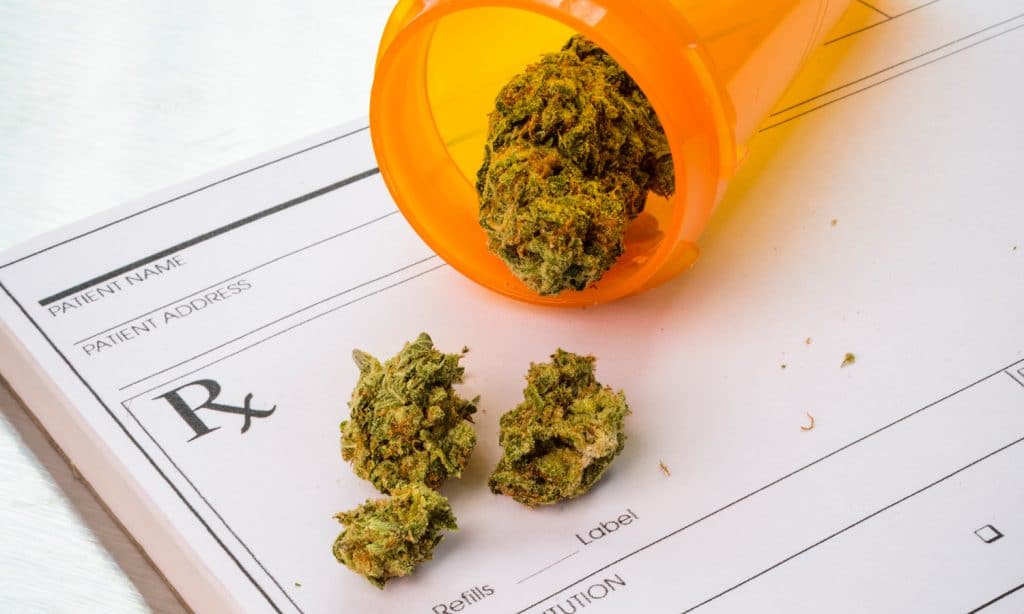
The sheer range of cannabis effects and characteristics are what make it globally beloved, and it requires a look at the sum of its parts.
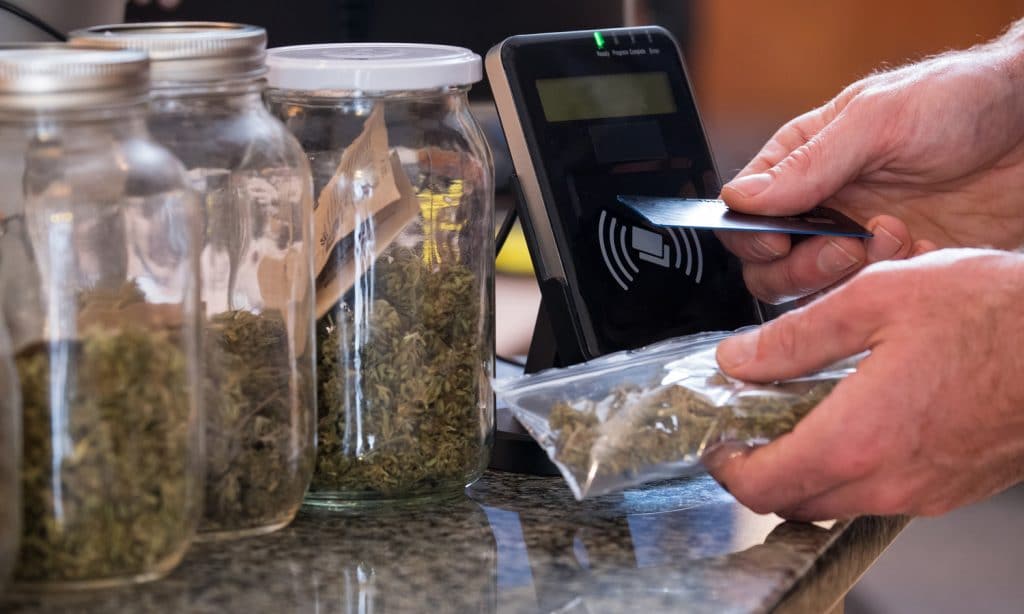
Walk into any licensed cannabis dispensary in a recreational state and you’ll notice — weed can get pretty expensive. Eighths can range from a reasonable $30 to as much as $80, before taxes even get factored in.
Many consumers feel like they need to get their money’s worth, and much like with alcohol, have looked to THC content to determine if the sticker price is worth it. The demand for flower that tests at 30% THC or more has become so prominent that growers often can’t sell their relatively low-testing flower to retailers.
Photo by mikroman6/Getty Images
But as it turns out, THC is far from the best indicator of a flower’s potency, let alone its overall quality. THC content is one static result in a live organism that changes with its environment, and should never be the deciding factor. Here’s what else you should look for when purchasing marijuana.
Check the Cultivation and Packaging Dates
The days of growers bringing fresh pounds of cannabis in turkey bags in the dispensary back door are sadly over. Industry regulations require inventory tracking, lab tests, compliant packaging and distribution in order to get any buds from the garden to the shelves, all of which take time.
It’s unfortunate, but far from unusual to see cannabis being sold six months after it was cultivated. Exposure to light and oxygen degrades THC content and converts it to the more sedating and less psychoactive cannabinoid CBN, which is great if you’re sleep deprived, but not much else.
Ask About Terpenes
More and more companies are now offering terpene profiles in addition to just cannabinoid content, which is a win for consumers. Terpenes are aromatic compounds found in cannabis and innumerable other plants responsible for that “dank” smell, but in cannabis they converge with cannabinoids in what’s called the entourage effect to express a certain strain’s effects.
The earthy, stony OG Kush, for example, has a very different terpene profile than zippy Super Lemon Haze, and the two provide distinct highs. A low terpene content can indicate poor cultivation methods or an aged product, neither of which a high THC content can make up for. Your budtender or dispensary associate may have more information as well.
Research the Brand
Wine grown in Napa Valley is going to taste different than wine grown in Martha’s Vineyard, and the same goes for cannabis. Location, genetics and growth methods can result in two versions of the same strain having almost nothing in common, except the name.
Photo by nattrass/Getty Images
A company that specializes in outdoor cultivation won’t offer the same experience as an indoor-grown brand, and larger companies may partner with smaller growers to white-label their crops instead of growing their own.
See it Up Close, if You Can
Cannabis is a visual plant, just take a scroll on Instagram or a perusal of cannabis magazines. These images are typically the creme de la creme, and can be used as a point of reference against what you see in stores, provided pandemic guidelines allow you to view and sniff samples.
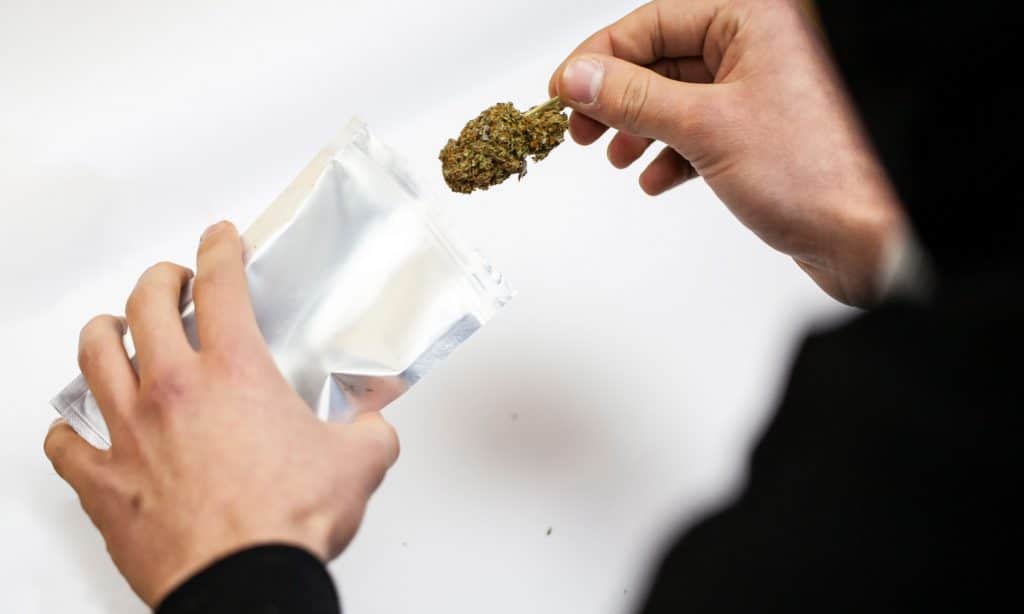
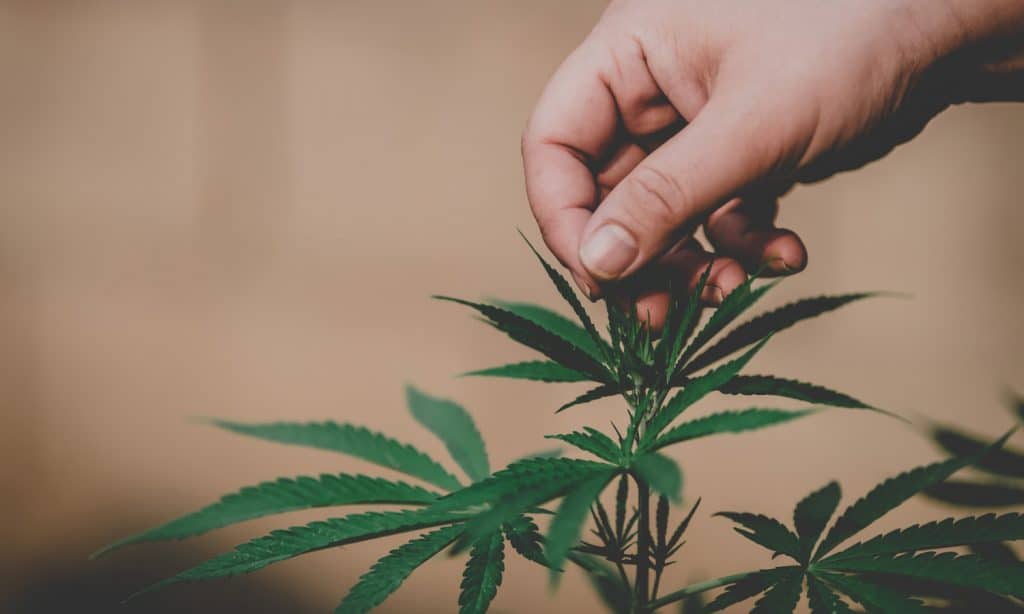
Fresh cannabis not only smells fresh, but looks like it. Colors of the leaves and pistils are vibrant, not browning, the crystal-like trichomes should still be white, and the bud should even have a slightly wet appearance. There should never, under any circumstances, be any stems or seeds mixed in.
The healing power of cannabis is a group effort that THC alone can’t provide, nor should it. The sheer range of cannabis effects and characteristics are what make it globally beloved, and it requires a look at the sum of its parts, not by the numbers.
For now, there’s no country in the EU that allows for the legal production, commercialization, and consumption of adult-use cannabis. Things, however, are just beginning to move on the Old Continent.
By Barbara Pastori, Director of Strategy & Data – Prohibition Partners
In this insightful article, international cannabis expert, Barbara Pastori, explores the potential impact of adult-use legalization in Europe.
Adult-use cannabis legalization is picking up pace in the Americas. On Wednesday July 14, Senate Majority leader Chuck Schumer released a draft bill that would federally legalize cannabis in the United States. Earlier this year, New York joined the ever-growing collection of US states in which adult-use cannabis is already fully legal. Last June, Mexico’s Supreme Court ruled that the government should legalize the recreational use of cannabis, bringing the country a step closer to becoming the largest legal market for adult-use cannabis in the world.
Photo by Anton Petrus/Getty Images
And Europe? It’s still lagging behind. For now, there’s no country in the EU that allows for the legal production, commercialization, and consumption of adult-use cannabis. Things, however, are just beginning to move on the Old Continent as well.
There are a few governments that are taking the first tentative steps towards legislation that allows for adult cannabis use (at least on a trial basis). June saw two political parties in Portugal — Left Bloc and Liberal Initiative — each present proposals for the legalization of adult-use cannabis. The outcome of the debate was an agreement that both bills be sent to the Health Committee for a period of 60 days, during which public hearings can be made, amendments presented, and negotiations carried out before the deciding vote takes place in Parliament.
Luxembourg, Switzerland, and The Netherlands have all passed regulations to get the ball rolling in the legalization process. In Switzerland and the Netherlands, new laws allow for the initiation of pilot schemes wherein cannabis can be legally produced, imported, and distributed to registered users. It is likely that these pilot projects will be underway, with products on shelves within 1-2 years. This will make the two countries the first to de facto allow for a fully legal supply chain for adult-use cannabis.
Photo by Steven Lasry via Unsplash
If the legalization process continues as expected, Portugal — along with other European countries like Spain, the Netherlands, Luxembourg, Germany, Switzerland, and Malta — may be on course to introduce legal access to adult-use cannabis within the next few years.
What will be the effects of legalization?
The potential effects of the legalization of cannabis in Europe are far-reaching and significant. From an economic, social, political, and medical perspective, the opportunities created by legalization could be transformative. Let’s take a look at a few now.
A commercial boom
Firstly, let’s examine the potential commercial impact of cannabis legalization in Europe. Put simply, the potential market for adult-use cannabis is huge. A whopping one in ten Europeans smokes cannabis every year, while a quarter of people admit to having used cannabis at least once in their lifetime. The annual sales in illicit market cannabis are estimated at around €11 billion.
It appears likely that many countries will focus on developing infrastructure for the domestic production of adult-use cannabis. This is the course that Switzerland and the Netherlands are charting in order to allow for tighter oversight of all stages of the supply chain and maximize the amount of tax revenue.
Although fragmented legislation might somehow be a hindrance to the market reaching its full potential quickly, the gradual legalization of adult-use cannabis will mark a significant turning point for the industry and opportunities will arise as a result. As highlighted in The European Cannabis Report: 6th Edition, we project that sales of adult-use cannabis will reach €200 million by 2023, coming close to €800 million in 2025.
To put these figures into context; when cannabis was legalized in Canada, the illicit market for cannabis was worth €800 million. It took just two years for the legal adult-use cannabis industry to take away half of the market share.
Product differentiation will be a natural outcome, as we’ve seen in the US and Canada. There are a number of ways cannabis can be consumed for recreational purposes, many of which are currently made impossible by prohibition.
This diversification could lead to an increase in cannabis usage more broadly – many people are, after all, put off by the illegality of the business and the lack of alternatives to smoking flowers. The drive to satisfy the diverse needs of consumers will involve a wide variety of sectors. Those most likely to play a role are consumer goods, food, and healthcare. Profitable investment opportunities will be available to essentially create a functioning value chain from scratch.
A plethora of medicinal uses
The legalization of cannabis across Europe will not only create a new market but will also have a significant impact on the medical side of the industry. The relationship between these two segments has indeed always been a controversial one.
In the US, medical cannabis has occasionally been used as the basis for wider arguments about the legalization of adult-use cannabis. We’ve all seen the photos of medical practices in areas like Venice Beach offering quick prescriptions for cannabis for a few dollars. This practice has helped to normalize cannabis use, while also damaging the image of cannabis as a medicinal product.
Photo by thegoodphoto/Getty Images
The situation is very different in Europe, where medical and adult-use cannabis have largely remained separate issues. Cannabis is permitted in many countries for medical purposes, while recreational use still carries a stigma and is largely left to the illicit market.
However, it can be expected that the legalization of adult-use cannabis will have an impact on the medical cannabis market in Europe. One likely effect is the increasing medicalization of these cannabis markets. Patients and doctors will increasingly move away from the flower — still predominant in Europe — and towards products like extracts, edibles, and the more refined pharmaceutical products which align medicinal cannabis to more traditional medical practice.
This is a natural process, but also one that will be necessary for the pharmaceutical cannabis industry to evolve. As more and more patients will be able to find satisfaction for their consumption needs elsewhere, medicinal cannabis will need to differentiate its offering. A similar trend can already be seen in a more mature market like Canada, where the opening of adult-use cannabis stores has put the total number of registered patients on a downward trend.
Socially and politically transformative
Finally, the recreational legalization of cannabis is almost certain to bring with it further normalization and social acceptance of cannabis across Europe, fanning the flames of a market that is already set to grow exponentially over the next few years (we project it will be worth more than €3 billion by 2025). As with anything, the social stigmas attached to cannabis are largely borne out of its illegality and have begun to be stripped away as countries move towards legalization.
It’s also entirely possible that countries will begin to see the political and legislative benefits of legalization, leading other governments to follow suit. Countries that go down the legalization route are likely to feel the immense benefits of direct revenues through taxes and a significant reduction in pressure on the judicial system. Colorado, a state with an economy the size of Norway’s, sold $1.6 billion in cannabis in 2020 and is an industry that is supporting the creation of thousands of jobs, reviving the economies of many communities.
Legalization is unlikely to completely transform the market with one clean sweep. It’s much more likely that countries will gradually adopt a hybrid solution or implement new legislation in increments. This is, however, a story we’ve seen time and time again. When we reach a legislative tipping point, change comes thick and fast.
We may not see a European country legalize recreational cannabis this calendar year, but the process is underway and it’s difficult to predict how quickly things will move when they do. For anyone hoping to ride this wave, now might be a good time to start preparing.
Photo by Kyle Glenn via Unsplash
Barbara is a leading expert on the international cannabis industry. She has done substantial work on emerging cannabis markets such as Europe, Latin America and Africa. Barbara heads Research & Consulting in Prohibition Partners, the leading source of market intelligence, data and strategy on the global cannabis industry.
Barbara has extensive experience in managing and executing strategic consulting projects in a variety of heavily regulated sectors ranging from Oil & Gas to transportation and FMCG. Previous to Prohibition Partners, she covered various positions in General Electric, Wood Mackenzie and KLB Group. Barbara is a graduate in Political Science and International Relations from LUISS University and holds a MSc in Petroleum and Energy Economics and Finance from the University of Aberdeen.
To get in touch with Barbara, you can email her directly: barbara@prohibitionpartners.com
Can you smoke your leftover weed stems? What can you even do with them? Here’s what you should know.
It’s happened to the best of us. It’s late at night and we’ve totally underestimated the amount of marijuana at our disposal. We aren’t in a position to buy more at the moment. We look through our ashtray and our weed baggie and there’s nothing useful in sight. Then we spot the stems. Should we smoke them? Can we smoke them? What happens when you smoke marijuana stems?
Sadly, it appears that weed stems are different from the usual bud you smoke. For starters, they don’t contain much THC, rendering them useless if you’re looking to get high. They also taste bad and woody, because there’s no plant in them, and they’re associated with a batch of negative side effects like headaches, sore throats and coughing fits, according to Healthline.
Still, just because you can’t smoke cannabis stems doesn’t mean you can’t find something useful to do with them. A lot of people find inventive ways of incorporating these parts of cannabis, using them to brew teas, to make tinctures, topicals and to even make stem butter. While there’s not much THC in stems, they are still a part of the cannabis plant, having many of the mysterious health benefits that experts and cannabis users love.
Before re-purposing your stems for any reason, it’s important to decarboxylate them, activating however small amount there is of THC and other cannabinoids. Once you’re done with this part of the process, you can infuse the stems into whatever you want.
Cannabis stems aren’t likely to get you high, but they could provide therapeutic and relaxing effects for you. There’s anecdotal evidence of cannabis stem teas treating nausea, anxiety, chronic pain, and more, all the while eliminating the unpredictable psychoactive effects of cannabis drinks. We even have a recipe for it.
CV Sciences also released its potential plans to develop the world’s first and only FDA-approved treatment for smokeless tobacco addiction.
This week, CV Sciences (OTCQB:CVSI) released the results of a preclinical study that suggests that CBD can reduce nicotine withdrawal symptoms in smokeless tobacco users.
The study, conducted in collaboration with researchers from the University of California, San Diego and published on Springer Nature, found that CBD prevented nicotine-dependent rats from exhibiting withdrawal symptoms including increased pain sensitivity and weight gain during short-and long-term nicotine restriction.
Photo by Mathew MacQuarrie via Unsplash
The company also released its potential plans to develop the world’s first and only FDA-approved treatment for smokeless tobacco addiction.
“We are thrilled with the results of this study done in collaboration with UC San Diego, which marks a significant milestone for our drug development division,” Joseph Dowling, CEO of CV Sciences told Benzinga. “Through continued research and innovation, we are committed to developing a CBD-based therapeutic to address the huge, unmet medical need and global health issue of nicotine addiction.”
New York Cannabis United is calling on both the Cuomo Administration and New York State Legislators to uphold the promises made in the new law by swiftly appointing leadership to the Cannabis Control Board.
By Imani A. Dawson
On March 31st, Governor Cuomo signed the Marihuana Regulation and Taxation (MRTA) into law, conceived as one of the nation’s most equitable. The law has the potential to create the country’s largest legal cannabis industry and mitigate the harms experienced by Black and brown communities in the process.
Three months later, legalization has stalled in New York. Elected officials have taken no clear and public steps to create the promised cannabis industry grounded in social justice, economic equity, and environmental renewal. Every day that goes by without the administrative structure in place to implement the MRTA harms New Yorkers. The lack of transparency around selection criteria and lack of action around proposing candidates undermines this historic victory.
Photo by Joshua Earle via Unsplash
New York Cannabis United (NYCU), a coalition of New York cannabis advocacy organizations, businesses, farmers, aspiring entrepreneurs and people disproportionately impacted by cannabis prohibition, is calling on both the Cuomo Administration and New York State Legislators to uphold the promises made in the new law by swiftly appointing leadership to the Cannabis Control Board (CCB) and Office of Cannabis Management (OCM) leadership who represent the geographic and cultural diversity of New York state.
Read the full letter below.
Dear Governor Cuomo and New York Lawmakers:
We are a dedicated group of New York cannabis law reform and advocacy organizations, trade associations, businesses, farmers, aspiring entrepreneurs, concerned individuals, and people negatively impacted by the racially disparate application of cannabis laws and policies. We have come together to call upon every elected official in New York with control over implementation of legislation, from the Governor to the Senate and the Assembly, to reconvene and appoint appropriate leadership to the Cannabis Control Board and Office of Cannabis without further delay.
Governor Cuomo heralded the victory of NY’s new Cannabis Law, the Marihuana Regulation and Taxation Act, signed into law on 31 March 2021 stating: “This was one of my top priorities in this year’s State of the State agenda and I’m proud these comprehensive reforms address and balance the social equity, safety, and economic impacts of legal adult-use cannabis. I thank both the Leader and the Speaker, and the tireless advocacy of so many for helping make today’s historic day possible.” Truly, New York’s cannabis law holds the promise to uplift our state. In order for the new law to meet its vast potential and become the national model of creating an industry that puts communities, people, health, and environment above profits, we must have leadership in place that reflects these principles.
Photo by Scott Heins/Getty Images
Yet, despite Cuomo claiming this as a priority, legalization has already stalled. If this new law was a collaborative victory between the Administration and the Legislators, why is there such disagreement about who should be implementing these consensus based goals? It is time to stop talking about diversity, equity, and inclusivity and start taking bold action to manifest these principles. The will of the people should be reflected in the implementation of the new law. Appointees should represent the geographic and cultural diversity of our state, and represent the commitments codified in the law to social equity, economic inclusivity, small businesses, and redress for communities most harmed by prohibition drug policies.
Now is the time to bring the $350 million annual projected tax revenue and the 30,000 to 60,000 new jobs across the State to fruition. Failure to move forward with acceptable appointees undermines this victory and only encourages municipalities to opt out; discourages the conversion of legacy markets, allows out-of-state, unregulated, and often pesticide-laden cannabis to be sold in NY communities; delays redress to communities most harmed by the war on drugs; allows unregulated indoor grow to continue at a detriment to the environment; and compromises opportunities for aspiring farmers and small business owners.
Not until these key positions are appropriately created can we make progress towards a cannabis community that uplifts and prioritizes New Yorkers, our climate, our environment, our economy, and our health. We need political leadership to start from the premise that the needs of protecting NY farmers; developing small business opportunities; creating a level playing field for equity applicants; and providing New Yorkers a pathway to enter the market is more important than political gain.
It is now legal to consume cannabis in New York but still illegal for anyone except licensed medical cannabis companies to grow or sell it. Continuing to delay implementation will further disadvantage equity applicants and cause the industry to scramble to begin operations, and plant fields in time for next year’s growing season. This can be avoided. Reconvene now for a special session and uphold your stated commitments to NY voters. We call upon Governor Cuomo to work expeditiously with NY State Legislators to appoint a Cannabis Control Board and Office of Cannabis Management leadership that reflects the people of this state. Uphold your promise and uplift New York.
New research shows that this single factor can significantly improve people’s antibody response to COVID-19.
Pandemic fear is once again on the rise, this time due to the rapid spread of the COVID-19 Delta variant. While the guidelines haven’t changed — the main safety measure remains to get your vaccine shot — a lot of people are confused by the rise in numbers, especially since it’d started to feel like the pandemic was ending. New research suggests that one factor is pivotal in terms of determining how many antibodies you develop.
The study, published in the Journal of the American Medical Association, looked at the varying responses in people’s immune systems when exposed to the virus. It showed that younger individuals developed significantly more antibodies than older ones.
Researchers analyzed 50 participants two weeks after they’d received their second shot of the Pzifer vaccine. The groups were split according to their ages and their blood was tested against the original coronavirus strain and the Gamma variant, first spotted in Brazil.
Participants who belonged to the youngest group, all in their 20s, had antibody responses that were seven times stronger than participants who belonged to the eldest group, in their 70s and 80s. The study showed that the more people aged, the weaker their immune response became. Still, vaccines remained very effective for older adults.
“The vaccine still produces strong immune responses compared with natural infection in most older individuals, even if they are lower than their younger counterparts,” said study co-author Marcel Curlin. “Vaccination in this group may make the difference between serious and mild disease, and likely reduces the chances of transmitting SARS-CoV-2 to another person.”
COVID-19 vaccines remain the safest way to carry on with our daily lives right now. With the Delta variant on the rise, even those who are vaccinated will have to weigh their risks against the activities that they want to do, taking up protective measures like face mask-wearing indoors when transmission levels in their communities are high or when having to cope with comorbidities.
Metabolism slows with age, so you may feel high for longer. It is also important to take current medications into consideration.
Baby Boomers, the generation born between 1946-1964, are circling back to marijuana. If this is you, you’re likely giving yourself permission to enjoy old and new ways of consuming cannabis, both recreationally and for the management of pain, anxiety and insomnia. But today’s cannabis products are undoubtedly more potent than the weaker “grass” you may have experimented with in their younger years.
Besides treading lightly to prevent potential anxiety, paranoia or physical instability, it’s advised you plan your cannabis experimentations when you’re free of other obligations and comfortable in your pleasantly prepared environment. Also, this may sound obvious, but it’s always recommended for those who’ve taken a long hiatus to avoid consuming too much their first time back in a crowded environment, such as a concert.
Photo by Darrin Harris Frisby/Drug Policy Alliance
Entering a dispensary in a legalized state can be like walking into a candy store. Find a high quality dispensary with a knowledgeable budtender, someone who speaks the new cannabis language, and can walk you through the wide assortment of choices and ways to consume the plant.
It helps to know what effects you are looking to experience, as well as ones you would like to avoid. “Indica” strains are often experienced as physically sedating, ideal for relaxing or before bed. “Sativa” strains tend to provide invigorating, uplifting cerebral effects that pair well with physical activity, social gatherings, and creative endeavors. “Hybrids” are a blend of both.
Photo by Hero Images/Getty Images
Flower refers to the actual green bud of the marijuana plant, which can be consumed in a pipe, bong or joint. Most dispensaries sell conveniently pre-rolled joints.
Vaporizers do not combust the cannabis, but rather use lower heat to create vapor from the flower before inhaled. Portable vaporizers, which come in all shapes and sizes, have become popular for their ease of use, portability and discrete nature.
Concentrate pens or vape pens have pre-loaded cannabis extract. They come in a many flavors and offer various experiential benefits.
Edibles are an alternative to smoking or vaping, and the varieties of goodies are endless. Be aware of dosage; you can always take more but you can’t take less. There are food-based treats as well as sublingual edibles such as juices, tinctures and lozenges.
Concentrates, which can be much stronger than flower, are best in small doses. Methods of consuming concentrates include dabbing or applying topicals, non-psychoactive lotions that provide beneficial cannabinoids.
Metabolism slows with age, so you may feel high for longer. It is also important to take current medications into consideration; Xanax or Valium can interact with marijuana to cause intense lethargy, and mixing with Prozac can cause irritability and restlessness.
Marijuana is contraindicated for those with heart conditions, so consult your doctor before you consume any cannabis products.
Aside from the fact that it prevents the multiplication of pathogens, it also helps the seeds germinate, thus facilitating good drainage.
Rockwool is a fantastic method for growing marijuana. With Rockwool, you can have the strain you choose through the cannabis cycle as growers of all levels utilize different hydroponics for harvesting heavier yields. If you haven’t tried Rockwool, it is time to hop on the trend.
Rockwool uses the power of natural stone to produce an aerated and fluffy growing means for cannabis. It is a material that drains well and supports the development of the plant’s roots. This article will provide insight into why you should use Rockwool in hydroponics and soil systems and how it works at every stage of the growing cycle.
Photo by Reni Purnama Sari/Getty Images
What is Rockwool?
Rockwool is a form of mineral wool, a material used as acoustic insulation in constructing hospitals, stadiums, and homes. The product was created by Danish founders who aimed to develop stone wool in Germany, Scandinavia, and New Jersey. For over a century, the company has made an effective product.
Aside from being an important building material, Rockwool also aids the growth of millions of cannabis plants. The substance in Rockwool brings many benefits to the cannabis grower: it doesn’t contain organic material making it immune to decomposition from fungi and molds.
Rockwool doesn’t contain heavy metals; these are metals that contain chromium and lead, which are toxic to plants. These heavy metals also make the plant have yellow leaves because it prevents photosynthesis and kills the plants.
Why Rockwool is utilized to grow cannabis
Rockwool provides numerous benefits for a cannabis grower. Aside from the fact that it prevents the multiplication of pathogens, it also helps the seeds germinate, thus facilitating good drainage.
Its cubes are sterile and inorganic which means it arrives at the grower’s place clean and ready to use. It also doesn’t protect the root of your plants against damage from microbes. Although Rockwool takes a longer time to break down, growers can shred used blocks to matter and throw them into the compost pile finely. Over time, the basalt rock in Rockwool will leach into the compost, providing an added nutritional benefit to your soil. Hydroponic cannabis growing is called “dro weed”.
Photo by Cavan Images/Getty Images
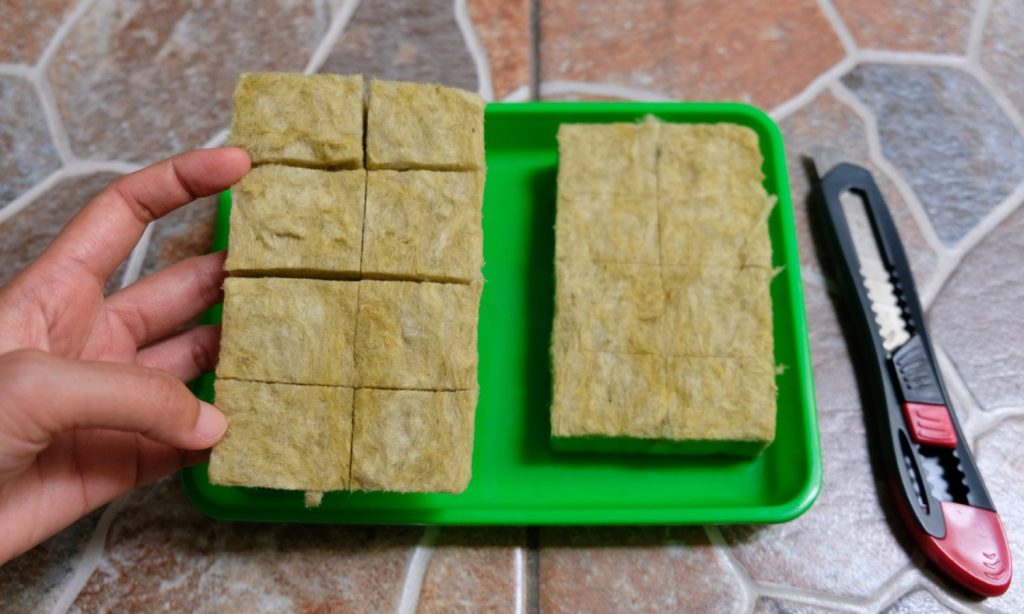
The Rockwool cubes get saturated with water when you soak them, and it drains away quickly. Every cube has small spaces between the fibers, which effectively drains water. But don’t overwater the cubes because excess water may suffocate the roots and negatively affect plant growth.
Rockwool cubes offer a haven for your cannabis seeds during germination. When you keep the plants sufficiently saturated, they will give you the critical things needed for productive germination. These key things include moisture, warmth, and darkness.
With Rockwool, it is easier to transplant your cannabis seedlings when they are ready or in a new home. You wouldn’t have to struggle with moving the seedling directly into the pot full of soil or in a hydroponic net pot. Unlike other transplanting processes, you wouldn’t need to break the initial growing medium, thus minimizing any mess.
How can you use Rockwool to improve your cannabis?
So now that you know a lot about Rockwool cubes, including their benefits, how can you use them? Before putting the seeds into the cubes, you should adjust the cubes’ pH to have less alkaline. This move will allow you to infuse nutrients into the cubes, thus giving your seedlings a better start at life.
Fill a shallow bowl with water and test its pH, then add your pH down product until the meter displays an acidic 5.5 reading.
Soak the blocs into the solution and allow them to stay that way for 24 hours. After a bit of a while, the alkalinity of the blocks will increase its pH then return to the blocks every few hours.
After 24 hours, fill another bowl with up to 1 liter of water and add your organic nutrient solution to the bowl. Then soak the blocks for another two hours.
At this stage, your blocks have the proper pH full of nutrients and the right fungi that will help the roots thrive in the future.
The Rockwool will make germination easier as all you have to do is start cutting from the mother plant and then nourish the cutout plant by dipping it into rooting gel.
Place the clones into cubes by inserting the stem into the hole until it gets to the bottom of the block. Provide water, light, and humidity for the plant and get ready for the vegetative and flowering stage.
The best tips for utilizing Rockwool
To get the best out of Rockwool, remember these tips:
Don’t squeeze the cubes like a sponge
Some growers squeeze the cubes like a sponge to get rid of excess water, which is wrong. The cubes will drain on their own without you squeezing them. Squeezing them causes a lot of damage to the cube and the plant’s root system. Remember that at the seedling stage, the cannabis plant is still very fragile.
Give them room to grow
The Rockwool material allows water to drain and air to easily flow, so don’t lose this advantage by overcrowding your planting trays.
Don’t overwater it during the seedling stage
Rockwool drains quickly, and many growers get the impression that they may be underwater, but that cube is moist and lovely. When you water it well enough, you wouldn’t have to do more so the plant doesn’t die from excessive watering.
Bottom Line
Alright, so you can see that Rockwool cubes provide cannabis growers with loads of benefits. From the aeration of plants to pathogen prevention, you will be amazed at all Rockwool can do for you.
To enjoy the benefits of Rockwool cubes, start with a compost pile. You will create your supply of soil and keep the used cubes away from the landfill site, which is a win-win for the environment and your cannabis plant.
Recently, Apple updated its policies and is allowing cannabis delivery apps to operate, marking a big win for legal weed.
One of the quickest ways in which marijuana can be accepted and embraced by all types of people is for products to be easily accessible. After several false starts, the cannabis delivery app Eaze is launching on the Apple Store. It’s a game-changer for the industry.
App stores and social media have a bad record with marijuana, censoring posts and creating hurdles for businesses that want to launch their services and reach a variety of people. Following a recent policy change, Apple now allows marijuana businesses to operate in its store, marking a significant step forward for the cannabis industry as a whole.
According to an Eaze press release, this marks a “major milestone for the legal cannabis market and consumers. The Eaze app allows customers to complete all aspects of delivery seamlessly: registration, ID verification, product selection, payment, and receipt to the doorstep.”
Eaze is one of the biggest cannabis delivery services in the US. In the past, users have had to navigate the site’s website in order to order their deliveries. While the site was convenient and the best available in terms of online cannabis delivery, an app makes everything easier and convenient for all sorts of users.
“It’s hard to overstate how important this is to our company and the industry. It’s deeply gratifying to launch the Apple Store’s first fully-functional cannabis delivery app, making it even easier for our two million registered customers to legally consume,” said Eaze’s CEO Rogelio Cho.
Photo by Blue Planet Studio / Getty Images
While not all is won in terms of tech and cannabis — Google still has a ban on cannabis products and apps — this relaxed policy from Apple paves the way for other tech companies to follow suit.
The Eaze app features on-demand delivery, order tracking, and payment options, making it easy for customers to get their orders. It also allows them to pay via cash, credit, or debit card, a marked difference from dispensary’s all-cash policies.
Eaze currently delivers across California, with a planned extension to Michigan later this month.
It feels like a made-up holiday and that lack of authenticity doesn’t sit well with cannabis consumers.
July 10 or Dab Day is turning into a dud day. It’s also called “oil” day and the idea is that 710 upside down spells oil. It’s supposed to be a day that celebrates vaping and consuming oil or concentrate cannabis products. No one is sure where or how the holiday got started or how it went from Oil Day to Dab Day. Still, dispensaries and brands have been game to throw a Dab Day party, but the consumers seem less than impressed.
Headset Sees Decrease
Headset provided Green Market Report with data from this year’s 710 sales and cannabis sales actually decreased. Concentrate sales did increase and were the only category to do so. All data for the US is from CA, CO, NV, OR, PA, and WA and all data for Canada is from AB, BC, and SK.
Photo by OlegMalyshev/Getty Images
Total Sales Growth
On Dab Day 2021 (7/10/21) total US cannabis sales decreased by -10.4% over an average of the previous four Saturdays. Canadian cannabis markets also saw a decrease in sales of -2.6% over the same time frame.
Category Sales Growth
In the U.S., concentrates sales increased by 24.1% and were the only category that enjoyed positive growth. “Vapor pens, which we’ve seen also get a little lift from ‘Dab Day’ in the past, decreased in sales by – 13.5%. Unlike the US, ‘Dab Day’ was not as successful in Canada; Concentrate sales decreased by -5.1%. Vapor Pens also didn’t see a lift during Dab Day within Canada, with a sales decrease of -2.0%.”
Concentrate Segment Growth
In the US on Dab Day 2021, Rosin products had the strongest growth, increasing in sales by 213% over the previous four Saturdays. Crystalline / THCA / CBDA (+75.3%) was the next most successful segment.
Dab Day Discounts
There was certainly a concerted effort to get consumers on board with celebrating. Dispensaries and brands were running promotions like crazy. According to Headset, “Dab Day was a fantastic day for American Concentrate fans to stock up on products this year. In the US the average discount on Concentrates grew by a whopping 52%, rising from 14.6% during the previous four weeks to 22.3% on 7/10/2021.
Eaze Data Confirms Dud Day
Cannabis delivery company Eaze data also confirmed that sales fell this July 10 versus last year’s July 10. Considering the country was mostly in lockdowns at this time last year, that’s a real rejection of the Dab Day party.
Chart provided by Eaze
Dud Day
There are many reasons why Dab Day just isn’t resonating with consumers.
First, it falls too soon after the Fourth of July. Cannabis sales for the fourth are typically pretty high and consumers likely have no need to make more purchases. Headset reported that this year on the 4th of July, total cannabis sales in California, Colorado, Nevada, Oregon, Pennsylvania, and Washington increased by +8% during 7/1- 7/4 compared to the previous four weeks.
Photo by Carol Yepes/Getty Images
“Pennsylvania and California markets saw the largest increase with +12% growth, while Nevada’s market shrank -5.4% over the holiday weekend. All cannabis categories grew in sales compared to the previous four weeks, and Tinctures were the most successful cannabis products with +23.6% growth. Edibles (+16.4%) and Beverages (+14.5%) also saw significant growth. Within the Edibles category, the ‘Cookies’ segment performed particularly well with +19.4% sales growth.”
By referring to it as Dab Day versus Oil Day, the vape category tends to get cut out of the picture. That would explain why concentrate sales got a boost, but vape sales fell.
It feels like a made-up holiday and that lack of authenticity doesn’t sit well with cannabis consumers.
Photo by Elsa Donald via Unsplash
Cannabis marketing firm Wick & Mortar’s CEO Jared Mirsky said, “Honestly I think the entire idea behind 710, which is oil flipped upside down, is kinda ridiculous and only makes the industry look unprofessional. We have to be more clever than this moving forward if we are going to make larger strides towards destigmatizing cannabis for everyone else who has yet to become a brand’s loyal consumer. Don’t get me wrong, I am a heavy consumer and take dabs daily, but not for one second do I take 7/10 seriously as I believe many others don’t either and only comes off now as a sales tactic.”
In Closing
It’s unlikely that 710 will fade away. The industry is built on the back of partying and any excuse to consume is a good one. Still, the hoopla could end up dying down as dispensaries and brands learn that it isn’t paying off. Maybe Mirsky is right, the industry could get more creative, and if it wants to create a special holiday akin to 420, it should pick a date further from an established holiday.