New research shows that this single factor can significantly improve people’s antibody response to COVID-19.
Pandemic fear is once again on the rise, this time due to the rapid spread of the COVID-19 Delta variant. While the guidelines haven’t changed — the main safety measure remains to get your vaccine shot — a lot of people are confused by the rise in numbers, especially since it’d started to feel like the pandemic was ending. New research suggests that one factor is pivotal in terms of determining how many antibodies you develop.
The study, published in the Journal of the American Medical Association, looked at the varying responses in people’s immune systems when exposed to the virus. It showed that younger individuals developed significantly more antibodies than older ones.
Researchers analyzed 50 participants two weeks after they’d received their second shot of the Pzifer vaccine. The groups were split according to their ages and their blood was tested against the original coronavirus strain and the Gamma variant, first spotted in Brazil.
Participants who belonged to the youngest group, all in their 20s, had antibody responses that were seven times stronger than participants who belonged to the eldest group, in their 70s and 80s. The study showed that the more people aged, the weaker their immune response became. Still, vaccines remained very effective for older adults.
“The vaccine still produces strong immune responses compared with natural infection in most older individuals, even if they are lower than their younger counterparts,” said study co-author Marcel Curlin. “Vaccination in this group may make the difference between serious and mild disease, and likely reduces the chances of transmitting SARS-CoV-2 to another person.”
COVID-19 vaccines remain the safest way to carry on with our daily lives right now. With the Delta variant on the rise, even those who are vaccinated will have to weigh their risks against the activities that they want to do, taking up protective measures like face mask-wearing indoors when transmission levels in their communities are high or when having to cope with comorbidities.
Metabolism slows with age, so you may feel high for longer. It is also important to take current medications into consideration.
Baby Boomers, the generation born between 1946-1964, are circling back to marijuana. If this is you, you’re likely giving yourself permission to enjoy old and new ways of consuming cannabis, both recreationally and for the management of pain, anxiety and insomnia. But today’s cannabis products are undoubtedly more potent than the weaker “grass” you may have experimented with in their younger years.
Besides treading lightly to prevent potential anxiety, paranoia or physical instability, it’s advised you plan your cannabis experimentations when you’re free of other obligations and comfortable in your pleasantly prepared environment. Also, this may sound obvious, but it’s always recommended for those who’ve taken a long hiatus to avoid consuming too much their first time back in a crowded environment, such as a concert.
Photo by Darrin Harris Frisby/Drug Policy Alliance
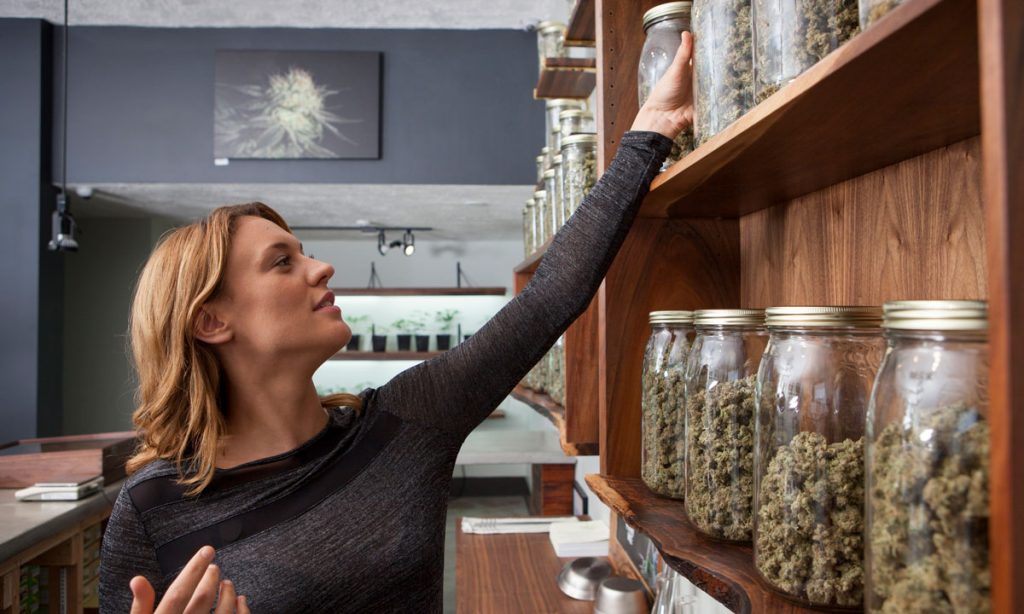
Entering a dispensary in a legalized state can be like walking into a candy store. Find a high quality dispensary with a knowledgeable budtender, someone who speaks the new cannabis language, and can walk you through the wide assortment of choices and ways to consume the plant.
It helps to know what effects you are looking to experience, as well as ones you would like to avoid. “Indica” strains are often experienced as physically sedating, ideal for relaxing or before bed. “Sativa” strains tend to provide invigorating, uplifting cerebral effects that pair well with physical activity, social gatherings, and creative endeavors. “Hybrids” are a blend of both.
Photo by Hero Images/Getty Images
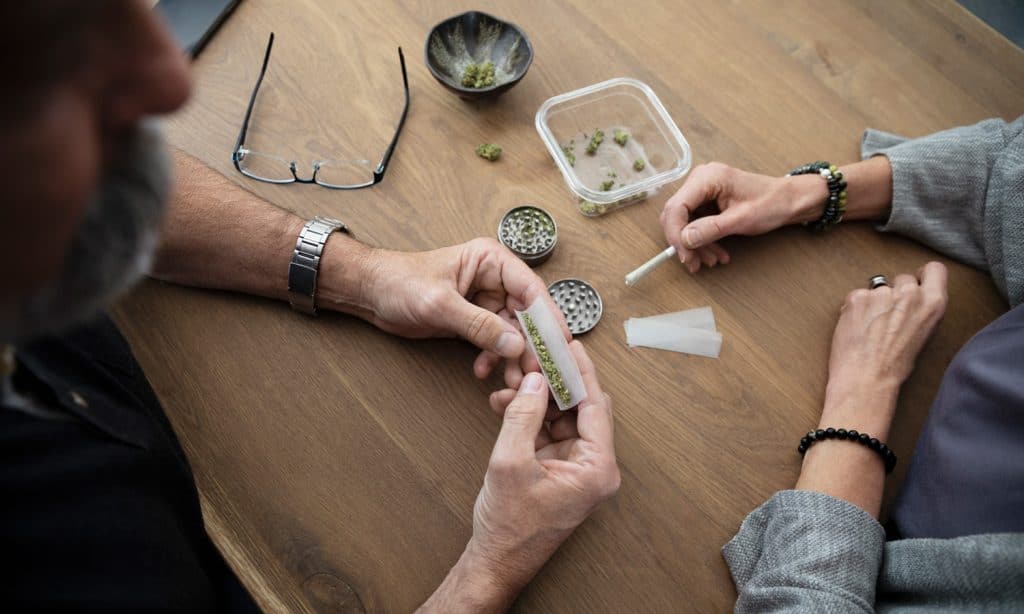
Flower refers to the actual green bud of the marijuana plant, which can be consumed in a pipe, bong or joint. Most dispensaries sell conveniently pre-rolled joints.
Vaporizers do not combust the cannabis, but rather use lower heat to create vapor from the flower before inhaled. Portable vaporizers, which come in all shapes and sizes, have become popular for their ease of use, portability and discrete nature.
Concentrate pens or vape pens have pre-loaded cannabis extract. They come in a many flavors and offer various experiential benefits.
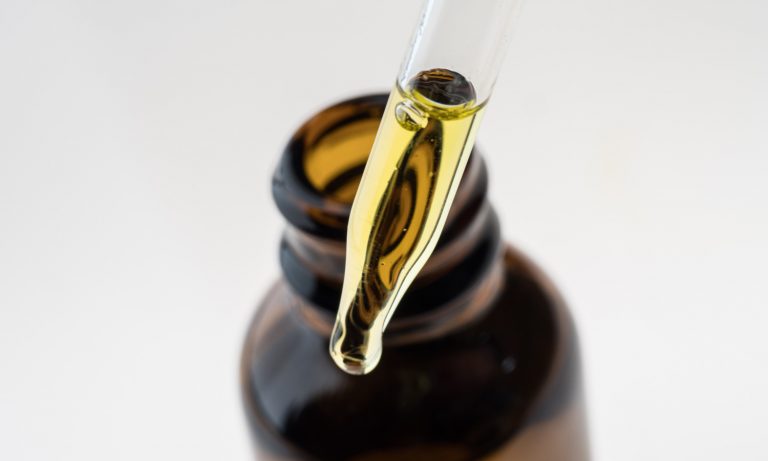
Edibles are an alternative to smoking or vaping, and the varieties of goodies are endless. Be aware of dosage; you can always take more but you can’t take less. There are food-based treats as well as sublingual edibles such as juices, tinctures and lozenges.
Concentrates, which can be much stronger than flower, are best in small doses. Methods of consuming concentrates include dabbing or applying topicals, non-psychoactive lotions that provide beneficial cannabinoids.
Metabolism slows with age, so you may feel high for longer. It is also important to take current medications into consideration; Xanax or Valium can interact with marijuana to cause intense lethargy, and mixing with Prozac can cause irritability and restlessness.
Marijuana is contraindicated for those with heart conditions, so consult your doctor before you consume any cannabis products.
Aside from the fact that it prevents the multiplication of pathogens, it also helps the seeds germinate, thus facilitating good drainage.
Rockwool is a fantastic method for growing marijuana. With Rockwool, you can have the strain you choose through the cannabis cycle as growers of all levels utilize different hydroponics for harvesting heavier yields. If you haven’t tried Rockwool, it is time to hop on the trend.
Rockwool uses the power of natural stone to produce an aerated and fluffy growing means for cannabis. It is a material that drains well and supports the development of the plant’s roots. This article will provide insight into why you should use Rockwool in hydroponics and soil systems and how it works at every stage of the growing cycle.
Photo by Reni Purnama Sari/Getty Images
What is Rockwool?
Rockwool is a form of mineral wool, a material used as acoustic insulation in constructing hospitals, stadiums, and homes. The product was created by Danish founders who aimed to develop stone wool in Germany, Scandinavia, and New Jersey. For over a century, the company has made an effective product.
Aside from being an important building material, Rockwool also aids the growth of millions of cannabis plants. The substance in Rockwool brings many benefits to the cannabis grower: it doesn’t contain organic material making it immune to decomposition from fungi and molds.
Rockwool doesn’t contain heavy metals; these are metals that contain chromium and lead, which are toxic to plants. These heavy metals also make the plant have yellow leaves because it prevents photosynthesis and kills the plants.
Why Rockwool is utilized to grow cannabis
Rockwool provides numerous benefits for a cannabis grower. Aside from the fact that it prevents the multiplication of pathogens, it also helps the seeds germinate, thus facilitating good drainage.
Its cubes are sterile and inorganic which means it arrives at the grower’s place clean and ready to use. It also doesn’t protect the root of your plants against damage from microbes. Although Rockwool takes a longer time to break down, growers can shred used blocks to matter and throw them into the compost pile finely. Over time, the basalt rock in Rockwool will leach into the compost, providing an added nutritional benefit to your soil. Hydroponic cannabis growing is called “dro weed”.
Photo by Cavan Images/Getty Images
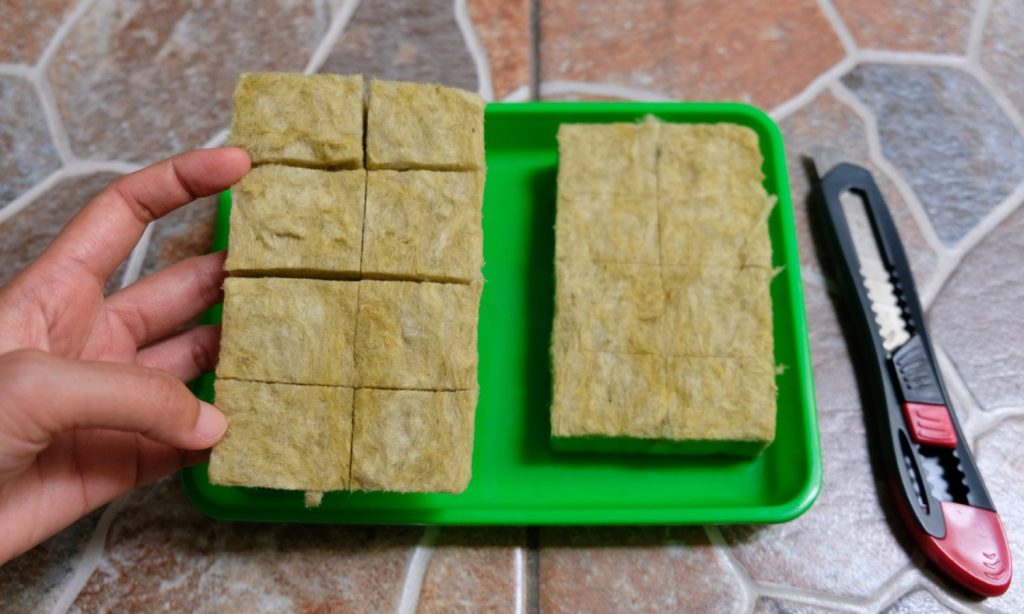
The Rockwool cubes get saturated with water when you soak them, and it drains away quickly. Every cube has small spaces between the fibers, which effectively drains water. But don’t overwater the cubes because excess water may suffocate the roots and negatively affect plant growth.
Rockwool cubes offer a haven for your cannabis seeds during germination. When you keep the plants sufficiently saturated, they will give you the critical things needed for productive germination. These key things include moisture, warmth, and darkness.
With Rockwool, it is easier to transplant your cannabis seedlings when they are ready or in a new home. You wouldn’t have to struggle with moving the seedling directly into the pot full of soil or in a hydroponic net pot. Unlike other transplanting processes, you wouldn’t need to break the initial growing medium, thus minimizing any mess.
How can you use Rockwool to improve your cannabis?
So now that you know a lot about Rockwool cubes, including their benefits, how can you use them? Before putting the seeds into the cubes, you should adjust the cubes’ pH to have less alkaline. This move will allow you to infuse nutrients into the cubes, thus giving your seedlings a better start at life.
Fill a shallow bowl with water and test its pH, then add your pH down product until the meter displays an acidic 5.5 reading.
Soak the blocs into the solution and allow them to stay that way for 24 hours. After a bit of a while, the alkalinity of the blocks will increase its pH then return to the blocks every few hours.
After 24 hours, fill another bowl with up to 1 liter of water and add your organic nutrient solution to the bowl. Then soak the blocks for another two hours.
At this stage, your blocks have the proper pH full of nutrients and the right fungi that will help the roots thrive in the future.
The Rockwool will make germination easier as all you have to do is start cutting from the mother plant and then nourish the cutout plant by dipping it into rooting gel.
Place the clones into cubes by inserting the stem into the hole until it gets to the bottom of the block. Provide water, light, and humidity for the plant and get ready for the vegetative and flowering stage.
The best tips for utilizing Rockwool
To get the best out of Rockwool, remember these tips:
Don’t squeeze the cubes like a sponge
Some growers squeeze the cubes like a sponge to get rid of excess water, which is wrong. The cubes will drain on their own without you squeezing them. Squeezing them causes a lot of damage to the cube and the plant’s root system. Remember that at the seedling stage, the cannabis plant is still very fragile.
Give them room to grow
The Rockwool material allows water to drain and air to easily flow, so don’t lose this advantage by overcrowding your planting trays.
Don’t overwater it during the seedling stage
Rockwool drains quickly, and many growers get the impression that they may be underwater, but that cube is moist and lovely. When you water it well enough, you wouldn’t have to do more so the plant doesn’t die from excessive watering.
Bottom Line
Alright, so you can see that Rockwool cubes provide cannabis growers with loads of benefits. From the aeration of plants to pathogen prevention, you will be amazed at all Rockwool can do for you.
To enjoy the benefits of Rockwool cubes, start with a compost pile. You will create your supply of soil and keep the used cubes away from the landfill site, which is a win-win for the environment and your cannabis plant.
Recently, Apple updated its policies and is allowing cannabis delivery apps to operate, marking a big win for legal weed.
One of the quickest ways in which marijuana can be accepted and embraced by all types of people is for products to be easily accessible. After several false starts, the cannabis delivery app Eaze is launching on the Apple Store. It’s a game-changer for the industry.
App stores and social media have a bad record with marijuana, censoring posts and creating hurdles for businesses that want to launch their services and reach a variety of people. Following a recent policy change, Apple now allows marijuana businesses to operate in its store, marking a significant step forward for the cannabis industry as a whole.
According to an Eaze press release, this marks a “major milestone for the legal cannabis market and consumers. The Eaze app allows customers to complete all aspects of delivery seamlessly: registration, ID verification, product selection, payment, and receipt to the doorstep.”
Eaze is one of the biggest cannabis delivery services in the US. In the past, users have had to navigate the site’s website in order to order their deliveries. While the site was convenient and the best available in terms of online cannabis delivery, an app makes everything easier and convenient for all sorts of users.
“It’s hard to overstate how important this is to our company and the industry. It’s deeply gratifying to launch the Apple Store’s first fully-functional cannabis delivery app, making it even easier for our two million registered customers to legally consume,” said Eaze’s CEO Rogelio Cho.
Photo by Blue Planet Studio / Getty Images
While not all is won in terms of tech and cannabis — Google still has a ban on cannabis products and apps — this relaxed policy from Apple paves the way for other tech companies to follow suit.
The Eaze app features on-demand delivery, order tracking, and payment options, making it easy for customers to get their orders. It also allows them to pay via cash, credit, or debit card, a marked difference from dispensary’s all-cash policies.
Eaze currently delivers across California, with a planned extension to Michigan later this month.
It feels like a made-up holiday and that lack of authenticity doesn’t sit well with cannabis consumers.
July 10 or Dab Day is turning into a dud day. It’s also called “oil” day and the idea is that 710 upside down spells oil. It’s supposed to be a day that celebrates vaping and consuming oil or concentrate cannabis products. No one is sure where or how the holiday got started or how it went from Oil Day to Dab Day. Still, dispensaries and brands have been game to throw a Dab Day party, but the consumers seem less than impressed.
Headset Sees Decrease
Headset provided Green Market Report with data from this year’s 710 sales and cannabis sales actually decreased. Concentrate sales did increase and were the only category to do so. All data for the US is from CA, CO, NV, OR, PA, and WA and all data for Canada is from AB, BC, and SK.
Photo by OlegMalyshev/Getty Images
Total Sales Growth
On Dab Day 2021 (7/10/21) total US cannabis sales decreased by -10.4% over an average of the previous four Saturdays. Canadian cannabis markets also saw a decrease in sales of -2.6% over the same time frame.
Category Sales Growth
In the U.S., concentrates sales increased by 24.1% and were the only category that enjoyed positive growth. “Vapor pens, which we’ve seen also get a little lift from ‘Dab Day’ in the past, decreased in sales by – 13.5%. Unlike the US, ‘Dab Day’ was not as successful in Canada; Concentrate sales decreased by -5.1%. Vapor Pens also didn’t see a lift during Dab Day within Canada, with a sales decrease of -2.0%.”
Concentrate Segment Growth
In the US on Dab Day 2021, Rosin products had the strongest growth, increasing in sales by 213% over the previous four Saturdays. Crystalline / THCA / CBDA (+75.3%) was the next most successful segment.
Dab Day Discounts
There was certainly a concerted effort to get consumers on board with celebrating. Dispensaries and brands were running promotions like crazy. According to Headset, “Dab Day was a fantastic day for American Concentrate fans to stock up on products this year. In the US the average discount on Concentrates grew by a whopping 52%, rising from 14.6% during the previous four weeks to 22.3% on 7/10/2021.
Eaze Data Confirms Dud Day
Cannabis delivery company Eaze data also confirmed that sales fell this July 10 versus last year’s July 10. Considering the country was mostly in lockdowns at this time last year, that’s a real rejection of the Dab Day party.
Chart provided by Eaze
Dud Day
There are many reasons why Dab Day just isn’t resonating with consumers.
First, it falls too soon after the Fourth of July. Cannabis sales for the fourth are typically pretty high and consumers likely have no need to make more purchases. Headset reported that this year on the 4th of July, total cannabis sales in California, Colorado, Nevada, Oregon, Pennsylvania, and Washington increased by +8% during 7/1- 7/4 compared to the previous four weeks.
Photo by Carol Yepes/Getty Images
“Pennsylvania and California markets saw the largest increase with +12% growth, while Nevada’s market shrank -5.4% over the holiday weekend. All cannabis categories grew in sales compared to the previous four weeks, and Tinctures were the most successful cannabis products with +23.6% growth. Edibles (+16.4%) and Beverages (+14.5%) also saw significant growth. Within the Edibles category, the ‘Cookies’ segment performed particularly well with +19.4% sales growth.”
By referring to it as Dab Day versus Oil Day, the vape category tends to get cut out of the picture. That would explain why concentrate sales got a boost, but vape sales fell.
It feels like a made-up holiday and that lack of authenticity doesn’t sit well with cannabis consumers.
Photo by Elsa Donald via Unsplash
Cannabis marketing firm Wick & Mortar’s CEO Jared Mirsky said, “Honestly I think the entire idea behind 710, which is oil flipped upside down, is kinda ridiculous and only makes the industry look unprofessional. We have to be more clever than this moving forward if we are going to make larger strides towards destigmatizing cannabis for everyone else who has yet to become a brand’s loyal consumer. Don’t get me wrong, I am a heavy consumer and take dabs daily, but not for one second do I take 7/10 seriously as I believe many others don’t either and only comes off now as a sales tactic.”
In Closing
It’s unlikely that 710 will fade away. The industry is built on the back of partying and any excuse to consume is a good one. Still, the hoopla could end up dying down as dispensaries and brands learn that it isn’t paying off. Maybe Mirsky is right, the industry could get more creative, and if it wants to create a special holiday akin to 420, it should pick a date further from an established holiday.
With the right connections, qualified cannabis businesses can obtain much lower rates and longer terms than what the cannabis industry has experienced in the past borrowing from private lending sources.
There are several factors at play that are contributing to the low-rate lending environment for cannabis businesses. Since March 2021, with the new administration in place in the U.S., rates have come down for some cannabis real estate borrowers as the more aggressive banks, credit unions and life insurance companies are getting involved quietly in the industry with the excess liquidity from PPP and EIDL loans and other circumstances surrounding the pandemic.
Banks are seizing the opportunity to receive additional yield for their portfolios and realizing risks of federal seizure (which I have not seen one happen where the cannabis company is following all state guidelines) have been minimized in the minds of the lending institutions or are able to be mitigated with structuring the transaction as one that is between a landlord (with different ownership) than the state-licensed marijuana company.
Photo by nattanan23 via Pixabay
Many lenders that I have spoken with want to be in the market prior to the anticipation of the SAFE Banking Act passing, which as of the date of this article, has passed the House. Banks, credit unions, and life insurance companies are also interested in increasing their loan portfolios’ average yield and cannabis represents a marketplace for accomplishing that.
When you combine all of those factors and the fact that the actual risk is much lower than the perceived risk, we are seeing more banks willing to quietly and discreetly lend to cannabis companies. You likely won’t see them advertising or being public with this type of lending, but with the right connections, qualified cannabis businesses can obtain much lower rates and longer terms than what the cannabis industry has experienced in the past borrowing from private lending sources.
So who is getting these bank rates?
The larger cannabis companies that are showing positive EBITDA or profits are the main recipients on the low-rate loans. Why? It’s never just one factor, but generally speaking, it will come down to the value of the property and borrower profile. Most cannabis businesses are receiving these rates on traditional warehouses and retail centers in urban areas. For instance, in California, Hollywood is lendable, but Adelanto is not. Banks do not want a foreclosure that will take them a long time to sell and don’t want to have to consider managing a cannabis warehouse.
Photo by Ivan-balvan/Getty Images
Another critical factor to consider is that most banks will look at normal commercial value versus cannabis value. Even though cannabis owners have to spend a lot of money upgrading facilities, on specialized equipment and power upgrades that a normal business would not need, when a bank underwrites the loan and considers the risk of repossessing and foreclosing on the property, they are looking to sell it as quickly as possible and therefore will give you the lower of the commercial value versus the cannabis value.
Also, if you’re looking for a cap rate valuation, many times the rents are increased to shift profitability over to a real estate company and banks will only use the normal commercial rent to figure out what the value is using a cap rate analysis to determine the value. One other factor to keep in mind is that when a cannabis business forecloses on a warehouse, many of the small rooms that have been created for the typical cannabis grow will have to be torn down and so the foreclosure process is actually more expensive for a bank when they’re repossessing cannabis real estate.
In keeping with the conservative nature of banks, most will be looking at somewhere between 50 to 65% loan to value. They are also going to be looking for a personal guarantee(s) on the loan in order to secure these lower rates. A personal guarantee is not always required, but they will almost always ask. The only time I have seen this as an exception is for a public company.
Photo by Kindel Media from Pexels
In general, banks would also like to have your deposit business as well because they are seeking a “relationship” not just a transaction and want to have the opportunity to provide additional products and services. Loan sizes generally range from $1 to $15 million at a 50 to 65% loan to commercial value and a five- to 10-year fixed rate. Those are typically amortized over 20 years for rates that start at 5.5% and go up to 7.5% annualized interest rate with a three- to five-year prepayment penalty.
The following are three tips for securing the lowest rates available:
Be realistic in your valuation and look at other commercial properties and comparable rents and values versus cannabis values.
Have up to date financials available, including P+L and rent roll if it is multiple tenants, as well as copies of the lease(s) available
Be legally banking and in compliance with all state laws as the bank will perform substantial due diligence before issuing a loan
It is critical to do your due diligence on the current rate environment, what’s needed to apply for the loan, and who to consider working with. Also, understand that it’s not the property type that determines the loan amount, but the bank’s underwriting criteria and guidelines and the borrower’s financials. Using a source who knows the state and banks within it is key to securing the lowest rates available and arranging the right loan before rates head higher.
Author Bio: Scott Jordan is known as The Marijuana Money man and has been helping cannabis business owners obtain debt capital to grow their businesses since 2009. He is a frequent speaker at industry events and has completed over $70 million in loans for cannabis companies. You can reach Scott at sjordan@altfinnet.com or 720-546-6574.
The world is moving towards eliminating synthetics and going back to using biodegradable materials.
The global industrial hemp market is expected to grow at a compound annual growth rate of 34% from 2019 to 2026. In addition,industrial hemp is an agricultural plant that uses all the byproducts of the plant such as seeds and twigs in the production of hemp seed, hemp fiber, and other eco-friendly products pushing it to the top of sustainability products. So, will hemp the next cash crop for farmers and states?
July 20 marked the beginning ofHemp History Week, the largest educational campaign about hemp in the United States, with July beingNational Hemp Month. The hemp and CBD industry has evolved at a rapid pace since 2014, from a niche curiosity facing constant threats of punitive regulatory crackdowns to a mainstream lifestyle movement fueled by enormous innovation and mounting consumer adoption.
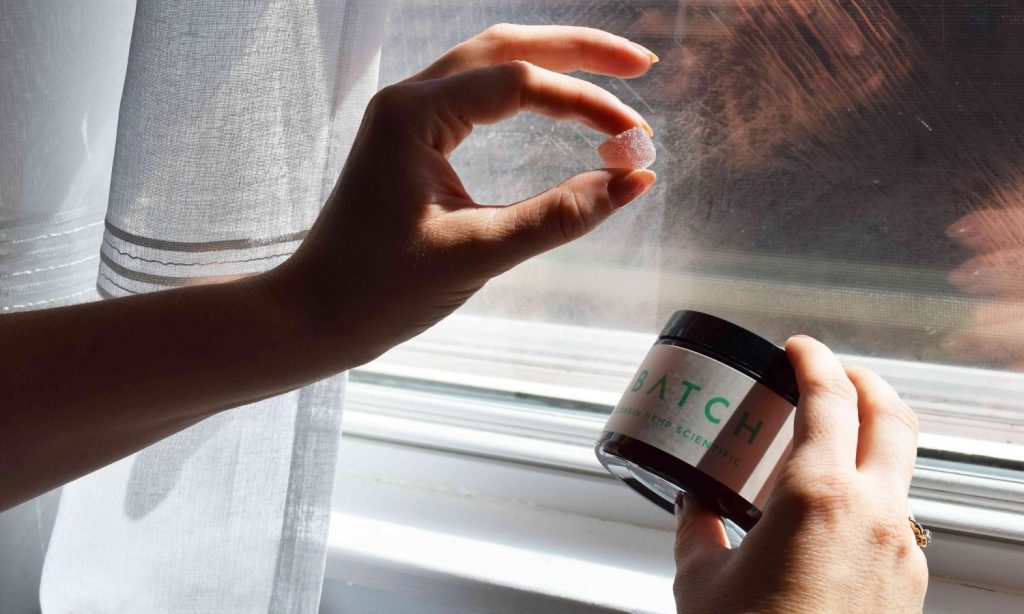
Photo by BATCH by Wisconsin Hemp Scientific via Unsplash
CBD is now a $2+ Billion industry and is sold on Amazon and in Target, Walmart, CVS, Walgreens, and other mainstream retailers. Hemp History Week is meant to raise awareness about the environmental sustainability, health benefits, regenerative agriculture potential, and new technological applications of industrial hemp.
Following the passing of the Farm Bill in December 2018, legalizing the cultivation and sale of hemp products, CBD stole the spotlight as the main use-case for hemp. Surprisingly, only 3% of hemp is made into CBD; 98% is used in building materials, biofuels, bio textiles, bioplastics and more.
From synthetic blood proteins to clothing, building materials and more, hemp offers another world of alternatives.ECS Brands, aprovider of unique whole-plant extractshas found a way to extract hemp protein in such a way that is much more affordable than other hemp protein brands. ECS Brands helps hundreds of brands, manufacturers and processors enhance their product development. Their hope is the plant-based alt-meat universe, which in part depends upon protein solutions, will turn to their affordable hemp protein, rather than pea and soy proteins, which now dominate.
Photo by Tinnakorn Jorruang/Getty Images
“We believe that hemp can solvesome of the most complex and pressing challenges we face today, and as an industry we’ve just begun to scratch the surface of the potential of this plant,” said Arthur Jaffee, founder and CEO of ECS Brands. “While we’ve seen the industry evolve at a rapid pace, there is a huge deficit for innovation around hemp research and development, and we’re working to fill it by exploring all the unique applications for hemp plant extracts. From alt-meat protein to even weight loss supplements, we’re conducting new research that backs hemp as the leading ingredient for healthier lifestyles.”
There is no doubt that replacing meat or plastic with plant-based options is key for dealing with climate change and the health of life on our planet, but that only scratches the surface of hemp’s capabilities for replacing various textiles and accelerating a circular economy. Unlike synthetic textiles, which are the source of35% of microplastic pollution, hemp textiles are biodegradable, breathable, durable, and antimicrobial.
Photo by OpenClipart-Vectors via Pixabay
“Hemp is an environmentally superior material because it is essentially a carbon sink, plus almost every part of the plant can be used to make a range of different industrial materials including bioplastics, bio textiles, building materials and paper from its fibers,” said Hebah Saddique, Founder ofGreen Takeover, an educational platform simplifying the complex worlds of climate action and industrial hemp, and demonstrating why together, they are the real power couple of sustainability.
As construction material, hemp shows great promise. Hempcrete, for example has a range of desirable thermal, structural, and moisture-handling properties that make for an excellent insulation. Depending on the mix variables, hempcrete can be used as roof, wall and/or slab insulation.
Today industrial hemp can be made into more than 12,000 items we use every day including clothing, shoes, insulation, paper and more.
Whether green or circular economy, the world is moving towards eliminating synthetics and going back to using biodegradable materials. What does this mean? moment it seems Will hemp be the next cash crop for farmers and states, it seems to be on the right track.
A COVID-19 positive test result is stressful under any circumstance. While alone and abroad, it’s really not great. Here are some things you should do if you get COVID while traveling.
COVID-19 cases are on the rise in different parts of the world. While countries have been slowly reopening their borders, over the past weeks the Delta variant has been steadily infecting more and more people. Even though the ones that are at most risk are unvaccinated, there’s also been more and more cases of breakthrough COVID-19.
Traveling is safer than it was a year ago, but it remains a complicated activity depending on the place you’re visiting and whether you’ve been vaccinated or not. The odds of getting COVID-19 on a trip are unlikely and very unlucky. Still, it could happen.
Here are 5 things you should do if you get COVID-19 while traveling:
Getting COVID on your trip means that you’ll have to spend some extra time there. The best way to avoid any extra fees is to reschedule your return as soon as possible. Based on your COVID positive test, account for the amount of time you’ll be ill.
You should also book accommodations that allow you to isolate yourself comfortably. Make sure that the place you’re staying has a kitchen and other options for food nearby. A pharmacy or convenience store is also ideal.
Write down everything
Photo by NordWood Themes via Unsplash
Monitor your symptoms and whether they’re improving or worsening. Be sure to visit a doctor if your symptoms start getting worse with time. You should also keep track of the times and dates you were tested, how long these tests are valid in your home country, the people you came in contact with, and your expenses.
Order what you need
Photo by rawpixel.com
Make a list of the things you’ll need, from medicines to your favorite snacks when you’re feeling sick. Since you can’t shop in person, be thorough on your list. Remember to add vitamins and Pedialyte to keep yourself hydrated. Be sure to have a thermometer handy, so you can monitor your symptoms.
Testing positive for COVID-19 is stressful under normal circumstances, much more when alone and abroad. While you should be careful with this sensitive information, you should still tell people you trust in order to make you feel safer and better. Be clear with your feelings and don’t be afraid to ask for support
Take care of yourself
Photo by Erik Mclean via Unsplash
While being sick and self-isolated in a new place isn’t anyone’s ideal vacation, you should still put some effort into making the most of it. Watch your favorite TV show or a movie you’d been looking forward to or buy some flowers and decorate the place you’re staying at.
If you are keen on jumpstarting your career in this industry, these top jobs are great suggestions on how and where to start.
Ten years ago, if you had a pot brownie, you would have had to close your curtains and lit an incense to mask the scent of cannabis. You could have even been arrested for marijuana possession. But today, you can boldly write “cannabis expert” on your social media page without fear.
Marijuana laws are also rapidly changing across America as more states are legalizing weed. The cannabis industry is now a multi-million dollar industry, and wherever you find money in any sector, that industry is bound to create jobs for people.
Photo by Darren415/Getty Images
The marijuana industry has provided jobs and numerous well-paying positions for people who are passionate about it. As the industry grows, so do the job opportunities, and if you are interested in thriving in this sector, you will want to know the best-paying jobs in the industry.
Here is a list of some of the highest paying and most fulfilling jobs in the cannabis industry:
Chief Financial Officer (CFO)
This is a highly skilled position with the individual required to drive the cannabis company’s financial planning, implement investment strategies, and evaluate its cash flow. The CFO also manages other financial aspects of the company and is seen as one of the top officials of any company. The cannabis CFO earns an annual salary of $260,000-$330,000.
Manufacturing Director of Operations
Cannabis companies are all about operations and production. The manufacturing director ensures all production runs smoothly and meets the company’s target as this will impact sales. Since it is an executive position, you will need long-standing experience in manufacturing, facility management, and inventory control with an in-depth knowledge of cannabis industry practices. Salary range is $130,000-$177,500.
Director of Cultivation
The director of cultivation is the master grower at the core of the company: without the cultivation of cannabis plants, there will be no company. He needs to have a background in horticulture and experience managing a greenhouse. The smaller the operation, the lesser the pay for a master grower and director of cultivation. But large scale operations offer larger pay, and this is the best way to go. Salary is at $128,000-$189,000.
This role is an executive one, and he is saddled with the responsibility of overseeing all the research, science, and tech operations at the company. The CSO should have a master’s degree or a Ph.D. with extensive experience in the cannabis industry. He is also expected to train and supervise laboratory staff while keeping the company updated on industry insights. Salary range is $150,000-$225,000.
Agronomist
The agronomist is an expert grower who is also a soil expert. He should know how to cultivate and genetically change marijuana plants for new strains. Agronomists are also called crop doctors or “Weed doctors” in this case. They are responsible for improving the crop yield and its durability. You need a solid knowledge base of chemistry, earth science, biology, and other related fields. According to recent research, the agronomist got a 7% salary increase from 2019-2020, which was $80,500-$86,750.
Cannabis Dispensary Manager
All pot shops need retail managers, the dispensary manager trains, hires, and fires employees. She also manages an inventory of products, interacts with customers, and implements company policies. It is her responsibility to ensure that everything goes well within the dispensary. You will need some experience in retail management, particularly in the cannabis industry. Salary range is $75,000-$85,000.
This is the individual in charge of other tissue culture techs and overseeing all parts of the micropropagation process. He documents proper practices and provides direction for the micropropagation team. You will need some experience in tissue culture management and supervisory experience as well. Salary range is $73-400-$77,450.
Compliance Manager
A crucial aspect of cannabis production is ensuring that everything is done according to the law and local and federal regulations. The compliance manager keeps all team members up to date on regulatory issues and ensures that everything is done right. You will need in-depth knowledge of cannabis regulations ad all compliance-related experience. The salary range is $71,000-$110,500.
Microbiologist
The cannabis microbiologist in a marijuana company analyzes samples and evaluates data. He also interprets his findings to the company’s management and other team members. You will need a bachelor’s degree in microbiology or a related science field to qualify. Salary ranges from $66,000-$80,500.
This is a position best suited for a large-scale cannabis company. The position entails supervising other people working in the lab and ensuring that their day-to-day lab operations are in sync with its goals. You will require a bachelor’s degree in chemistry, engineering, or other related courses and experience working as a lab manager. You need to be familiar with the cannabis extraction process and all its compliance laws. The salary range is $65,000-$80,000.
Territory Sales Manager
The territory sales manager works with prospective business clients, trains sales employees, and reports sales-related data. His responsibility is to travel to the dispensaries and retail locations, figure out the highly sought-after products, and facilitate events that will boost sales. The sales manager must know a lot about the industry and other competing enterprises. Earnings are at $65,000-$75,000.
Bottom Line
The cannabis industry is here for the long haul, and it will continue to grow by leaps and bounds. If you are keen on jumpstarting your career in this industry, these top jobs are great suggestions on how and where to start.
Don’t worry about starting from the bottom; so many people earning the six figures you see today started from the base many years ago. They started when it wasn’t “cool” to be in the industry, and today they are at the top.
As the world moves towards fully embracing cannabis through state legalization, you have a sure career pathway that is fulfilling and financially rewarding.
*Please note: these are just a few of the best jobs in the cannabis industry as there are many more positions set up in different marijuana companies.
The COVID-19 Delta variant has resulted in rising cases all over the country. Here’s something that could protect you from it.
The COVID-19 Delta variant is prompting a nationwide surge of the virus. Despite vaccinations and case numbers that had greatly improved, the Delta variant is highly contagious and we’re all experiencing a little bit of deja vu. According to a former FDA commissioner, having the right face mask could protect you from it.
In an interview with CBS’s Face the Nation, Dr. Scott Gottlieb, former commissioner of the FDA, said that quality face masks are key in protecting us from the Delta variant.
“Delta is so contagious that when we talk about masks, I don’t think we should just talk about masks,” he said. “I think we should be talking about high-quality masks. Quality of mask is going to make a difference with a variant that spreads more aggressively like Delta does, where people are more contagious and exude more virus, and trying to get N95 masks into the hands of vulnerable individuals in places where this is really epidemic, I think is going to be important.”
Gottlieb was so emphatic on the benefits of high quality masks that he suggests that even people who are fully vaccinated should consider wearing them. “It could be something that we start talking about getting better quality masks into the hands of people, because I think it’s going to be hard to mandate these things right now,” he said.
Photo by Willie B. Thomas/Getty Images
The Delta variant is extremely contagious and results in serious infections. Gottlieb believes that in the near future, all people in the U.S. will fall within these three categories: they’ll be vaccinated, they’ll be protected due to a previous infection or they’ll catch the Delta variant. “And for most people who get this Delta variant, it’s going to be the most serious virus that they get in their lifetime in terms of the risk of putting them in the hospital.”
COVID-19 vaccines are very effective at protecting people from the different strains of COVID-19, including the Delta variant. Cases of breakthrough COVID-19 are very rare, but even if they occur, the disease is likely to be mild. So, for everyone who’s yet to be vaccinated, what are you waiting for? Get to it.