Wednesday, May 6, 2026
Home Blog Page 368

We Thought We’d Be Celebrating The Legalization Of Recreational Weed In Mexico — We Were Wrong

In the run-up to last Sunday’s elections, the Senate backed away from its commitment on cannabis reform, apparently preferring to shift any political blowback to the Supreme Court.

Two months ago we posted to celebrate the passage by Mexico’s Lower Chamber of the Cannabis Law bill sent to it by the Mexican Senate last November. In that post, I wrote, “The Law will now return to the Mexican Senate, where it is expected to be approved pretty much as written, at which point, it will go to the Executive Power for publication.”

Oops.

Just over a month ago the Senate ended its session not only without having approved the Law, but also having ignored the Supreme Court’s directive (dating from 2018) to do so. As a reminder, Mexico’s Supreme Court ruled in 2018 that the federal government’s prohibition on recreational marijuana use was unconstitutional and ordered Congress to pass a reform legalizing recreational use within 90 days. Since then, the Court has set multiple deadlines for Congressional action, with April 30, 2021 set to be the final one.

Mexico's Cannabis Legalization Bill Will Boost Business, But There Are Concerns
Photo by John Coletti/Getty Images

Congress’ only obligation under the Supreme Court mandate was to regulate cannabis cultivation and consumption for personal use, but for a long time, members of Congress publicly stated that they would try to create a framework to provide for the creation of a cannabis industry.

RELATED: Mexico Fails To Legalize Marijuana As Drug War Chaos Grows

Unfortunately, politics intervened. In Mexico, as in many countries, cannabis is a polarizing issue. Social conservatives use the issue to scare voters (¡drogas!) about the intentions of the opposition and to reassure them about their own credentials.

In the run-up to last Sunday’s elections, the Senate backed away from commitment on the issue, apparently preferring to shift any political blowback to the Supreme Court, which way back in 2018 said it would strike down the government’s prohibition on recreational marijuana use if Congress did not enact reforms. A complication is that the composition of the Supreme Court has changed slightly since its 2018 ruling, and the issuance of a General Declaration of Unconstitutionality would require the support of eight of 11 justices.

So, where do things stand today for cannabis businesses (or start-ups) interested in the Mexico market?

RELATED: Mexico’s Cannabis Legalization Bill Will Boost Business, But There Are Concerns

The final outcome of the elections will be an important factor, of course. President Andrés Manuel López Obrador’s MORENA party appeared to maintain its plurality in the Lower Chamber of Mexico’s Congress, but lost a significant number of seats and will need to work with its allies in the Workers Party (PT in Spanish) and Green Party (PVEM, in Spanish) to pass legislation.

For cannabis businesses, this is good news; MORENA politicians and legislators were the originators of the Cannabis Law, and are the most likely to press for further action toward enactment, e.g. by taking it up again during the next Senate session, scheduled to begin on September 1, 2021. Victory by the opposition would likely have postponed the creation of a legislative framework to underpin the development of a cannabis industry until the political winds have shifted once again.

Mexico
Photo by Flickr user Jorge Mendoza-Torres

Another question is whether or not the Supreme Court will press ahead and issue a General Declaration of Unconstitutionality in relation to the government’s prohibition on recreational marijuana use. If it does press ahead, and if at least eight justices vote in favor, the existing legislation will be expunged from Mexican law, which would create a legal vacuum in which there is no law applicable to non-medical use of marijuana.

RELATED: Medical Cannabis Is Fully Legal In Mexico: Now What?

If the Supreme Court does meet to consider issuance of a General Declaration of Unconstitutionality, but a majority of justices does not approve, consumers will have to continue applying to the Federal Commission for Protection against Health Risks (in Spanish, Comisión Federal para la Protección contra Riesgos Sanitarios, or COFEPRIS) for a self-cultivation/self-consumption permit and will have to continue filing amparo actions (lawsuits in federal court that require the government to defend its actions) in case of non-response or denial.

A final factor to consider: as in the United States, Mexican state legislators have a different view to their federal counterparts on the cannabis issue, and I have been told that legislators in many states are drafting legislation that would pave the way for the establishment of a legal industrial hemp industry. Again, the outcome of yesterday’s elections will be critical to the development of this storyline, but certainly this would be good news for industry stakeholders and consumers.

RELATED: Breaking News! Brazil Moves Toward Cannabis Legalization

The above is an update on the political situation governing the development of recreational cannabis and industrial hemp businesses in Mexico. Shortly I will post again, with my suggestions for how cannabis businesses and investors should react to this news.

Adrián Cisneros Aguilar is an attorney at Harris Bricken and oversees the firm’ss Mexico practice, where he helps companies on US-Mexico cross border legal matters, including cannabis law matters, Latin American and European companies on China and International Law issues, and local companies with international and domestic business transactions.

This article originally appeared on Canna Law Blog and has been reposted with permission.

Majority Of Americans Support Drug Decriminalization

An ACLU poll shows that a large percentage of Americans believe the war on drugs was unsuccessful.

More than half, 60%, of Americans believe the War on Drugs should end, and support the decriminalization of illegal substances.

The American Civil Liberties Union (ACLU) and the Drug Policy Allegiance (DPA) released the poll ahead of the 50-year anniversary of President Nixon declaring that drugs were “public enemy number 1.” This rhetoric and decision impacted the lives of thousands, resulting in mass incarcerations and the proliferation of violence all over the world, disproportionately affecting Black, Latino and Indigenous people.

RELATED: A Drug War With No End: How It Will Ultimately End Our Freedom

drugs
Photo by Getty Images/Handout

According to the poll, 65% of the people surveyed agreed that the U.S. should stop the War on Drugs, with 66% of participants believing in decriminalization of drugs altogether.

Poll results show how much views have evolved since the 70s. Nearly two thirds of the country believe there should be new healthcare enforcement instead of new law enforcement. The majority of respondents think drugs should be a problem solved by healthcare providers and not officers. And 83% of respondents believed the War on Drugs has failed.

The message of the poll and statement was for the Biden Administration to take actions against the War on Drugs, using these results as evidence of what the American people want and believe in.

RELATED: Drug Decriminalization Vs. Legalization — Here’s The Difference

“On this 50th anniversary of the drug war, President Biden must make good on his campaign promises and take steps to begin dismantling the system of over-policing and mass incarceration that is endemic to the war on drugs,” said Udi Ofer, director of the ACLU’s Justice Division.

How Cannabis Banking Bill Fares In Senate Will Dictate Future Of National Marijuana Reform
Photo by krisanapong detraphiphat/Getty Images

“Today, drug possession continues to be the number one arrest in the United States, with more than 1.35 million arrests per year. Every 25 seconds, a person is arrested for possessing drugs for personal use, with Black people disproportionately targeted by this over-policing,”

In the coming weeks, the ACLU and the DPA will be launching a media campaign asking President Biden to begin dismantling the war on drugs by reducing the sentences of people in federal prison due to drugs.

RELATED: Why Do So Many Americans Now Support Legalizing Marijuana?

In the past, Biden has said that no one should go to prison for low-level drug cases. His administration has stated that rescheduling cannabis would be a good first step in order to release inmates charged with marijuana convictions.

Schumer Is Learning He Doesn’t Have What It Takes To Legalize Marijuana

The Senate Majority Leader didn’t count on conservative Democrats being the policy blocking forces that they have become.

It was just last year that Senator Chuck Schumer, optimistic about the outcome of the November 2020 election, swore up and down that if the Democrats seized majority rule on Capitol Hill, making him the new Majority Leader, a marijuana legalization bill would be put on the floor, and it would pass.

Well, some of that happened.

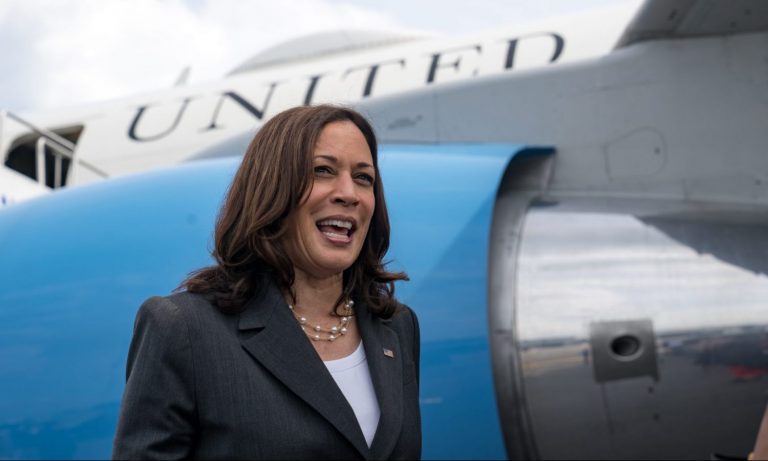
The U.S. Senate is now split 50-50 with Vice President Kamala Harris as the tiebreaker. All that was left to do is draft a weed bill, and Americans would live happily ever after. Well, five months ago, Schumer and two other Senators came forward to proclaim how cannabis reform was going to be a priority in the upper chamber. Since then, the nation hasn’t witnessed any action. The main reason, presumably, is because Senator Schumer knows that trying to pass a cannabis reform bill right now will end in failure.

Sen. Chuck Schumer: It's Time To End Marijuana Prohibition
Photo by Chip Somodevilla/Staff/Getty Images

But we’ve got to hand it to Schumer: He came out swinging, as though that slim majority in the Senate gave him all the fighting power that he would ever need to pass a progressive agenda. It’s conceivable that, in the back of his mind, he was going to use his newly appointed clout to give America the makeover it needed to gussy up a Trump-soaked population.

Marijuana reform was his hot topic there for a while. It seemed like every time we logged on to our computers, there was Schumer talking about how he was going to legalize weed, how they had the support, and how they were going to do it in such a way that repaired a tattered and torn Black America and stopped large corporations. Look up in the sky; it’s a bird, it’s a plane, it’s Super Schumer.

RELATED: Senate Parliamentarian May Have Foiled Schumer’s Marijuana Legalization Plan

Over the past couple of weeks, however, Schumer has learned that not only is the Republican party 100% against him, but so are a few Democrats. Senate Minority Leader Mitch McConnell has vowed to cripple the Biden agenda, while several Democratic Senators have come forward to express their unwillingness to support everything from voter’s rights to cannabis-related reforms. Some have even opposed changing the filibuster rules, which Schumer believes is now being used as a weapon of obstruction. Still, without every Democratic member working together on these issues, the whole of Schumer’s progressive plans is as good as sunk. 

Chuck Schumer’s Senate Balancing Act Could Impact Marijuana Reform
Photo by Sarah Silbiger/Getty Images

Now, Schumer’s only hope is to convince those of his colleagues that remain unfavorable against ending the filibuster that Republicans are going to use this maneuver to stop every piece of Democratic legislation — putting the session in a constant state of gridlock.

RELATED: We’re About To See If Senate Filibuster Will Ruin National Cannabis Reform

Schumer needs Senators Joe Manchin and Kyrsten Sinema to get behind the elimination of the filibuster. Who knows if getting them to switch sides is even possible? The real problem is there are undoubtedly more Democratic Senators who also oppose killing the filibuster, they just haven’t made their intentions known. There could be a slew of Democrats waiting to go against Schumer on this issue.

Schumer is in a tight spot. He’s proved that he isn’t made of the same cutthroat chainsaw grease as his predecessor, Senator Mitch McConnell, and he’s more about flexing peace and harmony than being a wrecking ball of total domination. Yet, if Schumer goes dark and takes steps toward ending the filibuster, a seemingly necessary bully move if he wants to pass controversial legislation such as federally legal marijuana, any policies the Dems push could be temporary.

RELATED: Why Democratic Senator Joe Manchin Is A Problem For Cannabis Reform

Without the filibuster, Republicans could simply repeal legal weed with a simple majority once they are back in power. Again, this puts Schumer in a tight spot. Ideally, the two parties should sit down and discuss a legitimate bipartisan compromise on cannabis reform. It’s not like it’s going anywhere. So far, 17 states have gone fully legal, and most of the population supports allowing weed to be taxed and regulated like alcohol. The federal government needs to get ahead of it now.

Senate Majority Leader Charles Schumer Says Nationwide Marijuana Reform Is On
Photo by Tasos Katopodis/Getty Images

Super Schumer has found his kryptonite. It didn’t take long. He didn’t count on conservative Democrats being the policy blocking forces that they have become. We expect more opposition to come floating to the top the second he introduces his comprehensive cannabis reform bill.

RELATED: Chuck Schumer’s Senate Balancing Act Could Impact Marijuana Reform

We’re not giving up on Schumer yet, however.

All of us have had jobs that require an adjustment period to learn the ropes and gain the respect of our co-workers. Finding his footing will be the trick. The Art of War states, “victorious warriors win first and then go to war, while defeated warriors go to war first and then seek to win.”

Schumer’s focus on forcing votes to change the filibuster is defeat. For the greater good of America, regardless of whether it is cannabis reform or whatever, the two parties must come together to prevent the nation from going up in smoke. 

Prince Harry And Meghan Threaten BBC With Lawsuit Over Royal Baby’s Name

Baby Lilibet was born Sunday in Santa Barbara, California, marking a rare occasion when a member of the royal family was born outside of the U.K.

Phil Hall, Benzinga Staff Writer

Prince Harry and Meghan Markle are reportedly considering a lawsuit against the BBC for reporting that the royal couple failed to inform Queen Elizabeth II that they were naming their new daughter Lilibet, the childhood nickname given to the monarch.

What Happened: The BBC cited an anonymous “Palace source” in a story that raised the speculation that the couple, formally known as the Duke and Duchess of Sussex, sprung the baby’s name on the queen without advance notice.

Prince Harry, Meghan Markle To Launch Podcast With Spotify
Photo by Chris Jackson/Getty Images

“The source disputed reports in the wake of the announcement of the name that Prince Harry and Meghan had spoken to the Queen before the birth,” the BBC reported, adding that a spokesperson for the couple denied that allegation.

RELATED: The Moment Prince Harry Realized He Needed Therapy

“The duke spoke with his family in advance of the announcement – in fact his grandmother was the first family member he called,” the spokesperson said. “During that conversation, he shared their hope of naming their daughter Lilibet in her honor. Had she not been supportive, they would not have used the name.”

What’s Next: The Daily Mail reported Prince Harry, through his law firm Schillings, has threatened to take legal action against the BBC for filing what he claimed to be a false and defamatory story.

However, the Daily Mail speculated the Palace source cited by the BBC might a senior official, adding that it would be “considered almost unprecedented for the monarch not to sign off on quotes from senior officials, even if they are anonymous briefings.”

RELATED: How Meghan And Harry’s LA Pregnancy Pic Was Taken From London

The royal couple have been highly critical of the U.K. media and cited their coverage as being among the primary reasons they stepped away from royal duties and relocated to the U.S., where they have pursued business opportunities with companies including Netflix NFLX 0.38% and Apple Inc. AAPL 0.74%.

Here's How Meghan Markle And Prince Harry's LA Pregnancy Pic Was Taken From London
Photo by Chris Jackson/Getty Images

Baby Lilibet was born Sunday in Santa Barbara, California, marking a rare occasion when a member of the royal family was born outside of the U.K.

U.K. libel laws are much stricter in comparison to U.S. laws. Last month, Prince Harry generated criticism in an interview when he questioned why the U.S. didn’t follow the legal mandates found across the Atlantic.

“I believe we live in an age now where we’ve got certain elements of the media redefining what privacy means,” he said. “I’ve got so much I want to say about the First Amendment as I sort of understand it, but it is bonkers.”

This article originally appeared on Benzinga and has been reposted with permission.

Breaking News! Brazil Moves Toward Cannabis Legalization

It is unclear if the upper house will approve the law or not. What is clear, however, is that the Bolsonaro administration adamantly opposes any kind of use of cannabis.

On Tuesday, June 8, the Brazilian Chamber of Deputies’ Special Commission very narrowly approved a bill authorizing cannabis cultivation for medicinal, veterinary, scientific, and industrial use.

Government supporters tried their best to prevent the legislation from heading to the upper house for final approval, but Deputy Luciano Ducci’s crucial vote ensured the bill survived.

While the new law would legalize cannabis cultivation, in practice it would impose a series of limitations, allowing only cultivation by companies, patient associations, and NGOs. Individual cultivation would still be illegal should the text be approved in its current form.

Breaking News! Brazil Moves Toward Cannabis Legalization
Photo by Pedro Menezes via Unsplash

RELATED: Spain Moves Toward Medical Cannabis Regulation

ANVISA (Brazil’s analog to the FDA) already allows the importation of certain medicines made from cannabis, but prices are prohibitive for the vast majority of patients. For instance, patients suffering from Alzheimer’s may well have to spend more than 10 thousand reais (around USD 2000) per month to import the medicines they need, restricting its use only to those who can afford such high prices and import delays. Complicating matters is the fact that patients cannot buy products for more than one month of consumption.

It is unclear if the upper house will approve the law or not. What is clear, however, is that the Bolsonaro administration adamantly opposes any kind of use of cannabis, saying that it opens the door for widespread recreational use. In a nutshell, they believe the entire country will get stoned in a daily basis should any concession be made to the evil herb.

RELATED: Will Weed Ever Be Federally Legal In The US? What The Experts Say

Stay tuned! We will continue to track the process of cannabis legalization in Brazil from our office here in São Paolo.

Rodrigo Guedes Nunes heads up Harris Bricken’s Brazil office in São Paulo, using his legal and business experience, combined with a vast array of South American contacts and knowledge, to help companies from all over the world conduct business in Brazil, Argentina, Paraguay, and Uruguay.

This article originally appeared on Canna Law Blog and has been reposted with permission.

Your COVID-19 Antibody Response May Be Low If You Feel This

0

Aside from slowing down your immune system’s response to the pathogen, this can also lower the durability of the vaccine’s effectiveness.

The COVID-19 vaccines are highly effective, reducing the spread of the disease and virtually eliminating the risk of getting dangerously ill. Still, factors like age and comorbidities are important when gauging the vaccine’s effectiveness. A study found one additional factor that could have a significant impact on your antibody response to the vaccine.

According to a team of researchers from Ohio State University, your overall stress levels can hamper your immune response. The presence of stress can interfere when your immune system is producing a response to a pathogen like the coronavirus.

RELATED: Indoor Face Masks Are Optional — Here’s What That Means For Vaccinated People

This Vaccine Side Effect Can Affect Your Whole Body
Photo by National Cancer Institute via Unsplash

“These findings suggest that with the COVID-19 vaccine when you’re more stressed and more anxious, it may take a little longer to develop antibodies. So you should allow more time before assuming you’re protected,” said OSU clinical health psychologist Janice Kiecolt-Glaser.

Aside from slowing down your immune system’s response to the pathogen, stress can also lower the durability of the vaccine’s effectiveness.

Stress and anxiety affect many areas of your health. It’s a condition that’s connected to your immune system, meaning that it could impact your entire vaccination process, from how effective your body’s response is, to how long it lasts. Stress could also increase side effects at the time of injection.

RELATED: Here’s When You Need To Get Tested For COVID-19 If You’ve Been Vaccinated

The OSU study showed that people who were stressed or depressed when they got their shot experienced malaise, lethargy and irritability more often than others. The longer the period of stress or depression, the worse the side effects.

While it’s normal to be stressed out during these strange times we’re living through, it’s important to try to make the most out of your vaccine. Before you get your shot, try to address your stress and anxiety in some way, whether you’re talking to someone or taking care of your mental health.

Even if you don’t completely resolve the problem by the time of your shot, you’ll still have addressed some behaviors that can make your vaccine more effective and the experience more manageable.

Why Democratic Senator Joe Manchin Is A Problem For Cannabis Reform

0

In a recent op-ed, Manchin confirmed that he would not vote for the For the People Act, while also reiterating his position, once again, for not eliminating or even weakening the filibuster.

Democrats will need all the inner-party support they can get this year if they expect to pass the comprehensive marijuana reform bill that Senate Majority Leader Chuck Schumer has promised. But it has become painfully evident that the mission to legalize the leaf nationwide could be foiled one way or another.

There is, of course, the continued wrath of Senate Minority Leader Mitch McConnell and his willingness to lean on the filibuster to prevent any Democratic legislation from getting through. He recently said he had one goal: stopping the Biden Administration dead in its tracks. No surprise there.

Will Senator Mitch McConnell Be A Problem For Marijuana In 2021?
Photo by Tom Brenner-Pool/Getty Images

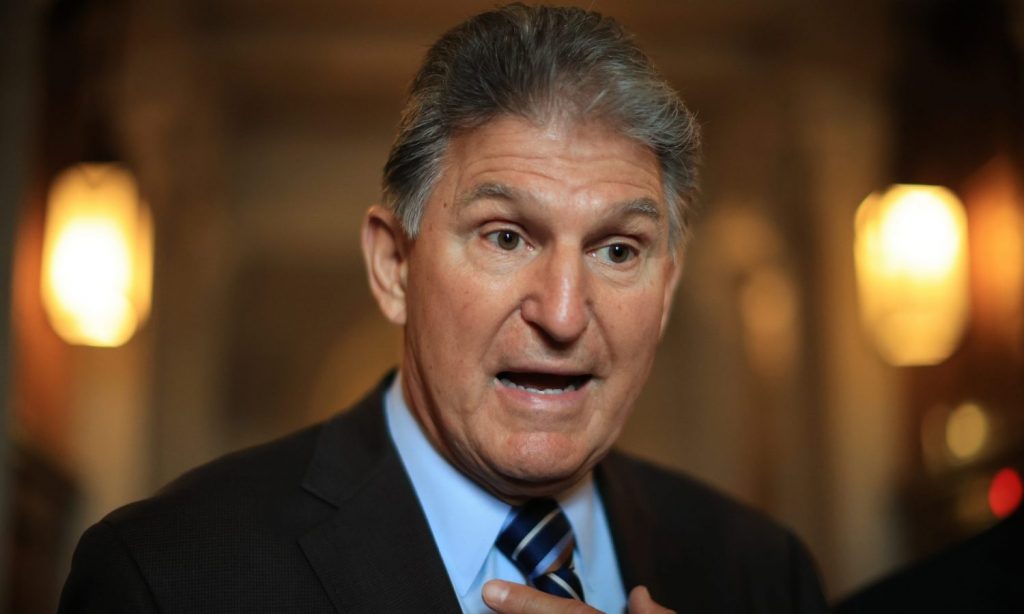
But, well, there is Democratic Senator Joe Manchin of West Virginia. This guy is being called the “new Mitch McConnell” by his own party, as he seems fully dedicated to hindering progress and helping to crush Democratic dreams.  

“Joe Manchin has become the new Mitch McConnell. Mitch McConnell during Obama’s presidency said he would do everything in his power to stop (then-President Barack Obama),” said New York Rep. Jamaal Bowman in an interview with CNN’s John Berman. “He’s also repeated that now during the Biden presidency by saying he would do everything in his power to stop President Biden, and now Joe Manchin is doing everything in his power to stop democracy and to stop our work for the people, the work that the people sent us here to do. Manchin is not pushing us closer to bipartisanship. He is doing the work of the Republican Party by being an obstructionist.” 

RELATED: Mitch McConnell Is Still The Cannabis Grim Reaper Of Capitol Hill

What Bowman is referring to is Manchin’s decision to oppose a heavily supported Democratic legislation to protect voting rights. In a recent op-ed, Manchin confirmed that he would not vote for the For the People Act, while also reiterating his position, once again, for not eliminating or even weakening the filibuster. While this news isn’t necessarily cannabis-related, Manchin’s position against his own party could end up having dire consequences for the future of federal cannabis reform. Why? As we mentioned before, Democrats need every vote they can get to accomplish their objective — to oppose the filibuster, to pass a cannabis reform bill, to do anything at all.

Sen. Joe Manchin, (D-WV)
Photo by Tasos Katopodis-Pool/Getty Images

Senator Manchin is likely to rail against Schumer’s soon-to-be-introduced cannabis bill. Manchin still believes pot is a gateway drug, which has earned him a D-minus with the national cannabis advocacy group NORML. “I go to the treatment centers. I talk to the addicts. I always ask, ‘How did you get started?’ Most told me they started out with recreational marijuana,” he said in a 2017 article for STAT. “Legalizing recreational marijuana is something I have not been able to accept or support.”

But we don’t know for sure where Manchin stands on cannabis reform in 2020. Not even his own party is certain about the scope of his politics. “If you can figure out what Joe Manchin is about, let me know because I can’t,” one Democratic senator recently told the Hill on the request of anonymity.

 RELATED: Somebody Should Let Federal Government Know Americans Want Legal Marijuana

However, we do know that Senator Manchin will not vote to end the filibuster. This means Senate Democrats would have to secure 60-votes to get Schumer’s cannabis bill approved. Right now, it doesn’t appear the party has that kind of support from across the aisle. “We’ve got to pick up another ten votes,” Senator Cory Booker of New Jersey, whose name will appear alongside Schumer’s in the upcoming pot bill, said earlier this year at a ACLU event. “Now, the good news is, is that there are Republican bright red states that have legalized marijuana. And that should give us some advantage in trying to cobble together the kind of majority that we need.”

cory booker
Photo by Paras Griffin/Stringer/Getty Images

Sadly, Booker’s optimism for pot reform seems a little naive. The inability to secure the necessary votes may be why we haven’t yet seen a cannabis reform measure introduced in the Senate. It’s been five months since Schumer and Booker announced the coming of a cannabis measure. They almost certainly see the challenges ahead, some of which are being created by their own party.

How will they overcome them? Do they even stand a chance? A betting man wouldn’t put his money on the Democrats changing the cannabis laws this year — not a prayer. He would, however, wager the farm on the hybrid policy destruction power of McConnell and Manchin.

The NFL Team With The Most Marijuana Loving Fans

The data from a survey that considered the consumption of marijuana by fans of certain sports leagues and teams show that NFL fans consumed the highest amount of weed.

As more people discover the benefits of cannabis, the industry grows in leaps and bounds, with more cannabis-infused products flooding the market. A significant characteristic of any thriving industry is its ability to become multi-faceted such that there are several growing sectors within the same industry.

The cannabis industry is an example of a thriving sector with different sectors that cut across; research, planting, business development, consumers, sales, marketing, health, wellness, etc.

Although all sectors are essential, the marketing aspect of cannabis is at the center of the entire industry. You are about to find out how strategic marketing between cannabis companies and players broke the conservatism associated with cannabis in sports.

Which Sports Fans Smoke The Most Weed? Hint: It's Not Baseball Or Basketball
Photo by AndreyPopov/Getty Images

Cannabis and sports fans 

If you have created a fantastic cannabis product, your first point of call should be a marketing strategy, and who are the best people to focus on? Sports fans! Sports fans can get wild with excitement and love for their favorite team, and because sports is a global phenomenon, products marketed to this demographic tend to perform well in the market.

Cannabis gives the fans the “kick” they need to stay energized and excited throughout the game, and cannabis brands are beginning to make money off this interest. There is an increase in the number of athletes that have become cannabis advocates through cannabis sponsorships.

RELATED: Which Sports Fans Smoke The Most Weed?

The strategy is simple: since the athletes have global appeal, fans pay attention to what they wear and the brands they support. Cannabis companies now work with pro-athletes to promote their products.

Despite some of the sports being conservative, the promotions are primarily successful because people are beginning to maximize the wellness benefits cannabis offers. The athletes make money off the deal, the cannabis company sells out, the fans are happy, and the marketing strategy succeeds.

How to effectively market cannabis to sports fans

If you want to sell your cannabis products to sports fans, you have to understand the consumer demographic in states having lots of sports fans, such as Maryland and Georgia. The concentration of sports fans in a particular state should be a significant key indicator that drives your marketing campaign.

For instance, you don’t want to market your cannabis products in states like Minnesota or Massachusetts. These are states proven to offer fewer returns on marketing budgets with cannabis because low sports fans turn out.

Proof Marijuana Has Been Part Of Professional Sports For Decades
Photo by LightFieldStudios/Getty Images

Yes, even with some highly conservative sports, if you are strategic with your location, you will get results. Sports fans need to be interested, they need to see their favorite player endorsing the brand, and if you get this right, you are promised marketing success.

The data from a recent survey that considered the consumption of marijuana and alcohol by fans of certain leagues and teams show that the NFL fans consumed the highest amount of cannabis. The survey also concludes that 36% of fans confirm that they enjoy cannabis while watching their favorite football game.

This data from the survey puts the NFL fans ahead of other league leaders who were slow to make changes with cannabis use for athletes. The cannabis conversation, service, and marketing in the sports industry have gained tremendous popularity to the extent that female soccer superstars call for more women’s representation in the cannabis industry.

The NFL fans use more cannabis on game day

The NFL was always labeled as the most conservative sport in the U.S. But do you know  that a study recently conducted revealed that NFL fans have one of the highest cannabis usages while watching games?

The survey report also highlighted other sports leagues with fans that enjoy marijuana while watching their favorite game, and this includes The MMA/UFC at 41%, Esports at 40%, NFL at 36%, NBA at 35%, and the NHL at 33%.

RELATED: Proof Marijuana Has Been Part Of Professional Sports For Decades

The respondents to the survey also mentioned how they prefer to consume cannabis on game day because this is also very important within the cannabis marketing industry. At the top of the list is smoking which ranked at 42%, with Bowl at 41%, Bong at 34%, Edible at 32%, and One Hitter at 24%.

The team with lots of cannabis loving fans

In terms of individual teams in the NFL, you might want to focus on Atlanta and Baltimore as the highest percentage of cannabis users at 77% are from the Atlanta Falcons and Baltimore Ravens. Other teams with very high cannabis use rate on game day (in no particular order) are Buffalo Bills, Los Angeles Chargers, Las Vegas Raiders, and Indianapolis Colts.

Worthy of note is that the New England Patriots fans use the least amount of cannabis, which is interesting because the team plays in Massachusetts. If you recall, Massachusetts has legalized adult use of cannabis, yet the sports fans are not as enthusiastic about using cannabis as the fans in other cities.

CBD Could Help 49ers Fans With Devastating Super Bowl Loss
Photo by Philip Pacheco/Stringer/Getty Images

As an intelligent cannabis business owner, you can plan your marketing strategy to concentrate more on the sports fans excited about using cannabis for game day. Conservatism in the sporting world against cannabis has become a blurry line. Fans want to have fun; they want to maintain the same adrenaline level from kick-off to the end of the game and will pay for a product that will give them that “Rush.”

Cannabis provides this rush through a myriad of products, and with athletes endorsing cannabis brands, fans are happy to buy the cannabis products their favorite players support.

The marketing world is all about partnerships; the right cannabis company partnering a famous athlete in a state where cannabis is legalized the dream business deal.

The cannabis industry continues to grow, and sports fans of conservative teams are maximizing the thrill it offers them during game time. Cannabis companies are in for a great time in terms of returns on their investments as products fly off the shelf due to the impact of athletes endorsing such products.

If you own a cannabis company in America, you need to re-strategize your marketing plans to accommodate more sporting events because the fans are ready to buy!

This article was created in partnership with Cannabis.net

Testing People For Marijuana Impairment By Measuring THC Levels Is Unreliable

0

A new study indicates that THC levels are not accurate representations of whether someone is impaired or not.

A new study suggests that the amount of THC in someone’s system is not an accurate predictor of impairment.

The study, done with the support of the National Institute of Justice, involved 20 participants. They were asked to consume cannabis through edibles or vapes, all with different degrees of THC. Afterward, participants were tested with common field sobriety tests and asked to complete cognitive tasks.

RELATED: Here’s What You Should Know If You’re Caught Driving While High

Marijuana DUIs
Photo by kaboompics via Pixabay

According to the study’s results, the amount of THC wasn’t a reliable indicator when discussing participant’s impairment. This is important since it questions many of the rules and regulations when it comes to cannabis use, particularly when discussing impairment when driving.

“These important findings come as no surprise,” said NORML Deputy Director Paul Armentano. “Despite a handful of states imposing per se THC thresholds as part of their traffic safety laws, there exists no science demonstrating that these arbitrary limits are reliable predictors of either recent cannabis exposure or impairment.”

Researchers gathered blood, urine and oral samples from participants who had ingested THC. The data didn’t correlate with the cognitive tasks and field sobriety tests participants were asked to participate in. Some participants had low levels of THC and performed poorly on these tasks and vice versa.

THC has long been the focus for impairment when discussing marijuana use. Now that the drug is getting legalized across different states, this is a problem, since it may result in the arrests of people who shouldn’t be arrested. The drug tests that are available, particularly those that are administered on the road, aren’t able to measure impairment. They’re only able to determine whether someone ingested cannabis or not.

RELATED: Indiana’s New Roadside Drug Testing Tool Will Create Influx Of Marijuana Arrests

Driving under the influence should be monitored since it could result in dangerous situations. Still, it’s important to avoid creating a problem when there isn’t one, especially since data shows that marijuana’s legalization hasn’t resulted in an increase in car accidents.

WSU Forms Center For Supervising Wide-Range Of Cannabis Research

Over the last six years, WSU has undertaken some 50 projects including studies of behavioral and biological predictors of cannabis abuse.


The Washington State University Faculty Senate and Board of Regents have formed a Center for Cannabis Policy, Research and Outreach (CCRPO) with the idea of overseeing the school’s comprehensive cannabis research, reported Hemp Today.

“The center status recognizes our researchers’ outstanding, multi-disciplinary scholarship on cannabis. It also brings together under one center work on everything from research focused on the impact of cannabis on development to scholarship on cannabis and public safety, as well as our growing hemp research,” said Michael McDonell, CCPRO Director.

cannabis research
Photo by cyano66/Getty Images

WSU began cannabis research back in 2011, prior to Washington becoming the first state, along with Colorado, to legalize adult-use cannabis in 2012. Now, the university is poised to take its research to the next level as it will employ around 100 scientists to supervise many ongoing cannabis-related studies.

One of them is being led by Professor David Gang, whose WSU research team is in its second year of hemp planting trials.

RELATED: House Approves Bill To Enhance Medical Marijuana Research

The University also collaborated with researchers from Oregon and California who are examining hemp germplasm for CBD and industrial use, analyzing plant chemistry and searching for varieties that would blossom in specific parts of the state.

Over the last six years, WSU has undertaken some 50 projects including studies of behavioral and biological predictors of cannabis abuse using a novel animal model of cannabis vapor administration. This research was recently granted $400,000 from the National Institute on Drug Abuse.

This article originally appeared on Benzinga and has been reposted with permission.

Don't Miss Your Weekly Dose of The Fresh Toast.

Stay informed with exclusive news briefs delivered directly to your inbox every Friday.

We respect your privacy. Unsubscribe anytime.