Tuesday, May 12, 2026
Home Blog Page 377

4 Reasons People Fear Going Back To The Office

0

Every day, more and more companies are scheduling their return to the office. Here’s why some people fear going back.

It’s a stressful time. That long awaited moment that people were visualizing over a year ago, when a vaccine was easily accessible and life would be turning back to normal, has arrived with the baggage of a year of trauma. A return to the office is a big concern for a group of people who’ve adapted to remote work and wish for things to stay the same.

A recent study found that two thirds of American workers are feeling anxious about returning to their in person work settings. Reasons for this are varied, with people willing to take a pay cut in order to avoid going back to the office or even willing to resign from their jobs. While many are nervous and afraid over health concerns, a large percentage of people experienced a year of working from home convenience and are not willing to go back.

Here are 5 reasons people fear going back to the office:

Office work doesn’t allow for free time

How To Use Cleaning To Destress
Photo by Volha Flaxeco via Unsplash

“I’m not excited to go back to the office,” said Tracie Smith, an analyst who spoke to the New York Times. “My fear is that, given the opportunity, they’ll take all of it away and we’ll be back to 8 to 5 in the office again,” she said. “But the pandemic has shown that there are alternatives that work well.”

RELATED: Doing This At Work Increases Your Risk Of Heart Disease

According to Smith, it took a pandemic for her to feel rested and like she could use her time wisely when in a break from work, allowing her to do laundry or to shop for groceries without feeling like she was wasting her precious free time. “I feel like a whole person. I am living an actual life every single day, instead of trying to cram it into a day-and-a-half on the weekend.”

The commute process is filled with anxiety

Here's How Face Masks Work And Why You Should Use Them
Photo by Ross Sneddon via Unsplash

Entering buildings doesn’t feel like it used to. Aside from wearing face masks, following social distancing guidelines and the over stickers indicating how to behave correctly and politely, hurdles like riding the subway or standing in a crowded elevator can add anxiety to an already stressful time. It’s a time consuming process that not everyone looks forward to.

People who are disabled or have an underlying condition are rightfully scared

Stress Vs. Burnout: What’s The Difference?
Photo by Christian Erfurt via Unsplash

The pandemic has been tough for everyone but it’s been especially rough for people who have a disability or underlying condition. Working from home gave this people much more comfort and opportunity, something that not a lot of people need or even think about. It also provided them with safety, not having to account for co-workers social lives and whether they cover their nose or not with their face masks.

RELATED: Can You Work From Home Forever? A Lot Of People Want To

Rebecca, a specialist in problem management who is disabled, spoke with The Huffington Post on why she’d rather stay working from home. “I wasn’t losing two hours a day to commute, plus two to three hours a day spent crashed out recovering from the work day,” she said. “I had energy, I developed a baking habit.”

Remote work has worked fine for a year. Why mess with it?

How To Improve Your Internet When Working From Home
Photo by Thought Catalog via Unsplash

Whether people are introverts or simply enjoy being able to do their laundry while on their lunch break, remote work has been a success for a large percentage of them.

“Spending all that time, effort and money and now having to go back to the pre-pandemic routine seems like it was all for naught,” said Jonas, a a Ph.D. student who spoke with HuffPo. “All the freedoms we enjoy in our home offices ― wearing whatever pants you like, structuring the day so it fits you better than the default 9-5, taking a quick half-hour nap if a work problem stresses you out ― that’s all about to go away.”

Legalizing MDMA For PTSD Treatment: How Close Are We?

Phase III testing is critically important for the legalization of prescription MDMA. In this phase, scientists evaluate how it compares to existing medications that treat PTSD such as Prozac, Zoloft, and Paxil.

By Andrew Smith

Efforts by the Multidisciplinary Association for Psychedelic Studies (MAPS) to legalize prescription MDMA (Ecstasy) appear to have passed a gigantic hurdle earlier this month: MDMA is on track to meet the testing requirements to be a legalized prescription drug, specifically intended to treat the symptoms of post-traumatic stress disorder (PTSD).

After analyzing the preliminary results of the latest Phase III study of the effects of MDMA, scientists believe that MDMA represents a potential breakthrough in PTSD treatment. This is huge news because FDA has only approved a few antidepressants to treat PTSD, and about half of patients get no relief from those drugs.

MDMA On Cusp Of FDA Approval
Photo by portokalis/Getty Images

According to analysis by an FDA-coordinated independent data monitoring company (DMC) — which reviewed MAPS’ Phase III data after 60% of the subject completed the study — there is at least a 90% chance that the Phase III testing will yield statistically significant results once all participants have been treated. The results of the study were published last week in Nature Medicine, a prestigious trade journal.

So, how did the study work? Scientists used a randomized, placebo-controlled study with 90 participants suffering from severe PTSD. They found that MDMA significantly reduced PTSD symptoms and functional impairment. Specifically, 67% of patients improved enough to no longer satisfy the diagnostic criteria for PTSD, and a third experienced complete remission. Furthermore, MDMA did not induce adverse events of abuse potential, suicidal idealization or attempts, or QT prolongation. Ultimately, the results of the study indicate that MDMA-assisted therapy is highly efficacious in those with severe PTSD, and that MDMA treatment is safe.

Phase III testing is critically important for the legalization of prescription MDMA. In this phase, scientists evaluate how MDMA compares to existing medications that treat PTSD such as Prozac, Zoloft, and Paxil. Phase III is also a considerable step up from Phase I and Phase II; Phase I trials examine the safety of the drug but not the efficacy of the drug in humans, and Phase II trials study whether the drug actually treats PTSD in conjunction with talk therapy.

RELATED: MDMA On Cusp Of FDA Approval

The study results are a huge victory for Rick Doblin in particular, who has spent more than 30 years advocating for psychedelic drug use to treat emotional trauma (sometimes, Doblin refers jokingly to MAPS as “the world’s oldest start-up”). Founded by Doblin in 1986, MAPS is a nonprofit based in San Jose, California that is committed to attracting funding and seeing MDMA through the Food and Drug Administration (FDA) drug approvals process. Since then, MAPS has guided MDMA through various regulatory obstacles and investors have contributed lots of money to study the efficacy of MDMA in treating PTSD. Just last August, MAPS announced that it had raised $30 million to complete this first Phase III MDMA study.

Legal MDMA-Assisted Therapy Is Likely Within Next Couple Years
Photo by Pornpak Khunatorn/Getty Images

MAPS is preparing for a sprint to the finish line, aiming for FDA approval in 2022 and drug commercialization in 2023. The biggest challenge between now and then for MAPS likely will be raising a few hundred million more to complete a second Phase III study, move into drug production, and train therapists around the world to administer treatment.

RELATED: Legal MDMA-Assisted Therapy For PTSD Likely By 2022

We have been following MAPS and predicting the success of this treatment regime for a while now, and we were excited to see these results and follow the progression of MDMA towards legalization. It could also pave the way for approvals of other psychedelic drugs in the FDA channel, as we’ve been covering on this blog for the past three years.

This article originally appeared on Canna Law Blog and has been reposted with permission.

Why Big Pharma Loves Synthetic Cannabinoids

0

As more companies engage in scientific research to unravel the value of cannabinoids found in the cannabis plant, Big Pharma is already exploring the possibilities with synthetic cannabinoids.

When you read “Big Pharma” and “cannabinoids” in one sentence, one thing is sure: cannabis is on the move again to solve serious medical issues. Big Pharma will only focus and work with a compound they view as valuable and deploy all mechanisms in their arsenal to ensure maximum utilization of such a component. Here is why Big Pharma loves synthetic cannabinoids.

What are synthetic cannabinoids?

Synthetic cannabinoids refer to molecules that bind to the same cannabinoids (THC and CBD) present in cannabis plants. They are likened to designer drugs sprayed on plant matter or smoked and may be ingested as a concentrated liquid in the UK and US. So why does Big Pharma prefer synthetic cannabinoids? First, let’s unravel the differences between “natural” and “synthetic’ cannabinoids.

Will Congress Boost Hemp Total THC Limit To 1%?
Photo by anankkml/Getty Images

The differences between natural and synthetic cannabinoids

Natural cannabinoids are derived and separated from natural sources such as the C. Sativa plant and other varieties of biological species. While the synthetic cannabinoids are created from scratch in a laboratory with the chemical synthesis process using chemical precursors.

Some people view synthetic cannabinoids as being of “low quality” compared to their natural counterparts. But Professor Edvinas Orentas, who works closely with Sanobiotec, maintains that the concept of “low quality” is not a property of either natural or synthetic cannabinoids.

RELATED: These Are The Next Big Cannabinoids To Go Mainstream

He further explained that there are no differences between a synthetically produced cannabinoid and a natural one at the molecular level. Yes, there is a stigma around “synthetic” (he isn’t only affecting cannabinoids). Still, he believes that the best way to eradicate such stigma is to persistently educate the public about the values of synthetic cannabinoids, which Big Pharma is taking seriously.

The world currently thrives on technological innovations to support natural sources, and when natural cannabinoid is not obtainable, it can lead to scarcity of products. Hence the reason synthetic is gaining a lot of momentum.

The company Sanobiotec

To understand Big Pharma’s preference for synthetic cannabinoids, we need to refer to an established company leading the charge on this discovery. Sanobiotec focuses on developing a more comprehensive range of cannabinoid applications in the pharmaceutical and wellness sector.

They are interested in mainstream and rare cannabinoids, with a significant part of their work revolving around the combination of synthesis, natural extractions, and biosynthesis to produce high-quality products.

How Marijuana Helped Me Overcome My Addiction To Pain Pills
Photo by Matvevna via Pixabay

The company operates in the EU with excellent manufacturing practices, all in an analytics lab. They have discovered the valuable components of synthetic cannabinoids and the potentials it embodies and it will go all the way with this discovery

Sanobitec needs a cannabinoid they can access all year round, and synthetic cannabinoid offers this assurance, making it a highly rated preference. You can understand Big Pharma’s commitment to synthetic cannabinoids when you fully grasp its advantages.

Advantages/benefits of synthetic cannabinoids 

Synthetic cannabinoids can be manufactured on a large scale, beginning with cheap and straightforward chemicals, which means labor and land-intensive plating stages are eradicated. Additionally, the quality and yield of the synthetic cannabinoid are more reproducible and aren’t subject to seasonal changes.

With natural cannabinoids, companies may have to wait until the plant is in bloom during its season before gaining access to the cannabinoid. However, since synthetic cannabinoid is created in the lab, they have access to it at any time.

RELATED: Is Synthetic CBD Legal?

More so, some natural cannabis plants are exposed to pesticides and toxic chemicals, which also negatively impacts the cannabinoid derived from such a plant. With synthetic cannabinoid, there is no worry or concern regarding pesticides or harmful chemicals because it is made inside the company’s safe facility.

Why Big Pharma prefers utilizing synthetic over natural cannabinoids

A small cannabis plant grower can choose to rely on the natural cannabinoid from plants because growers only require a small quantity. So they plant what they need, and even if the plant is not in season, they can wait for a while before planting again; this is on a small scale.

On the other hand, Big Pharma produces products on a large scale to reach millions of people and cannot afford to use an unreproducible cannabinoid. They will lose billions of dollars that should be made from sales if they don’t have access to the cannabinoid (which is the main ingredient in most of their cannabis-related products).

RELATED: DEA Interim Final Rule: What Is ‘Synthetically Derived THC’?

So synthetic cannabinoids are highly reproducible, making them an ideal and perfect choice for Big Pharma. The risk of biological contamination with synthetic cannabinoids is also at an all-time low when complete synthetic compounds are used.

CBD & THC Oils Are Popular But Most Cannabis Ends Up Going To Waste
Photo by AnuchaCheechang/Getty Images

Despite these advantages, it is pertinent to note that the exact strict quality control requirements are deployed with synthetic and natural cannabinoids. The companies analyze their compounds for the same molecules; therefore, the testing standards will be the same.

But the risk of contamination from pesticides is more likely to happen with natural cannabinoids. Contamination is of grave concern to Big Pharma who wants to ensure that all products are safe for consumers before releasing them into the market.

RELATED: Do Cannabis Legalization Efforts Suggest Joe Biden Is A Pawn For Big Pharma?

The process of getting rid of such impurities that cause contamination in cannabinoids is also too tasking compared to a zero-risk synthetic cannabinoid. As it is with every business, business owners will always go for the option that saves cost and still offers the promise of quality.

Big pharma is also concerned with sustainability and what works for them in the long run. Synthetic cannabinoids offer the stability they require to remain relevant in the market through the consistent production of highly sought-after products.

Bottom line

As more companies engage in scientific research to unravel the value of cannabinoids found in the cannabis plant, Big Pharma is already exploring the possibilities with synthetic cannabinoids. While the natural cannabinoid remains a viable option, the synthetic cannabinoid is highly reproducible and desirable to Big Pharma.

Experts believe that the cannabis market is becoming saturated with some cannabinoids, especially CBD, and now it’s time to explore all of it through synthetic measures. As Big Pharma takes the lead, they are paving the way for other industries utilizing cannabinoids, such as skin care companies.

This article originally appeared on Cannabis.net and has been reposted with permission.

Doing This Increases Your Risk Of Heart Disease

Researchers theorize that this connection could be due to the fact that workers don’t have the space to eat healthy and work out.

According to a new report, long work hours aren’t only emotionally exhausting. These hours have been linked with a higher risk of heart disease and strokes.

The study was published in the journal Environmental International, and it was the first global peer reviewed analysis of its kind. It defined long work hours as working over 55 hours a week, and found that people who followed these schedules had 35% higher risk of a stroke and 17% risk of heart disease when compared to people who worked for 35 to 40 hours a week.

RELATED: The Good News: Check Out These 5 Health Benefits Of Stress

Tom Brady Smoked Weed In High School, He Says In New Howard Stern Interview
Photo by Andrea Piacquadio via Pexels

The study focused specifically on 2016 and found that long work hours were connected to 745,194 deaths from strokes and heart disease.

“With working long hours now known to be responsible for about one-third of the total estimated work-related burden of disease, it is established as the risk factor with the largest occupational disease burden,” explains the World Health Organization (WHO).

The WHO warns that long work hours are on the rise all over the world, especially now that a lot of people are working from home and are finding it difficult to excuse logging off at any particular time.

Can Microdosing Help You Work From Home?
Photo by Vlada Karpovich via Pexels

“The COVID-19 pandemic has significantly changed the way many people work,“ said WHO Director-General, Dr Tedros Adhanom Ghebreyesus.

“Teleworking has become the norm in many industries, often blurring the boundaries between home and work. In addition, many businesses have been forced to scale back or shut down operations to save money, and people who are still on the payroll end up working longer hours. No job is worth the risk of stroke or heart disease. Governments, employers and workers need to work together to agree on limits to protect the health of workers.”

RELATED: 5 Meditation Techniques To Help You Stay Calm During Stressful Times

Long and grueling work hours have long been linked to poor health, ranging from colds and flus to plenty of emotional imbalances. While this study is the first of its kind in scope, it isn’t the first to suggest that there’s a link that exists between heart disease and work stress. Researchers theorize that this connection could be due to the fact that workers only have time to work and don’t have the space to eat healthy and work out. Other factors to consider include stress, age, and gender.

Is The COVID-19 Vaccine Safe For Kids? Here’s What You Should Know

The COVID-19 vaccine has been approved for children ages 12 and up. Here’s what you should know.

The Pfizer COVID-19 vaccine has been approved for adolescents making vaccination a reality for many parents who are considering taking their kids to their nearest pharmacy or hospital for their shot.

Vaccinating kids for COVID-19 can be scary for some parents, especially due to the politics and drama that surround this important moment. A survey indicates only 30% of parents were willing to take their kids to get vaccinated as soon as a shot was available. A lot of parents think of these vaccines as something different than the average flu shot.

Is the COVID-19 vaccine safe for children? Will vaccination records be necessary for rejoining school? Here’s what you should know about COVID-19 vaccines and adolescents.

Giving your child the vaccine is important

Do Legal States Have To Worry About Increased Use In Adolescents?
Photo by Tim Mossholder via Unsplash

Data from Pfizer’s adolescent vaccine trials shows that the shot is 100% effective at keeping them safe from the virus. That’s more effective than it is for adults. The protection of children not only drastically reduces child hospitalization and deaths from COVID-19, but also prevent the development of new and more dangerous vaccine variants.

Side effects have been minimal

This COVID-19 Vaccine Side Effect Suggests You May Already Have COVID
Photo by CDC via Unsplash

RELATED: Are Employers Allowed To Issue COVID-19 Vaccine Mandates For Employees?

Data from teens shows that the vaccine works fine in them, considered safe for the vast majority. About 6% of teens experienced an adverse event, including depression, constipation and abdominal pain, which weren’t found to be related to the vaccine itself. Scary side effects like blood clots or serious allergic reactions were not reported in the vaccine trials.

Will COVID-19 vaccines be required for in person school?

Zoom Is Trying To Censor Nudity
Photo by Allie Smith via Unsplash

RELATED: This Vaccine Side Effect Suggests You May Have Already Had COVID-19

While there’s been a lot of discussion about vaccine passports and events that are only available to those who’ve been vaccinated, there’s no way of knowing if schools will be enforcing this or even if they’ll be legally allowed to do so.

Some colleges and universities have been asking students to get their vaccines if they wish to attend class in person. Still, this question may change on a state by state basis and will likely be ruled by each school’s vaccination policies and guidelines.

Scientists Issue Guidelines Over Safe Cannabis Use

0

Researchers believe the only natural way to prevent getting hammered with cannabis-related health issues is to sidestep it.

Ever since marijuana started going legal in the United States, the news has been filled with countless reports of people getting their butts handed to them because of it. At first, much of the trouble was blamed on edible pot products — or rather, the average citizen’s ignorance over how much THC is too much to take at one time.

But then, the terror grew into the potential harms of vaporizers, how smoking was as bad as cigarettes and a slew of other hazards that one might encounter if they dance with the doobie. However, scientists now believe they understand how cannabis can be used safely, and they want to share their thoughts with the public.  

Researchers from Canada recently published a list of guidelines in the American Journal of Public Health, providing cannabis users with 10 ways to increase their chances for survival in the modern stoned age. According to Dr. Benedikt Fischer, senior scientist at the Centre for Addiction and Mental Health, the team has uncovered “factual, science-based information” to help the average cannabis user avoid both short and long-term health problems associated with cannabis. 

How Long Will Your Marijuana High Last? What Researchers Get Wrong
Photo by LordHenriVoton/Getty Images

Unfortunately, the latest guidelines aren’t going to be well-received by many. Especially not by those who believe that cannabis is a medicinal plant and not something to be feared. In fact, most cannabis users aren’t going to appreciate the number-one line of defense against the perils of pot — and that’s abstinence.

Researchers believe the only natural way to prevent getting hammered with cannabis-related health issues is to sidestep it. “The most effective way to avoid cannabis use-related health risks is abstinence,” researchers declared. With that said, scientists realize that their weed wisdom isn’t going to stop most adults from smoking marijuana. However, they want to caution the younger generations against getting high too soon.

“Avoid using cannabis at an early age, specifically before the age of 16 years old,” the guidelines state. 

The subsequent warnings focus on potency and quality. Researchers urge cannabis users to opt for lower levels of THC or select “balanced THC-to-cannabidiol (CBD)-ratio cannabis products.” The report also asks for users to avoid dangerous synthetic cannabinoids known as “Spice” and “K2.” 

Smoking is also a considerable threat. Researchers want cannabis users to avoid this method of consumption at all costs and switch to safer alternatives. “Avoid smoking cannabis and opt for non-smoking use methods, such as edibles,” the report reads, adding that users should also “avoid deep or other “risky” inhalation practices.” All in all, the message is that smoking anything is bad news.Smoking is also a considerable threat. Researchers want cannabis users to avoid this method of consumption at all costs and switch to safer alternatives. “Avoid smoking cannabis and opt for non-smoking use methods, such as edibles,” the report reads, adding that users should also “avoid deep or other “risky” inhalation practices.” All in all, the message is that smoking anything is bad news.

Have You Seen The New Ad Linking Marijuana And Satanic Cults?
Photo by Javi Julio Photography/Getty Images

The guidelines go on to discourage daily use. Avid marijuana consumers often partake in their drug of choice on a daily basis (usually starting with the morning wake and bake) to ward off the tragedies of the day. Some even claim that life would not be possible without a little THC rattling around in their brains. But researchers find this habit can be a detriment to a person’s overall health. “Avoid high-frequency use, that includes both “daily and near-daily,” the report states.

RELATED: This Is How To Know When It Might Be Time To Lay Off Marijuana

Researchers also advise against driving stoned and any use if there is a family history of mental illness. 

Right now, the United States is progressing on the cannabis issue more with each passing week. There is even a chance that we could see the plant considered for full-blown legalization in Congress later this year. Advocates often complain that legal weed would be no greater threat to civil society than alcohol and tobacco. Both legal substances continue to bury hundreds of thousands of people every year, yet the products are a driving force behind the American economy. Some believe that marijuana is totally safe, yet more research emerges all the time showing how some users still experience health issues and struggles. Not everyone can handle their weed. 

RELATED: 6 Ways To Tell If You’re A Dedicated Marijuana User

Canadian researchers think their strategy on cannabis consumption may prevent significant casualties as legalization progresses. “These guidelines are an important tool supporting a public health approach to cannabis use,” says Ian Culbert, Executive Director of the Canadian Public Health Association.

“People who use cannabis and cannabis-derived products, front-line practitioners, and public health professionals can all benefit from having access to evidence-informed guidelines that can help reduce the potential negative health effects associated with cannabis use. Through their widespread adoption, the guidelines will provide people who use cannabis with the information they need to manage their use and protect their health and well-being.”

Cannabis And NFTs: Collectible Art Or Regulated Ads?

While NFTs and cannabis are exploring an interesting marriage, producers of NFTs need to be mindful that their creation could be construed as cannabis advertising.

Back in 2015, when I was a regular columnist for Above The Law, I wrote a piece called “Cannabis Advertising: Is Pot Obscene?“. That article focused on general speech issues around cannabis ads. We’ve also written over the years about how various social media platforms broadly prohibit pretty much any speech with the word “marijuana” in it, and sometimes, even CBD.

Fast forward to 2021 and we still haven’t seen the Feds take any serious action against advertisers of cannabis and/or cannabis companies, and we probably never will at this point (though the USPS has a thing or two to say about cannabis ads in the mail even though it probably won’t do anything about them). Aside from social media headaches, the biggest commercial speech issue for cannabis companies is constantly having to comply with the huge variety of labeling, marketing, advertising, and promotional laws and regulations created under state legalization regimes. However, a new and fun speech and advertising-related issue is the advent of cannabis NFTs.

Terpene Flavor Guide: Where Cannabis Gets Its Taste
Photo by Elsa Olofsson via Unsplash

NFT stands for Non-Fungible Token. An NFT “is a unit of data stored on a digital ledger, called a blockchain, that certifies a digital asset to be unique and therefore not interchangeable. NFTs can be used to represent items such as photos, videos, audio, and other types of digital files.” Translated, NFTs are distinct tokens on the blockchain that establish ownership of digital collectibles, like digital art. NFTs are no doubt part of an emerging sub-industry that encompasses blockchain technology. And this year in particular has seen a major uptick in the buying and selling of NFTs (e.g., Jack Dorsey’s first tweet NFT that sold for more than $2.9 million). Certain businesses and ventures in the state-legal cannabis industry have been quick to embrace NFTs to help promote various products, businesses, industry influencers, cannabis culture, and even “strain art“.

The issue with NFTs from a cannabis business compliance perspective is whether or not they amount to marketing, advertising, or promotional materials that have to adhere to a host of laws and regulations across the patchwork quilt of state-by-state legalization. One point in case is Lava Coin, which is “. . . a bag of cannabis, that exists only online, linked to blockchain technology for ‘authenticity.’”

RELATED: Why Does Social Media Still Ban Cannabis?

The company Peakz is behind Lava Coin per Forbes. Apparently, when you purchase Lava Coin, according to Forbes, “[y]ou can’t smoke it, but as a bonus, if you do buy the ‘the first digital cannabis strain ever available,’ and if you are based in Oregon or California, you also get some ‘real’ physical marijuana.” To me, as a compliance attorney in the California cannabis space, a concept like Lava Coin may have some interesting issues when it comes to compliance with the California Medicinal and Adult-Use Cannabis Regulation and Safety Act (“MAUCRSA”) and its very strict marketing, advertising, and promotional regulations, starting with the NFT concept itself.

In California, a cannabis advertisement includes:

. . . any written or verbal statement, illustration, or depiction which is calculated to induce sales of cannabis or cannabis products, including any written, printed, graphic, or other material, billboard, sign, or other outdoor display, public transit card, other periodical literature, publication, or in a radio or television broadcast, or in any other media.

Seemingly then, an NFT, even if it’s intended to only act as “art”, that is a “depiction which is calculated to induce sales of cannabis or cannabis products” is going to be construed as an advertisement under MAUCRSA, which then means that it has to meet a myriad of other laws regarding its dissemination, consumer audience age, and content (including that it cannot be appealing in any way to minors and the license number of the associated cannabis business has to be on the ad). Further, if purchase of a NFT leads to a give away of adult-use cannabis (which is not allowed in California by a licensed dispensary or unlicensed business) or a discounted sale of cannabis by a licensed cannabis business, it may be additional potential proof that the NFT is indeed advertising, marketing, or promotional material.

RELATED: Cannabis And Sex: Two Things Social Media Doesn’t Want You To See

While NFTs and cannabis are exploring an interesting marriage, producers of NFTs need to be mindful that their creation could be construed as cannabis advertising subject to comprehensive laws and regulations, especially if the creator is partnering with a cannabis business to ultimately drive consumer sales through NFT purchases. And don’t forget that if there’s any intellectual property license or work-for-hire services agreement involved with a cannabis licensee, depending on control and compensation issues, the NFT creator may actually have to be disclosed to state regulators.

At the same time, a cannabis NFT absolutely could just be a collectible asset that has nothing to do with advertising or promoting a cannabis business or brand–the question is whether the NFT is mainly intended to induce or drive commercial cannabis sales. It will ultimately be up to regulators to decide where the appropriate enforcement line lies here, but NFT creators and the cannabis companies or brands they work with should ensure they know what side of that line they’re on, before diving headfirst into the venture.

Hilary Bricken is a partner at Harris Bricken. This story was originally published on the Canna Law Blog and reposted with permission.

Cannabis Cravings: Study Addresses Why It Happens

Explaining that cravings for marijuana are not static but rather present in patterns, a recent study looked at the central executive network of the brain and its fluctuations. 

We now have a better understanding of why cannabis users crave the herb — and it has a lot to do with brain connectivity.

Published in the journal of Human Brain Mapping, a May 2020 study found secrets to the underlying brain networks in long-term cannabis users and why certain users experienced cravings. 

Dr. Francesca Filbey, PhD, professor and director of cognitive neuroscience explained why the study was so pivotal, “Now that we have identified there are differences in large-scale brain network patterns in long-term cannabis users when there is craving, we can use these as biomarkers of cannabis use disorder to aid treatment strategies. Future studies are needed to determine how these brain network patterns might change over the course of treatment and recovery.” 

FDA Declares Cannabis Drug Epidiolex No Longer A Controlled Substance
Photo by KATERYNA KON/SCIENCE PHOTO LIBRARY/Getty Images

According to the Center for Brain Health at the University of Texas, the team’s research indicates the need for better treatment strategies for those experiencing dependence or cravings that are difficult to control.

RELATED: Alcohol Vs. Weed: How The Two Affect Young Adult Brains

The study cites, “The findings add to the understanding that regions of the brain do not perform in isolation, but through connectivity of multiple brain networks that signal to each other depending on need and state.” Explaining that cravings for marijuana are not static but rather present in patterns, the study looked at the central executive network of the brain and its fluctuations. 

Marijuana Social Clubs Are The Last Major Step For Legalization
Photo by LordHenriVoton/Getty Images

RELATED: Study: Women Have More Intense Marijuana Cravings Than Men

Interestingly, marijuana is used to treat other dependence issues, like opioids or alcohol. Some researchers believe marijuana may even hold the key to eliminating addiction in some patients. With only 9% of people abusing marijuana in certain studies benefits outweigh risks, especially since no one has died from marijuana. More recent studies cited 30% of marijuana users develop some degree of a disorder, which can take the form of addiction. 

Could the new study shed a brighter light on how the body craves and reacts to marijuana? Scientists think so. They also believe studies like the one done at the University of Texas can better illuminate the body’s change in chemistry during and after marijuana use and the patterns present during craving or addiction.

US Cannabis Legislation Update: ‘SAFE Act Gaining Steam’

The SAFE Banking Act would allow U.S. banks to service cannabis companies in states that have legalized weed.

By Wayne Duggan

The ETFMG Alternative Harvest ETF MJ 1.42% is down 26.3% in the last three months as efforts to push for federal U.S. cannabis legalization haven’t progressed as quickly in Washington, D.C. during the early innings of the Joe Biden administration as some investors had hoped.

Bank of America analyst Heather Balsky said Monday that significant steps in the cannabis legalization process may be just around the corner.

How Long Before The Senate Approves The SAFE Banking Act?
Photo by Kindel Media from Pexels

SAFE Act Update: Balsky said the SAFE Banking Act, which would allow U.S. banks to service cannabis companies in states that have legalized cannabis, appears to be gaining steam in Congress, even among Republicans. The bill recently passed in the House of Representatives for the third time.

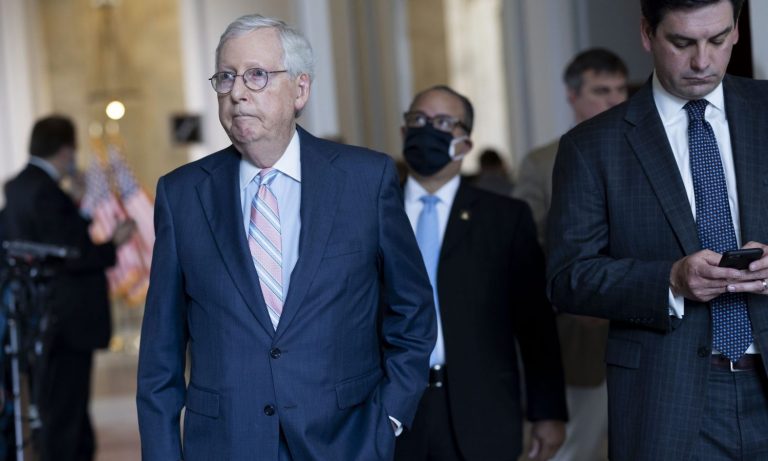
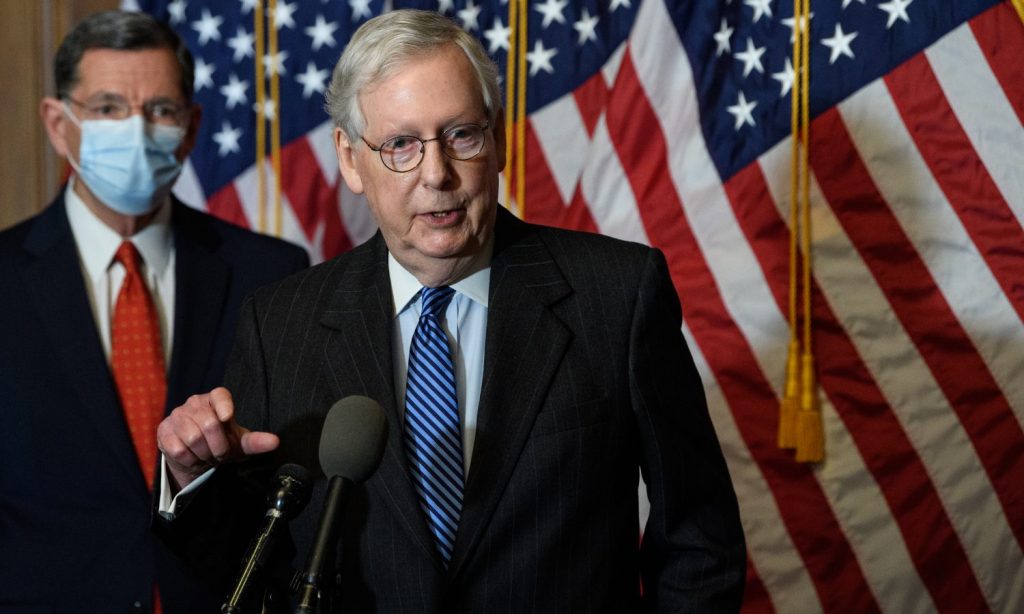
It has eight Republican co-sponsors in the Senate, and Balsky said she believes it has enough bipartisan support to pass. At this point, Balsky said the biggest question for the SAFE Act is just how long Democrat and Senate Majority Leader Chuck Schumer will wait to put the SAFE Act to a vote. She predicts the SAFE Act will be put to a vote by late 2021 or early 2022.

RELATED: How Long Before The Senate Approves The SAFE Banking Act?

In the meantime, House Republicans David Joyce and Don Young recently introduced legislation to remove cannabis from the federal Controlled Substances Act. Ballsy said the Republican-sponsored legalization bill is unlikely to pass at this point, but it is an important symbol that legalization is becoming a bipartisan issue.

BWS Bill Dead In The Water? At the same time, Democrats have their own Booker-Widen-Schumer legalization bill that will likely be introduced to the Senate before June. Balsky said investors should be prepared for volatility in cannabis stocks if the bill is voted down, which appears likely at this point.

Why The Cannabis Industry Is Perfect For Socially Responsible Investors
Photo by Ivan-balvan/Getty Images

“Based on commentary from the senators regarding the bill’s inclusion of social justice and equity reforms, which are controversial among Republicans and some moderate Democrats, we are concerned it will not be able to get the 60 votes to pass the Senate,” Balsky said.

She said the BWS bill will likely need to “run its course” in the Senate before the SAFE Act gets a vote.

RELATED: Why The Cannabis Industry Needs Congress To Pass SAFE Banking Act

Benzinga’s Take: Cannabis stock investors shouldn’t be too disappointed if the BWS cannabis bill gets voted down in the Senate given that Balsky’s commentary suggests the bill contains some controversial left-wing provisions that may not appeal even to some moderate Democrats. However, given that SAFE Act passage could come as soon as late 2021, any potential sell-off in cannabis stocks following the BWS vote could be a buying opportunity.

This article originally appeared on Benzinga and has been reposted with permission.
4 Common Habits That Could Be Slowing Down Your Metabolism

Just a few simple tricks can get your metabolism back to being an efficient energy-burning machine.

Metabolism is the processes our body follows to create energy, keeping us moving and alive. It’s a very complex mechanism, one that’s commonly associated with the amount of calories we burn on a daily basis; a fast metabolism means more calories burned.

While this is true, boosting your metabolism is no easy feat, especially if you’ve gone years doing things to slow it down. Every body has its way of functioning, influenced by genes and lifestyle. Still, some habits we do in our daily lives could be slowing down our metabolisms. Here are some common habits you should avoid for a better functioning metabolism:

You’re eating too little

5 Ways To Tell If You Have A Bad Relationship With Food
Photo by Artem Labunsky via Unsplash

Not giving your body food when it’s hungry will essentially train it to hoard calories and slow down your metabolism. You need sufficient food to keep your body running. When you introduce less calories to your body, it will likely enter starvation mode, resulting in using muscle mass as fuel. Your metabolism slows down in order to preserve energy.

You’re drinking too much alcohol

Study Suggests CBD Use May Be Related To Less Alcohol Consumption
Photo by Wil Stewart via Unsplash

RELATED: People Who Skip Breakfast Are More Likely To Develop This

When alcohol is consumed, it’s burned first as a source of fuel. All the lipids and glucose that you consumed through meals are then transformed into body fat. Alcohol is a substance that requires a lot of attention from your metabolism, making it work hard to detoxify itself instead of burning calories and creating energy like it’s meant to do.

Disrupted sleep schedule

Evidence Explains Why Sleeping 8 Hours A Night Is So Difficult
Photo by Kinga Cichewicz via Unsplash

RELATED: Here’s How To Realistically Reduce Sugar From Your Diet

Sleep affects every aspect of our life, for better or worse. When our body gets too little sleep or too much of it, our metabolism is disrupted. A disturbed sleep schedule can result in our body burning fewer calories, growing cortisol levels, and an increase in our appetite, which can result in overeating the wrong things.

You don’t refuel after workouts

How To Pump Yourself Up For Home Workouts
Photo by Jonathan Borba via Unsplash

Refueling after workouts is important, even if you’re not that hungry. Eating within an hour after working out will help your metabolism act faster, making you feel more energized while prompting your muscles to grow and rebuild themselves when they need it most.

Don't Miss Your Weekly Dose of The Fresh Toast.

Stay informed with exclusive news briefs delivered directly to your inbox every Friday.

We respect your privacy. Unsubscribe anytime.