New data from Statistics Canada revealed that Canadian cannabis sales in March improved 65% year-over-year reaching CA$298.1 million ($246.7 million), reports New Cannabis Ventures.
According to the outlet, this was the “slowest year-over-year growth” since recreational sales in the country began in late 2018. First-quarter sales improved only 1.8% sequentially.
The data analytics provider, Hifyre IQ, had projected April sales would improve around 4% hitting CA$309 million. This implies a 73% growth from the same period of a prior year.
Retail sales were negatively affected by COVID lockdowns, while new stores and lower prices provided a boost.
Breaking down sales data by province, Ontario improved the most gaining 121% year-over-year. Sales in Alberta improved 10% from the same period of 2020 and in British Columbia 12%.
Cantor Fitzgerald’s Pablo Zuanic provided an update on sales growth and market share trends by company and province. Based on this, most of the biggest Canadian cannabis players such as Aurora Cannabis (NYSE:ACB), Canopy Growth (NASDAQ:CGC), Organigram (NASDAQ:OGI) and Tilray (NASDAQ:TLRY), had seen their best sales in Ontario.
With stigmas changing, more adults are turning to the medicinal benefits of CBD and marijuana to treat eye conditions like cataracts.
“Studies have shown that THC, which is the active ingredient in cannabis, does help lower IOP in the eye for a certain period of time. Dr. Dotson performed various studies, where one study showed intraocular pressure dropping up to 40% using cannabis as a form of medicine.” — Healing the Eye Wellness Center
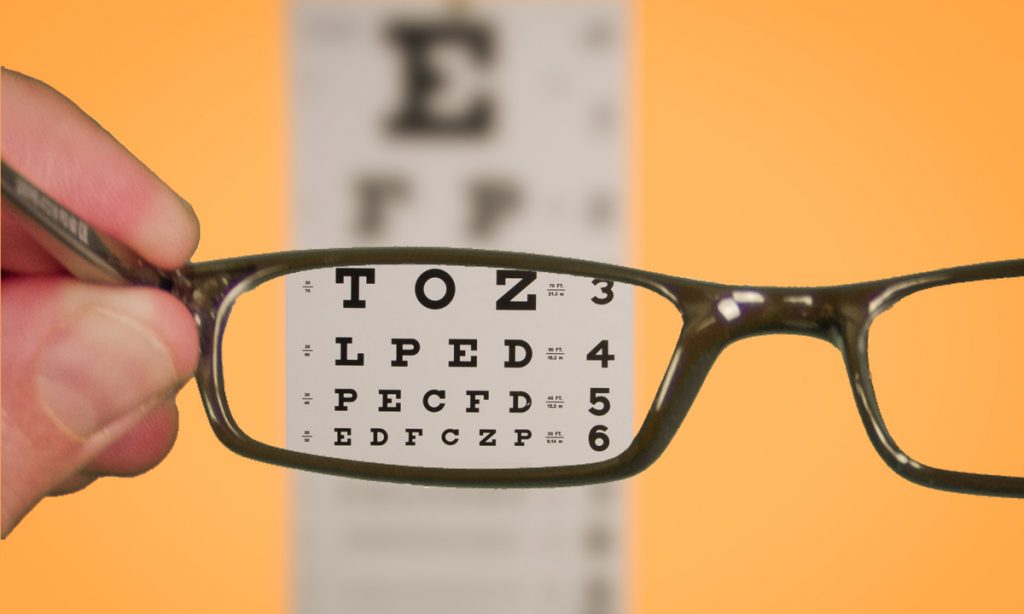
Affecting almost 25 million Americans, cataracts cloud the eye, reduce vision, dull colors and, when not treated, can cause blindness. According to the World Health Organization (WHO), cataract is the leading cause of blindness globally.
The American Academy of Ophthalmology states that while Americans have treatment options for cataract diseases, many don’t understand something is wrong with their eyes until it’s too late. Slightly more common in women than men, cataracts are a growing issue that is affecting vision and quality of life.
Photo by Flickr user Ken Teegardin
Symptoms of cataracts include:
Fading color
Blurred vision
Problems with lights “glaring”
Poor night vision
Double-vision
The Barnet Dulaney Perkins Eye Center explains that while age is the primary cause of cataract-related issues diseases, such as diabetes, medications like steroids can increase the risk of developing cataracts later in life.
More Americans than ever-growing risk of cataract-related eye diseases According to the National Eye Institute, “The risk of cataract increases with each decade of life starting around age 40. By age 75, half of white Americans have cataract diseases.”
By 2050, the National Eye Institute believes cataract numbers will double from 24.4 million adults to 50 million adults experiencing cataract issues. The data suggests that those most at risk of a rapid increase are Hispanic Americans.
“Most cataracts are age-related — they happen because of normal changes in your eyes as you get older. But you can get cataracts for other reasons — for example, after an eye injury or after surgery for another eye problem (like glaucoma).” (National Eye Institute)
Photo by Flickr user Rob
Turning to Cannabis
With stigmas changing, more adults are turning to the medicinal benefits of CBD and marijuana to treat eye conditions like cataracts. Harvard Health’s blog illustrates that many Americans are looking for different approaches to pain and age-related diseases. With 94% of Americans surveyed in a recent poll supporting legal access to marijuana, many are seeking out the medicine- more than ever before. In fact, The Journal of the American Medical Association (JAMA) cited that cannabis use has been steadily increasing with adults who were 65-years or older from 2.4% in 2015 to 4.2% in 2018.
The American Academy of Ophthalmology stated that while studies are limited about marijuana and cataracts, marijuana does appear to have benefits with glaucoma, lowering intraocular pressure if dosed correctly.
The Bottom Line
With few studies available or in queue for cannabis’ effects on eye health, it is best to talk to your ophthalmologist if you are partaking in cannabis or CBD and find out if any risk factors exist. As the stigma around marijuana continues to lessen, many older Americans are seeking out new treatments for old issues. Scientists no doubt will want to keep up with trends and create new pathways for medicines to heal the body.
Tylenol can have adverse reactions when paired with alcohol and medications, but also substances you consume every day.
Tylenol is one of those things many of us always have on hand. Now that we’re all on our way to being fully vaccinated, Tylenol is a nice precaution when it comes to avoiding annoying side effects, like a sore arm. And while it is an over the counter medicine, there are some substances that shouldn’t mix with it. This list includes obvious substances, like alcohol, and less obvious ones like coffee.
A study published in the journal Chemical Research in Toxicology found that consuming large amounts of caffeine while taking acetaminophen, the compound present in Tylenol, could result in liver damage. The study showed that caffeine tripled the amount of a toxic product called N-acetyl-p-benzoquinone imine (NAPQI), which is a key enzyme the liver produces when breaking down acetaminophen.
Researchers said this process is similar to what happens to people who consume large amounts of alcohol while simultaneously taking acetaminophen. Although it’s very common for medicines to have reactions to other substances, it’s important to know that these aren’t limited to alcohol or other medications.
Study researchers say that some people might need to be more careful when ingesting Tylenol and caffeine, particularly those who take other medications (especially anti-epileptic medication) and/or drink lots of alcohol, since all of these substances alone stress the liver.
Caffeine is present in many things, from soft drinks to coffees, and even while an adverse reaction is unlikely, it’s important to be wary. In order to avoid mild complications, like sleep problems, nervousness and irritability, researchers recommend avoiding extra servings of caffeine when ingesting acetaminophen. If reactions such as fever, nausea, or loss of appetite occur, it’s important to stop using Tylenol products and to visit a doctor.
Cannabis is already on its way to being seen as a valuable alternative to prescription drugs. And having a standard dose is a critical step for drug approval.
Despite the fact that cannabis is a thriving billion-dollar business today, we still lack standardization when it comes to THC and CBD units.
This lack of standard dosing units makes it difficult for research and testing which can be applied to different units of administration. It’s easier said than done, because bioavailability and the methods of consumption affect how different people take to the cannabinoids.
However, the National Institute on Drug Abuse (NIDA), a federal health agency, just announced that that they’ve come up with a standard THC dose that will be used in all cannabis-related studies. They released the notice stating there is a “new requirement to measure and report results using a standard THC unit in all applicable human subjects’ research,” and these changes are valid immediately.
Photo by naruecha jenthaisong/Getty Images
The standard THC dose is 5mg
NIDA made these announcements following the notorious inconsistencies in reporting THC efficacy, acknowledging that it “has been a major limitation in studies of cannabis use, making it difficult to compare findings among studies.” For this reason, a “standardized measure of THC in cannabis products is necessary to advance research by providing greater comparability across studies of both its adverse effects and potential medical uses.” They do note, that “the same quantity of THC may have different effects based on route of administration, other product constituents, an individual’s genetic make-up and metabolic factors, prior exposure to cannabis, and other factors.”
Having a standard dose will make it simpler to analyze THC-related cannabis studies, which has become a top priority for the NIDA as well as the National Advisory Council on Drug Abuse. “It is not the intent of this Notice to prescribe the quantity of THC that is permissible for use in research projects. Indeed, investigators are free to use more or less than 5mg of THC as appropriate for their study. However, for applicable studies, investigators will be required to report the quantity of THC using the standard unit. Investigators may also report the quantity of THC in other units (e.g., milligrams) as appropriate,” reads the notice.
To come up with the standard unit, NIDA explained: “Extensive stakeholder input, including a Request for Information to the general public and consultation with experts in the field, led to the selection of 5mg as a standard unit.”
Photo by krisanapong detraphiphat/Getty Images
Challenges of Standardization
The current landscape of cannabis products, as well as its popularity among a wide range of age groups in treating dozens of conditions, means that cannabis is already on its way to being seen as a valuable alternative to prescription drugs.
However, unlike prescription drugs, until today we still had not come up with a standardized THC dose, which can help pave the way for experts to better recommend a good effective dose. A 2019 study in the journal Addiction discussed the lack of scientific consensus on what entails a standard cannabis dose among different methods of administration and products.
Having a standard dose is a critical step for drug approval.
Currently, rug research starts in a laboratory as scientists work on various biological or chemical substances. These substances then undergo testing on human or animal tissues on a petri dish; if the first preclinical step proves to be successful, then more tests are conducted to determine the other impact of the drug on the physiological systems and for scientists to identify the right dosage that causes the various effects.
Photo by Larisa Shpineva/EyeEm/Getty Images
In determining dosage, the pharmacokinetics of a drug should be understood well; this refers to how the drug moves within the body. But if a substance is known to already be effective and safe, the drug manufacturer can apply to a regulatory board in order to do clinical trials. The reason why there are so many phases involved in clinical trials is that researchers seek to gather more information on how safe and effective a drug is as well as pinpoint the correct dose.
Clinical research is required to generate findings that a drug has benefits that outweigh any known risks, and once this is successful, the drugs are approved.
But cannabis is still federally illegal even though its popularity is so widespread. For this reason, these traditional steps involved in clinical research are not used when it comes to cannabis and it has taken so long to come up with a standard dose for varying conditions. Even if the NIDA has been able to come up with a dose, this does not mean they are correct; anyone in the cannabis industry worth their salt can tell you that the NIDA has long been a foe and not a friend to the industry.
Photo by Esther Kelleter/EyeEm/Getty Images
Regardless, having some standard of measure for THC and CBD is going to help in advancing research and better understand many grey areas in how cannabis works in the body. The 2019 study recommends standard units for cannabis should be measured in milligrams as opposed to its concentration, and the authors recommended using 5mg of THC as a standard dose.
While the NIDA and many experts in the field always do start out with 5mg as a standard dose already, the authors said that this is still going to pose some problems when it comes to the bioavailability of the drug when consumed in various methods.
The irony is that we still need lots more research to determine proper standardization because while 5mg of THC is a starting point, we all know that cannabis is not a one-size fits-all solution. There’s no way we can take back how far we’ve come as an industry, and moving forward will require some baby steps in terms of research.
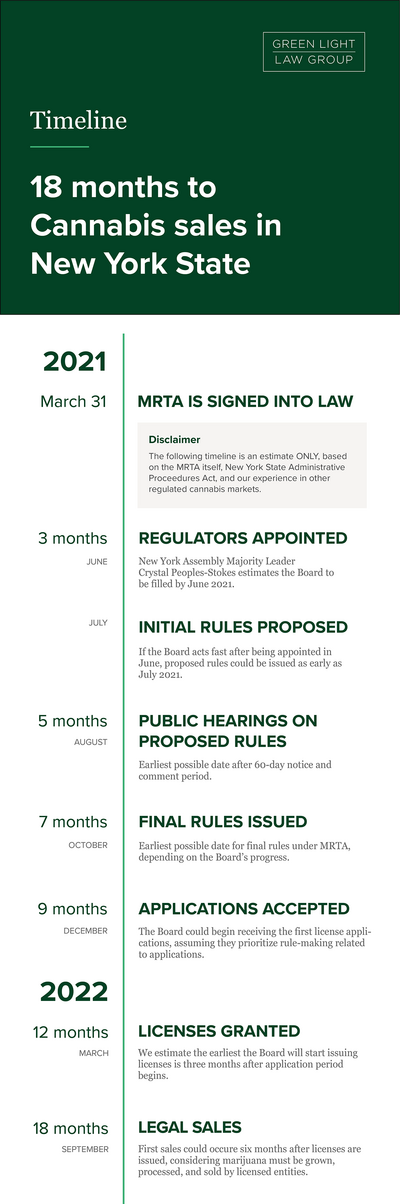
The first harvest could make its way into licensed retail stores and allow for the first adult-use cannabis sales to occur in September 2022.
New York Assembly Majority Leader Crystal Peoples-Stokes estimates that the first legal sales will begin between 18 months and two years after the signing of the Marijuana Regulation and Taxation Act (MRTA), which occurred on March 31, 2021. That means that the first legal sales would start between September 2022 and March 2023.
In order for those sales to happen, New York must first establish a regulated marketplace. That’s because under the MRTA, a license is required to produce, process, distribute, deliver, or sell cannabis. Those licenses will be issued by the Cannabis Control Board (the Board) with significant input from the Office of Cannabis Management (the Office).
Photo by Alex Azabache from Pexels
The website for the Office launched on April 2. The next likely step for the Office will be the appointment of an executive director. The executive director will be nominated by the Governor with advice and consent from the state legislature. In addition, the five members of the Board must be selected. The MRTA provides that the Governor shall appoint three members, with New York Senate and Assembly each appointing one of the remaining two members. Peoples-Stokes estimates that the Board will be “set and running” before the legislative session ends in June 2021, according to a report from The City.
Once the positions on the Board and the Office are full, these regulators will need to establish robust rules under the MRTA, governing adult-use cannabis, medical cannabis, and hemp in the State of New York. This will include establishing an application process and rules establishing a criteria for granting licenses.
The New York State Administrative Procedures Act requires that government agencies notify the public sixty days before adding, amending, or repealing rules. Agencies must also provide 60 days notice before holding a public hearing on a proposed rule. These time periods are called “notice and comment” periods and, as the name suggests, they are required so that the public can provide comment on proposed government regulations.
Assuming that New York cannabis regulators are appointed in June and issue proposed rules that same month, the earliest possible date for the first public hearings will be in August 2021. If that happens, then it will likely be another two months before final rules are issued in October 2021.
Photo by Joshua Earle via Unsplash
Rule making will likely occur on a rolling basis, meaning that proposed rules on one topic will likely be issued while other proposed rules are pending or after other rules are finalized. It is likely that New York cannabis regulators will prioritize rules and policies regarding license applications because at the minimum, in order for legal sales to occur under the MRTA, licenses must be issued first.
BOTTOM LINE
Assuming that Peoples-Stokes is correct in her estimate regarding Board appointments, and assuming that regulators do in fact start rule-making with a focus on applications, the Board is likely to start accepting applications sometime in late 2021 or early 2022. That would give the Board the ability to start issuing licenses in 2022, which, in theory, could allow licensed growers to start planting in Spring of 2022 for a harvest in Fall 2022. That first harvest could make its way into licensed retail stores and allow for the first adult-use cannabis sales to occur in September 2022, 18 months from the signing of MRTA.
Daniel Shortt is a corporate and regulatory attorney based in Seattle, Washington who works extensively with entrepreneurs in the cannabis industry. You can contact him at info@gl-lg.com or (206) 430-1336.
A new study found that marijuana legalization is creating less demand for black market weed and therefore driving down the prices.
When states first began to “experiment” with the legalization of marijuana, lawmakers, state officials, and everyone else, for that matter, were eager to see how selling legal weed would pan out.
On the one hand, naysayers wanted to judge whether the socioeconomic cost of legalization was worth the tax dollars the market would surely drive into state and local coffers. At the same time, advocates stood waiting for a “told ya so” moment, when they could show the nation that a legitimate pot market would not lead to a drug-addled society. Years later, the results have been mixed.
Photo by Aleksandr_Kravtsov/GettyImages
However, a new study in the journal Addiction attempts to shine some light on the legalization of recreational marijuana. More specifically, it shows what can be expected to happen with illicit drug markets in states that pass recreational marijuana laws, and it is interesting, to say the least.
For starters, fully legal marijuana, subject to state regulations and taxes, appears to make black market pot products more affordable. Researchers found a 9.2% drop in the price of street weed in places with recreational marijuana laws on the books. In some cases, lower quality bud experienced a price decrease of 19.5%. The “prediction,” as the study calls it, is that marijuana legalization is creating less demand for black market weed and therefore driving down the prices.
Still, real life tells us that legalization is fueling the black market in a lot of ways. This is especially true in states like California, where illicit pot operations still outnumber the legal ones. The legitimate market has also increased black market dealings across state lines. Law enforcement in prohibition states continue to report more increases in marijuana seizures all the time.
By their own admission, cannabis advocates say the black market will not die — at least not until legalization becomes more widespread.
“You’re never going to eliminate [the illicit market] until most of the states are legal,” Adam Smith of the Oregon-based Craft Cannabis Alliance told Politico back in 2019. “As long as half the country still can’t get it legally, there’s a market for it illegally.”
Another implication of the study is that the price drop is connected to the increase in domestically grown cannabis, which has drastically reduced the need for criminal organizations to smuggle it from foreign lands. Yet, increased domestic production does not necessarily mean that criminal organizations have opted out of marijuana, although researchers believe that could happen eventually. It only suggests that pot production and distribution are now more logistically sound on US soil. As Smith pointed out, there is still a market for illegal cannabis in most of the country. Criminal cannabis producers (and yes, that includes cartel operations) aren’t going anywhere.
Photo by Chase Fade via Unsplash
Federal marijuana legalization would help. Although it would not force prohibition states to change their pot laws, it would make it easier for them to do so. As we’ve learned from watching the downfall of alcohol prohibition, it could take some time before every state falls in line.
The trick is getting pot consumers to frequent the legal market rather than buy it from illegal sources. A recent report from the Nevada Appeal shows that the black market still produces $20 million in tax-free revenue in the southern portion of the Silver State. On a positive note, busts on illegal grow operations are down significantly. Las Vegas Metro reportedly took down 11 black market grow ops in 2020, compared to 111 in 2013.
Some believe the key to throwing a wrench in the illicit pot market is keeping taxes low. In New York, which is approximately 18 months from launching its new recreational marijuana scene, cannabis advocates feel the tax rate will be low enough to prevent the black market from running strong. Still, illegal weed slingers say they will press on.
Oddly enough, researchers found that marijuana legalization seems to affect the heroin market, as well. The data shows the smack being sold on the streets in legal marijuana states is 54% stronger than in areas of prohibition. Of course, the potency boost has driven the prices up by 64%. However, the prices of other hard drugs like cocaine and methamphetamine haven’t experience a similar increase. Just heroin.
Photo by Javi Julio Photography/Getty Images
All in all, researchers aren’t sure what legal weed has to do with heroin, but they believe there is a strong correlation, and they are eager to learn more.
“Our exploratory findings suggest that markets for illegal drugs may not be independent of legal cannabis market regulation,” lead author Dr. Angélica Meinhofer said in a statement. “As more states move towards legalization and additional post-RCL implementation data become available, we’ll need to do more research to determine whether recreational cannabis laws cause those changes in the illegal market and what happens in the long-term.”
TikTok is working on a job search feature. This is what we know about the popular app’s new expansion.
TikTok has steadily taken control of our lives. It’s an inescapable app, one that’s cemented itself throughout the pandemic and that is now planning to get involved with job searches.
According to Axios, TikTok is developing and testing a tool designed for brands who are interested in recruiting entry level employees. The plan is for TikTok to connect people to jobs while also creating channels for brands to get to know them in a different light. According to the report, big brands have been contacted, including sports leagues.
While you might be thinking about how weird it’d be to apply to jobs via dance challenges, the report explains that the job search app wouldn’t be held within the TikTok app. Instead, the job board could be accessed through the app, which would then take you to a separate web page.
The TikTok job section would revolve around videos. Users would likely be able to post a TikTok video resume in lieu of a traditional one, allowing them to stand out in ways that are unique and personalized. It seems like an idea that targets Gen Z and Millennials, hoping to grow up with a demographic that’s now or will soon be entering the job market.
TikTok hasn’t made any comments on this new feature, but it isn’t the first social media app to get involved with job searches. Facebook has its own job service and LinkedIn is meant to look very much like Facebook, having social media aspects to it. Goldi is another website that allows for video resumes, giving users the chance to be more creative when applying for a job.
There’s no way states were going to just sit back and let people sell delta-8 without restrictions.
Delta-8 THC had a good run. People made money, customers were happy, and it all seemed legal to boot. Like all good things in life, states and the DEA are doing everything in their power to ensure that delta-8’s run comes to an end. Here is why states and the DEA want Delta-8 weed banned.
For those of you who may not have been paying attention, delta-8 is one of many, many cannabinoids in cannabis (marijuana and hemp) plants. Unlike CBD, it gets you high. It’s not usually present in high volume in cannabis, so it’s usually derived by converting hemp CBD through chemical processes, and can’t be legally derived from marijuana under federal law.
Photo by Christina Winter via Unsplash
In theory (or, more accurately, according to the literal text of the federal 2018 Farm Bill, if you care about little details like “what the actual law is”) hemp-derived delta-8 THC should be considered legal under present federal law. But the DEA apparently didn’t get that memo.
Late last year, the DEA issued an interim final rule (IFR) that says that all synthetic cannabinoids are Schedule I narcotics and illegal. Never mind that delta-8 is most commonly derived from a hemp plant and that the 2018 Farm Bill legalized hemp and its derivatives because, well, the DEA apparently thinks it’s as dangerous as heroin. We wrote quite a bit on why the DEA was just wrong around the time the IFR was published, and generally stand by that opinion. See the below:
Surprisingly, the DEA didn’t see eye to eye with the entire industry. It even put delta-8 on its “Orange Book” of controlled substances. I won’t get into too much more detail on the status of federal delta-8 law, as my colleague Nathalie Bougenies recently did just that a few months back.
That said, I will note that there are a number of lawsuits challenging the IFR. One of those cases was recently dismissed based on essentially technical legal issues, and there is another challenge in a federal appellate course that will play out soon.
The problem here is that even if the IFR is completely overturned, it really won’t matter given that states are apparently in a secret contest to ban delta-8 as fast as they can. On May 18, Hemp Industry Daily published an article noting that Michigan was in the process of banning delta-8 and noted at the end that this was the TWELFTH state to do this–including uber hemp friendly states like Colorado and Kentucky. I can already sense the California Department of Public Health itching to post another website FAQ banning delta-8.
As lawyers are valiantly duking it out with the DEA in the D.C. Circuit, one has to ask: will it really do anything? If states ban delta-8, it doesn’t really matter if the IFR is scrapped. To the extent that states’ positions are based on the IFR, the state can always just find another justification to ban delta-8. And the DEA can always just find another way to sink it’s teeth into delta-8.
Photo by Uriel Sinai/Stringer/Getty Images
How did we get here? Why all the fuss? The answer is probably the fact that delta-8 is intoxicating. While it’s not intoxicating to the same extent as delta-9 THC, it still gets you high. As I’ve believed for a while, there’s no way states were going to just sit back and let people sell delta-8 without restrictions. Delta-8 is often sold online or in retail settings where there is no state or federal mandate to verify age, for example. This was not something that states would tolerate for long.
While I personally expected to see states start to impose regulatory restrictions instead of full on bans, here we are. It seems like every day, another state or two has banned delta-8. Just last year, we thought smokable hemp would be banned almost across the board, and those bans moved at a glacial pace compared to the light-speed effort states are taking to get rid of delta-8.
At this point, things are not looking good for the industry, and will likely get a lot worse before they get better (if they do). It’s certainly possible that once the air clears or the DEA loses, states will try to fill the vacuum by strictly regulating delta-8. But for now, we’ll just have to watch out to see which state jumps on the ban-wagon next.
Griffen Thorne is an attorney at Harris Bricken, a law firm with lawyers in Seattle, Portland, Los Angeles, San Francisco, Barcelona, and Beijing. This story was originally published on the Canna Law Blog and has been reposted with permission.
Researchers at the University of Washington found that while budtenders were good about educating their customers over the benefits of weed, they didn’t warn them about all the evils that could arise.
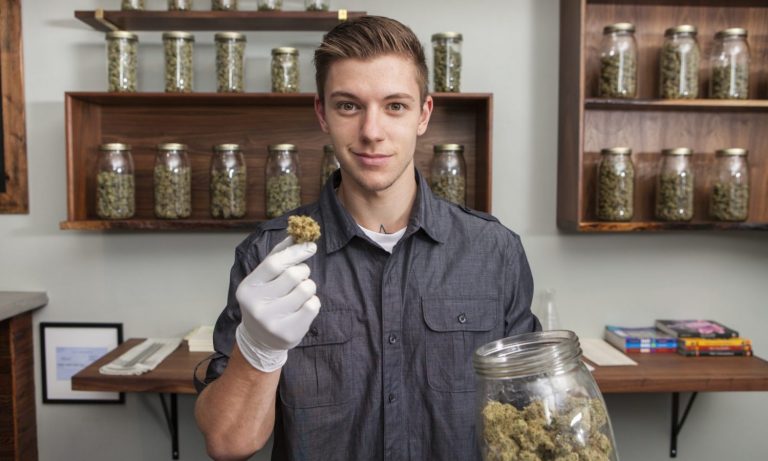
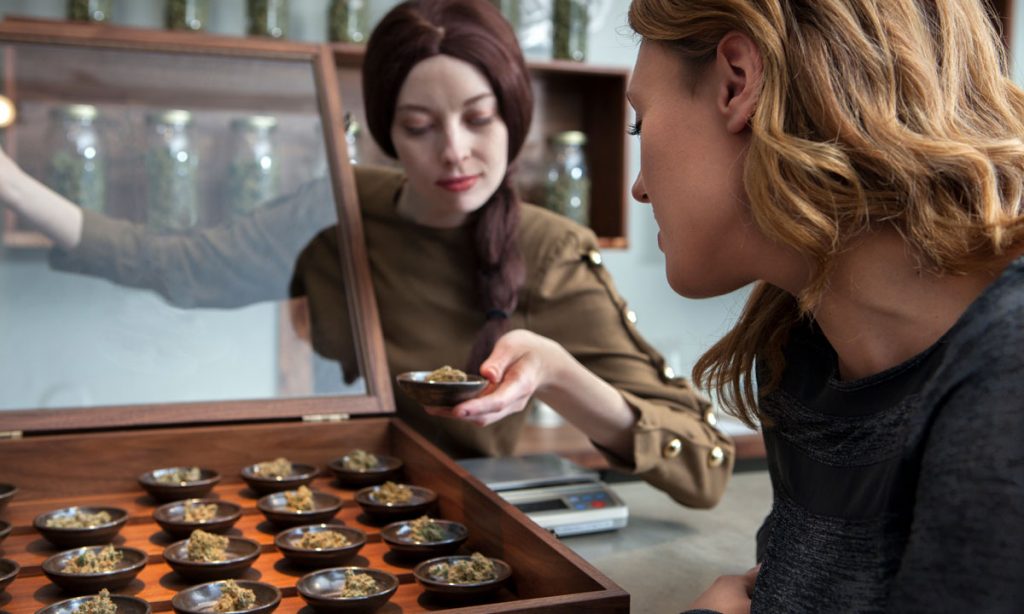
Step inside any marijuana dispensary across the United States, and you’ll be greeted by a crew of dedicated budtenders whose job is to sell you weed. The transaction might be similar to other retail experiences you’ve had over the years. They’ll see if they can help you find anything specific. If you’re not sure what you want, the budtender might even ask you some questions and then make some recommendations based on your response.
That’s one thing the cannabis industry has attempted over the years: To make the experience of buying legal weed kind of like walking into a pharmacy with a runny nose and asking which cold medication is suitable for that symptom. But, for the most part, marijuana isn’t on track to become medicine. It’s more on par with the likes of alcohol, an inebriant sold to adults 21 and over in both good times and bad. Americans no longer need a medical reason to smoke marijuana these days. They can do it just because it’s fun.
Photo by Heath Korvola/Getty Images
Perhaps this was the industry’s first mistake — making cannabis all about medicine. But that’s what advocates do, according to a recent report from Bloomberg. “First, they claim medical benefit. Then they push for broader reform.” The news source isn’t wrong.
Cannabis advocates have spent decades trying to convince the population that marijuana can treat and/or cure various conditions. But there is still little evidence proving that cannabis has widespread therapeutic value. The plant certainly isn’t in line to take the reins as the be-all, end-all drug for today’s civil society. Still, that doesn’t mean it shouldn’t be legal for adult Americans to play with.
Marijuana is an intoxicating drug that 91% of the American population now believe should be legal. However, there are still plenty of naysayers out there who think increased access will only sabotage public health. They are concerned that there will be an influx of disease and mental health issues as legalization spreads nationwide. Therefore, groups skittish about legal pot feel it is the responsibility of dispensaries in legal states to ensure that people understand what they are getting into.
But should budtenders really be preaching to cannabis customers about the perils of pot? A new study published in the Journal of Psychoactive Drugs suggests that they should.
Researchers at the University of Washington found that while budtenders were good about educating their customers over the benefits of weed, they didn’t warn them about all the evils that could arise. The report shows that most budtenders stopped short of explaining the potential hazards of marijuana products to customers, mostly because they didn’t feel it was their place to do so. “Budtenders did not believe their job involved discussing use during pregnancy or while driving or safe storage. They prioritized customers’ autonomy over education on these topics, and they did not necessarily consider these behaviors to be harmful,” the report states.
“Legalization is a lot of things,” Tweeted Kevin Sabet, president of Smart Approaches to Marijuana (SAM). “One thing it’s not is oriented to public health.”
But is this really a fair assessment of what’s happening out there with legal weed? Probably not. After all, adults who buy alcohol and cigarettes are not given the third degree by clerks at convenience stores and liquor outlets about how those products can cause cancer, liver damage, and car crashes. If they did, those people would likely be fired.
Photo by nattrass/Getty Images
Everyone who uses these products understands that they aren’t necessarily good for them, but it’s their freedom as tax-paying adults to smoke and drink however they see fit. Marijuana is not any different. The only thing that creates an illusionary distinction is that the cannabis industry has spent so much time touting weed’s medicinal benefits that dispensaries are often seen more like pharmacies than liquor stores.
And while some pot shops are designed to give off that “medical” vibe, they are still just selling marijuana. Not even pharmacies like CVS and Walgreens, both of which sell alcohol and cigarettes, make it a point to advise customers over the detriments of those products. Adults are responsible for their own education. Budtenders should no more be explaining the hazards of getting high than they should be providing medical advice.
Prohibition is doing nothing but using up public resources such as the police, who end up wasting time arresting cannabis offenders.
There are many reasons why we should end prohibition. Perhaps next to better access for those who need it, ending marijuana prohibition is going to benefit the economy greatly. But now marijuana prohibition cost the US $53 billion annually, it is a whole different game.
A shocking report published on AmericanMarijuana.org revealed that as a country, we’re losing $53 billion each year from prohibiting cannabis. The main reasons why it’s sending money down the drain is because the government instead chooses to spend money on cannabis enforcement as well as wasted tax revenues.
This substantial amount could go on to do many significant things for the population: treat the flu, fund treatment for COVID-19 patients, provide medical insurance for over 42 million Americans, buy a pack of alcohol sanitizers to every American, and so much more.
Photo by FatCamera/Getty Images
Why else do we need to end marijuana prohibition ASAP?
First and foremost, it isn’t working.
What else can be said about prohibition but that it’s failed BIG time? So many Americans are already using cannabis that it’s considered mainstream. Prohibition is doing nothing but using up public resources such as the police, who end up wasting time arresting cannabis offenders. And speaking of offenders, the law sends millions of Americans to jail, affecting countless lives. Even then, being convicted will seriously affect one’s ability to get a job, obtain housing, food assistance, student loans, driver’s license, and so much more.All for what? A drug that has been proven to save lives.
Prohibition does the opposite: it ruins lives and even promotes violence. Just look at how alcohol prohibition caused violence especially because of the underground market that ends up thriving. Consumers as well as dealers are prone to assault when they cannot resolve disputes the right way.
What Is The Government Doing?
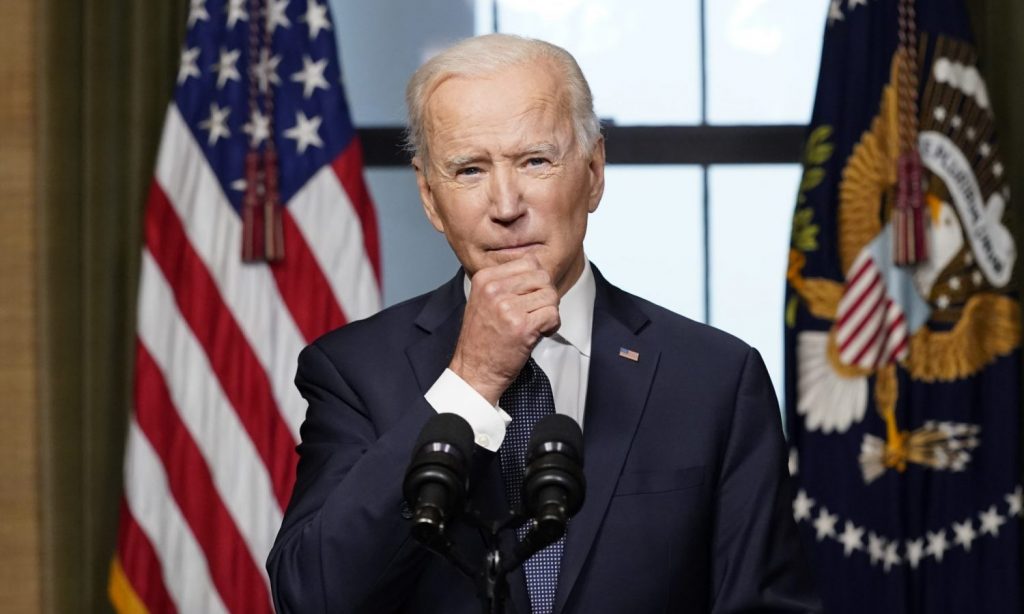
President Biden’s changing stance on cannabis legalization is well-known by now. In the past he was adamantly anti-drugs, but during his 2020 Democratic Party Platform he says they would “decriminalize marijuana use and reschedule it through executive action on the federal level. It would support legalization of medical marijuana, and believed states should be able to make their own decisions about recreational use.”
As the Democrats have control over the White House and Congress, it’s expected that Congress will soon take the issue of cannabis legalization seriously. “Ending the federal marijuana prohibition is necessary to right the wrongs of this failed War on Drugs and end decades of harm inflicted on communities of color across the country,” says Senate Majority Leader Chuck Schumer, in a statement last February 2021.
However, last month, White House Press Secretary Jen Psaki refused to disclose if Biden is going to sign or veto a bill that would legalize marijuana should it arrive on his desk. “The president supports leaving decisions regarding legalization for recreational use up to the states, rescheduling cannabis as a Schedule II drug so researchers can study its positive and negative impacts and, at the federal level, he supports decriminalizing marijuana use and automatically expunging any prior criminal records,” Psaki said. “He also supports legalizing medicinal marijuana so that’s his point of view on the issue.”
Photo by Andrew Harnik-Pool/Getty Images
“The War on Drugs has too often been a war on people, particularly people of color,” said Schumer during a speech that day. “It makes no sense – it’s time for change. I believe the time has come to end the federal prohibition on marijuana in this country, and I’m working with Senators Booker and Wyden to do just that.”
Federal Drug Agency Agrees
The National Institute on Drug Abuse (NIDA)’s director, Nora Volkow, agrees. She recently wrote an essay for the journal Health Affairs, making her case to stop incarcerating individuals for low-level drug crimes and instead consider this all as a major health crisis. Though she doesn’t blatantly say she supports decriminalization, in the essay she says that the current system is only causing disproportionate arrests targeted to people of color.
More than the message, it’s important to note the source: NIDA has long been notorious for their stance of supporting prohibition. However, their director seems firm that abusing drugs isn’t a crime.
“Drug use continues to be penalized, despite the fact that punishment does not ameliorate substance use disorders or related problems,” Volkow says. “Imprisonment, whether for drug or other offenses, actually leads to much higher risk of drug overdose upon release.”
“We have known for decades that addiction is a medical condition – a treatable brain disorder – not a character flaw or a form of social deviance,” she says. “Yet, despite, the overwhelming evidence supporting that position, drug addiction continues to be criminalized. The US must take a public health approach to drug addiction now, in the interest of both population well-being and health equity.”
Photo by strelov/Getty Images
Volkow’s statements point toward harm reduction though Volkow doesn’t say outright that lawmakers should decriminalize cannabis. She does say that more research “is urgently needed to establish the effectiveness and impact of public health-based alternatives to criminalization, ranging from drug courts and other diversion programs to policies decriminalizing drug possession.”
From there, NIDA will be “redoubling its focus on vulnerabilities and progression of substance use and addiction in minority populations,” Volkow says. “We are exploring research partnerships with state and local agencies and private health systems to develop ways to eliminate systemic barriers to addiction care.”
Conclusion
If the government listens, and Congress takes action with the support of the President, decriminalizing cannabis shouldn’t be such a far-fetched pipe dream. With $53 billion out there at stake, taking decriminalization and ending prohibition should be taken more seriously than it is right now.