Those who are missing this element from their bloodstream experience more severe symptoms of the virus.
A new study suggests that missing a particular element in your blood could result in more severe symptoms of COVID-19.
COVID-19, like all viruses, relies on the efficacy of people’s immune systems. If someone’s system doesn’t have all the tools necessary to battle off these pathogens, it becomes more difficult for the patient to rid themselves of the virus through natural means.
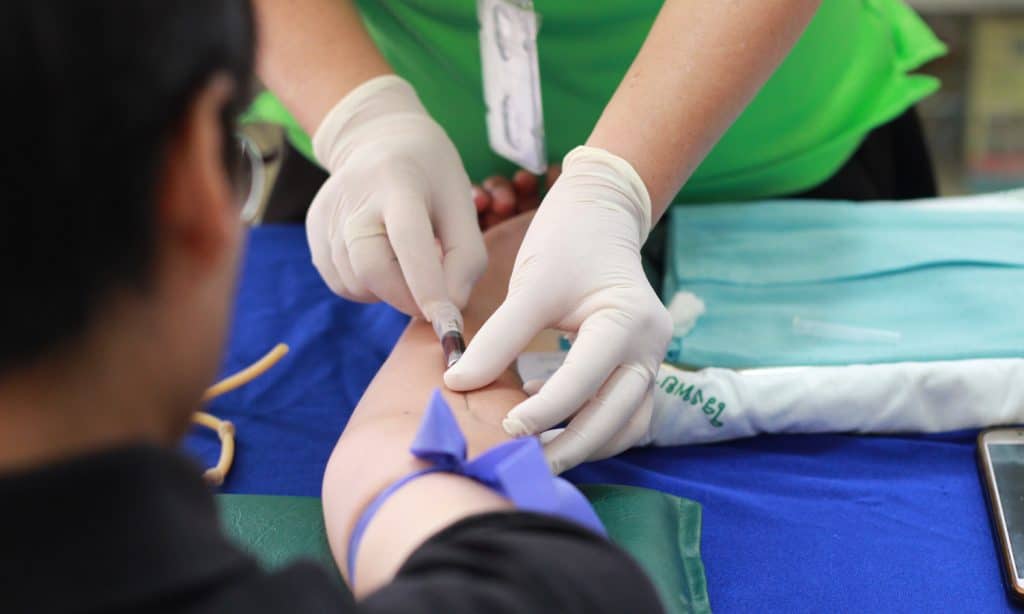
Photo by Pranidchakan Boonrom via Pexels
The study, published in the journal Genetics in Medicine, found that individuals without a particular type of natural killer (NK) cell receptor in their blood are more likely than others to experience severe cases of COVID-19. The receptor identified by the study is the NKG2C receptor, responsible for binding to the HLA-E antigen in the bloodstream. Through this process, the receptor manages to kill viruses and clear infections, pivotal developments during the initial stage of the COVID-19 disease.
NK cells are white blood cells known for killing viral cells without needing prior activation. They have been linked with diseases such as HIV and some forms of herpes. Due to natural variations, about 30% of people have this receptor partially available. Only 4% of people naturally lack it.
“Absence of the receptor was particularly prevalent in COVID-19 patients being treated in intensive care units, irrespective of age or gender. Genetic variations on the HLA-E of the infected cell were also associated with disease severity, albeit to a lesser extent,” Elisabeth Puchhammer-Stöckl, lead author of the study, said in a statement.
While the study shows a fuller picture of COVID-19 and a deeper understanding of the disease, it also suggests possible options for treatment. Results like this can provide guidance for drugs that treat COVID-19, hopefully aiding in the prevention and treatment of serious bouts of infection.
While fainting from marijuana is not uncommon, it becomes worrisome when it becomes a pattern.
Marijuana offers many benefits to users, such as pain relief and relief from anxiety. Science is very clear there are many healthcare benefits. Like other medicines today, there are cases where individuals have experienced a negative side effect. So why does marijuana make some people faint?
The faint, dizzy spell comes over you unexpectedly as one minute you are at this fun party with friends feeling the music, and the next minute you can’t feel your legs anymore. In some other cases, maybe you felt like you were going to vomit with your senses going haywire, and you struggle to catch your breath, wondering what was added to the marijuana as these thoughts run through your mind.
Everything goes black!
You open your eyes, and you are told you fainted after taking a drag from your joint: but you are perplexed because you have done this different times with your friends. Not everyone experiences this with marijuana, as while some people can use it without experiencing dizzy spells, some others have frequent fainting episodes. Some of the reasons for fainting includes:
As a side effect
Fainting is a side effect of marijuana that affects some people. Medical experts maintain that blackouts occur when tetrahydrocannabinol (THC), the cannabinoid that releases the herb’s stoned impact, expands the blood vessels, thus decreasing the blood pressure. The heart rate increases, and the person loses consciousness.
The mode of consumption
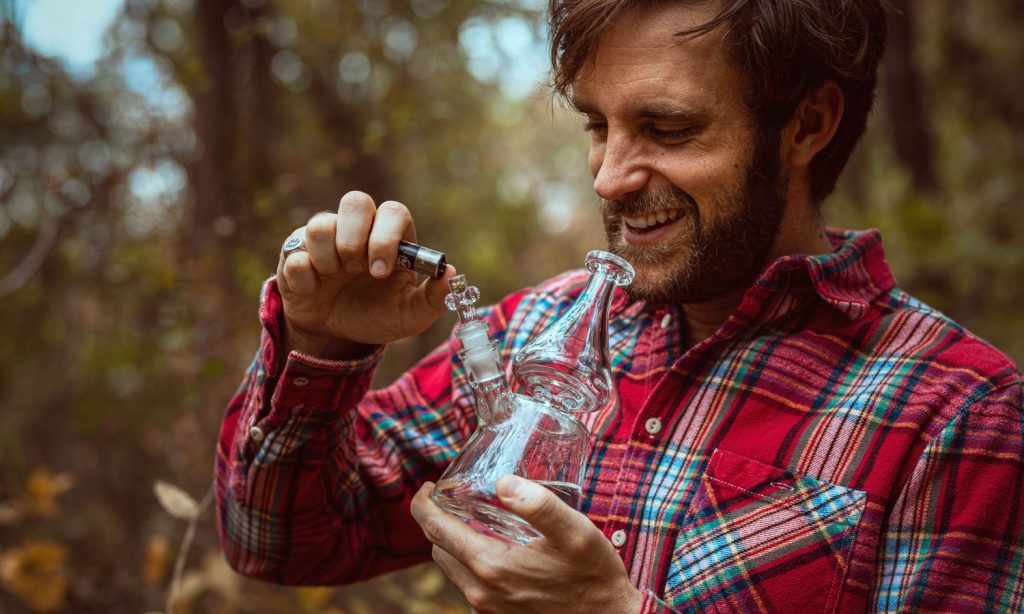
Another cause for fainting spells after taking marijuana is the mode of consumption. While someone may not faint by taking marijuana as a joint or through a vaporizer, the same person may experience side effects when marijuana is taken from a bong. Marijuana users must pay attention to how they feel when taking it through varying means to observe which one affects them and which method doesn’t affect them.
Photo by Grav via Unsplash
Smoking weed while standing
More so, fainting also happens sometimes when a person smokes weed while standing, so if you always experience fainting spells, you probably should sit down or stay closer to the ground. But please note that fainting from marijuana intake is not ‘Dangerous”; the person will recover and be fine; the only concern would be to avoid hitting the head on the floor.
Using impure marijuana
After taking marijuana, fainting is sometimes attributed to seizures caused body’s reaction to certain chemicals infused into the marijuana. An individual may not be aware of the ingredients used in the joint, and if toxic chemicals are added, this can create a disturbing reaction within the body, leading to fainting spells.
Vasodilation
Marijuana sometimes causes vasodilation, which is when the blood vessels dilate and make the brain miss out on oxygen, thus leading to a blackout. Vasodilation is a natural occurrence and even has beneficial effects sometimes, but when it happens under the influence of marijuana, it can cause the person to blackout.
So how can a marijuana user tell that they’re about to faint and hit the floor? Here are a few signs:
If you feel dizzy after a hit, you are about to faint, so it is advised you find somewhere to avoid falling down.
If you experience shortness of breath just after inhaling marijuana, then it is a sign.
A pounding heart rate is a sign that you should slow down from the marijuana intake. If you don’t slow down, it can degenerate into chest pains.
Nauseous feelings and a headache are not a good sign as well.
If you feel like your vision is getting blurred, it’s time to sit and chill.
These signs are not meat to spook you into thinking that every slight feeling is an indication of an impending fainting episode. Sometimes it could be that you feel a little headache because your body is adjusting to the THC. Interestingly, some people only faint once from smoking weed, and then it ever happens again: in this situation, maybe certain environmental or internal factors contributed to that feeling.
Photo by Instants/Getty Images
How to prevent fainting from marijuana
Pick a lower strain
Patients can prevent fainting from marijuana by choosing a strain with very low THC and high CBD content, which reduces its effects on the blood vessels. This move will avert the possibility of fainting and unsure of the strain to ask your doctor.
Start marijuana usage slowly.
You can prevent fainting by starting your marijuana usage slowly and avoid peers’ pressures urging you to take much more. If you take more marijuana than your body can handle at a time, fainting is possible. You should only take what your body is used to and start with smaller doses, if you are sure. Always check the amount of marijuana you take and observe how you react to it to know if you should take more, less, or nothing at all.
Stay hydrated
Mild dehydration is a problem that births a myriad of symptoms, including low blood pressure, which means you can combat the possibility of fainting when you take marijuana by staying hydrated.
People who generally have issues with marijuana (first-time users) may be prone to such reactions for the first time, and then it gets better as the person gets used to it. However, suppose you faint every time you use marijuana. In that case, you may have to visit the doctor because you are passing out because of blood pressure changes, which could be an underlying sign of a cardiovascular issue. You can generally prevent the fainting spells from happening by just always sitting down when you smoke marijuana.
Whatever the reason for your fainting episodes, it all boils down to how your body reacts to the herb, and it is wise to listen to your body. If you faint once at your first marijuana use, it may be a subtle sign, but you may have to get yourself evaluated by a doctor if it happens repeatedly. While fainting from marijuana is not uncommon, it becomes worrisome when it becomes a pattern. If that happens, see a doctor.
Food plays an important part in your workouts, giving you energy and the necessary fuel to complete them.
There are lots of opinions on the timing of a workout, with many suggesting workouts first thing in the morning, serving as an efficient way of propelling weight loss. But it all depends on the person who’s working out, and whether they need more energy for their sessions or function better in the evening or late afternoon.
If you have to eat before you workout, there are several things you must account for; in order to have a comfortable workout, the timing of your meal and its components are important things to keep in mind. These can help you feel comfortable and strong as you exercise.
Here are 5 tips that can help you pair foods and workouts in order to get the best results for your performance:
Think long term
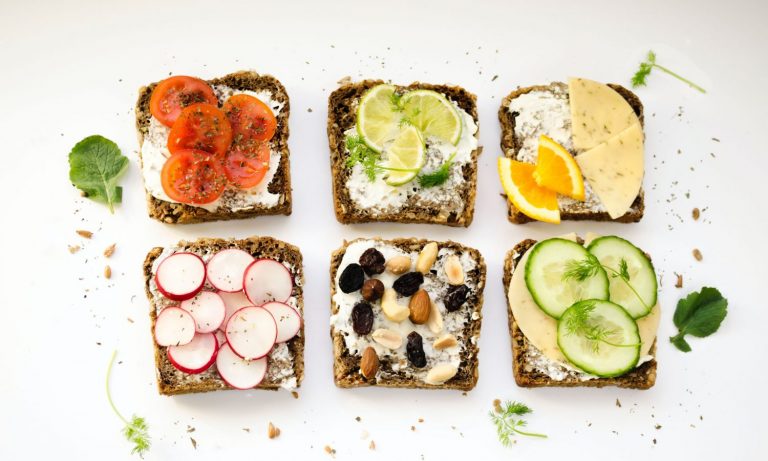
Photo by Karthik Thoguluva via Unsplash
When thinking about the way in which nutrition affects your workouts, it’s important to think over the long term. If you work out regularly, that means that what you eat during the week has a direct impact on your performance, not only what you eat an hour or two before you work up a sweat.
Self magazine says that a balanced diet made up of fruit, vegetables, lean meats and dairy should do the trick for people who workout for 30 to 40 minute intervals three times a week, keeping them strong for their sessions. If you workout more and more intensely, you might have to pay attention to macronutrients, like carbs, protein and fat. Here is a list that explains a bit more about them.
Your stomach will feel good if you eat something at least 30 minutes before a workout. Anything less and you might get cramps or feel nauseous. Adopt every meal depending on the time you have before you workout, having a banana or a yogurt if you have 30 minutes and increasing the size of the meal as you have more time. If you’re planning on having a balanced meal, with proteins and carbs, make sure to give your body at least 2 hours before putting it to work.
Stay hydrated
Photo by TapisRouge via Pixabay
It’s difficult to drink all of the necessary water you need through your day, but if you’re staying active, it’s very important to make an extra effort. Dehydration makes your workouts slow and deprives you of motivation; it can also facilitate heat exhaustion and feeling pretty bad mid-exercise. Drink water through your day, not only when you’re working out.
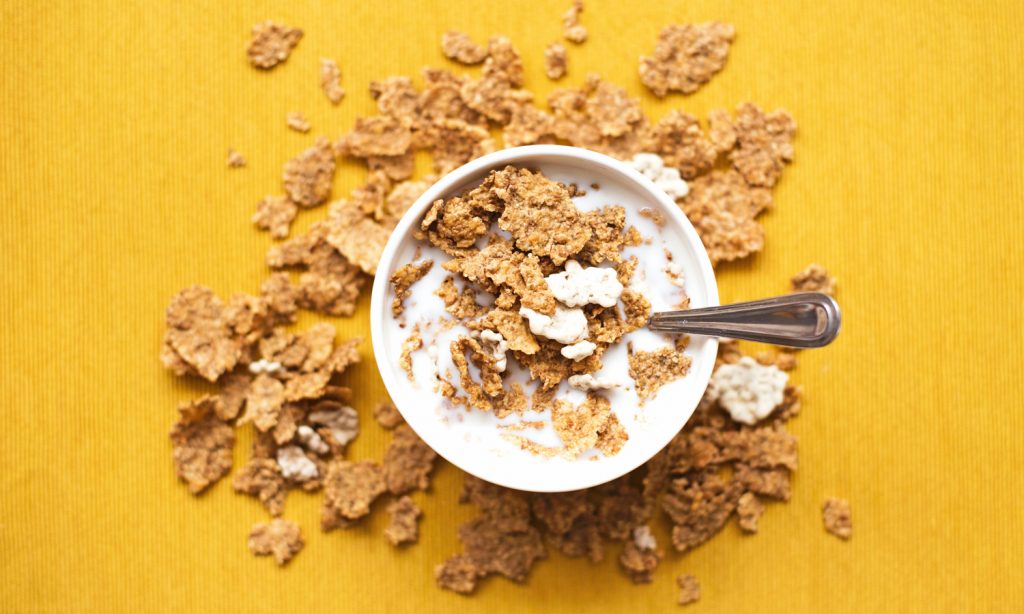
Good pre-workout snacks include cereal, juice, and fruit, such as bananas, which are portable and allow for easy cleanup (they’re also satiating!). These snacks are simple, especially when working out in the morning and not being able to eat much food. They’ll keep you energized and will likely improve your performance.
Post-workout foods
Photo by Matthew Henry via Burst
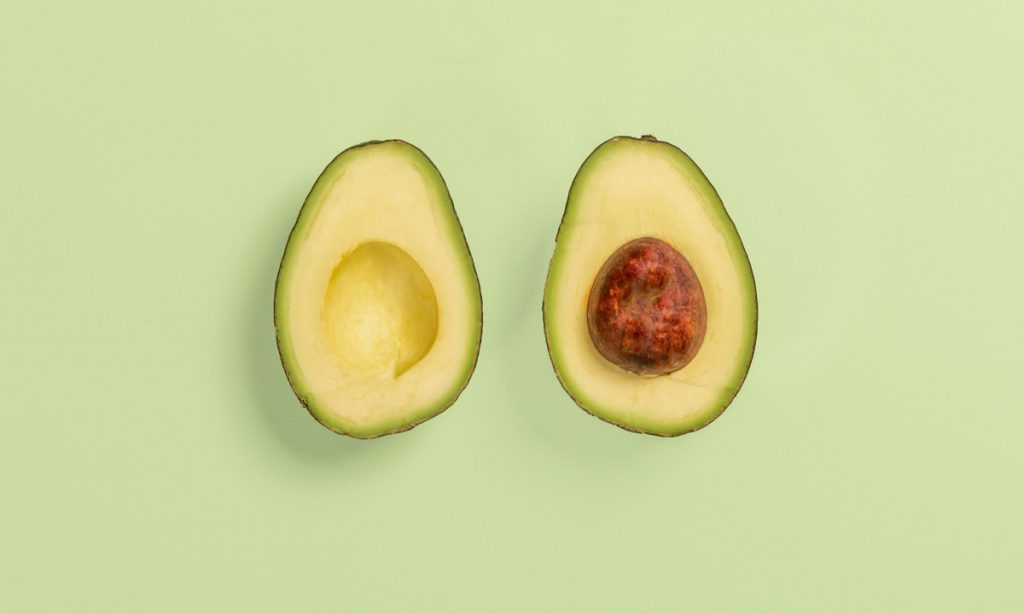
Post workout foods are key to your recovery, helping your muscles heal, encouraging their growth and ensuring you replenished some of what you lost with all of that sweat. Fats like the ones found in whole milk or avocados are delicious and can help you feel stronger. Lean proteins, such as tofu and beans and carbs, like rice or pasta, are also great ideas.
A new study suggests that cannabis-using entrepreneurs might benefit from non-users’ insights to develop the feasibility of their ideas.
As America does its best to dig itself out from the ashes of the great 2020 COVID debacle, many people are pondering new business opportunities. And while it might not be too difficult to come up with the same old tried-and-true business plan — buy a McDonald’s franchise and watch the money pour in — the savvy entrepreneur understands that it’s going to take a new, creative idea to have any longevity in the market. However, coming up with that one-in-a-million, big bucks eureka moment can be tough. That’s where marijuana can help, suggests a new study.
Researchers at Washington State University recently published a paper showing that cannabis can help spark the entrepreneurial spirit and spawn those all-important ideas that often lead to successful business ventures. The study, published in the Journal of Business Venturing, suggests that cannabis users are more likely to develop more original business concepts than non-users.
To come to this conclusion, researchers put more than 250 entrepreneurs to the task of coming up with as many creative ideas as possible in the realm of virtual reality technology. A line of questioning followed the brainstorming, which included queries into their cannabis use. Each of the participants was rated in terms of originality and feasibility of ideas. Researchers claim that the best overall concepts came from those entrepreneurs who admitted to smoking weed on occasion.
“Our results suggest that cannabis-using entrepreneurs might benefit from non-users’ insights to develop the feasibility of their ideas,” said co-study author Alexander Kier, assistant professor of entrepreneurship in the Carson College of Business. “This may be especially true for cannabis users who tend to get very excited about coming up with new ideas or don’t have much experience founding new businesses, since others can serve as a grounding influence, providing a reality-check on their ideas.”
What to do with leftover cannabutter weed
Cannabis, creativity and entrepreneurship have gone hand in hand for a long time. In fact, some of the nation’s most popular businesses can likely be credited to a mindful of marijuana. Former Men’s Warehouse CEO George Zimmer, media moguls Ted Turner and Richard Branson, not to mention late Apple-founder Steve Jobs, have all admitted to using marijuana. It’s conceivable that many of their ideas came to them during the highest of times. Podcasting giant Joe Rogan said once that he thinks marijuana comes with some real creative benefits. “There’s states I think you achieve when you smoke pot that are unattainable without pot,” he said during an episode with Colin Moriarty.
Washington State University researchers also found that while marijuana seems to come with a little extra imagination, it also depends on the person. Those who had entrepreneurial experience and smoked weed seemed to fare much better than the average stoner with little business expertise.
“Entrepreneurial passion for inventing appears to play a role in channeling cannabis users toward idea originality but away from idea feasibility,” the study authors wrote. “Conversely, entrepreneurial experience appears to attenuate the positive relationship of being a cannabis user with idea originality and its negative relationship with idea feasibility.”
In short, marijuana alone probably isn’t going to make you Steve Jobs or Joe Rogan. It could be argued that it helps smart, talented people tap into the creativity that is already there. But it certainly doesn’t appear to guide the imbecilic and dimwitted into the Rockstar realm of scholars.
The Commerce Clause of the US Constitution gives the Federal government exclusive power to regulate trade between the States.
Disclaimer:The views expressed in this article solely belong to the author and do not necessarily represent those of The Fresh Toast.
The reason that our Constitution begins by saying that “We the People” are creating “a more perfect Union” is that we had a very imperfect union under the Articles of Confederation, which followed the success of the Revolution.
It just so happened that the other important thing that happened in 1776 was the publication of Adam Smith’s classic on economics, The Wealth of Nations, which argued that free trade was preferable to imposing tariffs on imports. Free trade serves the public, while tariffs and other restrictions serve special interests. (And politicians who get to decide what the tariffs should be.)
Because of that, the Commerce Clause of the US Constitution gives the Federal government exclusive power to regulate trade between the States, not just precluding tariffs, but also any restrictions that may serve as a restraint of trade.
Ironically, this has immediate relevance to marijuana prohibition: “The Commerce Clause is the source of federal drug prohibition laws under the Controlled Substances Act.
Photo by RobinOlimb/Getty Images
In a 2005 medical marijuana case, Gonzales v. Raich, “the U.S. Supreme Court rejected the argument that the ban on growing medical marijuana for personal use exceeded the powers of Congress under the Commerce Clause.”
More recently, I have written about the mess that the several states are making as politicians who were ardent prohibitionists yesterday, now are experts on regulating a new industry.
A recent article in MjBizDaily, “How interstate commerce could upend the marijuana industry”by Marc Hauser. Hauser, an attorney and vice chair of the Cannabis Practice Team at Reed Smith in San Francisco, described the potential for meaningful improvements in the current chaos. When marijuana is federally legal, the Interstate Commerce Act applies.
Hauser explains that under the Interstate Commerce Clause “state laws prohibiting the import and export of state-legal marijuana are almost certainly unconstitutional.”
Photo by FatCamera/Getty Images
Politicians will now have to worry about keeping their state’s marijuana competitive with other states that may have natural advantages in direct costs, climate, local markets, etc.
Ironically, it may benefit local hyper-producers, like growers in Humboldt, who would have a national market for their specialty brands, as well as exports from potential large-scale national producers with International brands.
As Hauser explains, “Interstate commerce could open up new demand for highly prized and artisanal products, while making more commoditized products cheaper to produce and source.”
The consumers in legal states will probably not notice major changes at first, but people in the remaining prohibitionist states will benefit indirectly because it will be more difficult to maintain state prohibitions.
The legalization of marijuana was possible because the states controlled intrastate businesses, but that is economically inefficient, and now it is time for the marijuana industries to move out of the shadows and into the real world.
Cannabis concentrates of all kinds have been growing in popularity, but last year, rosin rose to the top. This year, we expect solventless cannabis to get even more famous.
Every year, there are always so many exciting things to look forward to in the cannabis industry. This year is different. Because COVID-19 affected the industry in unexpected ways in 2020, having a new president in place, as well as the continued demand for various cannabis products, all contribute to an interesting time, to say the least. Here are 5 early cannabis industry trends in 2021 to watch.
There’s also the fact that more cannabis markets opened up in the Midwest last year, with more expected in the south. Cannabis is growing exponentially and the addition of more legal states means that the industry is going to have another massive year.
Here are the trends you can look out for in 2021:
“Minor” cannabinoids share the spotlight with THC and CBD: Though THC and CBD are the rockstars of cannabis, that’s not to say that there aren’t any other important cannabinoids. In fact, there are many other “minor” cannabinoids that should also be getting some attention.
This year, don’t be surprised to see the growth of cannabis products created specifically to highlight the benefits of other cannabinoids such as THCV, CBN, or CBG. Though these compounds aren’t as popular, many manufacturers are working to isolate them and produce tinctures, extracts, and even flower containing higher amounts of them. So the next time you visit your favorite dispensary, check out the menu and give some of these products a try.
Cannabis banking reform: Last November, Joe Biden defected Donald Trump as the next POTUS. And that could be great for cannabis. Throughout Trump’s presidency, he hardly touched state-level cannabis legalization issues though his attorney generals were clearly against cannabis.
Meanwhile, Biden pledged to decriminalize cannabis during his campaign, and it will be a huge success if he is able to do so at the federal level. Even being able to reschedule it from a Schedule 1 to Schedule II substance would be a big win because it would effectively reduce the numerous penalties associated with cannabis consumption.
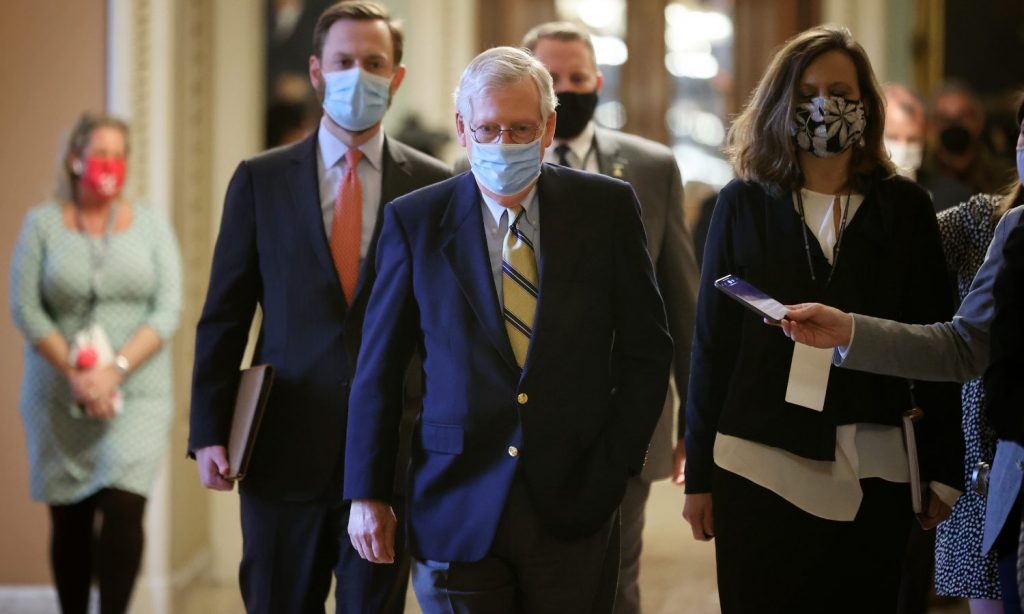
It would also be interesting if Biden’s presidency would pave the way for cannabis banking reform, which has long been an issue and obstacle for many cannabis businesses. It was the Democrats who proposed legislation in the past, which would enable financial institutions to offer their services to marijuana companies in legal states without them having to worry about repercussions with cannabis still a Schedule I substance on the federal level. Though all the news seems positive for cannabis banking reform, we have to wait and see if Republican Senate Minority Leader Mitch McConnell will allow the bill to get to the upper house for a vote.
Photo by Chip Somodevilla/Getty Images
Cannabis as mitigation for COVID-19 symptoms: A list of cannabis trends to look out for in 2021 would not be complete without mentioning the impact of the pandemic on the industry, and what it has led to. With around 16 groups proactively working on researching the effects of cannabinoids on fighting COVID-19 symptoms, we only expect the number of research with positive results to increase this year.
We also expect more funding to be poured towards this project, most especially because cannabis services were considered an essential service not just in the United States but in Quebec and the Netherlands. It highlights the importance of cannabis use for patients around the world. Additionally, CBD consumption spiked last year, as people sought it out to keep their health and wellbeing in check during the pandemic as well as their mental health.
Artificial Intelligence in dispensaries: Automation and artificial intelligence in growing cannabis as well as in cannabis dispensary operations are seen to be on the rise. They have the potential to make growing cannabis much more efficient as they can be vital tools to assist growers in tracking almost everything from water and pH levels, and even plant genetics.
Dispensaries all around the country have already started making use of automation services and online ordering. While AI won’t be replacing budtenders any time soon, they can certainly make their job more efficient.
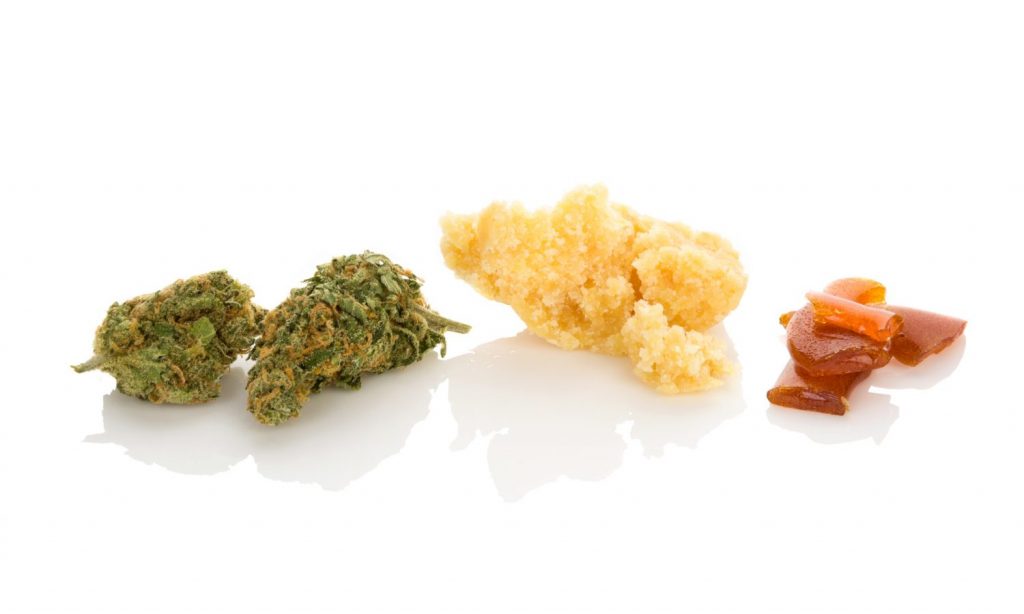
The rise of solventless extracts: Cannabis concentrates of all kinds have been growing in popularity, but last year, rosin rose to the top. This year, we expect solventless cannabis to get even more famous.
Photo by eskymaks/Getty Images
While solventless or live rosin in particular isn’t necessarily on the lower end of the price spectrum in dispensaries, you can easily justify the price because of its incredible quality – not just of the product, but of its effect, too. If you haven’t tried solventless extracts, we recommend doing so soon: you will be surprised at just how pure the flavors are, and many manufacturers are making them from high quality bud.
Rosin and live resin in vapes: In 2019, vape cartridges got a bad rep after being notorious for causing ailments and even death from black market products. Sadly, the black market goods affected even legitimate products.
Because of this, in 2020 vape producers worked to fix their reputation in the market by providing customers with test results and transparent marketing. You can now be sure that for as long as you are buying vape products from legitimate producers that you are enjoying safe and good quality vapes.
Another interesting trend that we see is the rise of rosin and live resin to be used in vapes. Being able to vape these potent extracts makes it so much easier for consumers who are looking for discreet ways to medicate potent products. Having said that, we also expect vape producers to keep the focus on transparency on its safety and working only with high-quality ingredients and parts to successfully make it out of the 2019 vape crisis.
It can be argued that the high taxes are well-intentioned, signaling support for an inclusive cannabis market.
Due to ongoing federal prohibition, America’s cannabis regulations remain fragmented by state. Until reform occurs, states will continue to set their program frameworks, including how it taxes the supply chain, with consumers feeling the brunt directly by taxes or indirectly by retailers up-charging to offset costs.
Depending on the state, a market’s tax rates could look similar to any other legal product, or the figure could balloon. Examples of the latter can be found in states like Washington (37% sales tax) and Oregon (17%), with several others charging around 15%. States with lower sales tax rates, like Illinois, charge 7%, but rates can swell when considering the various additional taxes applied to flower, infused goods and high potency products. When combined with local taxes, some Illinois citizens can pay over 40% tax on certain products.
The rates have some worried over allegations of greed, while others believe the taxes are part of a bid to create restorative justice. However, even those supporting justice measures worry that high taxes could steer customers away from the market altogether.
Which States Have The Highest Taxes?
The question is nuanced when analyzing the various potential tax layers applied to legal cannabis. A flat sales tax isn’t all that there is to consider. As Illinois demonstrates, what may seem like a 7% to 10% tax rate is just the ground floor of what could become sky high rates.
Sturges Karban, CEO of cannabis logistics firm ManifestSeven, noted that states with combined sales and excise tax structures, like Washington, Colorado and Nevada, can all surpass 30% tax rates.
“That is a significant additional cost center that either ends up materially burdening the operator or as a pass-through onto the consumer, said Karban. He added that neither is ideal for the industry’s overall development. Karban added that he believes the rates represent “a degree of political ambivalence surrounding the cannabis product category,” despite destigmatization and legalization spreading.
The rationale for setting tax rates can become rather complicated–leaving each person to decide if the charges are signs of greed or good intentions.
Katie Ashton, a partner at multinational law firm Dentons, broadly summarized the thinking into two camps: Lower tax states appear to want to thwart the illicit market. In comparison, higher taxed states prioritize social equity and other community measures.
“You’re seeing a lot of states that are trying to put money into social equity to address the war on drugs,” said Ashton.
It can be argued that the high taxes are well-intentioned, signaling support for an inclusive cannabis market. However, others say that the focus should be on lowering costs while finding ways to make the industry more accessible to Black entrepreneurs and others most affected by the drug war.
Photo by Aleksandr_Kravtsov/Getty Images
High Taxes Cause Concern, Possible Barriers Of Entry
Sources appear to empathize with the endeavors of high-tax states. However, some offered caution, noting that the choice could create lasting effects on marketplaces.
“I think that the high tax rates a lot of states are trying to put through are a mistake at this point, and they support and incentivize the illicit market,” said Eric Berlin, a partner at Dentons.
Karban offered a similar take. “Excessive taxation burdens or disincentivizes the responsible and compliant operators, which then indirectly subsidizes and promotes the black market players that aren’t even paying taxes at all,” he said. The CEO went on to say that the illicit market remains the largest competitor for any state marketplace.
“This construct undermines the fundamental purpose of regulating the industry in the first place by allowing the black market to flourish at the expense of the responsible operators that are playing by the rules,” he added.
Berlin believes the problem is with states trying to do too much with tax dollars. He called the approach “shortsighted” for creating high barriers of entry to the legal space.
Berlin’s assessment could be accurate in individual states, depending on its allocation of funds. While good-intentioned, it could be argued that some states may choose too many programs, spreading the needed funds too thin to create a significant impact.
In other cases, cannabis revenue may go to controversial subjects. The funding of police using has been a significant sticking point in some parts of the country. In some cases, like Portland, Oregon, the funds were pulled back after citizen protests.
The more you smoke, the higher you’ll get. But once you’ve hit a certain point, if you continue to ingest THC, you’ll likely experience uncomfortable side effects or fall asleep.
Logic says that the more weed you smoke, the higher you’ll get and the longer you’ll be able to keep the high. This is true up to a point. When it comes to marijuana, everybody has a personal level of tolerance. And once you get to a certain point, the THC will make you feel drowsy, sedated and very uncomfortable.
Consuming too much marijuana is never a good feeling, producing highs that are paranoid and that last for hours. According to research, THC levels in your blood peak about 8 minutes after consuming. If you continue to consume, you’ll get higher, but things are likely to get very messy, resulting in a crash nap if you keep pushing. You can liken it to the moment when you’re tipsy and having fun, but when you continue to drink, you may very well black out drunk.
High THC levels is also correlated with higher levels of anxiety and paranoia, which will make the whole experience more uncomfortable and will facilitate symptoms like nausea and vomiting.
Consuming too much THC may also increase the intensity of your “marijuana hangover,” since THC gets stored in your body’s fat cells, appearing over time depending on how much THC you ingested. This can make you feel groggy and tired for hours or days after consumption.
While consuming too much marijuana is rarely associated with dangerous side effects, bad highs are never fun, no matter how seasoned you are. While smoking more weed will get you higher for what feels like a really long time, this is almost never a good thing, especially when eating edibles. One moment, you may feel no effects, and the next you may be having a panic attack. Don’t do it. (See: Why You Need To Be Careful Using Edibles The First Time.)
If you’re new to marijuana, the best way to figure out a dosage that works for you is to experiment to find out how your body reacts, starting off slow and increasing the amount of THC until you reach a comfortable high. And if you go overboard and start to panic, just remember that nobody has ever died from a marijuana overdose.
Podcaster Joe Rogan provided a breakdown of CBD’s benefits when Elon Musk was recently a guest on his show.
Joe Rogan recently invited recurring guest Elon Musk to talk about space stuff, their history together, and Musk’s company SpaceX. Also, CBD for some reason, of which Musk knows very little about.
The CBD exchange began when both Rogan and Musk were reminiscing about their much discussed 2018 episode, where the two shared a joint and days later Musk found himself in the midst of an investigation in SpaceX due to his public weed smoking and the fact that his company has an “adherence to a drug-free environment.”
Musk defended himself by claiming that he hadn’t really “inhaled,” so I guess that means that putting a lit joint in your mouth doesn’t count.
On this past week’s episode of “The Joe Rogan Experience,” Musk said that “CBD doesn’t do anything. Does it? I think that’s fake,” which prompted Rogan to list some of CBD’s benefits, to which Musk remained shocked and dubious over.
Rogan emphasizes the role of CBD on inflammation, claiming that it helps him and other people who suffer from different chronic conditions or who frequently play sports and exercise. “Physically, CBD works great for people with arthritis and people with sore muscles and things like that. Yeah, no, CBD definitely works for that, but as far as like psychoactive effects, not much. It relieves anxiety for people,” said Rogan, who then explained some of CBD’s benefits for sleep and how it doesn’t get you high. Musk seemed intrigued.
While Musk describes himself as a non-marijuana smoker, he loves to pander to his weed audience. He frequently tweets about 420 and one time he even said he was considering taking Tesla private at a share price of $420, which got him in trouble with the Securities and Exchange Commission (SEC).
For his part, Rogan has been a long time weed enthusiast.
For both cannabis newbies and seasoned users, the myriad methods of consuming weed can be confusing.
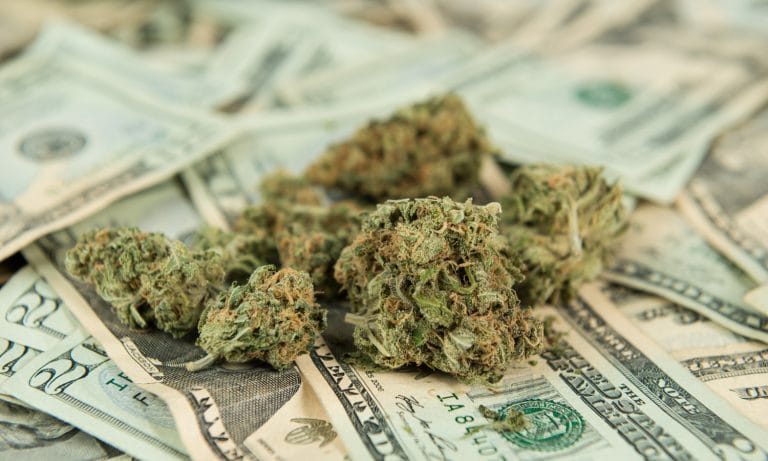
Cannabis is a big business. Consumer spending in the U.S. is set to rise by $13 billion between 2018 and 2022 as legalization hits more states and the medical cannabis sector continues to thrive. Analysis of this booming trade indicates that medical marijuana dispensaries are turning over more money per square foot of retail space than Apple Stores and Tiffany’s.
One consequence of this incredible increase in activity is the innovations and advancements in how marijuana is consumed. These new consumption methods have opened the doors of the marijuana world to a whole new audience, especially those who are consuming cannabis for medicinal purposes.
For those new to cannabis, and even for seasoned users, these new methods can be confusing. As a whole new host of devices and modes of delivery hit the market, they bring new questions. So read on as we breakdown some of the most popular ways to introduce THC into your system.
Photo by Itay Kabalo via Unsplash
Vaping
You may already be familiar with vaping and e-cigarettes from the craze that took hold a few years ago touted as a healthy alternative to smoking tobacco and a stepping stone to quitting nicotine altogether.
Hot on the heels of nicotine vapes are cannabis vaporizers. There are many different ways to vape cannabis and a whole host of devices to match. One of the most popular is the dry herb vaporizer, a device that heats cannabis flower just enough to release THC but not so much that the bud combusts and releases toxin-filled smoke. Brands like Pax continue to push the boundaries of the dry herb vaporizer technology, such is the case with their new Pax 3. This dry herb vaporizer allows the marijuana to be heated up in just 15 seconds and is roughly the same size as an average cigarette lighter.
Some vaporizers are specifically designed for concentrates like shatter and wax, and some devices use cannabis e-liquid, similar to nicotine vapes.
Like smoking a joint, the high from vaping hits almost instantly, and many users have reported that the feeling is more crisp and clear than highs from other consumption methods.
Joints and Bongs
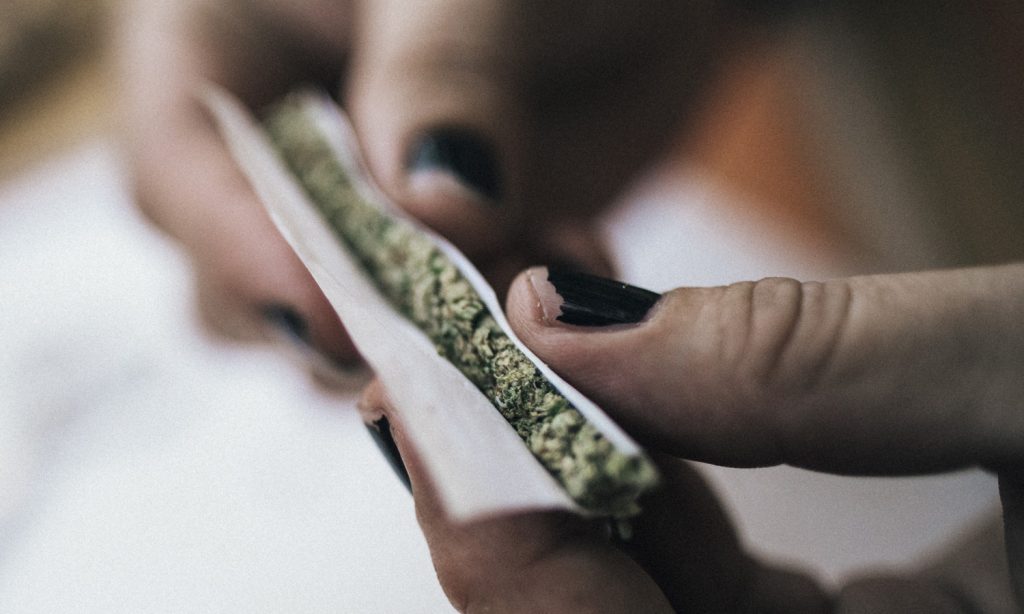
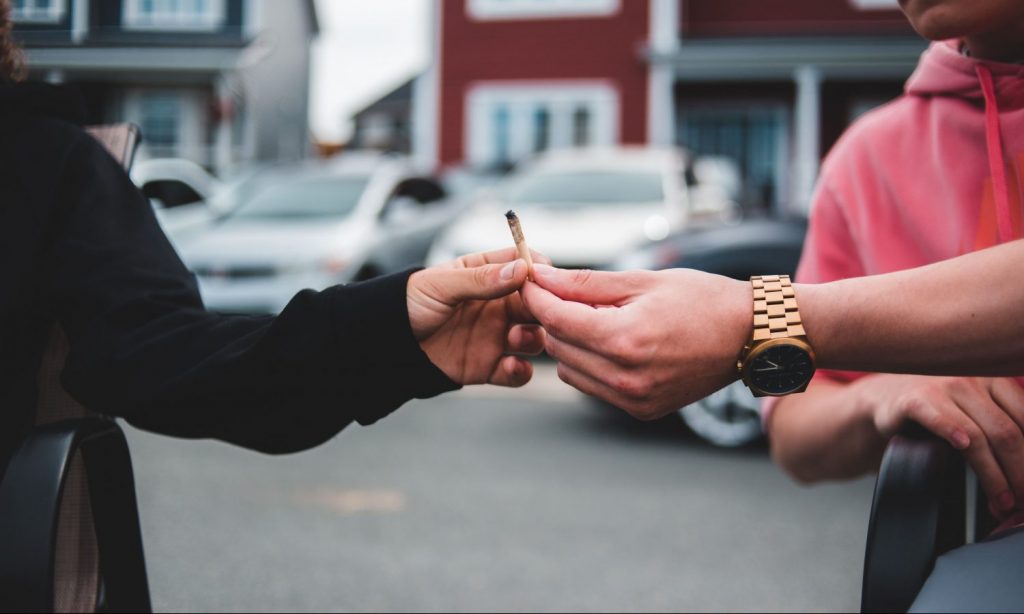
The cannabis industry can develop a million consumption innovations, but joints and bongs are here to stay. Smoking weed in a joint is the most iconic and well-known way to get stoned. A joint consists of ground cannabis flower wrapped in cigarette paper and smoked like a traditional cigarette. They can be made with or without the addition of tobacco – this is down to personal preference. Many cannabis uses love the ritual of sitting down and rolling a joint and the tactile experience it provides.
The bong is another popular and age-old way of getting a marijuana hit. Sometimes known as a bowl or water pipe, a bong is a device where the user burns the marijuana and inhales through a mouthpiece. The smoke is pulled down through a tube and bubbles up through water at the bottom of a chamber, which cools it down and makes it easier to inhale.
Although both of these methods are as old as they get, they are increasingly thought of as the most unhealthy way to consume cannabis, as many toxins and chemicals are released from the weed when it burns. The high from joints and bongs is instantaneous.
Photo by Joyful via Unsplash
Edibles
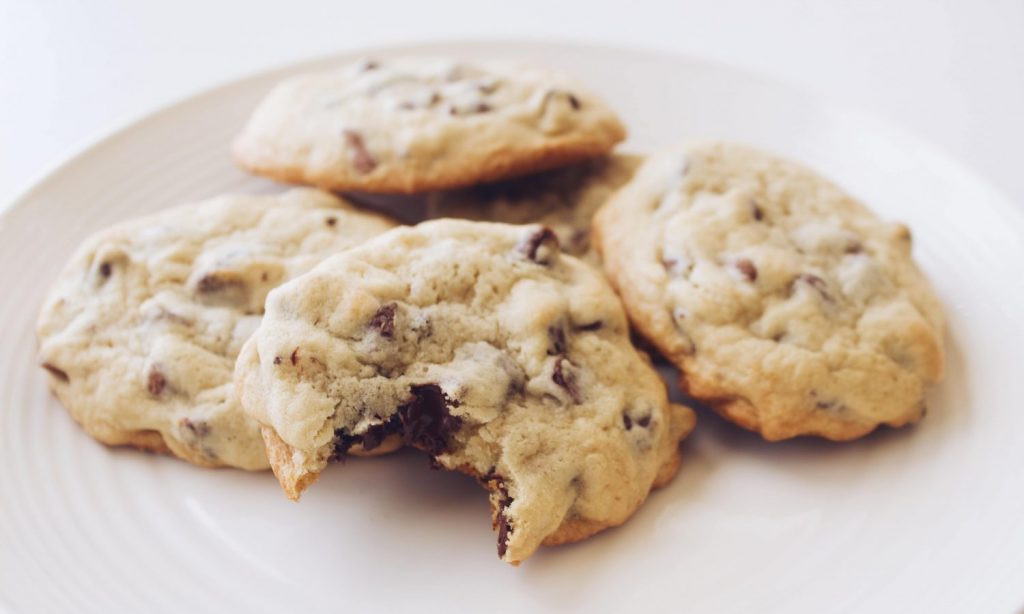
Edibles have exploded onto the cannabis scene in recent years. An edible is a food or drink that has been infused with cannabis. Edibles come in all shapes and sizes, everything from brownies, cookies, chocolate bars, soft drinks, and even potato chips and maple syrup. The opportunities here are endless; anything you can eat can be infused with cannabis in one way or another.
Edibles are a great alternative to smoking and vaping, as there is no risk of lung damage. They are a common entry point for cannabis newbies as they are seen as one of the softest forms of consumption. Because the food must be broken down in the stomach before the THC reaches the bloodstream, the effects can take anywhere from thirty minutes to two hours to kick in.
Tinctures and Topicals
Tinctures and topicals are relatively new forms of administering cannabis that have been borrowed from the sister world of CBD. Tinctures are oil dissolved with cannabis extract. The oil can be dropped on food or in a drink or simply applied under the tongue. The effects are not as instantaneous as smoking and vaping, but not as delayed as edibles, usually around 15-20 minutes.
Topicals refer to any method where a product is applied to the skin. Topicals are mainly associated with CBD products designed to give health benefits such as clearer skin, relief from muscle pain, and stronger hair.