How long does immunity last? Can I still spread COVID? And other vaccine questions answered.
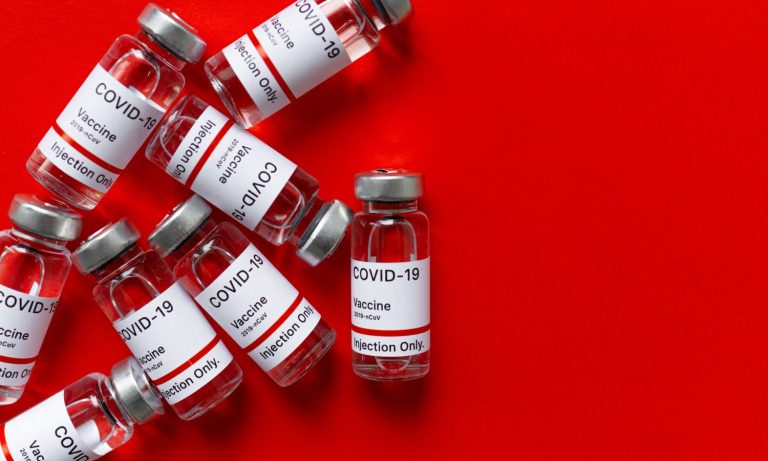
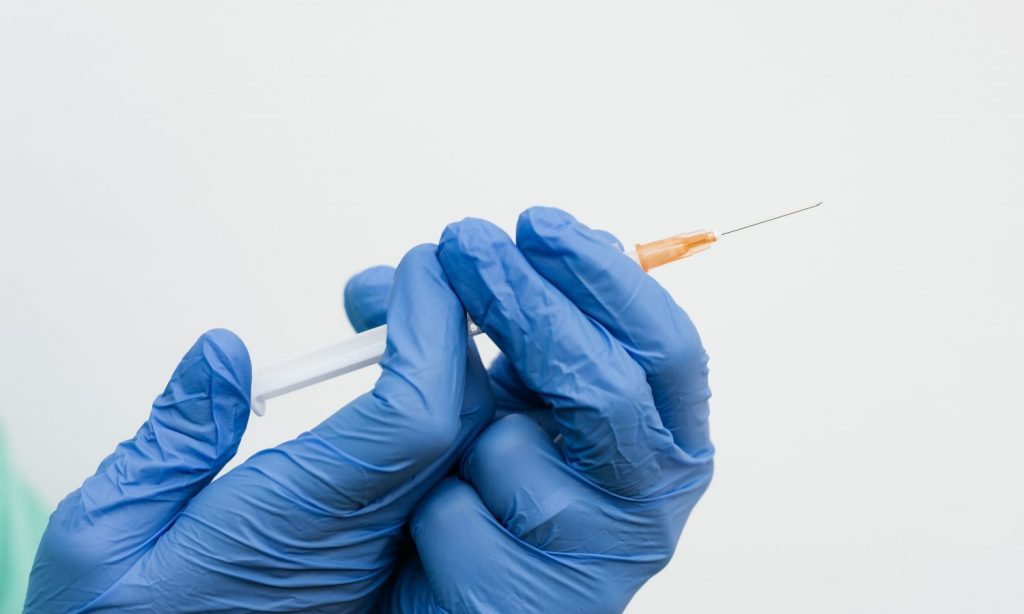
Everyone is talking about the COVID-19 vaccine. Now that the FDA approved its emergency distribution, people are asking themselves all sorts of questions for the moment we’ve been awaiting since the start of the pandemic.
While we know that the COVID-19 vaccine has gone through a human trial phase and is safe to use, there are dozens of questions we all have. While not all of them have answers, here are 5 of the most important COVID-19 questions experts have answers for.
How does the vaccine work?
Photo by Gustavo Fring via Pexels
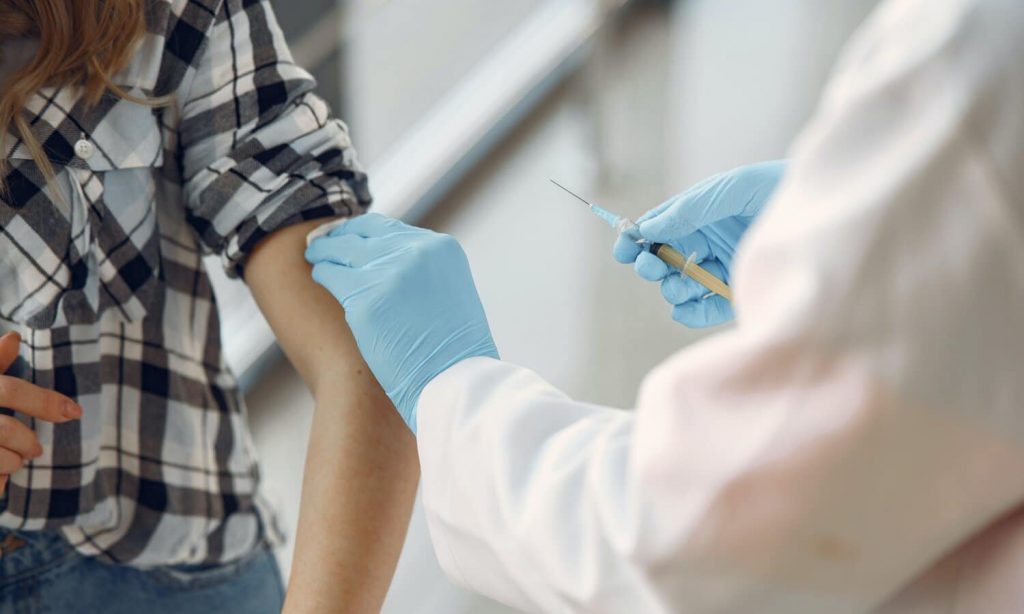
The COVID-19 vaccine is different than previous vaccines that have been distributed in the United States. These shots will feel like your average flu shot, but you’ll have to get two shots instead of one, getting the first shot and then, about 3 weeks later, the second one. Some pharmacies are recommending that people download an app that will notify them when they need to get their second shot, that way they get the necessary dosage for immunization and their efforts aren’t lost.
One of the main questions people have is how long the protection of the vaccine will last. The World Health Organization (WHO) has been pretty clear with their answer, explaining that it’s too early to know and that more time and research is necessary in order to provide an accurate response. “However, it’s encouraging that available data suggest that most people who recover from COVID-19 develop an immune response that provides at least some period of protection against reinfection — although we’re still learning how strong this protection is, and how long it lasts,” explained WHO.
What happens after you get the vaccine?
Photo by RF._.studio from Pexels
Once you get the vaccine, is the pandemic over? Will you be able to hang out with friends and not wear your mask in crowded spaces?
According to experts, if a large percentage of the population takes the vaccine then by mid 2021 people could be more lax with their distancing guidelines and precautionary measures. In the meantime, since no vaccines are 100% effective, people will still have to take care of themselves and each other until experts have a firm belief that we’ve acquired herd immunity.
Can you spread the coronavirus after you get your shot?
While you’d think that a vaccine against a disease would prevent you from catching it and thus spreading it, the issue is a bit more complicated. While the vaccine should prevent the appearance of strong symptoms of COVID-19, there’s still no data out there that confirms that the disease can’t still be spread by those with their vaccinations, which is why it’s likely that people will continue to use masks and follow social distancing guidelines for a bit more than necessary.
Will you need another COVID-19 vaccine in the future?
Photo by Karolina Grabowska from Pexels
It’s not known how long immunizations last, which means that there’s no way of knowing how often we’ll need shots.
“If we can come through the huge challenge of efficient, mass distribution and vaccination with a high level of uptake ― and none of these is a sure thing ― the next question will be some large scale monitoring to understand stability of immunity,” professor of immunology Daniel Altman told the Huffington Post. “This won’t be a simple one-size-fits-all answer. Durability may be different with: age, obesity, prior infection, genetics. So we need to keep checking. We’ll then know if we need to re-immunize at one year, two years, etc.”
McConnell has said in the past that he has no plans to get behind legislation to change the federal cannabis laws.
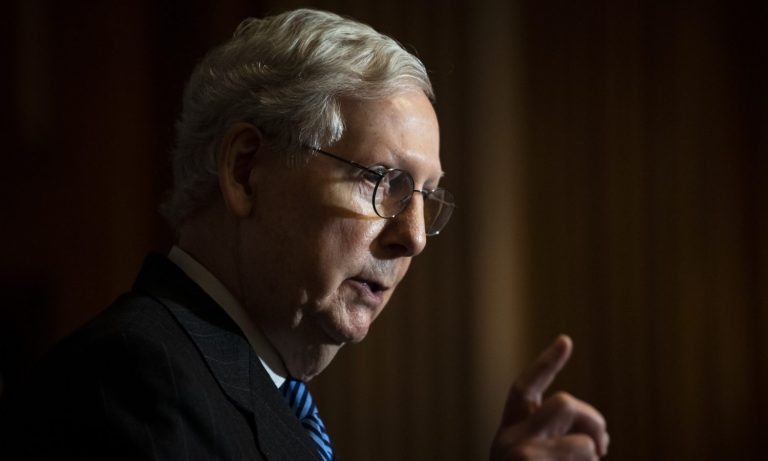
The dust from the 2020 election is finally starting to settle, and more Republicans are beginning to recognize president-elect Joe Biden as the next leader of the free world. Senate Majority Leader Mitch McConnell is one of the latest to applaud Biden on his victory. In a recent speech from the Senate floor, the Kentucky Republican finally admitted that his politibro Donald Trump was out.
“Our country has officially a president-elect and a vice president-elect,” McConnell said on Tuesday. “The Electoral College has spoken. So today, I want to congratulate President-elect Joe Biden.”
But does McConnell’s acceptance of Biden as the new President of the United States mean that he will climb on board the Democratic starship and help the party further its political agenda next year? Does it mean that he will vacate his anti-marijuana attitude and become a steward of all highness as the new administration pushes ahead with cannabis reform?
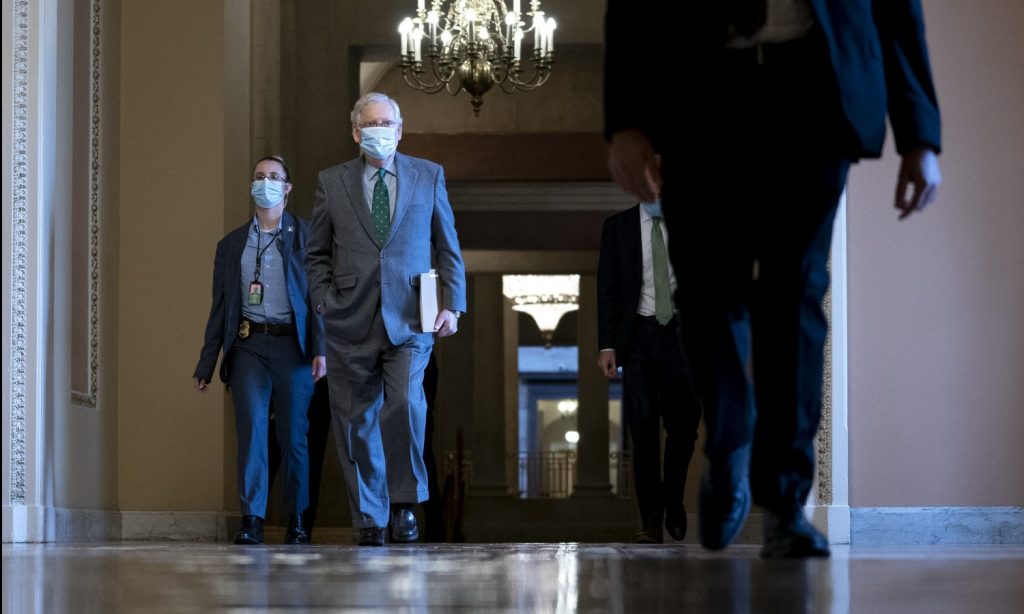
Meh, probably not. While McConnell could meet the Biden Administration halfway on some crucial issues, we wouldn’t count on him getting too chummy when it comes to legalizing weed. McConnell has said in the past that he has no plans to get behind legislation to change the federal cannabis laws.
“I don’t have any plans to endorse the legalization of marijuana,” McConnell told the press in 2018.
And he hasn’t shown any signs of coming around.
Earlier this month, the U.S. House of Representatives approved a bill designed to legalize marijuana at the federal level. But McConnell slammed the Democrats for trying to legalize weed at a time when the country is in desperate need of COVID relief. He and other Republicans chastised the Democrats for wanting to establish a legal cannabis market when they should be putting cash in the pockets of individuals and businesses ravaged by the virus. Yet, McConnell failed to mention that he has shot down every COVID relief bill the Democrats have sent his way.
McConnell disapproved of Democrats including marijuana provisions in earlier coronavirus relief bills. In one, he complained that “the word ‘cannabis’ appears in the bill… more times than the word ‘job. He even went as far as to suggest that the Democrats were pushing “a totally unserious effort.” But it was serious. The idea is that marijuana legalization could help the country recover from the loss of jobs and economic decline while creating additional tax revenue.
Photo by Stefani Reynolds/Getty Images
Nevertheless, President-elect Biden isn’t expected to get too wily about legalizing marijuana in 2021. The incoming administration will focus more on eliminating criminal penalties associated with pot possession and creating more research opportunities that would allow access to weed for medicinal use. It seems unlikely that McConnell, who is presently the gatekeeper to the upper chamber, will side with any of these issues. The word on the street is that he is still too busy trying to see the hemp industry to profitability to accept a competitive commodity like a fully-legal weed market.
Interestingly, McConnell’s hemp legalization efforts have made it more difficult for law enforcement agencies to bust marijuana offenders nationwide. It now takes expensive laboratory testing to determine what is weed and what is its non-intoxicating cousin. No, he didn’t plan for this to happen. It just did. So, don’t expect him to get too enthusiastic about passing a bill designed to impose less restrictive criminal penalties for America’s petty pot offenders. McConnell still receives lobbying money every year (more than $60K) from the privatized prison industry.
On the flip side, there’s still a chance that McConnell will not be a deciding factor on Capitol Hill next year. The Democrats still have a chance to dethrone the swamp captain in Georgia’s upcoming runoff elections. Democrats just need to secure those two seats, and McConnell is long gone. If that doesn’t happen, Republican leadership will likely stand in the way of cannabis legislation for the next several years. Unfortunately, McConnell’s public statement congratulating Biden on the presidency is more about appearances than it is indicative of political alignment.
If cannabis can help people limit drinking — one of the main causes of cirrhosis — it is a big win.
For millions of Americans, and for people in general, cirrhosis is either a problem or a threat. The most common causes of this condition are hepatitis and chronic alcoholism, which are of great concern throughout the world. However, while cirrhosis may be irreversible, it is certainly treatable. Here is some information cirrhosis, alcoholism, and cannabis treatment options.
Post legalization, cannabis acts as a different substance. A November studyon cirrhosis, published in the Annals of Hepatology, found that “cannabis use in patients with cirrhosis resulted in mixed outcomes regarding hospital admissions with hepatic decompensation. A trend towards decreased hospital utilization and mortality was noted in cannabis users after legalization.”
While perhaps legalization allows people to live more responsibly, more data suggests cannabis can help curtail cirrhosis by attacking root causes.
Research from the University of Victoria centered on a survey of 2102 medical patients in Canada found that “overall, 419 (44%) participants reported decreases in alcohol usage frequency over 30 days, 323 (34%) decreased the number of standard drinks they had per week, and 76 (8%) reported no alcohol use at all in the 30 days prior to the survey.”
With cirrhosis, prevention could be the best medication, so if cannabis can help people limit drinking — one of the main causes of cirrhosis — it is a big win.
The University of Victoria study went on to find that those below 55 who were drinking at higher rates and those who specifically started using medical cannabis to quit drinking enjoyed significantly greater odds for lowering alcohol use and quitting altogether.
Photo by Jetta Productions/Getty Images
Past Prevention and Pain Management, More Help from Hemp
While addressing one of the root causes of cirrhosis is important, additional treatment is needed for those who already have it. A proposed method of treatment has been to give patients antioxidants, as these compounds reduce oxidative stress by causing positive changes such as scavenging free radicals.
More November research found that hemp reduced the oxidation and lipolysis processes of stripped linseed oil.
The study concluded that “hemp inflorescences can be used as a source of natural antioxidants in vegetable oils and lipid products to retard their oxidation, especially those characterized by a high degree of unsaturation.”
Through preserving and providing antioxidants to helping limit alcohol consumption, cannabis has been proven to have potent potential in the fight against cirrhosis. The rising tide of legalization is poised to only help continue this healthy trend.
Large-scale dispensary shutdowns could completely derail the Biden-elect momentum from November, so MSO investors should continue to monitor the situation closely.
Cannabis stocks have made a big run since the U.S. election in November. However, Cantor Fitzgerald analyst Pablo Zuanic says the spike in coronavirus cases has created significant near-term risk for multi-state operators (MSOs).
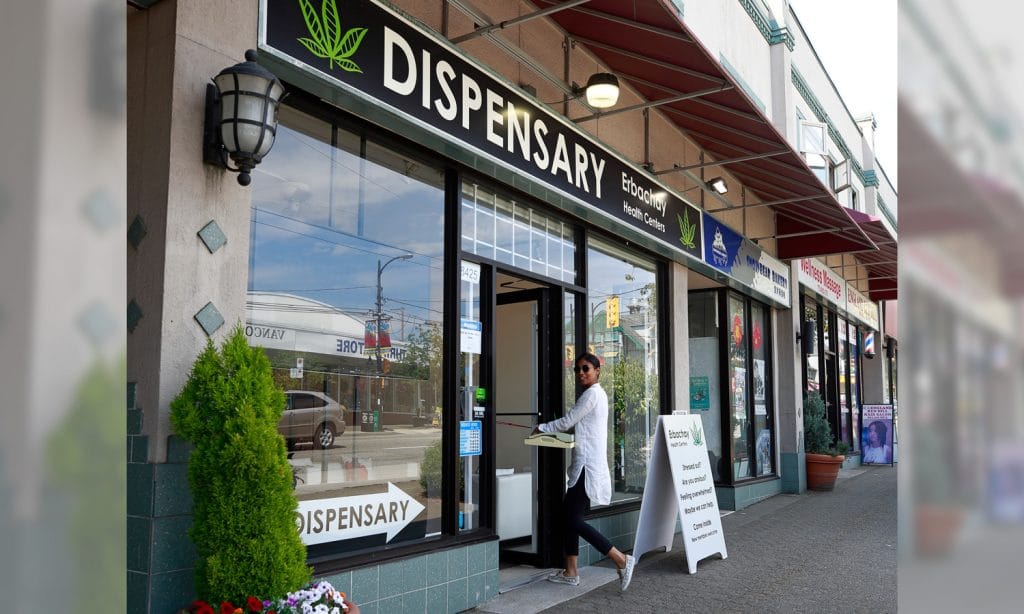
Shutdowns Imminent? The vaccine rollouts that began this week are good news for MSOs in the longer term, but most Americans will not get vaccinated until at least spring or summer of 2021. In the meantime, dispensaries could be at risk for state shutdowns, Zuanic says.
“At this stage, we would be concerned about new restrictions in NV and MA, and even PA and CO (less so in AZ and FL given Republican governors),” he wrote in a note.
Positive coronavirus test ratios are three times higher than the national average in Colorado, Pennsylvania and Nevada. He said trends are particularly troubling in Pennsylvania, where positive test ratios have spiked from 5% on Sept. 1 to 34% in mid-December.
Impacted Stocks: MSOs with exposure to Nevada include Acreage Holdings Inc. ACRHF 0.88%, Curaleaf Holdings Inc.CURLF 2.19% and Green Thumb Industries Inc.GTBIF 1.63%.
Zuanic has said Green Thumb, Cresco Labs Inc.CRLBF 0.7% and Curaleaf are among the MSOs with the most exposure to the Pennsylvania market.
Coronavirus-related dispensary shutdowns, such as the ones Massachusetts imposed back in April, could be devastating to local cannabis businesses. The good news for MSO investors is that most other states with legalized cannabis have coronavirus positive test ratios at or below the national average.
Photo by Jeff Vinnick/Stringer/Getty Images
Benzinga’s Take: Shares of MSOs have boomed since the election due to the passage of several state ballot measures and a victory for President-elect Joe Biden.
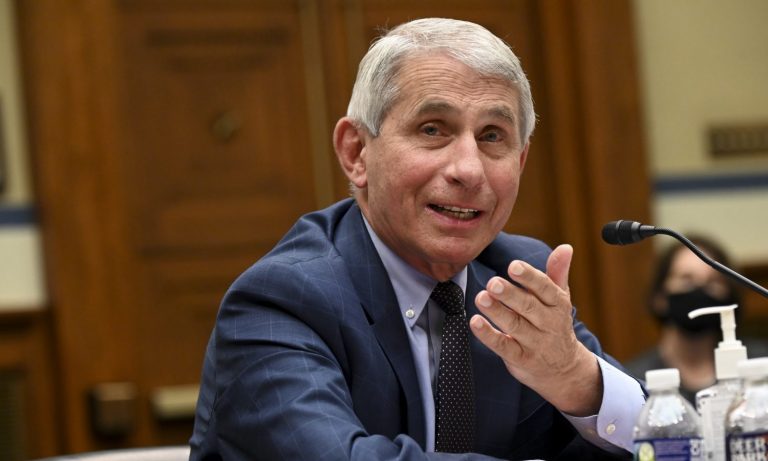
Dr. Anthony Fauci warns that it’s very important for the majority of people in the U.S. to get vaccinated.
Now that the COVID-19 vaccine is out in the world there’s one major concern for Dr. Anthony Fauci, director of the National Institute of Allergy and Infectious Diseases. In an interview with The Daily Beast, he said that his biggest fear is that not enough people will get the vaccine.
Last week, the FDA gave emergency authorization for vaccines developed by Pfizer and BioNTech, allowing for doses to begin distribution across the U.S. Both vaccines are effective in preventing the development of COVID-19 infections with noticeable symptoms, hopefully reducing the amount of hospitalizations and the amount of deaths.
“If we can get a very high percentage of the United States population vaccinated with what is clearly a group of highly efficacious vaccines, we could have a major positive impact in turning around the dynamics of this outbreak,” said Dr. Fauci.
Photo by Gustavo Fring via Pexels
In a previous statement, Dr. Fauci said that we’d need at least 75% of the population to receive the COVID-19 vaccine in order to get herd immunity, which would reduce the spread in all communities and protect everyone, even those who haven’t received the vaccine. Still, it’s not known to what degree the vaccine can reduce the spread of the virus or how long this immunity is meant to last.
COVID-19 has been a heavily politicized topic, with people decrying the use of masks, safety measures and the closure of businesses. Now that the vaccine is available, there’s a large number of people who don’t trust science, who could choose not to get vaccinated due to fears of potential side effects or mistrust of the virus.
The speed in which the vaccine was developed has also caused some people to be wary of it. “The speed is related to the extraordinary scientific advances in platform technology from vaccines that allowed us to do things in months that would have formerly taken several years,” explained Dr. Fauci.
So if you have any doubts on whether or not to take the vaccine, try talking it out with a nurse or a doctor. While vaccinations are still not available to the majority of people, it seems like they are the straightest way back to normalcy.
There are various traditional treatment options that help combat obesity, however, cannabis and different cannabinoids like CBD and THCV have shown to be very useful.
Currently, being overweight and obese is categorized as the fifth leading risks for worldwide mortality. Annually, at least 2.8 million people die due to being overweight or obese. Unfortunately, being overweight or obese often plays havoc on one’s well-being and quality of life, especially due to the plethora of health risks and complications that can occur as a result of these diagnoses. So should you be incorporating marijuana when combating obesity?
Although millions of adults struggle with being overweight or obese, they’re not the only ones. Nowadays, millions of children are becoming overweight and obese at much younger ages. Specifically, in 2011, more than 40 million children younger than five years old were overweight. There are various traditional treatment options that help combat obesity, however, cannabis and different cannabinoids like cannabidiol (CBD) and tetrahydrocannabivarin (THCV) have shown to be very useful.
What to Know About Obesity & The Complications It Can Cause
In general, obesity is much more than just being overweight. Obesity means that an individual’s body fat substantially surpasses the amount of body fat that’s considered healthy. Whereas, being overweight refers to a person who weighs more than the ideal weight for their age and height.
However, both terms are often defined as irregular amounts of disproportionate fat build-up that could negatively impact one’s health and state of being. Overall, being obese poses a higher risk of developing various disabilities, dying at early ages, and experiencing a poor quality of life.
Photo by i yunmai via Unsplash
Some health issues and negative complications that can occur from being obese include the following: depression, anxiety, fatigue, joint and muscle pain, and the incapability of participating in different physical activities. There’s also a higher chance that obese individuals could be diagnosed with type 2 diabetes, different forms of arthritis, ischemic heart disease, and various cardiovascular issues.
In the U.S. alone, it has been found that 37% of the adult population is obese, whereas, close to 8% are close to suffering from severe obesity. Therefore, it’s suggested to take this diagnosis seriously if one wants to prevent additional complications from occurring.
Main Causes of Widespread Obesity
After understanding the prevalence of obesity on a worldwide scale in addition to different complications that can occur from being obese, what are its causes? In most cases, the main cause of being obese consists of an energy imbalance regarding calorie intake and calories used. Over the years, worldwide, there has been a rise in the consumption of energy-dense foods that contain high amounts of unhealthy fat. There has also been a rise in physical inactivity, which is mostly attributable to sedentary lifestyles. Thus, two main causes of obesity include overeating and little to no physical activity.
Other causes include genetics, medications, and various psychological factors. However, certain variables can contribute to obesity including one’s metabolism, lack of sleep duration, and community/neighborhood resources or lack thereof. Additionally, different psychological factors can trigger individuals to become emotional eaters. It’s also common for feelings of anger, sadness, and stress to result in binge-eating, which eventually leads to varying levels of weight gain, especially when one isn’t physically active.
Traditional & Non-Traditional Obesity Treatment Options
In addition, since nearly 1 in every 3 adults are considered obese, and 1 in every 13 adults are considered unhealthily obese, it’s suggested to make certain changes and implement different forms of treatment. Common treatment options that are available include the following: diet changes and healthy eating habits, the incorporation of more exercise and physical activities, the consumption of bariatric medications, and undergoing bariatric surgery, which is normally the last resort.
Aside from these treatment options, it has been discovered that cannabis and several of its valuable cannabinoids can help alleviate many symptoms caused by obesity while also helping obese individuals improve their quality of life and get back on a healthy path. One cannabinoid that’s extremely beneficial for combatting obesity is THCV, which possesses appetite-suppressing properties. THCV also acts as an antagonist of the CB1 and CB2 receptors. Therefore, THCV can block THC, which results in users not experiencing appetite boosts or the munchies.
Additionally, CBD has been found to help regulate one’s appetite. Due to cannabis’s vast medicinal and therapeutic properties though, this plant can help alleviate many symptoms obesity causes such as anxiety, depression, joint, muscle, and back pain, self-esteem and confidence issues, and binge-eating. Besides cannabis itself, certain terpenes play a role in suppressing one’s appetite. The main one known for its appetite-suppressing properties is Humulene.
Photos by: Roberto Valdivia via Unsplash, 377873 via rawpixel
Research Findings Supporting Cannabis’s Ability To Combat Obesity
Over the years, different surveys and studies have been conducted on cannabis users and non-cannabis users who struggle with obesity to discover the role the plant plays in combating obesity. One survey focused on 786 participants, and it found that on average, cannabis shares a link with a lower BMI (body mass index), lower body fat percentage, decreased fasting insulin, and decreased insulin resistance. Then, several other surveys revealed that the prevalence of obesity isn’t as prominent in cannabis users as opposed to non-cannabis users.
Whereas, a set of two representative national surveys found some interesting results, and the following was concluded: “…despite the evidence that cannabis use stimulates appetite in clinical trials and laboratory studies, cannabis users are actually less likely to be obese than non-users in the general population.” However, diet and physical activity weren’t taken into consideration when this conclusion was made. Regarding research studies though, one 2015 study confirmed that cannabis consumption was linked to lower BMI and lower fat mass percentages.
Optimal Cannabis Strains & Consumption Methods to Utilize When Combating Obesity
Moreover, it’s essential for obese individuals to consume the right cannabis strains to reap the benefits they need. In particular, cannabis strains that are high in THCV, CBD, and Humulene are ideal. A few examples include Doug’s Varin, Tahoe OG, Pineapple Purps, and Master Kush, which are known to contain high THCV percentages and high amounts of Humulene.
Generally, most sativa dominant strains possess higher levels of THCV than other strains. Although there are various cannabis consumption methods available like oral ingestion, inhalation, sublingual administration, topical administration, and transdermal usage, it’s up to the individual to decide which one works best for them.
Overall, due to the growing prevalence of obesity in the U.S. and around the world, it’s important to adopt healthy habits and try different treatment options like cannabis usage to combat obesity and/or to prevent obesity. More research must be conducted on THCV and its medicinal benefits, especially its appetite-suppressing properties. However, obese individuals could certainly give cannabis a chance and discover the impact high amounts of THCV, CBD, and/or Humulene can have on their quality of life.
“What we love about podcasting is that it reminds all of us to take a moment and to really listen, to connect to one another without distraction,” said the couple.
Spotify Technology SPOT 1.11% shares were trading slightly higher on Tuesday after it emerged British royals, the Duke and Duchess of Sussex have inked an exclusive multi-year deal with the company to host and produce podcasts.
What Happened: Prince Harry and Meghan Markle announced they will form a new production company Archewell Audio with Spotify. The aim of the podcasts is to that uplift and entertain audiences.
“What we love about podcasting is that it reminds all of us to take a moment and to really listen, to connect to one another without distraction,” the Duke and Duchess of Sussex said in a joint statement.
“With the challenges of 2020, there has never been a more important time to do so, because when we hear each other, and hear each other’s stories, we are reminded of how interconnected we all are,” added the couple.
Photo by Chris Jackson/Staff/Getty Images
Why This Matters: In recent years, Spotify has beefed up its podcast streaming library. The company announced it will acquire Megaphone for $235 million in November.
All in all, legal marijuana would make just as much for governmental minions as prohibition has. It’s just a matter of perspective.
One of the biggest arguments right now for ending marijuana prohibition in the United States is that it would generate beaucoup bucks in tax revenue and provide the nation with a trapdoor out of the economic sludge brought about by the coronavirus. After all, marijuana sales are a boon in states where it is legal. Here is why the federal government doesn’t need to legalize weed.
In Colorado, one of the first states to legalize the leaf for recreational purposes, dispensaries have sold more weed in 10 months than they did all of last year. The state is poised to end the year with almost $2 billion in pot sales, providing millions of dollars in state tax revenue.
So why not take this concept nationwide? It would make sense since American economies are starved for financial relief. Some data shows that nationwide legalization would create around 1 million jobs and contribute hundreds of billions in federal tax revenue.
Photo by YayaErnst/Getty Images
However, the federal government is doing just fine without putting a taxed and regulated cannabis market to work. In fact, marijuana legalization stands to cut the head off a mega-money beast that has been capitalizing on pot prohibition for years. For starters, Uncle Sam is already raking in loads of money in marijuana taxes every year.
Section 280E of the American Tax Code requires illegal marijuana businesses (even those considered legal in some states) to claim their earnings on their tax returns. But since none of these businesses can write off expenses like other sectors, they are subject to a 70% tax rate. Yep, Uncle Sam is taking the majority of the money from businesses it still considers illegal. If this policy sounds like robbery, that’s because it is. Data shows the federal government makes billions taxing weed operations in legal states.
Some cannabis advocates argue the federal government is still losing money by not embracing a fully legal system. They talk about how marijuana prohibition costs billions of dollars to uphold while preventing the opportunity to collect billions in tax revenue. But legalization almost certainly means that law enforcement and the privatized prison system would have to take a cut — a big one. They need around 96% occupancy to turn a profit.
Meanwhile, law enforcement agencies rake in billions each year from marijuana arrests and federal grants. Despite legalization, the country still locks up more than 600,000 marijuana offenders a year. And most of these arrests are for small-time possession. Without it, police forces might lose critical funding.
Photo by boonchai wedmakawand/Getty Images
Others claim that a colossal excise tax would need to be imposed on legal weed to compete with the IRS’s 280E scam. The country has virtually found a way to make prohibition more profitable than a legal system. “An excise tax would need to be very high in order to compensate for 280E,” Pat Oglesby, an attorney who specializes in cannabis tax policy, told Rolling Stone in 2018. The problem is higher taxes makes marijuana less affordable and it doesn’t give customers any incentive to vacate the black market. We are seeing this happen now in some legal states.
The more states that legalize marijuana — five more did it in the November election — the more tax money the government is set to collect. It has also been argued that Big Pharma, as well as the alcohol and tobacco companies are also responsible for preventing the nation from going green. These companies donate tens of millions of dollars to politicians every year to keep them on their side. At the same time, some of these companies are also investing in marijuana just in case there comes a time they can’t buy off prohibition.
And while the cannabis industry is starting to ramp up its lobbying efforts, it’s still not contributing anywhere close to what the business of booze, cigarettes and pharmaceutical drugs are doing. Unfortunately, the weed industry is outbid on Capitol Hill, reportedly tossing only a measly $11 million into federal lobbying efforts.
All in all, legal marijuana would make just as much for governmental minions as prohibition has. It’s just a matter of perspective. Do we continue to spend substantial amounts of money and resources to repress society, or do we make a shift that allows the nation to flourish forward to better times?
Considering some of the steps taken recently by the U.S. House of Representatives, the answer seems to be more of the latter. If only they could get the Senate to agree.
While this type of content, one that’s been made with an almost loose approach, has been a huge success, Hollywood’s response hasn’t been well received.
The pandemic has forced us to change a lot about our lives. The economic and emotional toll that has been dealt throughout this past year is tough to conceptualize. While some have taken to working out or cooking during the course of the year, the majority of us have looked for escapes. Our relationship with our screens has never been more important, providing entertainment and information when we need it most.
But what have we been watching? While some have been able to watch more movies and shows than ever before, others have looked for anything that triggers their nostalgia, while others stick to easy binges, like reality TV.
TheSoul Publishing conducted a survey of over 2,000 people, looking into their viewing habits during this past year and found that the majority of respondents were looking for content that was short and sweet. According to the survey, “Music videos (38%), comedy (36%), cooking or baking (33%), and DIY or crafting videos (29%) were the most frequently selected categories of short-form.”
Photo by Kon Karampelas via Unsplash
While short form video content has been on the rise over the past couple of years, the pandemic triggered a significant boom in this kind of viewing. Eight-four percent of audiences said they’d spent more or the same amount of time watching this kind of content during the pandemic, with people using these videos to cope with the challenges prompted by their new normal.
“Nearly 30% of Americans stated that they watch positive online video content to improve their mood, while 26% said they watch for inspiration for ideas and projects and 19% said they watch to escape from the news of the day,” the survey found.
“It’s interesting to see that it’s not just any short-form video that’s resonating with the American audience right now. It’s really positive content that has taken the spotlight, becoming the popular form of escapism and a welcome source of entertainment,” said Victor Potrel, VP of Platform Partnerships at sur.
Short form videos are becoming increasingly popular, from YouTube channels to TikTok viral clips. While this type of content, one that’s been made with an almost loose approach, has been a huge success, Hollywood’s response hasn’t been well received. Quibi, a streaming platform specializing in short form stories that boasted A-list actors and creatives was yanked just six months after its release this year.
In an effort to be more transparent and seen as a safer space, Pornhub is deleting all videos from unverified users.
Pornhub, the world’s largest porn site, is now in the process of deleting the majority of its video library. Following a week plagued by claims of illegal content published on their site and by major credit card companies pulling their support, Vice reports that Pornhub is now in the process of reviewing all videos that weren’t been uploaded by verified users. The site plans to implement a new verification process in the coming year.
“As part of our policy to ban unverified uploaders, we have now also suspended all previously uploaded content that was not created by content partners or members of the Model Program,” Pornhub said n a statement. “This means every piece of Pornhub content is from verified uploaders, a requirement that platforms like Facebook, Instagram, TikTok, YouTube, Snapchat, and Twitter have yet to institute.”
These changes were prompted after a New York Times piece was published a couple of weeks ago, one that followed the lives of minors whose videos were posted on Pornhub without their consent. Mastercard and Visa then began an investigation on the contents on the site; a couple of days later, they decided to stop processing all payments made to the site. They also threatened to pull their support from Mindgeek, Pornhub’s parent company, which is in charge of other adult sites like Youporn, XTube and Brazzers.
While these changes got Pornhub to listen and to ensure that there are no illegal videos on their site, they also affect a large percentage of people who have done nothing illegal. Sex workers and performers have long been looking forward to changes in the way in which porn sites manage their content, especially those whose work is often pirated and reposted on these sites.
Still, the decision from Mastercard and Visa was one that was decried, calling it conservatory and discriminatory by the Sex Workers Outreach Program Behind Bars.
“We say ‘war against sex workers’ because the damage they do does not impact the labor as much as it affects the laborers who depend on the Pornhub platform to earn a living,”the group said. They also discuss how dangerous this decision is during a pandemic, when a lot of people have lost their jobs and have turned to sex work as a way of paying their bills.
Non-consensual and underage sex content is a problem on porn sites, but it’s also a problem on social media platforms like Twitter, Facebook and Instagram. These sites aren’t viewed the same as porn sites and thus aren’t targets for these kinds of attacks that, while well intentioned, are likely to impact the livelihoods of thousands while not offering much protection or remuneration for victims.