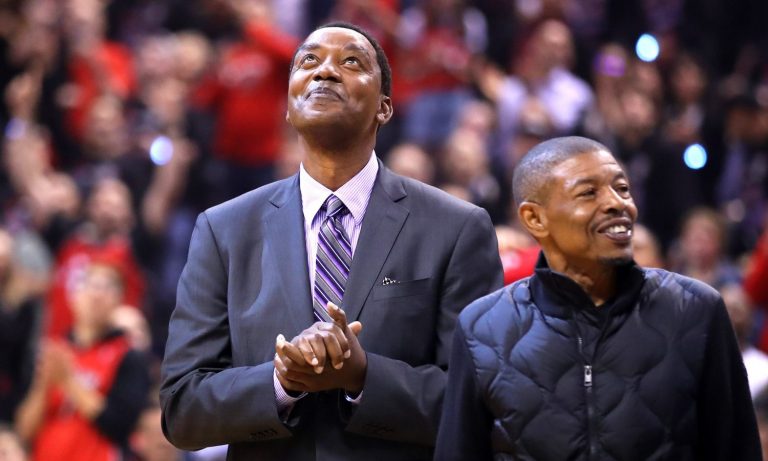
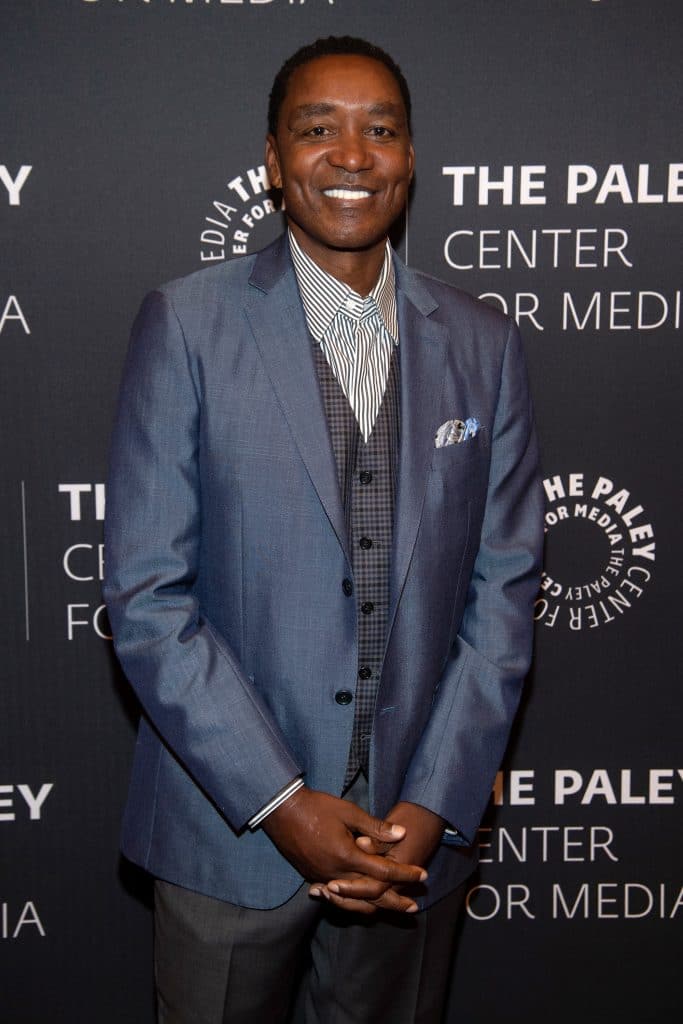
After a successful career in basketball, both as a player and a coach, NBA legend Isiah Thomas became a serial investor and entrepreneur.
Among his notable ventures was the acquisition of sparkling wine brand Cheurlin Champagne, and his recent appointment as CEO of cannabis company One World Pharma Inc., a Colombia-based producer of cannabis and hemp ingredients.
During a recent conversation focused on cannabis, hemp and One World Pharma, Thomas explained how his coaching experience and leadership experiences transferred over to business.
All About Teamwork
Thomas, who won the 1989 and 1990 NBA championships with the Detroit Pistons, has garnered worldwide recognition for his string of successful business ventures. He also transferred the skills he learned and nurtured on the court to his various roles as a business executive.
“What you learn in sports is (A) how to work as a team, and (B) how to excel in your specific lane that you may be given,” Thomas told Benzinga. “That’s the greatest thing about working as a team.”
Whether you’re starting a new business or building out an existing venture, communication is everything, he explained.
Photo by Nicholas Hunt/Getty Images
“From a communication perspective, it’s being able to take your vision, impart it to your team and have everyone buy into the vision in terms of becoming the best. Inspiring them and motivating them to give their best every single day,” Thomas said. “That’s what I’ve brought to the table, and that’s what I bring to the table as a CEO of One World Pharma.”
Thomas also stressed the importance of interpersonal connections, like keeping in touch with former teammates like he would with family.
“All of us as players miss putting on the uniform, going out and competing,” he said. “But in terms of the relationships, what we’ve been able to do, our Detroit Pistons ‘Bad Boy’ team still keeps in contact with each other.”
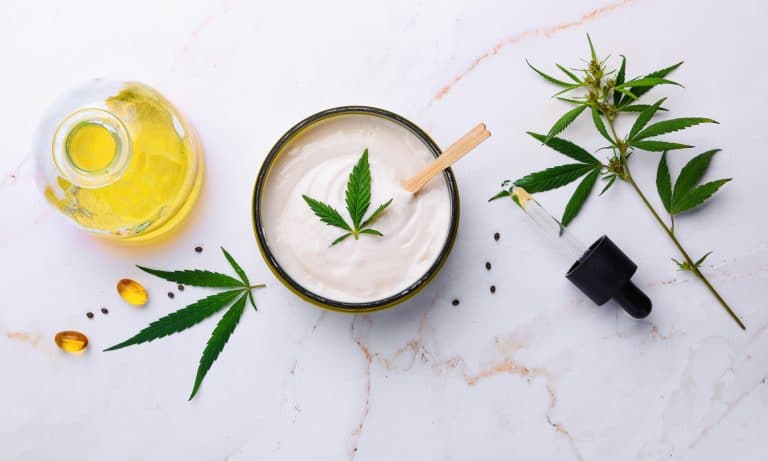
Raw marijuana doesn’t have THC, but this doesn’t mean that the the plant in it’s natural state isn’t healthy or worth trying.
A lot of amateur cannabis users don’t know the details about cooking with cannabis. They might think that adding raw marijuana leaves to their sweets and dishes might produce some sort of effect. Having raw marijuana won’t get you high, but it does have some interesting health benefits.
Consuming raw cannabis has been likened to eating leafy greens. While the plant in this state won’t get you high or produce any psychoactive effects, it might help in preventing diseases, providing vitamins, minerals and cannabinoids. It most likely will taste really bad.
For the THC in the cannabis plant to become effective — providing the high and the sensation of relaxation or creativity — the plant needs to go through decarboxylation. It’s the process many unfortunately skip before eating marijuana (edibles). Decarboxylation occurs when you apply heat to the plant, be that when smoking a joint or when preheating cannabis before adding it in to your edibles.
Photo by FatCamera/Getty Images
In its natural state, cannabis doesn’t have any THC. Instead it has a compound called THCA, which has been linked with anti-inflammatory properties, promotion of brain health, propagation of cells, and even slowing down the growth and spread of cancer cells.
Still, no matter how invested you are in cannabis research, there’s no scientific evidence out there that guarantees that consuming the raw plant will provide the anti-inflammatory properties and other benefits it’s been linked to. By eating the plant you’d get the benefits of eating any other very green and leafy plant.
If you’re interested in eating cannabis and are finding it challenging to find an attractive way of ingesting a raw, prickly and fibrous leaf, there are some options out there. While some try eating the plant in salads or as a garnish in their dishes, some experts recommend juicing. This process takes advantage of the entire cannabis plant, including the leafs, stem and buds, and makes for a much better option than somehow finding a way to make raw leaves taste good.
Cannabis juice contains all of the compounds and properties in the plant and can be shaped according to your tastes. You can mix it with other fruits and veggies, add in some honey for sweetness and end up with something healthy and delicious.
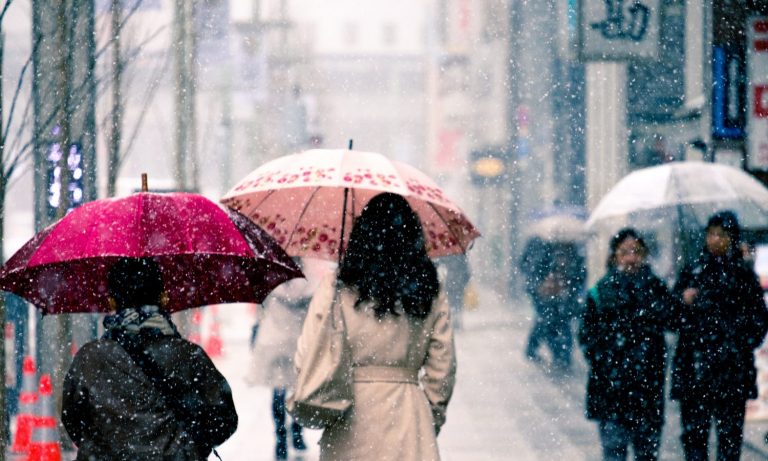
Outdoor spaces made it easier to socialize during the warm summer months. Now that the cold is settling in, what happens next?
Despite all the limitations and inconveniences that the COVID pandemic has resulted in, over the past year, we’ve grown used to the convenient use of outdoor spaces. These outdoor restaurant, bars, beaches and parks have made it safe for people to lead normal lives, being able to socialize with others while keeping a safe distance. The fall and winter months will pose new challenges for all of us, making it more difficult for those who live in places that will soon experience colder temperatures.
The transmission of COVID-19 is more likely when people are indoors and there are less sources of fresh air, facilitating person to person spread. Winter, a time that’s usually spent inside will pose some challenges for those who wish to stay safe. This all is made worse by the fact that we’ve been coping with this pandemic for the better part of a year, meaning that we’re experiencing large amounts of pandemic fatigue; even if people are diligent, it’s more common for there to be slips now than there was before.
Here are some activities you can expect once the fall and winter weather begins to settle in:
While Zoom use has slowed down as the months have passed, at least as it pertains to recreation, you can expect the app to make a comeback in the coming weeks. As outdoor restaurants and bars adapt to the new weather, devising ways of providing effective sources of heat, people will get back to hosting virtual activities with their friends. They might also start expanding their quarantine bubbles in order to hang out with friends and family members while experiencing less stress.
Outdoor winter sports and trips
While outdoor sports and trips always have a good amount of participation, you can expect many people to try new things this winter, like booking Airbnbs and participating in recreational sports. As long as you wear the appropriate protective gear and face mask, enjoying outdoor sports should prove to be as safe as any outdoor activity you’ve done throughout the summer.
Drive-ins have made a sort of comeback this year, with many open lots and movie theaters using these spaces to provide people with a collective movie going experience, even releasing new films in certain areas. While people will have to bring extra blankets and won’t be able to spend much of their time outside of their cars, you can expect these spaces to continue to function and expand to other types of celebrations.
More flu shots
This year, the flu shot is critical. While preventative measures such as social distancing and the use of face masks make it less likely for these types of illnesses to spread, it’s still important to be safe during this time of the year, especially when there’s another illness occupying most of our attention.
Often triggered by stress, new studies are showing that psoriasis can be better managed by diet, oral health, and even CBD.
The National Psoriasis Foundation states that upwards of 8 million people have the auto-immune skin disorder. Often accompanied by arthritis, psoriasis not only causes scaling of the skin, but complications to fingernails as well.
Affecting everyone from children to adults, psoriasis can lead to anxiety and depression, as individuals with the skin disorder are often afraid of being ridiculed. Usually treated with Humira and Enbrel, psoriasis comes with a shocking price tag and complications that are often difficult to ignore.
A 2014 study published in the journal Drugs in Context found that Humira had a price tag upwards of $39,000, while Enbrel’s annual cost was around $46,000. Stelara, the most expensive drug, was found to cost over $53,000. As TNF blockers, while medications like Humira help against psoriasis, they can lower the body’s ability to fight infections and cause serious side effects.
Even more interesting, a September 2019 study in London found that, “A number of medications commonly prescribed by rheumatologists may interact with cannabidiol oil” (CBD oil). The most affected medicines appear to be corticosteroids (including hydrocortisone and prednisolone) since CBD, “is a potent inhibitor of CYP3A.” Put plainly, CBD may block the effects of the other medicine.
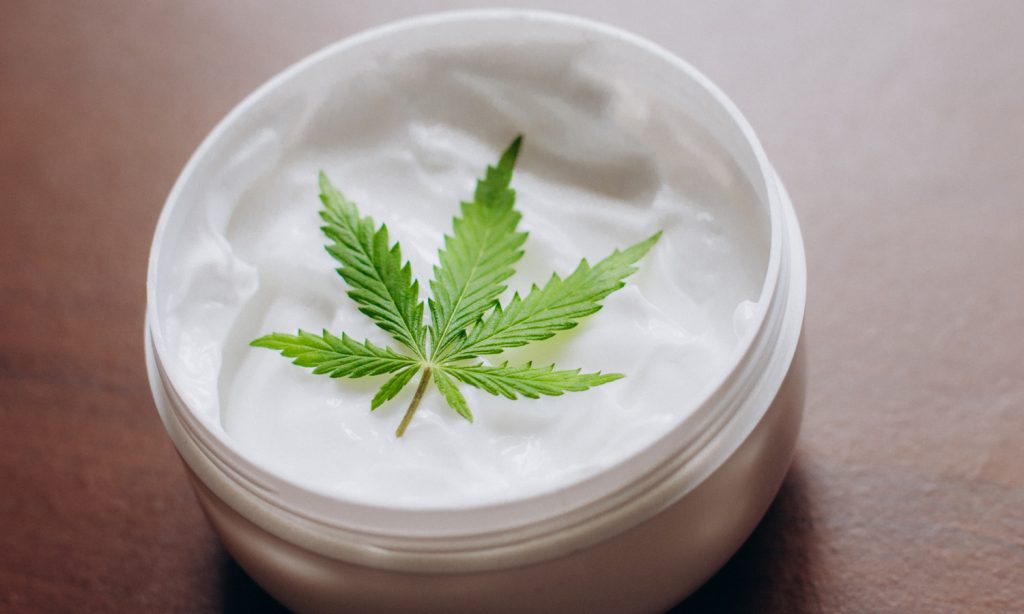
Photo by Aleksandr_Kravtsov/Getty Images
Can CBD alone help psoriasis?
Often triggered by stress, new studies are showing that psoriasis can be better managed by diet, oral health, and even cannabidiol. The National Psoriasis Foundation shared information on a study from the Journal of Dermatological Science showcasing that, “CBD may offer therapeutic value for psoriasis by slowing the overgrowth of certain skin cells.”
A 2016 study published in the journal Current Clinical Pharmacology found similar results, citing that cannabinoids may be a positive addition to treatment for psoriasis. Even better, a 2018 study did a sweeping review of prior research on cannabis’ role within dermatology and found, “cannabinoids have shown some initial promise as a therapy for a variety of skin diseases.” Their only concern was a lack of research in clinical trials, due to the Schedule 1 classification of the drug.
While CBD and cannabis offer pain relief and psoriasis is often accompanied by rheumatoid arthritis, each individual must discuss the addition of any new medicine (including CBD and cannabis) with their care team. With new clinical trials for cannabinoids and psoriasis recruiting even now, promising cures may be on the horizon.
“Let me congratulate the state legislature for making Vermont the 11th state in the country to legalize marijuana and also for expunging past marijuana convictions,” Sanders tweeted.
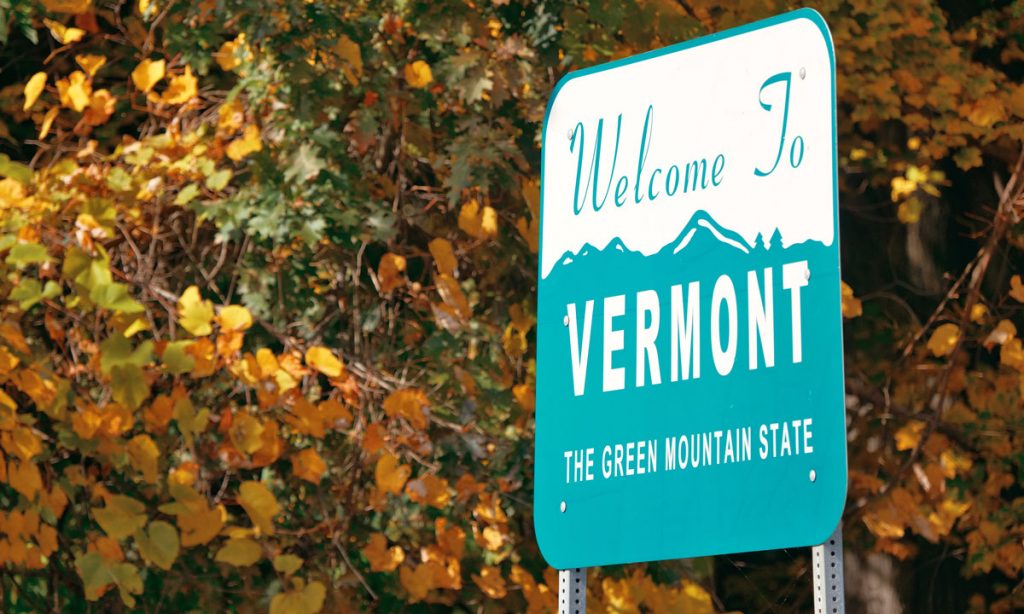
Vermont made history in 2018 by becoming the first state to legalize recreational cannabis through the Legislature. Lawmakers forgot one thing, though — to create a regulated and legal marijuana market in the process.
The state prohibited cannabis sales for the past two years, even though residents could possess and consume the substance without penalty. That changed last week when Vermont Gov. Phil Scott allowed a bill that would legalize recreational cannabis sales without his signature. He also signing separate legislation that would expunge prior marijuana-related records statewide.
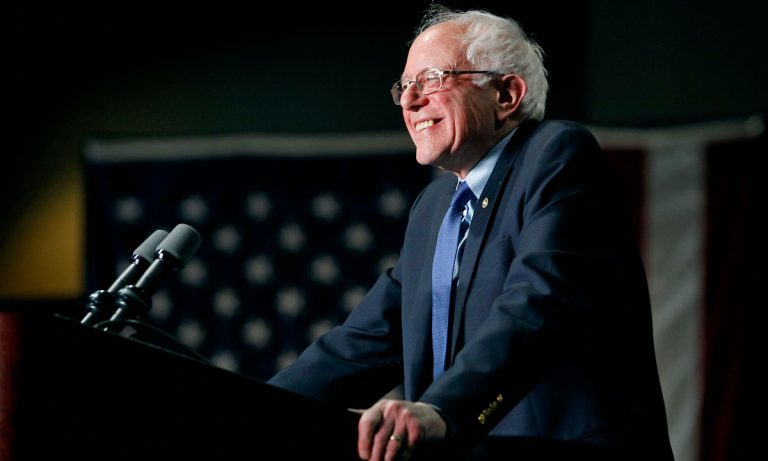
Congratulating his home state was none other than Sen. Bernie Sanders, who was happy Vermont will soon have safe and legal access to cannabis products.
“Let me congratulate the state legislature for making Vermont the 11th state in the country to legalize marijuana and also for expunging past marijuana convictions,” Sanders tweeted.
“Now, it is time for Congress and the federal government to end the war on drugs and legalize marijuana nationwide,” he added.
Let me congratulate the state legislature for making Vermont the 11th state in the country to legalize marijuana and also for expunging past marijuana convictions. Now, it is time for Congress and the federal government to end the war on drugs and legalize marijuana nationwide.
Sanders ardently supported federal cannabis reform throughout his 2020 presidential run, stating in interviews that our current marijuana laws are “insane” and “too many lives are being destroyed.” He said that if elected president, he would have legalized cannabis nationwide his first day in office.
Photo by rabbit75_ist/Getty Images
Since Joe Biden became the Democratic presidential nominee, Sanders has remained an important voice around cannabis issues and policies. When civil unrest broke out this summer following the killings of Breonna Taylor, George Floyd, and other Black Americans, it started a dialogue in this country around police reform. Sanders argued that legalizing cannabis should be part of the conversation.
“State after state have moved to legalize marijuana, and it is time for the federal government to do the same,” he said. “When we talk about police department reform, we must end police officers continuing to arrest, search or jail the people of our country, predominantly people of color, for using marijuana.”
Sanders created a “unity” task force with Biden to decide important policy stances around criminal justice reform, which led to some heated discussions around cannabis. The task force ultimately did not recommend ending marijuana prohibition, in part because Biden supports decriminalization but not legalization.
During the vice presidential debates last week, VP nominee Kamala Harris declared a Biden-Harris administration would prioritize decriminalizing cannabis if elected. It represented the biggest promise made by a national party’s presidential nominee around marijuana reform to date.
Harris said, “We will decriminalize marijuana and we will expunge the records of those who have been convicted of marijuana.”
Disclaimer:The views expressed in this article solely belong to the author and do not necessarily represent those of The Fresh Toast.
According to a Centers for Disease Control and Prevention survey of more than 5,400 people, almost 11% of United States adults reported seriously contemplating suicide in June.
The most stunning moments in my years of involvement in the marijuana legalization movement were when someone told me, “I haven’t tried to kill myself since I started using marijuana.” Can someone talk about cannabis and pandemic stress disorder and suicide?
I am not a doctor, a psychologist, or even a counselor, so I was really unprepared for that. I have had cancer patients tell me that if they had not had a few tokes of marijuana to help them with the extreme nausea from chemotherapy, they would have chosen to die from the cancer rather than endure the hellish side effects from the chemo. The pharmaceutical antiemetics had stopped working.
Even in 1991, “More than 44% of the respondents report recommending the (illegal) use of marijuana for the control of emesis to at least one cancer chemotherapy patient. Almost one half (48%) would prescribe marijuana to some of their patients if it were legal. As a group, respondents considered smoked marijuana to be somewhat more effective than the legally available oral synthetic dronabinol ([THC] Marinol;”
And I have known patients who did kill themselves rather than go to prison and be tortured to death by a regime that would watch them die in pain rather than allow them to use that plant.
According to a Centers for Disease Control and Prevention survey of more than 5,400 people, almost 11% of United States adults reported seriously contemplating suicide in June. That is nearly 220,000,000 people and almost double the percentage who reported that last summer.
Now Psychology Today is reporting that “America Is Facing a Teen Suicide Pandemic”
“In the United States, suicide is the 10th leading cause of death—with more than 2,000 14- to 18-year-olds dying every year by suicide, and accounting for about one of every three injury-related deaths.”
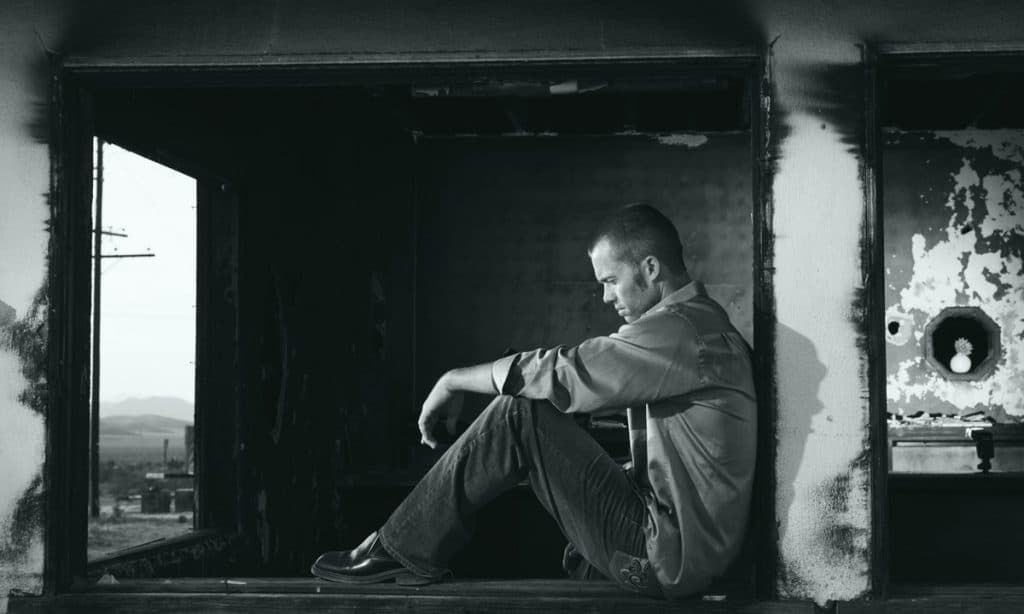
Photo by jim jackson via Pexels
New CDC data reveal that the numbers of students who have considered attempting suicide are even higher for students identifying as female, Black, or non-heterosexual. In addition, about one in six students have made a suicide plan and slightly more than one in 10 have attempted suicide.
Over the past 20 years, teen suicide rates have skyrocketed by over 60 percent, with almost every suicide indicator and student population showing increasing trends.
The study found that the groups with the highest rates of suicide ideation were unpaid caregivers for adults, citing 30% who contemplated it in June.
The other group highly affected was the 18- to 24 age group with 25% reported seriously thinking about suicide in June.
Besides an increase in suicide ideation, the study found that there was also an increase in symptoms of depression and anxiety. The rate of depression symptoms quadrupled in number and anxiety tripled compared to the second quarter of 2019.
About 13% of those surveyed said they increased or started using substances to cope with stress during June. “Substances??”
Let me emphasize that I am not saying that cannabis is the solution to the surge in suicides in the pandemic, but outlawing or even just ignoring it, is certainly counterproductive.
Between 1996 and 2013, the number of benzodiazepines prescribed for adults increased by 67% to 135 million prescriptions per year, and the quantity prescribed per patient more than tripled during that period.
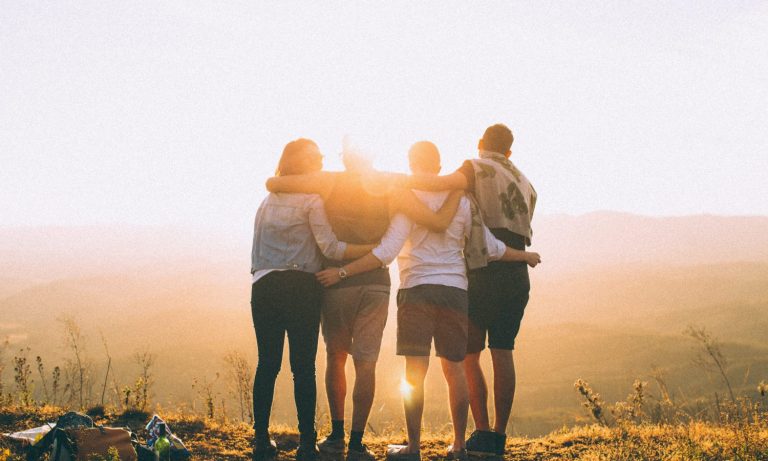
The two of you, plus others in your support network, are a team working to achieve one goal: your well-being.
The decades-long stigmatization of marijuana can make initiating conversations about its use awkward and difficult, particularly with your doctor. Add to that the knowledge — or even a hunch — your doctor may be skeptical about the benefits, raising the topic can be downright intimidating. But it doesn’t have to be. From a doctor, here is how to start talking to your doctor about cannabis.
Your medical doctor is among the most educated and trained professionals you invite into your circle of trust. In addition to four years of undergraduate school, another four years in medical school and three to seven years of residency, being a doctor requires constant continuing education and recertification.
But throughout their education and training, your doctor was taught that natural remedies have limitations, and when the body can’t function on its own, it needs therapies beyond natural remedies to make you better. What’s more, the federal prohibition against cannabis — which has until recently included all forms of CBD — U.S. physicians have not been exposed to a lot of credible research and clinical trials.
In other words, if your doctor is a cannabis skeptic, it’s not entirely their fault. Years of training combined with the law of the land shaped those opinions. But it’s also important to remember that your physician is invested in your health. Long before he or she embarked on the long journey to become a doctor, they likely just wanted to help people. After they put in the long hours at school and hands-on training in residency, they swore an oath to help you. They want a good health outcome for you as much as you do. The two of you, plus others in your support network, are a team working to achieve one goal: your well-being.
If you feel reluctant to discuss the possible benefits you can experience from CBD or cannabis use, here is some advice on how to raise the topic and talk to your doctor.
1. Be your own advocate
If you won’t raise this important question, who will? It’s important for you ask all the questions and present all your ideas to your physician. Helping you manage your health is your doctor’s job, and they want to answer your questions.
2. Do your own research
As I wrote above, your doctor is continuously learning, and a great deal of this education comes directly from their patients. While there may not yet be a great deal of research or clinical trial data at your doctor’s fingertips, there is a tremendous amount of good information on the internet.
As you research, try to match your condition to the data you are finding so that it’s relevant to you specifically. Gather your research and share it with your doctor. This research will help them know you’re serious about trying cannabis as a therapy.
Photo by Free-Photos via Pixabay
3. Engage in a conversation
If your doctor is reluctant to recommend or prescribe cannabis, understand their reasons, because they might have a point. For instance, you might have a condition for which cannabis or CBD isn’t a good therapy.
Sometimes a side effect can be more problematic than the condition being treated. Some jobs test for cannabis use and testing positive can result in being fired. It’s important to understand all your options, and all the ramifications of those options. You don’t want to needlessly put yourself or your job at risk.
4. Discuss what cannabis can treat specifically
While there appears to be a body of anecdotal evidence some conditions have been “cured” or gone into remission from cannabis use, cannabis and CBD can also provide relief from symptoms. Inflammation, which is common in a great many conditions — ranging from a bad cough to autoimmune disorders like Crohn’s disease and multiple sclerosis — is one such symptom CBD has shown to alleviate.
Research shows cannabis and CBD not only can provide therapeutic benefits on its own but can also make drug therapies your doctor prescribes even more efficacious. So, your conversation does not need to be about replacing your current therapy with cannabis or CBD, but rather how to tweak and augment your therapy regimen.
Photo by Dan Dalton/Getty Images
5. Trust your doctor
With all the hype around cannabis and CBD, some will tell you that “cannabis cures” your condition which can give you hope. But this might be a false hope, and you really do need medical advice. Some conditions respond better to cannabis-based therapies than others. Some cannabinoids have side effects, such as THC which makes people feel “high” and can impair motor function and cognition.
Lastly, if you choose to experiment with CBD or cannabis on your own, don’t keep it a secret from your physician. CBD products can be purchased online or in a wide range of stores across the country. You don’t need your doctor to prescribe cannabis to you in legal states, but you still need your doctor to be aware you’re trying it.
Cannabis and CBD are medicines. While the safety profile of cannabis is very large, some therapies are “contraindicated” to cannabis, meaning that if you’re taking one of these other medicines or therapies, cannabis use could at best make that therapy less effective for you, or worse be dangerous to your health.
The closure of gyms during quarantine robbed many people of their motivation to move and stay active. Here are some ways to regain your post-lockdown fitness level.
We’ve talked a lot about pandemic workouts but we’ve neglected to mention how a lot of people have found it difficult to stay active over the past seven months of COVID-19. Data collected by Fitbit found that American adults were 12% less active in March, when stay at home mandates began to roll out than they were in January. Once people stopped going out, their fitness routine dropped to the bottom of their priorities.
Now that gyms are reopening and people are starting to get back to normal, many are trying to get back to their health routines. Health and fitness experts agree that what matters most is to stay safe and to be consistent.
Here are 5 tips that can help you get back in shape after months of lockdown:
Start off slow
After months of leading a sedentary lifestyle, it’s important to be as safe as you can, understanding that your body might not be ready to commit to the workouts you used to complete pre-lockdown. If you were used to running 5 miles or so, try out shorter distances at a slower pace. Use an app like Runkeeper or Nike Run Club to keep track of your progress and notice your improvement.
It’s never a good idea to skip out on warmups and stretches. These activities become more important if your body has lost strength and training. Add in warm ups and stretches to your routines, setting apart the time for them. Buy foam rollers, mats and appropriate gear, anything that motivates you to stretch thoroughly.
Progressively push yourself
In order to get back to your previous form or to be able to run or bike faster, you’ll have to make it a goal to push yourself. It’s easy for our brains to shut off mid-workout, something that’s great for stress relief but that makes it difficult for us to push ourselves further. Use a tracking app or some form of keeping tabs on your progress, with each week challenging yourself to new objectives. You’ll notice these changes in your body and in your enjoyment in these activities.
Your body will lose muscle mass if you stop working out. Strong muscles help prevent injuries and allow you to work out with more success, so spend some time doing basic body weight exercises like squats, lunges and planks, which are effective and quick. They also can be completed anywhere, without the need of any equipment.
Expect some pain at first
If you’ve been on a long break, the first time you go back to your work outs your body will feel it, especially a day or two later. Hydrate and make sure to eat well in order to recover properly. If you feel sharp pain in the middle of a work out, pace yourself and tone down your efforts. An injury could result in complications and an even longer break from your fitness.
With recreational sales growing from $9.8 million in January to $65.5 million by August, there’s no questioning Michigan’s potential.
In December of 2019, Michigan became the tenth state in the U.S. to legalize adult-use cannabis. All eyes on Michigan as state’s new cannabis market booms! Less than a year in, it’s already outpaced Nevada to become the fifth highest-grossing state for cannabis sales and is on track to surpass $1 billion in sales, according to data from Headset. All eyes on Michigan as state’s new cannabis market booms!
In addition to its fast-growing new adult-use market, Michigan’s medical market is ranked #2 in the country, second only to California. Now, all eyes are on The Great Lake State as cannabis operators and investors across the U.S. seek to claim their share of this high-potential market.
A Strong Medical Market Paved the Way
Though Michigan’s recreational market is still less than a year old, medical cannabis has been legal in the state since 2008.
“Michigan has historically boasted the second-largest medical cannabis program in the country, and therefore, the adult-use market has a phenomenal base of consumers to grow from,” explains Fabian Monaco, President of Gage Cannabis Co, a Michigan-based cultivator and dispensary operator.
“Because of this, adult-use sales are now experiencing exponential growth, along with the fact that the state has 7.3 million adults over the age of 21, with a total population of 9.9 million,” adds Monaco.
By continuing to serve both medical and recreational markets–a move not always followed by other states–Michigan reaches a maximum potential consumer base.
Michigan Consumers Are Top-Spenders
Perhaps the biggest standout finding was the amount Michigan consumers were willing to spend on cannabis. Headset data shows the average basket size in Michigan is $84.58, a notable increase from California’s average purchase amount of $64.13. This data puts Michigan consumers at the top of the food chain, spending-wise, and is especially attractive to cannabis brands that offer premium products at higher price points.
Gage Cannabis, which has exclusive cultivation and distribution rights to premium brands like Cookies, Grandiflora, and Minntz, currently operates just 1% of Michigan’s medical dispensaries but has commanded 10% of the state’s medical market share.
Monaco attributes this to Michigan consumers’ apparent preference for high-quality brands, and a willingness to spend more on their purchases. Despite plenty of competition and lower-priced options, Gage continues to command premium pricing on its flower products.
“The average basket size of a Gage customer has been $175 for five straight months, which are industry-leading numbers to say the least,” Monaco underscores.
Photo by nattrass/Getty Images
The Pandemic Only Boosted Business
With the onset of the pandemic, many retail businesses were forced to close, but the state’s newly-legalized cannabis industry was considered essential and allowed to remain open–with a few precautions.
“Delivery saw incredible adoption in the wake of the COVID-19 pandemic,” says Meredith Mahoney, president of Lantern cannabis delivery platform. Despite the fact that Lantern was brand-new to the Michigan market, the pandemic created a demand, and her technology was able to step in and fill it.
“Curbside pickup or delivery were the only ways to purchase, with delivery being the much easier and more convenient way to shop, and this accelerated our progress,” says Mahoney.
Consumers Come to Michigan from Out of State
Michigan’s unique geographical location also brings in consumers from neighboring states, some of which only allow medical purchases or none at all. Monaco notes that “Consumers travel to our stores from nearby states such as New York, Ohio, and Indiana, among others.”
Though he says Gage will remain a single-state operator in Michigan, he has an “aggressive” expansion plan beyond his five current retail locations to meet the current demand. “We are preparing to open an additional eight locations within the next six months in new markets including Battle Creek, Kalamazoo, Bay City, Buena Vista, Center Line, Grand Rapids, and Lenox Township,” he says.
More Firsts and More Expansion Ahead
With recreational sales growing from $9.8 million in January to $65.5 million by August, according to Headset, there’s no questioning Michigan’s potential. Brands operating within the state are expanding their services to keep up with the Michigan consumer’s appetite.
Mahoney plans to launch on-demand cannabis delivery next: “Lantern will be the first on-demand cannabis e-commerce platform operating in Michigan that enables recreational cannabis delivery into Detroit in 60 minutes or less from when an order is placed,” she says. After teaming up with local dispensary 3Fifteen for its launch, Lantern will now broaden its network of dispensary partners to expand its service across the state.
Joe Crouthers, CEO of investment firm Ceres Group Holdings, agrees that more industry leaders are likely to follow suit. “Michigan is a big contributor to the cannabis industry’s momentum. They have explosive growth from their new recreational market, a friendly state government with progressive regulation, diverse (canna-educated) consumer mix, and a platform for well-established brands to expand,” he says.
And while he cautions investors with some general advice, “To maintain tempered valuations, achievable forecasts, and prudent cash flow management,” one thing is clear: “The state certainly warrants our attention.”
Here’s how physical distance from friends and family could be affecting you — and what you can do about it.
No matter how lax people are with their COVID safety measures, casual touching has been derailed. From handshakes to hugs, everyday touches have been radically reduced, even becoming a source of stress for some. This can cause mental health issues, from increased odds of depression to a higher likelihood of suffering anxiety.
By far the type of touch that people are missing the most is hugs. While we don’t tend to hug strangers on the street, we do hug our friends and family members, especially during reunions or special occasions.
Touch deprivation affects people differently and it matters whether they’re huggers or not. “Some people may feel it within a week, others may never feel it at all,” psychiatrist Dr. Neel Burton told the New York Times. “No doubt the thought that you cannot hypothetically access touch — for example, by seeing a friend, or booking a massage — makes the craving worse than it would otherwise be.”
Photo by Ketut Subiyanto via Pexels
Coping with touch deprivation depends on our situation. While some of us are living alone, others are living with roommates, partners or family. Those who have companions should make the most out of their situations, reaching out for hugs when they need them most. If someone’s been alone and feels lonely and like they need some support, weighted blankets are a good option and also “moving the skin.” This expression refers to “moving your skin forcefully enough to cause indentations and hit the pressure receptors.” Scalp massages, brushing your body in the bath and doing some abdominal crunches can trigger this sensation and give your body that feeling it’s been craving.
For other ways of treating your loneliness, it’s important to analyze each person’s situation. Measure your level of risk and willingness to expose yourself to the virus; make a plan with some friends to hang out, distanced but without wearing any masks. Create pods with people you trust.
The pandemic is ongoing until further notice, and its physical and mental effects are very real. While you may think that your loneliness is just a symptom of what the world is going through, you should still monitor what you feel and act quickly if you are not doing well.