Monday, June 15, 2026
Home Blog Page 479

How Brett Favre Went From Vicodin Addict To CBD Advocate

The Gunslinger shares a personal story that’s all too familiar in the NFL: A football warrior overcoming pain with addictive substances only to face a tougher battle off the field than on it.

Brett Favre knows about pain. More than most rational humans, he knows about physical pain. The injuries he accumulated throughout his football career should astound you: torn bicep, broken thumb, concussions, elbow tendonitis, bone spurs in his ankles, severe sprains in multiple limbs, to name a few. In 1995, Pittsburgh Steeler defenders hit him so hard, Favre rushed to the sideline and coughed up blood. He returned the next play, threw a touchdown, and the Green Bay Packers won the game. In a fresh chapter, here is how Brett Favre went from Vicodin addict to CBD advocate.

Sportswriters and announcers couldn’t resist mythologizing him for all that pain. Gutsy, tough, The Gunslinger, as he was called. But Favre also knows how addiction can feed on that type of pain. He battled addictions to alcohol and painkillers while at the peak of his career as a quarterback. At his worst, he downed 15 Vicodin ES pills per night, asking teammates for their subscription allotments to feed his needs. That landed him in rehab for 75 days before the 1996 football season. “I actually got out like two, three days before the start of training camp and we ended up winning the Super Bowl,” Favre told me. “And I’ve never taken a pain pill since.”

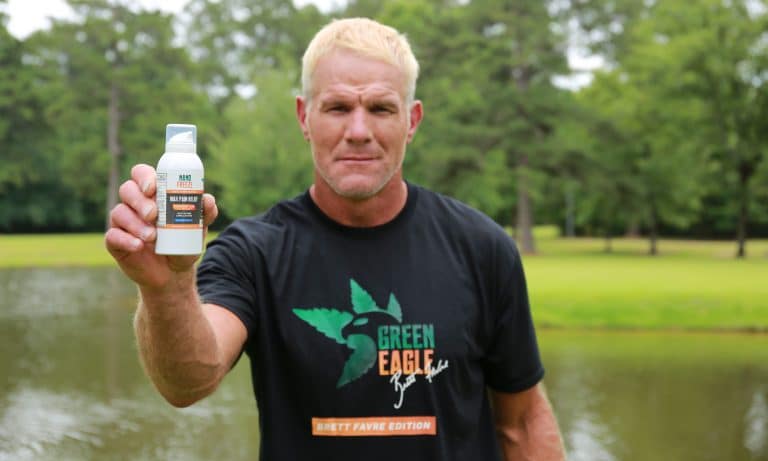
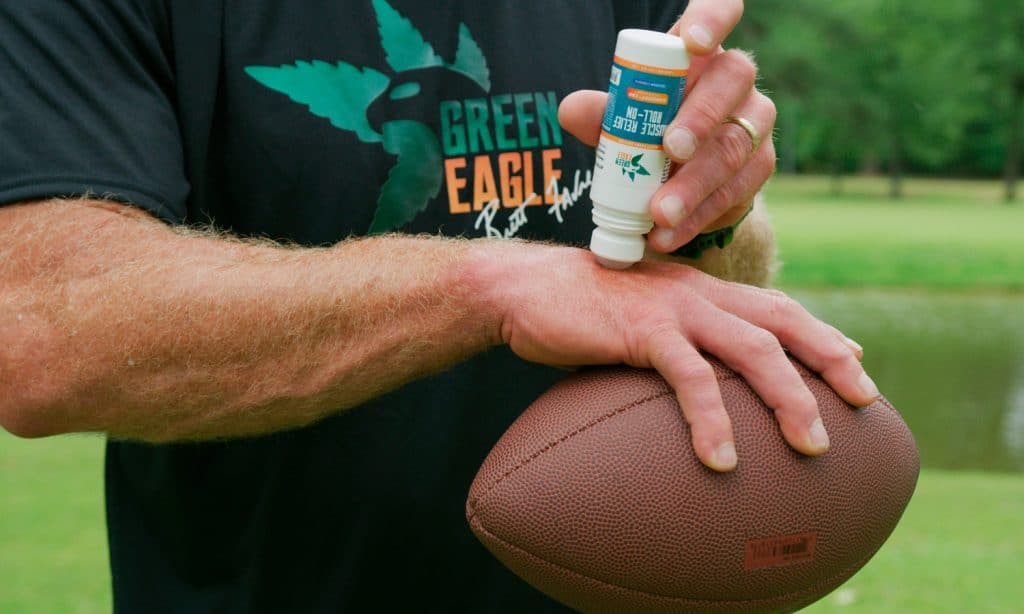
Like former athletes before him, Favre has turned to cannabidiol, or CBD, to alleviate lingering pain from pro-sports. He still experiences tendonitis in his throwing elbow and is more active than a typical 50-year-old, biking 120-140 miles a week and training for half-marathons. Initially apprehensive to try CBD, he’s since become the brand ambassador for Green Eagle, which crafts a number of hemp-infused relief creams, roll-on sticks, salves, and other products. When Green Eagle CEO and founder Joseph Smadja met Favre about joining the company, the former quarterback agreed on some conditions — he first wanted to educate people what CBD was and he wanted to share his story.

RELATED: Is Marijuana The Next Recovery Revolution For Pro Athletes?

The first time Brett Favre took Vicodin was in 1992. Green Bay was playing the Philadelphia Eagles in Milwaukee County Stadium, back when the Packers played a couple home games there each year. It was Favre’s seventh start as a quarterback. In the first quarter, he faked a handoff and threw a simple wheel route to teammate Harry Sidney as the pocket collapsed around him. The consequence of that pass was the worst a quarterback could suffer in the 1990s — corporal punishment from Eagles defensive end Reggie White.

White, nicknamed The Minister of Defense and considered the all-time best defensive end by some, walloped Favre’s left shoulder into the ground with all his weight and all of Favre’s weight. White, for context, weighed over 300 pounds. After the play, the announcers thought Favre had injured his ribs the way he held his arm against his stomach. They were wrong. Favre had suffered a third-degree shoulder separation. “Third-degree separation, just to give people an idea, is the worst,” said Favre. “It only goes up to three.”

Favre received a Toradol injection with a numbing agent at halftime. Perhaps the strongest non-steroidal anti-inflammatory available on the market, Toradol was specifically designed to relieve post-operative pain. Studies have compared its effects to morphine and the drug feels like a wave of armor crashing over you, former offensive lineman and cannabis advocate Eben Britton once told me. But NFL teams have abused the drug for decades to keep players on the field, with players often forming a “T Train” before games to receive their Toradol shots, according to former tackle Eugene Monroe.
Brett Favre: From Vicodin Addiction To CBD Advocate
Photo courtesy of Green Eagle

Toradol kept Favre on the field that day. He led the Packers to a dramatic 27-24 victory with CBS announcer James Brown saying “hats off, great courage” about the first of those heroic performances for which Favre would become known. But the Toradol wore off when Favre and the Packers rode the bus back home. Without the numbing agent, all the pain returned. Favre, despite his gauntlet of withstanding injuries, rates it among the worst pain he felt in his career. “So of course they gave me pain pills,” he said.

Taking those pills felt euphoric. That’s the word he uses — “euphoric.” Favre loved the sensation coursing through his body, even with his shoulder wrapped up and limp by his side. “[My shoulder] felt like when you squeeze a bag of popcorn,” he said. “You could feel stuff crackling and swishing around — but it didn’t hurt. That was the beginning of the end of my addiction process.”

RELATED: The Future of Marijuana Testing In College Sports

Most pain pills knock people out cold. Vicodin produced the opposite effect for Favre. He fell asleep naturally before 10 p.m. usually but now he transformed into a night owl. He could simply get more stuff done and loved it. Study opposing defenses more, work around the house, you name it.

He would pop one Vicodin per night, then he developed a tolerance, so he swallowed two pills per night. Then four. Then 10. Then eventually 15 Vicodin. Favre thought he had it under control. His secret was safe and hidden. But everyone around him knew what was going on. “You know, at 21, 22, 23, 25 you’re mischievous,” he said. “You almost think you’re getting away with something rather than what is this doing to me and where am I going? Where is it leading?”

“I was in a way over my head taking 15 a night,” he adds. “If I took that right now, I’d probably die. And you as well.”

Favre ultimately entered rehab three times — once for binge drinking and twice primarily for pills. He started 297 consecutive NFL games, a streak never to be broken, and the closest he came to taking pain medication was Motrin or aspirin. It’s the gutsiest act of his storied career.

He doesn’t pitch CBD as a cure-all godsend, as you sometimes hear it marketed. Limitations exist to its therapeutic value, he said, like when someone has a torn ACL or third-degree shoulder separation. He would know. But for the aches and pains every NFL players endures, it works. Rob Gronkowski, Ricky Williams, Monroe, Britton and other former athletes have all endorsed the benefits of CBD.

The latest Collective Bargaining Agreement (CBA) between owners and players didn’t permit current players using cannabinoids to relieve pain and inflammation. “CBD is a promising compound, but the extent of its use in the United States outpaces the level of evidence,” stated a white paper from a pain management committee formed between the NFL and its Players Union. But the latest CBA saw the league drastically loosen its cannabis policies. Players can no longer be suspended for positive marijuana tests, and will only receive tests for the drug during the first two weeks in training camp. Previously, random testing occurred between April and August.

Favre can’t give you an exact answer about the NFL’s resistance to CBD, but compares it to “kind of like convincing your parents that something nowadays is cool,” he said. “No one wears socks up to their knees anymore, Dad. We wear footies…you know what I’m saying?”

RELATED: Why The NFL’s New Marijuana Policy Isn’t A Total Win For Players

To be fair, Favre resisted CBD because he confused it with regular cannabis, fearing it would get him high. He’s since educated himself and believes there’s “a lot of upside with this plant, certainly from a healing standpoint.” Now he wants to educate those who aren’t sure what benefits CBD holds or those who won’t take anything they fear will cause them addiction. Because he understands their fears and wishes someone had given him alternatives like CBD, which he calls “safe,” as an NFL quarterback. He would go back now and tell himself that if he could.

“What I would’ve told my younger and more confident self is to be very, very cautious with anything that has the potential to cause addiction,” said Favre. “Try the alternative methods first. There are alternatives, obviously CBD being one of them, that are not going to give you an addiction or increase your addiction. And I think it really works.”

Elephant Receives CBD Oil To Cope With Anxiety and Stress

0

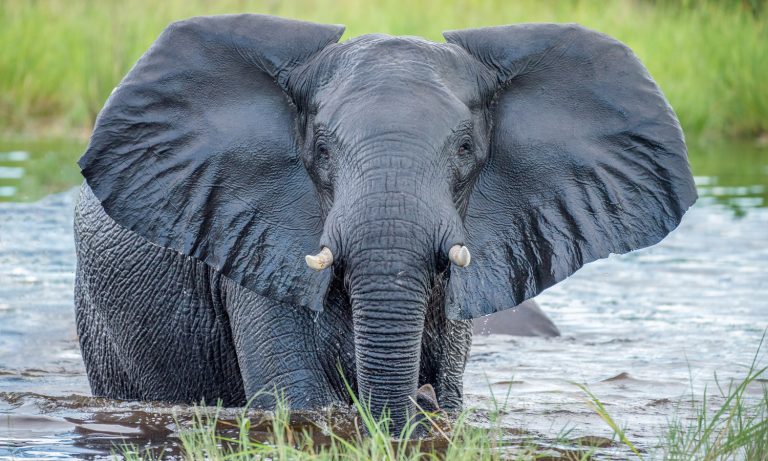
A stressed out elephant in Poland has been given the compound to help her deal with the death of a loved one.

Anxiety and stress have reached news highs for many amid the global coronavirus pandemic, and that includes a young female African elephant at the Warsaw Zoo in Poland named Fredzia. The turmoil she has faced this year presented an opportunity for scientists to experiment what effect CBD products could have on zoo animals.

Four elephants resided at the Warsaw Zoo until March when the largest female and elder of the herd, Erna, passed away. This caused a period of grief in Fredzie, not unlike what you might experience following the death of someone you love.

“When Erna passed away, everything changed,” Dr Agnieszka Czujkowska, the Warsaw Zoo’s head of Animal Rehabilitation, told the BBC. “I don’t think Fredzia was ready for such a big change.”

RELATED: The Truth About CBD For Your Pets

When the structure of their group changes, elephants undergo behavior changes that can lead to acting out and disharmonious moments. Months and years can pass before an elephant bonds with a new elder. This transformation shift can cause spikes in stress and anxiety, like it has for Fredzia.

Selfie With Elephant
Photo by sasint via Pixabay

Cortisol levels spike when animals experience stress, so scientists took samples of Fredzia’s blood, saliva, and feces to attain baseline measurements in cortisol. They will then administer CBD to Fredzia and monitor whether those cortisol subsequently drop in response to the cannaiboids. The oil given to Fredzia won’t contain any THC, the psychoactive element in cannabis.

RELATED: 5 Ways To Incorporate Effective CBD Products Into Your Everyday Life

“It’s not very potent. The only side effect will be some behavioural changes,” Dr Czujkowska said. “We will have to manage these to achieve the results we want.”

The experiment won’t be completed for two years, but zookeepers expect to expand the experiment to include rhinos and bears. This isn’t the only experiment focused on how CBD impacts animal behavior. Earlier this year Texas A&M University researchers announced they were testing the effect CBD had on horses dealing with anxiety and arthritis.

Zoom Outage Triggers A Lot Of Porn Viewing

0

When there’s a Zoom outage, people turn to Pornhub. Who’s surprised?

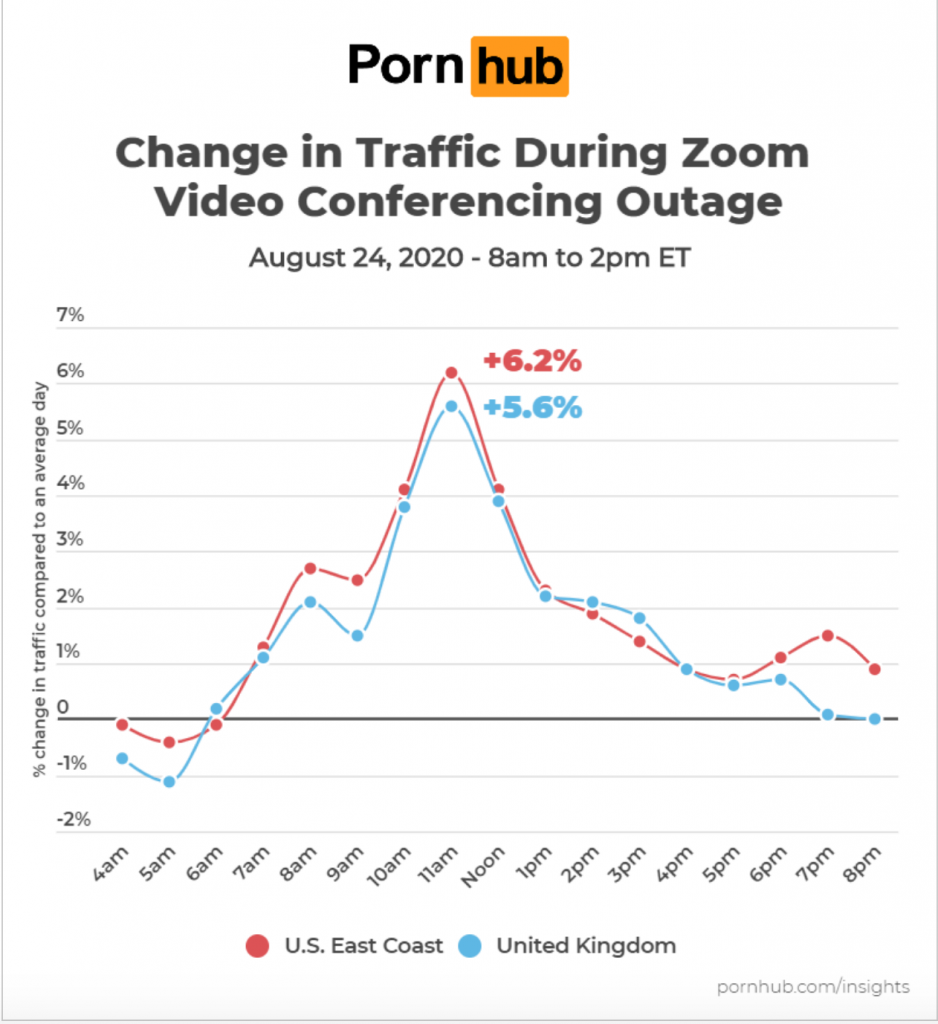
Zoom, perhaps the most utilized app throughout this pandemic, experienced a six hour outage on Monday morning. Although the bug wasn’t widely reported and is nothing noteworthy, it did affect people all over the globe, particularly throughout the U.K. and  eastern coast of the United States.

According to Pornhub statistics, instead of using other apps to communicate with coworkers, friends and family, Zoom users utilized this time to watch porn.

RELATED: Pornhub Premium Is Free For Everyone Thanks To Coronavirus

During the outage, Pornhub traffic across the U.K. increased by 5.6% and U.S. traffic increased by 6.2%. While these numbers don’t sound like that big of a deal, in total, these two countries constitute almost half of Pornhub’s daily traffic, which adds up to a significant amount of clicks for the site.

Pornhub To Caption Adult Videos For Those With Hearing Loss
Photo by Ethan Miller/Staff/Getty Images

“To calculate traffic increases, our statisticians compare the average level of traffic from the same hours of the day, and day of week over the preceding 3 weeks,” reports Pornhub.

RELATED: Pornhub Makes The First Porn Film That Focuses On Pollution

These stats aren’t a rarity. In fact, outages on other social media apps tend to also trigger a spike in Pornhub traffic. In 2019, when Facebook and Instagram were down, Pornhub experienced a 19% traffic increase.

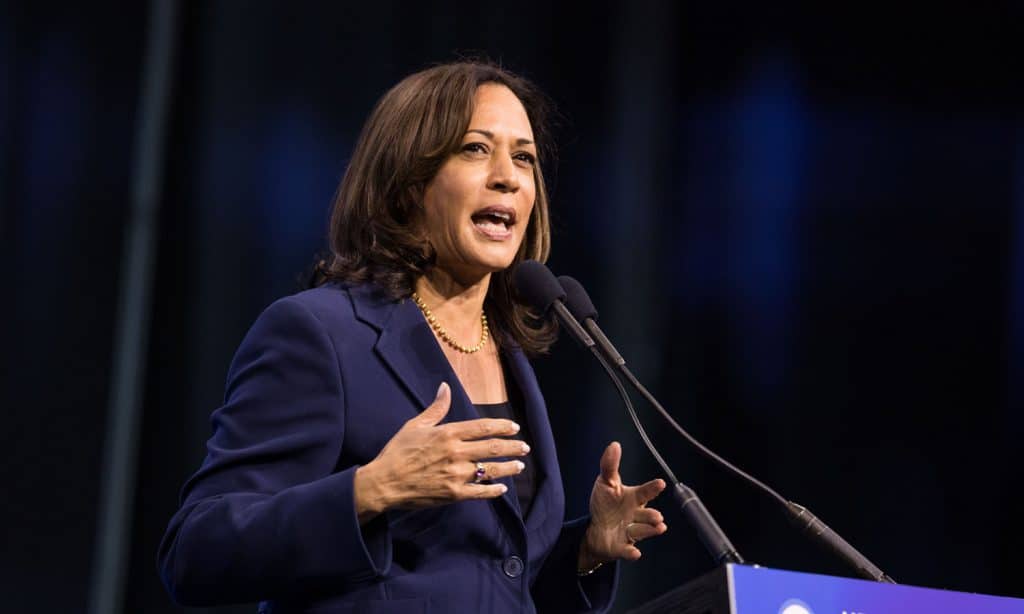
Kamala Harris Vs. Rudy Giuliani: Who Was Worse On Marijuana?

Giuliani sparked the match that lit a bonfire while Harris has used her power to put out whatever flames she caused. You decide who was a bigger opponent to cannabis.

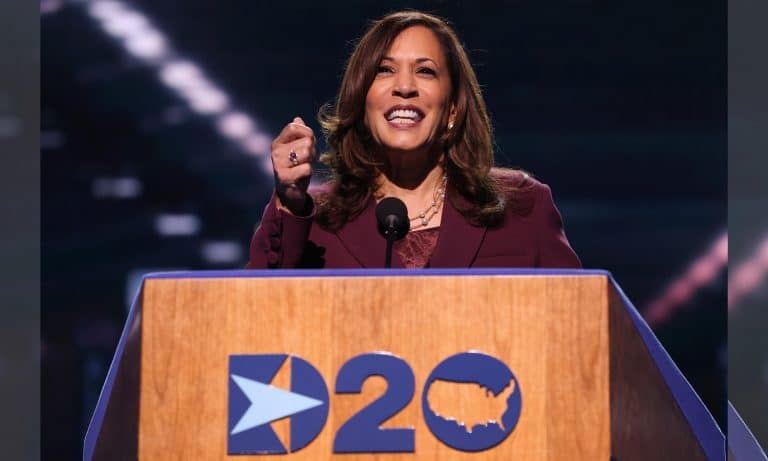
Since Joe Biden announced Kamala Harris as his presidential running mate, opposition that includes notable Trump advisors have attacked her complicated cannabis history. Few have denounced her marijuana record more repeatedly or more vociferously than former New York City Mayor Rudy Giuliani.

This is curious. Describing Giuliani as cannabis friendly is like calling great white sharks cute and cuddly. Still Giuliani has eagerly accepted the attack dog role on cannabis against Harris. He is determined to make this a thing.

But who was a harsher Drug War advocate and who caused more damage pursuing cannabis arrests: Rudy Giuliani or Kamala Harris? We ran a number crunch to find out.

Rudy Giuliani

According to Giuliani, he and his “get-tough” policies saved New York City from itself. He “brought down crime more than anyone in this country — maybe in the history of this country — while I was mayor of NYC,” the former mayor proclaimed at the 2007 GOP presidential debates in Orlando.

City crime rates did decline substantially during the 1990s when Giuliani was mayor. Violent crimes dropped by more than 56% in New York and property crime fell by 65% as well, the National Bureau for Economic Research reports. Nationally, violent crime only lowered 28% and property crime by 26% in the same timeframe.

Giuliani ascribes his success to “broken windows” policing, which believes that by aggressively pursuing low-level disorder and misdemeanors, it will limit the number of larger infraction and crimes possible. “Obviously murder and graffiti are two vastly different crimes. But they are part of the same continuum, and a climate that tolerates one is more likely to tolerate the other,” Giuliani said at 1998 press conference.

RELATED: Minorities Accounted For 90% Of New York Marijuana Arrests

Later research has drastically questioned what role “broken windows” policing played in lowering crime in New York, if at all. Instead, what we know is that Giuliani’s policies led to dramatic increases for marijuana arrests, which disproportionally affected Black residents. A 2007 paper co-authored by Bernard E. Harcourt, a political scientist, and Jens Ludwig, an economist, reported that misdemeanor arrests for publicly smoking cannabis per precinct jumped from 10 per year to 644 annually between 1993 to 2000. In 2000 alone, NYPD arrested more than 51,000 people for cannabis-related offenses.

Black Americans were more than 50% of those cannabis arrests, though they only represented around 25% of the population. If arrested for cannabis, convictions were twice as likely for Black suspects than white ones.

The paper’s authors argue there is “no good evidence” any of this was “associated with reductions in serious violent or property crimes in the city. As a result, New York City’s marijuana policing strategy seems likely to simply divert scarce police resources away from more effective approaches that research suggests are capable of reducing real crime…. If anything, it has had the reverse effect.”

kamala harris just got series about marijuana reform
Photo by Scott Eisen/Stringer/Getty Images

Kamala Harris

Here’s how Giuliani responded the day Harris became the Democratic vice presidential candidate:

“She went after 1,500 marijuana smokers — marijuana smokers, not people selling it — smokers. And then when she was asked if she smoked marijuana, she went ‘ha ha ha ha yea.’ Tell me this isn’t a horrible person,” Giuliani said while mocking someone puffing a joint.

“All the politicians in San Francisco, all of [former Mayor] Willie Brown’s friends, they went free, but she went after marijuana smokers,” Giuliani added. “Tell me this isn’t a horrible person.”

RELATED: Kamala Harris Will Help With Cannabis Reform (And That’s Good Enough For Me)

Until Harris entered the U.S. Senate, she opposed cannabis reform. In 2010, she co-authored a voter guide arguing against a recreational marijuana legalization initiative, calling it “flawed public policy.” Four years later, Harris laughed in a reporter’s face when asked about legalizing recreational cannabis in California. A 2019 Washington Free Beacon investigation reported that as California Attorney General, Harris sent 1,560 people to state prisons for cannabis offenses between 2011-16.

As a Senator, she has frequently called for decriminalizing cannabis nationwide and sponsored important reform bills like the MORE Act and Marijuana Justice Act. She labeled the “whole war on drugs […] a complete failure” and called for federally legalizing cannabis during her 2020 presidential candidacy.

Since joining the Biden campaign, she told ABC News that under their Administration there will be a “policy that is going to be about decriminalizing marijuana.” On the other hand, a federal grand jury indicted Giuliani associates last year for allegedly bribing state politicians in reward for retail cannabis licenses.

Who was worse?

Giuliani’s policing approach eventually led to what the New York Civil Liberties Union described as “The Marijuana Arrest Crusade in New York City.” Between 1997 to 2006, there were 353,000 cannabis possession arrests in New York. In the two decades prior, there was a combined 60,000 such arrests.

While Giuliani isn’t entirely to blame for those total figures, he sparked the match that lit the bonfire. In 2010, NYPD made 50,300 arrests for marijuana possession. New York spent $75 million pursuing marijuana arrests and jailing mostly young people in 2010, according to Drug Policy Alliance figures. Between 1997 and 2010, New York’s cannabis policing cost taxpayers $500 million to over $1 billion, the organization calculates, as NYPD made over 530,000 marijuana possession arrests in those years.

All that is part of Giuliani’s “broken windows” policing legacy.

Harris, while wrong as a California prosecutor, has since used her power to put out whatever flames she caused and many others. You decide which politician is hypocritical and which is not.

These Google Queries Set A Record High During Peak Pandemic

A news study shows that COVID-19 prompted many to turn to Google for some self-diagnosis during lockdown.

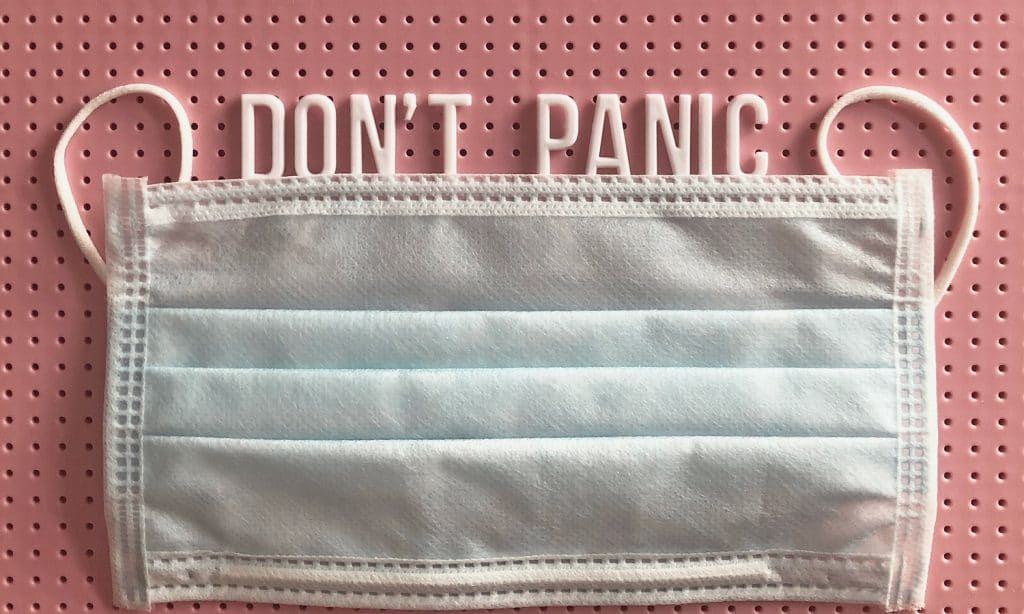
Mental health has been one of this year’s most popular topics, for an abundance of reasons. The pandemic, the fact that it’s an election year, global warming and the overall state of the world are topics that affect even the most laidback of folks. These events have triggered a lot of mental health fluctuations, from anxiety and depression to thousands of people Googling the symptoms of panic attacks.

A new study, published in JAMA Internal Medicine, says that there was a record high number of Google searches for panic and anxiety attacks during the peak of the pandemic. These conditions are known for the ways in which they trigger instant “fight or flight” responses in our bodies, making people feel like they’re having a stare off with a wild bear instead of simply reading emails in their house, which is what they’re most likely doing. These panic and anxiety spikes produce physical responses, triggering uncomfortable symptoms like rapid breathing, increased heart rate, sweating and more.

RELATED: 5 Coronavirus Testing Myths You Should Know

The study reports that some of the most popular queries entered in Google were “am I having a panic attack,” “signs of having a panic attack,” and “anxiety attack symptoms.”

'Panic Attack' Searches Spiked During The Pandemic
Photo by Tonik via Unsplash

Searches peaked when national guidelines were rolled out in the U.S. between March 16 and April 14. There was a similar trend globally, with people searching for panic and anxiety attacks during the months when COVID-19 was declared a pandemic.

RELATED: Can Marijuana Help Ease Coronavirus Anxiety?

The Huffington Post spoke with psychotherapist Joshua Fletcher, who also claims he saw a spike in COVID-19 related questions from clients. He says that more questions came when lockdown measures were lifted compared to when they were enforced. People became more anxious as  people “didn’t have the rigid guidelines to fall back on,” he said, telling HuffPo he’d get as many as 40 queries a week in April and May compared to the 5-10 he’d get pre-lockdown.

Panic attacks are not all that common, usually affecting people once or twice in their lives, making it unlikely that everyone who’s Googling symptoms is experiencing actual panic or anxiety attacks. Still, the rise of mental health issues during the pandemic is one that should be kept under close surveillance. Perhaps for many years to come.

DEA’ s Rule On Hemp-Derived Cannabinoids Is Bad

The DEA’s rule could have a major chilling effect on the Hemp CBD industry or the fast-growing delta-8 THC market.

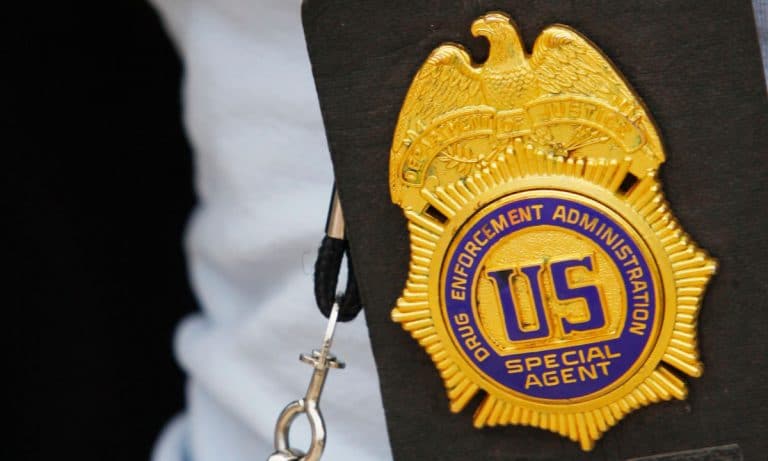
On August 20, 2020, the Drug Enforcement Administration (DEA) issued an interim rule on hemp, hemp-derived CBD (Hemp CBD) and other hemp-derived cannabinoids. Frankly, the DEA’s interim rule on hemp-derived cannabinoids is bad for the industry.

According to the DEA, “[t]he interim final rule merely conforms DEA’s regulations to the statutory amendments to the [Controlled Substances Act (CSA)] that have already taken effect, and it does not add additional requirements to the regulations.”

If you’re in the hemp derivative business, trust the DEA at your own peril. While it is true that the 2018 Farm Bill did legalize hemp, hemp derivatives, hemp extracts, and cannabinoids in hemp, it did not explicitly cover hemp processing. I recently wrote about this regulatory gap and you can see it on an infographic here.

The regulatory gap that skips over hemp processing is relevant to understand the danger of the DEA’s interim rule and how it is inconsistent with the 2018 Farm Bill.

RELATED: It’s Time To Disband The DEA

The 2018 Farm Bill defines hemp as the plant Cannabis Sativa L. with a delta-9 THC concentration of not more than 0.3 percent on a dry weight basis. The 2018 Farm Bill also defines hemp to include all derivatives, extracts, and cannabinoids of hemp. It is undeniable that the hemp plant and hemp derivatives, extracts, and cannabinoids are no longer controlled substances. It would then logically follow that it is legal to process the hemp plant into legal derivatives, extracts, and cannabinoids. The DEA’s interim rule however, does not take that into account.

Here is the dangerous language from the DEA’s interim rule:

[The 2018 Farm Bill limits] the definition of marihuana to only include cannabis or cannabis-derived material that contain more than 0.3% delta-9-tetrahydrocannabinol (also known as Δ9-THC) on a dry weight basis. Thus, to fall within the current CSA definition of  marihuana, cannabis and cannabis-derived material must both fall within the pre-[2018 Farm Bill] CSA definition of marihuana and contain more than 0.3 percent Δ9-THC on a dry weight basis. Pursuant to the [2018 Farm Bill], unless specifically controlled elsewhere under the CSA, any material previously controlled under Controlled Substance Code Number 7360 (marihuana) or under Controlled Substance Code Number 7350 (marihuana extract), that contains 0.3% or less of Δ9-THC on a dry weight basis—i.e., “hemp” as that term defined under the [2018 Farm Bill]—is not controlled. Conversely, any such material that contains greater than 0.3% of Δ9-THC on a dry weight basis remains controlled in schedule I.

In order to extract cannabinoids from hemp, hemp plant material must go through an extraction process. This extraction process almost certainly results in a temporary increase in Delta-9 THC. As cannabinoids are isolated it is nearly impossible to control the levels of delta-9 THC from increasing through that process. This means that under the DEA’s interim rule, the processor would be in possession of a schedule I substance, even if the processor dilutes the end product down to the requisite level of 0.3% delta-9 THC or destroys any delta-9 THC by product.

dont get too excited about hemp mania and cbd just yet
Photo by Nastasic/Getty Images

To be clear, the DEA is not just saying that an end product cannot contain more than 0.3% delta-9 THC. It takes a bad-faith reading of the 2018 Farm Bill to assert that delta-9 THC-rich products derived from hemp are no longer controlled substances. For example, if a processor extracted delta-9 THC from hemp and sold it as a delta-9 THC isolate, it would be hard to argue that the 2018 Farm Bill exempted that product from the CSA. And if the DEA were only saying that end-use products could not contain more than 0.3% delta-9 THC, that would be fairly uncontroversial. The 2018 Farm Bill clearly indicates that it is not removing intoxicating delta-9 THC from the CSA after all.

But here is the issue: the 2018 Farm Bill does account for hemp derivatives, extracts, and cannabinoids. It follows that the legislative intent was not to make processing hemp into extracts, derivatives, and cannabinoids a violation of the CSA. The DEA has either unintentionally or deliberately failed to account for this nuance and it could have a major chilling effect on the Hemp CBD industry or the fast-growing delta-8 THC market. I’ll let you decide whether the DEA is ignorant or nefarious, but I believe that this is an intentional move by the DEA to maintain its authority over cannabis. To be fair I also think the DEA should be disbanded so maybe I am biased.

RELATED: The Laws And Regulations On Hemp CBD In All 50 States

Regardless of the intent behind the rule, it does create real criminal risk for anyone who processes hemp. If you are concerned about this you can submit comments to the DEA until October 20, 2020 at http://www.regulations.gov/. The interim rule is effective as of August 21, so it is currently the law of the land despite still being open for comment.

We will continue to monitor for any enforcement actions taken by the DEA and will continue to write about the DEA’s rule and its impact on the hemp industry, including Hemp CBD and hemp-derived delta-8 THC.

Daniel Shortt is an attorney at Harris Bricken. This article was originally published on the Canna Law Blog and has been reposted with permission.

Labor Day Highlights Cannabis Union Controversy

In cannabis, unionization is frequently seen as a way for a business to demonstrate legitimacy, however, not all companies are supportive of unionizing efforts.

With unionization becoming ever more common in the cannabis industry, Labor Day 2020 provides an opportunity to take a closer look at the state of cannabis labor unions in the U.S.. Across industries, labor unions organize members and offer access to group health insurance, provide legal compliance and other assistance, help negotiate annual raises and higher wages, and often provide discounts through partner businesses.

The International United Food and Commercial Workers Union (UFCW- working not just in the representation of businesses, but advocacy, coalition-building, and policy change), is regarded as the most powerful cannabis union in the country, initiating a Cannabis Workers Rising Campaign in 2010. As of March 2020, UFCW represented more than 10,000 workers in 14 states.

United Cannabis Workers, which “unionized as an independent workers union made up of small business owners, self-employed workers, and employees of small cannabis businesses”, eschews “old school union tactics” while holding a significant place in the cannabis union landscape. This landscape is differentiated from that of other industries in that it normalizes companies disclosing the fact that their employees are organizing. In cannabis, unionization is frequently seen as a way for a business to demonstrate legitimacy, however, not all companies are supportive of unionizing efforts.

Michigan

In January of this year, controversy broke out over proposed labor union laws for cannabis businesses in Michigan, put forward by the state’s Marijuana Regulatory Agency. The proposal included a requirement that cannabis companies enter into “labor peace agreements” with unions before being licensed to grow, sell, or distribute cannabis. This suggested rule was met with significant opposition by industry groups and businesses, many going so far as to claim the measure thinly disguised political favor and a protection racket. This June, Michigan’s pro-union “labor peace agreement” requirement was stripped out of the proposal after a deluge of negative feedback.

RELATED: Why Unions Might Hit The Cannabis Industry Soon Enough

Many who oppose labor union laws such as these claim a violation of The National Labor Relations Act, which guarantees private-sector employees the right to form labor unions and gives unionized employees the right to strike and bargain jointly for working conditions. Opponents see labor peace agreements as “a pretense to use industry licensing to impose forced union dues on workers in violation of federal labor law.”

5 Reasons Cannabis Was Named An Essential Business
Photo by Artem Beliaikin via Unsplash

Supporters argue that labor peace agreement requirements result in a more stable workforce for the cannabis industry. In New York and California (where cannabis labor unions are required) cannabis industry workers are commonly acknowledged as ripe for exploitation by unethical businesses and therefore in need of union protection, while companies in states such as Michigan and Massachusetts have pushed back against unionization efforts. New England Treatment Access, one of Massachusetts’ largest cannabis companies, has been on the receiving end of numerous complaints filed by UCFW alleging anti-union efforts and retaliation against workers.

In July, about 60 New England Treatment Access, (NETA) workers in Franklin, Mass., voted to join UFCW Local 1445. With so much at stake and so much still unresolved in the cannabis regulatory sphere, cannabis labor unions and industry companies will no doubt continue this dance of compromise and conflict for many Labor Days to come.

RELATED: Senate Republicans Really Don’t Want SAFE Marijuana Banking, Or So They Say

Also in July, the Cannabis Workers Union said that 40 workers from Mayflower Medicinals joined UFCW Local 1445 because they were concerned about insufficient wages, as well as an unclear and slow response to workplace safety issues by the company in relation to the current COVID-19 health crisis, and a lack of respect by management for the work that they do at the company’s grow facility. Mayflower Medicinals is owned by iAnthus Capital Holdings, Inc. (OTC:ITUHF).

“As the cannabis industry continues to grow in Massachusetts, UFCW Local 1445 is proud to support these good jobs and the responsible employers that empower their workers in this new part of our economy,” said UFCW Local 1445 President Fernando Lemus. “These workers at Mayflower/IAnthus are an important role in the company’s success and they deserve the protections and security of a union contract.”

Businesses Are Better In States With Legal Marijuana
Photo by Zummolo/Getty Images

Vireo Health Supports Unions

In January this year, Vireo Health International, Inc. (CNSX: VREO)(OTCQX: VREOF) announced that its workers at its wholly-owned subsidiary, MaryMed, LLC  voted overwhelmingly to ratify a Collective Bargaining Agreement and officially joined the ranks of United Food and Commercial Workers Local 27 (UFCW27).

The company said that the three-year agreement would be the first medical cannabis union contract ratified in the State of Maryland. The contract would cover employees working in Vireo’s 20,000 square-foot Hurlock, Maryland-based manufacturing facility, which supplies precisely formulated medical cannabis products to third-party dispensaries throughout the state.

“As a ‘people-first’ business, Vireo is deeply committed to our employees and we are proud to be a union employer in Maryland and beyond,” said Kyle Kingsley, M.D., CEO of Vireo Health. “Our workforce is key to our company’s success and we look forward to partnering with UFCW to support legislation, such as legalizing adult-use cannabis, that will help create thousands of new middle-class jobs across Maryland.”

This article originally appeared on Green Market Report and has been reposted with permission.

Here’s What You Should Know About Legal Marijuana Delivery

0

The legal delivery of marijuana is becoming increasingly more popular. Here are some  basics you should know.

One of the great joys of modern life is delivery. The fact that you can order whatever you want from the comfort of your home is extremely convenient, and a perk that has become even more valuable during the pandemic. Marijuana delivery, although not as simple as ordering food or alcohol to go, has grown more popular and hassle free over the years. The pandemic is also helping people get licenses more quickly, gaining faster access to these kinds of perks.

Legal marijuana delivery is not something that a lot of people are aware of. While some know that the option exists, getting their weed from an app doesn’t sound as safe and exclusive as visiting your own dispensary or buying something from your trusted weed guy. Some people also think that legal weed delivery just sounds too good to be true. But it’s not; legal marijuana delivery is 100% legitimate.

Here’s what you should keep in mind when ordering legal marijuana online:

Where you live

Photo by Free-Photos via Pixabay

RELATED: Are Amazon, Uber, Etc. The Future Of Post-Pandemic Cannabis?

When discussing legal marijuana delivery services, it’s important to keep in mind the state where you live and whether recreational or medical marijuana is legal. Even if it is, you still have to check if marijuana delivery is allowed. States like Washington and Colorado, both known for their big cannabis markets, are still not allowing marijuana delivery. Check periodically since these rules are rapidly changing due to preventative COVID measures.

Do some research

What's The Problem With California's Marijuana Delivery
Photo by S. via Unsplash

Depending on what you’re looking for, marijuana delivery services can come in different forms. Some services are fast while others are more expensive and provide high end cannabis and cannabis products. Your safest bet is to look for your nearest dispensary and ask them some questions.

There are different kinds of delivery services

Pros & Cons of Marijuana Curbside Delivery
Photo by jesse ramirez via Unsplash

Marijuana is a growing business, one that remains kind of complicated when it comes to learning more about it. While there are apps like Eaze, which provide weed delivery as simply as ordering in pizza, there are also subscription boxes, membership clubs and scheduled marijuana deliveries. These latter options provide higher end products for a more expensive price.

RELATED: I Got Legal Marijuana Delivery For The First Time And This Is What Happened

No matter your state, marijuana delivery is picking up steam and so is the legalization of the drug. Although marijuana remains a growing business that is hindered by federal regulations, it pays to get informed. Call your local dispensary and ask about your state’s regulation and whether or not they can provide you with efficient cannabis delivery service.

Pennsylvania Gov. Demands State Legalize Marijuana To Boost Economy

While the Gov. didn’t always support cannabis, his plan includes funds that would be earmarked for “historically disadvantaged businesses.”

Add Pennsylvania Gov. Tom Wolf to the growing body of state lawmakers proposing cannabis legalization as a way to boost local funding and economies. Wolf called upon the Legislature to end marijuana prohibition in the state as part of his fall agenda.

He also stated that marijuana-related tax revenue will go to help small businesses recover following the pandemic-caused recession, and will also fund restorative justice programs. According to the agenda released online, 50% of existing small business grant funding boosted by legalization revenue “would be earmarked for historically disadvantaged businesses.”

RELATED: Pennsylvania’s Medical Marijuana Rules Relax Thanks To Coronavirus

Gov. Wolf requested the Legislature send him a legalization bill in upcoming months as immediate action to boost economic recovery in Pennsylvania.

“Also, the governor wants the General Assembly to pursue criminal justice reform policies that restore justice for individuals convicted of marijuana-related offenses,” the agenda reads.

Just two years ago Wolf resisted legalizing cannabis, saying in a radio interview, “I don’t think Pennsylvania’s actually ready for recreational marijuana.” Wolf’s stance changed last September when he announced he would support the action. His change of heart came following a listening tour to the state’s 67 counties by Pennsylvania Lt. Governor John Fetterman, a vocal support of recreational marijuana.

About 65-70% of attendees to the listening tour supported recreational cannabis legalization, a report from the Governor’s Office found. A poll released in May by the Pennsylvania Cannabis Coalition also found two-thirds of state voters would support legalization. A majority of conservative voters also approved such action, with only 9% of Republicans saying they would vote out a legislator for voting in favor of cannabis reform.

RELATED: Pa. Republican Lawmakers Say Marijuana Legalization ‘Inevitable’ Post-Pandemic

Don’t expect legalization to happen overnight however. The Republican-controlled General Assembly needs to create cannabis legislation requested by the Governor, and House Majority Leader Kerry Benninghoff responded critically to Wolf’s fall agenda.

Said Benninghoff in a statement released yesterday, “It is disingenuous for this governor to put forward an unaffordable legislative agenda and require taxpayers to bail him out of his unilateral mandates that have devastated their lives and livelihoods.”

Does Smoking Marijuana Make People Creative Or Do Creative People Smoke Marijuana?

Many creative people claim cannabis plays a key role in their creative process, but whether it boosts creativity probably depends on the personality of the creative person.

“Where the drugs are concerned, and alcohol, they do seem to open a window for you. They do seem to broaden the vistas—at first,” comedian George Carlin once said. 

Steve Jobs claimed that smoking cannabis made him feel relaxed and creative, while Alanis Morissette said that it helps keep her creative juices flowing. And you probably already knew that Charles Baudelaire, Amedeo Modigliani, and Louis Armstrong used cannabis too.

It begs the questions, is there something special about the most popular illicit substance in the world that makes it more conducive to creativity? And, is a lack of creativity a treatable condition?

One hypothesis is that, because drugs can lower our inhibitions, they help to silence the self-editor that tends to harshly criticize what we create, allowing us to overcome writer’s block or simply the fear of creation.

RELATED: The Link Between Marijuana And Creativity: Is It A Thing?

A 2017 study previously published in the journal Consciousness and Cognition brought us closer to that conclusion using cannabis smokers who creatively outperformed non-smokers over the course of two tests. The researchers used the Big 5 model of personality to primarily assess 979 undergraduate student participants. They then asked the group to rate their own levels of creativity and followed that up by objectively measuring creativity among the students one test for divergent thinking and a separate test for convergent thinking.

Divergent thinking helps us generate all kinds of possible solutions to a problem; brainstorming is one method of divergent thinking. Convergent thinking helps us arrive at one “correct” answer, such as in a multiple choice test.

The results indicate that, while there was no significant difference between the two groups on the divergent thinking test, cannabis users outperformed non-users on the test that measured convergent thinking.

RELATED: 10 Pop Icons You Probably Didn’t Know Were Marijuana Fans

According to the study, cannabis users may be more creative than non-users, but cannabis is not a creativity booster. The psychoactive compounds in the cannabis plant are stimulating and thus boost output of all kinds. Ultimately, the results suggest that marijuana use has no effect on creativity but on the perception of one’s own creativity.

Marijuana And Creativity
What to do with leftover cannabutter weed

Cannabis in the Creative Process

Cannabis users tend to have different personality traits — for instance, being more open to experience than non-users — something associated with both cannabis use, and heightened creativity.

Many creative people claim cannabis plays a key role in their creative process, but whether it boosts creativity probably depends on the personality of the creative person. A very sensitive creative person may get some benefit from cannabis, but for someone who’s already in the zone, it might push them into a place of being too “couch locked.”

RELATED: Seth Rogen Reveals How Weed Makes Him Creative

And what do we do when science finds that, yes, cannabis does unlock creative potential? Could using cannabis eventually be recommend as a way to overcome “writer’s block” or one’s lack of a muse? The results of studies that suggest creative process can be facilitated by drugs might be construed to imply that a lack of creativity indicates a “brain deficiency” that requires drugs.

Understandably, speculations on the involvement of particular brain regions in the creative process are of scientific interest, but what’s most evident is that more research is necessary.

And do we really want to believe that cannabis is necessary to our creative output, or the only way to meet the muse? Perhaps it is better to leave the impetus to creativity a mystery and accept that cannabis is only one of many possible veins to creativity worth opening.

Don't Miss Your Weekly Dose of The Fresh Toast.

Stay informed with exclusive news briefs delivered directly to your inbox every Friday.

We respect your privacy. Unsubscribe anytime.