Monday, June 15, 2026
Home Blog Page 484

5 Ways For Parents To Find Alone Time

The pandemic has pretty much eliminated personal space for many of us. Here’s how you can escape your kids for a little bit.

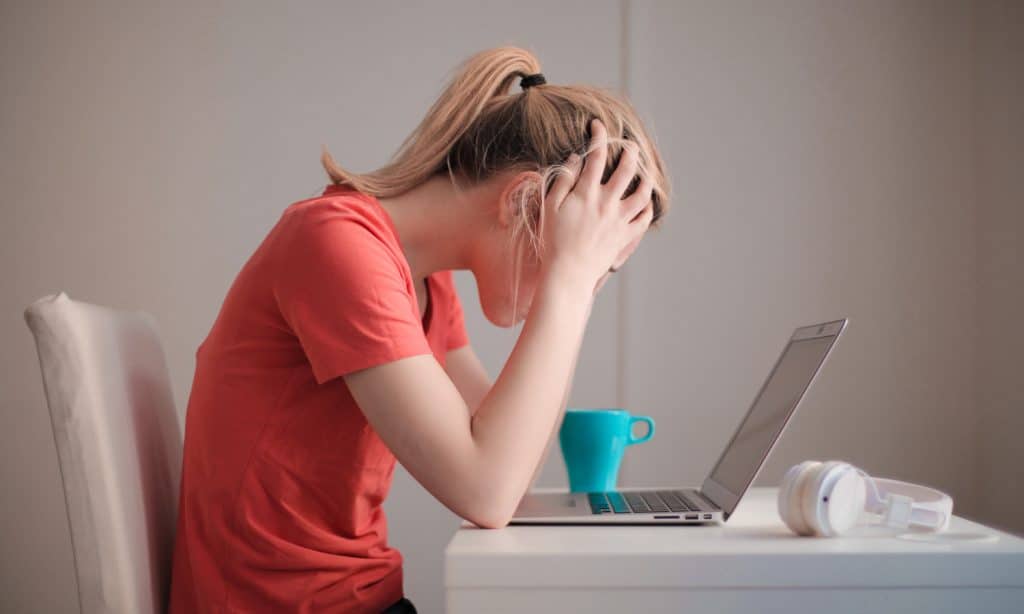
Parenting is one of those jobs that never stops. There are no breaks, much less with the pandemic. Over the past months, schools have been suspended and parents have been left in charge of their kids, all the while juggling work and other responsibilities.

The pandemic is tough for everyone, but parents have it especially rough. The lack of clear guidance from the government and schools makes the situation even more nerve wracking, making it important for parents to learn how to carve out time for themselves.

Alone time is very important, especially in times of high stress. Although it may seem like it’s impossible to carve out, parents must prioritize it if they hope to stay sane and avoid freaking out on their kids for the simplest of reasons. The good thing is that alone time doesn’t mean an entire night or an hour; it can be any amount of time that recharges and soothes you.

Combine audiobooks and playtime

Playtime is great for kids but taxing for parents, especially now, since kids want to play all day. While these moments are great for bonding and spending time together, there’s no need why playtime needs to be active all the time. Play an audiobook for your child and let them draw or play with their favorite toys as you sit with them quietly and do something you enjoy, whether that’s reading a book or looking through your social media feed.

Schedule morning playtime

5 Ways For Parents To Find Alone Time
Photo by Michał Parzuchowski via Unsplash

RELATED: What Is Havening And Why Are Anxious People Trying It?

Mornings are usually the time where we have the most energy. Use this to your advantage, playing with your kids and tiring them out earlier on in the day before the tantrums and the tiredness seeps into them. While there’s never a sure way of predicting your child’s behavior, if they were active early on they might be more at ease during the afternoons, giving you time to check your email, talk with friends or catch up with the news.

Schedule your self-care moments

Like all things in life that matter, self-care should be scheduled in, that way you don’t allow the weeks to pass with no time for yourself. Talk it out with your partner or anyone that’s around and can provide some support for you. Let them know with time that you’ll be having a bubble bath on whatever day, or that you’re going out for a half hour walk or drive. These moments are always important, but in a pandemic they’re pivotal.

Have an activity that’s just for you

5 Ways For Parents To Find Alone Time
Photo by Markus Spiske via Unsplash

RELATED: How Polyamorous People Are Coping With The Pandemic

While kids like to be included in most things, there are activities that they won’t find attractive and will likely leave you alone for stretches of time. Take up gardening, walking or watching a movie while your kids watch something that’s age appropriate in a separate room. While the pandemic should be used as a time for bonding and spending more time with your children, it’s also important for both of you to have your own space.

Stay up later

Try to keep your kid’s sleep schedule somewhat regular. While sleep is important for their growth and development, nowadays, it’s also the one time during the day where you can be without your kids. Take advantage of it and use the night time to talk with your partner, watch movies together, cuddle etc. While you shouldn’t go too crazy with going to bed super late, sometimes the night is the easiest time for you to catch a break.
Kamala Harris Will Help With Cannabis Reform (And That’s Good Enough For Me)

The Biden-Harris ticket is not the best that legalization advocates could have hoped for, but, like the U.S. at large, the Democratic party continues to float toward inevitably ending prohibition.

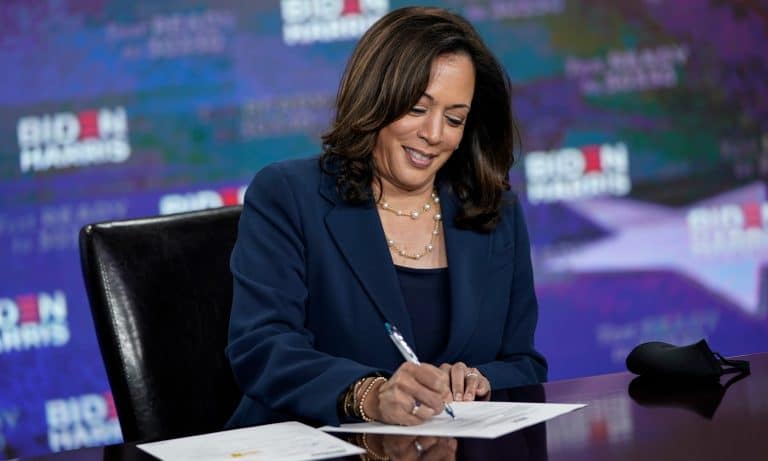
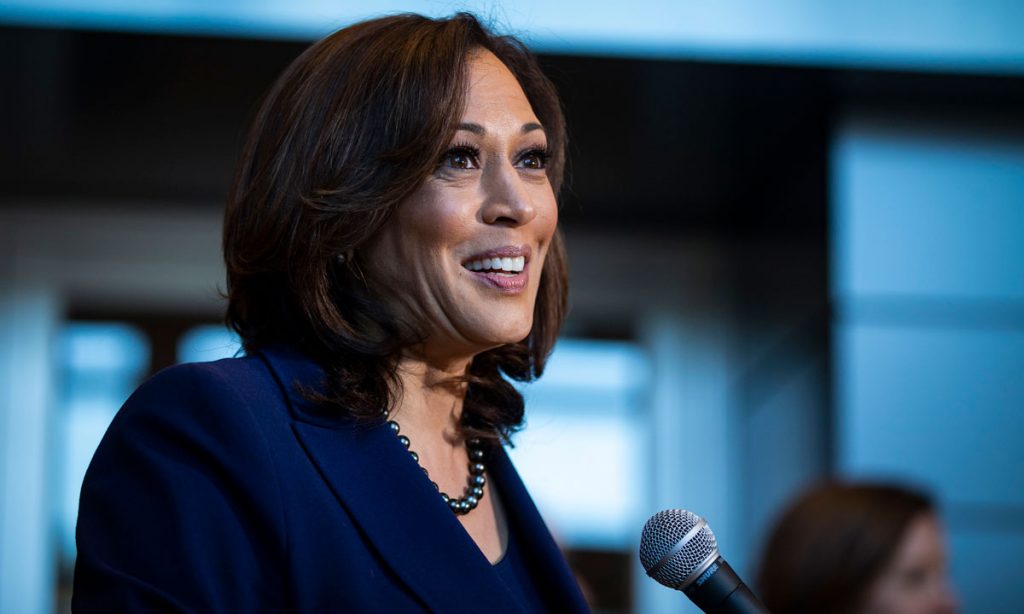
Congratulations to Senator Kamala Harris, Joe Biden’s V.P. pick. Harris will become the first Black woman and the first person of Indian descent to be nominated for national office by a major party. It’s a huge accomplishment. It could also impact the race significantly in the coming weeks and months.

What would a Vice President Harris mean for cannabis law and policy? Assuming Biden and Harris win this fall, it’s hard to say. Harris has evolved considerably on cannabis policy, especially in the past few years. She also has emerged as a leading voice on companion issues of racial justice and inequality, even since walking away from her unsuccessful presidential campaign earlier this year.

Looking back, Harris wasn’t always a shining light on criminal justice and cannabis issues. Her resume includes a regrettable tenure as California Attorney General with respect to cannabis enforcement, overseeing the jailing of more than 1,500 people for marijuana crimes, and fighting to keep (and even enhance) the retrograde system of cash bail. These unforced errors famously surfaced in the Democratic Presidential debates and may emerge again with Harris on the ticket.

RELATED: Kamala Harris Has A Complicated Marijuana History

Eventually, as a U.S. Senator, Harris followed her party away from the War on Drugs– albeit quietly and without much enthusiasm. Back in January of 2018, I went after Harris pretty hard on this blog. In that piece, I criticized her position on cannabis as “mostly just talk”, explaining:

“There are several reasons why Ms. Harris has been catching significant flak for her half measures on cannabis, as compared to other officials: 1) she hails from California, the first state with a medical cannabis program and the world’s largest cannabis economy; 2) she comes from the executive side, having served as California Attorney General; 3) she is a celebrity national politician, who is often floated as a 2020 presidential candidate; and 4) she is constantly talking about the failed War on Drugs. In fact, she talks about it pretty much every single day.

“But it’s all talk. As California Attorney General, Ms. Harris did little to advance her state’s interest as to cannabis. In 2014, when she was asked for her opinion on legalizing adult-use cannabis, her response was dismissive laughter. As a U.S. Senator, she has failed to sponsor or even co-sign any bill to re- or deschedule marijuana (and there are some good ones). Aside from lots of talking, Harris’ one big move has been to put together a petition to decriminalize marijuana nationwide (but not to revise the CSA). My eight-year-old niece could do that.”

kamala harris father scolds her famacian weed joke levels it a travesty
Photo by Al Drago/Stringer/Getty Images

If I had given Harris a letter grade at that time, it might have been a “D.” Fortunately, things have changed quite a bit over the past two-and-a-half years. Last summer, we ran a series of posts taking a close look at each of the 2020 Democratic presidential candidates. At that point, Harris had begun advocating for legalizing cannabis, as well as for expunging marijuana offenses from criminal records. We gave Harris a “B”, noting her improvement but wondering how much priority Harris would give to cannabis reform if elected into office. We also noted how late to the game Harris was, as compared to vanguard cannabis candidates like Bernie Sanders and Cory Booker, to name a few (see the overall roundup here).

All of that said, it’s not how you start, but how you finish. Harris has really picked up the charge on cannabis issues lately, including in her role as Senate sponsor of the MORE Act. As drafted, the MORE Act removes marijuana from the federal Controlled Substances Act and provides expungement for certain cannabis offenses (and has a 3% chance of actually becoming law someday).

Still, if Harris keeps at it, her advocacy will be a real boon, especially given Biden’s perplexing unwillingness to support cannabis legalization (we gave Biden a “D”), and especially given the Democrats’ failure at large to add marijuana legalization to the party platform once again this year. (Pretty disappointing, especially considering where the party was at in the run-up to the 2016 convention).

So we should credit Harris for coming around on cannabis, especially when the center of her party is still a half step behind. It is true that the Biden-Harris ticket is not the best that legalization advocates could have hoped for, but, like the U.S. at large, the Democratic party continues to float toward inevitably ending prohibition. Harris is going to help with that, even if it doesn’t happen as quickly as we had once hoped.

Vince Sliwoski is an attorney at Harris Bricken, a law firm with lawyers in Seattle, Portland, Los Angeles, San Francisco, Barcelona, and Beijing. This story was originally published on the Canna Law Blog and has been reposted with permission.

Does Drake Smoke Weed?

Everyone probably assumes this Grammy award winner and popper of Champagne smokes weed. But does he?

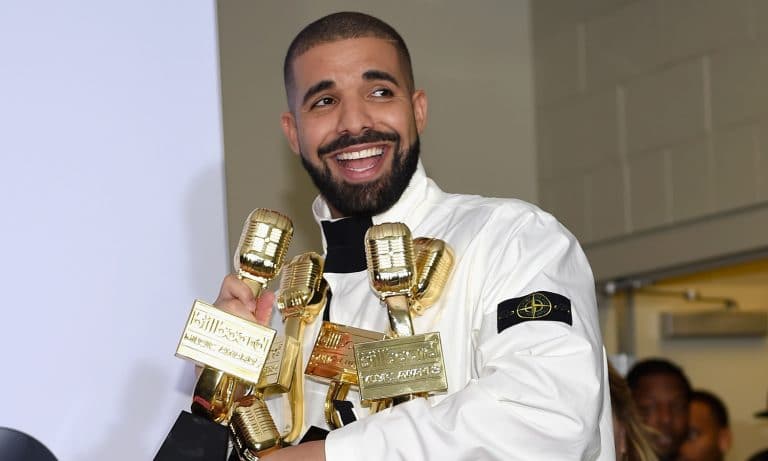
Drake is one of the most famous people on the planet. As both an accomplished actor and singer, he’s won plenty of awards and broken many Billboard records. He’s universally loved by rap purists and pop fans alike. This week he released a new song and announced his new record, “Certified Lover Boy.”

But let’s get to the important stuff. Does he smoke marijuana?

10 most tweeted about celebs of 2018
Photo by Christopher Polk/Staff/Getty Images

RELATED: Canopy Growth Scores Marijuana Partnership With Drake

Googling “Drake” and “weed” is an interesting experience, one that provides many results. Like all things Drake, these are a little weird and unintentionally hilarious. “It’s no secret that Drake sucks at smoking weed: He rarely raps about it; he routinely claims to only do it in moderation; he never posts the late-night smoked-out Instagram,” states a 2017 Vice article. “He’s such a lightweight that he recently made headlines for allegedly getting too stoned to perform at a concert in Amsterdam, which, buddy, come on.” According to TMZ, he had food poisoning, which honestly makes the whole thing worse.

Although it is true that Drake rarely raps about weed or drugs, there are videos of him smoking weed onstage.

RELATED: Does Charlie Puth Smoke Weed?

He looks pretty awkward and for some reason the video goes out of its way to say that it’s his fist time, but, you know, he’s still smoking.

In 2019, Drake announced that he was partnering with Canopy Growth to launch a cannabis company called More Life Growth Company, named named after Drake’s More Life, a commercial mixtape featuring the rapper’s known associates like PartyNextDoor, Travis Scott, Jorja Smith, and Kanye West. Drake is the majority owner.

While Drake may look silly while smoking weed and may works a little too hard to try and keep his image clean, he’s still involved in the cannabis industry and is a smoker, nonetheless.

Cannabis Legalization Does Not Depend On The Presidential Election

It would appear that changing over the Senate is even more important than who is President on this particular issue.

Many in the cannabis industry have, understandably, backed Joe Biden and Kamala Harris for President and VP, presumably for a variety of reasons which include a belief that they are more likely to support legalizing cannabis at the federal level. Many are not as aware that President Donald Trump has stated that he is, in his words, “100%” in favor of legalizing medical marijuana, and that he believes recreational or adult use should be decided by the states, although early in his 2016 campaign he said he opposed legalizing adult use. But cannabis legalization does not depend on the presidential election.

The truth is, as many have discovered, the Biden campaign has almost the same view as Mr. Trump. The former VP will support the legalization of cannabis for medical purposes, leave decisions regarding legalization for recreational use up to the states, and reschedule cannabis as a Schedule II drug. If Trump supports legalization essentially in this manner, then why has it not been enacted since his inauguration? There are primarily three barriers to this, and their names are Republican Sens. Mitch McConnell, Mike Crapo and Lindsey Graham. But let’s step back.

In January 2018, then-Attorney General Jeff Sessions rescinded the Obama-era Cole Memo in the Justice Department which deemphasized federal prosecution of state legal cannabis enterprises. In response to this, Sen. Cory Gardner (R-CO) told the President he would hold up all his judicial nominees until he addressed the issue. A few months later he was able to talk to Trump, who assured him that if a bill came to his desk legalizing medical marijuana and leaving adult use to the states, he would sign it. Gardner then backed off his resistance to Trump’s judges.

RELATED: AG William Barr Inappropriately Used DOJ Funds To Target Marijuana Industry

Shortly thereafter, Gardner, along with Sen. Elizabeth Warren (D-MA), introduced the Strengthening the Tenth Amendment Through Entrusting States (STATES) Act, then reintroduced it a year later. A companion bill was also introduced in the House. The bill would take the steps Trump said he would accept in legalizing medical marijuana and allowing states to legalize adult use.

In December 2018, in part to assist his beleaguered Kentucky farmers, McConnell supported and completed the passage into law of the Agriculture Improvement Act of 2018 (also known as the Farm Bill). That bill federally legalized industrial hemp and CBD derived from it.

RELATED: TFT Poll: Trump And Biden Equally Likely To Legalize Marijuana If Elected

In the meantime, the STATES Act remains one of dozens of other bills currently pending in Congress to either legalize, deschedule or decriminalize cannabis or enhance banking access for those in the industry. Although a strong majority of Americans in both parties favor legalization, and many Republican legislators hail from states where significant tax revenues and jobs have resulted from state legalization, none of these bills has passed to date. And the most recent pandemic relief bill passed by the House includes help for cannabis companies for banking. This has been roundly criticized by Senate Republicans, who like saying the bill mentions cannabis more than jobs.

Divided Government Is The Reason Marijuana Isn’t Getting A Fair Shake
Photo by Joshua Sukoff via Unsplash

The primary impediment on the STATES Act and other bills: our threesome of GOP Senators mentioned above. In November 2019, the House Judiciary Committee passed a legalization bill, after which Senate Majority Leader McConnell did meet with cannabis executives in California, pre-pandemic. As he was pursuing the Farm Bill in 2018, however, he made clear he does not wish to legalize marijuana. Regarding hemp, he said in May 2018, “It is a different plant. It has an illicit cousin which I choose not to embrace.”

RELATED: Democrats Reject Marijuana Legalization For Official Party Platform

Lindsey Graham (R-SC) runs the powerful Rules Committee through which all legislation must pass. Graham has supported certain pro-cannabis bills such as the CARERS Act in 2016, which would have prohibited federal enforcement against state-legal cannabis and reschedule it. But the tobacco-state Senator has also been clear in his stance against legalization or descheduling. Graham has a surprisingly strong Democrat opponent to his reelection in November in Jaime Harrison, who is a major supporter of cannabis legalization. This does not appear to have shaken Graham’s views.

Less critical but still important is Mike Crapo (R-Idaho), leader of the Senate Banking Committee. He could have been crucial in passing some banking relief, such as the SAFE Banking Act which has passed the House. In December 2019 he made clear he had major issues with the bill the House passed, though he is not opposed to some form of banking legislation. He also has been clear in his opposition to cannabis legalization.

RELATED: Senate Republicans Really Don’t Want SAFE Marijuana Banking, Or So They Say

Where does this leave us? If, as some are predicting, the Democrats retake control of the Senate next January and retain their majority in the House, I believe the likelihood of passage of something like the STATES Act increases dramatically. And if Trump is reelected? Based on his past views it does not appear he would oppose signing such a bill. And if Biden is elected, presumably the same result. In fact, it would appear that changing over the Senate is even more important than who is President on this particular issue.

David Feldman is a partner at Hiller PC in New York City and co-founder and CEO of Skip Intro Advisors.

Study Finds Breathing Techniques Can Improve Mental Health

0

Anecdotal and scientific evidence proves that breathing exercises are efficient in managing your stress and improving your mental health.

It may sound reductive to say that taking some focused and deep breaths can help you improve your mental health, but evidence continues to support these claims. Aside from being super easy to adopt, deep breathing techniques have been associated with muscle relaxation, reduced tension and stress relief. A new study says that the practice can also decrease the odds of having depression, anxiety and other mental health issues.

The study, published in the journal Frontiers in Psychiatry, was conducted on college students, a subset of people known to lead highly stressful lifestyles. According to Yale researchers, people between the ages of 18 and 25 are the most susceptible to mental health illness. They also explain that the mental health of college students has been declining over the years, with more reports of anxiety, depression, and more.

RELATED: What Is Havening And Why Are Anxious People Trying It?

Breathing Techniques Can Help You Care For Your Mental Health
Photo by Valeriia Bugaiova via Unsplash

The researchers analyzed more than 100 students who were placed in three different wellness programs. It found that breathing exercises, yoga posturing and positive psychology skills had the best impact out of all the wellness practices, which correlated to reduced depression, better stress management, better mental health and increased feelings of social connectedness.

RELATED: 5 Mental Health Podcasts To Get You Through 2020

While these results are exciting for college students, they add more credence to breathing techniques as one of the main ways of providing stress relief. These exercises, like belly breathing, diaphragmatic breathing, or even counted breaths, can be done at any time or place. Unlike popular beliefs, they don’t need to be paired with some form of meditation, yoga, pilates or other activity associated with wellness in order to provide effects and consistent change.

Breathing techniques can be adopted by anyone who’s interested. They can be included into whatever wellness routine you currently have; the only ask is that you allot a couple of minutes a day and some concentration in order to obtain positive results for your mental health.

How To Stop Overthinking Everything

Overthinking is common, particularly during times of high stress. Here are some simple tips that can help you control your thoughts.

The line between thinking and overthinking is thin and easy to blur, primarily during those weeks where you feel like your mental health is not at its best. While thinking is a necessary tool for practically any activity, overthinking can transform something as simple as breakfast into an anxious spiral. It’s not good and very hard to control.

Once you start overthinking, your brain starts to develop a habit for it, creating a cycle that can quickly facilitate anxiety spirals and stress. Although it takes some active work, there are ways to prevent this, especially if you know what you’re dealing with. Overthinking usually functions in two ways: people can ruminate or they can worry.

These statements are similar but rumination refers to overthinking about something that has already happened, while worrying refers to overthinking about something that hasn’t happened yet. Both of these issues are correlated with other mental health issues, like depression, anxiety and more.

While there’s not one perfect way to stop overthinking, there are different techniques that can get the job done. Here are some of the most popular:

Try to stop your thoughts

10 Things You’re Doing Wrong While Smoking Marijuana
Photo by Steve Halama via Unsplash

RELATED: What Is Havening And Why Are Anxious People Trying It?

There’s no elegant way of stopping your thoughts. Depending on your situation you can try saying “stop” out loud, distracting yourself with work, a TV show, a movie or a book, going out for exercise, and more. Any activity can be successful in stopping your thoughts; you just have to find one you enjoy and that works for you.

Mindfulness

Mindfulness exercises remind you to stay in the present moment. It’s a practice that encourages you to reel in your thoughts once they start taking over your mind. It’s a popular practice because it’s simple and can be done anywhere that’s quiet and comfortable.

Recognize your good actions

Tom Brady Smoked Weed In High School, He Says In New Howard Stern Interview
Photo by Andrea Piacquadio via Pexels

RELATED: 5 Thing You Can Do To Make Your Weeks Run Smoother

Most of the time, when we overthink, we tend to focus on all the mistakes we’ve made or the bad things that could happen if something goes wrong. This is not only stressful but harmful to your health. It’s important to shift your focus and try your best to view all of the positives that are in your life in hopes of shutting that voice off in your head.

Use a timer

If you really feel like you need to stress out over something you did or something that’s coming, set a timer for it. Put some parameters in place, freak out and then get back to living your life. While it won’t be easy to stop worrying once you succumb to the overthinking, it could help to give yourself 5 minutes to feel and then 10 to vent your thoughts on paper or on the notes app on your phone.

CBD And Blood Flow

With an ever-increasing number of adults in the United States developing Alzheimer’s disease, research is expanding into alternative methods of treatment.

A new study published in the Journal of Psychopharmacology found something remarkable about cannabidiol’s effect on blood flow and memory. Dr. Michael Bloomfield, lead author of the study, acknowledged that CBD (oil) can “help reduce symptoms of psychosis and anxiety,” but added that there is evidence to support the belief that CBD can elevate memory function.

The goal of the study was to uncover how CBD “influences cerebral blood flow (CBF)” where the human brain processes memories. Interestingly, the team from the University College London found that not only does CBD increase CBF inside the hippocampus (located deep in the temporal lobe), but greater CBD use was associated with a reduced reaction time on memory tasks.

The study used a randomized, double-blind design of 15 individuals who were healthy prior (and showed no signs of Alzheimer’s). While some study participants were given 600 mg of CBD orally, others were given a placebo. Using MRI-technology, researchers measured the blood flow for both groups. The results found that CBD increased blood flow to the brain, and the potential for treatment of Alzheimer’s.

RELATED: The Link Between Flavonoids, Alzheimer’s And Marijuana

According to researchers, “These results identify potential mechanisms of CBD for a range of conditions associated with altered memory processing, including Alzheimer’s disease, schizophrenia, post-traumatic stress disorder and cannabis-use disorders.”

new clinical trail aims to determine if cbd helps recovery from traumatic brain injury
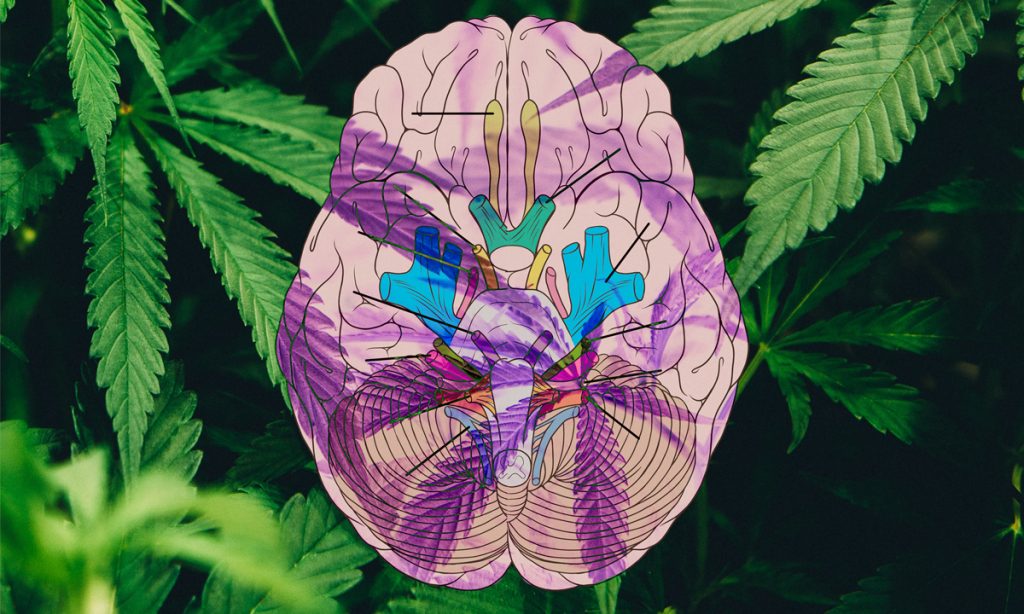
Photos: Matthew Brodeur via Unsplash; Patrick J. Lynch, medical illustrator via Wikimedia

In late summer last year, a study about cannabis and Alzheimer’s highlighted that CBD could help prevent learning impairment and cannabidiol could reduce the spread of plaques responsible for causing memory blockages, directly associated with the disease. According to the U.K.’s National Health Service, Alzheimer’s is believed to be associated with an, “abnormal build-up of proteins in and around brain cells and the plaques they deposit.”

RELATED: Study Confirms CBD Could Protect Brain Against Neurodegenerative Diseases

Paving the way to new treatments and better understanding of the brain’s inner workings on and off the leafy medicine, the team is delighted with the results. Study authors declared, “These findings suggest that CBD increases CBF to key regions involved in memory processing, particularly the hippocampus,” meaning that this research not only expands understanding about the brain, but offers deep insights to how blood flow aligns with memory health.

With an ever-increasing number of adults in the United States developing Alzheimer’s disease, research is expanding into alternative methods of treatment. More scientists than ever before are understanding CBD and marijuana’s potential treatment and disruption of the disease.

Did Marijuana Prohibition Cause The COVID-19 Pandemic?

0

Disclaimer: The views expressed in this article solely belong to the author and do not necessarily represent those of The Fresh Toast.

Real research into the medical uses of cannabis is finally getting underway, and researchers are finding several ways it may help with treating COVID-19. Why wasn’t this done sooner?

Have I “jumped the shark” polemically? It is true that 95% of the American people are in favor of medical marijuana, and we know that cannabis can help with a variety of medical problems, including:

  1. The extreme nausea caused by cancer chemotherapy
  2. Epilepsy in children
  3. Crohn’s Disease and other autoimmune problems
  4. Wasting syndrome for people with AIDS, and many more

And all that has been known for decades, so consider the history.

In 1972, the Shafer Commission, the National Commission on Marihuana and Drug Abuse, recommended that marijuana be decriminalized, and that we should take a different approach to dealing with “drugs.”

President Richard Nixon immediately rejected the report and in 1974, the Senate Internal Security SubCommittee, chaired by Senator James Eastland (D. Miss.), one of the most vicious racists ever to be in the Senate, claimed that marijuana was “a threat to the internal security of these United States.” Really.

Meanwhile in Canada, also in 1972, the Le Dain “Commission of Inquiry into the Non-Medical Use of Drugs” arrived at essentially the same conclusion. But, PM Pierre Trudeau, the “Progressive” father of the current Prime Minister, rejected it as cravenly as Nixon.

Theoretically, that should not have stopped research into the medical uses of cannabis, but in the real world, it was very difficult to get approval or even get access to cannabis for the research. Why? Because “medical marijuana” was seen as a threat to the Drug War.

RELATED: Drug Overdoses Kill More People In West Virginia Than COVID-19

Now, almost fifty years later, real research into the medical uses of cannabis is finally getting underway, and researchers are finding several ways it may help with treating COVID-19.

According to Forbes, a new terpene study “is being performed by two Israeli research and development companies, Eybna which specializes in terpene based medicines, and CannaSoul Analytics which is led by Prof. David “Dedi” Meiri, PhD a well known cannabis researcher and biochemist who has studied cannabis’ use for conditions like cancer and Alzheimer’s disease.”

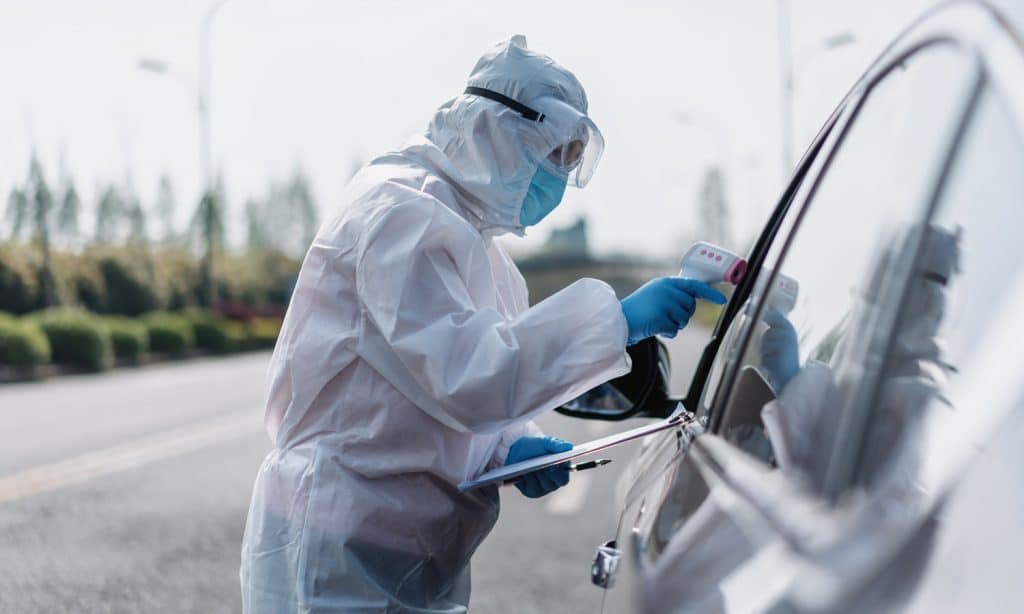
FDA Steps Up In Ongoing Coronavirus Health Crisis
Photo by sinology/Getty Images

Previously, the same reporter, Emily Earlenbaugh, explained, “There have been several different ways researchers have suggested CBD might help, including its ability to reduce ACE2 expression and pro-inflammatory cytokine production to fight lung inflammation, and it’s potential as an antiviral. But few studies have tested these theories with actual experimentation.”

The latest Israeli report said that the combined CBD and terpene formula inhibited about 90% of cytokines, while Dexamethasone inhibited cytokine activity by about 30%. 

RELATED: Prosecutorial Misconduct: The Invisible Problem Behind The Police

All of the publicity about the search for a vaccine tends to obscure the fact that an effective treatment that could make the virus much less dangerous could be much faster and safer than a vaccine. 

Now consider what it would mean to have a very cheap and easy treatment like medical cannabis available immediately. It has been said, “Vaccines don’t save lives. Vaccinations save lives.” If any of the vaccines now being tested are found to be safe and effective, it will still be many months before they can be mass produced even in advanced countries. Meanwhile, the world economy is being devastated, impacting even countries where the virus seems to be under control.

As I always try to make clear, I am not a doctor and my point is political not medical, but the suppression of medical marijuana has caused enormous human suffering, so we owe it to ourselves to take these latest reports seriously.

Richard Cowan is a former NORML National Director and co-founder of Best CBD Planet.

California May Ban Flavored Cannabis Vapes

If California passes a new law, the only kind of flavor additives allowed in vape products will be naturally occurring ones.

The California legislature is considering a new law (AB-1639) that, if passed, would restrict how cannabis vape products are made and sold. AB-1639 would change California law for tobacco and cannabis businesses (for the purposes of this post, we’ll just focus on the cannabis side of the law), and would effectively prohibit almost any kind of flavoring added to vape products in the Golden State.

Under existing California laws and regulations, there is no express prohibition on adding flavoring to cannabis vape products, and as any reader knows, there has been a huge pushback across the U.S. to ban any kind of flavored vape product whatsoever.

RELATED: Enforcement Alone Won’t End California’s Illicit Cannabis Market

AB-1639 would change existing law by prohibiting cannabis businesses from selling “artificially flavored vape products”, which are defined as “cannabis or a cannabis product that contains flavor not derived or synthesized from the cannabis plant or other natural botanical sources and that can be used to deliver cannabis to a person in aerosolized or vaporized form.”

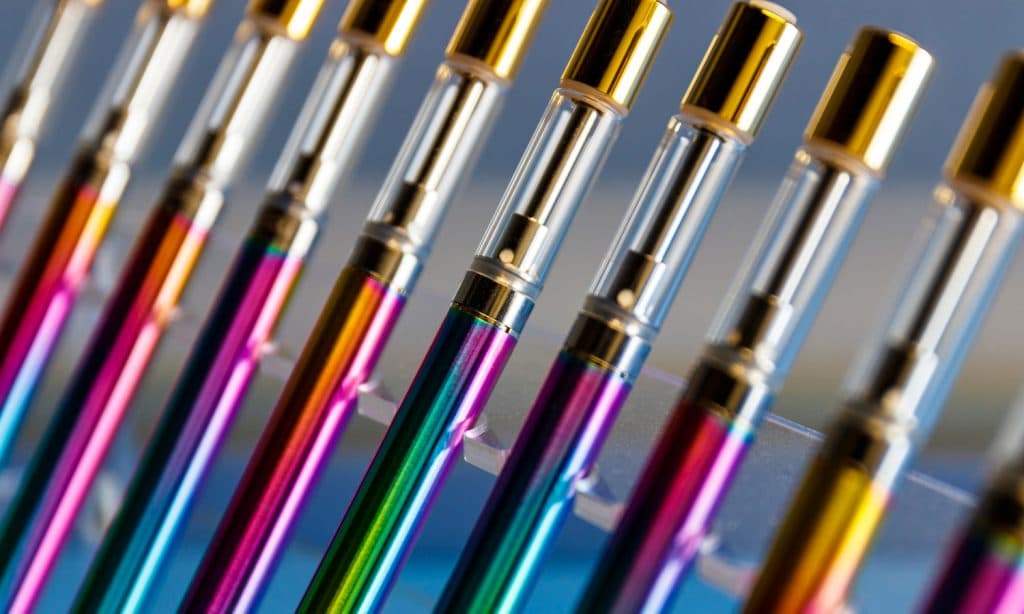
4 tips to avoid fake vape cartridges
Photo by jetcityimage/Getty Images

In other words, if AB-1639 passes, then the only kind of flavor additives that can be used in vape products will be naturally occurring flavors. For good measure, AB-1639 would also prohibit manufacture of flavored vape products as well:

Flavors not derived from the cannabis plant or other natural botanical sources shall not be used in the production of cannabis products that can be used to deliver cannabis to a person in aerosolized or vaporized form.
Flavor derived or synthesized from tobacco shall not be used in the production of cannabis products or sale of cannabis products that can be used to deliver cannabis to a person in aerosolized or vaporized form.

Notably, the law would not become effective immediately upon being passed, as it says “This section shall become operative 90 days after the effective date of the act that added this section.” In other words, if the law passes, businesses will have a short grace period to sell off products that would no longer be authorized under the amended law.

RELATED: Washington State Bans Flavored Vapor Products

Though there is a short grace period, it’s clear that if AB-1639 passes, any cannabis business that makes flavored vape products will need to immediately consider the impact of this law and on products that are already on the market. Failure to do so could lead to far-reaching consequences and huge monetary losses.

AB-1639 has already made it pretty far through the legislative process and there’s a good chance that it becomes law. We’ll keep readers updated on the progress of the law, so please stay tuned to the Canna Law Blog.

Griffen Thorne is an attorney at Harris Bricken. This article originally appeared on  Canna Law Blog and has been reposted with permission. 

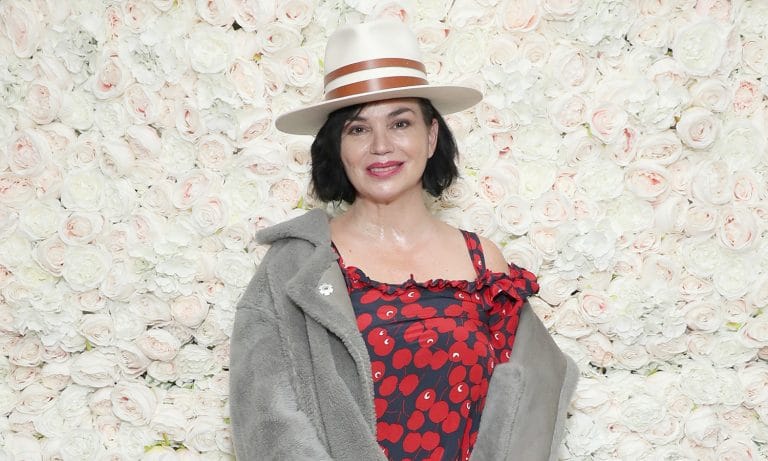
Karen “Duff” Duffy Talks CBD And Chronic Pain

As one of the 50 million adults living with chronic pain, the TV-personality turned spokesmodel turned New York Times bestselling author realized she could make a dramatic difference by sharing her story

Known for her velvet-barbed wit, Karen “Duff” Duffy was a mainstay in the 90s music scene with a stint as an MTV VJ which lent well to a modeling, acting  and book-writing career. In an exclusive conversation with The Fresh Toast, Duffy shares that while one of her largest passion projects was steeped in pain, she had the upper hand all along. 

“I’m a very healthy looking sick person,” she articulated. “I can sum up my journey in a few words: Career. Fertility. Self-respect. Resilience. Gratitude.” Diagnosed with the sarcoidosis, an inflammatory disease — which in her case is located in the brain — Duffy exclaimed the best medicine was creating a legacy for survivors, just like herself. 

Before her days interviewing Anthony Kiedis from the Red Hot Chili Peppers at the MTV Video Music Awards, Duffy believes her best job wasn’t in front of the camera, but rather caring for elderly patients. “I worked in Gerontology — a form of recreational therapy in a nursing home and it was the greatest job of my life.”

Volunteering since age 12, Duffy saw pain and aging first-hand and decided at a young age she wanted to change how we treated those with pain and how we spoke words about pain. Explaining that her family modeled a deep care and concern for others, Duffy said one of her favorite Muhammad Ali quotes summed up her life’s mission, “Service is the rent we pay here on earth.” 

RELATED: 5 Ways Medical Marijuana Can Help You Deal With Chronic Pain

On a phone call last week, Duffy jumped right in, exuberantly describing that as a health care system, we get pain horribly wrong. “Chronic pain feels like serving a life sentence,” she declared. “The body is being punished for a crime not committed and often, those that suffer with my disease do so alone.” Her illustration of the agony felt deep in her body, sometimes making her homebound, came down to a deep-understanding of the Latin language. 

As one of the 50 million adults living with chronic pain, the television-personality turned spokesmodel turned New York Times bestselling author and advocate realized she could make a dramatic difference by sharing her story, which in turn created balm for the deeper wounds her pain left. Duffy quipped, “Pain in itself is embarrassing. Often those that suffer feel mollycoddled and even finding the right words can be hard to express.”

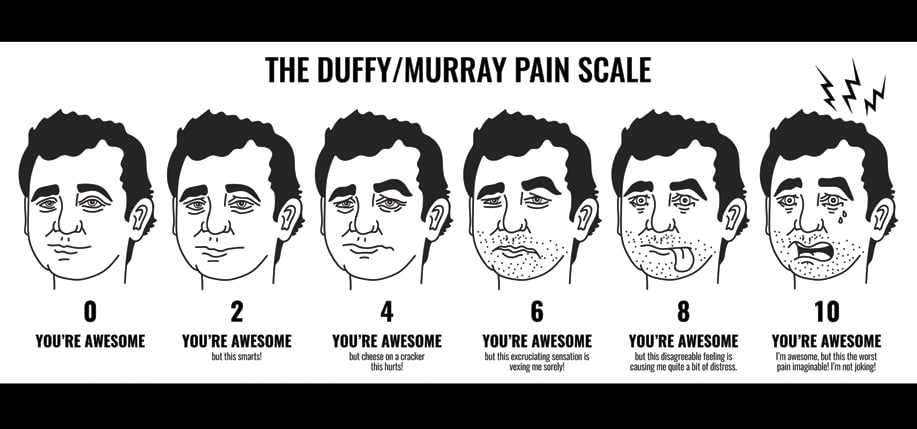
Feeling that pain infantilized patients in clinical settings, she created the Duffy/Murray pain scale, incorporating her infectious humor and family friend, Bill Murray, into helping patients explain their pain in a new way.

Pain is resistant to language and destroys the words that patients long to say. Often the silence or moaning mean so much more.

For years Duffy had looked for remedies as big as the ache was, and nothing seemed to meet the challenge. “On August 24th, 2019, I had instantaneous relief from my pain.”  The difference wasn’t in a prescription bottle but rather a balm. “CBD oil was probably the last thing I tried.” After years of wearing lidocaine patches, (which often caused irritation,) the author described in her latest book, Backbone: Living with Chronic Pain without Turning into One, that two decades after the pain first emerged, she found a solution that is ever-near. “There is a saying that in NYC, you are never more than 3 feet from a rat. In my case, I am never more than 3 feet from my Tribe Revive CBD cream.” 

RELATED: How CBD Helps With Chronic Pain

When asked how she could hold both pain and humor in the same place when so many struggled, a line in Duffy’s book encapsulated everything she said on the call, “My illness became my metamorphosis.”  Coining the term, “No-cebo,” Duffy leaned into the phone receiver and almost whispered that it all came down to embracing the power of believing that a medicine would work. Feeling more like herself, and advocating for patients all over the globe, Duffy’s remedy came just in time.

Don't Miss Your Weekly Dose of The Fresh Toast.

Stay informed with exclusive news briefs delivered directly to your inbox every Friday.

We respect your privacy. Unsubscribe anytime.