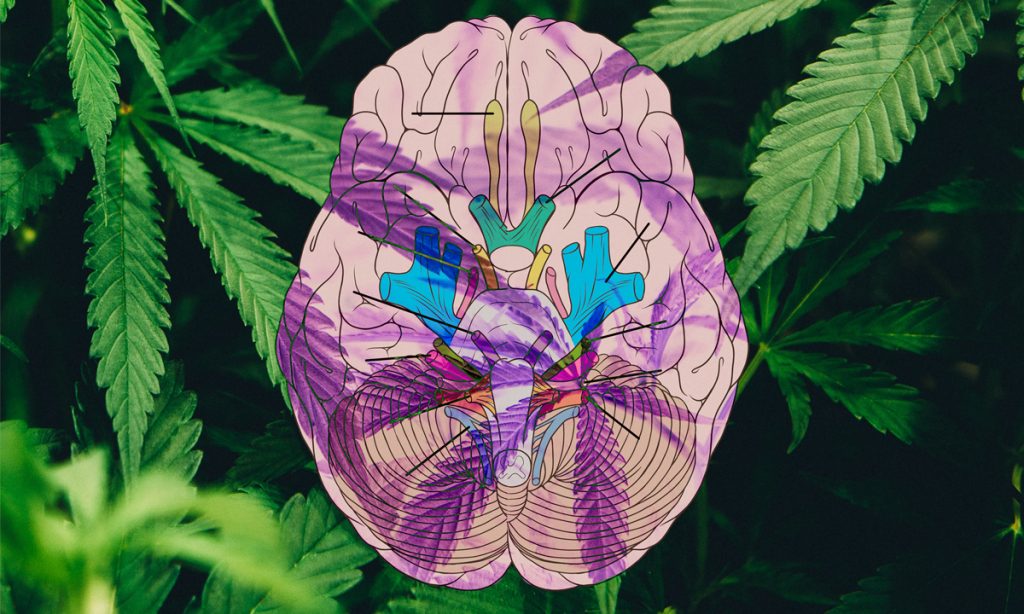
There’s a lot of misinformation and exaggeration regarding the benefits of CBD. Here are some conditions that the compound can help alleviate.
Despite the incredible popularity that CBD has amassed over the past couple of years, there’s a lot that scientists and experts still don’t know about the compound. While it’d be great if CBD could do all of the things many companies promise it does, it’s a compound like any other, with its fair share of limitations. It’s also one that stands on rocky legal ground, meaning that it needs much more research in order for us to get a clearer picture of what it does and how it functions with our bodies.
While there’s a lot of misleading marketing regarding a large percentage of CBD products, there are a few benefits that have been associated with CBD and that have some scientific support. Here are three conditions that CBD can actually treat and provide relief from:
Epilepsy
Photo by KATERYNA KON/SCIENCE PHOTO LIBRARY/Getty Images
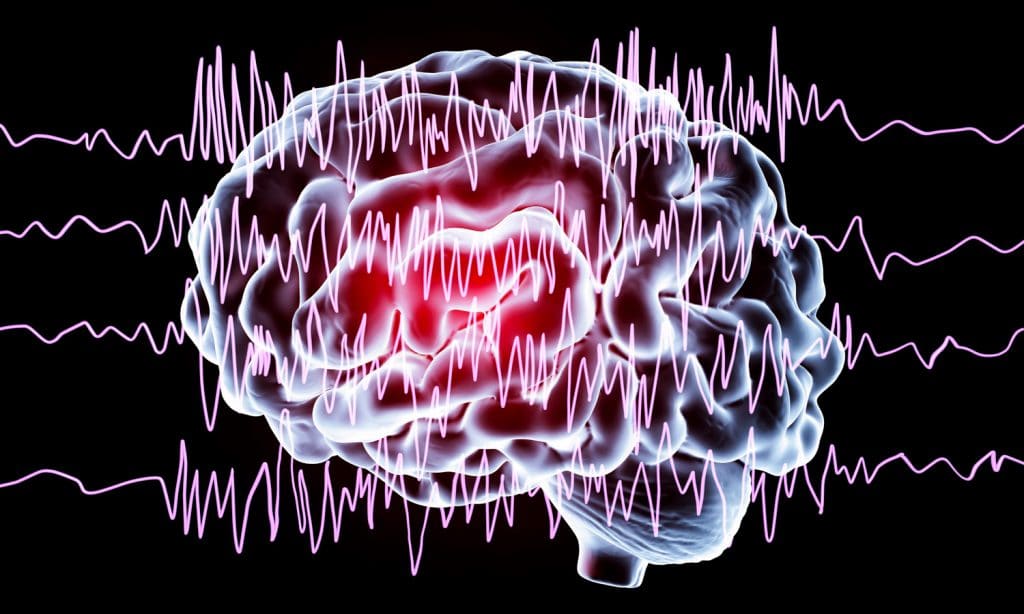
The most significant results that support medicinal CBD oil show that the compound is effective at treating seizures and rare forms of epilepsy. In 2018, Epidiolex, an oral CBD medicine, was approved by the FDA. The drug can be used to treat two kinds of epilepsy: Dravet syndrome and Lennox-Gestault syndrome. According to the research, it’s believed that CBD helps suppress seizures by decreasing inflammation in the brain and thus slowing down the messages that it’s receiving.
Inflammation
Photo by Anupong Thongchan/EyeEm/Getty Images
Although inflammation is a very broad symptom that’s prompted by many different scenarios, the majority of conditions that CBD treats have some kind of connection with inflammation. Studies conducted in human cells and rodents show that the compound is an effective anti-inflammatory agent. Still, more research needs to be conducted in order to understand how this works and how it could be used to provide relief for different conditions.
Studies conducted on animals show that CBD could be helpful in treating chronic pain, arthritis and even multiple sclerosis, primarily by targeting inflammation and helping the subjects experience less pain over prolonged use. Most of these results are modest and are reflected in studies that are small or that need human subjects. Still, there’s some promise there and there’s also lots of anecdotal evidence of people using CBD products in order to treat all kinds of pain.
The designation of the cannabis business as essential caught some states and some state officials off guard.
It was a classic watershed moment when20 of the 33 states across the U.S. that allowed some form of sale and consumption of marijuana had those businesses designated as essential businesses in March during the early days of the coronavirus outbreak.
And while that designation of what is “essential” was just an advisory from the Department of Homeland Security, andnot a federal directive or standard, meaning that it’s open to wide interpretation by various jurisdictions, cannabis advocates jumped on the opportunity in March to remind state governors about the importance of the cannabis industry.
Aletter from the Marijuana Policy Project states that governors and legislative leaders played up the significance of access to medical cannabis in times of a pandemic: “As leaders of states with medical cannabis or cannabidiol (CBD) laws, we write to urge you to ensure patients can safely access their treatment option in a way that is consistent with public health. Cannabis is a crucial part of the treatment regimens of hundreds of thousands of individuals, including many who have vulnerable immune systems because of their advanced age or a serious medical condition.”
The designation of the cannabis business as essential caught some states and some state officials off guard.
For example, on March 22nd, Colorado Governor Jared Polis said that state retail and medical cannabis stores could go ahead and stay open. Denver Mayor Michael Hancock closed recreational dispensaries down the next day—oops—then quicklyreversed himself the following day after public outcry and panicked cannabis buying.
Massachusetts Governor Charlie Baker allowed medical cannabis stores only to stay open, and closed down recreational cannabis stores, before reversing coursetwo months later after being hit by lawsuits.
Being declared essential was the proverbial feather in the hat of the industry, and a strong vote by the federal government that cannabis businesses were crucial to the survival of not only the economy but the people and patients who depended on it.
Except there was, and is, still a problem.
That essential business designation ran into federal roadblocks that no other essential business had to deal with, when cannabis businesses were denied financial assistance in the form of small business disaster loans of up to $2 million.
Photo by Scott Eisen/Stringer/Getty Images
That denial inspired a quick response from the National Cannabis Industry Association (NCIA) who gathered support from other business associations and advocates — such as Cannabis Trade Federation, the Global Alliance for Cannabis Commerce, the Minority Cannabis Business Association, and National Cannabis Roundtable — andfired off a letter imploring Congress to grant small business loan assistance to cannabis businesses just like any other business during the pandemic.
“The ineligibility of cannabis businesses for disaster assistance loans is especially inequitable given that these same cannabis businesses are required to comply with other coronavirus-related measures, such as paid sick leave coverage,” the letter stated. “We are not seeking special treatment for state-legal cannabis businesses. We only seek to have them treated on an equal level as all other job-generating, tax-paying companies in this country.”
Even the most skeptical economist could clearly see the importance of the cannabis industry to the health of the U.S. economy. Though some dispensaries are struggling, and some mergers and acquisitions of cannabis businesses are gaining momentum, there are industry watchers that speculate that it may be revenue from the cannabis industry that could help shore up broken state economies once the pandemic subsides.
Photo by Cavan Images/Getty Images
In any case, it’s clear that, overall, COVID has provided a sort of boon to the cannabis business as consumers stocked up early and often.
In Colorado in late March, for example, flower sales were up over 80 percent compared to an average Monday, according to cannabis data companyHeadset. The California rush to stock up on cannabis products saw both edibles and beverages with significant sales increase. One of the most stocked up on products was gummies, according to Headset, which saw a sales boost of 157% compared to a normal Monday in those early days of the corona virus.
According toNew Frontier Data, a global cannabis intelligence company, flower sales were up 23% since March. New Frontier found that more than 53% of cannabis consumers will purchase more than a two-week supply at any one visit to a dispensary.
The cannabis business isforecast to have $30 billion in sales by 2023 — more than triple of sales in 2018, a figure which may change by the end of this year based on consumer demand.
The CBD market alone is expected to reach $16.8 billion in sales by 2025, with the number of consumers buying CBD online increasing from 29% in the first quarter of 2020 to 47% now because of COVID-19, according to areport from the Brightfield Group.
What’s more, investors are not shying away from the industry. New Frontier reports that 80% of investors will stay the course this year, with 26 percent expecting to invest $1 million or more in 2020.
COVID has changed consumption habits, according to New Frontier, with 31% reporting consuming by themselves, and 8% consuming with others over video chats.
The downside of being designated as “essential” for the cannabis industry? There doesn’t really seem to be one for now, other than the issue of more Americans being unemployed with less disposable income.
But even in hard times like these, during what is actually a recession, it looks like cannabis has joined other industries, such as liquor andgambling, as an industry that will always hold steady.
Although microdosing may go against the grain of the old time stoner philosophy, doctors say that finding the “minimum effective dose” is the key to medical treatment.
There are those cannabis connoisseurs who enjoy getting super stoned at the end of a long day at the office, while others are embracing microdosing, a method that allows the user to moderate their mind by taking small doses throughout the day.
The concept of microdosing is simple: instead of consuming enough THC to join the land of catatonia, the user leans on somewhere between 3 to 10 mg to feel some effect without entering into a realm of laughing fits, paranoia and ravenous hunger. It is increasingly popular practice that Rolling Stonecalls “Marijuana 2.0,” an idea that less is actually more when it comes to using cannabis for its therapeutic and creativity-inducing benefits.
However, there are some challenges involved. What is considered a low dose for some may not cut it for others. It is similar to how it would be if measuring the effectiveness of Ibuprofen on a large group of people. Some of them would find relief with 200 mg, while it might take others near pharmaceutical levels to cut through the pain. So, the core of this dosing principle is really just about the individual finding the perfect “micro-buzz” that allows them to feel comfortable and productive.
Dr. Duston Sulak, who has been working with medical marijuana patients in Maine for the past eight years, told Rolling Stone that he has developed a system to help people find their optimal microdose.
“Abstain from cannabis for two days. On day three, consume one milligram of THC and one milligram of CBD, preferably in a tincture or oil where they can be measured precisely,” he said. “Before consuming, ask yourself three questions, and answer on a scale of one to 10: How easy is it to breathe, how comfortable and calm does your body feel and how easy is it for you to smile authentically, to feel content and grateful?”
Feel nothing? Increase your dose by one milligram, the doctor says.
“You repeat this process over the next few days, increasing the dose by small increments,” he explained. “When you reach a point where you feel a difference after consuming, you’ve found your minimal effective dose.”
No matter how high of a tolerance a person has, the doctor says 48 hours of abstinence is all that is needed to hit the rest button.
Although microdosing may go against the grain of the old time stoner philosophy, medical experts say that finding the “minimum effective dose” is the key when treating a patient with any medication. After all, it is not advised to take other medications at intoxicating levels, so why should marijuana be treated any differently?
The pandemic has pretty much eliminated personal space for many of us. Here’s how you can escape your kids for a little bit.
Parenting is one of those jobs that never stops. There are no breaks, much less with the pandemic. Over the past months, schools have been suspended and parents have been left in charge of their kids, all the while juggling work and other responsibilities.
The pandemic is tough for everyone, but parents have it especially rough. The lack of clear guidance from the government and schools makes the situation even more nerve wracking, making it important for parents to learn how to carve out time for themselves.
Alone time is very important, especially in times of high stress. Although it may seem like it’s impossible to carve out, parents must prioritize it if they hope to stay sane and avoid freaking out on their kids for the simplest of reasons. The good thing is that alone time doesn’t mean an entire night or an hour; it can be any amount of time that recharges and soothes you.
Combine audiobooks and playtime
Playtime is great for kids but taxing for parents, especially now, since kids want to play all day. While these moments are great for bonding and spending time together, there’s no need why playtime needs to be active all the time. Play an audiobook for your child and let them draw or play with their favorite toys as you sit with them quietly and do something you enjoy, whether that’s reading a book or looking through your social media feed.
Mornings are usually the time where we have the most energy. Use this to your advantage, playing with your kids and tiring them out earlier on in the day before the tantrums and the tiredness seeps into them. While there’s never a sure way of predicting your child’s behavior, if they were active early on they might be more at ease during the afternoons, giving you time to check your email, talk with friends or catch up with the news.
Schedule your self-care moments
Like all things in life that matter, self-care should be scheduled in, that way you don’t allow the weeks to pass with no time for yourself. Talk it out with your partner or anyone that’s around and can provide some support for you. Let them know with time that you’ll be having a bubble bath on whatever day, or that you’re going out for a half hour walk or drive. These moments are always important, but in a pandemic they’re pivotal.
While kids like to be included in most things, there are activities that they won’t find attractive and will likely leave you alone for stretches of time. Take up gardening, walking or watching a movie while your kids watch something that’s age appropriate in a separate room. While the pandemic should be used as a time for bonding and spending more time with your children, it’s also important for both of you to have your own space.
Stay up later
Try to keep your kid’s sleep schedule somewhat regular. While sleep is important for their growth and development, nowadays, it’s also the one time during the day where you can be without your kids. Take advantage of it and use the night time to talk with your partner, watch movies together, cuddle etc. While you shouldn’t go too crazy with going to bed super late, sometimes the night is the easiest time for you to catch a break.
The Biden-Harris ticket is not the best that legalization advocates could have hoped for, but, like the U.S. at large, the Democratic party continues to float toward inevitably ending prohibition.
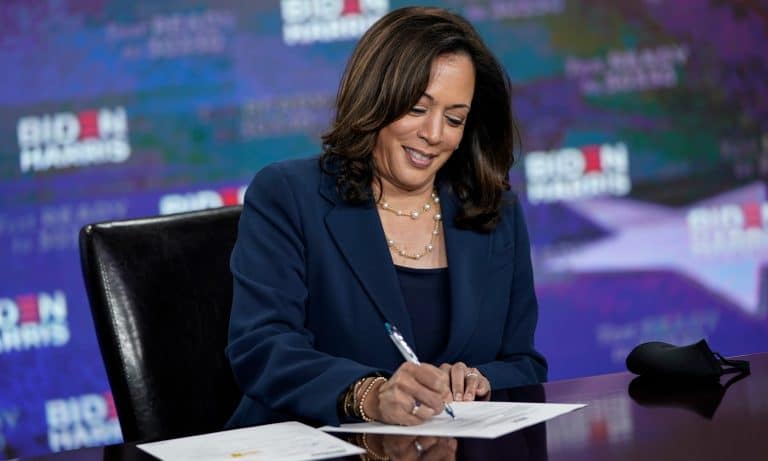
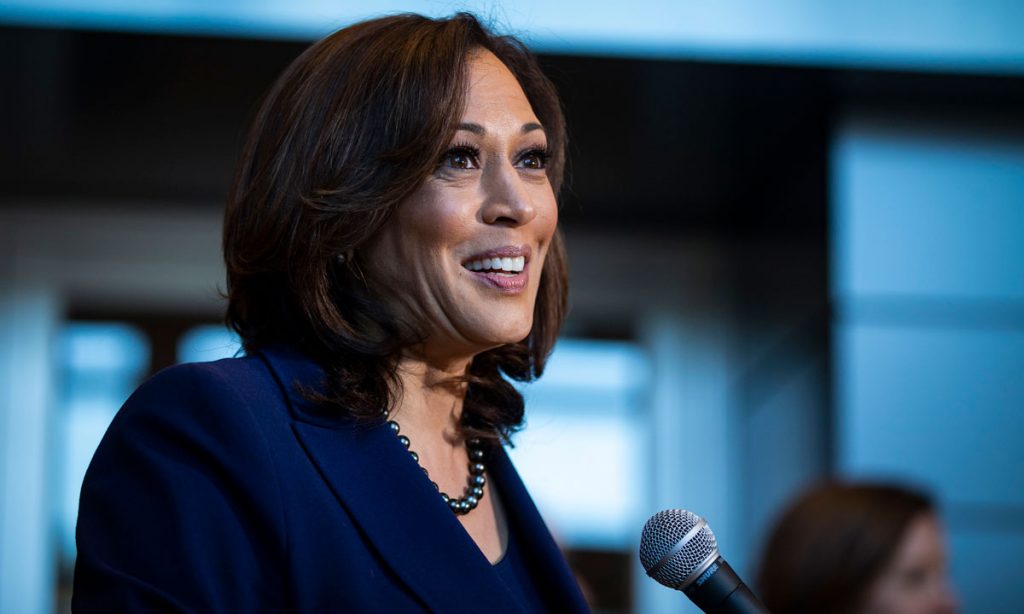
Congratulations to Senator Kamala Harris, Joe Biden’s V.P. pick. Harris will become the first Black woman and the first person of Indian descent to be nominated for national office by a major party. It’s a huge accomplishment. It could also impact the race significantly in the coming weeks and months.
What would a Vice President Harris mean for cannabis law and policy? Assuming Biden and Harris win this fall, it’s hard to say. Harris has evolved considerably on cannabis policy, especially in the past few years. She also has emerged as a leading voice on companion issues of racial justice and inequality, even since walking away from her unsuccessful presidential campaign earlier this year.
Looking back, Harris wasn’t always a shining light on criminal justice and cannabis issues. Her resume includes a regrettable tenure as California Attorney General with respect to cannabis enforcement, overseeing the jailing of more than 1,500 people for marijuana crimes, and fighting to keep (and even enhance) the retrograde system of cash bail. These unforced errors famously surfaced in the Democratic Presidential debates and may emerge again with Harris on the ticket.
Eventually, as a U.S. Senator, Harris followed her party away from the War on Drugs– albeit quietly and without much enthusiasm. Back in January of 2018, I went after Harris pretty hard on this blog. In that piece, I criticized her position on cannabis as “mostly just talk”, explaining:
“There are several reasons why Ms. Harris has been catching significant flak for her half measures on cannabis, as compared to other officials: 1) she hails from California, the first state with a medical cannabis program and the world’s largest cannabis economy; 2) she comes from the executive side, having served as California Attorney General; 3) she is a celebrity national politician, who is often floated as a 2020 presidential candidate; and 4) she is constantly talking about the failed War on Drugs. In fact, she talks about it pretty much every single day.
“But it’s all talk. As California Attorney General, Ms. Harris did little to advance her state’s interest as to cannabis. In 2014, when she was asked for her opinion on legalizing adult-use cannabis, her response was dismissive laughter. As a U.S. Senator, she has failed to sponsor or even co-sign any bill to re- or deschedule marijuana (and there are some good ones). Aside from lots of talking, Harris’ one big move has been to put together a petition to decriminalize marijuana nationwide (but not to revise the CSA). My eight-year-old niece could do that.”
Photo by Al Drago/Stringer/Getty Images
If I had given Harris a letter grade at that time, it might have been a “D.” Fortunately, things have changed quite a bit over the past two-and-a-half years. Last summer, we ran a series of posts taking a close look at each of the 2020 Democratic presidential candidates. At that point, Harris had begun advocating for legalizing cannabis, as well as for expunging marijuana offenses from criminal records. We gave Harris a “B”, noting her improvement but wondering how much priority Harris would give to cannabis reform if elected into office. We also noted how late to the game Harris was, as compared to vanguard cannabis candidates like Bernie Sanders and Cory Booker, to name a few (see the overall roundup here).
All of that said, it’s not how you start, but how you finish. Harris has really picked up the charge on cannabis issues lately, including in her role as Senate sponsor of the MORE Act. As drafted, the MORE Act removes marijuana from the federal Controlled Substances Act and provides expungement for certain cannabis offenses (and has a 3% chance of actually becoming law someday).
Still, if Harris keeps at it, her advocacy will be a real boon, especially given Biden’s perplexing unwillingness to support cannabis legalization (we gave Biden a “D”), and especially given the Democrats’ failure at large to add marijuana legalization to the party platform once again this year. (Pretty disappointing, especially considering where the party was at in the run-up to the 2016 convention).
So we should credit Harris for coming around on cannabis, especially when the center of her party is still a half step behind. It is true that the Biden-Harris ticket is not the best that legalization advocates could have hoped for, but, like the U.S. at large, the Democratic party continues to float toward inevitably ending prohibition. Harris is going to help with that, even if it doesn’t happen as quickly as we had once hoped.
Vince Sliwoski is an attorney at Harris Bricken, a law firm with lawyers in Seattle, Portland, Los Angeles, San Francisco, Barcelona, and Beijing. This story was originally published on the Canna Law Blog and has been reposted with permission.
Everyone probably assumes this Grammy award winner and popper of Champagne smokes weed. But does he?
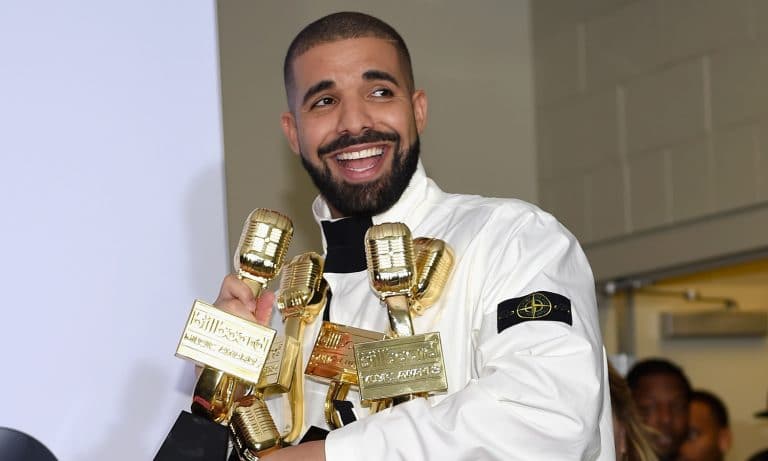
Drake is one of the most famous people on the planet. As both an accomplished actor and singer, he’s won plenty of awards and broken many Billboard records. He’s universally loved by rap purists and pop fans alike. This week he released a new song and announced his new record, “Certified Lover Boy.”
But let’s get to the important stuff. Does he smoke marijuana?
Googling “Drake” and “weed” is an interesting experience, one that provides many results. Like all things Drake, these are a little weird and unintentionally hilarious. “It’s no secret that Drake sucks at smoking weed: He rarely raps about it; he routinely claims to only do it in moderation; he never posts the late-night smoked-out Instagram,” states a 2017 Vice article. “He’s such a lightweight that he recently made headlines for allegedly getting too stoned to perform at a concert in Amsterdam, which, buddy, come on.” According to TMZ, he had food poisoning, which honestly makes the whole thing worse.
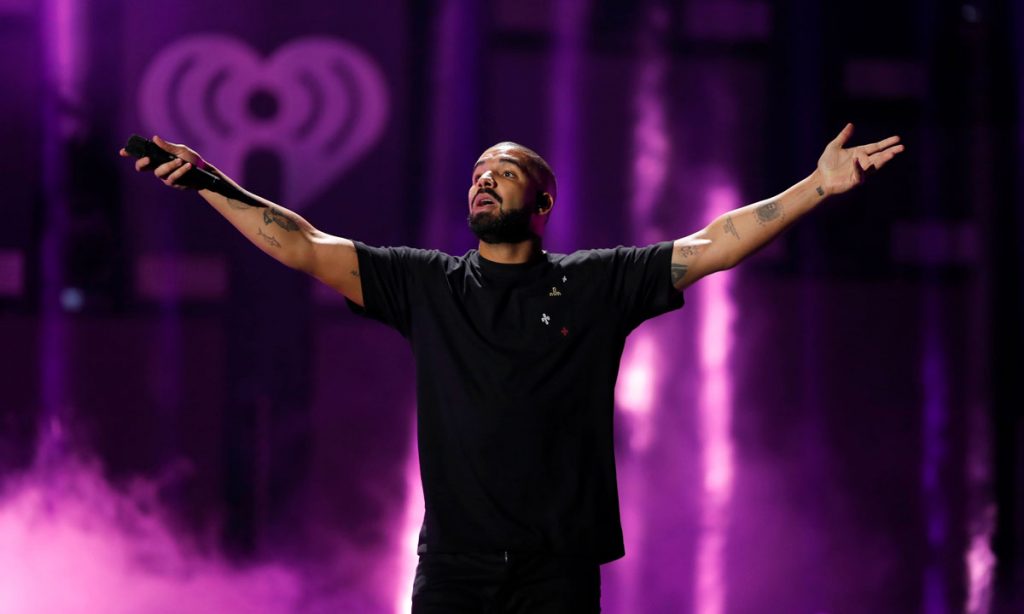
Although it is true that Drake rarely raps about weed or drugs, there are videos of him smoking weed onstage.
He looks pretty awkward and for some reason the video goes out of its way to say that it’s his fist time, but, you know, he’s still smoking.
In 2019, Drake announced that he was partnering with Canopy Growth to launch a cannabis company called More Life Growth Company, named named after Drake’s More Life, a commercial mixtape featuring the rapper’s known associates like PartyNextDoor, Travis Scott, Jorja Smith, and Kanye West. Drake is the majority owner.
While Drake may look silly while smoking weed and may works a little too hard to try and keep his image clean, he’s still involved in the cannabis industry and is a smoker, nonetheless.
It would appear that changing over the Senate is even more important than who is President on this particular issue.
Many in the cannabis industry have, understandably, backed Joe Biden and Kamala Harris for President and VP, presumably for a variety of reasons which include a belief that they are more likely to support legalizing cannabis at the federal level. Many are not as aware that President Donald Trump has stated that he is, in his words, “100%” in favor of legalizing medical marijuana, and that he believes recreational or adult use should be decided by the states, although early in his 2016 campaign he said he opposed legalizing adult use. But cannabis legalization does not depend on the presidential election.
The truth is, as many have discovered, the Biden campaign has almost the same view as Mr. Trump. The former VP will support the legalization of cannabis for medical purposes, leave decisions regarding legalization for recreational use up to the states, and reschedule cannabis as a Schedule II drug. If Trump supports legalization essentially in this manner, then why has it not been enacted since his inauguration? There are primarily three barriers to this, and their names are Republican Sens. Mitch McConnell, Mike Crapo and Lindsey Graham. But let’s step back.
In January 2018, then-Attorney General Jeff Sessions rescinded the Obama-era Cole Memo in the Justice Department which deemphasized federal prosecution of state legal cannabis enterprises. In response to this, Sen. Cory Gardner (R-CO) told the President he would hold up all his judicial nominees until he addressed the issue. A few months later he was able to talk to Trump, who assured him that if a bill came to his desk legalizing medical marijuana and leaving adult use to the states, he would sign it. Gardner then backed off his resistance to Trump’s judges.
Shortly thereafter, Gardner, along with Sen. Elizabeth Warren (D-MA), introduced the Strengthening the Tenth Amendment Through Entrusting States (STATES) Act, then reintroduced it a year later. A companion bill was also introduced in the House. The bill would take the steps Trump said he would accept in legalizing medical marijuana and allowing states to legalize adult use.
In December 2018, in part to assist his beleaguered Kentucky farmers, McConnell supported and completed the passage into law of the Agriculture Improvement Act of 2018 (also known as the Farm Bill). That bill federally legalized industrial hemp and CBD derived from it.
In the meantime, the STATES Act remains one of dozens of other bills currently pending in Congress to either legalize, deschedule or decriminalize cannabis or enhance banking access for those in the industry. Although a strong majority of Americans in both parties favor legalization, and many Republican legislators hail from states where significant tax revenues and jobs have resulted from state legalization, none of these bills has passed to date. And the most recent pandemic relief bill passed by the House includes help for cannabis companies for banking. This has been roundly criticized by Senate Republicans, who like saying the bill mentions cannabis more than jobs.
Photo by Joshua Sukoff via Unsplash
The primary impediment on the STATES Act and other bills: our threesome of GOP Senators mentioned above. In November 2019, the House Judiciary Committee passed a legalization bill, after which Senate Majority Leader McConnell did meet with cannabis executives in California, pre-pandemic. As he was pursuing the Farm Bill in 2018, however, he made clear he does not wish to legalize marijuana. Regarding hemp, he said in May 2018, “It is a different plant. It has an illicit cousin which I choose not to embrace.”
Lindsey Graham (R-SC) runs the powerful Rules Committee through which all legislation must pass. Graham has supported certain pro-cannabis bills such as the CARERS Act in 2016, which would have prohibited federal enforcement against state-legal cannabis and reschedule it. But the tobacco-state Senator has also been clear in his stance against legalization or descheduling. Graham has a surprisingly strong Democrat opponent to his reelection in November in Jaime Harrison, who is a major supporter of cannabis legalization. This does not appear to have shaken Graham’s views.
Less critical but still important is Mike Crapo (R-Idaho), leader of the Senate Banking Committee. He could have been crucial in passing some banking relief, such as the SAFE Banking Act which has passed the House. In December 2019 he made clear he had major issues with the bill the House passed, though he is not opposed to some form of banking legislation. He also has been clear in his opposition to cannabis legalization.
Where does this leave us? If, as some are predicting, the Democrats retake control of the Senate next January and retain their majority in the House, I believe the likelihood of passage of something like the STATES Act increases dramatically. And if Trump is reelected? Based on his past views it does not appear he would oppose signing such a bill. And if Biden is elected, presumably the same result. In fact, it would appear that changing over the Senate is even more important than who is President on this particular issue.
Anecdotal and scientific evidence proves that breathing exercises are efficient in managing your stress and improving your mental health.
It may sound reductive to say that taking some focused and deep breaths can help you improve your mental health, but evidence continues to support these claims. Aside from being super easy to adopt, deep breathing techniques have been associated with muscle relaxation, reduced tension and stress relief. A new study says that the practice can also decrease the odds of having depression, anxiety and other mental health issues.
The study, published in the journal Frontiers in Psychiatry, was conducted on college students, a subset of people known to lead highly stressful lifestyles. According to Yale researchers, people between the ages of 18 and 25 are the most susceptible to mental health illness. They also explain that the mental health of college students has been declining over the years, with more reports of anxiety, depression, and more.
The researchers analyzed more than 100 students who were placed in three different wellness programs. It found that breathing exercises, yoga posturing and positive psychology skills had the best impact out of all the wellness practices, which correlated to reduced depression, better stress management, better mental health and increased feelings of social connectedness.
While these results are exciting for college students, they add more credence to breathing techniques as one of the main ways of providing stress relief. These exercises, like belly breathing, diaphragmatic breathing, or even counted breaths, can be done at any time or place. Unlike popular beliefs, they don’t need to be paired with some form of meditation, yoga, pilates or other activity associated with wellness in order to provide effects and consistent change.
Breathing techniques can be adopted by anyone who’s interested. They can be included into whatever wellness routine you currently have; the only ask is that you allot a couple of minutes a day and some concentration in order to obtain positive results for your mental health.
Overthinking is common, particularly during times of high stress. Here are some simple tips that can help you control your thoughts.
The line between thinking and overthinking is thin and easy to blur, primarily during those weeks where you feel like your mental health is not at its best. While thinking is a necessary tool for practically any activity, overthinking can transform something as simple as breakfast into an anxious spiral. It’s not good and very hard to control.
Once you start overthinking, your brain starts to develop a habit for it, creating a cycle that can quickly facilitate anxiety spirals and stress. Although it takes some active work, there are ways to prevent this, especially if you know what you’re dealing with. Overthinking usually functions in two ways: people can ruminate or they can worry.
These statements are similar but rumination refers to overthinking about something that has already happened, while worrying refers to overthinking about something that hasn’t happened yet. Both of these issues are correlated with other mental health issues, like depression, anxiety and more.
While there’s not one perfect way to stop overthinking, there are different techniques that can get the job done. Here are some of the most popular:
There’s no elegant way of stopping your thoughts. Depending on your situation you can try saying “stop” out loud, distracting yourself with work, a TV show, a movie or a book, going out for exercise, and more. Any activity can be successful in stopping your thoughts; you just have to find one you enjoy and that works for you.
Mindfulness
Mindfulness exercises remind you to stay in the present moment. It’s a practice that encourages you to reel in your thoughts once they start taking over your mind. It’s a popular practice because it’s simple and can be done anywhere that’s quiet and comfortable.
Most of the time, when we overthink, we tend to focus on all the mistakes we’ve made or the bad things that could happen if something goes wrong. This is not only stressful but harmful to your health. It’s important to shift your focus and try your best to view all of the positives that are in your life in hopes of shutting that voice off in your head.
Use a timer
If you really feel like you need to stress out over something you did or something that’s coming, set a timer for it. Put some parameters in place, freak out and then get back to living your life. While it won’t be easy to stop worrying once you succumb to the overthinking, it could help to give yourself 5 minutes to feel and then 10 to vent your thoughts on paper or on the notes app on your phone.
With an ever-increasing number of adults in the United States developing Alzheimer’s disease, research is expanding into alternative methods of treatment.
A new study published in the Journal of Psychopharmacology found something remarkable about cannabidiol’s effect on blood flow and memory. Dr. Michael Bloomfield, lead author of the study, acknowledged that CBD (oil) can “help reduce symptoms of psychosis and anxiety,” but added that there is evidence to support the belief that CBD can elevate memory function.
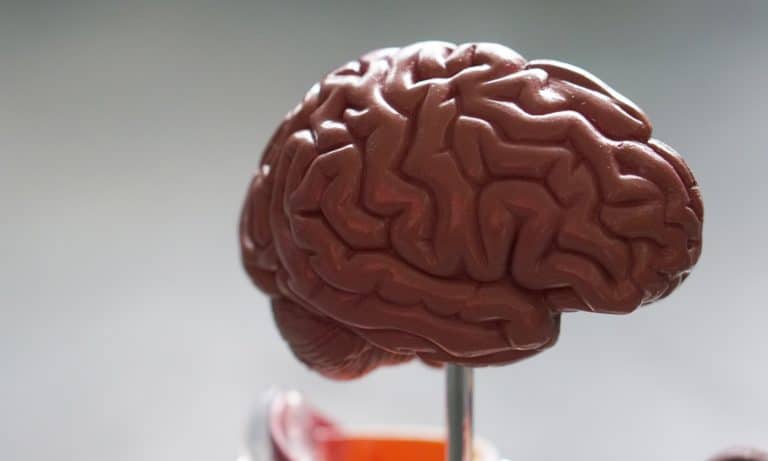
The goal of the study was to uncover how CBD “influences cerebral blood flow (CBF)” where the human brain processes memories. Interestingly, the team from the University College London found that not only does CBD increase CBF inside the hippocampus (located deep in the temporal lobe), but greater CBD use was associated with a reduced reaction time on memory tasks.
The study used a randomized, double-blind design of 15 individuals who were healthy prior (and showed no signs of Alzheimer’s). While some study participants were given 600 mg of CBD orally, others were given a placebo. Using MRI-technology, researchers measured the blood flow for both groups. The results found that CBD increased blood flow to the brain, and the potential for treatment of Alzheimer’s.
According to researchers, “These results identify potential mechanisms of CBD for a range of conditions associated with altered memory processing, including Alzheimer’s disease, schizophrenia, post-traumatic stress disorder and cannabis-use disorders.”
Photos: Matthew Brodeur via Unsplash; Patrick J. Lynch, medical illustrator via Wikimedia
In late summer last year, a study about cannabis and Alzheimer’s highlighted that CBD could help prevent learning impairment and cannabidiol could reduce the spread of plaques responsible for causing memory blockages, directly associated with the disease. According to the U.K.’s National Health Service, Alzheimer’s is believed to be associated with an, “abnormal build-up of proteins in and around brain cells and the plaques they deposit.”
Paving the way to new treatments and better understanding of the brain’s inner workings on and off the leafy medicine, the team is delighted with the results. Study authors declared, “These findings suggest that CBD increases CBF to key regions involved in memory processing, particularly the hippocampus,” meaning that this research not only expands understanding about the brain, but offers deep insights to how blood flow aligns with memory health.
With an ever-increasing number of adults in the United States developing Alzheimer’s disease, research is expanding into alternative methods of treatment. More scientists than ever before are understanding CBD and marijuana’s potential treatment and disruption of the disease.