Quieting the mind can be useful, but if you find yourself more depressed after practicing mindfulness, you’re certainly not alone.
If past studies are to be believed, you can forget about everything your yoga instructor has ever told you. Some researchers believe that mindfulness and meditation might amplify anxiety and stress in some people. Granted, the number of people who experience this is relatively low, but still. This is some jarring information for the millions of people who love to meditate.
A 2016 study conducted by a team of researchers, who combed through dozens of past studies, found that about 1 in 12 people experienced an unwanted side effect from practicing long-term, intensive meditation, with negative symptom usually leaning towards anxiety or depression:
Qualitative research on mindfulness meditation shows that it may increase the awareness of difficult feelings and exacerbate psychological problems.
“For most people it works fine but it has undoubtedly been overhyped and it’s not universally benevolent,” Miguel Farias, one of the lead researchers behind the work, toldNew Scientist. The overview of the data analyzed 55 different studies, calculating the average amount of people who experienced negative side effects within each one.
“Why do some people react badly to meditation? A possible explanation is that it amplifies inner problems,” wrote researchers. “If one has a ‘disposition’ to depression, bipolar disorder or psychosis, meditation may heighten it.”
“Another explanation is that mindfulness is not only about ‘being aware’ but may also challenge the ordinary sense of self.”
Still, there’s hope for those who believe in the powers of meditation and mindfulness. Psychologist Katie Spark explained to New Scientist that sometimes it’s natural for the brain to rebel against new stimulus, especially those that try to control their thoughts and emotions. “It’s like a backlash to the attempt to control the mind, and this results in an episode of anxiety or depression,” she said.
While people should be mindful of their feelings when meditating, noticing if something doesn’t feel right, they should continue to practice ways of feeling better and more calm through the use of guided videos, apps or an instructor. If feelings of anxiety or depression persist, it might also be an indication that the problem is more serious and should be consulted with a medical expert.
Trump suggested that cannabis ballot measures swing elections in Democrats’ favor and, at least in Wisconsin, he may be right.
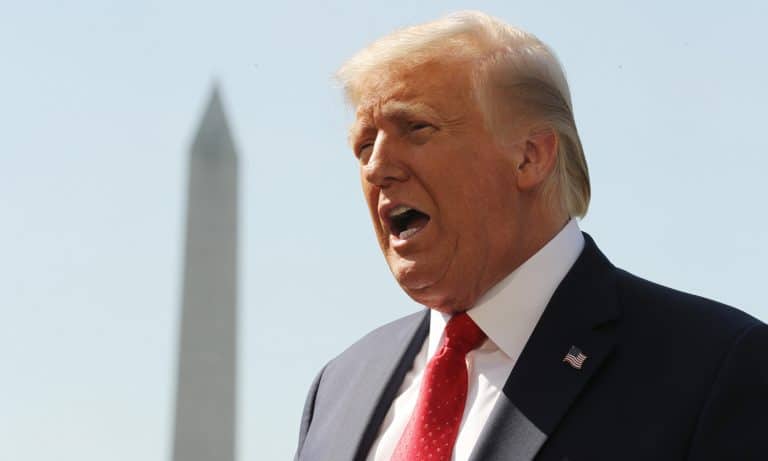
President Donald Trump hosted a campaign rally in Oshkosh, Wisconsin the same night the Democratic National Convention was scheduled to kick off in Milwaukee. While Democrats instead opted for a virtual conference to avoid spreading the coronavirus, Trump drew a crowd of at least 1,000 people.
In off-the-cuff remarks, Trump suggested to Republicans that if they wanted to win elections, they had to keep cannabis legalization off the ballot. Though the Trump Administration has attacked cannabis reform in behind-closed-doors proceedings and by blocking legislative action, this is the first time the President has made negative comments about cannabis in public.
“The next time you run please don’t put marijuana on the ballot at the same time you’re running,” Trump said at the rally. “You brought out like a million people that nobody ever knew were coming out.”
The comments were directed at former Wisconsin Gov. Scott Walker, who was among the crowd and was ousted in the 2018 mid-term election by Democratic challenger and current Gov. Tony Evers. But the 2018 gubernatorial race was heated with just over one percentage point of total votes separating Evers and Walker.
However, statewide legalization wasn’t on the Wisconsin ballot in 2018. Instead a number of local advisory questions appeared in 16 counties, which all voted affirmatively they would support recreational or medical cannabis reform. But these voter approvals were non-binding and only serve to gauge public sentiment on a given topic.
Photo by dvulikaia/Getty Images
These ballot measures were placed there by elected officials in those individual counties. Walker had no role in placing them on the ballot, as Trump suggested. Data suggests those measures may have tipped the gubernatorial race Evers’ favor. Official results show Evers gained significant votes in those 16 counties with marijuana measures when compared to the Democratic challenger in the 2014 gubernatorial race. Considering Evers only defeated Walker by 30,576 votes, those ballot questions likely made the difference.
However, this does not represent new political gamesmanship by Democrats. Because mid-term elections often draw smaller voter turnouts, as explained by Senior Brookings Institute Fellow John Hudak, both Republicans and Democrats often use ballot measures to motivate people to the booth.
A recent Fresh Toast poll asked readers which presidential candidate would more likely legalize cannabis if elected this year. Results were split almost 50-50, with Democratic nominee Joe Biden slightly edging out Trump.
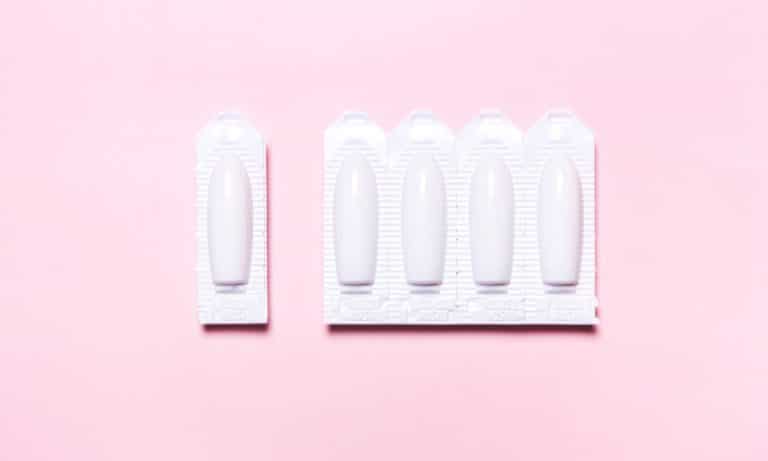
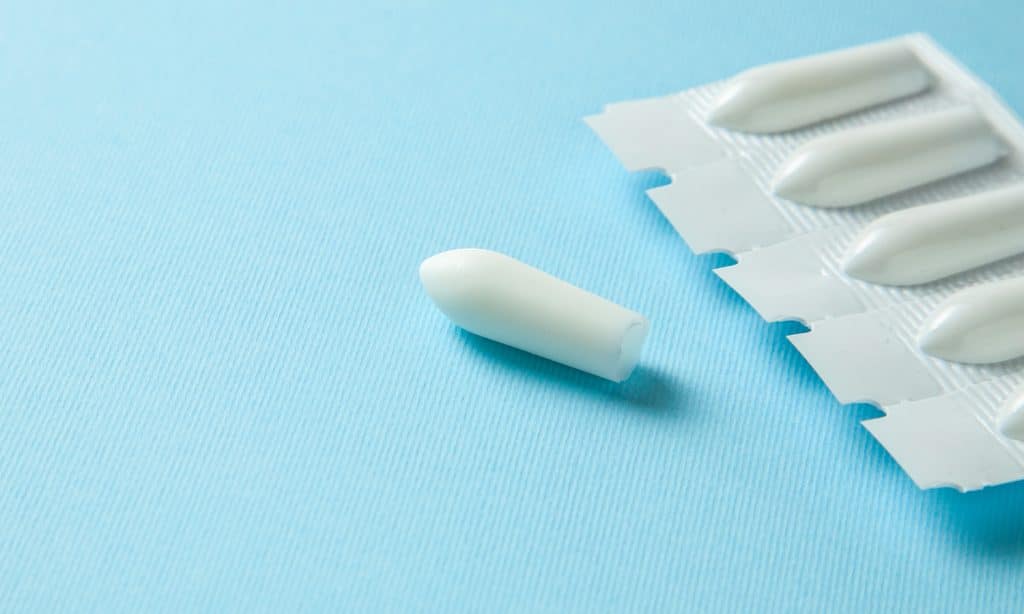
Cannabis suppositories are becoming increasingly more popular. Here’s what they can do for you.
While suppositories aren’t exactly a go-to for cannabis dosing, they are touted as some of the most effective and fast-acting methods of medicinal relief. Not surprisingly, the cannabis suppository market has been gaining popularity over the past couple of years, and that includes CBD.
While there’s not a lot of research on the compound, CBD suppositories have gotten some positive anecdotal reviews, with many praising the fact that they provide noticeable results within 20 minutes. Cannabis suppositories are known for providing powerful effects with no intoxication, even in products that contain THC, which can provide major pain relief.
When compared to other methods of ingesting cannabis, suppositories lie somewhere between edibles and smoked cannabis; while they’re not as unpredictable and strong as edibles are, they are stronger than most other forms of consuming cannabis. Also, when cannabis is ingested in suppository form, your body absorbs most of what’s in these products, unlike smoked cannabis, where a lot of the cannabinoids go to waste.
Photo by ADragan/Getty Images
CBD suppositories are said to manage inflammation better than THC suppositories. They’re also good at promoting relaxation, something that has made these products as viable options for people who suffer from period cramps or pain and stress during sex.
“With topicals, suppositories, and CBD bath products, you are treating the issue directly at the source and allowing the CBD to really target the problem area,” explains Brandin LaShea, host of “Pop Pie” on Social TV Club.
While suppositories can be used to treat anxiety, nausea, and other symptoms normally treated with CBD, the majority of people use suppositories to treat specific ailments. Period cramps, pelvic floor dysfunctions, back and hip pain, painful sex, and more, are symptoms that can be quickly improved with the use of CBD suppositories.
Whether it’s a part of your skincare routine or gym recovery strategy, CBD oil is a versatile natural remedy to have on hand.
CBD has been a trending item since it became accepted and legalized in 2018. The many health claims and benefits associated with CBD have intrigued people around the world who want to try the product for themselves. However, many people are still intimidated by the negative connotations associated with the product.
If you’ve been wondering how to start using CBD oil, you’re in luck. Here are some tips and tricks for incorporating CBD oils into your daily routine.
Define Your Needs
First things first, consider what you’re trying to accomplish. This is essential for finding the right CBD oil to suit your needs. Some common reasons for taking CBD oil include:
Relieving stress and anxiety
Helping improve sleep
Non-medicinal pain relief
Reducing inflammation and swelling
Skincare and cosmetic use
Knowing your reasons will help you better identify what blend of CBD oil will work best for you, as well as what form. For example, if you’re using CBD to treat acne or assist with targeted muscular pain, a topical application might be best. If you’re looking for help with your anxiety or insomnia, CBD edibles or drops might be more effective.
Assess the Impacts
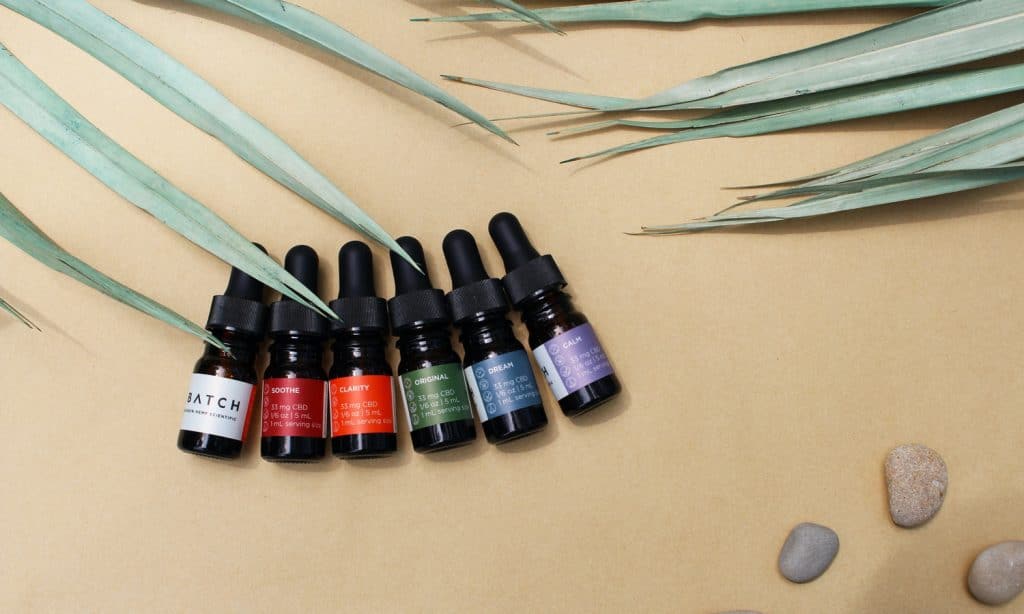
Photo by BATCH by Wisconsin Hemp Scientific via Unsplash
Before you can determine how to fit CBD oil into your daily routine, you need to assess the impacts of specific blends. If you’re only using the oil topically, you’re probably fine to experiment and go about your day. However, if you’ll be ingesting CBD, you’ll want to give yourself time to process it in a safe place.
For some people, CBD oil has no side effects. Others feel drowsy or experience an upset stomach the first few times. By setting aside time to assess the impacts, you can help find the right product for you and ensure you use it safely.
Don’t feel intimidated by the fact that there are potential side-effects. The same thing applies to over-the-counter cough medicine and Tylenol.
How to Use CBD Salves
CBD salves and ointments are a great way to use CBD oils for skin issues and muscle stiffness. Invest in a high-quality salve to rub on your muscles after the gym, keeping a canister in your gym bag. If you plan on using CBD as a part of your skincare regimen, incorporate it as a moisturizer during your morning or evening routine.
How to Use CBD Drops
When using CBD drops, paying attention to the blend is essential. Depending on your area, there’s a legal threshold for THC— the active ingredient in marijuana that causes a high. This level isn’t closely regulated yet, meaning you could unknowingly get some product with a high THC percentage.
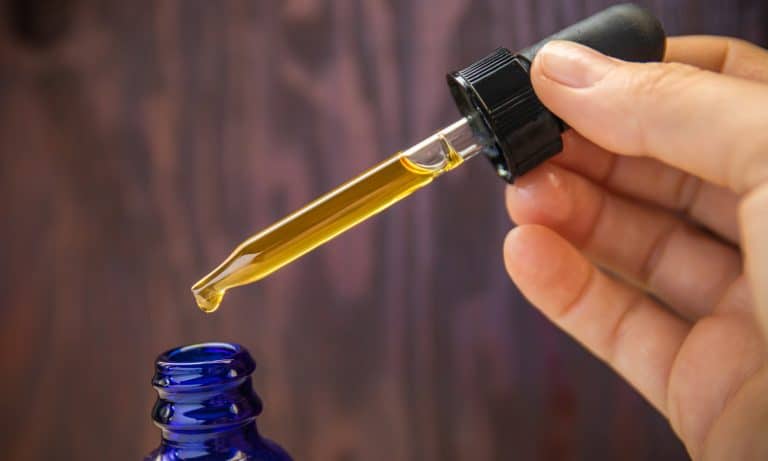
Once you find the right blend, you can administer the drops orally or incorporate them into beverages. For example, if you’re using CBD to help with anxiety throughout the day, adding a few drops in your morning smoothie is a great way to incorporate CBD into your routine.
How to Use CBD Edibles
Photo by R+R Medicinals via Unsplash
When your CBD oil is in edible form or capsules, it’s important to pay attention to the THC level. Either use the oil to make your own edibles or buy from trusted suppliers.
A CBD edible is a great way to get an energy boost in the afternoon. Or, depending on the blend you choose, it can be a great way to relax and fall asleep at night. It’s these vast differences between products that make it so important to know what you’re ingesting and why.
Final Thoughts
Be a savvy CBD oil user. Do plenty of research about the blends and suppliers you use, then get creative with how you incorporate it into your day. Whether it’s a part of your skincare routine or gym recovery strategy, CBD oil is a versatile natural remedy to have on hand.
Disclaimer:The views expressed in this article solely belong to the author and do not necessarily represent those of The Fresh Toast.
Very simply, marijuana legalization is not some wild experiment that has never been done before. And now, of course, we are beginning to see the same experience in some places in the United States.
In the midst of the pandemic, there is much uncertainty about almost everything, but one thing does seem certain: America is going to be much poorer. Or, to put in a global perspective, America and a few other countries will be much less rich and the rest of the world will be much, much poorer, and no wall or welfare program will protect us.
In Los Angeles, the global center of the entertainment industry, the unemployment rate is already around 50%, and many jobs and businesses are gone forever. The sheer scale of the problems will almost certainly lead to social unrest which will be visible to the world. But so will the solutions, because the world really does look to “Hollywood” for imagination.
So use your imagination. Imagine what Los Angeles and America and the world would look like without marijuana prohibition.
Of course, one might imagine that marijuana prohibition has ended in California and especially in Los Angeles, where there are 155 licensed marijuana dispensaries.
And Los Angeles even has a “Departament of Cannabis Regulation” which is trying to navigate through the competing interests in the retail marijuana business by deciding who gets one of the very valuable new retail licenses that the city will issue. The DCR has just completed a review of L.A.’s policies, so let the competition begin.
Now for context. The City of Los Angeles has approximately 4 million people and Los Angeles County has around 10 million.
But also consider that there are approximately 1,600 bars, not including a huge number of restaurants that serve alcohol, and then there are hundreds of “liquor stores”, and most supermarkets have huge selections of almost every type of alcohol, beer, wine and booze. And there are also delivery services…
For added context, according to the National Institute on Alcohol Abuse and Alcoholism, each year nationwide there are roughly 250,000 emergency department visits for alcohol addiction withdrawal which is so extreme that there are 850 deaths related to alcohol withdrawal. Ironically, that is why alcohol sales are considered “essential”, especially in the lockdown.
But zero deaths directly attributable to marijuana use.
And alcohol kills thousands more in accidents and is a major factor in violence, especially domestic violence, during the current lockdown.
Meanwhile, in the Netherlands, population 17 million, marijuana has been available for over forty years in approximately 750 “coffeeshops” where anyone over 18 can buy and smoke cannabis. Amsterdam’s population is 900,000, less than a quarter of the city of Los Angeles, and has approximately 170 “coffeeshops”.
Photo by Fiordaliso/Getty Images
In addition, you can smoke cannabis, but not tobacco, in any bar, restaurant or venue where the owners allow it. (Most don’t)
Related: Are you a senior citizen interested in the benefits of CBD? Click here for a comprehensive guide to all things CBD.
The results: the Dutch annual per capita rate of cannabis use is less than half of the American rate 5.4% vs 13.7% and the hard drug use rate is even lower 0.3% vs 0.57. And the murder rate is less than one fifth the U.S rate.
Very simply, marijuana legalization is not some wild experiment that has never been done before. And now, of course, we are beginning to see the same experience in some places in the U.S..
Meanwhile, the Los Angeles restaurant scene is being decimated by the pandemic shutdown, and to reopen they are going to need new sources of income, especially with social distancing reducing their capacity. Being able to sell cannabis would give them a badly needed source of income, and allowing on-premise consumption (with vaporizers that don’t produce “second hand smoke”) would increase food sales.
No munchies jokes, please.
When politicians calculate tax revenues from cannabis sales, they typically just think of direct taxes, but that is like projecting alcohol tax revenues that only counted liquor store taxes. In fact, there would be far fewer restaurants without alcohol sales, and there will be far fewer in the future without cannabis.
Of course, the same is especially true of the music scene. From Louis Armstrong to The Beatles to Willie Nelson, there has long been a connection between music and marijuana. Ironically, musicians have been especially hurt by the pandemic with all of their gigs canceled and the venues closed. Big concerts have always had clouds of smoke, because the police knew it would be impossible and impolitic to arrest anyone, but in smaller venues they could credibly threaten smokers and the owners.
Los Angeles should proudly recognize cannabis as part of its culture and welcome cannabis use in music venues, just as they do with alcohol. To do otherwise would be both cowardly and hypocritical, and really bad business. Given Los Angeles prominence in the entertainment business, with truly legal cannabis it should leverage its visibility into leadership in other aspects of cannabis, such as hemp fashions, medical cannabis research, including CBD and other cannabinoids.
Finally, in a multiracial society like Los Angeles, cannabis could bring its diverse cultures together for social peace.
Richard Cowan is a former NORML National Director and co-founder of Blue Ribbon Hemp
Voters legalized adult-use cannabis in 2016 and state legislators planned legal sales to begin in Feb. 2018. But Gov. Paul LePage vetoed it, delaying the process until he was replaced in Jan. 2019.
Maine’s Office of Marijuana Policy announced that retail sales of adult-use marijuana to consumers 21 years of age or older will be permitted starting on Friday, October 9, 2020. The office, which is a part of the Maine Department of Administrative and Financial Services, intends to issue the first active licenses to recreational cannabis businesses on Tuesday, September 8, 2020.
“The public’s health and safety are at the forefront of every decision we make at the Office of Marijuana Policy,” said OMP Director Erik Gundersen. “While we were poised to launch this new industry earlier this year, we were unwilling to sacrifice the high standards we have set for this program by launching during an emerging public health pandemic and in the absence of a testing facility. With the support of the public health community, municipalities across the state, and the industry we regulate, we have used the last few months to ensure this new industry is introduced to Maine consumers in a manner that is as responsible as possible.”
The department said that the issuance of active licenses will continue the Office of Marijuana Policy’s structured rollout of Maine’s emerging adult-use industry, which had been indefinitely postponed in April in response to the COVID-19 pandemic. While it isn’t a big state with regards to population, it is still seen as one that could be profitable for businesses.
The recent BDSA Arcview State of Legalized Marijuana Report stated, “There are several small states like Maine, New Mexico and Rhode Island that will also pay off for operators on a smaller scale. That happens when what is typically a consumer base of 2% or less of the population with medical cars suddenly becomes 20%-plus of adults that consumer cannabis.” Maine’s cannabis sales are forecasted to reach $314 million by 2025, putting it on par with Alaska which is forecast to reach $325 million.
Getting Licensed in Maine
Getting a license in Maine is a three-step application process that also includes conditional licensure and local authorization, respectively. An active license is required for adult-use establishments to come into possession, process, and sell adult-use marijuana, including initiating plant transfers from Maine’s existing medical marijuana program.
The statement read, “It is expected adult-use licensees will utilize the time between active licensure and Maine’s retail sales launch date to harvest and process marijuana, ensure those products satisfy the mandatory testing requirements, and move product through the supply chain to stock retail store shelves.”
Voters legalized adult-use cannabis in 2016 and state legislators originally planned legal sales to begin in February 2018. Governor Paul LePage fought to keep that from happening and when he was replaced by voters with Janet Mills, the process was reenergized. She took over the Governor’s role in January 2019 and signed a bill defining the program in June 2019.
“Today’s announcement is a major milestone in honoring the will of Maine voters and a significant step toward launching a new industry in the state,” added Gundersen. “Many of the business owners we have spoken with during the application process are ready and eager to commence operations.”
Photo by René Porter via Unsplash
Maine’s Process
The application process required by the adult-use law requires state regulators to review application materials for form and substance, with an eye toward details such as ensuring that all applicants have completed their required state and federal criminal history record checks; that the establishment’s operation, facility, and security plans satisfy the requirements of both the Marijuana Legalization Act and the adult-use program rule; and that the designated host municipality has provided the applicant with authorization to conduct business in their community.
OMP expects to issue licenses in each of the four categories of adult-use establishments: cultivation, product manufacturing, retail sale, and testing. Information on the specific number of licenses issued and the identities of active licensees will be made available on Tuesday, September 8, 2020.
The Mills Administration created OMP within DAFS in February 2019. The Office is responsible for the oversight of all aspects of legalized marijuana, including Maine’s existing Medical Use of Marijuana Program.
Feds Still Unhappy
Despite the legalization efforts in the state, it seems the Federal Bureau of Investigations (FBI) isn’t too happy about the cannabis companies. A few weeks ago the Bangor Daily News reported that Homegrown Connection and Narrow Gauge Distributors in Farmington were raided by agents claiming “court-authorized activity” in connection with an ongoing investigation. The report said agents, “could be seen piling what appeared to be marijuana plants outside the back of one of those locations. More than 14 state police cruisers were there, as well as unmarked vehicles from several New England states, according to the Sun Journal.”
The article stated that, “Both businesses are linked to Luke Sirois of Rangeley, who is the registered agent for Narrow Gauge Distributors in documents filed with the Maine secretary of state and has owned the Homegrown Connection for roughly a decade.” He is described as “a strong and vocal advocate for public policy.”
This article originally appeared on Green Market Report and has been reposted with permission.
While naps can’t make up for full night of sleeping, they can help you be more productive and contribute to a healthier lifestyle.
Sleeping is tough when there’s so much going on in the world and our circumstances are ever evolving. Sleeping during the day is almost unheard of, something that only kids and teens are able to get away with. This shouldn’t be the case; there’s no need to feel guilty about resting, even when surrounded by a pandemic and social unrest.
Naps are normally associated with weekends or something you do when you feel sick, but they can and probably should become a part of your wellness routine, as they have the power to make you feel better and happier.
Naps are helpful for adults, especially since the majority of us don’t get our necessary 8 hours of sleep every night. While naps are not a replacement for a full night of sleeping, they can help you feel more alert and productive. Still, despite how delicious they are, you can’t just nap for the entire afternoon. Doing this will only mess with your sleep cycles and will likely result in you feeling groggy and off.
Here are some tips that can help you nap “correctly.”
The key for proper napping is to stop yourself from sleeping more than you should. The Centers for Disease Control (CDC) says that the longer you sleep, the more likely it is for you to become groggy, so keep your naps on the short side of things, lasting between 15 to 30 minutes.
Wake up earlier
Photo by rawpixel.com
Naps can also affect your night’s sleep, which is something that you don’t want to mess with. In order to prevent sleep disruptions and create a whole new set of problems, be sure to nap during the earlier part of the day. If you wake up earlier you can complete large chunks of your work, exercise and nap, all before 4 p.m.. The rest of the day is up to you.
Try not to nap before an important meeting or outing. Naps can leave you feeling groggy for a couple of minutes after you wake, which is why it’s important to have them for short periods of time. After your nap is over, try doing something energizing that can help you get back to work or to whatever it is you were planning on doing with your day.
Researchers concluded that smoking marijuana after hours had no negative effects at the workplace, and believe drug screening programs should adapt to this new reality.
Although some states have banned pre-employment drug testing regarding cannabis use, a recent survey shows about 50% of employers would still fire workers for a first-time positive test for cannabis. Stereotypes remain about how cannabis use affects job performance, though little to no research has looked into this belief.
Researchers at San Diego State University and Auburn University bucked that trend by conducting a study on how cannabis use affected employees on the job. They concluded that consuming weed after hours had no negative effects at the workplace, but did establish a negative correlation among those who used marijuana before or during work. While inconclusive, the study added that after-hours marijuana use could actually provide some workplace benefits.
“Individuals deciding to consume cannabis after finishing their work may be able to distract themselves from stressful on-the-job issues,” said Dr. Jeremy Bernerth, the study’s lead author. “The relaxation induced by cannabis may help employees restore energy spent during the day and they may subsequently return with more stamina to devote to their job once they are back on the clock.”
Bernerth and his team compiled data from 281 employees and their director supervisors regarding this intersection between cannabis use and job performance. Employees were asked when and how often they used cannabis in relation to their work. This could include how often an employee smoked marijuana before their shift over the past year.
Photo by Vlada Karpovich via Pexels
Researchers then surveyed the employees’ supervisors about how well someone completed tasks at work, their willingness to support team goals, or if they exhibited any counterproductive work behavior. Supervisors more often reported counterproductive behavior and lack of team behavior by those who consumed before or during their shift. However, according to researchers, there was no “significant change in any of the work performance dimensions when employees used cannabis after work.”
Though drug screening programs continue across workplace environments, “there is virtually no empirical research exploring cannabis use in relation to the modern workplace,” they added.
Bernerth believes his team’s research should prohibit employers from banning all types of cannabis use by employees, because the study finds no adverse effect on job performance by after-hours users. NORML’s Deputy Director Paul Armentano supported the position, noting that many workplace drug testing program were holdover policies by the Drug War era.
“Suspicionless marijuana testing never has been an evidence-based policy,” Armentano said. “Rather, these discriminatory practices are a holdover from the zeitgeist of the 1980s ‘war on drugs.’ But times have changed; attitudes have changed, and in many places, the marijuana laws have changed. It is time for workplace policies to adapt to this new reality.”
The Canadian-born comedian has some advice for young people partying it up in B.C., which is experiencing a COVID-19 uptick.
As the global COVID-19 pandemic extends another month with no true end in sight, the temptation to return to a semblance of normalcy may come calling. But yet, social distancing protocols prevent many activities we associate with the summer, such as large family gatherings, late nights out, and group hangouts.
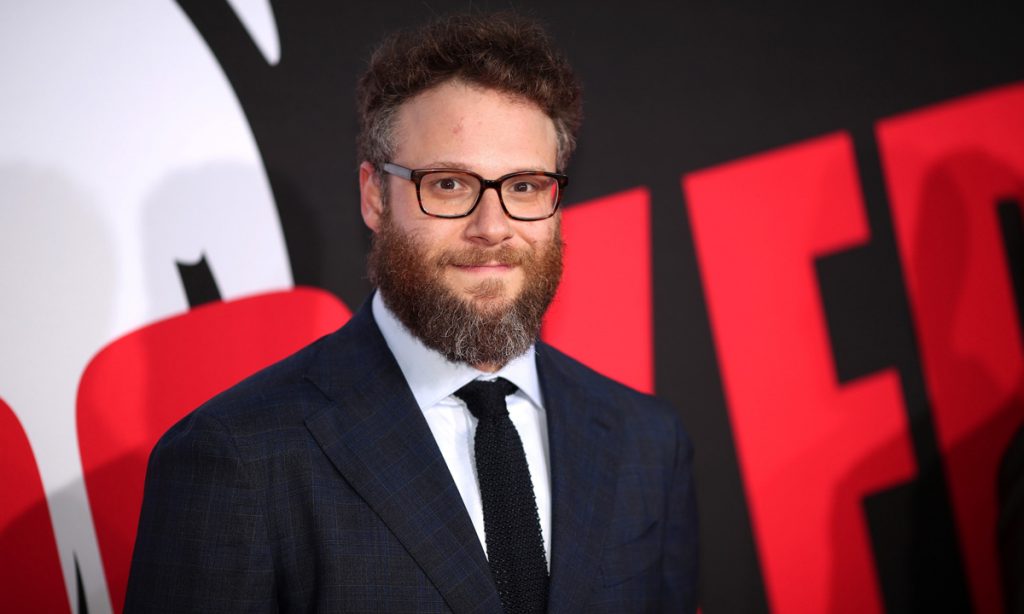
For those unsure about how to handle the angst of the sunny season, Seth Rogen has some advice, especially if you’re thinking of trying to outsmart the virus: Stay home, smoke weed, and watch movies. Rogen tweeted the suggestion following a call to action by British Columbia Premier John Horgan, who requested Canadian actors like Rogen and Ryan Reynolds positively use their influence amid the pandemic.
“Please do not go out to parties and BBQs and other large gatherings! The COVID is still out there!” Rogen tweeted. “It’s more fun to hang out alone and smoke weed and watch movies and TV shows anyway! Do that instead! Thank you!”
Although B.C. received commendations for initially controlling the coronavirus spread, a rash of outbreaks have occurred in recent months. Canada Day celebrations and summertime partying has caused an outbreak in the province and younger generations carry much of the blame.
People of British Columbia! Please do not go out to parties and BBQs and other large gatherings! The COVID is still out there! It’s more fun to hang out alone and smoke weed and watch movies and TV shows anyway! Do that instead! Thank you!
According to B.C. Centre for Disease Control (BCCDC), the largest proportion of new cases fall among those ages 20 to 39 years old. This demographic accounts for more than 1,500 cases as of late, which amounts to 37% of all new cases. People aged 20 to 39 only represent 27% of British Columbia’s total population.
Photo by Christopher Polk/Staff/Getty Images
Rogen’s comments were used to garner positive attention, but some medical experts have suggested cannabis users refrain from smoking or vaping at this time. The Food and Drug Administration stated back in April that there was no evidence connecting smoking or vaping to COVID-19, but the organization added that ingesting any combustible smoke could cause more serious symptoms.
NORML (The National Organization for the Reformation of Marijuana Laws) provided safety guidelines for marijuana consumers that recommended not sharing any smoking devices. They urged users to consider using noncombustible cannabis forms like edibles and tinctures instead. British Columbia released a similar “Good Times Guide” that asked residents not to share drinks, vaporizers, or any smoking apparatus, stating, “Now is not the time for sharing anything that’s been in your mouth.”
Cannabis shouldn’t create anxiety. Depending on the strain you use, it should ease anxiety, so let’s start there.
As marijuana’s popularity spreads, more people are open to trying it. Perhaps they’ve heard that their medical condition is eased or treated by medical marijuana. Maybe it’s simply time to try something other than a glass of wine at the end of the day. No matter the reason, it’s important to get the dosage right.
The thing is, like most mind-altering substances, cannabis effects people in different ways. And with the myriad of choices as to how one can imbibe, it can become complicated. Cannabis shouldn’t create anxiety. Depending on the strain you use, it should ease anxiety, so let’s start there.
Indicas, Sativas And Hybrids
These are the three types of marijuana plants that are harvested. Indicas are known for sedation and appetite stimulation, while sativas create more of a “heady” high: cerebral, creative and more active. A hybrid is a cross between sativa and indica and many people new to pot start with a hybrid. Though it’s sativa dominant, a very good strain for newbies is Jack Herer. Its uplifting high is a good start for almost anyone. If you’re looking for something more indica dominant, Bubble Kush is a very popular choice.
Ways to get cannabis into one’s system vary. From smoking, vaping, and dabbing to edibles, tinctures and topicals, it can be tough to know where to start. Especially if the newcomer is enthusiastic. The best advice is don’t try everything at once, because you may freak out. The biggest risk with marijuana is the potential panic attack from being “too high.” It’s easily avoidable, however, if you just follow a few rules.
Photo by Flickr user Dank Depot
One, if you start with edibles or tinctures, wait an hour before adding onto your dose, even if you don’t feel it yet. Plus, start with half of the recommended dose the first few times out of the gate.
Two, with smoking or vaping, start with one or two hits that don’t completely fill your lungs. Hold the hits in for a few seconds and release. And three, if someone offers you a dab, the best idea is to wait. Dabs are extremely potent and not for the not-yet-initiated. However, if a dab it is, just don’t hold it in and stick to one to start. You’ll thank us later.
Final tip? Don’t try weed for the first time while drunk. For one thing, you’ll probably end up getting sick or falling asleep, and for another, alcohol increases the active components of cannabis and cannabis increases the drunk feeling. (Here’s What You Should Know About Crossfaded Highs.) Not a good look. Stick to a little bit to start, don’t mix it with other substances so it’s felt through and through and don’t be shy. The cannabis community welcomes all.