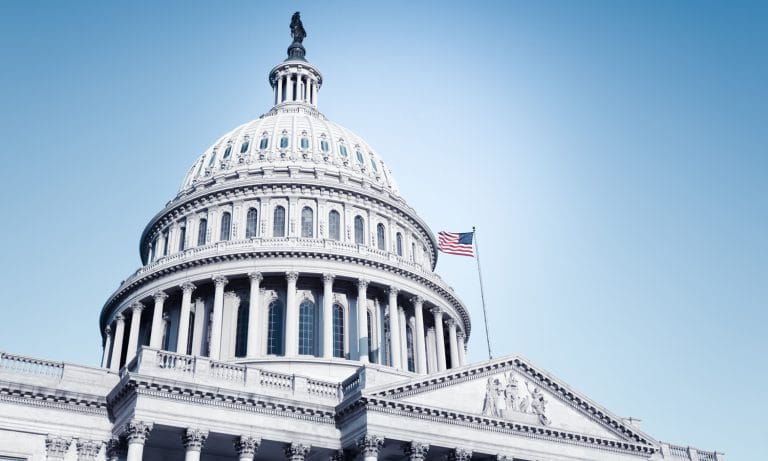
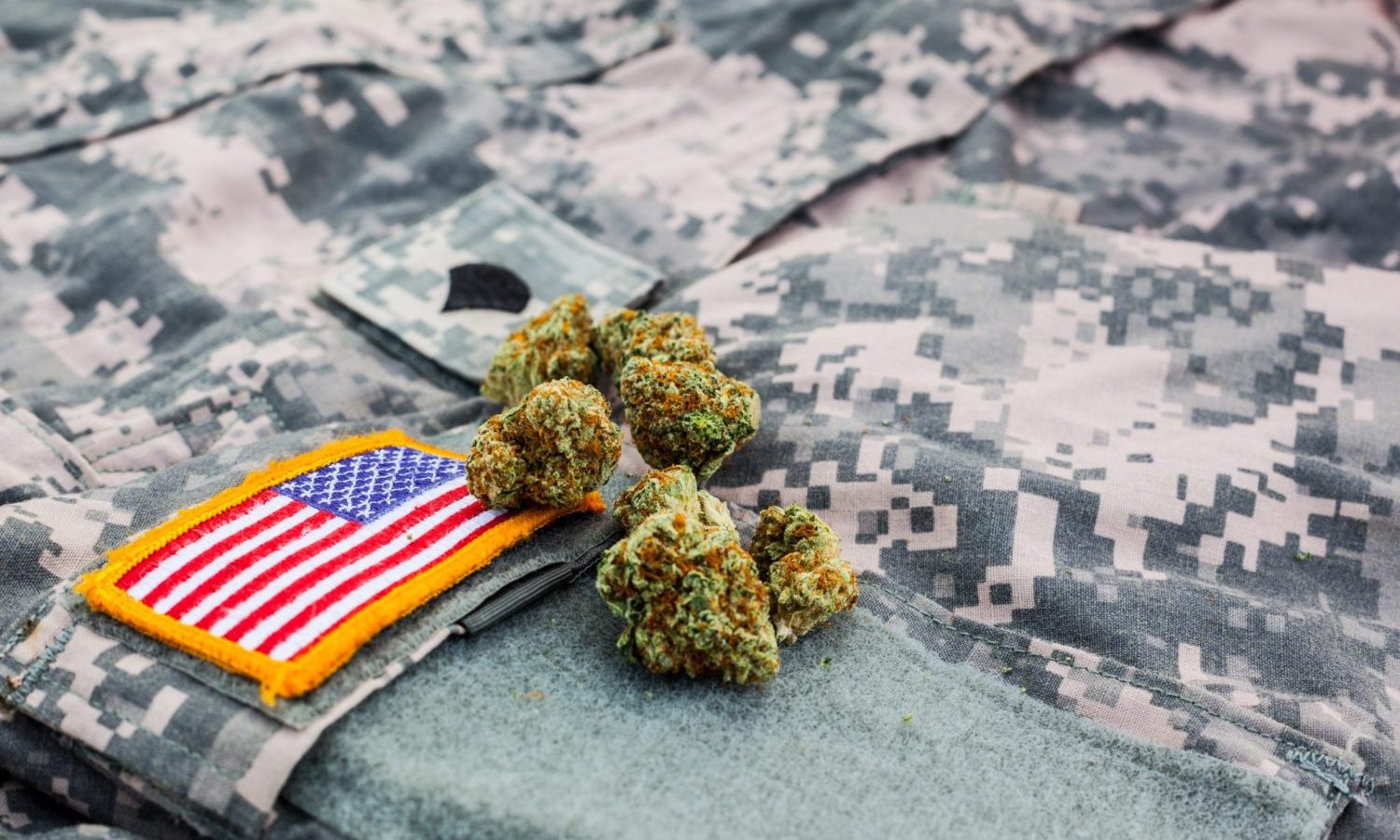
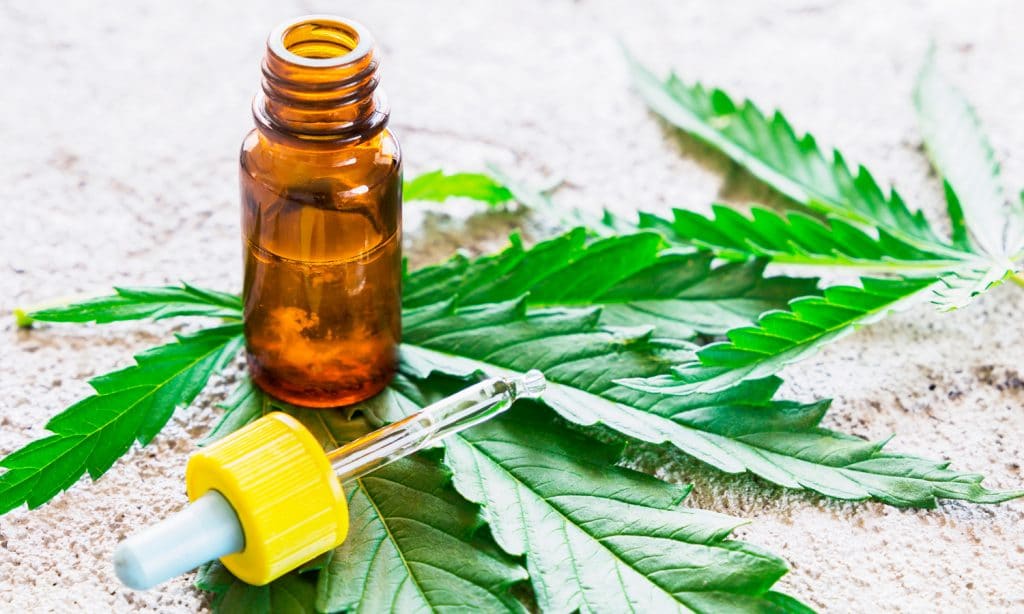
The amendment, sponsored by Tulsi Gabbard, would supersede the Defense Department’s rule banning CBD for service members.
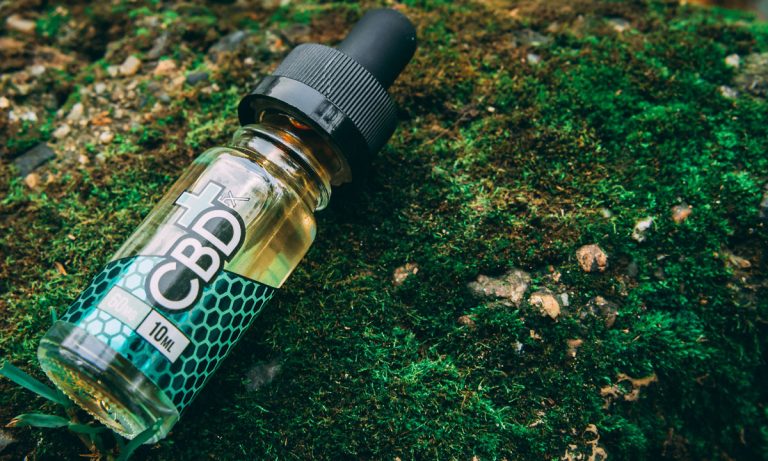
A longstanding zero-tolerance marijuana policy could be slowly eroding in the military. Earlier this month, a House committee approved a provision that would let troops who previously used cannabis to re-enlist. This week, Congress passed an amendment to allow service members the use of hemp and CBD products.
The amendment, sponsored by Rep. Tulsi Gabbard, was added to the National Defense Authorization Act (NDAA) and included several non-cannabis amendments. The House of Representatives approved the NDAA in a 336 to 71 vote Monday.
“The Secretary of Defense may not prohibit, on the basis of a product containing hemp or any ingredient derived from hemp, the possession, use, or consumption of such product by a member of the Armed Forces,” the amendment reads.
A memo that was recently made public revealed the Pentagon had quietly moved to make CBD use a punishable offense for military troops. The Department of Defense banned hemp and CBD products in all forms in February to ”protect the integrity of the drug testing program,” wrote Matthew Donovan, Acting Undersecretary for the Department of Defense. Previously, the Navy and Marine Corps. were permitted use of topical products, including shampoos and lotions.
Photo by Bumblee_Dee/Getty Images
The federal government legalized hemp in 2018 and removed hemp from its list of controlled substances. Law qualifies any cannabis products with less than 0.3% THC as hemp, which created the booming CBD market we see today. This has caused confusion for law enforcement in some states where marijuana remains illegal, as cops must conduct laboratory analysis in cannabis-related cases.
Donovan sought to avoid that confusion and “spare the U.S. military the risks and adverse effects marijuana use has on the mission readiness of individual service members and military units.”.
If the NDAA is signed into law with Gabbard’s amendment included, it would supersede the DoD’s rules. The provision that would allow reenlistment despite prior cannabis use is also attached to the House version of the NDAA. It is unknown at this time whether these marijuana policies will find approval in the Senate.
However, a bipartisan group led by Sen. Dianne Feinstein introduced an amendment that would expand marijuana and CBD research. The group is seeking to attach the provision to the Senate version of the NDAA bill.
Trump talks about stopping our “endless wars”, but the Drug War has been going on longer than any of them, and the death rate is higher than all the rest combined.
Although no one will catch a “drug overdose” by sitting next to someone on a bus or at a bar, the widespread prevalence of drug abuse in a society does resemble an infectious disease epidemic in other ways.
The origins of the opioid epidemic is more complex, but a difference in policies produces a difference in results. First and foremost, the problem can be prevented by good public health policies and can be made much worse by bad social policies. Take for example the Netherlands, where the COVID-19 case rate soared in March, but had declined sharply by the end of June.
Similarly, U.S. drug policies are a major disaster. “With a rate of 314.5 deaths per million and an estimated total of 67,367 drug-related deaths in 2018, the U.S. lost more lives to the use of drugs than the next 20 countries combined,” according to Statista.
In West Virginia, “COVID-19 has claimed 93 lives… over the past three months,” according to The Guardian. “That is only a fraction of those killed by drug overdoses, which caused nearly 1,000 deaths in the state in 2018 alone, mostly from opioids but also methamphetamine (also known as meth).”
Continuing the comparison of West Virginia with the Netherlands, conveniently, the Dutch population is approximately 10 times that of the Mountain State, 17 million versus 1.7 million. The Dutch lost 262 people to drug overdoses, while WV lost almost 1,000.
These differences in outcomes are so great that we the American people must demand that our so-called leaders explain why they are ignoring the Dutch experience.
President Trump has cited the fact that the Dutch are sending their children back to school, but he has ignored the different outcomes in pandemic policies. As they support Trump on his “back to school” demands, Fox and the other pro-Trump media have ignored these major differences in COVID-19 policies and outcomes, but the so-called “Mainstream Media”, like Fox, have always ignored Dutch drugs policies, especially regarding marijuana.
On June 10, President Trump went to Florida to meet with the US Southern Command which has long been tasked with fighting the “Drug War” in the Eastern Pacific as well as the Caribbean and the Gulf of Mexico.
According to WPTV, they bragged that “A joint operation between the U.S. military and multiple law enforcement agencies has led to more than 1,000 arrests and the seizure of around 264,000 pounds of illegal drugs worth billions of dollars across the Western Hemisphere since early April.”
He knows the numbers: “Last year, 70,000 precious American lives were taken because of the poison the cartels bring into our country,” Trump said. “We’ll work relentlessly to seize illegal drugs, arrest vile traffickers.”
Trump talks about stopping our “endless wars”, but the Drug War has been going on longer than any of them, and the death rate is higher than all the rest combined.
Photo by Darwin Brandis/Getty Images
As an excellent editorial in the Orange County Register notes, “In the name of a quixotic war to eradicate drugs, millions of Americans have been criminalized and saddled with the collateral consequences of a criminal conviction, drugs have become more dangerous, cartels and street gangs have been enriched and alternatives to the hammer of the justice system have been underfunded and underutilized…”
According to the Costs of War Project out of Brown University, “The War on Drugs has come at a cost of over $1 trillion over decades and helped spur a so-called opioid crisis.”
Meanwhile in Canada, there has been an amazing role reversal between the police and the so-called Liberal Party of Le Grande Poseur, Justin Trudeau, darling of the American Left.
The Globe and Mail, Canada’s leading national newspaper, reports:
“Canada’s police chiefs are calling on Ottawa to decriminalize the possession of small amounts of hard drugs, which they argue is urgently needed to slow opioid deaths and help people addicted to illicit substances.
“The Canadian Association of Chiefs of Police released a report Thursday underscoring how the criminal-justice system has been ineffective in dealing with people who are battling substance use and addiction issues.”
“We have less than two Canadians die per day of homicide and we have 11 Canadians a day dying of overdose,” said Adam Palmer, head of the CACP and a Vancouver police constable. “So it’s a significant public safety issue and a public health issue that we need to have a different approach with.
“Police are put out to deal with these things on the front lines and in many cases are not the best people to be dealing with them.”
Appallingly, the Trudeau government says that it will not follow their advice, even though Canada ranks fourth in the world for overdose deaths, 179.8 per million.
Meanwhile, Portugal, which decriminalized possession of all drugs twenty years ago, is seeing a declining rate in overdose deaths. According to stats from the European Monitoring Center for Drugs and Drug Addiction: “The drug-induced mortality rate among adults (aged 15-64 years) was 4 deaths per million in 2017, which is lower than the most recent European average of 22 deaths per million.”
Richard Cowan is a former NORML National Director and current syndicated author. His work on CBD, hemp and marijuana can be found here: Marijuana Weekly News.
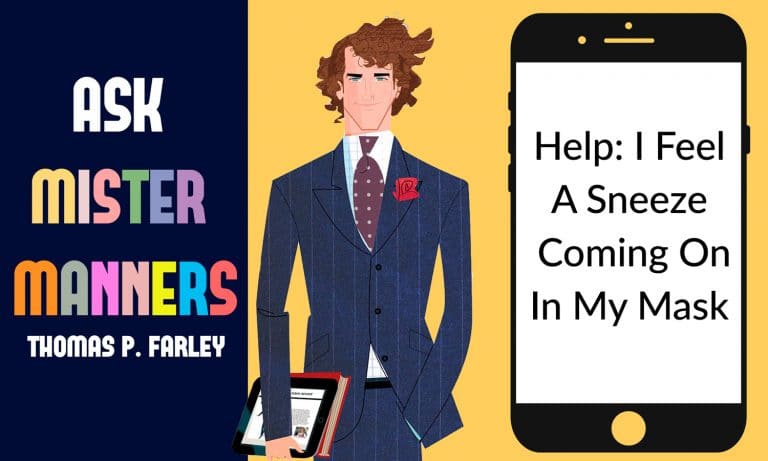
Help! What’s the etiquette for sneezing in public? Do I remove my mask or keep it on to spare others from my germs?
Etiquette tips on how to interact in today’s world. Have a question for Mr. Manners? Send your queries to info@whatmannersmost.com and look for replies in the coming weeks.
GESUNDHEIT
Q: I’ve occasionally found myself in public (where I always wear a face mask) and needing to sneeze. What’s the etiquette for how to do so when I have a mask on? Do I just sneeze into the mask? That seems pretty gross.
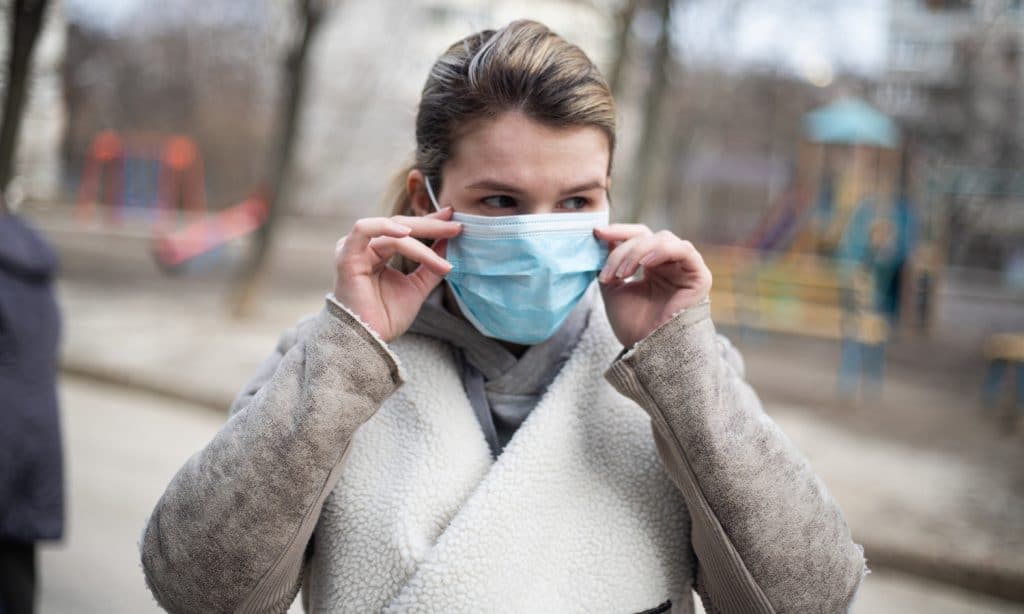
A: Presuming this is a random sneeze and you’re not exhibiting symptoms of COVD-19 or any other malady that should be keeping you at home until you feel better, drop the mask (if there is time), turn away from others in the vicinity and sneeze into the crook of your elbow. (We call this “the Dracula”—a move where you’ve pulled your arm to your face as the legendary vampire would do with his cape, leaving only his eyes visible.) Once the coast is clear, clean your nose, replace the mask and thoroughly wash your hands.
If the sneeze (or a cough) sneaks up on you and you simply don’t have time to emulate Transylvania’s most famous son, keep your mask on. But don’t let the fact that you’re wearing a mask delude you into thinking it’s okay to skip full preventive action. A piece of cloth is only partially effective at blocking germs from leaving your mouth. And the American Lung Association advises that a cough can expel droplets at a whopping rate of 50 miles per hour. A sneeze’s molecules can travel at even twice that speed. Quick preventive action on your part can halt a spray in its tracks.
If possible, I’d advise having a spare mask and facial tissues with you, particularly if you are prone to hay fever or seasonal allergies. This way, you won’t be stuck wearing a soiled face covering for the rest of the day.
Bottom line: Rather than sending others ducking for cover, cover your mouth completely anytime a sneeze or a cough is at hand.
Photo by EVG photos via Pexels
OUT IN THE COLD
Q: I know it’s probably because my husband and I have been quarantining for too long, but we are starting to argue about things that matter very little. Last week it was the toilet paper roll—over or under? This week it’s the ice-cube tray. Can you help settle a dispute for us? He says we should wait until the ice-cube tray is empty before refilling it. I say we should refill it after every time we remove a cube. Who is right?
A: Have you ever asked guests whether they want ice in their beverages only to peer in the freezer and find nothing but a stack of trays filled with a light frosty dusting? I doubt there’s a more chilling experience for a host. To avoid that scenario (and to ensure no others in the household have the experience either), pop out all cubes at once, use the ones you need and put the balance in a clean brown paper bag before restoring them to the freezer. (This will prevent the cubes from conjoining, as they often do when kept in a plastic bag or bin.) Re-fill the now-empty tray with fresh water and put it back where you found it.
Given that ice can take anywhere from three to four hours to fully form, if you’ve created an ample stockpile in your brown bag you won’t have to worry about skating on thin ice the next time you offer someone a cold drink.
If you’re really in a pinch and must make ice faster, try this trick: fill the tray with hot water rather than cold or lukewarm. Thanks to a phenomenon called the Mpemba effect—the details of which I will not enumerate here—you can shave as much as an hour from the ice-creation process.
With this matter now settled, I hope you and your husband can cut through the frostiness and go back to far more important topics—such as whether cheesecake is a pie or a cake.
Mister Manners, Thomas P. Farley, is a nationally regarded expert who appears regularly in the media to discuss modern-day etiquette dilemmas — from how to split a check fairly to how to get a word in edgewise. Follow Thomas on Facebook, Twitter and Instagram. And for more insights, listen to his brand-new podcast, “What Manners Most,” which will be focused exclusively on Coronavirus-related etiquette for the foreseeable future.
“I help patients integrate medical cannabis in the context of a full-scope general and holistic medical practice. CBD is an empowering medicine.”
With over a decade of experience practicing medicine in California, Dr. June Chin has focused her life’s work on educating people and healthcare workers about cannabis and fighting stigmas associated with the medicine.
A Bronx native, who moved back to New York several years ago, Dr. Chin is now registered with the New York State Medical Cannabis Program. She is currently treating both children and adults in New York and is with AskCMD.com, a personalized CBD service.
Sitting down with The Fresh Toast recently, Dr. Chin shared her roadmap in discussing the importance of cannabis with other health practitioners and what she wished other doctors knew.
Q: What is it that you’d like other physicians to know?
A: We often get locked into this one-size-fits-all thinking. There is no one-size-fits-all when it comes to working with plant medicine like cannabis. In medical school, there is a “this is how we’ve always done it” syndrome. That is the conventional, allopathic medicine model. Throughout medicine’s most recent history, we’ve pretty much followed one rule of thinking when it comes to treatment — have a disease, take a pill, kill something. Researchers have shown that pure, single-molecule CBD, while effective at precise high doses in some cases, has a much tighter therapeutic window and is much less potent than whole plant CBD-rich extracts. There are synergistic effects of the complex compounds found in plants. When you isolate one of those compounds and take it pure form, not only you may not get al the benefits, but you are increasing risk by taking them out of context.
We need more research, but the research needs to focus on the fundamental understanding of what is going on with the whole plant and not selecting out individual molecules like we know what we are doing. Again, we are looking at this field from a “disease-target-kill model”. Allopathic medicine takes the reductive approach. We are separating disease into its parts, element by element, component, and subpart, and then used drugs to attack these separate targets. CBD is part of a whole plant. There’s a whole universe of regenerative medicine, nutritional medicine, preventative and integrative medicine. Cannabinoid science and the push for cannabis legalization is teaching us a vital lesson. It is reframing our thinking about medicine and healthcare. And it raises some of the most critical questions about how we think about medicine in the future.
Photo by Denise Hasse/EyeEm/Getty Images
Can you share a bit more on why cannabis matters in medicine?
Over the last 15 years, my medical cannabis career has been based on anecdotal and clinically applied evidence. I help patients integrate medical cannabis in the context of a full-scope general and holistic medical practice. CBD is an empowering medicine. The cannabis plant is unique. There is no precedent, no other drug in the world that we are using recreationally and medicinally for therapeutic uses. The historical record of safe use is unparalleled. When patients come to my clinic asking about integrating CBD medication into their health and wellness routine, I evaluate everything from prescription medications, recent blood work, imaging, and take a full history and physical exam. I perform medical cannabis evaluations in the context of a full-scope general and holistic medical practice.
There is a reason why we say “start low and go slow.” It is helpful for patients to work with healthcare providers and to keep track of their symptoms in a journal. The goal is to find their optimal therapeutic dosage through a gradual micro-dosed titration. The right dose gives you the effect you want, using the lowest possible amount. Dosage is the key factor in achieving the most benefits and least adverse effects of cannabis.
Where’s the future of cannabis going and what should doctors know?
Cannabinoid medicine disrupts conventional western medicine as we know it. It raises a series of questions about how we think about medicine in the future. What if we reorganized our approach?
The future is preventative medicine. There’s a whole universe of regenerative medicine, nutritional medicine, preventative medicine which entails a model of creating health from the ground up. The medical cannabis movement should be a wake-up call to the health care system. It is teaching us all to rethink medicine and explore new ways we can treat and heal from disease and even prevent disease altogether.
A new study pegs the current political climate as one of several causes for a 50% spike in LSD use between 2015-2018.
“When the going gets weird, the weird turn professional,” Hunter S. Thompson used to say. They also drop acid, according to a new study published in the journal Drug and Alcohol Dependence.
Researchers found that past-year LSD use jumped 56.4% between 2015 and 2018, mainly due to the 2016 presidential election, which caused a fractious split in American politics and culture, as well as the microdosing trend.
“LSD is used primarily to escape. And given that the world’s on fire, people might be using it as a therapeutic mechanism,” Andrew Yockey, the study’s lead author, told Scientific American. “Now that COVID’s hit, I’d guess that use has probably tripled.”
Yockey’s team utilized data collected by the annual National Survey on Drug use and Health, a nationally representative survey and analyzed responses from more than 168,000 American adults.
Photo by Isi Parente via Unsplash
Millennials and those with college degrees accounted for the most dramatic rises in LSD use. Acid consumption increased 70% among those with a college degree, about 59% for the 26-34 age group, 223% among the 35-49 age group, and 45% for people age 50 and older. Gen Z, however, did not follow this trend. People between the ages 18 to 25 saw a 24% drop in past-year LSD use.
Researchers do believe the 2016 presidential election and current political climate did contribute to these rising trends. Music festivals and microdosing could also contribute to more people using LSD, however, researchers don’t expect another drug-fueled counterculture revolution like the 1960s and 70s to happen. Less than 1% of Americans use LSD in a given year, despite the new rising trends.
“LSD is a lot less popular today than it was in the late 1960s and 1970s,” Joseph Palamar, a drug researcher at NYU Langone Health, told Scientific American. He explained that newer drugs available, like the psychedelic 2C-B, also factored into this national decline, but that “LSD is perhaps the most popular psychedelic of all time, and it’s never going away.”
Research finds that CB1 receptors do have an impact on urination, and their manipulation with cannabinoids from marijuana has promise for treating OAB.
More than 50% of individuals with OAB also struggle with Urgency Urinary Incontinence (UUI), which affects the quality of life for both men, women, and non-binary individuals. Studies have shown that many assume that OAB and UUI are part of the aging process and live with the conditions, not realizing that there are treatment options and often treatment options come with risks that make patients hesitate.
The two medicines often prescribed for OAB are powerful and can cause constipation, blurred vision, hallucinations, seizures, and coma. Could CBD and THC have a place in addressing the disorder, without troublesome side effects?
While OAB can’t be pinpointed to a single root cause, the central nervous system (which regulates impulse control and muscle memory) has a significant part to play. Often, damage to nerve fibers and receptors in the bladder can make the body more susceptible to bladder overactivity. From childbirth to aging, sports injuries to long-term illness, OAB can piggyback on another condition wreaking havoc with every sneeze or surprise.
“Researchers found that the body has receptors for the cannabinoids CB1 and CB2 in the brain and bladder, as well as in other parts of the body,” she said. “CB1, and to a lesser extent CB2, work at various levels on the detrusor muscles. Research is pointing toward the conclusion that CB1 receptors do have an impact on urination, and their manipulation with cannabinoids from marijuana has promise for treating OAB.”
Even more impressive, a study conducted in 2014 by the American Academy of Neurology (AAN) found that cannabis helps relieve some symptoms of multiple sclerosis (MS), such as OAB, pain, and spasticity. More recently, a 2018 study published in Neurological Sciences found that “THC/CBD oromucosal spray has shown to be effective in improving overactive bladder symptoms in MS patients demonstrating a favorable impact on detrusor overactivity.”
Marijuana appears to have positive effects on the bladder system as a whole, as well. A 2013 study found that cannabis may have a hand in reducing a man’s risk for developing bladder cancer.
Who knows how serious Kanye is about becoming president, but at least he wants free weed for everyone.
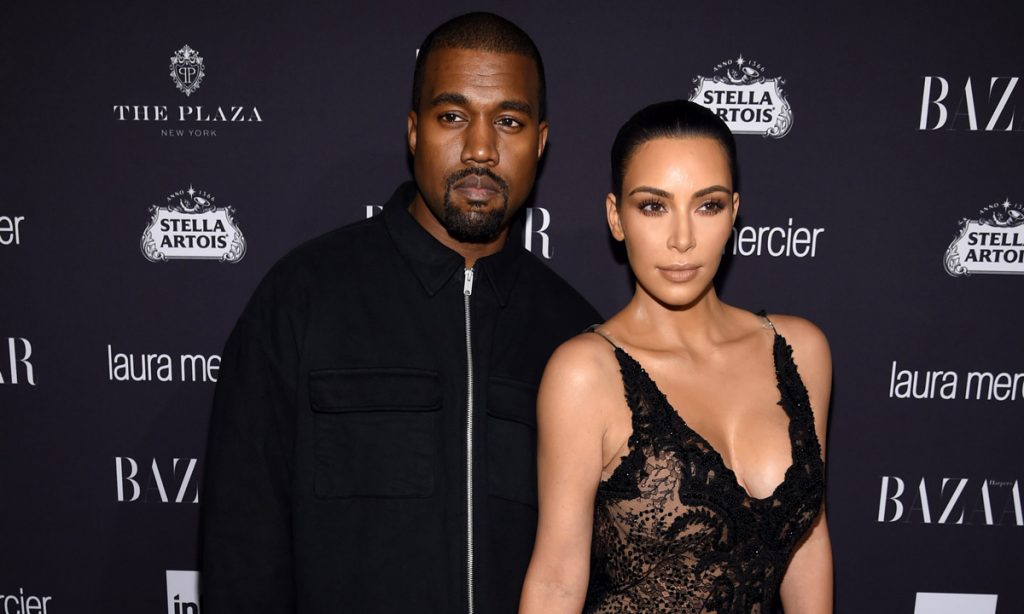
The rapper is sweetening the presidential pot, so to speak. After announcing his intention to run for POTUS on July 4, the Grammy Award-winning rapper, producer and fashion designer gave his first campaign speech Sunday evening, where he detailed various policy views in his trademark free-associative (some say “rambling”) manner. Yes, Kayne West promises free and legal marijuana as president.
Marijuana legalization was among the topics discussed during the rally, notably that the substance should be “free.” He also admitted to personally consuming the herb, a topic he’s never shied away from.
“I must tell you at my first rally that I did smoke a little bit last night,” Kanye told the crowd in North Charleston, South Carolina. “Every black man on trial for marijuana will be freed.”
This is not the first time Kanye discussed his marijuana use in this way. Back in 2016, Kanye was awarded the VMA Video Vanguard Award at the MTV Video Music Awards. His speech followed a similar stream-of-consciousness pattern as his campaign rally did. He paused at one point, like he did in South Carolina, and copped to smoking marijuana earlier that night.
It remains unclear just how serious Kanye is about running for president. He arrived onstage with “2020” shaved into his head, but has missed the ballot deadline in several states already. Kanye did qualify for the Oklahoma ballot but failed to collect the 10,000 signatures required for South Carolina.
Photo by Dimitrios Kambouris/Staff/Getty Images
While the crowd cheered along with many of Kanye’s statements, there was noticeable pushback to some of his more controversial opinions. He claimed that Harriet Tubman “never actually freed the slaves, she just had them work for other white people.” Kanye, who has four children with his wife Kim Kardashian, became emotional discussing abortion. He believes abortion should be legal, but added that women who want to proceed with birth should have more support throughout the process.
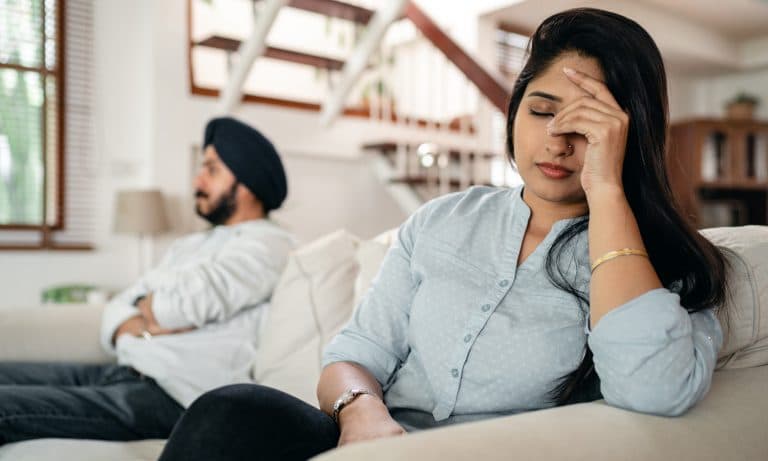
The odds of a second wave of COVID-19 suggest there will be plenty of divorces in the near future.
The issues faced by couples throughout the pandemic have been widely reported. Increased friction between partners, isolation from family and friends, and a stressful environment have contributed to tensions, causing many couples to consider the counsel of mental health experts or find ways to end their relationships altogether.
As the pandemic progresses and we learn more about the virus, the odds of a second wave of COVID-19 are becoming more likely. So is the stress that this produces, as well as the uncertainty of longterm emotional, physical and economic stability.
Countries like China, which encountered the virus earlier on in the year, have experienced rising rates of divorce after the first wave of COVID-19. Western countries like the U.S., which have divorce rates as high as 50%, are expected to experience an even more pronounced rise in divorces, according to Psychology Today.
This kind of familial stress causes ripples across all sorts of statistics. Data shows that this year there have been rising numbers of domestic abuse reports, stress and depression, all of which will likely translate into lower birth rates and more mental health issues post pandemic.
Photo by Kelly Sikkema via Unsplash
If a second wave of the virus were to hit, many couples, especially those who’ve already been experiencing difficulties during the first lockdown, are at higher risk for experiencing even more stress.
When lockdown first started, experts advised couples to avoid making any rash decisions, explaining that quarantine life is not an equivalent to real life, and that it’s unfair to judge a partnership when viewed under this set of constrictions. Still, as time passes and couples who used work, gym time and travel as ways of decompressing, these people will continue to struggle with their partners; the pandemic has made it impossible to ignore the lingering issues that plague them.
When it comes to facing a second wave, it appears that singles have an advantage over couples. Those who have experienced loneliness during the first lockdown might be more mentally equipped to face a second. Couples who’ve managed to keep their relationships afloat for the past couple of months might find continued social distancing guidelines much more demanding.
A sound explanation comes from a report by the World Health Organization, which examined many, many aspects of CBD, including its potential for abuse.
With CBD pens, edibles, shatter, medicines and oils continuing to crop up across the United States and around the world, a vehement anti-cannabis strain of people look for the “bad” in anything marijuana. That extends to cannabidiol, or CBD, a non-psychoactive wonder component of the cannabis plant.
In all reality, a completely reasonable person with no experience with marijuana besides what’s been institutionally taught could also wonder the same thing. People are puffing on CBD vape pens left and right and pretty much every retailer in America offers some type of CBD product. If it’s so appealing so often, is it habit forming?
The simple answer is. A sound explanation comes from a report by the World Health Organization (WHO), which examined many, many aspects of CBD, including its potential for abuse. “Single dose administration of cannabidiol has been evaluated in healthy volunteers using a variety of tests of abuse potential as well as physiological effects in a randomized double blind placebo controlled trial,” reads the report.
“An orally administered dose of 600mg of CBD did not differ from placebo on the scales of the Addiction Research Centre Inventory, a 16 item Visual Analogue Mood Scale, subjective level of intoxication or psychotic symptoms,” in continued.
Photo by rgbspace/Getty Images
In other words, it passed the tests for addictiveness or of the potential for abuse with flying colors. There are simply no negative attributes to report. This is a very good thing for those who use CBD for a number of conditions that range from anti-anxiety to anti-seizure medications and whose ages also range wildly, from small children to senior citizens.
The WHO decided to do a second inspection of the data, this time with oral ingestion of CBD alongside placebos. The report concludes that, “The results of this analysis demonstrated that CBD was placebo-like on all measures (including visual analogue scales, psychomotor performance such as the digit symbol substitution task, heart rate and blood pressure)…”
The fact that it is as innocuous as a placebo, yet is powerful enough to combat serious disorders and ailments, makes CBD as safe as it gets when it comes to choosing a non-habit forming, holistic medicine.
While the debate as to the habit inducing qualities of full spectrum cannabis rage on in lingering Drug War themed discussions, one thing is for certain: the plant’s cannabinoid CBD is without any worry for dependence or abuse.
After a small decline in 2018, drug overdose deaths have been on the climb since last year and the pandemic might make things worse.
Preliminary data from the Centers for Disease Control and Prevention (CDC) show drug overdose deaths are on the rise once again in the United States. There were just over 70,000 deaths in 2019, the CDC reports. That represents a 4.9% increase from a year before and those numbers could continue to climb, according to the Drug Policy Alliance.
“While the increase in overdose deaths in the U.S. in 2019 is devastating, it is not at all surprising, and there is reason to believe that these deaths will continue to climb in 2020 as a result of the COVID-19 pandemic, which has increased isolation, disrupted the drug supply and reduced access to harm reduction and treatment supports,” said Sheila Vakharia, Deputy Director of the Department of Research and Academic Engagement for the Drug Policy Alliance.
Overdose deaths saw a small decline in 2018, the first such decrease since 1990. Lawmakers, including President Donald Trump, celebrated the drop at the time. This was a mistake, Vakharia said, as a closer scrutinization of the data indicated the U.S. had achieved a hollow victory.
“Last year, as legislators tried to do a victory lap over a 4.5% decrease in overdose deaths from the year prior, we warned that the data did not account for the fact that there were states where overdoses continued to climb, nor did data make clear the racial and other demographic discrepancies or the troubling increases in stimulant overdoses in recent years,” she said. “This is still true today.”
Photo by FotoKrzyzanowski via Pixabay
Since 1990, more than 700,000 people have died due to drug overdoses. This has mostly been driven by the opioid epidemic and the 2019 data reveals not much has changed. Of the 70,980 people who died from drug overdoses last year, 50,042 involved opioids.
Another recent CDC report found that 6.6% of women had used opioid pain killers while pregnant last year. One in five women admitted to misusing the opioids, the authors reported, and they suggested improved screening for opioid misuse and treatment of opioid use disorder in pregnant patients.
Harm reduction strategies across the United States is vital right now, Vakharia added. The COVID-19 pandemic has disrupted many ways of life, with a disorientation effect on communities hit hardest by increase drug overdose deaths. All of which has revealed the health inequities of the system, according to Vakharia.
“More than ever, it is essential that we double-down on overdose prevention approaches that work, as outlined by DPA’s COVID-19 policy recommendations, said Vakharia, “including improving substance use disorder treatment and increased access to harm reduction services — such as keeping loosened regulations for methadone and buprenorphine in place, allowing overdose prevention sites to legally open and allocating federal funding towards syringe exchange and naloxone access.”