Wednesday, June 17, 2026
Home Blog Page 514

Consuming Weed In An Apartment Without Getting Evicted

Even in states where cannabis is legal for medical and recreational use, smoking weed in an apartment is more problematic than it is for those who maintain a private residence.

Apartment living is one of those necessary evils for a lot of us. It keeps the movers-and-shakers of the planet flexible, able to move around from place to place whenever they want. It also prevents them from having to shell out for costly repairs, pay property taxes, and it offers a plethora of other benefits that homeowners do not enjoy. But there are some downsides to this way of life.

Living in a condensed area where a resident is immediately surrounded by dozens of neighbors has been known to cause its fair share of trouble over the years. It’s the reason apartment dwellers often receive complaints about noise, pets, and, increasingly, the odor of marijuana.

Even in states where cannabis is legal for medical and recreational use, smoking weed in an apartment situation is just more problematic than it is for those who maintain a private residence. In fact, even before you move into most places, being a marijuana user is already stacked against you.

Most leases have policies against the use of illegal drugs, smoking and disturbing other tenants. And most of the time, these leases do not account for legal weed at the state level. So, while it might be perfectly legal next year in Illinois to possess and use marijuana, people who live in apartments are probably not going to be able to smoke freely without the risk of repercussions. Therefore, it is going to be necessary for those people to be somewhat clandestine in their cannabis use to keep the peace and reduce the chances of an eviction.  

RELATED: The Essential Guide To Smoke Proofing Your Apartment

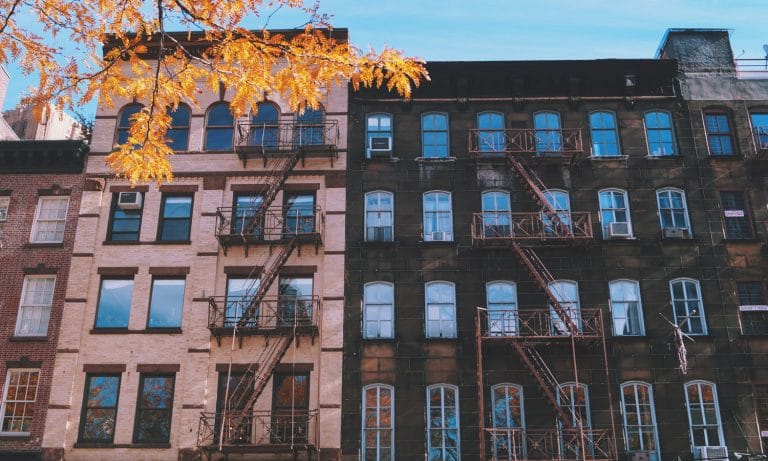
Photo by Mister M via Unsplash

Of course, the best way to prevent hardships as a result of using marijuana in an apartment setting is to just refrain from smoking altogether. In legal states, where a person 21 and older can just step inside their neighborhood dispensary and buy retail weed, there are a variety of cannabis products where smoking is not involved. Edibles are always a smart way to go, as these little beauties are completely smoke-free. But for those people who prefer to smoke weed rather than eat it, there are more discreet products available that won’t reek up the entire apartment building like a joint or a bong. Vaporizers offer the smoking experience without the intrusive aroma that sometimes causes neighbors to complain. Even using dabs, which are concentrates, is a better option than burning raw flower. Your neighbors will never even know you smoke weed. 

RELATED: These Are The 5 Best Candles For Cannabis Smokers

But if you must smoke marijuana the old fashioned way, you’re going to need to employ a little stoner ingenuity to keep things on the down-low. Remember, unless your lease clearly states that marijuana smoking is allowed on the premises, it’s probably not. And the last thing a renter wants is to start getting complaints that the pungent odor of marijuana keeps wafting into the common areas. These grievances might not get you into trouble with the law — at least not in a legal state — but they could get you kicked out of your home. 

Photo by Bench Accounting via Unsplash

So, make use of bathroom and kitchen fans, which will suck up the smoke and reduce the smell of marijuana. If in the bathroom, it also doesn’t hurt to turn on a hot shower, since the steam works to diminish odors. This is not full-proof, however, so you might also want to block the bottom of your doors with a towel to keep as much of the smoke as possible from escaping. If an exhaust fan is not available, try keeping your smoke session as far away from the front of the apartment as possible. It also doesn’t hurt to burn candles to mask the odor. Some longtime marijuana users even swear by a product called Ozium, which is a spray known to effectively eliminate the skunk.

Fortunately, marijuana smoke is not the same as tobacco smoke. So while consuming weed in this fashion goes against the grain of most leases, the odor of marijuana is not going to linger in the apartment long. Not like it would in a room inhabited by a person who uses cigarettes regularly. This is good news, since breaking the rules of a lease, even if the violation does not lead to eviction, can cause a renter to lose his or her security deposit when the time comes to move someplace new. Perhaps then you will be lucky enough to find a property owner who is a bit more weed-friendly.  

Ask Mister Manners, Thomas P. Farley: ‘Help! I Can’t Afford Pricey Gifts Right Now’

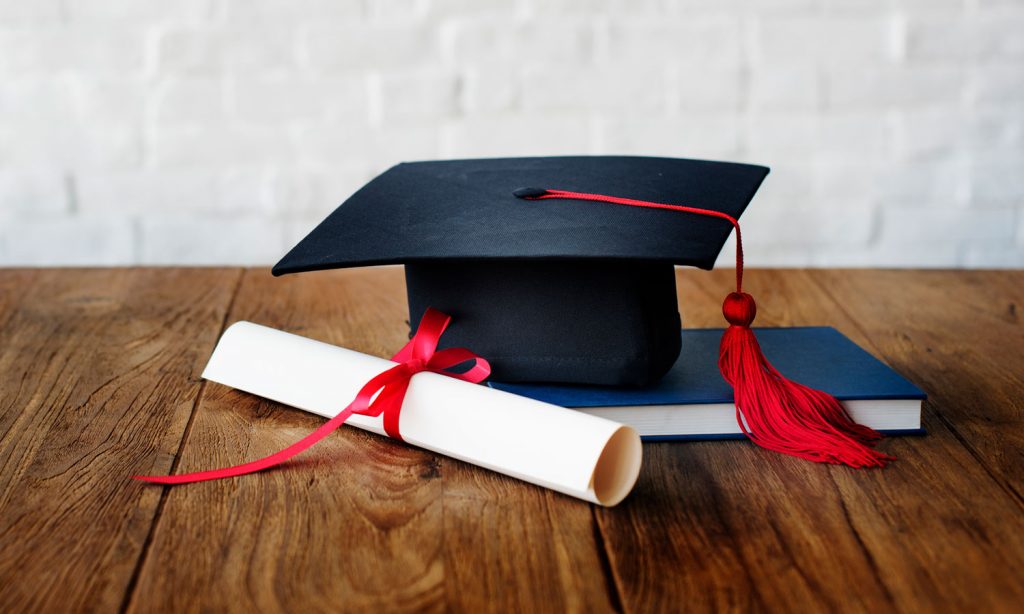
My friends have kids who recently graduated, but I’ve been out of work for over two months and can’t afford a gift. What should I do?

Etiquette tips on how to interact in today’s world. Have a question for Mister Manners? Send your queries to info@whatmannersmost.com and look for replies in the coming weeks. 

OKAY TO RECEIVE AND NOT GIVE?

Q: As do several of my friends, I have a teenager who’s a 2020 high-school graduate. Ideally, I would be giving gifts to their children in amounts similar to what they have each given my child. Unfortunately, I’ve been out of work for nine-plus weeks due to a coronavirus-related furlough and find myself struggling with matching certain friends’ generosity. What should I do?

A: If there’s one life lesson the Class of 2020 has learned it’s to take nothing for granted. Not their trig teacher who achieved the impossible and got them to like math; not having lunch with the same friends at the same table and in the same seats every day after third period; not taking selfies in the strapless dresses they picked out months ago for the senior prom; and yes, not even graduation presents that give them a jump start to their summers and whatever may lie ahead.

The fact is, though adults often feel obligated to match our friends’ largesse dollar-for-dollar (“Alice and Joe gave us $300 for our wedding; we should do the same”), the foundation of true friendships is not zero-sum-gain present exchanges.

Have a discreet word with your friends explaining your circumstances. If they are experiencing financial hardship themselves, they will likely be relieved, and you can mutually agree to ease back on costly gifts. If your friends still have the means and the desire to give exactly as they would have pre-Coronavirus, do not steal their joy. To decline their gift due to your own sense of pride is also unfair to your young graduate. 

RELATED: Ask Mister Manners, Thomas P. Farley: ‘A Home-Wrecker Lives In The Apt. Above Me’

All of which brings us to what you can do about your desire to give when it’s in direct conflict with your bank balance. I urge you to think of creative ways to celebrate these graduates. Write them each letters sharing what you believe to be their most admirable traits. Provide advice you wish someone had shared with you at their tender age. And consider an IOU for a future gift, redeemable when your own circumstances change. And they will.

In the meantime, give your friends more credit than thinking they’ll think less of you for giving less. And give the Class of 2020 props for adaptability and acceptance in the face of circumstances none of us could ever have imagined.

surprise kids really want to study marijuana in college
Photo by rawpixel.com

TIME TO GET AWAY… OR TIME TO STAY AWAY?

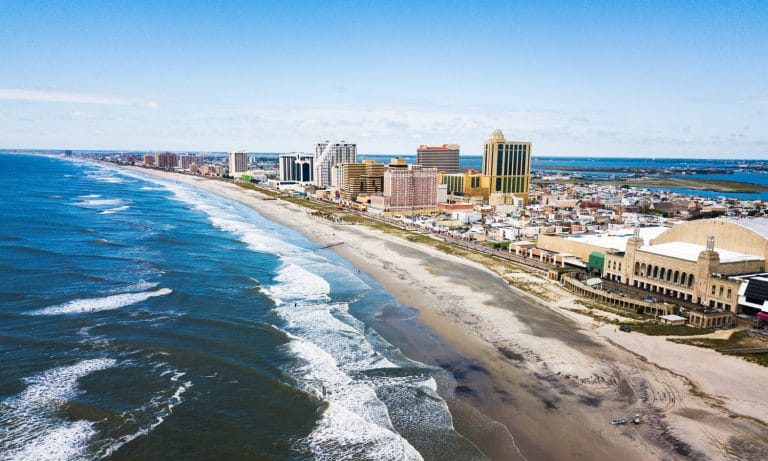
Q: We have a large beach home, and during long weekends in the summertime, my husband and I have always welcomed various groups of friends to stay with us. This year, although we want to carry on as usual, we’re also concerned about the possibility of getting our guests sick. And vice versa. Do we take a pass on inviting them in 2020?

A: I am all-in on the allure of the ocean—particularly after sheltering in place for what seems an interminably long and not terribly delightful spring. And yet you are right to be weighing the consequences of a friends getaway this summer.

As a starting point, how feasible will it be to remain six-feet apart if you are sharing a home for the weekend? No matter how spacious your abode, you will be gathering for meals and likely taking part in time-honored vacation-house rituals, starting with morning coffee and bagels and wrapping with sunset cocktails. Also consider this prospect: if the weather does not hold up, you yourselves will be holed up indoors.

Do your friends live within driving distance? If yes, perhaps you could invite them for a series of day trips throughout the summer. If they live farther afield, could they stay in a nearby hotel? This would permit you to meet up at the beach, where distancing and fresh air will greatly reduce the possibility of any unwitting COVID-19 transmission. 

RELATED: Ask Mister Manners, Thomas P. Farley: ‘Will They Call Me Racist?’

If these are particularly good friends and you don’t feel right suggesting a hotel, perhaps you might offer for them to use the house during a period when you will not be in residence. (As an aside, they should offer to pay for housekeeping following their visit.)

These are challenging times in so many respects, and normal standards of hospitality are being re-written by the week. But even more than making guests feel at home, ensuring their safety and well-being should be your number-one priority. If you have qualms about your ability to shield everyone’s health, this may be a year where taking a break from issuing invitations is not only defensible but laudable.

Mister Manners, Thomas P. Farley, is a nationally regarded expert who appears regularly in the media to discuss modern-day etiquette dilemmas — from how to split a check fairly to how to get a word in edgewise. Follow Thomas on Facebook, Twitter and Instagram. And for more insights, listen to his brand-new podcast, “What Manners Most,” which will be focused exclusively on Coronavirus-related etiquette for the foreseeable future.

Sports Fans Have Been Watching Some Weird Stuff During Pandemic

Quarantine has frozen most sports programming, but that hasn’t stopped sports fans from watching anything that’s competitive.

It’s hard to rank what has been most negatively impacted by the pandemic, but live sporting events have a place high up on the list. Whether we’re talking about visiting a crowded stadium, going to a sports bar or even to watching a game from the comfort of your couch, all of these activities ground to halt once we realized the depths of the pandemic.

Now that live sports aren’t an option, what do fans watch? Research says that a little bit of everything.

Nielsen data shows that hardcore sports fans haven’t given up on TV. In fact, they might be consuming even more of it, filling their time with sports reruns, news coverage, Netflix, and more. There’s been a rise of eSports and, stranger still, marble racing. Here’s what sports fans are turning to while large events are in lockdown.

More TV

Photo by mohamed_hassan via Pixabay

RELATED: Why It’s Good That People Are Indulging In Video Games And Weed In Quarantine

The Hollywood Reporter explains that Nielsen refers to serious sports fans as “heavy sports viewers.” During the first month of the pandemic, this demographic watched three times more sports than the general adult population. Since there were no live games, this content was made up of sports reruns, sports related programming and the like. These viewers were also watching more news and video on demand when compared to other adults.

eSports

During March, Time magazine reported that there was a 31% increase in Twitch traffic, the most popular website for competitive video streaming. While these events used to be held in large arenas with big crowds, people can continue to train, play and compete with others online. “This is a time where our fans need something to watch, need something to entertain them, need something to distract them from the things that are going on around them, even if it’s just for a short time,” said League of Legends Championship Series Commissioner Christopher Greeley.

Marble racing

RELATED: The Best Weed TV Shows You Should Be Watching

The weirdest entry on this list is marble racing, an activity that has almost no human input, with the winners being decided by fate and gravity. These races are made up of very elaborate stages and events, held in different YouTube channels like Jelle Marble Runs. This account has organized events such as Marbula One and Last Marble Standing, which include commentators, crowds made of marble people, and impeccable video production. Over the past month, marble races were highlighted in “Last Week Tonight With John Oliver” and were broadcast for the first time on ESPN. Humans will really watch and find meaning in anything.

Data Shows Roadside Searches Decrease After Marijuana Legalization

Traffic searches, a longtime tool in the War on Drugs, dropped dramatically following marijuana legalization, new data reveals.

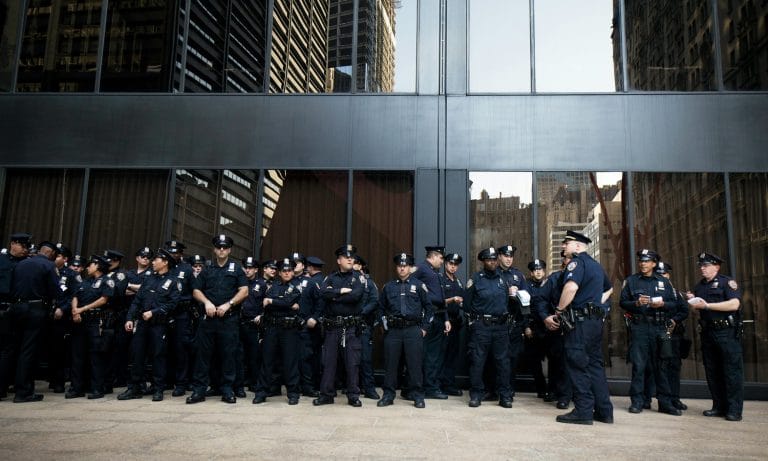
Two weeks have passed since George Floyd was killed while in the custody of Minneapolis police, sparking nationwide protests against police brutality and systemic injustice. National organizations and lawmakers have admitted that rolling back Drug War policies is an important step to fixing inequalities that exist in criminal justice.

Sen. Cory Booker noted racial imbalances in marijuana enforcement as just one explanation for the protests. California Gov. Gavin Newsom, meanwhile, described cannabis legalization as a “civil rights” issue.

That’s because, as data shows, legalizing marijuana changes the behavior of police departments. Colorado and Washington voters approved recreational cannabis in 2012 and a 2017 analysis by the Stanford Open Policing Project examined how this affected the focus of state police. Data shows that roadside searches dropped by nearly half post-legalization, with the most dramatic decrease occurring among Black and Hispanic drivers. In addition, Burlington police in Vermont released data last year that showed traffic searches dropped by 70% after the state legalized marijuana.

According to Stanford researchers, the threshold to pull over minority drivers is lower than it is for white drivers. Though traffic stops eventually dropped by more than 50% in both Colorado and Washington following legalization, that disparity between white and minority drivers remained.

RELATED: The Role Marijuana Legalization Can Play In Fighting Racial Injustice

“Searches where you don’t find something are really negative towards a community,” Jack McDevitt, director of Northeastern University’s Institute on Race and Justice, told NBC News. “Have a police officer search your car is really like, ‘Why are they doing this to me?’ And you get more pissed off. If you’re trying to do relationship building, it’s not a good thing to do a lot of searches.”

Can Police Search Cars For Marijuana Based On Odor Alone?
Photo by Sven Mieke via Unsplash


Roadside searches are also a known tool in the War on Drugs. Philando Castile’s death by Minnesota police started when an officer pulled him over for a busted taillight. The officer who shot Castile later said he feared for his life when he smelled “burnt marijuana” in the car.

RELATED: Law Enforcement Is Trying To Be Cannabis Cool — But It’s Not Easy

Marijuana legalization also re-directs police attention to more serious crimes, according to a 2018 study published in Police Quarterly journal. Police clearance rates increased in Colorado and Washington after legalization in 2012, researchers found. Overall, police made more arrests for burglaries, violent crimes, property crime, and vehicular theft in both Washington and Colorado once marijuana possession arrests fell away.

The study’s authors wrote: “[I]n the absence of other compelling explanations, the current evidence suggests that legalization produced some demonstrable and persistent benefit in clearance rates, benefits we believe are associated with the marijuana legalization proponents’ prediction that legalization would positively influence police performance.”

Why NJ Marijuana Advocates Should Be ‘Cautiously Optimistic’ Ahead Of Election

The Garden State will be facing a budget shortfall through the end of the next fiscal year as a result of the economic impact of the COVID-19 pandemic. Can marijuana legalization help?

Registered voters in New Jersey are expected to vote in favor of adult-use marijuana legalization in November — but uncertainty surrounds the pending legislation.

“Cannabis advocates looking forward to creating an adult use regulated and taxed cannabis marketplace have reason to be cautiously optimistic as we approach the consideration of the issue in the form of a public question on the ballot for the voters in November,” says Charles Gormally, co-chair of the Brach Eichler LLC cannabis practice group.

Early polling has shown consistent support for the question. Nevertheless, Gormally said he expects to see a large influx of pro- and anti-pot advocacy on the question in the months leading to the election itself.

“Since the early 1970s, we have created a significant number of stake holders in the failed cannabis prohibition regime that continues to dominate federal and state law enforcement interest groups,” he says. “In addition, advocacy groups touting the false narrative of cannabis as a ‘dangerous gateway drug’ are well financed and powerful forces that oppose cannabis law modernization.”

Democratic U.S. Sen. Cory Booker of New Jersey has been trying to get marijuana legalized for years.

New Jersey Gov. Phil Murphy, elected in 2018, said he would get a marijuana legalization measure passed within the first 100 days of his administration. In November 2019, N.J. lawmakers rejected the bill.

RELATED: Court Rules New Jersey Businesses Can’t Fire Medical Marijuana Users

NJ RAMP — an affiliate group of the anti-legalization group Smart Approaches to Marijuana (SAM) — fought the measure then and pledges to continue that fight this year with the belief that recreational marijuana legalization outweighs the perceived social benefits.

SAM president Kevin Sabet spoke to Benzinga about the group’s opposition to the legalization effort in Trenton and praised the result of that campaign.

“The fact that legislators were forced to put this on the ballot speaks volumes to the effort of our supporters on the ground,” Sabet says. “The message against marijuana commercialization was and continues to be very powerful.”

Can Pot Offset New Jersey’s Budget Shortfall?

New Jersey is facing a $10-billion budget shortfall, according to State Treasurer Elizabeth Maher Muoio.

Last month, the New Jersey Department of the Treasury issued its first projections on the potential shortfall the Garden State will be facing through the end of the next fiscal year as a result of the economic impact of the COVID-19 pandemic.

“Based on a wide variety of economic assumptions, the State of New Jersey may be looking at a combined $10.104 billion revenue shortfall over the remaining months of Fiscal Year 2020 through the end of Fiscal Year 2021,” Maher Muoio said at the time.

Following Failure By Legislators, New Jersey Voters Will Decide Marijuana Legalization in 2020
Photo by Gerard Lázaro via Unsplash

RELATED: New Jersey Voters Support Legalizing Recreational Marijuana, Just Not Selling It

Pot legalization won’t help solve that problem, says SAM’s Sabet.

“It amounts to less than 1% of state revenues in every legal state,” he says.

Colorado was the first state to approve marijuana legalization in 2012. From 2014 to April 2020, Colorado pulled in $1.3 billion in tax revenue from cannabis.

Today, 33 states allow medicinal marijuana use, while 11 states allow legal recreational use, and they generate tax revenue in their own right.

Sabet says these states have “routinely vastly overstated revenue projections and fail to account for the subsequent costs legalization will bring in the form of increased drugged driving deaths, increases in mental health issues, increased black market activity and other harms.”

Gormally, a legal cannabis advocate, doesn’t share the same sentiment and says the majority of voters won’t either.

“We expect these messages to resonate with some in New Jersey but not likely the majority,” Gormally says.

“At the same time we expect that out of state operators of successful cannabis businesses who are eyeing the largest prize in a cannabis portfolio — access to a core metropolitan marketplace — will be similarly motivated to invest in messaging and voter education to advance a YES vote outcome on the public question.”

Cannabis Narratives In The Garden State 

Sabet maintains that “commercialization is not the way forward” and says SAM plans to continue encouraging “local communities to preemptively opt-out of legalization to send Big Pot the message that they are not welcome.”

But as election day nears, more polling data on the issue is expected to be released and drum up support for the pro-cannabis cause.

Brach Eichler is expected to release its own data about how these various messages are being received by the likely voters, Gormally says.

RELATED: Is Legal Marijuana The Economic Relief America Needs Post-Pandemic?

“Given the essential nature of the medical cannabis business and its importance of the improved access and supply, we believe this is an opportune time for New Jersey to address the multigenerational failure of leadership that has caused the expenditure of millions, and the imprisonment of generations of minority populations, by the failed policy of prohibition.”

Sabet says the ballot initiative is less about social justice and mired with “false narratives.”

“It is solely about profit for the industry that is overwhelmingly comprised of wealthy white males. In state after state that has gone down this road, grand promises of social justice and equity have failed to result in any tangible benefit for disadvantaged communities,” Sabet said.

“New Jersey’s experience will be no different.”

This article originally appeared on Benzinga.

Governor Declares Marijuana Legalization Is A Civil Rights Issue

Though California legalized marijuana to roll back unjust Drug War policies, cannabis taxes help fund police operations.

California Governor Gavin Newsom discussed during a press conference last week how the state plans to fix issues of systemic injustice and racism following widespread protests of police brutality. Newsom referenced California’s efforts to roll back the consequences and policies of the War on Drugs, including mandatory-minimum sentencing and the disparity between prosecuting crack vs. cocaine drug possession.

A major act of criminal justice reform, Newsom highlighted, was California legalizing recreational marijuana in recent years. The governor went so far as to describe legalization as a “civil rights” issue.

“That’s why the state was one of the early adopters of a new approach as it relates to cannabis reform—legalization around adult-use of marijuana,” Newsom said. “It was a civil rights call from our perspective.”

“I was proud to be out in front in those efforts,” he continued. “It was about addressing the disparities. It was about addressing incarceration. It was about addressing the ills of this war on drugs.”

RELATED: The Role Marijuana Legalization Can Play In Fighting Racial Injustice

Though Newsom is very proud of the state’s efforts, criticism remains around California’s cannabis legislation and its connection to the police. California voters legalized marijuana by approving Proposition 64, or Adult Use of Marijuana Act, which generates around $1 billion in tax revenue. According to Forbes, Prop 64 allocates 20% of cannabis taxes to boosting police efforts. Police budgets in states like Nevada and Colorado also benefit from marijuana tax revenue.

Your Ultimate Guide To West Coast Cannabis Tourism
Photo by Felix via rawpixel.com

When marijuana stores needed protection by police, however, they were left empty handed. Major California cannabis retailers were looted by protestors over the past week, with some stores losing six figures in marijuana products. Nor has more tax money helped California police combat the marijuana black market. According to BDS Analytics and Arcview Market Research, the state’s black market operators made $8.7 billion in 2019. California’s legal market, meanwhile, made $3.1 billion.

RELATED: Law Enforcement Is Trying To Be Cannabis Cool — But It’s Not Easy

However, Gov. Newsom isn’t alone in connecting drug policy reform with the larger civil rights movement occurring at the moment. Sen. Cory Booker noted last week that marijuana policy enforcement demonstrates the racist inequalities spurring nationwide protests.

“There are no differences between blacks and whites for using the drug, but there was more marijuana arrests in 2017 than all violent crime arrests combined, and blacks were four times more likely to be arrested for it,” Booker said.

RELATED: Cory Booker: Marijuana Enforcement Typifies Same Racist Inequalities Spurring Protests

“Each one of those data points impact the lives of people that are being destroyed — can’t get a job, can’t get a loan from the bank — for doing things that two of the last three presidents admitted doing.”

Musk’s Marijuana Tweets Get Trolled

The CEO of Tesla and SpaceX stated the obvious when he commented that it wasn’t fair to incarcerate people for possessing weed.

Elon Musk, billionaire and new father to a son with an unpronounceable name, tweeted Saturday that he’d get into a lot of trouble for voicing the following opinion: “Selling weed literally went from major felony to essential business (open during pandemic) in much of America & yet many are still in prison. Doesn’t make sense, isn’t right.”

Although Musk’s statement is true, it’s not exactly controversial, especially when you consider some of his past tweets. Twitter users took this as an opportunity to troll Musk, a relished activity among internet users.

Back in March, when COVID-19 forced cities into lockdown, marijuana was deemed an essential business in states like Vermont, California, Oregon, Colorado and more, all with differing degrees of guidelines for people interested in making medical or recreational purchases.

RELATED: The Role Marijuana Legalization Can Play In Fighting Racial Injustice

This decision to consider marijuana as an essential business has caused some controversy, particularly among people who are opposed to legal marijuana.

Elon Musk Announces Free Trial For Tesla's Self-Driving Feature
Photo by Theo Wargo/Staff/Getty Images

RELATED: Elon Musk Had To Apologize For Smoking Weed With Joe Rogan

Elon Musk’s SpaceX recently made history by launching it’s first ever man-manned rocket into space. This launch not only was the first American space launch in 9 years, it suggests that space travel and exploration is now fair game for private companies and billionaires.

Why The CBD Oil You Bought Is Probably Useless

Buzzwords like nano-extracted or phytocannabinoids may sound scientific but that doesn’t mean the CBD oil being advertised actually works.

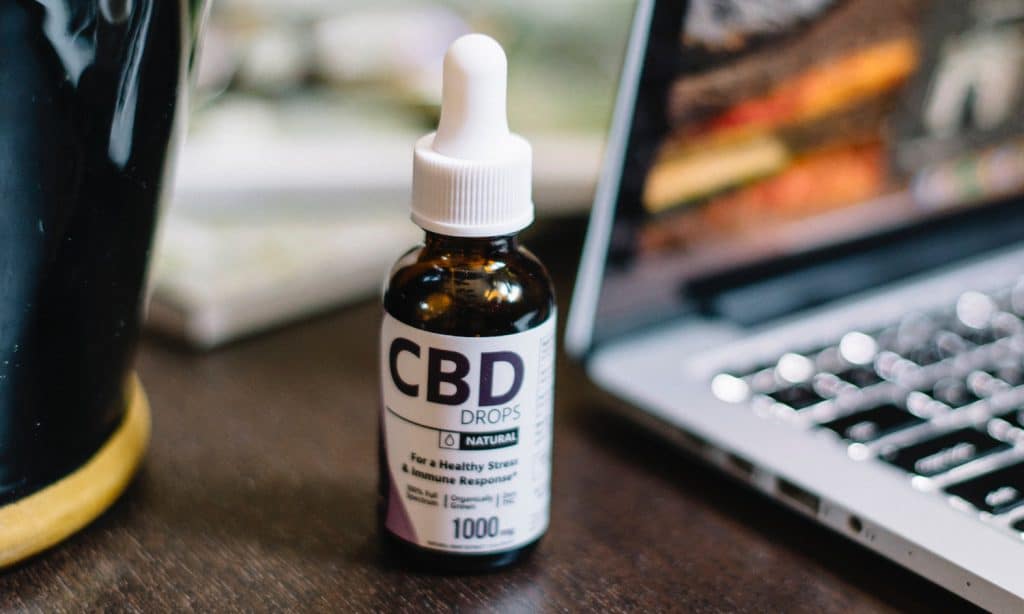
The health and beauty market has been flooded with products labeled “CBD.” But look behind this branding and often the product either doesn’t contain CBD or has CBD in such small quantities that any effects will be negligible at best.

Given CBD products tend to be on the pricy side, here’s a handy guide to aid in finding those products that can deliver the benefits found in CBD oil and other products applied topically to the skin.

Read the Label

Here's What You Should Know About CBD Topicals
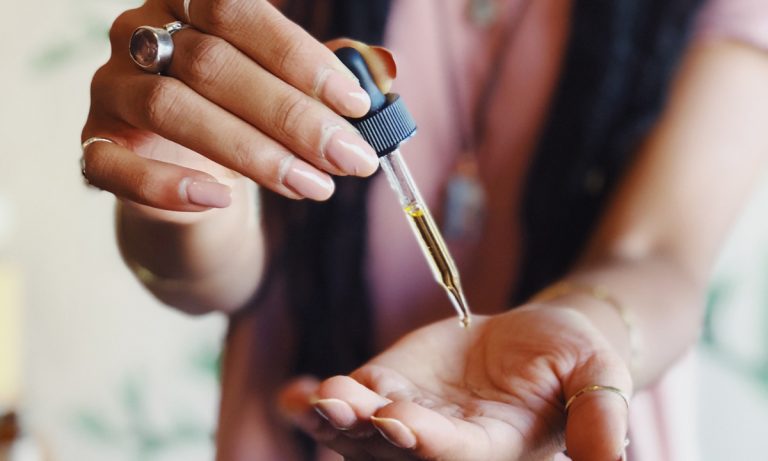
Photo by vadimguzhva/Getty Images

If the product label says “hemp seed oil,” then this particular oil does not contain any CBD. Now, hemp seed oil does have some benefits as a moisturizer when applied to the skin similar to say olive oil, but that’s about it.

RELATED: CBD Oil Is Good For Even More Than You Thought

Also, if the label says CBD or hemp oil, or hemp extract without specifying the amount of CBD, then this oil is very likely to contain scant quantitative of CBD at best. Look for CBD oils that have about 10-20mg of CBD per dose (200mg per ounce). A reliable company will have the CoA’s (lab results) available for their products.

Questions to Ask Before Purchasing CBD Oil

How To Find The CBD Dosage That's Best For You
Photo by Sohini via Unsplash

Where was the hemp grown? (If you are purchasing CBD oil outside of a dispensary, it’s going to be made using hemp-derived CBD.) Be wary if the manufacturer simply states Asia or Europe, as any craft producer will at least be able to zero in on the geographic region where the cannabis was grown.

Was the hemp grown using organic and sustainable means?

Photo by Tinnakorn Jorruang/Getty Images

How was the CBD extracted? Veer away from any product that was manufactured by using industrial solvents. Those products will in fact harm the skin.

 RELATED: FDA And USDA Start Making Sense On Hemp CBD

Is the CBD full spectrum? This means the products is made from the whole plant. Yes, full spectrum CBD oils are expensive but they also provide more of the benefits of CBD than a CBD isolate.

Finally, be mindful of marketing ploys. Buzzwords like nano-extracted or phytocannabinoids may sound scientific but that doesn’t mean the CBD oil being advertised actually works. Go behind the buzz and one can find the CBD oil actually worth the bucks.

Air Travel Has Changed — Here’s What You Should Know

0

The pandemic has changed the way we travel. Here’s what you can expect the next time you board a flight.

The airline industry has been hit hard by the pandemic. With most countries enforcing social distancing guidelines and limiting their international and domestic travels, these large businesses have had to rely on government funding to keep themselves running.

Now that the world has entered a different stage of the coronavirus pandemic, one where we’re starting to slowly reignite the economy and attempting to find a “new normal,” most people will also begin to fly. But the ways in which we used to conduct ourselves, whether we took Ubers to airports or printed our tickets at airport kiosks, has changed considerably.

Here are some of the factors you should account for the next time you find yourself boarding a flight:

What’s the safest way to get to the airport? 

what tsa would do if you got caught with marijuana
Photo by rawpixel.com

Public transportation and ride sharing apps are changing on a daily basis, adapting to the current environment. Uber and Lyft rides are now only offering single rides, prohibiting ride sharing, meaning that these trips will now be safer but more expensive. They’re also asking everyone, from customers to workers, to wear masks and sanitize their space as soon as they board it.

Undoubtedly, the safest way to get to the airport would be to have someone you trust drive you there.

What do airports look like now? 

Another One: Chicago Airport Won't Bust You For Flying With Weed
Photo by skeeze via Pixabay

You should expect airports to look different, much like your convenience store or any shop that has adopted social distancing measures. There should be clear social distancing marks on the floor and employees should be wearing masks and gloves. In order to prevent touch screen contamination, it’s best to keep your ticket on your phone or to print it from home, although this won’t prevent TSA agents from handling them.

RELATED: Is It Safe To Road Trip This Summer?

TSA agents have been instructed to avoid touching people’s smartphones, asking travelers  to have their phones scanned by agents instead.

What security & health measures have airlines adopted? 

People Are Now Stealing Marijuana From Chicago Airports
Photo by Flickr user Nick Harris

While airports and airlines are all handling the pandemic in different ways, there’s definitely been an increase in cleanliness. If you’re in a large airport, you should expect to see different hand sanitizing stations and different signs encouraging people to wear masks. Some airlines are requiring people to wear masks in order to board planes. Despite the news of packed flights, most flights are not as full and are ensuring that their air filters are kept in top shape.

RELATED: These Are The 3 Dirtiest Places In The Airport

Still, the thing that protects people the most are the measures that travelers take themselves in order to stay safe. When entering an airport or a plane, make sure you limit your interactions with other people, that you wear a mask and use hand sanitizer and wipes when touching surfaces. It’s also pivotal to respect people’s spaces.

Airports and airplanes are usually places where people want to cut lines and get up close to others in order to get out of there as fast as possible. With current social distancing guidelines, which will continue for more months, you can expect your time at the airport to be longer and more taxing. The best thing you can do for yourself and for everyone else is to be considerate, diligent and patient.

Drug Trial Planned For Synthetic Cannabinoid COVID-19 Treatment

By using this powerful anti-inflammatory, a Philadelphia cannabis company believes it can mitigate the immune response triggered by COVID-19.

A Philadelphia cannabis firm has joined the race to create a COVID-19 cure using cannabinoids. FSD Pharma announced last week that the Food and Drug Administration (FDA) had approved the company’s application proposal to conduct clinical trials around the medicine. The treatment will use a drug called ultramicronized palmitoylethanolamid (or micro PEA) that includes synthetic molecules that mimic cannabinoids.

Micro PEA is a unique drug. It’s believed to act as an anti-inflammatory and promoted between 1969 and 1979 in former Czechoslovakia as treatment for influenza and the common cold. Clinical trials conducted at the time showed PEA was an effective prophylactic in respiratory infection, with no registered side effects. According to scientists behind the research, it could act as a quick therapeutic answer should a flu epidemic occur.

Today, the drug is promoted as a prescription nutraceutical in Italy and used to treat chronic inflammation. Pharmaceutical firm Epitech Group owned the rights to the drug and sold it under the names Normast and Pelvilen. Earlier this year, FSD, which is headquartered in Toronto, Canada, purchased the worldwide rights from Epitech for $17.5 million and re-branded it as FSD-201.

RELATED: Canadian Scientist Wants To Research Cannabis As Treatment For COVID-19

“We contacted the FDA in late-March 2020 after becoming aware that several Italian physicians and scientists were advocating for use of ultramicronized PEA for patients suffering from symptoms of COVID-19, based on the drug’s mechanism of action as a potent and safe anti-inflammatory agent that reduces the production of pro-inflammatory cytokines,” Philadelphia-based physician and FSD CEO Raza Bokhari said in a statement.

The Latest On FDA Clinical Trials During COVID-19 Pandemic
Photo by zhangshuang/Getty Images

In an interview with The Philadelphia Inquirer, Bokhari emphasized that FSD does not claim cannabinoids, synthetic or plant-based, is an alternative for COVID-19 treatment. But the CEO said FSD-201 modulates the endocannabinoid system as “a naturally occurring fatty acid” by targeting CB2 receptors, which are believed to affect pain and inflammation in humans.

“Severe COVID-19 is characterized by an over-exuberant inflammatory response that may lead to a cytokine storm,” Bokhari told the Inquirer. “[FSD-201] is not a virus killer. But we believe it can mitigate that immune response, which can be fatal.”

RELATED: Study: Cannabis Might Prevent COVID-19 Infections

Previous research published in Preprints suggested marijuana could manipulate the main cellular gateway that COVID-19 enters the system. Researchers wrote that a novel combination of cannabinoids “may become a useful addition to the treatment of COVID-19.” Israeli researchers have also launched clinical trials into whether marijuana terpenes could affect and/or prevent COVID-19.

Don't Miss Your Weekly Dose of The Fresh Toast.

Stay informed with exclusive news briefs delivered directly to your inbox every Friday.

We respect your privacy. Unsubscribe anytime.