Tuesday, June 9, 2026
Home Blog Page 552

CBD Is The Most Researched Wellness Trend On Social Media

There are over 500,000 Google scholarly articles on CBD and millions of Instagram photos tagging the hyper-popular compound.

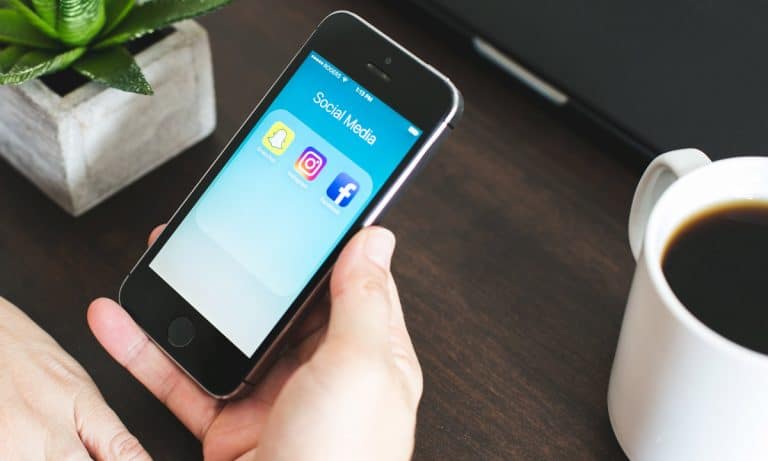
Social media is a hot spot for wellness trends and recommendations. According to new research, CBD is the most posted about trend with the most substantial amount of research behind it, at least according to the internet.

The analysis, conducted by Babylon Health, explains that there are over 500,000 Google scholarly articles on CBD and more than 8 million Instagram posts that have tagged the compound. This makes CBD the wellness trend on social media that has the most research.

Despite this, users should still exercise some caution when purchasing CBD products, especially those that are heavily advertised on social media. While Instagram is great for purchasing makeup, clothes and other kinds of products, there’s a growing trend in the CBD industry that takes advantage of the promising research on CBD and the fact that many people don’t understand the compound.

RELATED: A Beginner’s Guide To Buying CBD Products

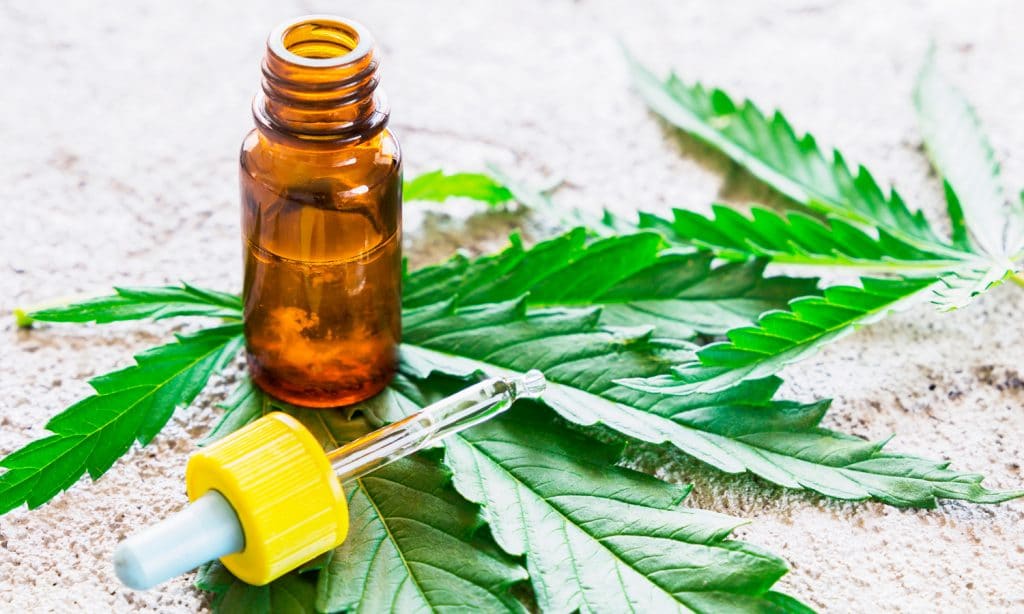
5 Most Common Myths About Hemp Oil And CBD Oil
Photo by MysteryShot/Getty Images

“There’s a big problem when the claims start to outstrip the science. When I see companies spending more on their social media side than they are on the actual science behind the projects,” said Dr. Shawn Arent during an influencer panel discussion in San Diego.

Influencers get paid for making these ads with no way of knowing if they actually use these products. While this gamble pays off with plenty of products, when it comes to CBD, these misconceptions have been taken to the extreme. Many users believe the drug can treat ailments that range from anxiety, to depression to cancer.

RELATED: 5 Things You Should Look For When Reading A CBD Label

While there are surely many influencers who run a great business and who recommend products that they personally use, it’s a complicated time to be taking these kinds of chances with CBD. Despite its growth, CBD is currently going through complex legal issues and research is in its initial stages.

Depending on what ailment your targeting with your CBD purchase, you’ll like need to do some research, contact your doctor, learn a bit about the terminology in the product label and purchase stuff that have trusted product reviews.

How The Hotel Industry Benefits From Legal Marijuana

0

Denver experienced a big spike in hotel revenue when the state of Colorado legalized adult-use marijuana.

When a state legalizes marijuana, it impacts people and industry in both subtle and surprising ways. It can discourage teenage cannabis use, and sometimes lead to small decreases in crime. On the flip side, marijuana legalization increases sexual activity among state residents.

According to Penn State researcher John O’Neill, the hotel industry also benefits from adult-use marijuana legalization. Data shows that Denver increased hotel revenue by $130 million following Colorado changing the legal status of the plant in 2014. Using hotel data from data and analytics company STR, in addition to geocoordinates and opening dates for recreational cannabis stores, O’Neill found how the hospitality industry benefited. 

“We found that Denver hotels were able to charge and receive higher prices for hotel rooms following recreational marijuana legalization, and also found increased visitation to the Denver […] resulting in positive economic impact,” O’Neill said in a statement.

RELATED: Does Legalizing Marijuana Help Or Harm Americans? Weighing The Statistical Evidence

The biggest increase happened immediately following legalization in 2014, as occupied hotel rooms grew by 9% in Denver. Distance between hotels and marijuana shops didn’t factor significantly, according to the study. Instead the hotels that benefited the most were oriented toward tourists and were on the cheaper side. Commercial travel hotels and luxury choices didn’t experience as pronounced bumps in revenue.

Photo by Rhema Kallianpur via Unsplash

“It could be that guests visit dispensaries only once or twice during any trip, and that proximity to other support amenities, such as restaurants, lounges and conventional retail establishments, as well as hotel attributes, such as brand and price, are more important considerations in their hotel selection,” O’Neill said.

RELATED: How To Discreetly Smoke Marijuana At A Hotel Without A $300 Charge

This revenue spike only lasted about a year, however, as other states began legalizing marijuana in different capacities. But the growth seen in Denver was greater than comparable cities, such as Austin and Albuquerque, and was also higher than national averages.

O’Neill started the research after hoteliers asked what effect legalization could have on their establishments. But he also believes these “findings could be useful to government officials and business owners in states that are considering legalization.”

Why The NFL’s New Marijuana Policy Isn’t A Total Win For Players

Like most Americans, NFL players won’t see significant changes in marijuana policy until a change at the federal level.

The NFL’s new Collective Bargaining Agreement (CBA) has been approved by both owners and players, which means the league’s marijuana policy will now change; the NFL will move from a punishment model to a treatment-based one. Players won’t receive suspensions for positive marijuana tests and will instead receive a review from a medical board of doctors that will determine if they need help.

In addition, the league will reduce the marijuana testing window from four months over the summer to two weeks at the beginning of training camp. The threshold for a positive marijuana test will increase as well — up to 150 nanograms of THC/milliliter from its previous 35 ng/mL.

This all sounds positive on the surface, but it doesn’t represent the seismic shift in football’s relationship to marijuana many had hoped. Under these new rules, players who fail a drug test could lose between a half-week’s salary up to three weeks’ salary. How much depends on the number of positive marijuana tests a player has had. Outside the removal of suspensions, players can lose a significant amount of money in the tune of millions.

RELATED: Will The NFL Quietly Decriminalize Marijuana Under New Players Union Contract?

Unlike most jobs, NFL salaries aren’t paid year-round. A player who earns $16 million a year is paid out across the 16 games of the season — that would amount to $1 million per week played. These new fines aren’t that different from the previous CBA, where a first violation resulted in entering the league’s substance abuse program, with a second and third violation causing a fine of two and four game checks, respectively. Only under the fourth violation was a player suspended.

Photo by David Madison/Getty Images

Also, players like Josh Gordon who were indefinitely banished from the league for positive marijuana tests won’t automatically be reinstated. According to ProFootballTalk, old rules regarding reinstatement still take precedent and Gordon would need to reapply and receive approval from NFL Commissioner Roger Goodell.

RELATED: The Future of Marijuana Testing In College Sports

The NFL still has reservations about being seen as pro-marijuana, Yahoo! Sports reports. Owners worried what message they’d be sending to younger fans. They also feared the complications around states’ different marijuana laws across the country and how they could clash with federal law. In a similar manner, earlier this year the NFL pulled back from embracing CBD as an alternative treatment for pain management.

“CBD is a promising compound, but the extent of its use in the United States outpaces the level of evidence,” the league’s pain management committee wrote in a paper sent to teams.

Like most Americans, NFL players won’t see significant changes in marijuana policy until a change at the federal level. Until then, they will still receive punishments, just not as bad as before.

Is Synthetic CBD Legal?

Synthetic cannabinoids, including those approved by the Food and Drug Administration, have been reported to cause serious side effects.

Although the enactment of the 2018 Farm Bill legalized hemp, the production of the plant and its derivatives — or certain aspects of it — remain prohibited in some states. As a result, many stakeholders are contemplating the idea of using synthetic CBD over its naturally derived counterpart. But does the lack of hemp and tetrahydrocannabidiol (“THC”) render synthetic CBD legal?

Before we answer this question, we should talk about what synthetic CBD is.

Synthetic CBD is a CBD isolate (i.e., pure CBD, free of other cannabinoids, such as THC, that are naturally found in the hemp plant). It is chemically produced in a laboratory. While synthetic CBD seems to be chemically identical to CBD derived from hemp, it remains unclear whether its effects are the same.

What we do know is that the use of synthetic cannabinoids, including those approved by the Food and Drug Administration (“FDA”), have been reported to cause serious side effects, including but not limited to euphoria, nausea, vomiting, abdominal pain and diarrhea. In addition, illicit synthetic cannabinoids, also known as cannabimimetic agents, have been repeatedly associated with causing severe illnesses and deaths.

Yet, states like Oklahoma seem to authorize the use of human-made CBD in finished consumer products. Specifically, 63 Okl. St. § 1-1431 mandates that any product containing CBD include a label that specifies “whether the cannabidiol is synthetic or natural.”

RELATED: These Are The 4 Biggest Problems With CBD Products

Nevertheless, the use of synthetic CBD remains risky. As we explained above, there is little information regarding the effect of artificial CBD on people, and what we do know is inauspicious. Accordingly, it seems unlikely that products infused with synthetic CBD could pass muster with the Food, Drug and Cosmetic Act (“FDCA”). Indeed, one of the requirements enumerated in the FDCA is that any consumer product sold and marketed in the U.S. be safe (i.e., not adulterated) for human consumption.

Here's When You Should Stop Using CBD
Photo by seksan Mongkhonkhamsao/Getty Images

Hemp stakeholders, including the Hemp Industries Association, have in fact advised the FDA to ban the manufacture and marketing of synthetic CBD for human and animal consumption on the basis of safety. The U.S. Hemp Authority, a certification program funded by the U.S, Hemp Roundtable and other industry leading companies that sets high standards and best practices for hemp-derived products, strictly prohibits the use of synthetic CBD from its program.

RELATED: FDA And USDA Start Making Sense On Hemp CBD

Note, however, that these unfavorable views of synthetic CBD are not necessarily shared beyond our borders. The European Commission, for example, has adopted regulations that allow the use of artificial CBD in cosmetics because the substance is not expressly listed in the Schedules of the 1961 Single Convention on Narcotic Drugs.

In sum, while the manufacture and sale of synthetic CBD is not expressly banned in the U.S, any manufacturer of CBD-infused products should think long and hard before going down that path. And if they choose to take that route, then they should (1)  know of the policy and advocacy efforts that are being made against the use of this substance; (2) ensure that their product is safe for human consumption; and (3) specify on labels that the product contains synthetic and not natural CBD to enable consumers to make informed decisions about their purchase.

Who Really Controls The Cannabis Industry?

The sheer size and growth of the industry on a state level and the revenue it generates  may prove to be the breaking point for the feds to finally release its chokehold. 

In the U.S. cannabis industry, the U.S. Drug Enforcement Administration (DEA), the U.S. Food and Drug Administration (FDA), and the U.S. Department of Justice (DOJ) have all have had a hand in blocking the industry’s evolution. Getting past these federal barriers is crucial to advancing the industry.

Chief among these institutions affecting the growth of the industry is the DEA. That federal government organization has kept marijuana ranked as a Schedule 1 substance since 1970, meaning it’s an abused drug as bad as heroin, and worse than fentanyl, oxycodone, and cocaine. The DOJ works as the enforcement arm of the DEA.

That DEA ranking is the biggest barrier to overcome for anyone trying to do business in the industry. It stops or impedes banking, advertising, interstate commerce, small business loans, insurance, corporate tax structure and basically nearly every aspect of core business development.

The FDA is sending out mixed signals about CBD and hemp, trying to clarify what they mean by legal and illegal, and throwing the U.S. Department of Agriculture (USDA) into the mix to come up with regulations that are still being worked out. So they are, in effect, controlling the hemp side of the marijuana industry.

Then there is the 116th Congress itself, a legislative body that has been more willing to listen to industry representatives than any other Congress to date.

Two bills made it into the Senate: the Marijuana Opportunity Reinvestment and Expungement Act of 2019 (or the MORE Act), introduced in the Senate but sitting in the Committee on Finance since July, 2019; and the Secure and Fair Enforcement Banking Act of 2019 (or the SAFE Banking Act).

The SAFE act was the first marijuana legalization bill to pass the House, but Mike Crapo, R-ID, chairman of the Senate Banking Committee, blocked the act from Senate discussion.

RELATED: More Proof That Marijuana Banking SAFE Act Is Dead

The Credit Union National Association (CUNA) has proposed amendments that they believe will help the SAFE Act bill get passed. And the American Bar Association recently issued an appeal to Congress in support of details of the SAFE Act.

Major marijuana advocacy organizations have done what they can to advance the industry — National Organization to Reform Marijuana Laws (NORML), Marijuana Policy Project (MPP), Americans for Safe Access (ASA), National Cannabis Industry Association (NCIA). They can help steer results — for example, testifying in support of legalization efforts in Congress.

5 differences between cbd and hemp
Photo by Anatoliy Sizov/Getty Images

Other more recently formed marijuana business organizations have outlined what is needed for the industry, most recently at a Congressional hearing in January. But witnesses from the DEA were there as well to divert or dispute any pro-marijuana witness testimony.

There are some who would say that Big Pharma, Big Tobacco and Big Alcohol may eventually control the industry, as they begin to make deals which would mainstream cannabis and potentially provide mass production and marketing abilities.

As proof of the Big Tobacco interest, witness the $1.8 billion deal between the struggling Canadian cannabis company Cronos and Richmond, Virginia-based Altria, makers of Marlboro cigarettes that is also heavily invested in Anheuser-Busch InBev, the world’s largest brewer.

RELATED: Surprising Conservative Investors Who’ve Stuck With Marijuana Stocks

Who really controls the industry? Maybe it’s the surviving cannabis businesses that have weathered the startup bumps in the road and are digging in, proving that this industry has a solid, multibillion dollar future run by competent business owners.

For now, there is no getting around the federal barriers to building the industry. But the sheer size and growth of the industry on a state level, the employment it provides and the revenue it generates now and in the future, may prove to be the breaking point for the feds to finally release its chokehold. Only then can real progress happen.

Cannabis Shoppers Line Up For Quarantine Supplies

As the coronavirus spreads across the U.S., dispensaries are seeing longer lines and bigger purchases from those stockpiling for self-quarantine.

Facing calls to stay inside and avoid large groups, cannabis consumers decided the way to best pass the time was to stock up on supplies. Dispensaries have been reporting large lines as shoppers increase purchases. Boston dispensaries were seen with lines snaking out the doors, while other states reported fewer shoppers, but larger purchases.

The Covid 19 virus has resulted in the cancellation of numerous cannabis conferences and even delayed some grand opening plans for new dispensaries. So far it seems April 20 celebrations haven’t been canceled yet and some of the bigger conferences planned for late May are still on schedule.

iAnthus (OTCQX:ITHUF) kept its soft opening of its first Northeast Be. retail store on Staten Island in New York last week. The grand opening is still planned for March 26. This is the company’s third store in New York. Beth Stavola, iAnthus Chief Strategy Officer noted that the soft opening was successful.

4 things you need to know before visiting a marijuana dispensary
Photo by Scott Eisen/Stringer/Getty Images

Ayr Expands Sick Leave

Multi-state operator, Ayr Strategies Inc. (CSE: AYR.A)(OTCQX: AYRSF) said it has joined with the United Food and Commercial Workers International Union in announcing measures to safeguard the health of its employees and customers. Under the measures, Ayr employees will benefit from an expanded sick leave policy that allows for additional paid time off and sick leave for those dealing with the impacts of the COVID-19 virus.

RELATED: Marijuana And Liquor Sales Rise As Americans Self-Isolate From Coronavirus

“Our highest priority is the well-being and safety of our employees, our customers and the community,” said Jon Sandelman, CEO of Ayr Strategies. “We’re expanding our sick leave policy to ensure that employees’ concern about COVID-19 does not keep them from protecting their health or the safety of those around them.”

“We’re committed to working with employers like Ayr Strategies to ensure the health and welfare of our members and their communities. We are pleased to see Ayr take a proactive step forward in protecting its employees,” said Fernando Lemus, Secretary-Treasurer and Acting President at UFCW.

CBD Does Not Prevent Covid 19

The FDA is cracking down on businesses claiming to prevent the spread of Covid 19. The agency sent out numerous warning letters to vitamin companies and essential oil sellers saying, “The FDA is taking urgent measures to protect consumers from certain products that, without approval or authorization by FDA, claim to mitigate, prevent, treat, diagnose, or cure COVID-19 in people,” adding that “We request that you take immediate action to cease the sale of such unapproved and unauthorized products for the mitigation, prevention, treatment, diagnosis, or cure of COVID-19.”

RELATED: Ask Our Experts: Cannabis Vs. Coronavirus

So far no letters have gone to CBD companies, but there have been reports that some CBD companies are trying to make the connection as these supplement companies have.

This article originally appeared on Green Market Report.

Expert Tips On Taking A Marijuana Tolerance Break This Spring

If you are a daily consumer of cannabis, you probably have noticed that your tolerance to marijuana has changed. You’ve tried different types of cannabis with higher THC levels. You’ve upped your dose. But no matter what you have tried, that old feeling of euphoria is difficult to capture.

Tolerance Holidays, also known as T-breaks, are recommended for many reasons. Most long-term consumers of cannabis report that refraining from reefer for an extended period of time allows your body and mind to re-calibrate.

Do you know people who give up booze for a few weeks after New Year’s Eve? Or for Lent? It’s kind of like that. Here’s what you should know about taking a Tolerance Holiday.

Do I Really Need To Take One?

It’s your body and it’s your brain. Listen to what they are saying to you. But most experienced consumers will tell you that your relationship with the herb will benefit from a break.

If you use cannabis for a prolonged period of time, your system becomes desensitized to its psychoactive effects. When you constantly put THC in your body, the receptors that bind to it become compromised.

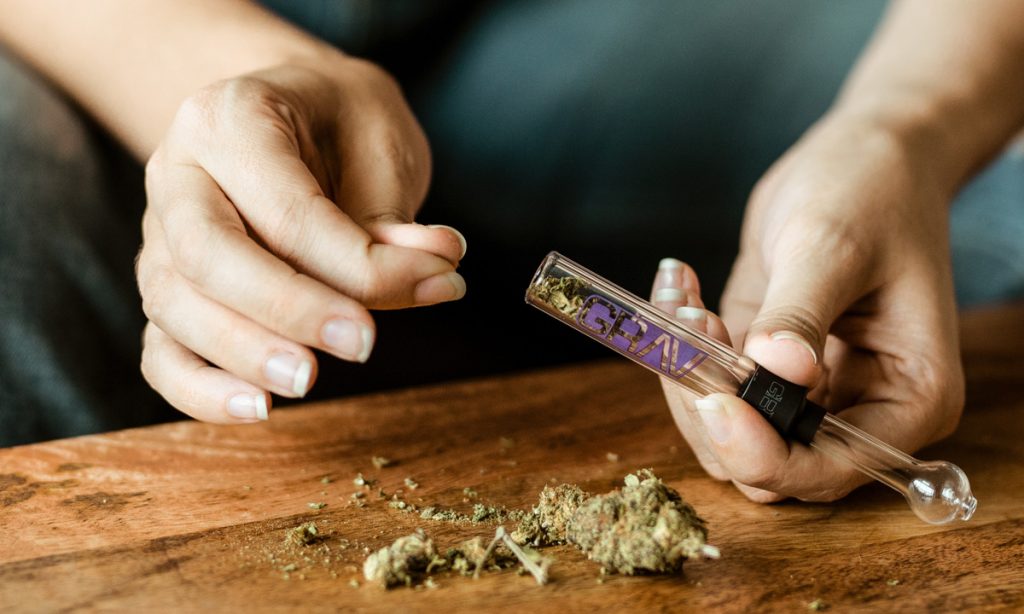
Photo by Grav via Unsplash

Think of it as giving your receptors a chance to recuperate. Why overtax them?

RELATED: It Possible To Be Physically Addicted To Marijuana?

Taking a T-break will also allow for reflection on why you consume in the first place. Is it a mindful, positive experience? Does it provide a new perspective? Does it make music sound better? Food taste better? If you find that your experiences are no longer as positive or euphoric, it’s time to put the bong down.

Can’t I Just Cut Back On My Consumption?

This method certainly will help, but your receptors are still being activated on a semi-regular basis. Many marijuana enthusiasts prefer this halfway approach and it works for some.

If you spark one up multiple times a day, you opt to limit it to just at the end of the evening. Or if you use it as a sleep aid, consider opting for melatonin for a few weeks as a replacement.

How Long Should I Refrain From Using?

Once again, everybody is different. But taking a break for one or two days just won’t cut it. Most experienced T-breakers will tell you that two weeks is a wise minimum. A month is preferred. If you seriously give it up for the entire Lenten season (40+ days), your receptors will certainly be well rested.

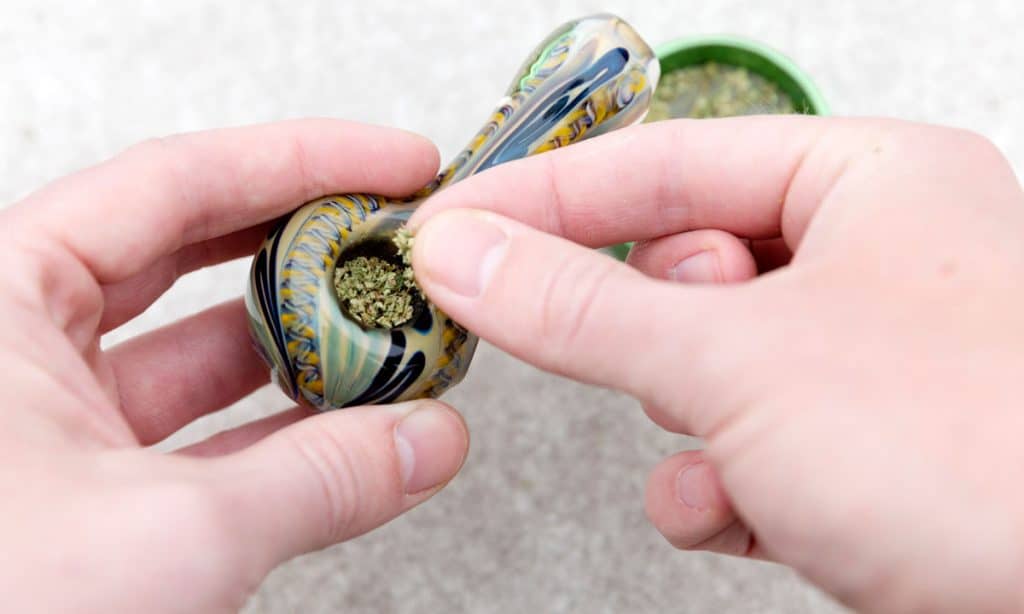
a simple guide to packing and smoking a bowl of marijuana
Photo by contrastaddict/Getty Images

THC can remain in your system for 30 days. Allowing the cannabinoid to flush through your system will do your body good. And your next session should be memorable.

What About Medical Marijuana Patients?

This is a bit tricky. If you are using cannabis as medicine, it is smart to consult with the physician who recommended it. If you are currently using it as an aid in chemotherapy, PTSD, pain relief or any other serious ailment, it is paramount that you balance the desire to medicate with the desire to lower your tolerance.

RELATED: When Is It Time To Take A Marijuana Tolerance Break? Ask Liam Gallagher

If you are more of a recreational user (and you know who you are), it’s smart to take a T-break. If you need cannabis for physical or emotional relief, it is recommended you have a talk with a doctor.

Will It Have Negative Effects?

Some people taking a tolerance holiday may show symptoms of irritability, moodiness of other signs of withdrawal. Have you ever been around someone who quit smoking tobacco? It’s similar to that, but usually less severe. And remember: The reason you are taking the T-break is to keep your mind and body in balance.

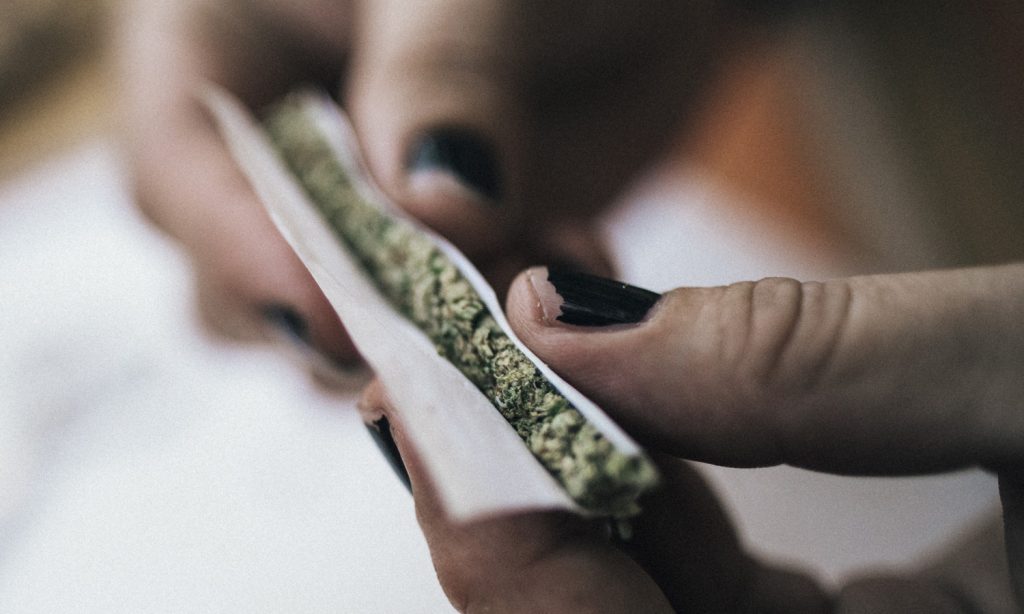
3 Popular Ways To Consume Marijuana Flower
Photo by Instants/Getty Images

The best advice is to stay active. Go for long walks or to the gym. Releasing endorphins may assist in preventing or lessening the negative effects.

Added Bonus!

If you find this to be a difficult task, it may be a warning sign that you are becoming dependent on the drug. But try to focus on this silver lining: If you take a protracted break from cannabis, you’ll be saving yourself a chunk of change. And who couldn’t use a few extra bucks in the bank account?

What Exactly Does Self-Quarantine Mean?

The coronavirus outbreak has introduced the phrase “self-quarantine” to the masses. But what does it mean, exactly?

Due to the coronavirus outbreak, some people have been asked to work from home and avoid public spaces all together. There’s also those who have been advised to “self-quarantine” after being exposed — or suspected to have been exposed — to someone with the virus in order to prevent the spread of the illness. There’s plenty of confusion when it comes to these terms and the action you’re supposed to take.

Lifehacker explained some of the key differences between “quarantine” and “isolation,” with the main one being that self-quarantine refers to people who’ve only been exposed to the virus and may not be infected. Isolation refers to people who are sick and must stay sheltered, being very careful about the objects they interact with and seriously limiting their contact with others.

When schools and offices close, students and employees are advised to stay home and avoid large gatherings. This doesn’t mean that these people are under self-quarantine, since they can go out to cafes, restaurants and bars (at least for those who live in cities that have not mandated forced temporary closures of the food and beverage industry). Still, it’s suggested that these outings be voluntarily reduced in order to prevent crowds and, thus, the spread of the virus.

RELATED: Are Smokers And Vapers More At Risk For Coronavirus?

People who have been exposed to the virus or have traveled to a hub of the disease (such as Seattle) should be more careful, including following “self-quarantine” procedures. This is much more strict than simply working from home.

What Does Self-Quarantine Mean?
Photo by Juliana Malta via Unsplash

People who are self-quarantined should steer clear from others, maintaining a minimum distance of 6 feet. While you can go on walks to stay healthy and sane, this means you shouldn’t go to public places like restaurants, bars, cafes or even grocery shopping. Because of this, it’s important to everyone to have some basic necessities at home.

RELATED: Here’s What To Do If The Coronavirus Has You Working From Home

In order to prepare for this, experts recommend stocking up on a two-week supply of water and groceries. That includes soap for hand washing. And when it comes to foods, consider purchasing non-perishables, such as canned foods, grains and pasta. In case you get sick, tissues and medical supplies, such as ibuprofen, acetaminophen and cough medicine are important to keep in hand.

Data Show Medical Marijuana Benefits Fibromyalgia Patients

About half of patients reported improved quality of sleep and fewer symptoms of anxiety and depression, a new study finds.

In the past, fibromyalgia patients turned to medical marijuana to alleviate chronic pain symptoms associated with the mysterious illness. Fibromyalgia causes general fatigue, trouble sleeping, mood issues, and widespread musculoskeletal pain in and estimated 6 to 12 million Americans who live with the disease.

No known cure exists, although several FDA-approved medications exist as well as recommendations to diet and lifestyle for fibromyalgia, which is believed to affect how the brain processes pain signals.

One previous study has shown marijuana can help reduce fibromyalgia pain while another found cannabis produces “beneficial effects” to other symptoms associated with the disease. Now, a new study out of Italy demonstrated that medical marijuana improves the efficacy of standard analgesic fibromyalgia treatments.

RELATED: Cannabis May Treat Fibromyalgia Pain, According To New Study

“This observational study shows that adjunctive [medical cannabis treatment] offers a possible clinical advantage in FM patients, especially in those with sleep dysfunctions,” researchers concluded.

Cannabis: Beneficial Yet Effective Treatment Method For Fibromyalgia
Photo by krisanapong detraphiphat/Getty Images

The study, which was published in the Clinical and Experimental Rheumatology journal, followed 102 fibromyalgia patients who had not responded well to conventional treatments. These participants were given two forms of medical cannabis oil extracts — a THC-dominant blend and one closely balanced between CBD and THC. Researchers then collected data over a six-month period from patients, who self-reported fibromyalgia symptoms, how well they slept, and feelings of fatigue. In addition, doctors asked participants to record depression and anxiety levels.

According to this data, only a third of fibromyalgia patients reported reduced symptoms of the disease overall. Cannabis did, however, improve overall quality of life for some. About half of patients reduced or altogether quit taking analgesic medicine, while a little less than half reported better quality of sleep. Fewer symptoms of depression and anxiety were found in around half of patients as well.

RELATED: Understanding The Importance Of Marijuana Studies And Outcomes

“The retention rate and changes in concomitant analgesic therapy reflect [medical cannabis treatment] efficacy of the improved quality of life of patients,” researchers concluded.

They did explain that more research is necessary, due to small sample size in the clinical trial. But the data does provide hope to those with fibromyalgia they can experience a better life while managing their symptoms.

How Coronavirus Is Impacting The Cannabis Industry

Some are hoping that the shutdown of Chinese supply will positively affect U.S. producers of products that otherwise would be sourced more inexpensively.

It is about all anyone is talking about, understandably. Mostly the fear of the unknown and the inconsistent messaging from some officials are driving the intense focus on the coronavirus, which has now been labeled a global pandemic.

What we know for sure is how it has been impacting the world economy and, in particular, the cannabis industry. This is especially true with respect to the virtual shutdown of business activity in China. What are some of the impacts seen and yet to come in the cannabis space?

  1. HardwareDelivery of products from China is being delayed or canceled, affecting the supply chain for products such as cannabis vaporizers or vapes. In addition, as indicated by MJBizDaily, Chinese factory shutdowns are affecting the shipment and delivery of testing and extraction equipment and packaging for cannabis products. This has not quite hit the market yet as many had over-ordered in anticipation of the Chinese New Year celebrations, which typically shut down businesses for a few weeks.
  2. HempChina is also considered to be the largest global producer of hemp. While farmers there continue to grow the product, exports have been effectively shut down. This just as the world market for hemp and products to be derived from it, including cannabidiol (CBD), was rising rather dramatically.
  3. Stock Market. We continue to watch the U.S. (and world) stock markets in free-fall. The index of global cannabis stocks has been in fairly steady decline since around March 2019. There was hope that companies focusing more on profitability and shedding costly operations might begin to reverse this following the major correction in cannabis stock prices last year. Unfortunately these stocks now are caught up in the overall market decline as well. The same trends hold true for the American cannabis operator index.
  4. State Legalization. With a number of states hoping to move towards medical or adult use legalization this year, some efforts may be impeded by COVID-19. For example, in states hoping to move to voter referendums, signature drives at places like malls and other gathering spots could be affected. New York’s Governor, Andrew Cuomo, last week indicated that coronavirus may require him to cancel a tour he planned of legal cannabis states such as Massachusetts and Illinois to bolster his effort to legalize here. This while there remain differences between Cuomo and the NY legislature on a few key issues as the clock ticks on the March 31 deadline to complete the process as part of this year’s NYS budget.
  5. Social Impact. Writers in the industry have begun to caution cannabis users to cease the common practice of sharing product when smoking or vaping cannabis or CBD. Gatherings in the industry have been postponed or canceled, including here in New York, another rapidly emerging epicenter of coronavirus trouble here in the U.S. This could affect U.S. cannabis sales, along with the general public attitude of limiting all group gatherings.
how the costco of cannabis will upend marijuana black market
Photo by Yarygin/Getty Images

RELATED: The Surprising Way The Coronavirus Affects The Marijuana Industry

Some are hoping that the shutdown of Chinese supply will positively affect U.S. producers of products that otherwise would be sourced more inexpensively from the People’s Republic of China. Others are looking at alternative sourcing in places such as Vietnam, where the outbreak thus far remains limited. U.S. hemp producers, in particular, could benefit from the China shutdown of hemp exporting, especially now that hemp production has moved to legal status in the U.S.. Once China is back on line, however, the market expects a glut of supply of hemp coming from there.

Along with the stock market declines in cannabis stocks over the last year came significant challenges in the capital markets as these companies, almost all of which are not profitable, struggled, really for the first time, to raise money. While there are some financings being completed, especially for the more seasoned and public companies, the challenge for these stocks to regain momentum appears that it will likely continue.

This article originally appeared on the David Feldman Blog.

Don't Miss Your Weekly Dose of The Fresh Toast.

Stay informed with exclusive news briefs delivered directly to your inbox every Friday.

We respect your privacy. Unsubscribe anytime.