Smoking cannabis is not the best thing you can do when it comes to preventing and treating respiratory diseases.
Now that a pandemic is on the loose, it’s important to take some extra precautions, even when it comes to seemingly unrelated and safe activities, like smoking marijuana.
While there’s no need for you to stop smoking altogether, there are a few things you should account for when consuming cannabis while engaging in social distancing. Marijuana use has long been associated with community; marijuana lounges, joints and bongs, all meant to be shared.
In conversation with the New York Post, different marijuana lounges and smokers explained that they’ve been avoiding sharing marijuana and cleaning their bongs more thoroughly, ensuring that no virus or bacteria remains.
Here are a few actions that can reduce the risk or spread of the coronavirus:
When practicing social distancing, it’s important to avoid sharing joints or bongs with roommates and others, even when they might not be showing symptoms, since people can be asymptomatic and still carry the virus. When it comes to romantic partners, it’s very hard to prevent the spread of diseases or alter the way you behave in private. In any case, avoid sharing joints with each other if you’re feeling sick.
Avoid smoking when ill
When battling a cold, flu or infection, hot smoke will only irritate your lungs and make your symptoms and cough worse. While THC & CBD have anti-inflammation and pain killing abilities, it’s important to account for the method of consumption and to also speak with a doctor. Cannabis has a complex effect on our immune system and a pandemic might not be the best time to experiment with your health.
If you’re healthy and enforcing social distance, there’s no reason why you shouldn’t explore and try out new things. Prevent freak-outs by consuming small doses, by avoiding your triggers and by drinking lots of water.
There are a number of different reasons why cannabis stocks have been hit particularly hard due to coronavirus.
Editors Note: This is a guest post by Maria Hills.
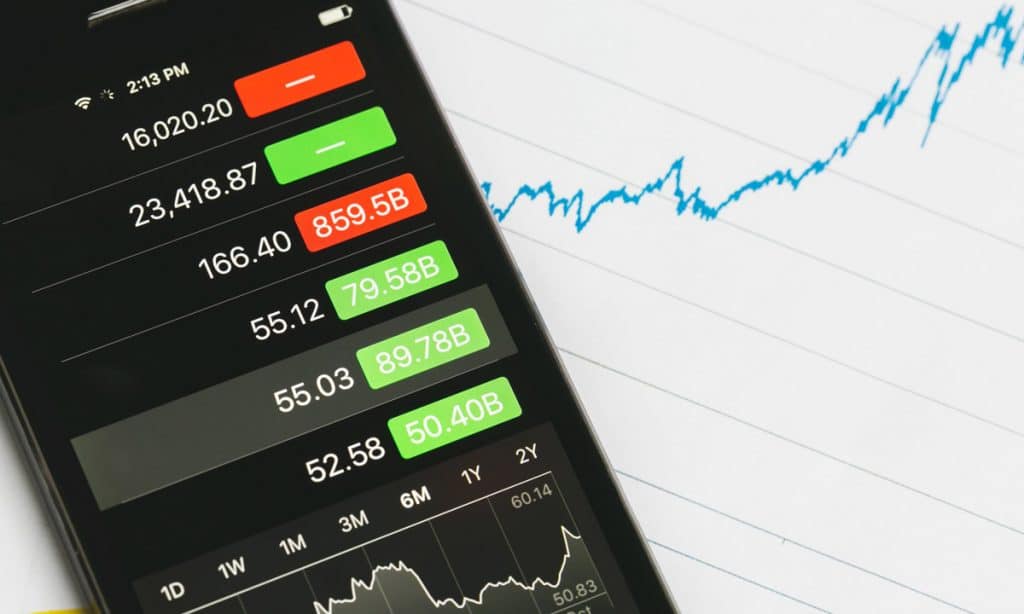
The coronavirus has had a big impact on the world’s economy, and even more so on the financial cannabis market. While the S&P Index has seen a 17% drop, various marijuana companies have experienced a drop of 30% and more. Of course, this raises the question of whether it’s a good time to buy cannabis stocks right now, and if there’s any chance of finding a bargain.
Covering Your Concerns
There are a number of different reasons why cannabis stocks have been hit particularly hard due to coronavirus. One of the biggest reasons is because they’re a high stakes investment, to begin with – it’s still rare for a marijuana company to turn a comfortable profit. This is also despite the fact that many American states have legalized cannabis. Another issue around investing in cannabis stocks is financing. No matter what the end of the tunnel looks like with coronavirus, one thing’s for sure is that they’ll be less investment channeled into asset classes like cannabis with a high risk. Cannabis companies were already having issues finding good investment sources before the outbreak hit.
There’s also the concern that the impact that the virus has had on China’s economy so far will spread its reach to the marijuana industry, too. Like many industries, the cannabis industry relies on China as the main manufacturing hub, especially when it comes to vaping products. The last reason why there is concern around an investment like this is consumer spending – or lack thereof. Many people will restrict spending on non-essential goods, which will hit industries like cannabis the hardest.
Photo by Shopify via Burst
The Damage is Contained
For the most part, these concerns are so far exaggerated. While the legal environment in America still isn’t where it needs to be, more and more states are moving toward legalization, which is great news for the industry. As for China’s economy, there is more than one way to consume cannabis, so not all companies have to rely on China’s manufacturing facilities to keep producing their products.
When thinking about consumer spending, for some purchasing cannabis isn’t a non-essential – it’s an integral part of their medical management plan. The only real valid concern here is financing – there’s every chance that pot companies will continue to struggle to get the funding they need, which most rely heavily upon. If you can get over this little hurdle, though, purchasing cannabis stocks in a dip like this has every chance of paying off.
Investing in the Right Company
It’s not easy finding the right marijuana company to invest in, but one thing that you do want to figure out before you take the leap is that your finances are in order. If you need a bit of a boost to make the most of this opportunistic gap in the market, consider options like personal or title loans. Short-term loans like this are great for initial investments and can be paid back at your leisure. Ignore the fear-mongering in the media, and take the leap into what could end up being one of the most successful alternative medicine industries we’ve seen – ever.
CBD has worked its way out of the labs and into a wellness regimen for thousands of consumers over the last five years, while catching the eye of fashionistas who are taking advantage of a societal shift in cannabis stigma.
CBD makers have now taken to dressing up its presentation. Sometimes CBD looks more like a rare exotic indulgence in newly created flashy packaging, showing it as a new uptown gotta-have edible addition. Other times, it appears as an outrageous CBD lifestyle accoutrement that solidifies cannabis’s place in high society and the world of fashion.
CBD has grown up. It’s no longer the lab rat’s lunch. It’s a new-age luxury brand embraced by celebrities — in professional sports and Hollywood — that’s becoming as important to own as any Gucci or Prada product.
Hollywood
The biggest reason to go CBD luxe is because Hollywood says so. Right? CBD of the stars. How cool is that? Many CBD infused products were stashed in the$225,000 bags of goodies for the 2020 Oscars award nominees, not so subtlety laying the “ain’t it cool” banner on it. There was a hemp balm mixed with CBD oil,cannabis oil-fused chocolates and gummies edibles. CBD in the red carpet limelight!
It’s now OK to tell the caterer at your next party to bring on the CBD edibles, maybe a bit camouflaged, maybe subtlety identified as such, but beautifully presented anyway just so The Straights won’t be afraid to try it — and nobody thinks to call the cops.Today’s caterers know that CBD is on their clients’ wish lists for weddings and what-not. When you take that leap, congratulations — you just notched up a level on the list of best party people ever.
Low Calorie Buzz
Oh, those late night naughty bits of self-overindulgence when you slip into the kitchen for a bit of fudge, or a pint of ice cream, none of which help you sleep. Now you have another choice—reach for that CBD infused edible for your late-night snack. Sure, you may get a certain feeling when you eat one, maybe a little cozy buzz. But desserts are all about the buzz, right? A CBD buzz can turn your restless night into a restful one. Ever downed a pint of Ben and Jerry’s Chocolate Fudge Ice Cream and tried to sleep?
High Society
Photo by ian dooley via Unsplash
Complement a fuller high society lifestyle with new super-sexy brands of CBD products that are becoming all the rage in trend-setting cities like New York. One example is theBlack Dahlia brand line of edibles, lotions and oral sprays, represented by world renowned philanthropist and socialite Emma Snowdon-Jones.
She uses Black Dahlia to help her with depression, and told The Fresh Toast she “feels like she is alive again” and “it’s a whole new world” for her. The company promotes their CBD products as an aid to “balancing life: the yin and yang, beauty and science, enhanced living and wellness, luxury and responsibility.”
Barneys
Speaking of a grander lifestyle, luxury retailer Barneys recently opened a cannabis haute couture store within a store called The High End, where you can buy things like a $950 bong. You can also find a CBD-infused sleeping mask from Needless Markup, er, um, Nieman Marcus.
The problem is that, up until now, cannabis has either been over-regulated or not regulated at all, and that is all about to change.
Marijuana has grown up. It isn’t just the leafy green stuff that teenagers smoke out of Coke cans, or the pungent drug of choice for tie dye-covered concert goers anymore. These days a weed purchase is much more aligned with a trip to the Apple store than it is a back-alley drug deal. But the ride has been the Wild West of marijuana marketing.
Cannabis is now legal in a majority of states in some degree or fashion, and it’s closest relative, hemp, is all the rage in almost every social circle, with CBD seeing search volumes increase “125.9% during 2017… 160.4% during 2018… and are expected to be 117.7% higher during 2019 than 2018 based on observed and forecasted volumes,”according to research.
With this wave of legalization and public interest has come all of the accompanying marketing, sales, outreach, and public relations campaigns that are associated with emerging markets. The problem is that, up until now, cannabis has either been over-regulated or not regulated at all, and that is all about to change..
Advertising traditionally occurs across an array of broadcast media, such as radio, television, and in some cases the internet as well. Because of the current Schedule 1 status of cannabis and the federal licensing from the Federal Trade Commission, this essentially makes advertising in these methods for cannabis products containing THC a no-go.
Photo courtesy of Cannaclusive/Flickr
The waters around CBD aren’t as restrictive, but can be quite murky. With the passage of the 2018 Farm Bill, and the accompanying state rules that have followed, CBD and hemp are now legal across the country but still subject to very strict guidelines.
With the lack of advertising available through the traditional outlets, ganjapreneurs and the other members of the “green rush” are flocking to the internet and social media to reach patients and consumers. This leads to the next big obstacle facing cannabis marketers: most of the major social media sites have a ban on all products. This has even affected ancillary services and accompanying markets, with Google recently cracking down on delivery services and cannabis sales through its platforms.
With all of the “normal” outlets officially off the table, weed-mongers and secondary markets have gotten creative with how they reach new customers. Influencer marketing, partnering with non-profits, and advocacy are the new normal for cannabis and hemp brands alike. This may all be coming to an end though, as recent warnings from the FDA, and crackdowns on branded content from the FTC are starting to trickle into cannabis circles.
Photo by Erik Lucatero via Unsplash
Where does this leave the already mixed up and complicated world of cannabis marketing?
Well, it seems like just as the marijuana movement has finally found its stride, the powers that be are about to catch up. The days of bong rips on Instagram and Facebook Live classes on joint rolling are coming to an end almost as quickly as they began.
Nobody can know for sure, but the best clues can be found in alcohol, pharmaceutical, and tobacco advertising. A great example is this Heineken commercial featuring Neil Patrick Harris and the director breaking character and discussing the regulatory constraints preventing alcohol consumption during an advertisement for alcohol.
As cannabis continues to become legal across the U.S., and the globe, it seems that social media and broadcasting will loosen their current bans on cannabis products, but not without implementing new regulations to bring the green rush in line with the other heavily regulated but legal industries.
Marijuana can help manage anxiety and stress levels, but there are best practices you should use during the coronavirus outbreak.
Americans suddenly find themselves with plenty of time on their hands, thanks to the coronavirus. Due to social distancing practices to limit further outbreak, many have found themselves locked in their home with only roommates or family around. This has caused some to dive deeper into their hobbies or start a creative project they’ve been putting off.
During this time, you might find yourself exploring movies, food dishes, and other activities you normally wouldn’t otherwise. Like, for example, smoking marijuana. Your reasons for trying cannabis could vary. Maybe you want to manage anxiety and stress levels at this time. Perhaps, you’d like to tune out media coverage. Or you’re just bored, which is reason enough.
There are some things you should know. A study published last year in the Journal of Affective Disorders found that marijuana reduces symptoms of anxiety, depression, and stress. Considering the state of the world, those are desirable effects. Researchers found those hoping to reduce stress should use high-CBD/high-THC strains while high-CBD/low-THC varieties best help limit depression.
“Cannabis reduces perceived symptoms of negative affect in the short-term, but continued use may exacerbate baseline symptoms of depression over time,” researchers concluded.
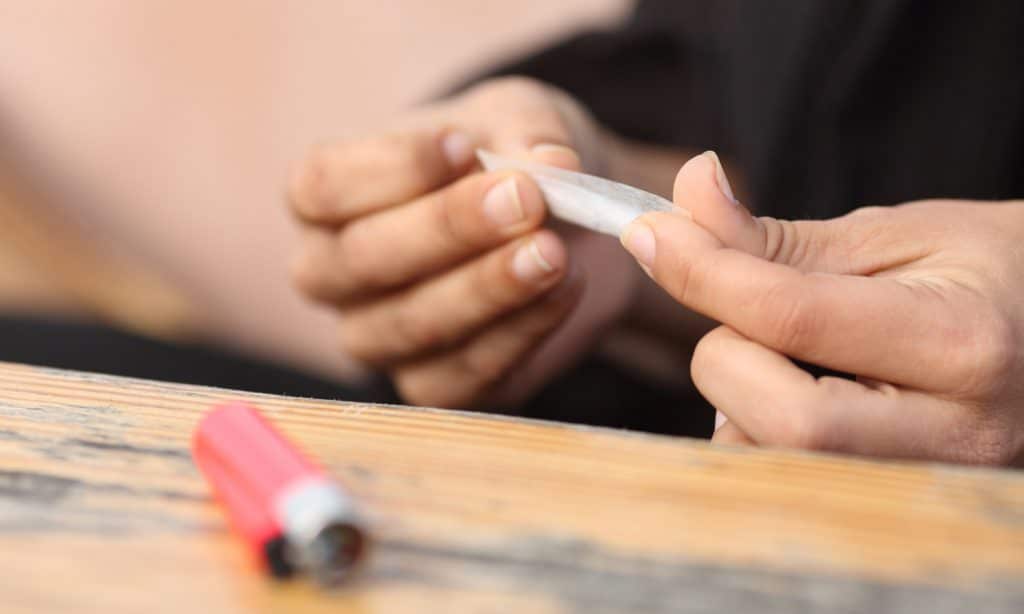
If you are smoking marijuana at home with other people around, remember to use proper etiquette. Avoid sharing joints, pipes, bongs, vape pens, and any device that touches your lips.
“All of this is obvious, yet it is counter intuitive to the social atmosphere of marijuana use,” wrote Dr. Thomas Green, a leading expert on medical marijuana. From what we know, the coronavirus is not transmitted through the air. So everyone can still sit around the weed circle, but just bring your own goods.
Photo by AntonioGuillem/Getty Images
Some experts have recommended avoiding smoking and vaping, however, because the coronavirus attacks respiratory systems. Those who inhale any substance could be putting themselves more at risk should the contract COVID-19, which causes shortness of breath, coughing, and fever in patients.
So if you want to be extra safe, you should stick to non-smokable delivery systems like edibles, tinctures, and topicals. Save the smoking for another day when the coronavirus isn’t at the top of your concerns.
Cannabinoids are immune-modulators, which means that they alter our immune system in different ways, but what does it really mean?
Cannabis is a plant that can have myriad effects on our bodies, depending on our mood or the strain that’s consumed. Cannabinoids are immune-modulators, meaning that they exert some kind of influence in our immune systems. This has been a topic of interest for a lot of physicians, but what does it mean?
Results from studies provide several explanations:
Some research claims that cannabis suppresses our immune system, which is the reason why it’s so good at decreasing inflammation. This can be a good or a bad thing depending on your situation. When it comes to viruses and infections, inflammation does play an important role in our bodies, trapping them and preventing them from spreading around.
Other studies suggest that the cannabis plant does something else entirely, making our immune systems stronger and helping it battle infections. This seems to be the case with patients that suffer from cancer or AIDS, where cannabis helps them cope with their symptoms and strengthens their bodies’ response to the disease.
Research conducted on mice with cancer found that cannabis causes apoptosis, which means that it kills cancerogenous cells. Another study conducted on humans with AIDS/HIV discovered that the patients that consumed cannabis ended up with stronger immune systems and had higher CD4 counts (these are T cells that kill the HIV virus).
When it comes to CBD, much of the research out there continues to reflect these contradictory ideas. Essential Health explains that for a healthy person, CBD can compromise their immune system.
For people with an autoimmune disease, where someone’s immune system doesn’t work properly and attacks the healthy cells in their bodies instead of the infections, CBD can provide some benefits, reducing the strength of these symptoms. Autoimmune diseases include HIV, diabetes, fibromyalgia, and more, all of which are hard to treat.
There’s a lot of information out there, but there’s still not enough research to definitively explain cannabis’ role in our immune systems. Cannabis is an extremely versatile plant but it all comes down to each patient’s unique situation. Before you consider taking cannabis as a way of managing disease, it’s important to talk to a doctor to see if your situation warrants this and if the plant will provide what you need.
Gov. Andrew Cuomo believes New York will still legalize recreational marijuana this year, though others aren’t so sure.
Governor Andrew Cuomo announced the coronavirus outbreak has not stopped his intention to legalize recreational marijuana in New York. Because the government doesn’t know how the coronavirus will affect their ability to convene and pass legislation, Cuomo talked of an “accelerated” budget process in the coming days to push through bills.
“I want to see as much as we can get done,” Cuomo said during a press conference this week. ”I want to see as much as we can get done. Only caveat, I want to do things right.”
Legislators will discuss different policy issues remotely and via teleconferencing before traveling to the Capitol to vote. Two Assembly members have tested positive for the coronavirus and currently recovering. New York has discussed legalizing adult-use marijuana through the budget since last year’s proposal, and lawmakers’ positions on this issue and where compromise might be necessary should be well known.
This is a highly unusual legislative process, which could tip the scales either way for marijuana legalization. One insider told The New York Daily News that Cuomo, who has vowed to pass cannabis reform for the past couple years, could hold more power because many lawmakers would rather stay home than travel to Albany. Lobbyists and advocates have also been barred from the state Capitol due to safety concerns, lessening their potential impact.
"Yes" Cuomo says he will be pushing for amending bail reform and legalizing marijuana in the "accelerated" budget process that could have lawmakers and governor making a deal by end of upcoming week "We're not talking about a bare-bones budget"
However, the urgency of the coronavirus could place marijuana legalization on the back burner once again in New York. Opposition remains about how taxes raised by marijuana revenue should be split and how much marijuana residents can legally possess.
In addition, focus could shift to reducing the state’s multibillion-dollar deficit, which legislators predict could rise as New York provides health care in response to the coronavirus. Senate Deputy Leader Mike Gianaris told North Country Public Radio all of this could delay voting on adult-use marijuana.
“We’re trying to be incredibly effective this week, to only come in as necessary,” Gianaris said. “But in that short time do as much as we can to move the state forward.”
Photo by jonathan riley via Unsplash
Still, Cuomo has placed significant political capital on legalizing marijuana this year through the budget. The governor had initially proposed states in the Northeast regional collaborate on passing recreational marijuana laws this years. That hasn’t happened, but Cuomo says those initial conversations have helped states coordinate their response to the coronavirus.
“Luckily, we have set a template where our regional states work together,” Cuomo said. “Many of you came to our regional meeting on marijuana laws. And I have a good relationship that I’ve developed with the surrounding governors. So we have actually deployed that here [in our coronavirus response.]”
All retail stores must designate an employee or officer who must establish and implement social distancing and sanitation measures.
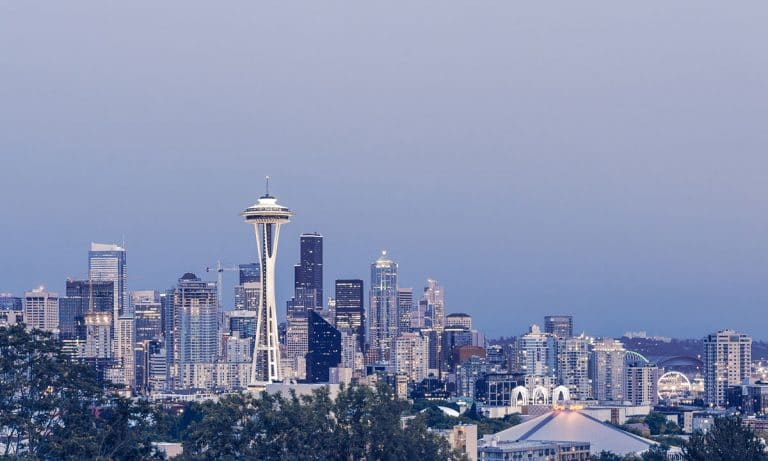
Yesterday at the close of business, the Washington State Liquor and Cannabis Board (LCB) emailed stakeholders an update on COVID-19. This update was in response to an earlier proclamation by Governor Jay Inslee which shut down restaurants, bars, coffee shops, and any other venues where people congregate to eat and drink. The proclamation also prohibits public venues where people congregate for entertainment, social, or recreational purposes, such as “theaters, bowling alleys, gyms, fitness centers, non-tribal card rooms, barbershops and hair/nail salons, tattoo parlors, pool halls, and other similar venues[.]”
The proclamation did not prohibit restaurants from providing, drive-through, take-out, and delivery services or shut down businesses like grocery stores, pharmacies, or convenience stores. However, all retail stores must “designate an employee or officer who must establish and implement social distancing and sanitation measures established by the United States Centers for Disease Control and Prevention or the Washington State Department of Health guidelines.”
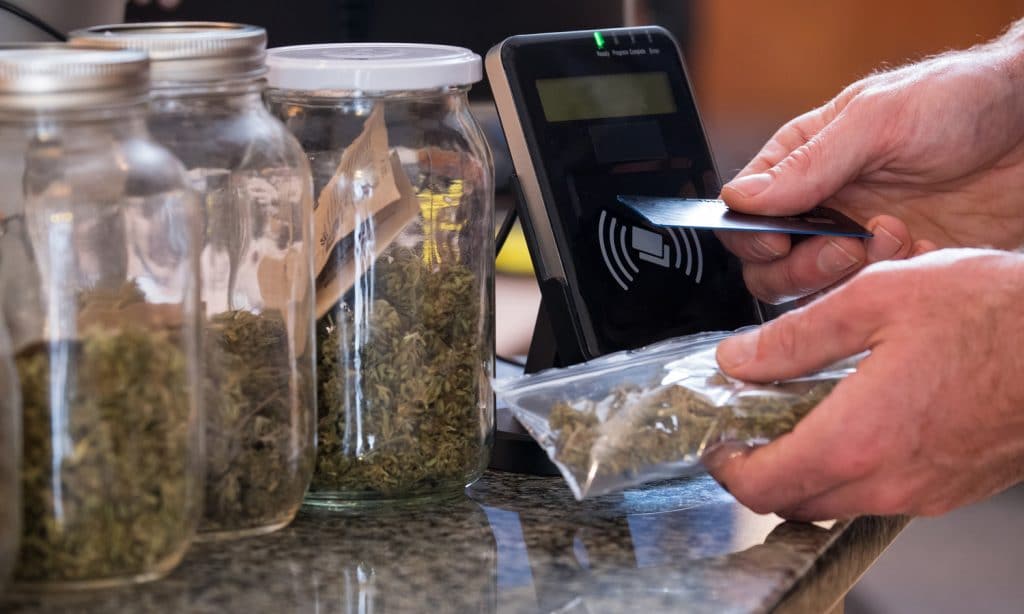
The WSLCB’s guidance clarifies some points within Washington’s regulated marketplace. First, it clarifies that marijuana retailers are not required to close, so long as they designate an employee or officer to establish best practices in light of COVID-19. It’s reassuring to those businesses that wish to stay open to see this confirmation from the LCB.
It also makes sense given that all products that are sold in a marijuana retail store are required to be contained within child-resistant packaging. That helps mitigate the risk of contamination of marijuana or marijuana products. These items are sealed long before they reach a retailer’s shelves and retailers should never be handling unpackaged marijuana products. The LCB guidance did not address producer/processors but they are generally not open to the public at all, meaning that the proclamation would not shut them down either.
Second, the LCB requires that all on-premises tasting rooms are to shut down. This is not really a problem for marijuana businesses in Washington because on-site consumption of marijuana at a licensed entity is not allowed. In fact, it’s a felony for any business to offer a physical location where the consumption of cannabis is encouraged or even tolerated. However, this is worth noting as it could impact what are known as “Vendor Days” were marijuana producer/processors head to retailers to promote certain products.
Photo by nattrass/Getty Images
Vendors will sometimes offer samples of edible products. These samples do not contain cannabis, but if the vendor is promoting an edible product it is common for the vendor to bring along edibles without any infused marijuana. Most clients that I have spoken to already have made the decision to cancel vendor days in the near-term. That is likely now mandatory.
Third, the LCB guidance states that the agency is identifying ways to help licensed businesses during this closure, specifically, curbside delivery. Washington law effectively bans the delivery of marijuana by requiring that sales take place in a licensed retail outlet. Medical patients can purchase marijuana for the purpose of home-growing cannabis directly from producers; but other than that exception, all marijuana sales must take place in a store.
The LCB may be extending that zone slightly beyond the physical store. This would allow consumers to pre-order and then pick up and pay for their order within their cars. It’s very unlikely that the LCB could go any further, as allowing for commercial delivery would go beyond the scope of the agency’s powers, meaning the legislature would probably have to act before any type of commercial delivery is allowed. However, the LCB is also looking at other potential modifications to its current regulations to respond to this health crisis.
I don’t have any data on this, but I do know that I’m hearing from my clients that Washingtonians are flocking to marijuana retailers to stock up. I imagine this is because people are trying to find ways to pass the time indoors while the world goes on hold for COVID-19. For now, retailers are staying open.
I’m going to attempt to update this blog post through March 17, as the LCB may provide additional details throughout the day. I’ll also be tweeting out new information as it comes in.
Currently, marijuana remains a Schedule I drug at the federal level, and states are responsible for regulating both medicinal and recreational cannabis.
Editors Note: This is a guest post by Tiffani Wroe
Though the numbers increase every year, not all states have legalized recreational marijuana — most merely permit the medicinal use of marijuana to treat various physical and mental ailments. Yet, even in states where recreational weed is legal, plenty of residents pursue medical marijuana permits, despite the fact that they can obtain recreational weed without the hassle of doctors’ appointments and prescriptions.
There are noteworthy differences in medical marijuana and recreational marijuana — both in how the drug is sold and what varieties of the drug are available. If you live in a state where recreational marijuana has been legalized, you might still consider seeking a medical marijuana card. Here’s why.
How Medical And Recreational Marijuana Differ
Currently, marijuana remains a Schedule I drug at the federal level, and states are responsible for regulating both medicinal and recreational cannabis. Thus, the differences between medical marijuana and recreational marijuana will vary from place to place; some states have tight restrictions on who can obtain medical weed and how medical weed can be sold while other states have an exceedingly blurry line between the cannabis products everyone can acquire and those reserved for the medically ailing. it is important that you research and understand the marijuana laws in your area, so you can make fully informed decisions about your weed use.
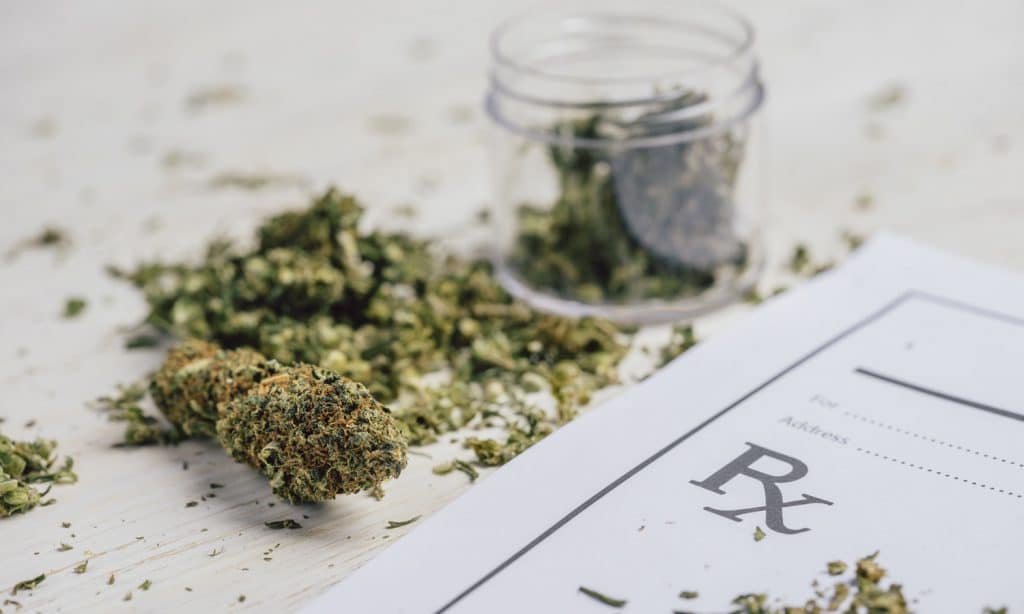
Medical marijuana is intended for use treating diseases that are otherwise difficult to manage with other medications and therapies. Every state where medicinal weed is legal has a list of illnesses for which marijuana can be legally prescribed; they often contain baffling conditions like chronic pain and nausea, muscle spasms, Crohn’s disease, Parkinson’s disease, post-traumatic stress disorder, multiple sclerosis, and glaucoma —but again, you should investigate the qualifying diseases in your state.
Regardless of what medicinal weed is used to treat, it needs to have an effect on its users. Thus, medical marijuana tends to have much higher THC and CBD content to ensure that the drug is having an impact. Additionally, medical marijuana endures much more rigorous testing to ensure purity and potency. Sufferers of the worst diseases need to be able to trust that their treatment will help and not hurt, so medical-grade marijuana tends to be more tightly controlled.
Recreational marijuana is intended only for recreational use — which is to say that it should be taken for fun and enjoyment, not any kind of treatment. While many states still regulate recreational weed to some degree, the testing is not nearly as meticulous as it is for medicinal marijuana. As a result, there tends to be much more variety of weed strains and products in recreational dispensaries, with a great diversity of THC and CBD levels. Often, recreational users cannot obtain the sky-high THC content strains as are available to medical users.
Photo by FilippoBacci/Getty Images
How Medical and Recreational Dispensaries Differ
It isn’t just weed products that differ — it is the dispensaries themselves. Though some states do allow for dispensaries to hold both recreational and medicinal sales licenses, most dispensaries are one or the other. As a result, medical marijuana users need to be careful to look for the right dispensaries, just as I always search specifically for a recreational dispensary near me.
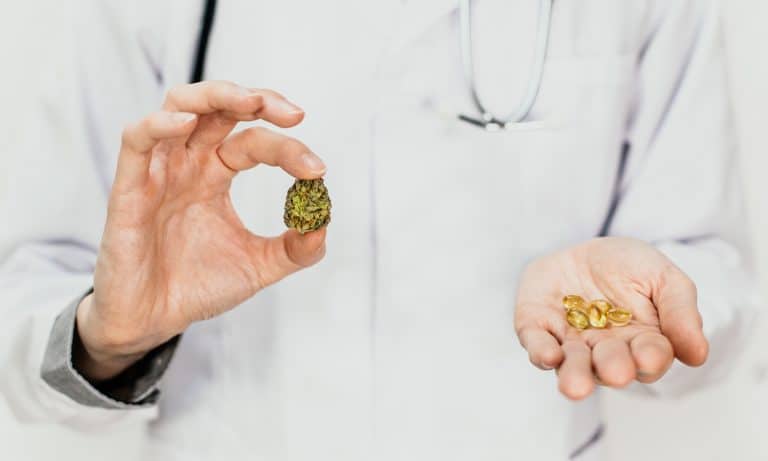
You can think of medical marijuana dispensaries like pharmacies — because that is essentially what they are. The budtenders behind the counters at medical dispensaries are more highly trained to assist with delivering the right marijuana product to different kinds of marijuana patients. They are permitted to ask about conditions and symptoms, and they are allowed to maintain health records to better meet your medicinal needs in the future. However, to gain access to this high-quality service, you will need a recommendation from a healthcare professional or a medical marijuana license from your state.
Meanwhile, recreational dispensaries are much less intensive. While you will need to provide evidence of your age — all states currently require recreational users to be 21 years or over — you will have much more freedom to choose weed products that interest you. You can ask budtenders at recreational dispensaries some questions about strain potency and effects, but in many places, they cannot legally answer questions related to medical use. Thus, if you have pain or anxiety you would like to mitigate with marijuana, you might be better off obtaining your medical card.
For many, marijuana is a miracle drug that pleasantly alleviates some of the worst symptoms of disease. However, even in states where recreational weed is legal, some users need to obtain medical permission to obtain the right products to treat their conditions. Instead of managing with what is available at your recreational dispensary, you might benefit greatly from strains reserved for medicinal use — which means you might just need a medical marijuana card in 2020.
Of course, there are steps you can take to have misplaced items returned from Uber. But is that even possible when it comes to marijuana?
American workers, travelers and socialites are leaving behind all sorts of personal crud in Ubers these days. One report found that some of the most common of these accidental abandonments include laptops, cell phones, purses and backpacks. Yet, the extent of the stuff the scatterbrained population resigns to the backseat of other people’s vehicles is absolutely endless.
Everything from pets to propane tanks have been found by drivers of this popular ride-sharing service. It’s also becoming increasingly more common for people to leave cannabis products and paraphernalia behind. And while a situation involving any lost item is undoubtedly one loaded up with stress and hassles, losing your weed is just like, well, a bummer, man. Of course, there are steps one can take to have misplaced items returned. But is that even possible when it comes to marijuana? And if so, what does a person have to do to see that their dope makes it home safely?
Even in the 11 states where marijuana is now legal for adults 21 and older, getting lost weed returned to its rightful owner could prove tricky. Legal or not, Uber does not want passengers using their service for cannabis transport. In fact, company guideline show a zero-tolerance policy for drugs and alcohol. This means that if a driver even suspects a passenger has marijuana, they can take steps to get them banned from Uber altogether. The reprimand might only start out with a warning, but with enough marijuana-related reports, a person could easily be back in taxis in no time.
So, if you realize that you left your weed in the back of an Uber, what should you do? Well, if we’re honest, it might be best to let it go. Yep, just chalk it up as a loss and move on with your life. Because while a person certainly has the right to file an inquiry with the company to have their weed returned, there is a chance that it could come back to bite them. After all, admitting to a violation of the company’s drug and alcohol policy might be construed as a bold move, and it could result in the company stripping away your privileges.
Photo courtesy of Uber
And seriously, you don’t want to go back to cabs, now, do you? Of course, not. But also, we get it, weed is expensive and no self-respecting cannabis connoisseur could live with themselves if they didn’t at least try to get their weed back.
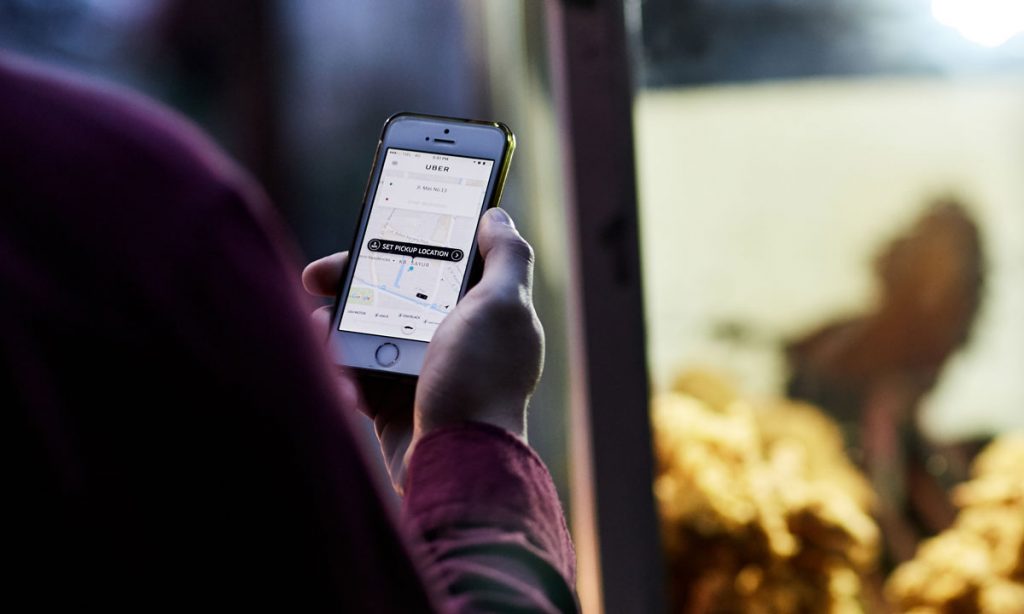
You can always try this: Open the Uber app on your phone. Now, select the menu and find “Your Trips.” From there, you’ll be able to search your ride history and find the one where you most likely lost the weed. At the bottom of the page, you’ll see a list of possible complaints. Click “I lost an item.” Once this is done, you’ll see a list of possible options. Select “Contact driver about a lost item.” You’ll then provide Uber with a contact number and eventually, you’ll be connected with the driver to discuss the missing item. If they are cool, well, you might have a shot at getting it back. But again, the situation could always result in disappointment, anger and ultimately sobriety.
But please take note: A person who loses marijuana in an Uber in a state where it is illegal should avoid filing any kind of grievance like it is the coronavirus. Seriously, there probably isn’t any chance that the driver is going to return the weed.
And if they do, they might even involve law enforcement and you could end up going to jail for marijuana possession. The situation could also result in you losing access to the Uber app on a permanent basis, leaving you with no convenient way to get back home once the county jail finally releases you from custody. It’s just not worth it.