Monday, June 15, 2026
Home Blog Page 555

How To Pass A Drug Test Naturally

0

Ridding your body of toxins and cannabinoids is not as easy as some people make it out to be. Here’s what you can do to speed up the process.

While marijuana detoxing is possible, when it comes to cleaning your system ahead of drug testing, the process gets much more complicated.

Marijuana detoxes can be very beneficial, reigniting your relationship with the drug and allowing for it to provide stronger therapeutic effects. In order for the detox to have an effect, you must quit the drug for a period of usually two weeks. If we’re talking about drug tests, two weeks might not be enough time to get cannabis out of your system.

Most cannabis detox programs and drug test hacks are a lie. No juice, tea or pills will be able to rid your body of cannabis in a short amount of time since THC is stored in your fat cells.

Here are a few things you should know when trying to naturally pass a THC drug test:

Be as healthy as possible

In order to prompt your body to get rid of toxins, you must stay as healthy as possible. Try working out, which will burn the fat cells in your body and slowly eliminate the THC in them. This will also increase your metabolism, which can help speed things along. If you eat healthy you’ll also keep your metabolism running, speeding up the process.

Most detox methods don’t work
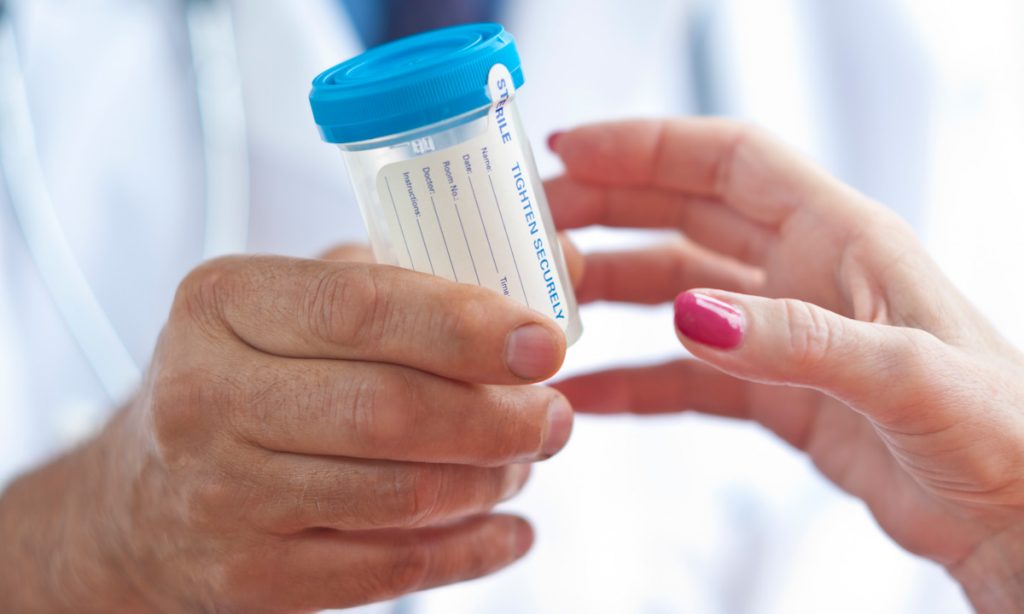
5 Products That Can Help You Pass A Drug Test
Photo by KLH49/Getty Images

RELATED: CBD Might Not Cause You To Fail a Drug Test, But CBN Might

Marijuana detox recommendations online are mostly lies or exaggerations, with some people claiming that laxatives and vinegar can help you get rid of the toxins. Other methods and products can be dangerous, which is why these types of articles should never be trusted. In order to pass a marijuana drug test, you need some time. If you’re lacking time, you’ll likely fail the test. Sorry.

Give your body time

The most important part of cleansing your body of drugs is to give it time, at least a month if the drug test you’re having is a urinalysis. For other types of tests, such as the ones conducted on hair follicles, you might need even more time. These can register marijuana in your system for up to 90 days.

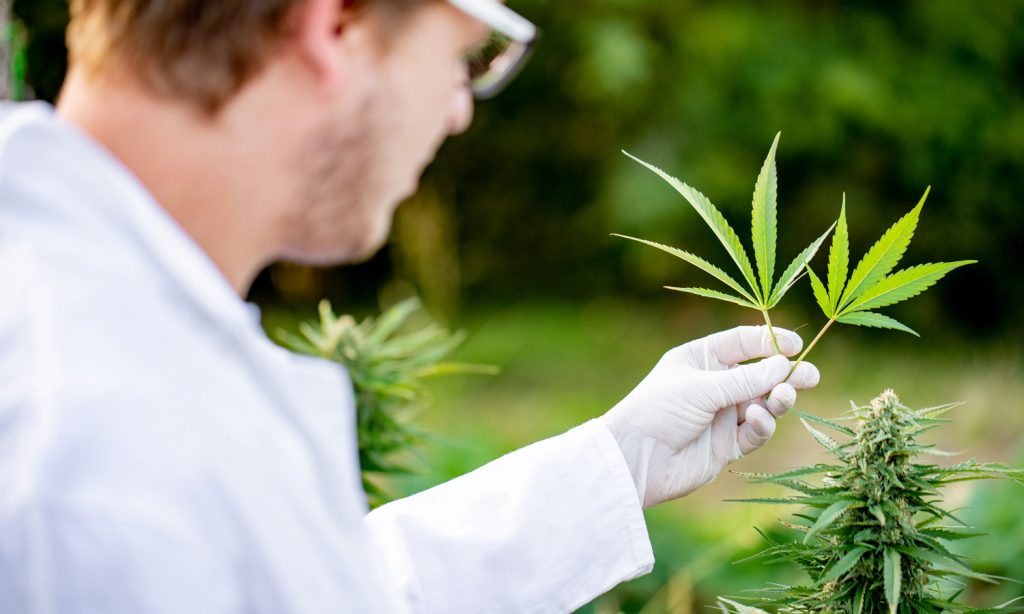
Understanding The Importance Of Marijuana Studies And Outcomes

If the FDA lifted the iron hammer on marijuana research, allowing teams to truly dig into marijuana’s effects, the population could be better informed.

In late February, JAMA published a study on the rise of marijuana in older adults that sparked controversy. The study looks to trends in marijuana use for American adults 65-years and older from two researchers who have spent years investigating the connection between marijuana use and senior citizens.

The study utilized data from a survey of 15,000 individuals who shared their experiences and thoughts around marijuana and their use of the drug.  

Looking to data from 2006 to 2016, the researchers found that marijuana use with the senior citizen demographic had a significant jump in the past decade, stating that: “The use of cannabis in the past year by adults 65 years and older in the United States increased sharply from 0.4% in 2006 and 2007 to 2.9% in 2015 and 2016.”  

Study co-author, Joseph Palamar, an associate professor of population health at NYU Grossman School of Medicine shared with CNN, “I find it fascinating that people who would never touch an illegal drug are now trying to get it, even if it’s just for medical purposes.”  

Interestingly, the study found that marijuana was utilized most by women, and seniors who were married. There appeared to be an interesting data point in incomes as well. CNN reported that the study cited their two main users of marijuana were those in household incomes of $20k-45k as well as $75k and above, showcasing the middle class isn’t using (or isn’t speaking about) marijuana use. The study also shared that those with a higher education used marijuana more than those who didn’t attend college or universities. 

RELATED: Why Is the DEA Dragging Its Feet To Approve Marijuana Suppliers For Research?

Concerned about findings, researchers notated that while marijuana use is up by senior citizens, research isn’t catching up with the trend, mainly because of the drug’s classification by the FDA, making it even more difficult to be studied. Some covering the study are looking to concerning trends in the rise of heart disease or diabetes.

why is the dea flipping the middle finger at marijuana researches
Photo by CasarsaGuru/Getty Images

Senior citizens with a diabetes diagnosis are on the rise. According to The American Diabetes Association, 14.3 million seniors (26.8%) have diabetes (diagnosed or undiagnosed). The CDC found in a 2017 report, over 100 million Americans were at risk for diabetes. Could a rise of diabetes be tied with marijuana use? Researchers are exploring the connection, albeit slowly. 

In the past decade, study after study seems to contradict each another on the threads between diabetes and marijuana use. One piece, published in BMJ Journals looked at the prevalence of diabetes and pre-diabetes in 10,896 adults. Their findings stated that, “Marijuana use was independently associated with a lower prevalence of DM (diabetes). Further studies are needed to show a direct effect of marijuana on DM.”

RELATED: NIH Director Says Marijuana’s Legal Status Is ‘Big Deterrent’ To Research

Another study, published in Springer Link in 2015, found the marijuana use in youth seemed to increase pre-diabetes in middle age. Another study published in October 2016 by Current Diabetes Reports stated, “Because there is a plausible link between marijuana use and diabetes due to the known effects of cannabinoids on adipose tissue and glucose/insulin metabolism, it is important to study and understand how marijuana use is related to obesity and diabetes.”

With conflicting information, it’s difficult to show a perspective that’s fair and unbiased. If the FDA lifted the iron hammer on marijuana research, allowing teams to truly dig into marijuana’s effects, the population could be better informed and have crucial conversations with their care team. Another study that weaves thin threads of possible correlation helps no one.

Court Rules New Jersey Businesses Can’t Fire Medical Marijuana Users

The state’s Supreme Court ruled that firing medical marijuana patients for using weed is a discriminatory and unlawful act.

Progressive attitudes around marijuana legalization haven’t completely translated to businesses embracing employees consuming the plant outside work hours. Around 50% of hiring managers at companies with more than 100 employees said a failed marijuana drug test would automatically disqualify an applicant from getting hired, according to a recent survey.

A new ruling from the New Jersey Supreme Court will reverse that trend, at least when it comes to medical patients. So long as employees don’t show up under the influence, New Jersey businesses cannot fire medical patients for failing a marijuana drug test.

The case focused on funeral director Justin Wild, a registered medical marijuana patient immediately fired after testing positive for THC, but the ruling defines protections for more than 70,000 New Jersey patients.

“This protects hundreds, if not thousands of employees [who have faced the] stigma of marijuana,” said Wild’s lawyer, Jamison Mark.

According to prior court filings, Justin Wild was director at Feeney Funeral Home for two year before he was diagnosed with cancer. Doctors prescribed him medical marijuana under New Jersey’s Compassionate Use Medical Marijuana Act in 2015 to deal with the pain. A year later, Wild was involved in car crash where he was determined not to be at fault. Still, his company made him take a drug test which he subsequently failed, later causing his dismissal.

RELATED: Drug Test? Here’s What You Need To Know

Wild sued his company, citing the state’s Law Against Discrimination, saying he’d been unlawfully terminated. While his case was initially dismissed by a Superior Court Judge, an appellate judge later ruled in his favor. The Supreme Court sided with the appellate court’s ruling.

Following Failure By Legislators, New Jersey Voters Will Decide Marijuana Legalization in 2020
Photo by Gerard Lázaro via Unsplash

“It would be ironic indeed if the Compassionate Use Act limited the Law Against Discrimination to permit an employer’s termination of a cancer patient’s employment by discriminating without compassion,” the appellate court wrote a year ago.

RELATED: The Truth About MMJ Card Protection In Employment

New Jersey voters will determine whether to fully legalize marijuana in the state this election, following failed attempts to do so through legislative means. Governor Andrew Cuomo, who vows to legalize cannabis in New York this year, believes the tri-state area should coordinate its efforts in marijuana reform. Until then, marijuana patients have legal protections in place from unlawful determination as a result of taking their medicine.

“The big takeaway here is employers must reasonably accommodate individuals who are legal users of marijuana in the state of New Jersey, just as they would have to reasonably accommodate an employee taking any prescription medication,” employment lawyer Maxine Neuhauser told NorthJersey.com. “If the individual’s ability to perform the job is not impacted by their use of medical marijuana, then you can’t just fire them for a positive drug test.”

Are Gyms Safe Amid Coronavirus Outbreak?

If there’s a case of coronavirus within your area, it might be best to avoid the gym and other communal locations.

Workouts are vital in the midst of stressful times, providing relief and endorphins when you need them most. They also pose a conundrum for gym goers aware that these buildings are cesspools of germs and bacteria. Despite the stress prompted by the coronavirus, gyms have always been places with lots of bacteria, which can be found in locker rooms, treadmills and weights.

The main issue with gyms is that people who go there to workout tend to touch and interact with different objects without cleaning up. Still, gyms are no less safe than other communal areas; the fact that it’s a space filled with sweaty people doesn’t mean that this kind of virus will be easier to spread.

Most gyms have adopted more thorough cleaning policies since the coronavirus appeared in the U.S, reassuring their customers and workers. Despite these upgrades, The New York Times claims that it’s important to keep an eye out for notifications from your gym and community. If there’s a case of coronavirus within your area, it might be best to avoid the gym and other communal locations.

Here are a few things you can do in order to stay as safe as possible when working at the gym.

Clean up before and after your workout

Before interacting with any weight or machine, wipe down all surfaces you touch with your hands and arms, most importantly the handlebars, screen and buttons. Whatever cleaning item you use should have over 70% of alcohol in order to kill germs. While most gyms should have these kinds of items readily available, you can bring your own wipes from home, throwing them away after each use.

Avoid touching other people

10 Types Of Marijuana That’ll Get You To The Gym
Photo by John Fedele/Getty Images

RELATED: Are Smokers And Vapers More At Risk For Coronavirus?

When going to the gym and running into a friend, it’s important for everyone to limit direct contact and to avoid handshakes and hugs. If you do touch someone, make sure to avoid touching your face, particularly your nose, mouth and eyes until you can wash them again.

Don’t lounge around in your sweaty clothes

As soon as you’re done with your workout, it’s important to take off your sweaty clothes. When left unattended, these can quickly transform into perfect breeding grounds for bacteria, especially when warm and wet.

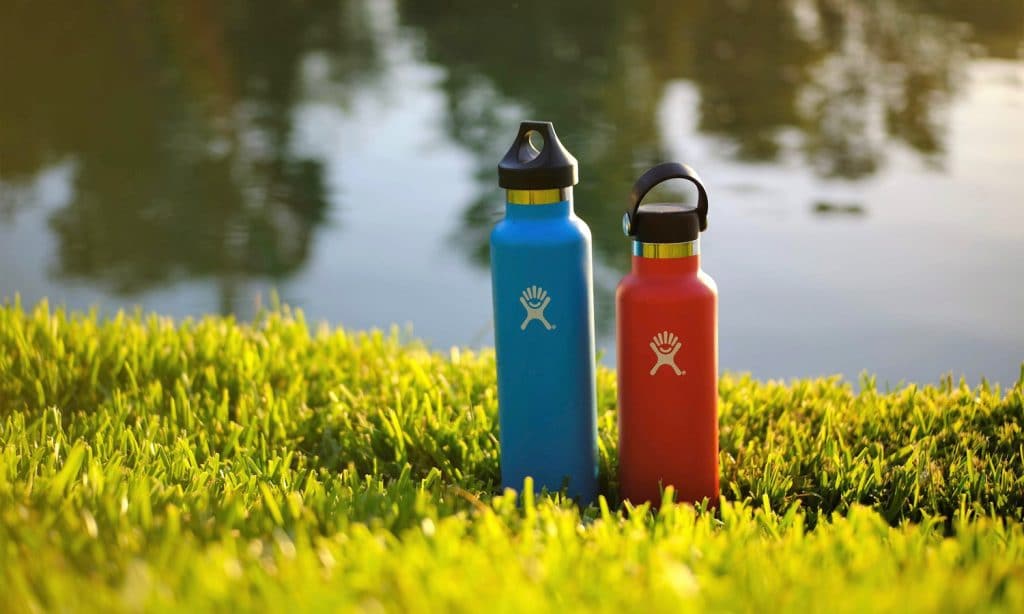
Wash your water bottle regularly

How Dirty Is Your Water Bottle?
Photo by Shrey Gupta via Unsplash

RELATED: How Long Can The Coronavirus Live On Surfaces?

While drinking from the water fountain isn’t the smartest choice when it comes to avoiding germs, water bottles need to be cleaned often and thoroughly. According to Shape magazine, a sip mid workout can make the bacteria from the bottom of the bottle transfer to the rim, which can quickly proliferate every time you interact with it.

Stay home if you’re sick

As is the case with most of these situations, it’s important to stay home when you feel sick. Staying isolated is the best form of preventing the spread of the virus and protecting those who are at most risk.

Here’s How You Can Stop Yourself From Overthinking

An overactive mind can affect us in different ways, distracting us for a couple of hours or  influencing our daily lives.

Overthinking can materialize in a variety of forms. We’ve all experienced it, and it’s mostly harmless. The process might cause us to lose a little sleep, but then we’re back to normal and we forget about whatever it is that was bothering us in the first place.

On more serious occasions, the process of overthinking doesn’t stop and it becomes a compulsion. Instead of working  through the issues that are clearly bothering us, this process traps us into a cycle of discomfort and negative thoughts that can make us feel ill and out of control. Psychologists call this “rumination” and it’s closely tied to depression and anxiety.

Buzzfeed asked different psychologists and experts for their best advice on controlling these types of thoughts and dealing with them in a healthy way. Check out some of their most helpful tips:

Identify it

Once you know that overthinking and ruminating provides no benefits or opportunities for solving your problems, you can begin to identify these thoughts and stop yourself from spiraling out of control. “Once a ruminative thought becomes repetitive (or starts out that way) we need to catch it and convert it into a useful problem solving task — by posing it as a problem that can be answered as opposed to one that cannot be,” says psychologist Guy Winch.

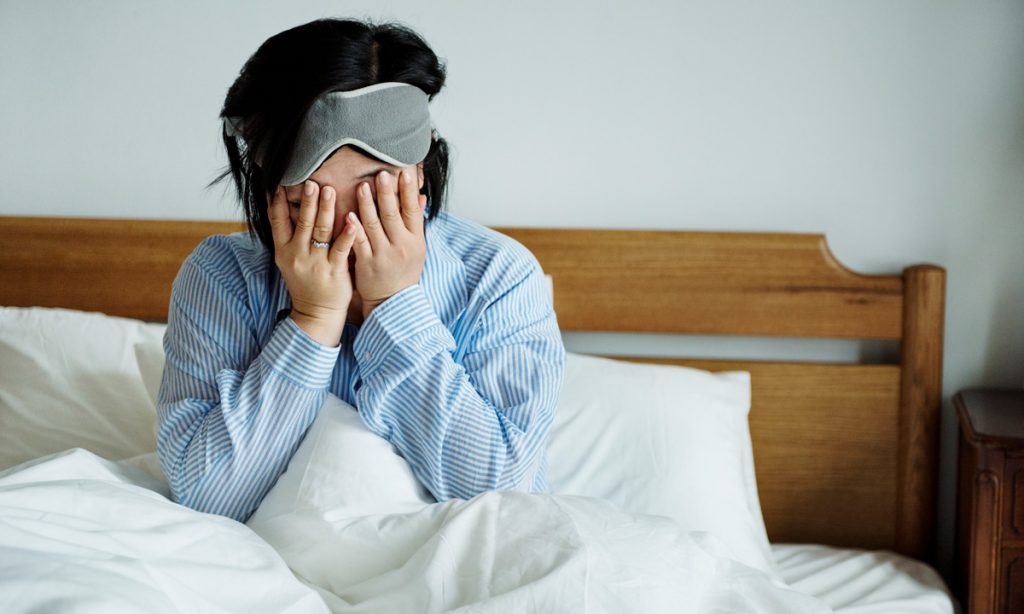
5 things to do if you wake up feeling anxious
Photo via rawpixel.com

RELATED: Elevate Your Mood And Decrease Stress With These 2-Minute Stretches

While it’s easy to say that you’re just going to stop these thoughts from happening, in reality it’s not as simple. Winch recommends changing the phrasing in your head. “Convert, ‘I can’t believe this happened’ to ‘What can I do to prevent it from happening again?'”

Distract yourself

Instead of berating yourself for having these kinds of thoughts, try to distract yourself with something that’s fun and a little challenging. “A two to three minute distraction such as a puzzle, memory task, anything that requires concentration can be enough to break the compelling pull ruminative thought,” explains Winch. The more we practice this, the less these type of thoughts will pop up in our heads.

Journal your thoughts

journaling can improve your love life
Photo by Plush Design Studio via Unsplash

RELATED: How To Practice Gratitude In Times Of Grief And Uncertainty

Journaling is a common therapeutic practice for a reason. Writing down your thoughts gives you some perspective and allows you to pinpoint the source of your anxiety. Doing this will allow you to view these thoughts through a different lens, and to notice how much they appear.

Ask for help if you need it

If the ruminating still continues despite practicing meditation and journaling, maybe it’s time to talk to someone or seek help from a professional. These types of thoughts are very harmful to your health and your brain, and you should take care of yourself.

Stem Cell Secretions May Be The Key In Curing Pulmonary Fibrosis Damage

Those living with pulmonary fibrosis can develop other conditions, such as lung cancer, blood clots, pneumonia or high blood pressure.  

Could stem cell secretions actually deliver a substance that can repair lung injuries for those with damage from pulmonary fibrosis? A recent study conducted at North Carolina State University examining a new form of inhalation therapy in rodents concludes that, “the work could lead to more effective, less invasive treatment for human pulmonary fibrosis sufferers.”

According to Mayo Clinic, pulmonary fibrosis is a disease that affects the lungs after tissue becomes damaged. The tissue becomes thicker, decreasing lung function and causing shortness of breath in many individuals.

Almost always fatal and non-curable, pulmonary fibrosis affects about 100,000 Americans today, according to the U.S. National Library of Medicine – Genetics Home Reference. Cited as a degenerative disease, or a condition that worsens over time, GHR also explained that those living with pulmonary fibrosis can develop other conditions, such as lung cancer, blood clots, pneumonia or high blood pressure:

The course of the disease is highly variable; some affected people become seriously ill within a few months, while others may live with the disease for a decade or longer.”  

This recent study, published in the journal Nature Communications, features the work of over a dozen researchers led by Ke Cheng, Professor of Regenerative Medicine at NCSU. Developing spheroid-produced lung stem cells (LSCs), the team was able to utilize the cells and test secretions through a “stem cell sauna,” or nebulizer treatment that allowed the mice and rats to inhale the therapy.

RELATED: Did Scientists Cure Type-1 Diabetes?

Knowing the therapeutic benefits of inhalation therapy, the team found that certain secretions from the stem cells had better benefits than others. These secretions, (LSC-Sec and LSC-Exo) showcased that the cells offered medicines which helped tissue to heal, easing inflammation.

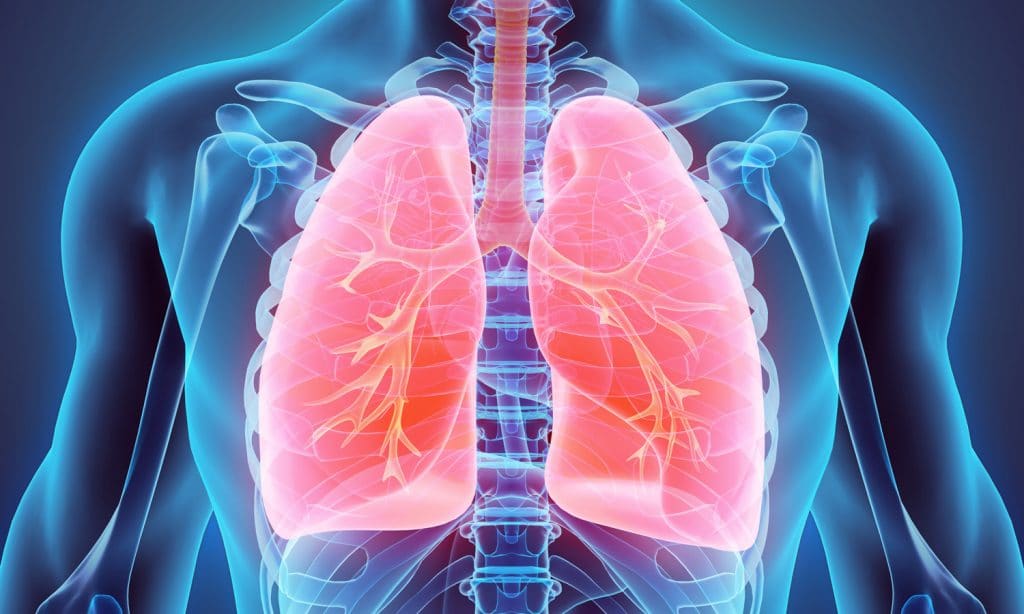
How Does Smoking Marijuana Affect Your Lungs Exactly?
Photo by JP Yim/Stringer/Getty Images

“The mixture of cells in LSCs recreates the stem cells’ natural microenvironment — known as the stem cell niche — where cells secrete exosomes to communicate with each other just as they would inside your body,” says Cheng. “LSCs secrete many beneficial proteins and growth factors known collectively as ‘secretome’ — exosomes and soluble proteins which can reproduce the regenerative microenvironment of the cells themselves. In this work we took it one step further and tested the secretome and exosomes from our spheroid-produced stem cells against two models of pulmonary fibrosis.”

RELATED: Will Using Marijuana Reduce My Lung Capacity?

Looking to expand their testing to chronic obstructive pulmonary disease (COPD), acute respiratory distress syndrome (ARDS), and pulmonary hypertension (PH), the team is looking forward to researching how inhalation therapy can help ease disease in the lungs and perhaps offer a cure for those suffering with the many types of pulmonary fibrosis.

Co-author Kenneth Adler, Alumni Distinguished Graduate Professor at NC State, explained, “The finding that products released by lung stem cells can be just as efficacious, if not more so, than the stem cells themselves in treating pulmonary fibrosis can be a major finding that can have implications in many other diseases where stem cell therapy is being developed.”

What Are Sound Baths And Do They Work?

0

Although sound baths have recently entered the mainstream, sound therapy practices have existed for thousands of years.

Despite how eccentric it appears, sound therapy is a wellness technique that has existed for thousands of years. Despite the name, sound baths don’t involve any water; practitioners put themselves in a relaxing state, surrounding themselves with sounds from instruments and human voices.

It’s very likely that you’ve been exposed to sound therapy at some point in your life, whether you were aware of it or not. A sound bath of sorts would be the relaxing soundtrack you listen to while getting a massage or when attending a yoga class.

“Sound Therapy has been used for thousands of years in many different cultures all with the same intention; to move us from a place of imbalance to balance,” yoga teacher and sound bath practitioner Puranshant Kaur told Virgin.com. “The sound stimulates our circulation and immune system, cleanses our energy meridians, and helps to release emotions stored in our body like anger, stress and trauma. Sound also balances both hemispheres of our brain, promoting deep relaxation.”

RELATED: Here’s How You Can Stay Fit Without Spending A Lot Of Money

Studies show that soothing music has positive effects on our systems, activating sensory pathways that compete with pain pathways. While no disease will be cured by listening to music, many symptoms like chronic pain, depression, anxiety and PTSD can be relieved when you help your body relax.

Sound baths differ depending on who’s conducting them, but most sessions last between 45-60 minutes, and can have different themes that fuel them. In conversation with The Huffington Post, sound bath facilitator Anne Bergstedt said that she chooses a positive theme to center people throughout her sessions.

What Are Sound Baths And Do They Work?
Photo by Manuel Cossio via Unsplash

“The sound stimulates our circulation and immune system, cleanses our energy meridians, and helps to release emotions stored in our body like anger, stress and trauma. Sound also balances both hemispheres of our brain, promoting deep relaxation,” explains the article.

RELATED: 5 Things You Can Do To Revamp Your Spring Cleaning

People’s experiences are varied, with most entering a deep state of relaxation. Others have more intense responses, such as tears, bursts of creativity or falling into a deep sleep.

While the term sound bath might sound a little funny, it’s a practice that provides similar effects to meditation. Strangers to it might find the whole thing puzzling, but the overall results tend to speak for themselves.

Are Smokers And Vapers More At Risk For Covid

As coronavirus causes respiratory illness, smoking and vaping could worsen symptoms associated with COVID-19.

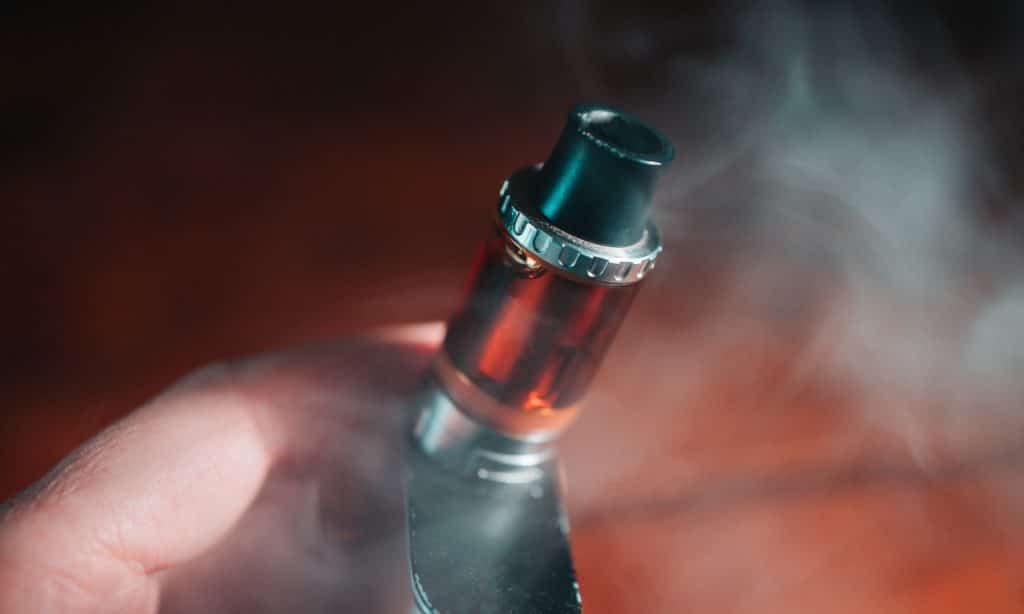
Following the initial E-cigarette or Vaping product use Associated Lung Injury (EVALI) outbreak, which caused severe and possibly fatal lung infections in otherwise healthy individuals, vaping sales and use momentarily dropped. Predominantly connected to THC vaping products purchased on the black market, EVALI caused a spike in Google searches for “quit vaping” as vapers tried to reduce their chances of contracting the illness.

A similar pattern is likely to emerge in response to the coronavirus, according to Bill de Blasio. The New York City Mayor held a press conference Sunday announcing that smoking and vaping increases potential risk for coronavirus. COVID-19 attacks the lungs and causes shortness of breath, coughing, and fever in patients.

“If you are a smoker or a vaper, that does make you more vulnerable,” de Blasio said. “If you are a smoker or a vaper this is a very good time to stop that habit and we will help you.”

RELATED: Doctor’s Advice On How To Ease Anxiety Around Coronavirus

During the press conference, de Blasio added that those with compromised immune systems and diabetes are more at risk. This is especially true for anyone over the age of 50 with pre-existing conditions like heart or lung disease.

Washington State Bans Flavored Vapor Products
Photo by Tom Eversley/EyeEm/Getty Images

Though de Blasio didn’t make a distinction between consuming marijuana or tobacco, or between smoking or vaping, research does indicate some differences.

A study published in the American Journal of Preventive Medicine at the end of last year reported those who smoked cigarettes and vaped nicotine simultaneously were 3.3 times as likely to develop a respiratory illness when compared to nonsmokers. Those who only smoked cigarettes were 2.5 times more at risk while those exclusively vaping 1.3 times to experience lung complications.

In addition, researchers found vaporizers did not help cigarette smokers from quitting. The study, which collected data from participants over a three-year-period, showed that 91.2% of vapers still smoked traditional tobacco products like cigarettes by the end of the trial period.

RELATED: Vaping Could Be Worse For Your Heart Than Smoking Cigarettes

“Although switching from combustible tobacco, including cigarettes, to e-cigarettes theoretically could reduce the risk of developing respiratory disease, current evidence indicates a high prevalence of dual use, which is associated with increased risk beyond combustible tobacco use,” the study’s authors wrote.

“In addition, for most smokers, using an e-cigarette is associated with lower odds of successfully quitting smoking.”

How To Stop Your Phone From Consuming So Much Data

If you don’t have an unlimited cellphone plan, it’s easy to go over your data limit. Here’s how you can avoid this.

Most telecommunications companies try to sell you on unlimited plans, whether you’re paying for your own smartphone or you’re a part of a family plan. It makes sense: the more advanced your smartphone is, the more data it tends to demand, and the more time users spend on these devices.

But there are still plenty of plans out there that put a cap on data usage, making it easy for you to end up paying extra fees for breaking the terms of your contract. Here’s what you can do to prevent this from happening:

Use Wi-Fi

How To Stop Your Phone From Consuming So Much Data
Photo by Paul Hanaoka via Unsplash

RELATED: 5 Things Not To Do When Using Your Work Computer

Instagram stories are time consuming, making it really easy for you to waste all your data in a particularly boring afternoon. If you don’t want this to happen, the first thing you should do is connecting to Wi-Fi. Be safe when doing this though, avoiding the use of bank services or other delicate platforms when not in your house or a trusted friend’s place. Public Wi-Fi spots like coffee shops aren’t safe places to access delicate information.

Keep an eye on your data usage

If you’ve received a notification from your cellphone provider about your data usage, it’s important to find the source. This might be an obvious  one, like binging shows on your phone with no Wi-Fi, or they may be less obvious, such as scrolling through Instagram for long periods of time.

For iPhone devices, check out this guide. For devices that run on Android software, you can learn more here. You can also download your cellphone provider’s app to keep track of what’s consuming most of your data, and how much data you have left on your monthly bill.

Manage your app settings

hers all you need to know about tiktok the next big social media app
Photo by ROBIN WORRALL via Unsplash

RELATED: 5 Newsletters You’ll Love In 2020 (Yes, Newsletters!)

After you’ve learned what goes on behind each app, you can try setting limits on them. When it comes to social media or streaming apps, which might autoplay videos as you scroll, you can go to the settings and turn off this feature. Avoid streaming without Wi-Fi since this consumes tons of data.

For apps like Spotify and Apple Music, make sure that your settings are set so that you can only download music and podcasts when connected to Wi-Fi.

Change your data plan

Lastly, if none of this works or sounds too extreme, you might have to change your data plan. Recurring penalties tend to be more expensive than paying for an unlimited plan, so make a budget and go through your best options. You can also try looking into a smaller telecommunications company which might provide your same plan with better pricing.

Where Is Florida In The Fight For Marijuana Legalization

The overwhelming majority of Floridians support legal cannabis, yet the state legislature and Department of Health have done everything possible to make access to this plant as cumbersome as possible.

Florida is currently a legal medical marijuana state, but with some twists. The road to get here wasn’t easy, and there is still a long way to go before Floridians have any form of adult use or recreational cannabis available to them.   

In November of 2016 Floridians voted on a constitutional amendment to introduce medical cannabis to the state. The amendment passed with 71.3% of voters in favor of the initiative.   

The first major obstacle for patient access was the way the Florida legislature implemented the newly passed constitutional rights. Florida is a truly vertically integrated state, with license holders responsible for all levels of the cannabis industry, from cultivation to processing, all the way through dispensing the medication to patients. This is still the case here, with the Office of Medical Marijuana Use originally only issuing 4 licenses and slowly adding more as the patient count grew.

Florida currently has 22 licensed Medical Marijuana Treatment Centers (MMTC, Florida’s legal term for these vertically integrated cannabis companies), with only 13 actively dispensing products to the now 300k+ patients, according to statistics.  

RELATED: As The Presidential Election Looms, Where Is Florida In Their Legalization Of Marijuana?

Beyond the limited number of available companies to purchase their cannabis, patients in Florida have also had to tackle a number of issues surrounding what the “powers that be” in the Florida Department of Health would allow for delivery method. When the first crop of cannabis companies began dispensing products here in Florida, they were limited to vapeable concentrates and tinctures.

Florida Won't Legalize Marijuana In 2020 Here's Why That's A Good Thing
Photo by Lance Asper via Unsplash

Even beyond that, for the first several months of sales, the MMTCs were only allowed to sell CBD to an in-person patient but could deliver THC products to patient’s homes. Floridian’s didn’t have access to whole flower medication for nearly three years until a lawsuit from Cathy Jordan ruled that the limitations in place by the state were unconstitutional.  

Floridians are still waiting for approval of rules to allow legal sales of edibles, which have only recently received proposed rules. Recent attempts at getting adult use ballot initiatives onto the 2020 ballot have also run into some complications, with the Make It Legal Florida petition qualifying for Supreme Court review but failing to get the signatures required to make it onto the ballot.  

RELATED: Florida Won’t Legalize Marijuana In 2020 — Here’s Why That’s A Good Thing

There are also currently a few measures being floated throughout the Florida legislature regarding placing a 10% cap on THC products — potentially making medical cards free for veterans — and an additional adult use ballot initiative called Regulate Florida that has also qualified for Supreme Court review, but failed to make the required signature count to make the 2020 ballot.  

Basically, the overwhelming majority of Floridians support legal cannabis, yet the state legislature and Department of Health have done everything possible to make access to this plant as cumbersome as possible. From limited store choices to arbitrarily complex and slow approval processes for getting a product from R&D to consumers, it seems like Florida is dead set on making it as hard as possible for patients.

So, while Florida is technically a legal medical state, it is far from a perfect or comprehensive system, and it is standing in the way of the will of its own citizens.  

Don't Miss Your Weekly Dose of The Fresh Toast.

Stay informed with exclusive news briefs delivered directly to your inbox every Friday.

We respect your privacy. Unsubscribe anytime.