Monday, June 15, 2026
Home Blog Page 559

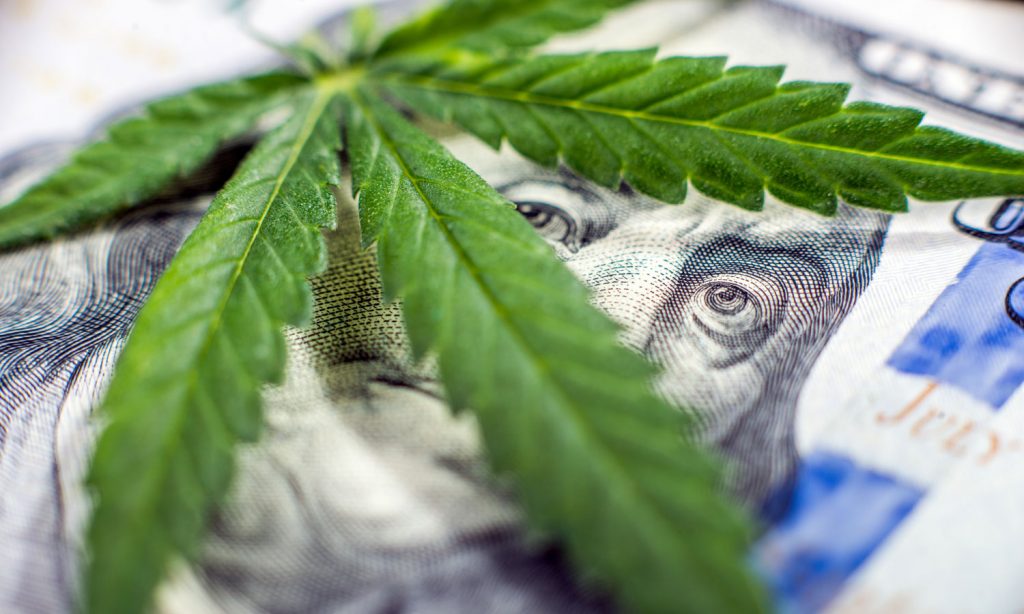
As China’s Hemp Industry Suffers, US Hemp Growers Prepare To Pounce

U.S. hemp producers happen to be 7,000 miles closer to the U.S. market than Chinese hemp producers.

The U.S. hemp market continues to heat up for a variety of reasons, mainly because the general populace is finally starting to understand the difference between cannabis as marijuana and cannabis as hemp (and the benefits of CBD and other cannabinoids derived from cannabis). In this post I’ll discuss why China’s pain can be U.S. hemp producers’ gain.

Basic principles of economics dictate that in the U.S. hemp market where demand stays constant (or increases) and supply decreases due to something like a coronavirus in China, the price of that good increases (sometimes substantially), enriching existing suppliers and drawing more suppliers into the market.

And it is also true that where there is available supply (U.S.) with the same or better good that can make up for the decreased market supply without substantially increasing the cost of that good, those suppliers will fill the void, equalizing supply and demand. China’s export-led hemp industry, with its normally outsized international presence, is no exception.

U.S. hemp producers happen to be 7,000 miles closer to the U.S. market than Chinese hemp producers. And do not forget that China’s hemp industry is only now starting to diversify from its industrial hemp products into consumer hemp products, so many U.S. hemp producers and extractors are ahead of their Chinese competitors.

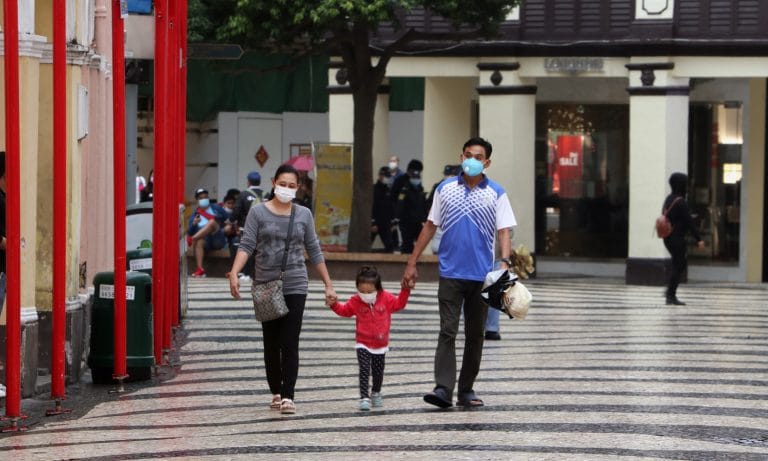
Virtually all of China’s industries have been hit hard by the effects of the novel coronavirus (COVID-19). China is still basically on lockdown due to COVID-19, which means that most businesses are hobbling at best as they try to comply with government directives to get workers back to the factories and get production back up to capacity, with all of the attendant problems you can imagine in trying to do so under a nationwide epidemic.

RELATED: FDA And USDA Start Making Sense On Hemp CBD

But Chinese farms keep producing hemp, which will lead to a glut of raw and finished products in certain industries. These products require an export market; China has no significant domestic market to absorb its hemp production. This export bottleneck is less of an issue in one of China’s hemp centers in northeast Heilongjiang Province, where the average temperature in winter hovers barely above 0 degrees. But it certainly matters in China’s other hemp center of southwest Yunnan Province where its average temperature in winter is comfortably above freezing and has multiple growing seasons.

I recently read a good article in Hemp Industry Daily that said U.S.-based hemp growers will not be the only ones to benefit from China’s current virus-related meltdown and trade friction. It said, “this newest issue underscores the vulnerabilities in the global marketplace that vape and other cannabis and hemp companies rely on for products ranging from LED lighting to packaging supplies.”
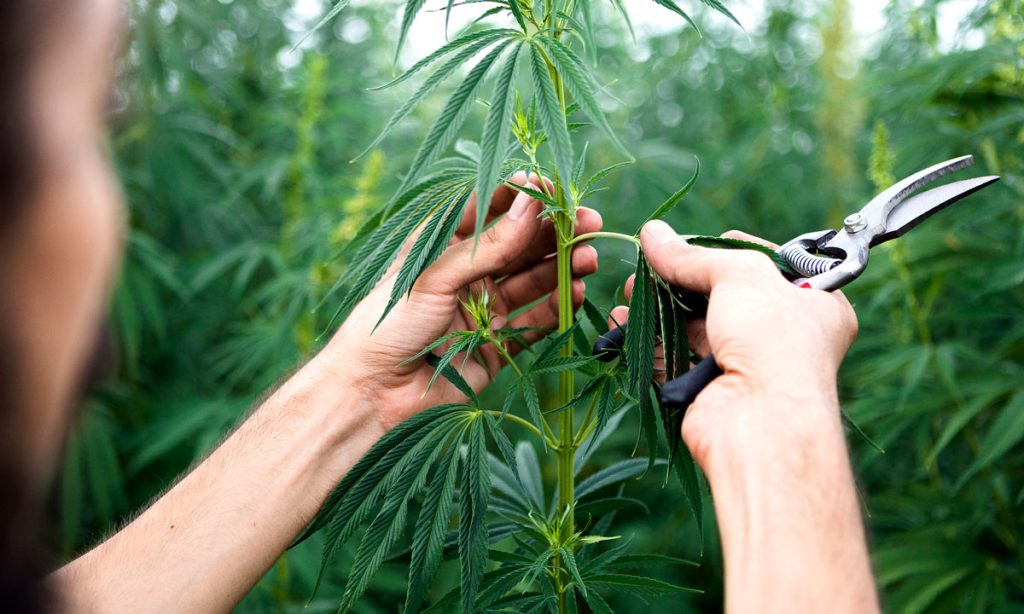
dont get too excited about hemp mania and cbd just yet
Photo by Nastasic/Getty Images

Two of my co-authors, Adams Lee and Griffen Thorne, provided insight on that topic almost a year ago (see here). So opportunities also abound for cannabis-related companies to renegotiate contracts with Chinese suppliers, many of whom have already started reneging on current contracts as they point to force majeure clauses in their contracts.

And as I mentioned in a prior blog post, U.S.-based hemp companies need all of the good news they can get as they try to compete with China, but it will probably not come from the Phase One trade deal:

When the trade agreement was made public, some honed in on the appearance of hemp in the trade agreement, the relatively recently de-scheduled industrial crop in the U.S., thanks to the 2018 Farm Bill (Agricultural Improvement Act of 2018). One prominent marijuana publication published an article the day after the trade agreement was made public, on January 16, claiming that, “China Must Import More Hemp From U.S. Under New Trade Deal.” That is an overly generous interpretation of the trade agreement. . . The short gloss is that China may buy more hemp from the U.S. under the new trade deal, but China is definitely not obligated to buy more (or any) U.S. hemp as a result of the trade deal.

RELATED: The Surprising Way The Coronavirus Affects The Marijuana Industry

As one economics professor described to me recently, “The phase one trade deal is basically dead.” That reality, coupled with the current COVID-19 pain, means that China will be offline for some time to come, and that means U.S. hemp producers prepared for export markets will find less competition in the international marketplace.

If you are interested in keeping up with China-focused legal developments, check us out on our multiple award-winning China Law Blog.

Jonathan Bench is an attorney at Harris Bricken and this article was originally published on the Canna Law Blog.
Canada Sells Value Weed To Combat Black Market

Canadians want cheap weed and retailers have finally figured out they should be the ones giving it to them.

Legalizing marijuana is only half the battle in weeding out black market dealers. In California, there are three illegal sellers for every one regulated dispensary. Add to that the fact that California gram prices rank near the top of legal recreational markets — plus the state has some of the highest taxes on weed — and you understand why consumers flock to the black market, which claims up to 80% of all California marijuana sales. Now Canada sells value weed to combat black market. Turns out price is a factor for purchases.

According to latest data from Statistics Canada, legal marijuana increased by 107% in the country, but 70% of all cannabis sales go to illegal sources. In its first year of legal marijuana, Canadian retail sales totaled just over $1 billion. An impressive number, but the marijuana black market totaled between $5 to $7 billion during that same time period.

RELATED: Forget High Grade Marijuana, Consumers Just Want Cheap Weed

Big marijuana players, like Tilray and Aurora Cannabis, bet early on that what Canadian consumers wanted was high-grade, top-of-the-line product. But they bet wrong, as quality goods beget lofty prices. Statistics Canada reported that in Q4 of last year, legal marijuana averaged CA$10.30 ($7.83) per gram while consumers could find an average of CA$5.73 ($4.36) per gram on the black market. That resulted in a difference of CA$4.57 ($3.47), representing the second-widest margin between the two since Canada’s marijuana laws took hold in late 2018.

how the costco of cannabis will upend marijuana black market
Photo by Yarygin/Getty Images

In response, Canada’s biggest marijuana players have pivoted to creating spin-off “value brands” of its marijuana goods. Canopy Growth, for example, will release a one-ounce product called “Twd. 28” (an ounce contains 28 grams) where consumers should expect to pay an average price of $4.00 per gram, with THC counts between 13-25%.

“All of this is designed to draw consumers from the illicit market and into legal channels,”  Adam Greenblatt, Canopy’s business development lead, told CNBC. “It’s there to provide more variety and more of a value offering to ideally mature the market. Low-cost cannabis attracts bulk purchasers, people on the illicit side who would buy their cannabis by the ounce. People who buy cannabis by the ounce have been toughest to convert.”

RELATED: Canadian Teenagers Stopped Smoking Weed After Legalization

Aurora announced in a company conference call last month the demand for cheap weed was jumping higher and higher. The market share for cheap weed—qualified as less than CA$9, or $6.79 USD—had risen from 2% last summer to about 17% now. Aurora will soon release its “Daily Special” value brand, sold in three size topping out at 15 grams. Meanwhile, Tilray will introduce “The Batch,” which will alos be sold in three sizes, with a maximum of 7 grams.

“The Batch is a new no-frills cannabis brand focused on delivering quality cannabis flower and pre-rolls at competitive prices,” Tilray’s Chief Marketing Officer Adine Fabiani-Carter told CNBC. “We expect our new product format and offerings to increase revenue and profitability over the long term.”

The market has spoken and what it wants is cheap marijuana. Canadian retailers have finally figured out they should be the ones giving it to them.

How Long Can Coronavirus Live On Surfaces

The coronavirus has steadily made its way through different countries, creating different hot spots for the illness.

The coronavirus has been steadily spreading since a cluster of cases were first reported in Wuhan, China in late December. As the year evolves and the virus makes its way to different countries, it’s very important to stay informed, to protect yourself and to prevent panic. How long can coronavirus live on surfaces.

Although the virus is scary and, on occasions, severe, the majority of people affected have experienced mild symptoms. According to the Journal of the American Medical Association, about 80% of the people who’ve contracted the disease in China have only experienced symptoms that are manageable and able to be cured.

While there’s still a lot we don’t know about COVID-19, the virus appears to spread by respiratory droplets. These are released when contaminated people cough and sneeze, which is why it’s important for ill people to limit their contact with others. These droplets become contagious when they land on you directly, or on a shared surface that you come into contact with.

RELATED: How To Protect Yourself From The Coronavirus While Traveling

According to early evidence, COVID-19 particles can survive for a period of 9 days if the room is at a comfortable temperature.

How Long Does The Coronavirus Live In Surfaces?
Photo by Andrew Neel via Unsplash

It’s also believed that the virus could be spread by people who don’t wash their hands often, especially after they use the bathroom. When utilizing public bathrooms, it’s important to be careful and to wash your hands thoroughly afterwards, minding what you touch and minimizing hand to face contact.

The Huffington Post explains how important it is to wipe all public surfaces when interacting with them, like your work desk or the table where you sit down in a coffee shop. Data indicates that public touch screens contain large amount of dangerous bacteria, the kind that’s found in people’s guts, highlighting how most people don’t wash their hands after using the bathroom, or at least they don’t do so correctly (you should be washing in warm water with soap for a minimum of 20 seconds).

RELATED: The Surprising Way The Coronavirus Affects The Marijuana Industry

When it comes to how to clean these surfaces, the COVID-19 is a lipid-containing virus, meaning that it can be killed by most disinfectant wipes. These tools should be used once and then they should be tossed; once a wipe is used it will keep that bacteria, spreading it to other surfaces if it’s reused once more. Experts recommend utilizing ethanol and bleach-based wipes, letting the product lay on the surfaces in order for them to do their job effectively.

Ask Our Experts: Cannabis Vs. Coronavirus

While it’s possible that the industrial hemp industry could eventually help provide various biomedical applications worthy of future examination, solutions are not immediately forthcoming.

Q: Given both the outbreak of the coronavirus and the subsequent spread of rumors and urban myths, is there any known benefit of cannabis regarding the potential epidemic?

A: The answer is no.

Despite popular demand for answers and remedies against legitimately publicized health risks during the cyclical flu season or the newfound onset of the Wuhan coronavirus, there is no known role for cannabis to play against either.

In January, the U.S. Food and Drug Administration (FDA) cracked down on hand-sanitizer giant Purell for making unfounded claims that its products prevent or help stop the spread of viruses. The FDA has likewise recently warned about overbroad claims regarding hemp and cannabidiol (CBD) sold as medicine, dietary supplements, and additives in food, cosmetics and skincare products.

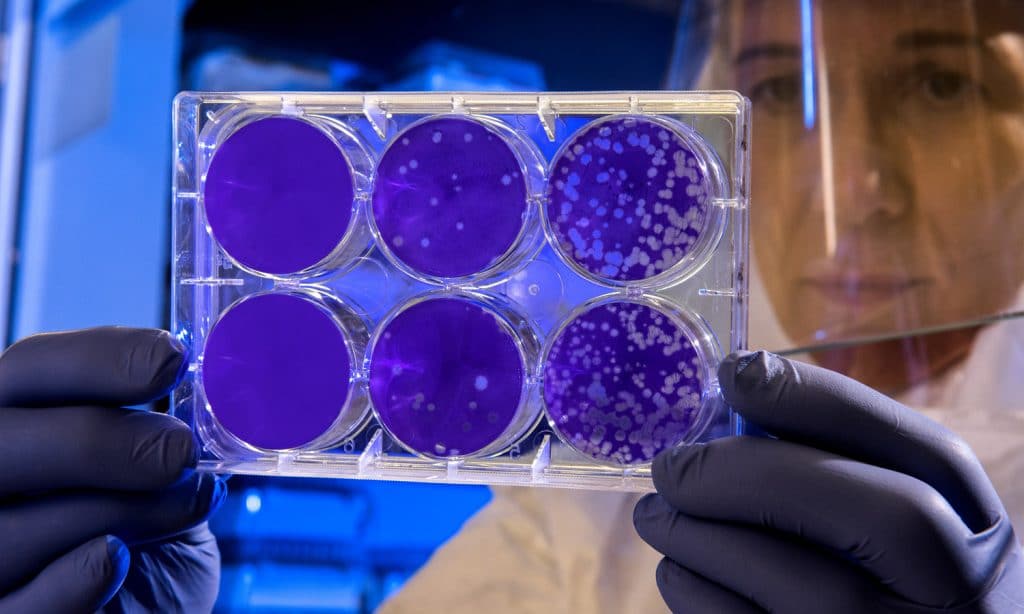
Regarding the coronavirus, the first thing to recognize is the difference between bacteria and viruses: While bacteria are single-celled microorganisms that can thrive in a wide range of environments, viruses are even smaller, and require living hosts (i.e., humans, plants or animals) to multiply and survive.

RELATED: FDA And USDA Start Making Sense On Hemp CBD

This flu season in the United States, the Centers for Disease Control and Prevention (CDC) reports that influenza has sickened an estimated 19 million Americans, with 140,000 hospitalized and 10,000 deaths. By comparison, as of the CDC’s most recent update on Feb. 3, there were 11 confirmed cases of coronavirus in the U.S., with at least 293 people placed under investigation.

Ask Our Experts- Cannabis Vs. Coronavirus
Photo by CDC via Unsplash

Unfortunately, despite recent runs on them which threaten to create shortages for healthcare professionals needing them for other purposes, there is scant evidence suggesting that surgical-style masks prevent airborne viruses or bacteria (since masks are too loose, lack any air filter, and leave one’s eyes exposed).

While it is possible that the industrial hemp industry could eventually help provide various biomedical applications worthy of future examination, solutions are not immediately forthcoming; meanwhile even those rushing to produce a vaccine have no guarantee of doing so before the end of the current outbreak (the third since SARS in 2002-2003).

RELATED: 5 Ways To Stay Well When Everyone Else Is Getting Sick

Health officials meanwhile recommend that the most effective means to avoid catching viruses is for people to cover their mouths when coughing or sneezing, regularly wash hands with warm water and soap, avoid touching their eyes or noses, and otherwise maintain fit and healthy lifestyles.

The post Ask Our Experts: Cannabis vs. Coronavirus appeared first on New Frontier Data.

The preceding article is from one of our external contributors. It does not represent the opinion of Benzinga and has not been edited.

This article originally appeared on New Frontier Data.

Another Survey Shows Teen Marijuana Down After Legalization

Politicians keep warning about teens using marijuana, but surveys show otherwise.

Another month passes and another survey shows teen marijuana down after legalization. Last month, Statistics Canada found that just one year after recreational legalization, cannabis consumption dropped nearly 10% in adolescents 15-17-years-old.

And now, Denver is finding similar results.

City officials surveyed 537 teenagers in 2019, so they could statistically measure how their High Costs campaign — a youth marijuana education program — affected consumption habits. According to the results, 81% of Denver teens ages 13-17 say they don’t currently use marijuana. Only 18% of male adolescents in that age range reported using marijuana, down from 27% in the previous year’s survey.

“After Denver became the first major city in America with legalized retail marijuana, many other cities and states turned to us to learn how we successfully regulated marijuana,” said Ashley Kilroy, executive director of Denver Excise and Licenses, who has overseen marijuana regulation in Denver since 2014.

RELATED: Legal Weed Does Not Increase Underage Cannabis Use

Marijuana legalization is a hot topic this election season, with the issue taking center stage at last week’s Democratic presidential debates. At both the federal and state level, age-old concerns about teenagers freely accessing marijuana and damaging their brains rear their heads. Former New York Mayor Mike Bloomberg made such claims in explaining why he opposes removing marijuana from the Controlled Substances Act.

denver wants to erase low level marijuana convictions
Photo by Flickr user Larry Johnson

“You should listen to the scientists and the doctors,” Bloomberg said. “They say go very slowly, they haven’t done enough research and the evidence so far is worrisome. Before we get all our kids — particularly kids in their late teens, boys even more than girls — where this may be damaging their brains. Until we know the science, it’s just nonsensical to push ahead.”

That type of rhetoric links legalization with increasing marijuana use among teenagers. To be certain, adolescents should not be given cannabis. According to one Canadian study, adolescents who developed cannabis use disorder later had increased levels of brain proteins connected to Alzheimer’s disease, depression, and neural inflammation. Other studies show that teen marijuana use leads to decreased cognitive function, and could be worse than alcohol for young brains.

RELATED: Study Links Adolescent Cannabis Use To Memory Loss

Two things can be simultaneously true. We can worry about adolescents using marijuana but worry less about whether legalization will cause widespread teenage use. In a study published in JAMA Pediatrics, researchers went so far to say legalization may actually discourage teen use. Educating teenagers can go a long way to preventing teen use, too. Around 57% of teens say they haven’t used marijuana before, according to Denver’s latest data. Another 24% said they tried the plant, but are not current users.

“Hopefully, our continued success educating youth to wait until they are of legal age to consume can also serve as an example for other communities across the US. The verdict is in that scare tactics are not successful with youth,” said Kilroy. “Providing them facts about marijuana is the most effective youth education and prevention approach.”

Don’t Fall For Fake Law Enforcement Drug Stops — They’re Illegal!

0

Illegal ruse notices and subsequent entrapment at exits has been found to be a clear fourth amendment violation, according to a lawsuit filed by three drivers.

There’s a new drug corridor in Kansas, part of a “narcotics pipeline” that law enforcement in the state has identified and enforces today using an illegal drug-stop ruse.

Here, along the I-70 east-west highway that cuts right through the center of the state, law enforcement has devised an illegal search method targeting out of state drivers, ramping up its efforts since Colorado legalized marijuana in 2014.

The number of Kansas troopers is increasing. The Kansas Highway Patrol 2015 annual report shows the patrol’s recruitment class of 2015 was one of the largest in years, and a new pay plan was authorized. And the patrol’s Domestic Highway Enforcement Team has identified marijuana as the most common drug being trafficked through the state, awarding officers who seize the most during a year as a “KHP top producer.”

The Fresh Toast witnessed the illegal ruse being used by the Kansas Highway Patrol along I-70, outside of Junction City, home of Fort Riley. There, on the right shoulder of the highway, is a large flashing electronic roadside notice: “Drug Check Ahead —Drug Dogs in Use”.

Some drivers naturally see that notice as an impediment to their travel and take the nearest exit to avoid it, as described in one case involving these sort of drug stops used not only in Kansas, but other states as well.

The trick? At the nearby exit, the real drug stop is set up. If you pull off the highway, you just committed a big probable cause action and, boom, guilty until proven innocent.

RELATED: How To Keep Police From Searching Your Vehicle For Weed

That illegal ruse notice, and the entrapment at the exit, has been found to be a clear fourth amendment violation, according to a lawsuit filed by two native Americans in one car, and one black man in his car, all with out of state plates going about their business traveling on I-70 when they were pulled over for minor infractions.

According to the lawsuit, after the infraction issue was completed, the drivers were illegally detained using a technique taught to the KHP troopers to re-engage the driver and question them about their travel plans, looking for any reason to search their car.

the surprising effect marijuana legalization has on police traffic searches
Photo by kali9/Getty Images

The three drivers in the lawsuit were forced to submit to searches, and forced to wait for nearly an hour for drug dogs to search their cars. One driver was forced to follow the trooper to a county holding area to review some of his paperwork before being released.

In both instances, nothing was found.

The lawsuit further determined that 93 percent of the KHP stops in 2017 were for out of state plates.

RELATED: The Surprising Effect Marijuana Legalization Has On Police Traffic Searches

A 2016 case involving a similar illegal search of a car coming into Kansas from Colorado, “a known drug corridor”, occurred in 2017 with the court finding that the detention for a drug dog violated the driver’s rights.

And a 2000 Supreme Court case on the same issue in another state found that law enforcement violated fourth amendment rights. So the law has been clear on this issue.

But that hasn’t stopped the zealous KHP. It has a history of bad actions when it comes to marijuana busts on I-70. In 2014, the Denver Post reported that a woman died in a Goodland, Kansas jail after being arrested on I-70 for marijuana she purchased in Colorado that she hoped would help her combat a series of painful autoimmune medical problems. For two days, even as she began vomiting blood, jailers didn’t believe her when she begged for her pharmaceutical medications because they tagged her as a marijuana-using druggie.

Candidates & Cannabis: Where Do They Stand?

Where do the 2020 candidates stand on marijuana reform? Here’s what we know so far.

The 2020 presidential campaign season is in full swing, and marijuana is a hot topic on the trail. Cannabis is currently legal for recreational use in 11 states, and for medicinal purposes in an additional 35.

With the majority of states on board with the “green rush,” the stances presidential candidates in 2020 are taking are more important than ever.   

Cannabis opinions among the candidates vary greatly and are more or less towing the party lines. Here is a breakdown of each of the candidate’s previous statements and published policy stances, if available, presented by party and in alphabetical order.

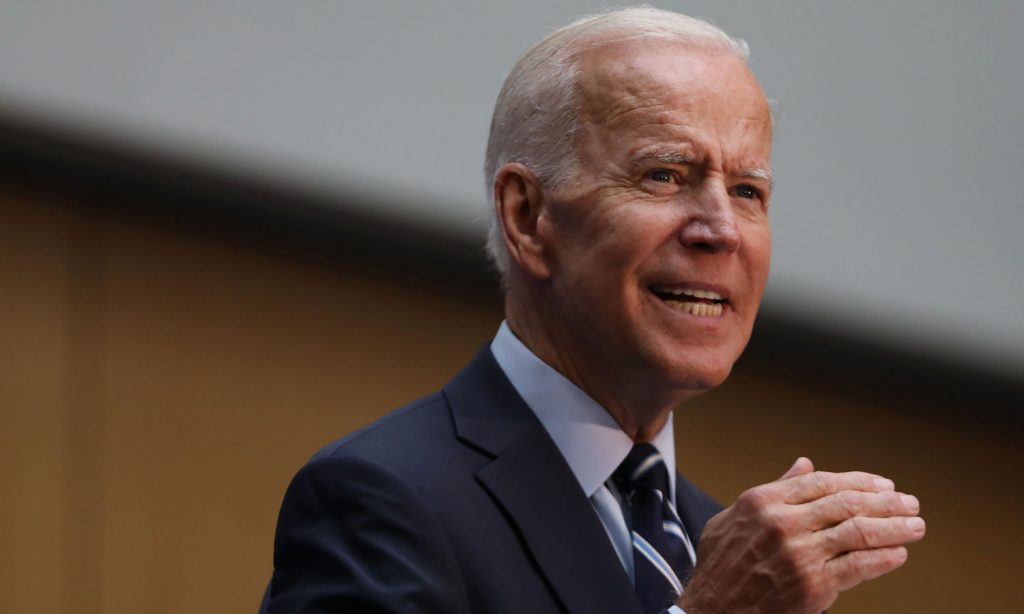
Former Vice President Joe Biden (D)

Joe Biden is among the dwindling numbers of party centrists who hasn’t publicly supported or proposed a plan for federal legalization. As recently as November of 2019 Biden has been quoted as saying, “let me tell you, the truth of the matter is there’s not nearly been enough evidence acquired as to whether or not it is a gateway drug. It’s a debate. Before I legalize it nationally, I want to make sure we know a lot more about the science behind it.” Later clarifications by staff have said Biden supports national decriminalization, potential expungement of past convictions, and moving the drug to Schedule 2, though, as we have covered here, Biden has also recently said “marijuana should be a misdemeanor.” 

Photo by Spencer Platt/Staff/Getty Images

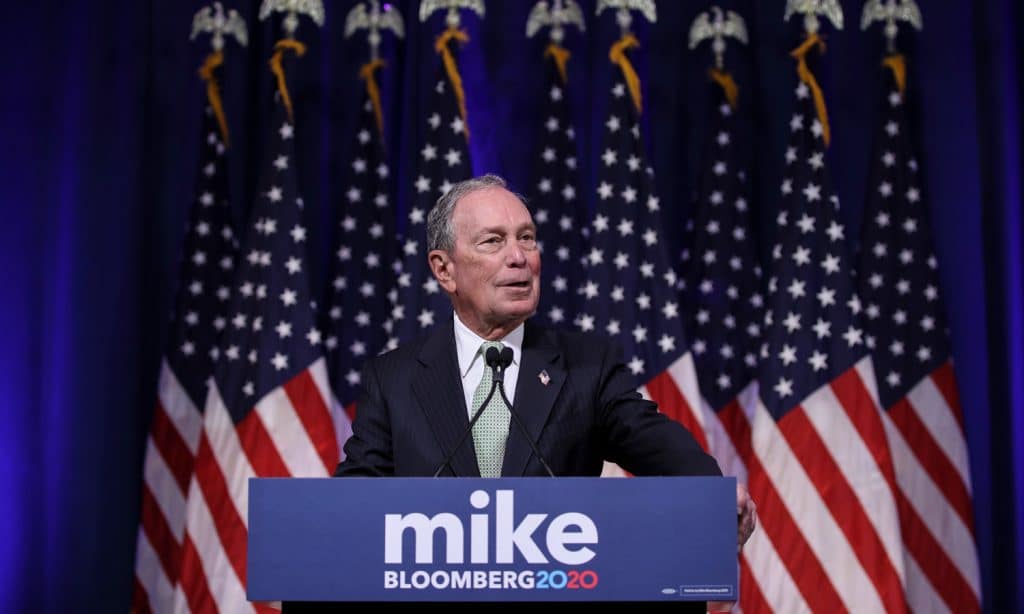
Former New York Mayor Michael Bloomberg (D)

According to campaign spokesman Marc LaVorgna, Mayor Bloomberg believes no one should have their life ruined by getting arrested for possession, and, as a part of his reform efforts that drove incarceration down by 40%, he worked to get New York State laws changed to end low-level possession arrests.” Lavorgna continued, saying Bloomberg “believes in decriminalization and doesn’t believe the federal government should interfere with states that have already legalized,” which is still in stark contrast to his past

Where Does Presidential Candidate Michael Bloomberg Stand On Marijuana?
Photo by Drew Angerer/Staff/Getty Images

RELATED: Bernie Sanders And Michael Bloomberg Battle It Out Over Marijuana Legalization

Bloomberg had this to say about legalizing cannabis in January of 2020, “We are trying to legalize another addictive narcotic, which is perhaps the stupidest thing anybody has ever done,” which we covered more in depth here

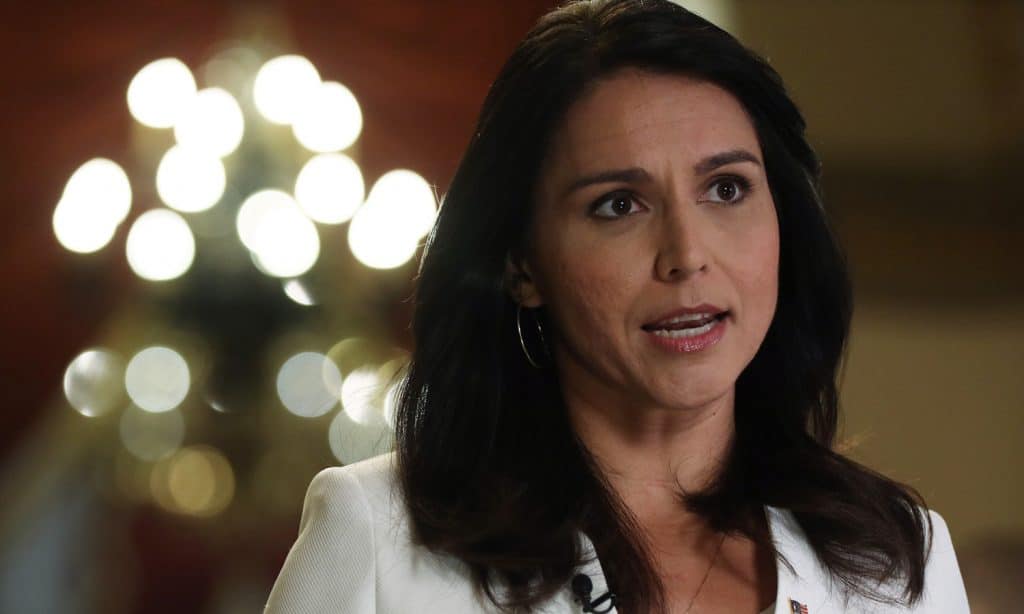
Hawaii Congresswoman Tulsi Gabbard (D)

Gabbard is among the most vocal and earliest open supporters of cannabis legalization amongst the current crop of presidential hopefuls. In a tweet from 2018, Rep. Gabbard says: “Legalizing adult use of marijuana is common sense and long overdue. We need to remove marijuana from the list of federally controlled substances, stop turning everyday Americans into criminals, and pass real criminal justice reform now.” This is just one of many quotes on the subject available on her campaign website. She has also sponsored many bills in support of marijuana policy reform and is a member of the Congressional Cannabis Caucus.   

Tulsi Gabbard Believes We Should Legalize All Drugs
Photo by Alex Wong/Staff/Getty Images

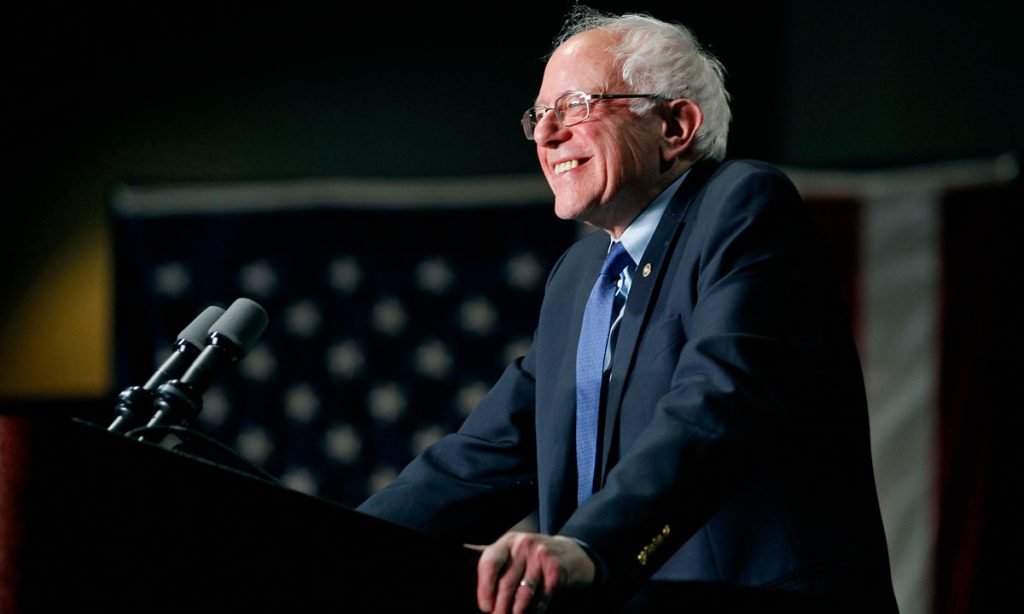
Vermont Senator Bernie Sanders (IND/D)

Bernie has cannabis legalization in his plan for first 100 days. According to his campaign website, Senator Sanders wants to legalize adult use marijuana federally as well as vacating and expunging past convictions. Sanders goes further by having a full platform dedicated to repaying the communities most affected by the War on Drugs, and by creating governmental frameworks to “Ensure Legalized Marijuana Does Not Turn Into Big Tobacco.” Senator Sanders is objectively the most cannabis friendly candidate currently in the running often tweeting in support of his proposed policy positions.    

bernie sanders blasts marijuana prohibition in his new book
Photo by Ralph Freso/Stringer/Getty Images

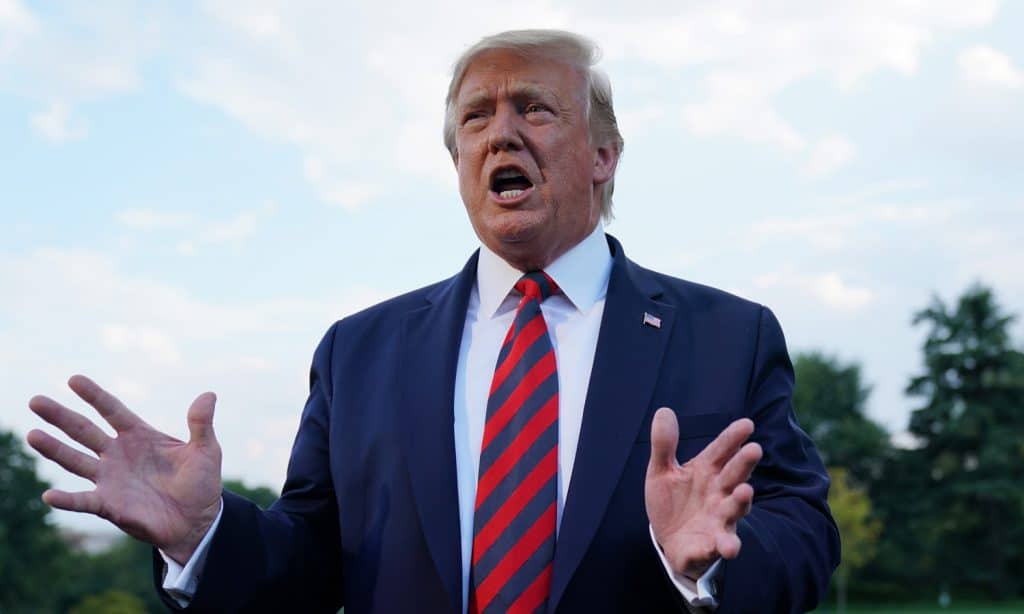
President Donald Trump (R)

The incumbent president and virtual shoe-in for the Republican nomination for President has a confusing relationship with cannabis legalization. Like most of the candidates from the other side of the aisle, Trump has stated he believes states should have the right to choose their own laws. In recordings of the President, he has privately expressed that he believes cannabis makes users “lose IQ points” in recent videos available on Forbes

how donald trump holds significant sway on marijuana legalization
Photo by Alex Wong/Staff/Getty Images

RELATED: Elizabeth Warren Reveals New Plan To Legalize Marijuana

Though he has also publicly stated that he doesn’t believe cannabis prohibition works and told Senator Cory Gardner that he opposed federal meddling in legalized states. As of now, it appears President Trump is comfortable with the status quo and won’t be moving legalization efforts forward or backwards.  

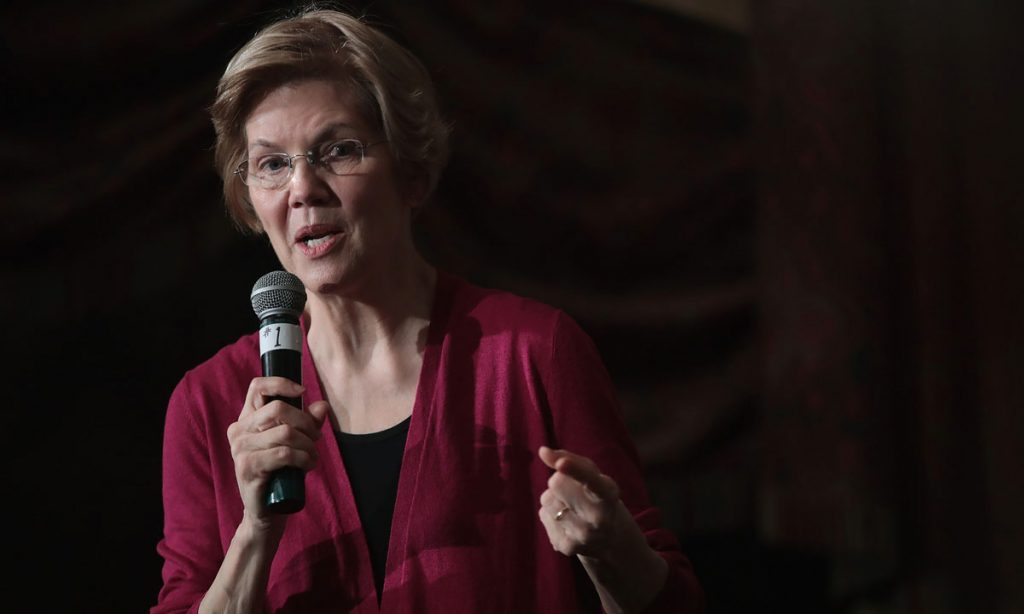
Massachusetts Senator Elizabeth Warren (D)

Senator Warren has a plan for federal legalization, decriminalization, expungement, and social equity in the current industry very similar to Bernie’s according to her campaign website. Warren doesn’t include these measures into her first 100 days, but she does take it a step further by furthering her social equity plans to also include tribal sovereignty for Native Americans and specific plans for research through the Department of Veterans Affairs.  

where does presidential candidate elizabeth warren stand on marijuana
Photo by Scott Olson/Staff/Getty Images

Can You Cure Your Cramps With CBD?

A key advantage of using CBD for treating menstrual cramps is that one can travel with CBD, as well as purchase these products online and in retail outlets located in most states.

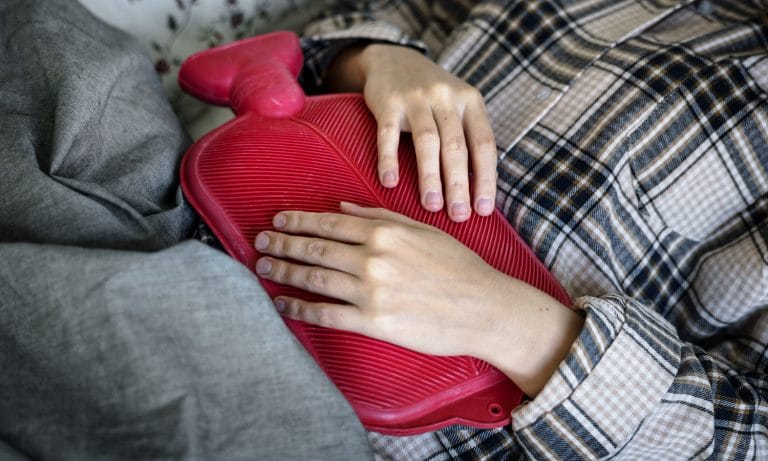
The use of CBD to treat menstrual cramps can be traced to the late 19th century when Queen Victoria used CBD oil to manage her monthly pain. Given women have cannabinoid receptors throughout their bodies, including the ovaries and uterus, then it stands to reason that CBD’s proven ability to manage pain could help with cramps that often accompany a woman’s menstrual cycle. 

Brandin LaShea, Host of Pot Pie on Social Club TV, suggests using topicals to treat CBD pain. “One of my personal favorite ways of treating cramps with CBD is using a topical cream or oil and rubbing it on your lower abdomen and ovaries,” she said. “This along with a heat pack or warm towel, really helps to relax your lower abdomen and ovaries.” She adds that, “With topicals, suppositories, and CBD bath products, you are treating the issue directly at the source and allowing the CBD to really target the problem area.”

Even though there’s a multitude of CBD products, LaShea suggests trying them all and finding the one that works best for you and your body type. In her estimation, “Some women suffer from stronger cramps than others and may need to use products like a suppository or bath bomb/bath salts to help alleviate pain.” Since these products absorb directly into your lower abdomen, they can really help with extreme cramps. 

RELATED: Can CBD Help With PMS?

LaShea suggests starting out with a small dose of 20 to 40mg see how your body reacts and then gradually increase the amount by 5mg until you feel you’re getting the proper dose for your body. “The amount of CBD you use will depend on a couple key factors including: the milligrams per dose/serving and body weight (if consuming edibles).” Also she suggests increasing your normal daily dosage on days when your cramps feel especially strong.

cbd and menstrual pain
Photo by LaylaBird/Getty Images

Prior to adding CBD to your regime, LaShea suggests consulting you doctor. “CBD may have an effect on other medications you may be prescribed.” Furthermore, even though women report pain relief when CBD, more research is needed to ascertain the efficiency of CBD and cannabis for treating menstrual cramps. 

A key advantage of using CBD for treating menstrual cramps is that one can travel with CBD, as well as purchase these products online and in retail outlets located in most states.

These Are The Wellness Trends You Should Know In 2020

Wellness businesses are booming, making large amounts of money and attracting thousands of new consumers.

The term “wellness” is broad and slightly confusing, but it’s become one of the biggest businesses in recent memory. According to the Global Wellness Summit, it’s an industry that’s worth $4.5 trillion dollars.

Maybe it’s due to Instagram or with our culture’s newfound focus on staying healthy and positive, but the fact remains that people want to be happy and healthy and are willing to spend good amounts of money in order to achieve this. The South China Morning Post compiled a list of some of the biggest wellness trends and the ones that are expected to make big amounts of money in 2020. Here are 5 of our favorites:

Circadian health

Sleep is extremely important, having the power to influence almost all aspects of your body. Bad sleep has been linked with poor productivity, high stress levels, gaining weight and more, all issues that people are very interested in managing. According to experts, the wellness industry will focus on circadian rhythms and how these influence your health, including your brain and all other body systems that are regulated by your circadian clock.

A rebranding of aging

Marijuana And Parkinson’s Disease- What New Research Uncovered
Photo by Highwaystarz-Photography/Getty Images

RELATED: 5 Meditation Techniques To Help You Stay Calm During Stressful Times

While marketing has never paid much attention to seniors and their well being, it seems like 2020 is a year of change, with more businesses paying attention to this demographic. People over the age of 55 will now experience a variety of products targeted to their experiences, strengths and sensibilities.

Wellness sabbaticals

Wellness sabbaticals target two hot topic issues: wellness and work-stress. This area is expected to connect wellness retreats and vacations with people who also need to stay in touch with some aspects of their work, allowing them to work remotely and stay connected.

Wellness music

heres how you can fall asleep while listening to music without draining your iphones battery
Photo via freestocks.org

RELATED: Elevate Your Mood And Decrease Stress With These 2-Minute Stretches

This field explores the health possibilities of music and how these can impact the brain, your sleep patterns, and more.

J-Wellness

J-Wellness puts a spotlight on Japanese culture, whose people are likely to live to the age of 100. This field is said to mine concepts like Marie Kondo’s decluttering, forest bathing, repairing broken pottery and more, all which are said to increase people’s quality of life by large margins.

5 Meditation Techniques To Help You Stay Calm During Stressful Times

Meditation can help anyone stay calm, during stressful moments or everyday occurrences.

It’s almost impossible to live stress-free nowadays. According to Science Alert, we’re in the midst of an anxiety epidemic in America, with people worrying over an assortment of truly stressful things, such as global warming, coronavirus and a deeply stressful political climate. Then there’s also traditional sources of anxiety, like finances, health, and family. If meditation is incorporated in our lives, it could provide some breathing room for everyone affected.

While meditation won’t get rid of any of your problems, research shows that it can significantly help you manage stress and anxiety. While your sources of stress will still be there, meditation will give you more tools to handle these situations.

Here are 5 types of meditation that can help you relax:

Mindful meditation

Mindful meditation is very popular and it’s all about increasing your awareness and connection to the present moment. The Mayo Clinic says that it’s a practice that encourages you to experience the moment of meditation and to focus on your breaths, the feel of your clothes and your feet touching the floor. This practice can be conducted anywhere and it encourages your mind not to wander.

Daily 5 minute guided meditation

5 Meditation Techniques To Help You Stay Calm During Stressful Times
Photo by Zoltan Tasi via Unsplash

RELATED: How Does Meditation Fuel Wellness? Experts Chime In

While meditating in moments of stress works, one thing that works even better is to make ourselves more calm from the get go. This can only be achieved by meditating everyday, even if it’s just for a couple of minutes. Use a guided app or a YouTube video and develop a routine that you can stick to, either by meditating in the morning or before you go to bed.

Mantra meditation 

Mantra meditation revolves around finding a calming word or phrase and holding onto it during times of stress, mentally repeating it until your other thoughts are drowned out. You can start off by saying the world out loud and then by repeating it only with your lips until you’ve internalized it. Thoughts will recur when first starting this process, just ignore them and focus on your word.

16 count resetting breath

5 tips on how to quickly reduce stress
Photo by rawpixel.com

RELATED: 6 Ways Meditation Can Drastically Improve Your Work Week

“If you can safely do so, close your eyes and focus on whatever is currently driving you nuts — in this case, probably your kid. Then breathe in for four seconds, hold your breath for four seconds, audibly exhale for four seconds, and breathe in for another four,” explains the Huffington Post. This practice encourages you to focus on your breathing and not on whatever it is that’s stressing you out, breaking the stress pattern and allowing you to act with less emotion.

Three breath hug

When fighting with a child, a friend or a partner, one trick that many people swear by is to hug them mid-meltdown, which is very weird but it’s easy to see why it’d work. While you’re hugging, take three deep breaths. As therapist Shonda Moralis explained to the Huffington Post, “It can be really calming in the middle of a meltdown.”

Don't Miss Your Weekly Dose of The Fresh Toast.

Stay informed with exclusive news briefs delivered directly to your inbox every Friday.

We respect your privacy. Unsubscribe anytime.