Tuesday, June 23, 2026
Home Blog Page 574

MedMen Is On A Downward Trajectory Cue SouthPark

MedMen’s bid to become the country’s biggest marijuana brand has backfired, and its executives are paying the price.

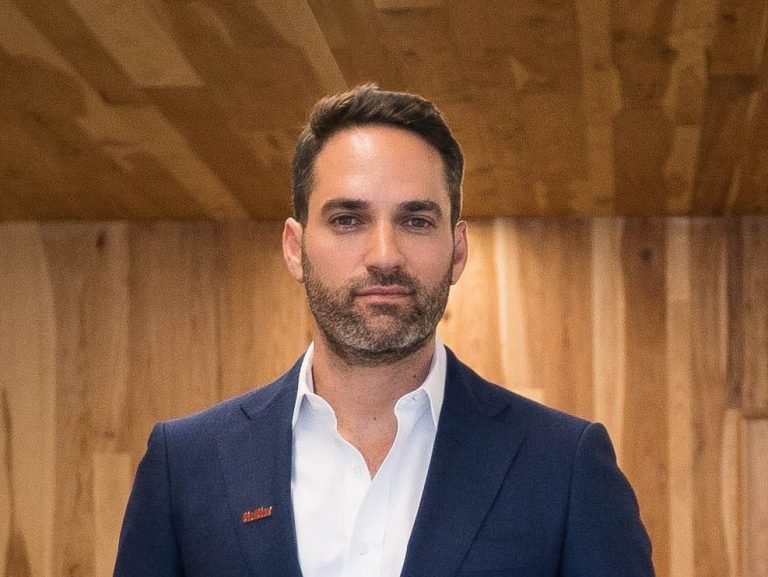
It is one of the most recognizable and formidable brands in the cannabis industry. This week, they announced their CEO, Adam Bierman, was stepping down. The move comes amidst significant restructuring at the company, which has aggressively cut costs in recent months after failing to meet projections. It seems Medmen is on a downward trajectory cue SouthPark.

Last week, Bierman told Business Insider investors were correct in punishing MedMen’s stock, though he expected the company to rebound. Now, he will not be there to see through whatever evolution the company takes. Bierman co-founded the California-based dispensary chain in 2010, but will significantly lose his influence as a shareholder. Bierman has agreed to surrender his Class A Super Voting shares, the company announced in a release, which granted him more power than other shareholders.

“I continue to believe that MedMen is positioned to thrive,” Bierman said in a statement. “It’s time for our next iteration of leadership to capitalize on the opportunity we have created.”

RELATED: What MedMen’s Financial Woes Means For The Cannabis Industry

MedMen began with a goal to re-orient the identity of cannabis consumers, by branding its stores with a sleek aesthetic common in Silicon Valley. MedMen’s vision was clear from the onset — to become “the Apple” of marijuana dispensaries. The company’s marketing efforts were successful initially and helped introduce and educate previously wary customers, including older crowds, into the cannabis revolution.
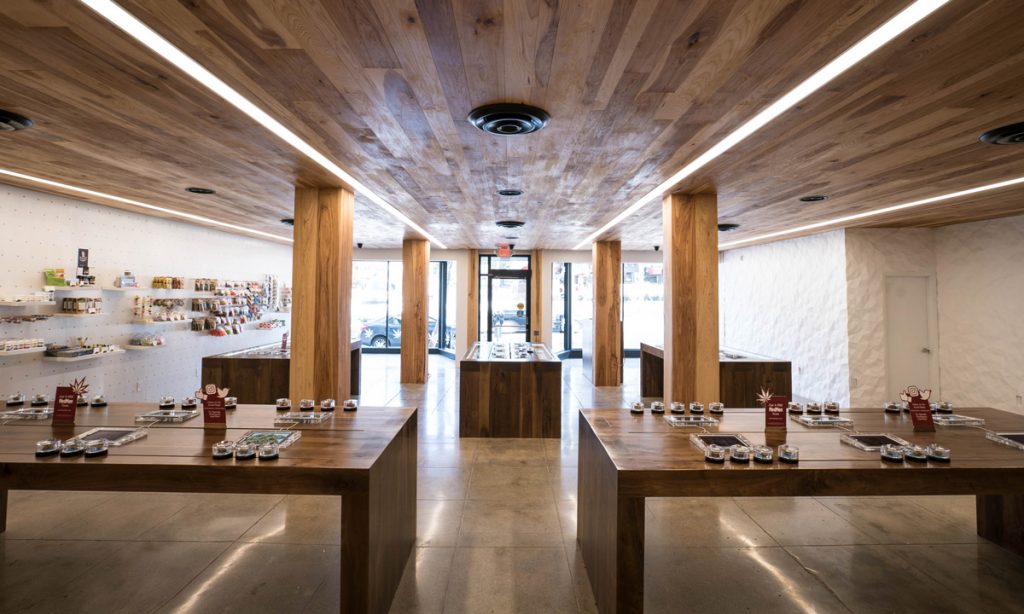
Photo courtesy of MedMen

However, the company made aggressive moves in recent years, under Bierman’s direction, that didn’t pan out as MedMen hoped. A glossy public service announcement, directed by Hollywood director Spike Jonze and starring Jesse Williams, was called “The New Normal,” and intended to position the business as a political thought leader in the cannabis industry. But the commercials, as well as MedMen writ large, were frequently ridiculed by the popular TV show South Park last year.

In addition, MedMen sought to become the largest marijuana company in the country when it attempted a huge blockbuster merger with cannabis producer Pharmacann. That deal was mutually scrapped by the two companies last October, signaling the current upheaval playing out across the cannabis industry.

MedMen also engaged in serious lobbying pursuits, with the intention to push marijuana legislation in a direction that would favor the company. That included a recommendation to New York state not to allow homegrowing of cannabis, as the company said it was too dangerous in residents’ hands. New York ultimately did not legalize marijuana last year.

RELATED: 4 Predictions For The Marijuana Industry In 2020

It tried a similar tactic with Make It Legal Florida, a political action committee that would introduce adult-use marijuana on the Sunshine State’s 2020 ballot. Make It Legal Florida would exclude residents growing their own marijuana as well, necessitating Floridians to buy their cannabis from dispensaries like MedMen. The bid however failed, and Florida will not vote on legalizing recreational marijuana this year.

According to the company’s release, MedMen will form a special committee after next month’s shareholder meeting. This committee, filled with independent directors, will determine the compensation Bierman will receive for stepping down and his transfer of shares.
The First Historically Black College Is Launching A CBD Line

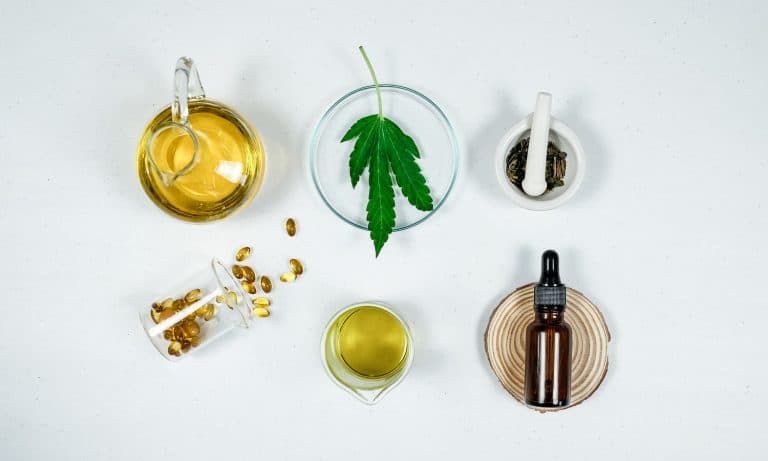
ALAFIA, which means “inner peace”, is currently selling two formulated pure CBD tinctures: Isolated CBD with 500mg for $40 and 1000mg at $80.

The first historically black college is launching a CBD line. The Southern University Agricultural Research and Extension Center in Baton Rouge, Louisiana, along with its partner Ilera Holistic Healthcare is launching a CBD product line called ALAFIA. Southern is the first HBCU (Historically Black College University) to start its own CBD product line that is available for sale at dispensaries and other retail locations. ALAFIA means “Inner Peace” in the Nigerian language Yoruba.

“Southern has been a leader in agriculture and the sciences for 140 year while staying true to its mission of access,” said Ray Belton, the president of the Southern University System. “This CBD venture with Ilera encompasses all of that.”

ALAFIA is currently selling two formulated PURE CBD tinctures: Isolated CBD with 500mg for $40 and 1000mg at $80. The Full Spectrum CBD is selling at 500mg for $40 and 1000mg at $80. The first sale took place at the H&W Drug Store Dispensary in New Orleans. More products will be released soon. All of the products are legal, laboratory tested, pesticide-free and scientifically formulated.

Ilera Holistic Healthcare CEO Dr. Chanda Macias said, “Our goals with this line is to support all communities by creating access to wellness products at affordable price points. No one should endure the stress of trying to balance a healthy lifestyle at high costs, that within itself is unhealthy. Our products offer an alternative supplement option at a reasonable price.”

RELATED: Here’s What Kind Of CBD Product Is Most Popular In Each State

Southern College was chartered in 1880 and was originally located in New Orleans. It opened in 1881 with 12 students. As the school grew, it moved to an area north of Baton Rouge in 1914. In 1947, Southern University Law School was created when LSU’s Law School refused to admit African Americans. The school had almost 7,000 students in 2019. 65% of the student body is female.

“The launch of ALAFIA has been our vision for some time and today we are officially on the market for sale,” said Osagie Imasogie, Chairman of Ilera. “Our team of experts created a superior hemp-derived product with patients in mind. We are proud of this partnership with Southern and pleased to know our product will be available to the people of Louisiana and beyond.”

Congratulations to the black college is launching a CBD line!

This article originally appeared on Green Market Report.

Why Can’t Football Players Use CBD

The NFL remains one of the few sports leagues that prohibits players from even using CBD creams in recovery and treatment.

In the past year or so, many professional sports organization have slowly embraced cannabidiol (CBD) as an alternative recovery option. UFC fighters, Olympians, professional golfers, runners, tennis players, and the amateur athlete alike can use CBD to train and heal. Last month, Major League Baseball announced it removed CBD and THC from its Drugs of Abuse list, partly due to growing concern around addiction to opioid painkillers.

The National Football League, however, remains against its players using CBD to recover from injury. Football is among the most physically devastating sports, with many athletes incurring long-term damage to their bodies and brains following their playing days. Earlier this month, the NFL announced that it maintains the stance enough information and research is not available to support claims CBD can treat acute and chronic pain.

“CBD is a promising compound, but the extent of its use in the United States outpaces the level of evidence,” wrote a pain management committee formed between the NFL and its players union.

RELATED: Athletes Will Use CBD This Olympics And Here’s Why

Many former football players have advocated the league on allowing current athletes to use cannabis and CBD. Notable figures like Ricky Williams, Jake Plummer, and Chris Long have come out in favor of allowing marijuana in the league. Former New England Patriots tight end Rob Gronkowski recently became a leader in using CBD in recover for athletes.

“I’m advocating for CBD to be acceptable for all players for recovery,” he said. “You can just call me Mr. Recovery. You know you like that name. Mr. Recovery, baby.”

While opening all forms of cannabis to players is one thing, what remains confusing is why the NFL remains against CBD. This is especially perplexing when it comes to CBD topicals, says Eric Smart, a triathlete and CEO of Myaderm, which manufactures CBD cream products. Though the Food and Drug Administration hasn’t provided guidelines on CBD in food products, it has permitted the use of CBD topicals. In a statement, the FDA wrote, that “certain cosmetic ingredients are prohibited or restricted by regulation, but currently that is not the case for any cannabis or cannabis-derived ingredients.”

touchdown cannabis consumers prefer the nfl over all other pro sports
Photo by Doug Pensinger/Staff/Getty Images

Because CBD topicals are an emerging market, Smart admits, it presents unique challenge. “Most CBD products are illegal and so people are left vulnerable to bogus product claims and deceptive marketing gimmicks,” he told The Fresh Toast. But players could follow simple rules to ensure they aren’t being fooled when using CBD.

“For professional athletes who are allowed to use CBD and those leading an active lifestyle, they should ensure that it is topical only, made in an FDA registered facility, has a high concentration of CBD vs. other ingredients like menthol and sold by a national, reputable retailer,” Smart said.

RELATED: Why These 4 Professional Athletes Use CBD To Manage Pain 

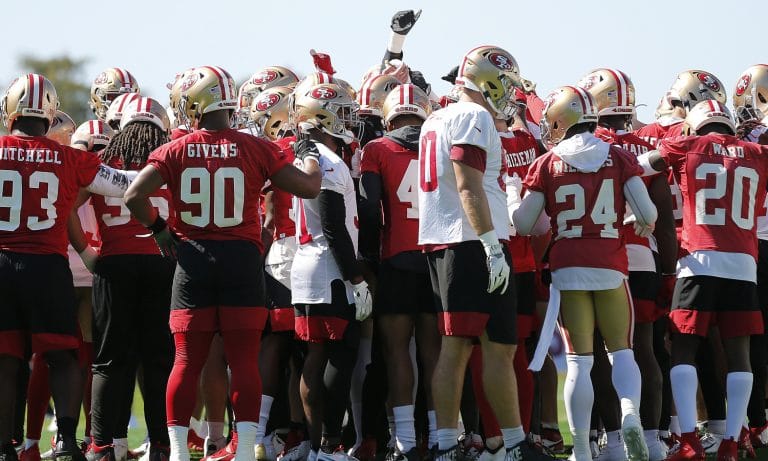
After the Super Bowl, players from the San Francisco 49ers and Kansas City Chiefs can being using cannabis and CBD products without penalty until April 20. Ironically, 4/20 is when the NFL starts testing players again for cannabis and other drugs. The NFL will continue to study marijuana and reports indicate the league is prepared to change its substance abuse policy in the upcoming CBA negotiations. But for now, even rubbing CBD cream on sore muscles remains prohibited for NFL athletes.

“If the federal government says CBD is good enough for consumers, then it should be acceptable for all athletes, especially NFL players,” Smart said. “As the League continues to study this issue, I hope that common sense, and not ignorance, wins the day.”

Brain Imaging Study Evaluates CBD Antipsychotic Effects

CBD holds promise for treating psychosis in patients who suffer from schizophrenia.

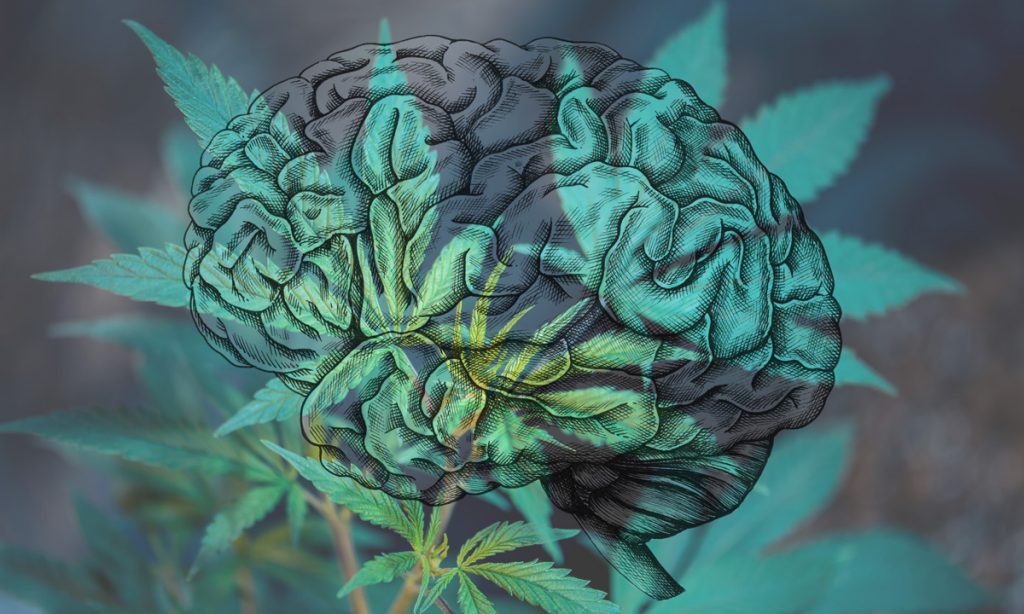
Some positive news, a new brain imaging study evaluates CBD Antipsychotic effects. Aside from CBD’s positive effects on anxiety, pain and skin care, researchers have found the compound can treat more complex conditions, such as epilepsy in children and psychosis in patients who suffer from schizophrenia. This latter claim was first brought to the public’s attention when a study showed that CBD was beneficial for patients suffering from schizophrenia-related psychosis.

A study conducted by researchers from King’s College in London took things further by trying to understand why CBD was providing these anti-psychotic effects. This new research examined 13 patients with psychosis and studied their brains through fMRIs.

RELATED: CBD Shows Therapeutic Effects On Psychosis

The study, published in the Psychological Medicine journal, performed two fMRIs on each patient, one under the influence of a placebo and another after taking a dose of CBD. There was also a control group made up of healthy subjects who weren’t taking any drugs.

your brain on weed concussions and cannabis
Photo by Roberto Valdivia via Unsplash, Illustration via rawpixel.com

The study found important differences between the fMRIs of subjects. They showed that CBD was able to reduce the dysfunctional connectivity present in subjects experiencing psychosis, making their brain scans look more similar to the ones taken from the control group.

Sagnik Bhattacharyya, senior author of the study, explained that the test results shed a light on how CBD impacts the brains of people going through one of these episodes. “It gives confidence in the antipsychotic potential of CBD by demonstrating that it targets the function of brain regions implicated in psychosis and indicating that even a single dose may ameliorate some of the brain function alterations that may underlie psychosis,” said Bhattacharyya.

RELATED: Study Links Daily Marijuana Use With Risk Of Psychosis

While the study is small and the results aren’t definitive, they do suggest that CBD can provide some relief for patients suffering from this condition, leveling some of the abnormal activity that psychosis produces in the prefrontal and mediotemporal regions of the brain.

This study marks the first time that patients with psychosis are given CBD and analyzed in order to see the effects of the drug in real time. While the topic of CBD and psychosis has plenty of limitations and a long road, studies like this one represent an important start, continuing to legitimize CBD as medicine.

Pharmacy Students Not Trained To Prescribe Medical Marijuana

0

A new survey finds most pharmacy students want to be involved in prescribing marijuana, but only 15% received passing scores testing their cannabis knowledge.

Where pharmacy students attend university has almost no impact on the level of education they receive on marijuana, a new survey finds. Students in both states with legal marijuana and where cannabis remains illegal scored similar on quizzes questioning their knowledge on the indications and adverse effects of medical cannabis. This displays pharmacy students are not trained to prescribe medical marijuana.

Published in the current edition of Journal of the American Pharmacists Association, the survey also highlights a growing demand for today’s pharmacy students to receive better education on marijuana. Not only do around 90% of these students believe medical marijuana should be legalized, more than 70% stated they as pharmacists should be responsible in the dispensing process of medical cannabis. But that doesn’t mean they’re ready to do so, according to the study’s authors.

RELATED: What Migraine Sufferers Need To Know About Excedrin Being Pulled

“Although students feel pharmacists should be involved in the dispensing process of [medical cannabis], this study continues to highlight that pharmacy students are not prepared to recommend, counsel, and interpret drug interactions related to [medical cannabis],” the study found.

the battle between gun ownership and medical marijuana in conservative states
Photo by LPETTET/Getty Images

Regardless of their state marijuana laws, less than half of the students surveyed felt knowledgeable about the efficacy of medical cannabis and capable of providing drug information to patients. In addition, the median score for tests about the indications and adverse effects of medical cannabis fell below 60%, meaning the majority of students received a failing score. Between 15-16% of students scored higher than 70% on a quiz testing indications, or medical conditions that warrant a marijuana prescription.

“Nearly all students in this survey indicated that they felt instruction on [medical cannabis] was imperative in the pharmacy school curriculum,” the study’s authors wrote. “However, only 15% indicated they received some formalized instruction on [medical cannabis.]”

RELATED: How Using Marijuana Can Effect Your Sleep Patterns

These findings follow those of previous studies. A 2018 study from the American Journal of Pharmaceutical Education found that more than 80% of students believed medical marijuana should be taught at their schools within the next five years. Another survey of University of Kansas students from 2015 reported that 90% of students thought medical marijuana should be incorporated into their education.

“With increasing state legalizations, pharmacy schools need to address this knowledge gap to ensure optimal patient care,” the study’s authors concluded.

Should I Invest In My Friend’s Marijuana Business?

Stop! Before you decide to give any money to your buddy’s marijuana start-up, here are 4 things to consider.

Cannabis and CBD are the hot industries in the U.S. and Canada, both expecting to be a $25 billion market by 2025. There are more than 30,000 marijuana businesses employing over 225,000 people with the average store grossing in excess of $2.5 million. With all the buzz, it seems like almost every friendly gathering now features at least one canna-business pitch from a friend: “For only $5,000, you can get in on the ground level in this amazing opportunity!”

Before you jump in, here are the 4 things to consider before investing.

Only invest money you can afford to lose

Investing does not mean giving away your money, rather putting it to work to potentially earn more money in the future. This distinction is important and implies that you have to be careful about jumping into the industry. Jan Hendrickson, a former U.S. Bank executive, says, “All start-ups are risky. Only put in what you can afford to lose and understand your return will take up to twice as long as you think, and will likely be smaller. Plan for that.”

RELATED: Are Americans Ready To Invest In Marijuana Stocks?

Remember, before they hit it big, Walt Disney, France Ford Coppola, and George Foreman all went bankrupt in early business.

Alternatively, if all you want to be is a good friend, cozy up to the idea of not getting your green back, but do make sure you get something else in return, like free products or a lifetime discount at the business in question.

heres what canopy growth investors
Photo by LPETTET/Getty Images

Know the market and the business plan

While an idea can often sound innovative, the path to execution is what’s critical for success.

Michael Leen, who has founded and sold a clothing company and a sales company shared “Before you invest, do you know the market, and do you understand the business plan?”   If you don’t understand the core of the business plan and the expectations, you could run into a rude awaking. Is it trying to solve a problem or is responding to a consumer need?  Do your own independent research on similar businesses, the competition and the market.

RELATED: How To Invest In Marijuana Stocks

A well-developed written business plan should include a rough roadmap of what future milestones to expect as a function of your funding. These expectations will increase accountability if the business deviates from its plans.

Add in cannabis’s federal illegality and complicated state-by-state legal landscape, and you have compounded risk. Cannabis business has higher costs and no tax exemption. Is the funding of the plan realistic? A good rule of thumb is ​that it will take twice as much money and twice as long ​to recoup.

You should consider if your friend’s cannabis startup is able to uniquely address an existing problem and if not, it might not be the a sound investment.

5 cannabis investor conferences worth attending in 2019
Photo by Aleksandr_Kravtsov/Getty Images

Know the management team

Diane Czarkowski, a founding partner at Canna Advisors, shared, “Has your friend ever started a business before? This is not an industry for first-time business owners. It is challenging to be a start-up and being a start-up in a start-up industry is even more complicated.”

RELATED: A Simple Guide To Making An Investment In Marijuana Stocks

“And that’s the thing,” adds Javier Hasse, managing director at Benzinga Cannabis. “Starting a successful business is easier said than done. Even the best though-out business plan is virtually worthless if not accompanied by strong execution. Entrepreneurs need to be equally able to stick to their plans when needed, and to change their plans when warranted,” Hasse, author of the best-selling book “Start Your Own Cannabis Business” explains.

How organized are the founders, do they have the skills and persistence to complete the project, how well (and often) do you communicate with your friend, and can they share both good and bad news — these are all things to consider before you write the check.

When and how do you receive a payoff?

“You should have a clear understanding of how your investment is returned to you. Is it from profits or do they plan to sell and you get portion of the sale”? Says Noa Kahner, founder of Kahner Global, who runs a successful series of investor conferences in the U.S., Canada and the United Kingdom.”

It is easy to get caught up in the excitement of building a company, but make clear how your investment is going to grow and how to cash out. Since most start-ups fail, if the new business you decide to invest in succeeds, make sure you know how you’ll get your money.

Miley Cyrus Blames Grammy Snub On Her Marijuana Love Affair

Miley Cyrus wasn’t in attendance to celebrate her father’s historic Grammy win, and suggests the reason involves her love of weed.

Do you remember a little song called “Old Town Road” by Lil Nas X? Of course you do. It was one of the biggest smash hits of 2019, following the release of a remix version featuring Billy Ray Cyrus. The song earning two Grammys Sunday, winning “Best Music Video” and “Best Pop Duo/Group Performance” categories.  It was grand night at the awards show, minus one.  Miley Cyrus blames grammy snub on her marijuana love affair.

What might surprise you is those Grammys represents the first two Grammys in Billy Ray Cyrus’s career. Yes, the country musician with a career spanning nearly 30 years didn’t win a Grammy until he sang, “Baby’s got a habit: diamond rings and Fendi sports bras.”

To celebrate the achievement, Billy Ray had his youngest daughter Noah Cyrus in attendance. Notably missing from the Grammy awards ceremony? His very famous daughter Miley. Though she tweeted a sweet congratulation to her father, Miley later suggested a more plausible theory as to why she wasn’t invited to the Grammys.

RELATED: The Oscar Nominees We Suspect Will Use The Weed In Their Gift Bag

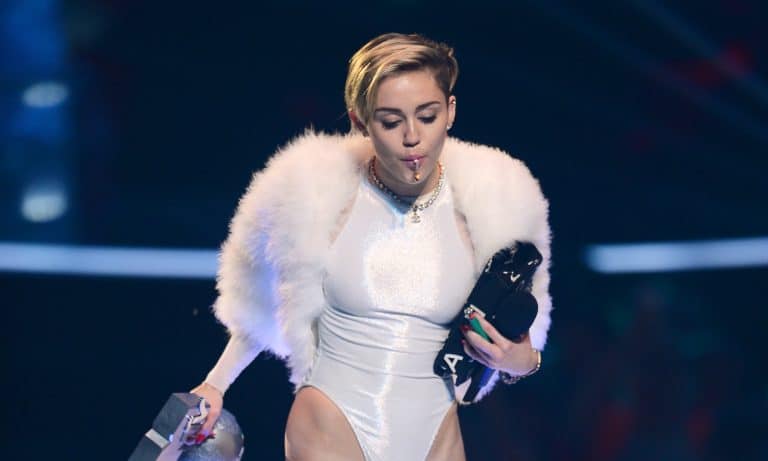
“& we wonder why I’m not invited to award shows anymore …” Miley tweeted, alongside a video from the 2013 MTV Euro awards where the singer smoked marijuana live onstage.

Miley has had a rather wacky on-again, off-again relationship with marijuana in the public eye. But you might be surprised to learn Miley had originally inspired different lyrics to her father’s “Old Town Road” verse. When Billy Ray Cyrus originally submitted the song to Columbia Records for approval, they requested he omitted one word—marijuana.

“For some reason I thought it was funny to say, ‘Baby’s got a habit: diamond rings and marijuana,’” Cyrus told ‘Taste of Country Nights’ host Evan Paul last year.

RELATED: The Word ‘Marijuana’ Got Nixed From Billy Ray Cyrus ‘Old Town Road’ Remix

Conspiracy theory: Do the Grammys want to distance itself from marijuana by denying Miley Cyrus attendance to its show? Their silence on the matter might be deafening to some right now. Or they just don’t want to deal with Miley Cyrus’s erratic behavior. Both could be plausible.

Tribal Cannabis On A Comeback Tour?

Tribes can still consider legalizing medicinal and adult-use cannabis on their lands. Whether they should or not will depend on the state in which the tribal lands are located.

For people in the know, the cannabis industry is an unpredictable roller coaster for a number of reasons having to do with federal illegality, evolving state regulations, and market volatility.

One faction of the industry that many thought would immediately take off is cannabis being grown and sold in Indian Country by Native American Tribes. And with good reason. In December 2014, the federal government announced that when it came to cannabis, it would not essentially treat Native American Tribes as it treats the states. Meaning, cannabis in Indian Country would not be a major enforcement priority similar to the states pursuant to the August 29, 2013 Cole Memo.

Since that announcement, a number of tribes indicated an interest in tribal cannabis, and our law firm ended up putting on the first national Tribal Marijuana Conference, attended by more than 400 people, from more than 75 tribes and more than 35 states. Tribes began to move ahead.

RELATED: Goodbye Cole Memo, Hello Uncertainty For Cannabis

The momentum behind tribal cannabis came from the Wilkinson Statement in which the Department of Justice (DOJ) stated it would not focus its resources on prosecuting growing or selling medical or adult-use cannabis on tribal lands, even when state law prohibits it, and the eight enforcement priorities previously outlined in the 2013 Cole Memo were supposed to guide federal enforcement of cannabis laws on tribal lands . It is important to note that none of this changed federal drug laws or the federal government’s ability to enforce those laws. Therefore, any tribe that considered setting up a legalized cannabis regime would have been wise to enact and enforce “robust regulations” so as to comply with the Cole and tribal cannabis memos and to increase its odds of avoiding unwanted federal intervention.

Legal marijuana States Buying 'Nasal Rangers' To Detect Illegal Grows
Photo by Riccardo Livorni/EyeEm/Getty Images

As a result of the excitement on the back of the Wilkinson Statement, several tribes considered regulating, cultivating, and selling cannabis on their sovereign lands. However, very few and perhaps none of those enterprising tribes have experienced much success. Federal intervention was a roadblock in some instances, and even for tribes that entered into state compacts for commercial cannabis production and sales — see, for example, the Suquamish tribe and Warm Springs tribes, in Washington and Oregon — things have been slow to materialize. Tribes have been beset by internal political and organizational issues, as well as shady consultants and the general chaos that comes with the “gold rush” mentality. In all, the energy behind tribal cannabis slowly fizzled as it became clear that state compacts were pretty much the only way to avoid the Feds when it came to cannabis — and that even those compacts were no guaranty of success.

In early 2018, then acting U.S. Attorney General Jeff Sessions rescinded all DOJ guidance on cannabis, including the Wilkinson Statement. Even before then though, the reality of tribal cannabis hadn’t really materialized. As of today, U.S. Attorneys no longer have any uniform enforcement priorities when it comes to cannabis, and they’re free to address federal cannabis law enforcement as they see fit according to their districts’ priorities and resources. To date, we’re not aware of any U.S. Attorneys taking any action against state-licensed cannabis operators just because they’re in operation in violation of the federal controlled substances act (CSA). And the current U.S. Attorney General, Bill Barr, testified before Congress that he would basically operate according to 2013 Cole Memo principles, which has been accurate to date.

What this means, in all reality, is that tribes can still consider legalizing medicinal and adult-use cannabis on their lands. Whether they should or not will depend on the state in which the tribal lands are located and how and whether the U.S. Attorney in that district is going to treat this tribal experiment. There’s also still the question of whether state cannabis compacts make sense for tribes and how the U.S. Attorneys (now with no Cole Memo in place) will react to tribes that forego compacts.

RELATED: Breaking Cannabis Banking: Tips On Getting An Account

Perhaps more than any of this, the question of whether legalization on tribal lands makes any business sense still reigns supreme. Is it legally, culturally, and practically better (and cost effective) for the tribe to act as a licensing regulator, a landlord to a licensee, or to be the cannabis licensee itself? Is it better for the tribe to be able to access legalized markets through state licensing systems through a compact that may at the same time eliminate other important tribal cannabis business choices and waive certain tribal sovereign immunity powers? Or is it better for the tribe to treat cannabis like gaming by providing a unique cannabis experience strictly contained within tribal lands but managed by a third party operator?

Tribes likely still have a variety of choices in the cannabis game (including around hemp under the 2018 Farm Bill), but many ambiguities still exist, and no tribal gold standard has emerged. I will say that our firm has seen an uptick of tribal cannabis requests lately (especially in California, which is relatively cannabis-business friendly). This tells me that tribes continue to mull what could still be a very lucrative business opportunity in the years to come. Someone just needs to break the mold.

Hilary Bricken is a partner at Harris Bricken, a law firm with lawyers in Seattle, Portland, Los Angeles, San Francisco, Barcelona, and Beijing. This story was originally published on the Canna Law Blog

Donald Trump Says Marijuana Causes You To Lose IQ Points

In leaked audio, Donald Trump states his belief that marijuana causes users to ‘lose IQ points,’ a statement refuted by the National Institute of Drug Abuse.

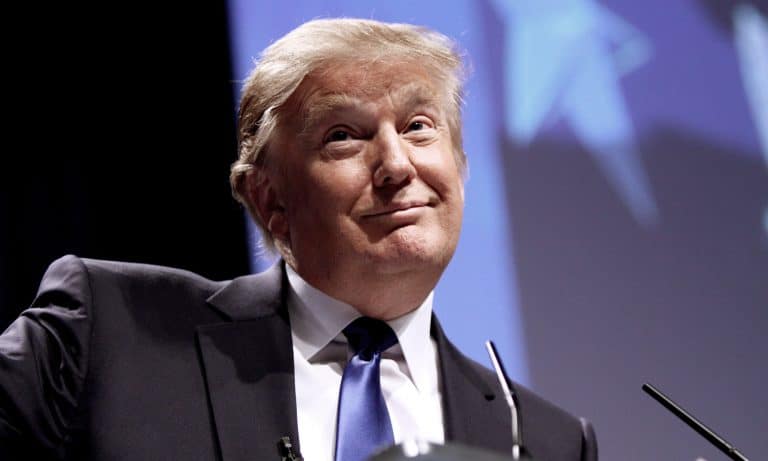
According to the President of the United States, smoking marijuana cause you to lose IQ points. That statement comes from a conversation Donald Trump had at a private donor dinner in April 2018, as footage from that night was recently released by Lev Parnas, a former associate of Trump’s private attorney Rudy Giuliani.

In the leaked recording, Trump states that he isn’t sure if marijuana legalization is “a good thing or a bad thing.” The conversation was sparked by recent marijuana legalization movements across the country and reflects a different position from Trump than statements he’s previously made in the public eye. In June 2018, Trump was asked about the STATES Act, a bipartisan bill co-authored by Sens. Cory Gardner and Elizabeth Warren that would give states the ability to create their own cannabis legislation without federal interference.

“I support Senator Gardner,” Trump said when asked if he endorsed the bill. “I know exactly what he’s doing. We’re looking at it. But I probably will end up supporting that, yes.”

The leaked conversation from the private dinner months earlier tells a different tale. Parnas initiated a dialogue with Trump, asking if he would allow access to banking for marijuana companies in legal cannabis states. (Cannabis companies don’t have access to traditional financial services available to other businesses, due to federal regulations.) Trump first seemed confused at the idea.

“You’re talking about marijuana, right?” Trump asks. “Why, you can’t do banking there?” When Parnas explains the problem it poses to marijuana businesses, Trump adds, “It’s all working out. That whole thing’s working out.”

The SAFE Banking Act, which would end federal prosecution from financial institutions offering services to cannabis companies, was passed in the House in a landslide vote last year. The bill currently remains stalled in the Republican-led Senate.

RELATED: Donald Trump Is Securing The Wrong Border Against The War On Drugs

Later, Trump states his opinion on marijuana in the recorded conversations.

“I don’t know if that’s a good thing or a bad thing,” says Trump. “Do you think the whole marijuana thing is a good thing?”

“In Colorado they have more accidents,” he adds. “It does cause an IQ problem. You lose IQ points.”

Donald Trump, Jr. eventually comes into the conversation to offer an alternative view on marijuana than his father’s.

“Between that and alcohol, as far as I’m concerned, alcohol does much more damage,” Don Jr. says.

RELATED: The Surprising Way Trump’s US-China Trade Dispute Hurts Marijuana Users

Trump’s belief that marijuana causes you to lose IQ points has been refuted by his own government agency, the National Institute of Drug Abuse. While the agency notes a New Zealand study that shows cognitive decline in middle age following persistent adolescent marijuana use, NIDA denies that adults consuming marijuana causes an IQ problem.

“Recent results from two prospective longitudinal twin studies did not support a causal relationship between marijuana use and IQ loss,” NIDA writes on its website. The agency adds that “no predictable difference was found between twins when one used marijuana and one did not.”

‘Hot Plants’ Prove Problematic For Hemp Entrepreneurs

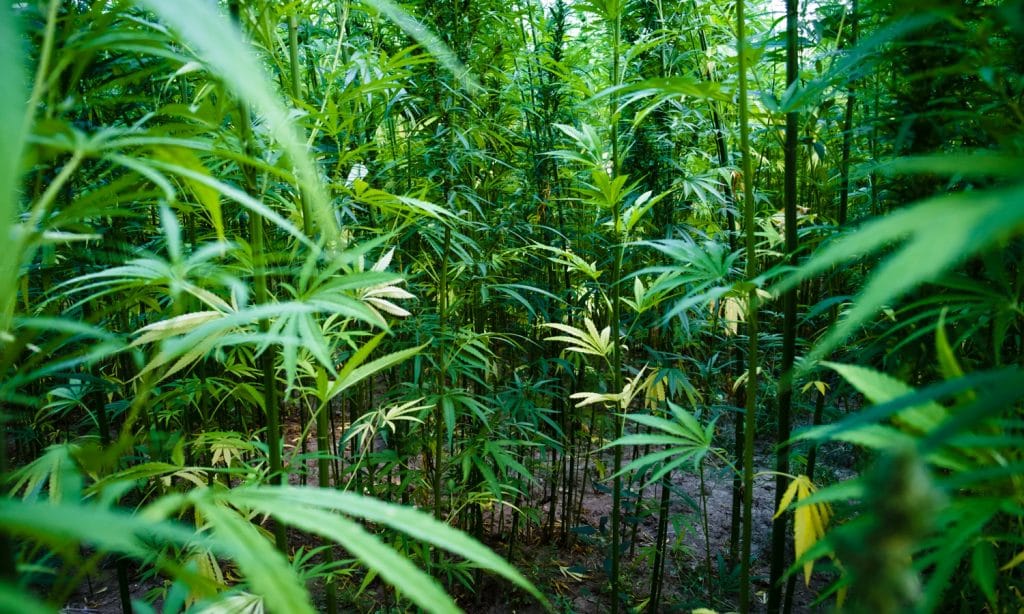
A hemp plant can “go hot” (aka experience a spike in THC levels) due to using a new seed variety, environmental factors, or a plant left to flower for too long.

Just over a year from the date when the 2018 Farm Bill removed hemp from the list of controlled substances and legalized it for industrial growth, issues plaguing hemp producers in 2019 are coming to light. The most dominant pitfalls include a glutted market, unpredictable climate, problems with mold and pests, and a chronic shortage of adequate drying facilities.

Seasoned farmers are no strangers to these types of problems, but industrial hemp poses a new challenge: how to bring a crop in under the .3% THC limit mandated by the federal government.

In an October article by Chuck Abbot at www.agriculture.com, analysts at agricultural lender CoBank forecasted that changing federal regulations would make it difficult for growers to keep up with guidelines for testing plants for excess THC. The National Law Review published a piece on Jan. 19, 2020 entitled “Key Takeaways From USDA Final Interim Rules for Domestic Hemp Production”. (These interim rules are set to expire in 2021 and will be replaced by finalized regulations.)

RELATED: USDA Releases Hemp Rules

The scope of the rules includes conditions for growing, processing and/or selling hemp, and requires an approved testing and sampling procedure to ensure that no plant exceeds .3% THC content. Unfortunately, the currently approved method focuses solely on identifying the THC content of the plant rather than its genetic profile (which can definitively identify the plant as hemp). Testing only for THC content leaves this undetermined.

Dumbies Keep Stealing Hemp Crops Thinking They're In 'Marijuana Heaven'
Photo by Bloomberg Creative Photos/Getty Images

A hemp plant can “go hot” (aka experience a spike in THC levels) due to using a new seed variety, environmental factors, or a plant left to flower for too long. This can lead to what the National Law Review article describes as “excessive non-compliance and crop destruction”, not to mention devastating financial losses for growers. Writing for local Denver publication Westword, Mathew Van Deventer reports that fourth-generation farmer Randy Taylor was forced to destroy eighty acres under hemp production when that hemp tested at .47% THC by the Colorado Department of Agriculture. The CDA is attempting to address this conundrum by approving and overseeing the development of industrial hemp seeds specifically engineered for low THC/high CBD content.

RELATED: Top 4 Predictions For Hemp And Hemp CBD In 2020

Theresa Bennett’s Q&A with Vote Hemp President Eric Steenstra at www.hempgrower.com provides further insight into the issue. Steenstra shares that there has been almost a 500% increase in the number of people growing hemp nationwide over last year. These new growers are largely unfamiliar with the complexities of the genetic seed make-up required to keep THC in crops from spiking. As a result, buyers are favoring larger-scale operations with tested seed stock and reliable facilities, which edges new growers out of the market before they gain a foothold.

Despite the obstacle that regulations regarding THC content pose for unseasoned producers, industrial hemp still shows a profit margin generous enough to lure those willing to educate themselves and keep abreast of the changing guidelines into the industry. Hopefully, the lessons of 2019 will make for a less perilous and more profitable learning curve for aspiring hemp entrepreneurs in 2020.

This article originally appeared on Green Market Report.

Don't Miss Your Weekly Dose of The Fresh Toast.

Stay informed with exclusive news briefs delivered directly to your inbox every Friday.

We respect your privacy. Unsubscribe anytime.