Sunday, December 21, 2025
Home Blog Page 591

Are Magic Mushrooms The Next Frontier For The Cannabis Industry

0

Given its hallucinogenic effect, lawmakers may be reticent to allow distribution of the psychedelic drug without more restrictions.

Magic mushrooms, a group of fungi containing the psychedelic substance psilocybin, have long been used as a way to trip out by those adventurous enough to eat something that might have grown out of a cow patty for the mind-altering experience. The latest research into the effect of the compound has shown promise in treating depression, addiction, and other mental ailments.

There are no immediate signs that magic mushrooms will be decriminalized widely anytime soon — although Denver has decriminalized shrooms citywide — and there’s a voter initiative in California underway for the 2020 ballot. And if cannabis is to serve a role in shrooms, there are some wrinkles that need to be ironed out in the weed industry before we use it as a template.

Like cannabis, psilocybin has a long track record of relative safety among recreational users, and it is not toxic. Unlike some drugs that treat anxiety and other mental conditions, psilocybin is not prone to dependence. But given its hallucinogenic effect, lawmakers may be reticent to allow distribution of the psychedelic drug without more restrictions.

RELATED: John Hopkins University Recommends Magic Mushrooms Be Rescheduled

One leading researcher in the field of therapeutic psychedelics is Willam Richards, a psychologist who began research into psilocybin in 1963 and has studied it and other psychedelics as part of treatment and within the psychology of religion. With attitudes towards some drugs softening, Richards and his colleagues’ work with psychedelics are finally gaining traction.

Photo by eskymaks/Getty Images

Richards’ research has shown a single dose of psilocybin alleviates depression in cancer patients for up to six months. Richards is one of several scientists studying psychedelics as part of a team at Johns Hopkins University, who recently opened the first US psychedelic research center and one of the largest in the world, thanks to $17 million in private donations. Research will initially focus on psilocybin and its potential to treat disorders such as addiction, PTSD, depression, and Alzheimer’s disease.

Should shrooms live up to their promise, the impact on the treatment of depression and anxiety could be profound, eliminating the need for expensive pharmaceuticals with severe side effects. A system where a mental health professional can recommend or administer shrooms could potentially save millions from crippling and potentially lethal depression and substance addiction, especially since patients see long-term benefits in as little as a single lifetime dose. In a country like the U.S., where access to mental health treatment is woefully inadequate, these edible mushrooms can prove to be magically therapeutic as well.

RELATED: The Medical Benefits Of Taking Psilocybin ‘Magic’ Mushrooms

Psilocybin mushrooms can prove to be a growth opportunity for Big Marijuana as well. As legislators consider the decriminalization of the substance for medicinal use, they’ll look to industries that already have a similar market with regulations that will likely mirror those for shrooms.

The patchwork nature of the legal and medical cannabis market in the U.S., along with the continued federal prohibition makes the marijuana industry incredibly inefficient, with shortages occurring in some states, and a surplus in at least one other. Local ordinances and taxes have made cannabis access more difficult for some patients as well. A streamlined marketplace on a federal level should be achieved before passing along the same issues to a new therapeutic compound. One of the worst things that could happen to legal shrooms would be inheriting the current defects in the marijuana marketplace.

Marijuana And Exercise: A Great Combo For Mindful Athletes

For some pro athletes, marijuana is a better choice for the pain, inflammation and other conditions that they typically deal with.

Years ago, I was in a judo class and had a classmate who was fierce. He was a short, humble guy built like a fridge and would take down people with scary precision. Flip, smack. It was a thing of beauty. One day outside of class I asked him how he got so focused. He paused for a second and smiled, “Weed!”

I thought he was joking. He was not. He was just way ahead of me when it came to marijuana and exercise.

It was not until the 1990s that scientists discovered that humans and all vertebrate animals have a naturally occurring system of receptors built to receive the active compounds in cannabis as well as similar compounds our bodies produce naturally. That is why we get “high” and why medical marijuana is effective for so many conditions. 

RELATED: 4 Terrific Ways Marijuana Can Help You In The Gym

Professional athletes from all corners of the sports world have come out in favor of allowing players to use marijuana. For some, it is a better choice for the pain, inflammation and other conditions that athletes typically deal with.

Cannabis Users Exercise Much More Than You Think
Photo by rawpixel

It’s not just intoxication-seeking marijuana consumers heralding the potential for the drug when it comes to exercise. For those looking for benefit without the high, CBD, or cannabidiol, is a non-psychotropic option.

Yale research scientist, professor and engineering director, Alyssa L. Siefert, has written extensively on the subject and shared her enthusiasm with us: 

The broad anti-inflammatory effects of cannabis, particularly CBD, are exciting for athletes looking to quickly relax and recover, and I hope that researchers are able to focus on beneficial strains and dosages.

Let’s look at some of what we know from research that should be of interest to exercise enthusiasts looking to include marijuana in their workout regimen:

Before we pump you up with all of the good news, a word of caution for the uninitiated: Cannabis use can lead to tachycardia, or increased heart rate. This is a notable concern for cardio enthusiasts, people with heart health issues or for those who already exercise at a very elevated heart rate. Cannabis can also slow reaction times, so experimenting while participating in a contact sport is not recommended.

Protect yourself. While some competitive sports do not screen for marijuana use, it is certainly forbidden by the NCAA, the United States Anti-Doping Agency and the World Anti-Doping Agency.

RELATED: Cannabis Users Exercise Much More Than You Think

Also keep in mind that smoking weed is just one way to ingest. In legal states, there are a variety of edibles, melt-away strips, tinctures, you name it. As noted before, CBD may give you some of the benefits of cannabis, but it will never make you stoned.

Maybe you want to simply do some research of your own. If so, we recommend you try it out at home first, where you can control your environment and feel most safe. Consume a moderate amount of cannabis, do some exercise and take notes on your dose, activation time and experience. That way you can find your sweet spot before you take to the gym in your newly lifted state.

Does Marijuana Legalization Lead To More Problematic Weed Use?

Marijuana legalization increased marijuana use and cannabis use disorder among older adults, a new study finds.

While the benefits of marijuana legalization are aplenty, it’s also important to consider the possible consequences as well. According to a new study, not only does legalization lead to increased cannabis use, it increases the rate of cannabis users who develop addictive behaviors. The study highlights the possible public health consequences to legalization, so that regulators and lawmakers can create proper policies to prevent them.

“Although occasional marijuana use is not associated with substantial problems, long-term, heavy use is linked to psychological and physical health concerns, lower educational attainment, decline in social class, unemployment, and motor vehicle crashes,” researchers wrote in the study published in JAMA Psychiatry.

For the study, lead author Magdalena Cerdá, a drug policy expert at New York University, and her team analyzed data from the National Survey on Drug Use and Health (2008-2016). The survey divided age groups between those between 12 to 17 (teenagers), 18 to 25 (young adults), and 26 years or older (older adults). The researchers then looked at how marijuana legalization affected whether participants used cannabis in the past month, and if they met the NSDUH’s definition for cannabis use disorder (their criteria include problematic use to addiction).

Where the sharpest rises in marijuana use occurred was for older adults, when comparing those in legal states vs. those in non-legal states. Among the age group, cannabis use in the past month jumped from 5.65% to 7.1%, frequent use rose from 2.13% to 2.62%, and cannabis use disorder recorded in the past year changed from 0.9% to 1.23%. However, the young adult group had no significant changes in marijuana consumption behaviors. While researchers found an increased risk of cannabis use disorder among teenagers, it was a relatively minor adjustment.

RELATED: Binge Drinking Plummeting In States With Legal Marijuana

“For adolescents, I think we need to take the findings with a grain of salt,” Cerdá told Vox. “We need to really track changes among adolescents over a longer period of time and across other states that are legalizing to see if that’s really a robust finding or it’s actually due to some other third factor.”

As Vox adds, the researchers took special care in checking their findings against possible limitations. That included analyzing whether marijuana use was already increasing prior to legalization, if demographic or socioeconomic changes had any effect, or if other variables could be influencing their results.

Heavy Marijuana Use Could Double Stroke Risk for Young People
Photo by gradyreese/Getty Images

The researchers took several steps to validate their results. They looked at both demographic and socioeconomic changes to see if they had any effect; they checked to see if marijuana use had already been on the rise in states that eventually legalized cannabis;  and they conducted statistical sensitivity analyses to try to account for other variables that they may have missed. But ultimately, because the data used comes from self-reporting participants, it’s always difficult to draw definitive conclusion from the research.

What Cerdá emphasized, though, is that she and her team don’t believe their study should stop any possible marijuana legalization. Instead they want their research to influence how states develop regulations and frameworks around legalization. As she told Vox, legal drugs remain available despite their negative effects. Tobacco results in 480,000 to 540,000 deaths each year while drinking in excess is connected to 88,000 annual deaths.

RELATED: How Cannabis Can Help Older Generations Work Longer And Boost Their Well-Being

For marijuana, we should “start to think about ways to legalize that prevent those unintended consequences, just like we would regulate tobacco and alcohol,” Cerdá said.

“[Because legalization] has a lot of important benefits from a criminal justice standpoint, and I think it could, if done well, have benefits from a public health standpoint,” she added. “If it’s well-regulated, we could regulate the quality of the product, we could regulate the potency of the product — in a way we couldn’t if it were illegal.”

How Legal Weed Will Be Problematic For Police In Pot-Free Indiana

There is about to be an uprising of interstate drug trafficking that will only serve to tax law enforcement resources and make their jobs harder overall.

It has been said that Indiana will be one of the last states to legalize marijuana. But lawmakers may have no choice but to give the issue some serious consideration in 2020 now that two of the state’s neighbors are set to launch recreational sales starting next month.

While the Hoosier government is busy trying to uphold some unrealistic sense of morality for those who occupy the state, it’s the police forces that will suffer. There is about to be an uprising of interstate drug trafficking that will only serve to tax law enforcement resources and make their jobs harder overall.

Michigan recently announced that its recreational marijuana market was set to launch at the beginning of December. The state’s Marijuana Regulatory Agency informed the medical marijuana sector this week that the transfer of half their inventory would be permitted on Dec. 1, as long as they have a license from the state to engage in recreational sales.

RELATED: Where Does Indiana Stand On Legalizing Medical Marijuana?

It might be slow-going, at first, considering there may only be “a dozen or so” pot sellers ready to go by then, according to agency director Andrew Brisbo. It could, however, be enough of a start to make sure Indiana’s finest are on their toes.

All one has to do is look to other states that have legalized marijuana to see neighboring jurisdictions struggling to maintain a prohibition standard. It happened after Colorado became the first state in the nation to legalize weed for adults 21 and over, causing Oklahoma and Nebraska to file federal lawsuits against state officials for running their police departments ragged trying to bust people smuggling weed across states lines. That case was eventually burned to the ground by the U.S. Supreme Court.  

Is Legal Cannabis Really To Blame For Increase In Pedestrian Deaths?
Photo by diegoparra via Pixabay

Now, prohibition states must grin and bear it when it comes to dealing with the reverberations of legal weed. One thing is certain: Indiana is about to get a taste of what this is like in a matter of weeks.

Just as Michigan is working to get its adult pot market off the ground, Illinois is coming up behind them with recreational sales in January 2020. Pot sales in the Land of Lincoln will also get off to a modest start. Only around 14 recreational licenses have been issued to medical marijuana operations to sell their surplus to adults 21 and older at the turn of the new year. But, much like Michigan, once the cultivators have a chance to catch up and as more dispensaries climb aboard, more people from Indiana will have the opportunity to cross over, buy weed, and bring it home.

This means the legal market in Illinois and Michigan will slowly but inevitably become more problematic for police forces in Indiana trying to uphold a pot-free system. The state has already run into problems distinguishing marijuana from its non-intoxicating cousin hemp. So much, in fact, that the prosecutor in the state’s capital is now dismissing all pot charges for anyone caught with under an ounce of weed.

The question is whether the interstate drug trafficking issue will prompt lawmakers to take some kind of action next year to legalize marijuana. 

RELATED: How To Not Get Busted Smuggling Marijuana Into A Prohibition State

Nine cannabis-related bills proposed in the Indiana Legislature were snuffed out last year in committee. Pro-pot lawmakers say there are a couple of obstacles. “It’s really the leadership in the House and governor’s office who are the roadblocks to get medical marijuana in Indiana,” said Representative Sue Errington, D-Muncie. “I think if it got out on the floor of the House, it would pass.” 

But could 2020 be the year when this happens?

It is difficult to say whether the urgency surrounding the interstate drug trafficking problem will be prominent enough at the start of the next legislative session to usher in change. The most likely scenario is the state will see more support for legal weed while continuing to be a slave to the opinions of the upper brass. 

But as I pointed out in a recent column for Forbes, “Whether the Indiana General Assembly and Governor Eric Holcomb like it or not, marijuana is slowly prevailing in spite of their efforts to keep it in the underground. Eventually, the fight to keep weed out of Indiana just isn’t going to be worth it anymore.”

You Have The Highest THC Strain — So What?

0

Evaluating cannabis based on THC may have once seemed necessary. Today, enlightened consumers pay attention to other cannabinoids present like CBD, CBN, CBG and others.

THC is the intoxicating compound that made cannabis a rock star. It is still the sole consideration for some shoppers when picking a product in a retail store. Could it be that the use of poison by the federal government several decades ago is still helping shape this myopic shopping phenomenon?

In the late 1970s, the United States and Mexico tried to eradicate marijuana in the DEA’s war on drugs by using a deadly herbicide, paraquat. The chemical, known to cause damage to the esophagus, liver and kidneys and to be fatal if swallowed, was sprayed by helicopters and low flying airplanes onto suspected crops. The idea was to defoliate the fields the same way the toxic chemical had been used to defoliate jungles in Vietnam. It was a practice that was particularly dangerous in states like California where a significant amount of marijuana was being grown for medicinal use.

As a result, cannabis growing took up residence inside. There, safe from the government choppers and their poison, a quiet revolution took place. The more limited footprint of inside growing encouraged ingenuity and discovery. Growers, who now had feet instead of acres to work with, had to make the most of their harvest. Many began to breed strains for high THC content. This had the intention of providing more bang for the buck to consumers. Afterall, no one was working with lab tested product. A bag of weed was judged for its look, smell and especially how high it got you. That’s what kept people coming back for more.

RELATED: Which Is More Effective For Marijuana Patients, THC Or CBD?

That was decades ago. No one, except a few select researchers, were speaking about CBD or any of the other over 100 cannabinoids found in the plant. There was an explosion of hybrid strains as boutique growers experimented combining genetics. Hydroponics would also be employed like never before because of the yields it could produce if well maintained.

THC Benefits That Have Nothing To Do With Getting High
Photo by jopstock/Getty Images

Evaluating cannabis based on THC may have once seemed necessary. The same cannot be said now. Today, enlightened consumers pay attention to other cannabinoids present like CBD, CBN, CBG and others. Cannabis users in the know also pay attention to the ratio of THC:CBD. Doing so can help them discover other strains with a similar profile and effect.

A quick look at the label will also tell a savvy shopper about terpenoid content. Terpenes are the aromatic molecules that give all plants, their fruits and flowers a distinctive smell. Terpenoids, as they are referred to in cured cannabis, are also valued for their own therapeutic value and ability to contribute to an overall entourage effect, or synergistic relationship.

RELATED: THC Benefits That Have Nothing To Do With Getting High

Shopping for cannabis based solely on the fact that it is a high THC strain is a rookie move. There is so much more to know. More importantly, there is a much wider variety of experience from which to choose. Demand helps shape a marketplace, and knowledge shapes values.

When customers begin to ask detailed questions about the cannabis producers, chemicals used in the process as well as sustainable growing and waste management techniques, the market is strengthened. Producers reevaluate their processes and retailers provide different products. Regulators are not the only ones helping shape this market.  A high cannabis consumer IQ has an effect on the market, a good one.

5 Memory Boosters That Actually Work

Certain foods, drinks, and activities claim to improve your memory. Here are a few that have some scientific support.

Some people are born with good memory and some people are not. Those of us who belong to the latter group are faced with a lot of hurdles, most of which are embarrassing because we can’t remember a thing if we don’t add it to some sort of calendar.

While there are some who are inherently more organized than others, there are a few things that can help you improve your memory, at least according to some studies. Here are five memory boosters that will help you remember things more accurately.

Crossword puzzles

While completing these kinds of puzzles won’t miraculously make you remember things,  they’re good for your brain. When engaged with regularly, studies have found that puzzles help recall words easier, increase concentration, reduce risk of dementia and improve the functioning of the brain of older adults.

RELATED: Marijuana’s THC May Help Improve Memory In Older Adults

Does Using Cannabis Make You Forgetful?
Photo by Alexas_Fotos via Pixabay

Making music

According to P. Murali Doraiswamy, director of Duke University’s Neurocognitive Disorders Program, jamming sessions help people develop their focus. If you play an instrument and sing at the same time, you’ll be using your brain’s different pathways, which is very good for your brain health. So, even if you sound awful, joining a band can be really productive for other aspects of your life.

Sleep

Sleep is super important for memory. If you don’t sleep enough, you’ll have trouble focusing, remembering things and learning. Sleep also plays an important role for building memories and learning new things, helping your brain absorb better. If this paragraph made you rethink the decisions you made in college, you’re not alone.

RELATED: Here’s How Sex Can Improve Your Memory

new clinical trail aims to determine if cbd helps recovery from traumatic brain injury
Photos: Matthew Brodeur via Unsplash; Patrick J. Lynch, medical illustrator via Wikimedia

CBD

Several studies have found links between CBD use and a reduced risk of dementia and Alzheimer’s. While we don’t have enough research to make a clear connection at least you know that consuming CBD won’t mess with your memory, unlike some people’s experience with THC.

Coffee

Different studies suggest that consuming caffeine can improve long term memory, especially when consumed after a “learning session.” One particular study said that 200mg of caffeine improved the memory of test subjects, improving their performance on certain memory exercises.

Coffee Pouring Puzzle
Photo by Annie Spratt via Unsplash

5 Things About CBD Cigarettes You Should Know

0

These products aren’t the most popular form of CBD delivery, but they do serve consumers looking for a joint-like smoke.

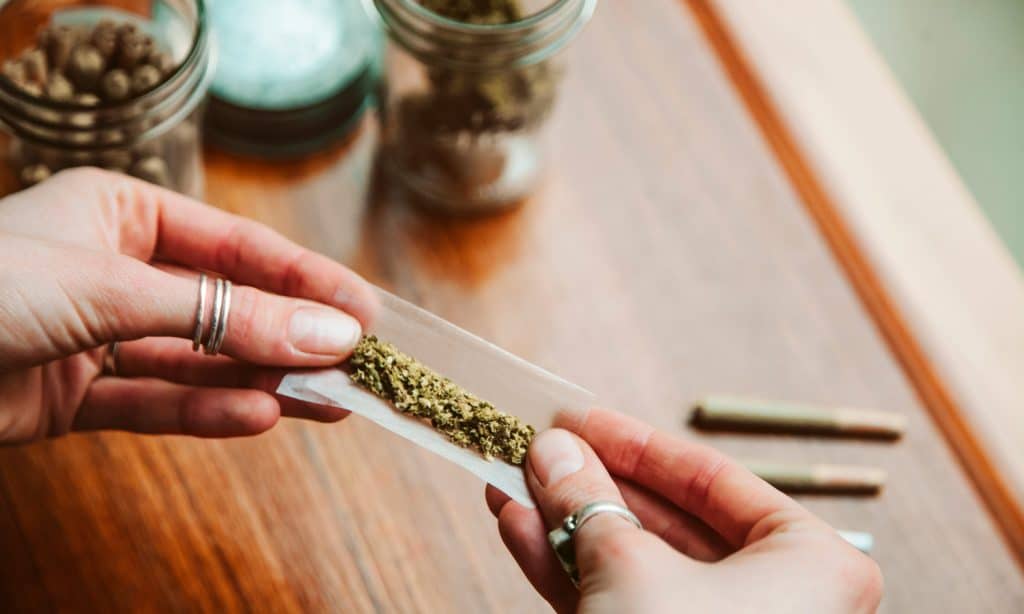
Joints, hand or machine-rolled cannabis cigarettes, are a part of both marijuana and broad culture. While cannabis joints are commonly consumed for their psychoactive effects, but a different type of cannabis joint provides the curative benefits of CBD without the THC high also exists.  Known as CBD or hemp joints, and sometimes called cigarettes (although they don’t contain tobacco), these products aren’t the most popular form of CBD delivery, but they do serve consumers looking for a joint-like smoke. Here are 5 things about CBD cigarettes you should know.

It’s going to smell like weed because it’s the same plant.

Hemp is cannabis sativa, as is the THC-containing marijuana. Varieties that have been cultivated to produce CBD-heavy buds that do not contain enough THC to produce an effect can be considered legal hemp. CBD smokes won’t get anyone high, but might garner some inquisitive sniffs and raised eyebrows in public.

CBD cigarettes are (usually) legal.

CBD joints filled with non-psychoactive hemp, are legal so long as the herb contained within meets the federal guidelines, primarily that it contains less than the 0.03% THC threshold.

RELATED: CBD-Hemp Cigarettes That Help Smokers Learn Healthier Habits

Cannabis Cigarettes
Photo by Barringtonhd/Getty Images

Hemp joints provide the same healing benefits as CBD.

Cigarettes made out of CBD-dominant cannabis provide the same functionality as other CBD preparations, such as pills, edibles, topicals, tinctures, and concentrates, although it might be one of the least efficient delivery methods, as is the case with THC.

Smoke from hemp cigarettes is not healthy.

Smoke from burning plant matter, including cannabis, contains carcinogens, although the risk of cancer from smoking a CBD joint is the same as that of a THC-containing cannabis joint.

celebs
Photo by Daniele Levis Pelusi via Unsplash

The health and wellbeing qualities of CBD makes it worthy of a spot in the rotation.

An occasional hemp joint full of CBD can provide a relaxing, pleasurable pause on life, especially when pain and inflammation relief is more pressing than a head buzz.

RELATED: The Effects Of Smoking Low-THC, High-CBD Cannabis

A hemp joint might not be for everyone, but pre-rolls with CBD-heavy legal buds are part of the varied cannabis market and available for the sore, sleepless or anxious tokers not looking to get high.

Canine Arthritis Is A Real Problem And Cannabis Could Help

More than 70 million dogs in America are currently diagnosed with osteoarthritis. It’s a painful condition, especially for dogs in their senior years. 

Cannabis isn’t just for humans. The active compounds in the plant are also showing promise in the lab when it comes to treating the pain associated with certain types of canine arthritis.

Although typically referred to as a single condition, arthritis is actually a category of more than 100 diseases and conditions that affect joints and their surrounding tissue. Pain and swelling, stiffness, and aching joints are common symptoms. There is no known cure, and it is not just something that affects humans.

More than 70 million dogs in America are currently diagnosed with osteoarthritis (OA). OA refers to a chronic form of joint inflammation that is the result of cartilage deterioration. It is a painful condition experienced by dogs, especially those in their senior years. 

Because there is no known cure for arthritis, mitigation of symptoms is often what veterinarians and pet owners aim to assist with. Treatment options for dogs are similar to humans, with a variety of NSAIDs, steroids and opiates at a doctor’s discretion to reduce joint pain.

dog
Photo by Antoine Beauvillain via tookapic

Each of these standard treatments carries its own risks including increased risk of heart attack, stroke, weakening of bones and even addiction.

And the pain is real. Dogs with OA can lose the ability to jump on beds, couches and other familiar sleeping spots. They can lose the ability to enjoy the long walks they once did and even have difficulty getting off of the floor in some cases. Pain and inflammation from OA can also affect their once restful sleep. 

A study published by BMC Veterinary Research investigated the presence of cannabis-like compounds in the arthritic knees of dogs undergoing surgery. Fluid was drawn from the arthritic knee and the opposing, unaffected knee and analyzed for compounds including AE (Anandamide) and 2-AG, two naturally occurring cannabinoids chemically similar to the compounds found in cannabis.

They found that the fluid collected from joints affected by OA “had significantly higher levels” of AEA and 2-AG. The body seemed to ramp up production of these and other chemicals in the affected joints, likely for therapeutic effect.

The importance of this finding is not lost on veterinarians like Dr. JoAnna Pendergrass, who writes for American Veterinarian and has written about this study.

“Studies like this provide more scientific insight into how cannabis works in the body,” she reminded us in a call. “This study lends support to do more research.” Dr. Pendergrass said that, in time, she would like to see, “how cannabis can help with seizures for dogs with epilepsy as well as other conditions experienced by horses, cats and other companion animals.” 

RELATED: How This Senior Dog Was Saved With Medical Marijuana

It’s a fair question and worth looking into since mammals and all vertebrate animals have an endocannabinoid system (ECS) that produces and utilizes cannabis-like compounds naturally. In fact, the authors of this research have already proposed larger studies to investigate the role of the endocannabinoid system for diseases in canines to discover more information that could help the whole of veterinary medicine.

Veterinarians are quick to warn pet owners to not be hasty when taking matters into their own hands. While safe, whole plant extracts like VET CBD are available for pets in markets like California, administering cannabis without veterinary guidance is not a good idea. Cannabis intoxication of your animal, while not likely to be fatal, can create a scary, anxiety-laden experience for an animal that didn’t ask to be high.

As Dr. Pendergrass reminded us, “while these compounds may be helpful, we need much more veterinary research before we can fully implement” cannabis into standard animal therapies.

Could Marijuana Legalization Have Stopped The Vaping Crisis?

If marijuana was regulated like tobacco and alcohol, the effects of the vaping illness would have been minimized.

According to the latest findings from the Centers for Disease Control and Prevention, vitamin E acetate is to blame for America’s vaping illness. The CDC found the chemical, used to dilute and extend THC vaping liquid products, in all 29 fluid samples provided by patients in 10 different states. The vaping disease has sickened more than 2,000 and killed 39, the federal agency’s records show.

But one lung doctor is declaring this all could have been avoided. In a passionate NBC News op-ed, Vin Gupta, assistant professor of pulmonary and critical care medicine at the University of Washington, wrote that marijuana legalization could have prevented the disease and remains the solution today.

RELATED: Legalizing Marijuana Seems To Lower Teen Interest In Weed

“I would argue that the current vaping epidemic that we’re experiencing right now may not have occurred, or the chances of it being such an epidemic may have been minimized, if marijuana was legalized at the federal level,” Gupta says in Now This video.

While Americans can recreationally use marijuana in 11 states and medically access it in 33 states, the substance is still a Schedule I drug in the federal government’s opinion. This inhibits the controlling agencies at the federal level, like the Food and Drug Administration, from properly regulating and testing products available for mass consumption. This allows bad operators in the black market, and at the legal level, to jeopardize American lives for a quick buck.

Some estimates state that vaping products account for 30% of all legal marijuana sales, although customers have stopped purchasing concentrates at the same rate since news of the outbreak. But the FDA hasn’t examined any of these products. Instead, some regulatory body should provide oversight akin to the alcohol and tobacco industries.

Judge Dismisses Federal Marijuana Lawsuit, Says Weed Can Be Beneficial
Photo by matt_benoit/Getty Images

“Other federal agencies, like the Alcohol and Tobacco Tax and Trade Bureau (TTB), exist to ensure compliance with a host of laws regulating advertising, product safety and voluntary recall of alcohol and tobacco products,” Gupta writes. “Placing marijuana under their jurisdiction would establish further safeguards on how these potentially damaging substances can be used.”

RELATED: Black Market Marijuana Is Poisoning Public Forests

Those within the cannabis industry agree with Gupta. One chief executive at Tilray, the Canadian pharmaceutical and cannabis company, noted that many vaping illness cases have been linked to products purchased from informal sources, either on the street or secondhand. That doesn’t happen in Canada, Tilray CEO Brendan Kennedy said.

“All the products that we produce in Canada and produce around the world are well tested by not only Health Canada, but regulators in other countries,” Kennedy told CNBC. “One could argue this vaping crisis could lead to more legalization.”

5 Animal Videos To Save Your Week: Nov. 11

This week’s animals include two golden retrievers doing very dumb things, a squirrel with an awesome hairstyle, and more!

There’s no better pick-me-up than the one you get when you see a clip of an animal acting silly, which is why we’ve compiled this weekly column. These short videos feature all sorts of animals and can provide that much needed mid-week rush of endorphins, anywhere at any time.

This week’s cute animal videos feature two golden retrievers doing very dumb things, some cats cuddling and looking unhappy, and a squirrel with an awesome hairstyle. Have a look!

The guiltiest

This guy could have just done a lot of things. He could have just eaten your shoe, he could have pooped on the couch. It’s all the same. His expression works for a lot of things which is why it’s so useful for memes.

RELATED: Dogs Of Instagram: American Pit Bull Terrier

https://www.instagram.com/p/B4xliwYFEbB/

Sleepy and tall

There are few things better or more annoying than a big dog with no spatial awareness. Like, it’s very annoying to have to share your space with such a large and hairy creature, but it’s also kind of amazing.

https://www.instagram.com/p/B4k853wF2E-/

A cat who perfectly fits inside the sink

Cats love to be snug. The smaller the space, the better, even if their heads have to move in uncomfortable positions because there’s no space for it.

https://www.instagram.com/p/B4xXNcvFwth/

Sonya the squirrel

Sonya is surely the most stylish squirrel you’ll ever see. I know the ears have something to do with her breed and that there are millions of squirrels who look just like her, but she’s still a style icon.

RELATED: 5 Animal Videos To Save Your Week: November 4

https://www.instagram.com/p/B4wNTHkq8PK/

Cuddling cats

While one cat looks wildly less enthused about this situation than the other, it’s still sitting there, accepting all that licking and looking at the camera as if asking for help.

https://www.instagram.com/p/B4zr_v6hK0O/

Don't Miss Your Weekly Dose of The Fresh Toast.

Stay informed with exclusive news briefs delivered directly to your inbox every Friday.

We respect your privacy. Unsubscribe anytime.