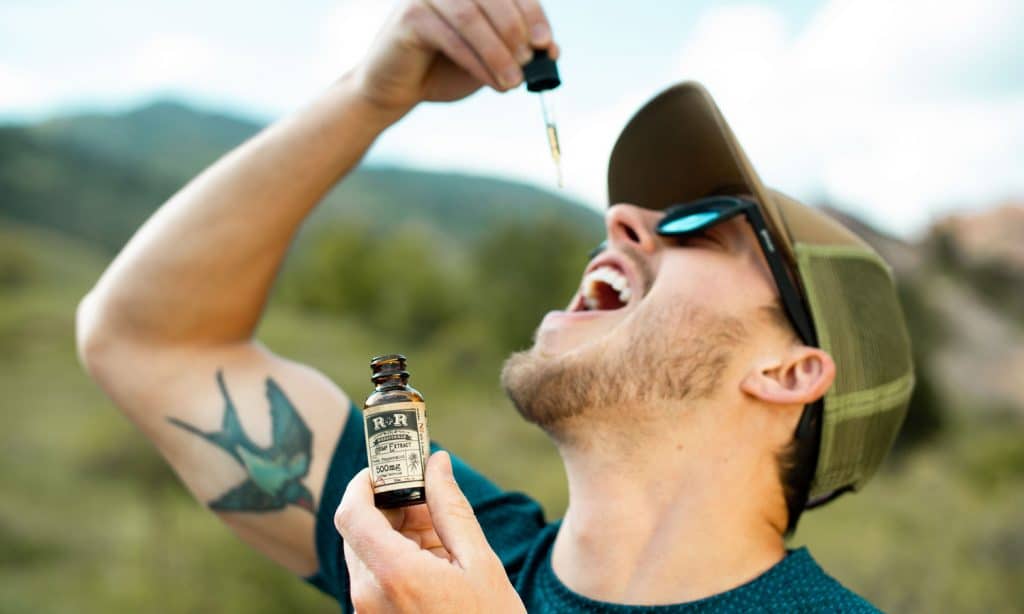
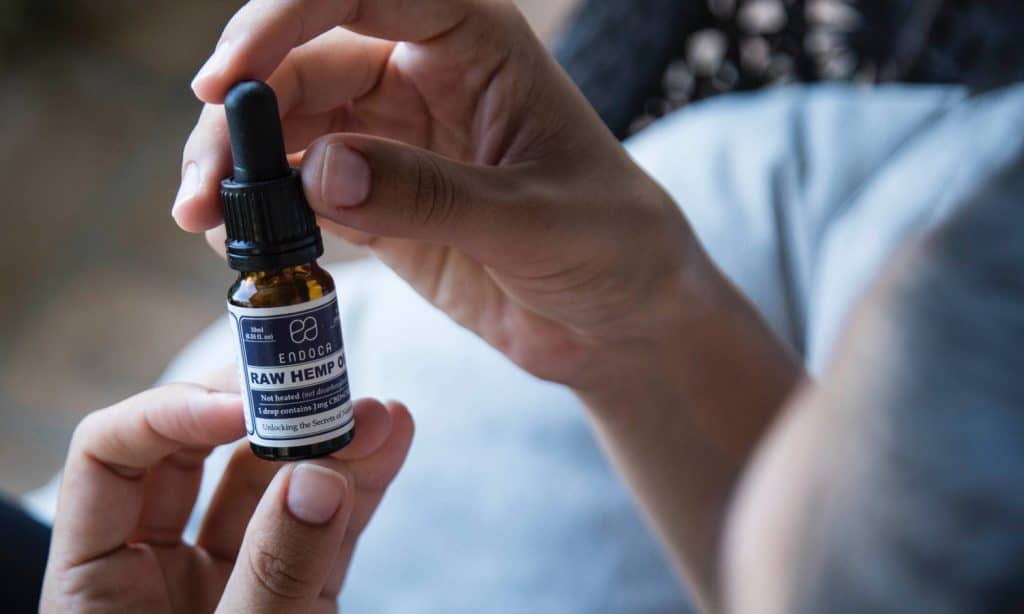
For most dogs, CBD appears to work best when dosed sublingually. This will get the CBD into the dog’s bloodstream quicker than a CBD infused dog treat.
During the rush of the holiday seasons, it’s easy to forget dogs can get agitated by the sights and sounds of the holiday season. As Jeremy Feldman, Co-Founder and Brand Director of Pet-Ness, observes, “Much like humans, dogs also suffer from mental conditions like depression, anxiety, and stress. The symptoms can become exacerbated during the holiday season.”
Like humans, dog brains automatically release an increased amount of adrenaline and cortisol as coping mechanisms when faced with stressful situations. Signs like persistent barking, chewing of furniture, aggression, and urinating indoors, could mean the pup may be overly stressed and in needs of extra help to cope with the added stimuli.
Andreana Pena, Founder of pet CBD brand Blooming Culture, points to the dangers of conventional treatment for dogs who exhibit these aforementioned behaviors. ”Some pet parents rely on anti-anxiety medications to slow down their pets nervous system, which can lead to some unwanted side effects and even a drugged like state.”
One solution Feldman finds for dealing with these symptoms lies within the dog’s endocannabinoid system. “Dogs have endocannabinoid receptors within its body called CB1 and CB2 receptors. These receptors regulate the release of cytokine (signaling proteins) that are a contributing factor for helping regulate mood disorders, such as depression. When dogs ingests CBD, it stimulates their CB1 and CB2 which give them the sensations of wellbeing and a calm state of mind.” Pena adds how CBD is a safe and non-toxic alternative to calming a dog naturally. “CBD creates homeostasis within their body and lessens their flight or fight mode.”
Photo by sarandy westfall via Unsplash
How to Properly Dose a Dog
According to Dr. Debra Kimless, Chief Medical Officer of Pure Green, there is no one size fits all method for administering CBD to a dog. “Every dog breed is different, and every dog within each breed is an individual and responses uniquely to medications.” Pet owners should start with a low dose of CBD, and then watch and see how the dog responds. “If the dog is still exhibiting signs of stress or anxiety, then administer a little more until the anxiety and stress behaviors are reduced or stop.”
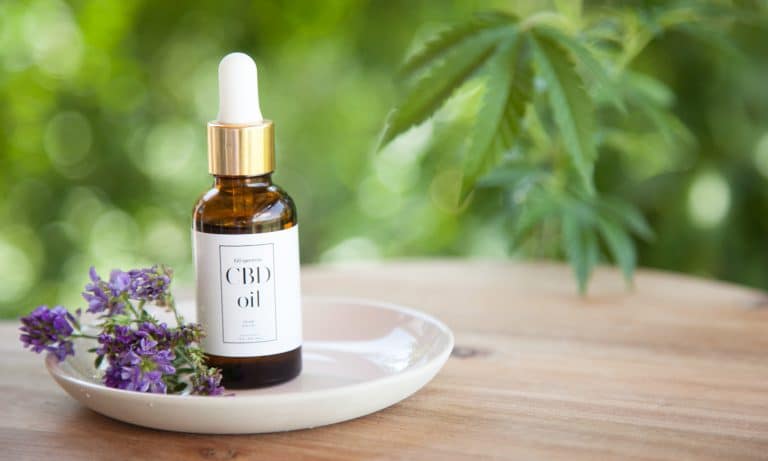
For most dog anxiety, CBD appears to work best when dosed sublingually, often in the form of CBD oil. This will get the CBD into the dog’s bloodstream quicker than a CBD infused dog treat.
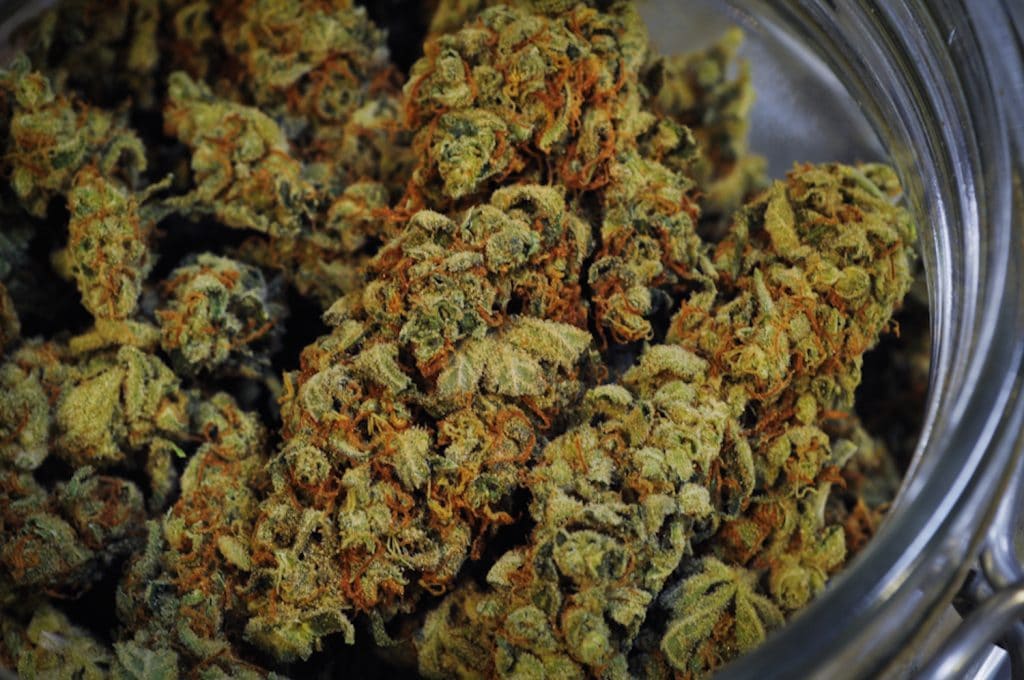
Steve Goldner, Founder and CEO of Pure Green suggests avoiding home extracted cannabis mixtures or tinctures as these products may contain THC. “THC is very toxic to dogs and since cannabis strain names are confusing or misleading, a person should NEVER let their dog ingest cannabis plant material.”
Dr. Kimless offers this apt reminder that one needs to be careful when selecting products the best products. “Because of the current lack of clarity about standards and safety I would advise to proceed with caution by purchasing CBD from only a reliable source. The CBD should come with a lab test analysis to prove that there is no THC in the product as well as other toxic contaminants like heavy metals or pesticides or microbials that could potentially sicken a dog.”
While Democrats have made it their mission to change federal marijuana laws since taking over the U.S. House in 2019, they have also unwittingly put the issue in jeopardy by trying to run President Trump out of office.
There are a couple of scenarios that might unfold in the next year that would allow marijuana to be legalized at the federal level. No, it’s not going to happen in the coming months, but there is a good chance we could see it in 2021. That’s the good news.
However, some punk politics are happening right now that could stop such a thing dead in its tracks. And sadly, it’s going to be the Democrats fault. Because while the party has made it its mission to change federal marijuana laws since taking over the U.S. House in 2019, they have also unwittingly put the issue in jeopardy by trying to run President Trump out of office. Yep. We could be in big trouble.
There are several seats up for grabs in the U.S. Senate next year. Depending on the political loyalty of the nation come November, it is conceivable the Democrats could win control of the upper chamber, putting the party in a position where it has total control of Congress. It goes without saying this would be good for marijuana.
Their first line of business would be to remove Mitch McConnell from his influential role as Senate Majority Leader. From there, the Democrats would rule Capitol Hill. Any piece of legislation the party would choose to pursue, including anything cannabis-related, would move through the House and Senate without issue.
In a perfect world, one where the U.S. voters hit the polls in November and elect a Democratic president, the marijuana issue would undoubtedly get the support it needs in 2021 to become recognized as a legitimate part of American commerce. All of the Democratic candidates, except for Joe Biden, have come out in support of ending federal marijuana prohibition. Some believe Biden might even change his tune if he happens to get the keys to the White House.
But there is also a damn good chance President Trump will snag the 2020 election and lead the nation for a second term.
Photo by Flickr user Hannah Rosen
Now, it is important to point out a Trump victory doesn’t necessarily ruin the prospect of weed going legal in 2021. Trump has indicated he is open to supporting cannabis legislation. He’s also big on state’s rights. He’s admitted prohibition (of anything) doesn’t work. “When you watch prohibition, when you look at the alcohol, you look at cigarettes, you look at it all, if you don’t give it to them, it’s going to come here illegally,” Trump said in a recent vaping meeting. “That’s the one problem I can’t seem to forget… you just have to look at the history of it.”
Unfortunately, Trump is never going to support marijuana legalization as long as it’s part of the Democratic agenda. Why? Because the party is now hellbent on getting the president impeached.
The party introduced a couple of articles of impeachment, suggesting Trump is a criminal for his communications with Ukraine. They also assert he is guilty of obstruction of justice and bad taste. Seriously, some Democratic lawmakers, like Representative Rashida Tlaib of Michigan, are trying to take this impeachment up a notch by nailing Trump for “abuse of power, especially the racist abuse of power, and some of the direct violations [of] the Constitution.”
Naturally, Trump is miffed about these charges. In a Twitter post that came hours before the articles of impeachment were released, Trump called the Democrat’s pursuits “sheer political madness.”
“To Impeach a President who has proven through results, including producing perhaps the strongest economy in our country’s history, to have one of the most successful presidencies ever, and most importantly, who has done NOTHING wrong, is sheer Political Madness!”
Trump’s nervous Tweets have not stopped since, which signals just how bothered he really is about this inquisition.
And what’s the end game here? At face value, this impeachment does nothing except brew more bad blood between Democrats and Trump. Furthermore, it seems unlikely that any of the charges are going to stick.
The Senate is already working on a plan to have Trump cleared should he be impeached. The upper chamber could vote to dismiss the articles of impeachment, resulting in an acquittal. This is what they are gunning for. Still, if push comes to shove, the Senate could simply employ a nuclear vote (51-vote procedural motion) to get the charges tossed out. Senator McConnell has indicated that he will only seek a motion to dismiss the case if he can get the 51 votes needed to do it. And he probably can. Republicans are thick as thieves on the Hill.
Photo by Richard Sharrocks/Getty Images
So, this means all of the noise surrounding the articles of impeachment might be for nothing.
But Trump is never going to forget it, no matter how it all shakes out. So in a scenario where the Democrats gain control of both the House and Senate in 2020 and finally get the chance to change the federal marijuana laws, they could find themselves completely helpless in getting it done.
It is doubtful Trump would sign any piece of legislation that slides across his desk that benefits the Democrats. Especially not now that they have done everything but drag him out on the White House lawn and flog him with a wet rubber hose. Sadly, we could see a time in 2021 when marijuana legalization is so close we can taste it, but it will go nowhere because of a grudge.
For men, we typically focus on prostate and testicular cancer, but we also have to consider the very dark side of depression and anxiety.
Here is a look at cannabis and depression in men. Let’s think about the role of a the male. A bearded man riding a 30-foot wave on a surfboard seems very macho, but the reality of being a man should also include taking care of the people you love. In order to do that properly, they need to be in their best physical and mental state. Men need to take care of themselves and in some cases need help in doing so.
Typically in November (aka “Movember”), we focus on prostate and testicular cancer, but we also have to consider the very dark side of depression and anxiety. And not just in November, but year round. As we settle into December and the burden of holidays and parties and expectations, it’s never a better time to reflect on this topic.
Men have many choices in addressing anxiety and depression. They can deny its existence or treat it with:
Some of these options can delay improvement or worsen the depression. Others may improve the symptoms and the depression itself. Some are done under the guidance of a health care provider and others are performed with self-medication/regulation.
Photo by AntonioGuillem/Getty Images
Previously cannabis was used primarily as a self-regulating medication without the help of outside guidance. The dosages were variable as were the responses. Medical marijuana allowed for greater study, however we still don’t have complete information regarding dosage, type of cannabis, percentage of improved patients and side effects. We do have a great amount of knowledge about the anecdotal improvement in PTSD. We need further studies to evaluate improvement, dosage and side effects.
We know in smaller dosage anxiety can be lessened and in larger doses it can worsen anxiety. But where is the cut off point? This probably differs for each person based upon physical size, type of chemical imbalance, and pharmacodynamics. Do we even know what chemical imbalance the cannabis treats? We need a fuller understanding of the pharmacokinetics of the types of cannabis and their interactions in order to determine dosage on a scientific, rather than anecdotal, basis. We have to make sure that there is quality control from company to company to make sure they are all selling equal medications or that we understand the differences.
Treating anxiety and depression is difficult and generally has a better success rate with a combination of psychotherapy. It is a difficult and slow processes because we are trying to unwrap old problems while the patient is given new issues on a daily basis. The medications, whether pharmaceuticals or cannabinoids, are absorbed at different rates with an effect within minutes to hours.
Since much of the treatment includes self-regulation of therapy, it can be difficult on a day-to-day basis to determine the correct dosage with all the variabilities of absorption, types of medications and outside influences.
Cannabis can improve the lives of those suffering from anxiety and depression. We need more clinical studies to determine how we can make this type of treatment more effective.
Many social media companies, like Facebook and Instagram, don’t even have a public term and condition or policy that states CBD advertisements are prohibited.
Last month, comedian Sacha Baron Cohen delivered a now widely shared keynote speech at an Anti Defamation League event in New York, in which he spared no harsh words for social media companies who he claims provide a platform for hate speech and the proliferation of fake news. In his speech, Cohen offered sharp criticisms for social media executives’ weak justifications for allowing this to occur, and offered suggestions on how to clean up the mess he claims they created. Cohen’s criticisms aren’t new: Facebook reportedly announced that it would not fact check political ads, and Twitter has reportedly not banned certain forms of hate speech because such bans would allegedly end up blocking some political accounts.
Given all of the misconduct that social media companies allegedly let fly under the radar (mostly on the excuse that doing anything about it would infringe free speech), it may shock many readers to learn where many social media companies actually draw a line in the sand: hemp-derived CBD advertisements.
For some reason, if you are a politician who wants to run attack ads on a competitor using completely fake information, you will probably be able to find some platform that allows you to do it, if you pay enough. But if you are a small business that sells a hemp CBD bath bomb, you run the risk of having your entire social media account deleted without any repercussion or remedy. This makes no sense.
Over the past few months, there have been many reports detailing how social media companies have banned user accounts for advertising CBD products (see here, for example). Many social media companies, like Facebook and Instagram (which is owned by Facebook), do not even have a public term and condition or policy that states that CBD advertisements are prohibited anywhere on their website. Apparently, Facebook’s bans have been justified by language on its website that says: “Ads must not promote the sale or use of unsafe supplements, as determined by Facebook in its sole discretion.” But right below that language, the policy lists a series of examples, and does not include CBD, which Facebook could easily include to promote transparency. Nevertheless, according to many articles published this year, many small businesses have lost their accounts for advertising CBD products.
Photo by LoboStudioHamburg via Pixabay
Despite that Facebook doesn’t publish any terms or conditions relative to CBD, according to the Verge, Facebook’s ban is really meant to target ingestible products. According to Digiday, Facebook apparently won’t ban advertisements regarding topical hemp products. When the Digiday post came out, I attempted to verify whether Facebook had published any information that would give CBD advertisers guidance on what they can and cannot publish, but from what I can tell, the Facebook terms have not changed. All that we have are a few statements from various third-party journalists who are not affiliated with Facebook or other social media companies, and whose statements are not binding on the social media companies. Nothing is stopping Facebook from continuing to ban people who advertise any kind of CBD products.
For any small business that sells CBD products, reliance on these posts can be dangerous. Any small business owner knows that getting social media followers takes time, and often, lots of money. With the potential to have an account shut down, and to lose all the good will associated with that account, social media advertising can be a serious gamble for many businesses. There is no clear appeal right for these denials and the idea of taking a social media giant to court (or forced arbitration) is just unfathomable for almost any small business.
Of course, there are some exceptions to this rule. Twitter, for example, has express (though overly restrictive) rules regarding CBD advertising in the United States, which I’ve copied below:
We permit approved CBD topical advertisers to target the United States, subject to the following restrictions:
Advertisers must be licensed by the appropriate authorities and pre-authorized by Twitter
Advertisers may only promote non-ingestible, legally derived CBD topical products
Advertisers may only target jurisdictions in which they are licensed to promote these products or services online
Advertisers may not target Georgia, Idaho, Iowa, Mississippi, Missouri, Nebraska, Oklahoma, South Dakota, and Virginia
Advertisers are responsible for complying with all laws and regulations
Advertisers may not target users under the age of 21
Contact Twitter if you are interested in this option.
There is no clear appeal right for these denials and the idea of taking a social media giant to court (or forced arbitration) is just unfathomable for almost any small business.These are extremely restrictive and paternalistic regulations. Ironically, Twitter’s advertising policy places more restrictions on CBD advertisers than many states do on CBD companies. These terms are so broad that it is likely that many companies currently advertising CBD on Twitter are not in compliance with them, and are therefore risking their accounts.
All of this is compounded by the fact that many CBD companies may not use their own accounts for CBD advertisements and instead use brand ambassadors or influencers to advertise for them. Earlier this year, I wrote about many of the dangers that can come with using social media influencers to advertise cannabis products, but a lot of those risks are the same for hemp-derived CBD advertisements. There are strict Federal Trade Commission (“FTC”) guidelines covering what endorsers can and can’t say and requiring them to disclose the fact that they are paid for their endorsements in the advertisements, which raise three distinct problems for CBD companies.
First, brand ambassadors or influencers can’t do things that an actual CBD company can’t do. The FTC has played a fairly active role in sending warning letters with the Food and Drug Administration (“FDA”) to companies that the two agencies believe are engaged in unlawful advertising online. As the FTC recently told Vice, companies can be held accountable for any unsubstantiated claims made by influencers on the companies’ behalf (and obviously, so can the influencers). But when it comes to social media companies, it is irrelevant who is making a prohibited advertisement. Whoever violates a social media company’s policies (apparently even the undisclosed ones) risks being banned.
Photo by rawpixel.com
Second, if an influencer is banned after making claims paid for by a CBD company, this will likely lead to disputes. Like small businesses, influencers work very hard to build followers. If they lose accounts based on ads requested by companies, that is like losing business. They may sue the CBD companies for some kind of compensation. It is critical for CBD companies who are willing to risk advertising on social media to have actual contracts with their advertisers.
Finally, CBD companies cannot use influencers to hide the fact that they are advertising. I have heard many times that some social media companies won’t take action against people for just discussing CBD products (though I have never been able to verify that claim since social media companies generally do not publish anything in their terms and conditions on CBD). If that claim is true, it may seem advantageous to just pay an influencer to say things about a company’s CBD products that the company would be prohibited from advertising itself. This is flatly prohibited under FTC rules. Any paid relationship must be prominently disclosed. In fact, earlier this year, the FTC released guidelines for social media influencers to help them make the proper disclosures. This follows on the heels of earlier FTC guidance that is highly particularized, for example:
“When people view Instagram streams on most smartphones, longer descriptions (currently more than two lines) are truncated, with only the beginning lines displayed. To see the rest, you have to click ‘more.’ If an Instagram post makes an endorsement through the picture or the beginning lines of the description, any required disclosure should be presented without having to click ‘more.’”
The point is, there is no hiding the ball when it comes to influencer advertising. Companies have to be honest, and this can lead to trouble for them if they don’t follow the rules.
One area where there are actually clear rules is cannabis. Facebook and Instagram, for example, ban cannabis advertisements. These bans actually make sense given that federal law still prohibits cannabis, and because the bans are actually published on viewable terms and conditions for people to comply with.
Social media companies have largely remained outside the scope of federal regulations to date, though that may change in the future. From their standpoint, it makes sense to ban a product that is still classified as a Schedule I narcotic. But hemp-derived CBD is not a Schedule I narcotic. The only real federal policy on point is the policy of the FDA, which only claims that a few classes of CBD goods are prohibited.
Notwithstanding that the FDA has publicly acknowledged that there may be a regulatory pathway to marketing certain products containing Hemp CBD, such as cosmetics, some social media companies have apparently taken it upon themselves to step into the shoes of regulators and ban all kinds of hemp-derived CBD products. Though that has allegedly changed recently, as noted above, many social media companies have yet to publish formal guidance here, though they certainly can. One thing is clear, unfortunately: those whose accounts were banned may never get them back, even if social media companies do change their positions.
My advice to social media companies is to make a choice: step out of the shoes of the government and let people advertise products that are not unlawful, or ban whatever you decide to ban but make clear what the rules are.
The point of all of this is that when it comes to CBD advertising, things are very unclear. Social media companies are apparently dead set on allowing all kinds of posts and advertisements that many people find reprehensible. But when it comes to advertising CBD bath bombs, you better be prepared to bet your business’ account.
With greater access to cannabis this holiday season, some might want to avoid the hangovers, while still being a little naughty with a bit of herb.
The end of the year means lots of eating, drinking, and merriment, but all that jolly fun can take a toll, especially the drinking bit. With greater access to cannabis this holiday season, some might want to avoid the hangovers, while still being a little naughty with a bit of herb.
Smoking marijuana is often too conspicuous, and edibles, while more discreet, can be difficult to dose — not to mention can take hours to metabolize. Who wants to wait that long for a buzz to kick in? Thanks to several cannabis innovators developing new forms of marijuana delivery, new products on the market purport to address some of the shortfalls of traditional edibles.
A popular way to make ingestible cannabis more fast-acting is to find a quicker route to the body’s endocannabinoid receptors than the usual digestive system and liver. One way to do this is through liquid, which allows compounds to enter the bloodstream faster, without the need for the digestion required of traditional edibles, like brownies. Ready-to-drink (RTD) infused products can produce an onset time similar to a beer, a fact not lost on some, as alcohol-free beer infused with cannabinoids are available in states such as California.
Photo by Natasha Kapur via Unsplash
Another development in cannabis edibles showing promise is molecular encapsulation, which envelops the active marijuana compounds into small, discrete packages designed to easily pass through the body’s membranes and attach onto cannabinoid receptors. By acting quickly, even at doses as low 5mg, effects are felt within minutes and dissipate sooner than a traditional edible, allowing for measured re-dosing until one calls it a night. This allows for a more measured and controlled high, ending the waiting game and the guesswork of eating enough of a pot brownie hours ahead of time.
Sadly, these kinds of next-generation highs are mostly found in states where medical and recreational marijuana are available; an open marketplace invites invention and competition, as well as capital investment into novel approaches and product differentiation on a level unreachable by most friendly neighborhood black market pot dealers.
If 2020 is as promising for marijuana legalization as it’s shaping up to be, more of us may be able to imbibe in these kinds of edibles by the time the next holiday season is upon us!
Studies show that adopting these healthy habits can increase your odds of living longer and having better health.
Working out and eating healthy sounds good in theory, but in practice, it can get complicated. What does healthy entail and how many days a week are you supposed to work out before you quit because you had a dinner with friends or life got too complicated?
Popular Science compiled a list of habits supported by scientific evidence that everyone should follow if they want to live a healthier and longer life. Here are some of our favorites.
Maintaining a healthy body mass index
Your BMI is the number that compares your height and your weight and that indicates your level of body fat. In order to get your BMI, divide your weight by your height squared. Or use a BMI calculator online, which does all the math for you.
While BMI is relative to each person (it doesn’t account for muscle mass or body type), doctors use it to get a rough estimate of someone’s body fat. Studies found that people with BMIs of 18.5 — 22.9 have a higher chance of living longer than underweight or overweight people.
Work out every day
While working out every day sounds a little extreme, studies say that people who do this have a lower risk of developing some diseases, which usually leads to a longer lifespan. A daily workout can be as simple as walking vigorously for 30 minutes. Cardiovascular exercise prevents heart conditions, creates new heart cells, increases bone health, improves your mood and so much more. You know all of this, just do it.
Eat a high-quality diet
For one study, researchers dissected the food ingested by participants into its components. After breaking down the parts that make up the meal, participants were given points (on a 1—10 scale) depending on how close they adhered to the recommended servings of fruit, vegetables, whole grains, etc. Those who scored in the top 40% were deemed healthy eaters. The study concluded what we already knew, that poor diets result in poor blood pressure, overweight bodies, and high cholesterol levels.
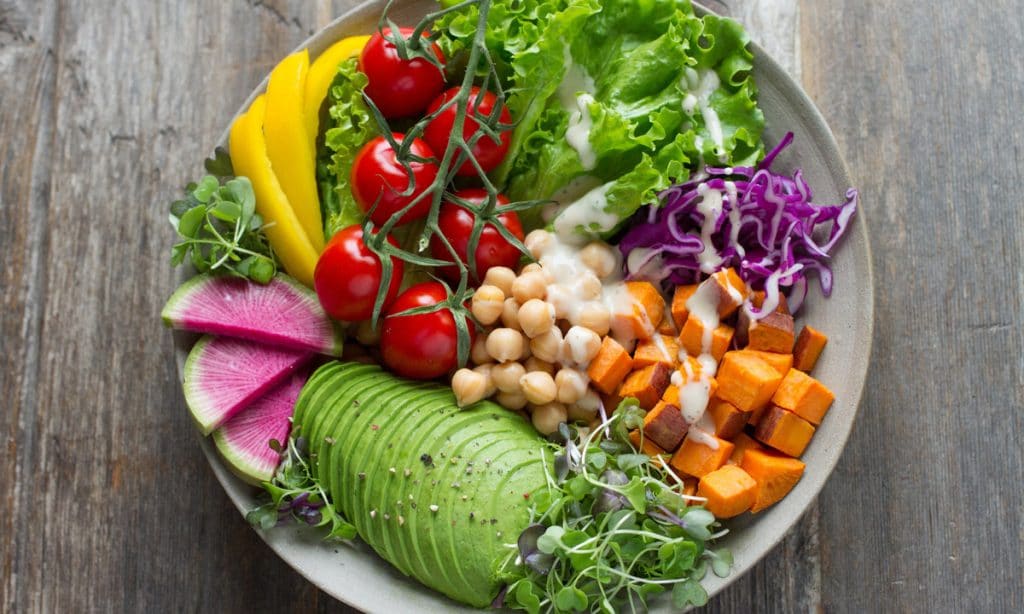
It’s best to follow a reasonable diet that you can stick to — one that allows for occasional breaks and indulgences — than trying to follow a strict diet that makes you unhappy and stresses you out. The diet that has provided the best documented results is the Mediterranean diet, which puts a heavy focus on fruits, veggies, and unprocessed foods. Imagine that.
Take it easy with the alcohol
While research on this topic is limited and somewhat confusing, moderate drinkers have a better chance of living longer than heavy drinkers. The researchers defined moderate drinkers as those who consume 15 grams of alcohol a day for women and 30 grams a day for men. Whatever that amounts to is probably not a proper drink.
Don’t smoke
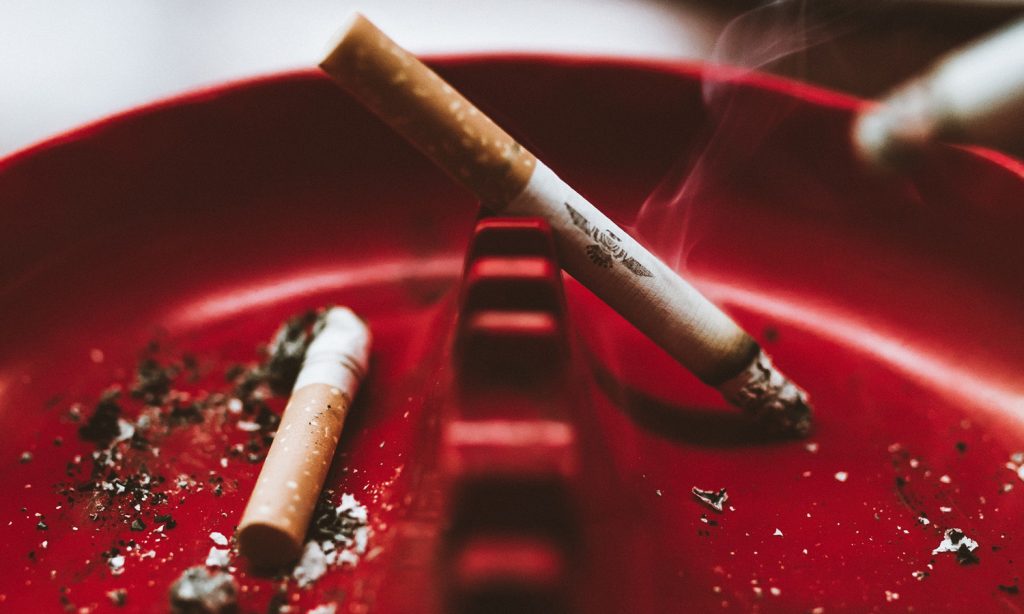
Copious amounts of evidence show that smoking is bad for your health, increasing the risk of developing cancer, lung disease and heart conditions. But you already knew all of that, right? Every piece of research points to these dire results. In fact, a decrease in smoking is one of the reasons why the average American lives longer now than they did 50 years ago. Put that in your pipe.
A bit of CBD self-care can calm you down and give you a clearer state of mind so you can start your week off on a more grounded note.
Each Sunday afternoon, it happens without fail: You are having a perfectly lovely weekend until you start to think about going back to work the next day. And it doesn’t matter whether you like your job or hate it, you may start to feel anxious or a sense of dread taking over your Sundays. The Sunday Scaries are real. Monday are the day of the week most call in sick. Part of the issue is people are stressed about the thought of going back to school or work for the week. This is especially true for Gen Z. To help, here are 4 ways CBD can help you overcome the Sunday Scaries.
A bit of CBD self-care can calm you down and give you a clearer state of mind. Thanks to the relaxing effects of CBD, you can start your week off on a more grounded note.
Stay calm
Photo by Eli DeFaria via Unpslash
CBD (cannabidiol) may help calm you by interacting with the receptors of the brain, potentially influencing mood and anxiety levels, although more research is needed to fully understand the mechanisms. Some studies suggest that CBD may have anxiolytic (anxiety-reducing) properties, possibly by influencing these receptors and neurotransmitters. CBD may indirectly increase the levels of anandamide, another endocannabinoid, which can also contribute to anxiolytic effects. Consider having some CBD in an edible, a tea or a beverage as you listen to music or just relax.
To help feel more tranquil, light some CBD-infused incense. The smell will calm you more and allow you to focus. A lot of anxiety disorders often stem from not knowing what’s ahead, so start to write out a list of what you want to accomplish this week (personal or professional-wise.) If that stresses you out, you can alternatively think about a project you are looking forward to or a fun social event you are attending this week.
If you’re feeling stressed, you may start to notice more tightness and knots in your upper back, shoulders, or other parts of your body, too. (That’s where you are holding all your tension.) Draw yourself a warm bath and add in CBD bath salts. As you soak, your knots will release and you’ll feel the tension go somewhere far away.
Rest easy
Photo by Shopify via Burst
You may feel especially stressed as you try to fall asleep on Sundays. Or if you’re really anxious, start to even have nightmares about work. If you want to rest easy on these nights, try a few drops of CBD oil with lavender. (Lavender is known to help you sleep calmly and smells nice, too.) Or if you need more help falling asleep, a CBD sleep aid may do the trick.
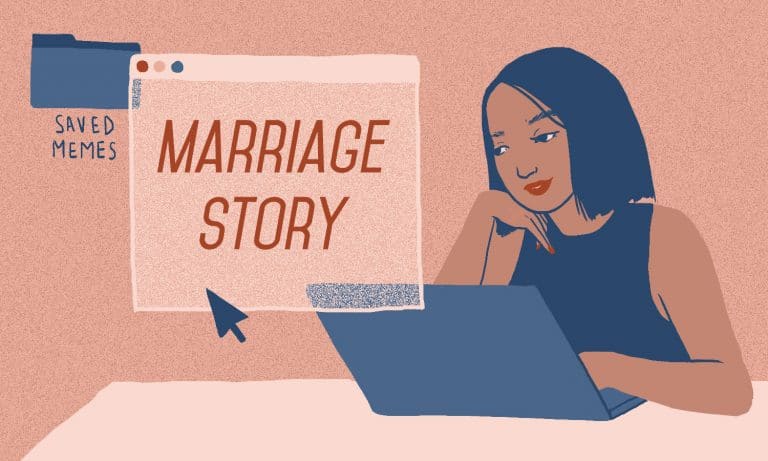
This week’s meme is inspired by the Netflix movie Marriage Story, which has resonated with hundreds of people.
“Marriage Story” is a great movie and a possible Oscar winner, but it’s still a total downer. Telling the story of a couple’s damaging divorce and their fight for custody of their young son, it’s a movie that manages to be comedic and heartbreaking, yet it’s not the kind of content you’d expect to go viral on Twitter. Thanks to Netflix and its wide reach, that’s exactly what’s happened, with people adding creative twists to one of the film’s most memorable scenes.
The scene in question is one of the most pivotal scenes of the movie (and a total Spoiler Alert). In it, protagonists Adam Driver and Scarlett Johansson scream at each other over typical divorce things. Driver punches a hole in a wall, and it’s all very intense and meme-able.
Among the references made for the “Marriage Story” meme are polemic topics such as Woody Allen and Lena Dunham, the “Star Wars” movies, Juicy Couture sweatpants and more. Check out some of the funniest replies we found on Twitter:
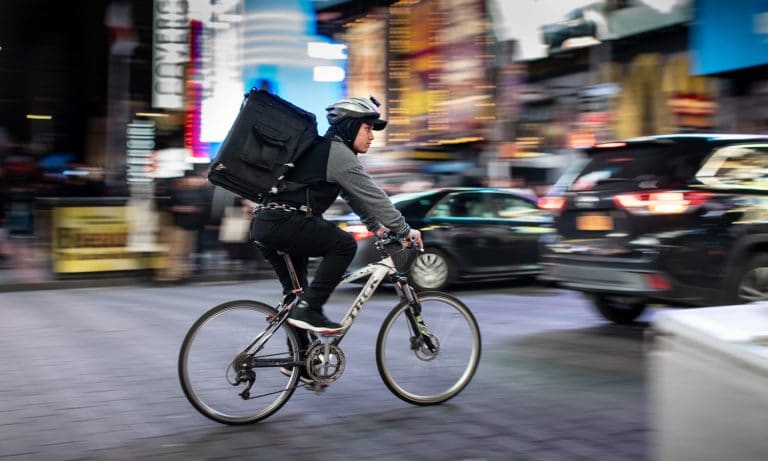
Massachusetts is the only state that demands marijuana delivery drivers wear body cameras when making a drop.
With our love of delivery and being able to purchase anything from the comfort of our couch, it was only a matter of time before marijuana home delivery became a topic worth discussing.
Recreational marijuana is legal in 11 states, with variations between the laws in each one. Some of these states allow for marijuana home delivery, including those with the biggest marijuana markets, such as Nevada, California and Oregon. Home delivery has stirred some predictable issues, with some California residents criticizing the fact that marijuana can be delivered to neighborhoods and areas where the drug was banned.
Massachusetts, however, has taken a different approach, enforcing the use of bodycams on drivers whenever they have to make a delivery. These types of cameras are the ones normally used by policemen.
The rule, submitted in November, requires that transactions and customers be filmed, giving law enforcers access to the recordings if there’s a robbery or a felony committed.
“That footage would be protected. It could only be accessed by a court order or a search warrant or through a constitutionally valid search procedure,” explained commissioner Shaleen Title.
Dank Depot/Flickr
In order to comply with the rule, delivery drivers must turn on their cameras when they are out of the vehicle and the recording must be held by the company who made the product for a period of 30 days.
The use of bodycams was criticized by the cannabis industry, which explained that the measure is expensive, invasive and completely unnecessary. Alcohol deliveries don’t require drivers to wear body cameras. If recreational marijuana is legal, why is there such a fuss about the possible mishandling of a marijuana package?
We’ve put together a list of tips for newcomers to empower you with the necessary knowledge to make an informed decision when buying CBD.
Perhaps you first heard about cannabidiol (CBD) from a friend, the news, or even an influencer on Instagram. CBD has become a hot new product in a booming industry for its ability to potentially relieve pain, inflammation, anxiety and more. What separates CBD from its counterpart THC is that CBD is non-psychoactive and will not get you “high”.
Think you’re ready to give CBD a shot and purchase some? This task in itself can be very confusing for shoppers. We’ve put together a list of tips for newcomers to empower you with the necessary knowledge to make an informed decision when buying CBD — and avoid being taken advantage of. Here is your beginner’s guide to buying CBD.
Differentiating Hemp CBD or Cannabis CBD with THC
These two terms may seem interchangeable, but they represent very different things – especially when it comes to CBD products.
People cultivate industrial (a.k.a. agricultural) hemp around the world (and it’s just become legal to grow in the US for the first time in many years) for numerous uses such as textiles, ropes, building materials, bio-fuel, food, and more.
Industrial hemp often grows to be over six feet tall, has few flowers (and they are usually quite small, when present), and contains virtually zero THC (the active alkaloid in cannabis that causes users to get ‘high’), and only small amounts of CBD. Due to the lack of THC, abundant supply, and legality in many parts of the world, industrial hemp is the most common source for CBD products.
People most often cultivate cannabis for its high THC content, and these plants are usually much shorter and bushier, with an abundance of the prized flowers that contain most of the THC, terpenes (aroma molecules, like pinene), and other cannabinoids (such as CBG, CBN, CBC, and CBDv).
Photo by R+R Medicinals via Unsplash
People have bred cannabis over many generations to favor strains that produce as much THC as possible – but that trend is changing in recent years. Many cultivars now exist (such as Charlotte’s Web or Harle-Tsu) that have CBD as the dominant cannabinoid, but there remain measurable quantities of THC, making high-CBD cannabis a no-go for people who need to avoid THC entirely (for drug tests or similar reasons).
In summary, CBD products sourced from industrial hemp contain a smaller variety of cannabinoids, and little to no terpenes – yet are almost always safe for those needing CBD without the risk of failing a drug test. CBD products sourced from high-CBD cannabis contain abundant terpenes and a broad spectrum of cannabinoids (greatly enhancing their therapeutic potential) but are risky for people looking to avoid THC completely.
Buy Full-Spectrum CBD Over CBD Isolate
You’ll often notice when shopping for CBD there’s two options: CBD isolate or full-spectrum. When buying CBD, always look for a full-spectrum product over an isolate if at all possible. CBD isolate is just that – CBD and nothing else. CBD isolate has a very narrow dosage window that offers therapeutic benefits – and even then the benefits are limited.
Truly full-spectrum CBD products contain a blend of cannabinoids, like CBD, CBG, CBN, CBC. CBDv, THCv, and more. These lesser-known cannabinoids each have conditions for which they offer superior relief over their counterparts.
The magic of full-spectrum CBD lies in the ‘entourage effect,’ a term used to illustrate the fact that when ingesting a synergistic blend of more than one cannabinoid, 1 + 1 = 3. Think of it as either taking a Vitamin C pill or eating an orange. Mother nature has deep, mysterious intelligence that she conveys to the user in full-spectrum CBD products.
Be wary, though. Many companies advertise their products as full-spectrum when they are not. The only way to know for sure is to check the company’s Certificates of Analysis (CoA). These are documents that verify a vendor has completed laboratory testing on their products and should give a breakdown of each cannabinoid present in their product – and in what amounts. Two to three (or more ideally more) cannabinoids and you’ve got yourself an authentic full-spectrum CBD product.
Photo by Demi Pradolin via Unsplash
A bonus of CoA’s is the ability to see if they’ve tested for common contaminants such as heavy metals, pesticides/herbicides, microbials (such as mold), and residual solvents. This part of the CoA is especially crucial to look for on products that either don’t mention their plant sourcing, or state that their hemp comes from a toxic region such as China or India – and less of a concern when a vendor utilizes organic, US grown hemp or cannabis.
Determine the Route of Administration That’s Best for You
CBD products come in all shapes and sizes, from gummies and tinctures to lotions and bath bombs. Assessing your reasons for wanting to use CBD is vital in picking the type of product that’s best for you.
CBD products can be split into three main categories: edibles, inhalables, and topicals.
Inhalables (such as vape pens or concentrates, such as CBD wax) are most suited for those who need immediate relief throughout the day, such as with anxiety or breakthrough pain. Inhalable CBD enters the bloodstream immediately via the lungs, and beneficial effects last for about an hour.
Topicals (such as transdermal patches or CBD-infused body care products) work for a variety of situations. Transdermal patches are discreet, continuously deliver CBD into the bloodstream for over 24 hours and offer a ‘set and forget’ method of dosing. Body care products are good for the casual user who wants to add CBD to their daily self-care routine, or for those seeking relief with a variety of skin maladies.
Edibles are great for those seeking long-lasting and on-the-go relief. CBD-infused gummies, tinctures, and capsules can be taken on trips or to work without drawing attention to yourself. If you’re sensitive to the taste of hemp oil or want to avoid sugary products, go with CBD capsules. Edible CBD generally takes between 30-60 minutes to begin working and offers relief for up to five or six hours.
Understand the Importance of Finding the Proper Dosage
While the research on proper dosages for various conditions remains in its infancy, there is still an abundance of information online giving recommendations for a wide variety of illnesses, whether it’s Huntington’s, IBS, multiple sclerosis, chronic pain, sleep disorders, anxiety, or high blood pressure.
Many research papers exist for the sole purpose of finding the best dosage for each condition, so our recommendation to you is to type in the situation you wish to treat with CBD alongside a search term such as ‘best dosage NCBI’ (NCBI offers an extensive collection of published scientific research) and see what you can dig up.
More is not always better with CBD. For example, many users find a low dose of CBD to be stimulating, while a higher dose tends to be sedating.
Photo by MysteryShot/Getty Images
If you cannot find any relevant information, it’s best to start low and slow. Many people new to CBD proceed cautiously by taking as little as one to three milligrams once or twice a day, but experts in the industry generally recommend a starting point of 25mg taken twice a day. Maintain this dosage for three weeks before increasing or decreasing, as CBD takes time to build up in the body, and a little patience will go a long way in helping you find your sweet spot.
Doing a little research on how much CBD you plan on taking will also help you decide which product to buy, as you may require something very potent – or perhaps not so much.
We wish you the best on your journey to buying your first CBD product, and as always consult with your healthcare provider before embarking on any natural products regimen!