Friday, June 19, 2026
Home Blog Page 622

Is Hemp-CBD Pet Foods Legal?

While there are many hemp-CBD pet products on the U.S. market, here’s a brief overview of the regulatory framework surrounding hemp-CBD pet foods.

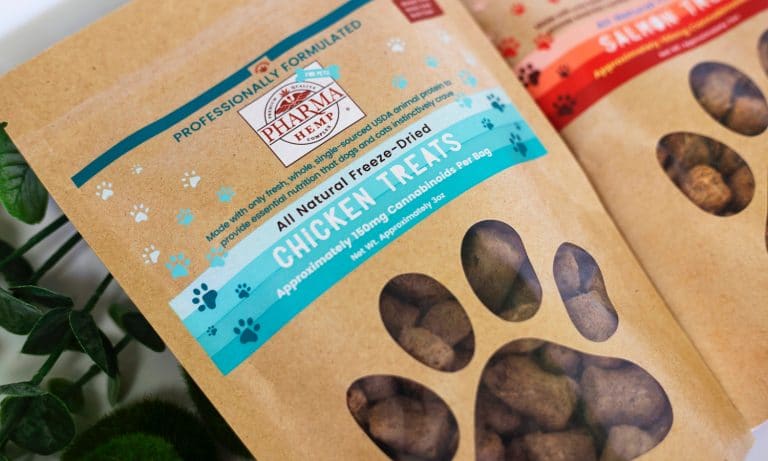
According to recent reporting, pet industry spending is expected to reach $96 billion by 2020 with CBD as one of its fastest growing sections. Following the enactment of the Agricultural Improvement Act of 2018 (“2018 Farm Bill”), there has been a huge interest in the use of hemp-derived cannabidiol (“Hemp-CBD”) for our furry friends. Yet, public demand for Hemp-CBD pet products may be pushing the market ahead regardless of legal requirements. But is hemp-CBD pet foods legal?

While there are many Hemp-CBD pet products on the U.S. market, this blog post provides a brief overview of the regulatory framework surrounding Hemp-CBD pet foods.

FEDERAL POLICIES

Hours following the passage of the 2018 Farm Bill, Scott Gottlieb issued a statement in which the then-FDA Commission clarified that the federal legalization of the crop did not strip the agency of its regulatory authority over products containing hemp and its derived compounds, including Hemp-CBD pet foods.

Waking up to this every morning would surely give you more will to live. Unsplash/jonathan daniels, CC BY-SA

Pursuant to Sections 301(ll) and 201(ff)(3)(B) of the Food, Drug and Cosmetic Act (“FD&CA”), food cannot contain an ingredient also found in an approved drug. Because the FDA approved CBD as an active ingredient in Epidiolex, a drug used in the treatment of epilepsy, for which substantial clinical investigations have been instituted, the FDA posits that it is unlawful to use CBD as an active ingredient in human and pet foods.

There is an exception to this rule if the substance was “marketed as” a conventional food before the new drug investigations were authorized; however, based on available evidence, FDA has concluded that this is not the case for CBD. Consequently, the sale and marketing of Hemp-CBD pet foods currently violates FDA policies.

The FDA has limited its enforcement actions against Hemp-CBD products for pets by issuing warning letters to companies that have been making unsubstantiated, egregious claims about the therapeutic value of their products. Therefore, if a company decides to enter the Hemp-CBD pet market regardless of FDA policy, it should, at a minimum, refrain from making any health claims.

STATE LAWS

Although the FDA prohibits the sale and marketing of Hemp-CBD pet foods in interstate commerce, several states have enacted legislation that expressly legalized the sale of these products. Oregon, for example, authorizes the manufacture, distribution and sale of Hemp-CBD pet foods, which are limited to “dog and cat” foods containing no more than 0.3 percent total THC. In addition, Hemp-CBD pet foods manufactured, sold and marketed in the Beaver State must meet other testing requirements imposed by the Oregon Health Authority, including but not limited to microbiological contaminants.

RELATED: The Truth About CBD For Your Pets

Other states have not taken a position on the sale of these products, rendering these products illegal at worse and unregulated at best.

So similarly to Hemp-CBD human foods, Hemp-CBD pet foods cannot lawfully be sold throughout the United States. As such, manufacturers, distributors and retailers of Hemp-CBD pet foods should consult with regulatory attorneys to understand and mitigate the risk of enforcement action by the FDA as well as state and local enforcement groups that prohibit the sale of these products.

For more information on this issue, please contact our hemp regulatory team.
This article originally appeared on Canna Law Blog.

Cannabis Capsules Are Not Your Mother’s Marinol

Because Marinol is the synthetic form of THC, it comes with a host of side effects not normally associated with full plant cannabis.

Even if weed were to be legalized nationwide tomorrow, there will always be times when smoking — and even vaping — are not appropriate. For patients with respiratory conditions, smoking may not even be an option and edibles may be too filling. All excuses to use THC pills aside, they definitely have their place at the cannabis table, much more so than the synthetic Marinol.

Marinol was and remains a THC pill given to cancer, HIV/AIDs and other patients with wasting syndrome. Unfortunately, because it is the synthetic form of THC alone, it comes with a host of side effects not normally associated with full plant cannabis. And that includes, sadly and ironically, nausea and stomach pain.

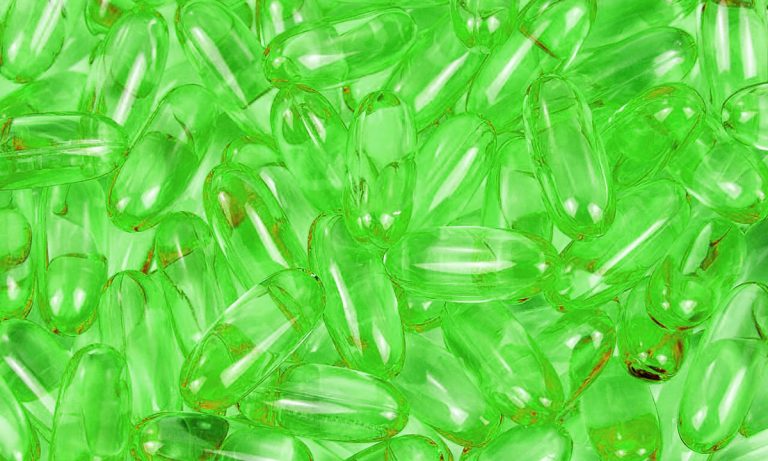
Now when you visit your local dispensary, cannabis capsules are everywhere. Full spectrum, CBD, high THC and other variations on the themes of cannabinoids. While some CBD oils may be made with CBD isolate, which has its merits, the full plant version of the pill has an entourage effect that relieves more symptoms.

RELATED: Federal Study Aims To Learn More About Marijuana And Weight Loss

There are a few things to be aware of, however, such as the carrier oil and cannabinoids will be processed through your liver — a much different experience than smoking cannabis. It still gets you lifted, that’s for certain, but it also has additional medicinal properties, like a full body high and increased munchies, and lasts longer than traditional smoking or vaping.

Photo by Maren Caruso/Getty Images

If you don’t live near a dispensary or don’t have a caregiver, making your own capsules is a fairly easy process. Take an amount of cannabis that you would normally ingest in one sitting, multiply it by the amount of capsules you want to make, grind up the bud and proceed to the very important step of decarboxylation.

To decarboxylate your weed, simply spread it across the bottom of a baking pan and set the oven to 225℉. Put the pot pan in the oven and let it bake for around 45 minutes. Once your THC has been made active in this manner, you’re ready to add the oil. Grind the weed up fine and cover it with coconut oil in a crockpot. Stir it up. After 4 hours and 20 minutes, cool the liquid and start inserting gel caps with the magical oil using an oral syringe.

Store your ultimate chill pills in the fridge and take when needed. A perfect method is to smoke or vape prior to or right after taking the capsules. You’ll slip right from one high to another. Just remember to start with one pill, wait an hour, and see where your body and mind have landed before taking another.

How Silicon Valley Is Helping Overturn Marijuana Convictions

Marijuana expungement is an often laborious, bureaucratic process, but algorithms have eased the process.

Following marijuana legalization, states and cites have emphasized correcting the records of those affected by the War on Drugs. An estimated 20 million people were arrested for a marijuana-related offense over the past 30 years. When individuals have cannabis convictions on their record, it limits their opportunity to acquire employment, access stable housing, and participate in their children’s school activities.

While cities like Seattle have offered opportunities for individuals to clear their records, the process is often laborious and bureaucratic. Take San Francisco, for example. In 2017, the city announced more than 9,000 residents were eligible to expunge marijuana convictions from their records. But only 23 people petitioned for that to happen.

RELATED: Illinois Pot Offenders: How To Get Your Marijuana Offense Wiped Clean

“The way the legislation was written really kind of put it all on the people that had been convicted,” San Francisco District Attorney George Gascón told Reason. “It didn’t prohibit us from doing anything about it, but then it also didn’t spell out that you should.”

Technology Helping To Wipe Marijuana Convictions Off The Books
Photo by eskymaks/Getty Images

As Gascón explained, those able to take advantage of expungement were those already “well off” and “sophisticated” enough to jump through the necessary hurdles. But the San Francisco District Attorney believes the government should play a more active role in assisting “people that were harmed by decades of bad policy.” In other words, to make a kind of reparations.

That’s why Gascón recruited Silicon Valley to help with the process. He partnered with Evonne Silva, Code for America’s senior program director, and her team, which aims to clear a quarter million cannabis convictions in California before 2020. Silva’s team created an algorithm that combs through prior convictions and flags any cases possible for expungement. Then, the program automatically follows the paperwork on the individual’s behalf.

RELATED: Can California Employers Still Test For Marijuana?

“The difference is, it on average takes an attorney 15 minutes to review one criminal record and evaluate eligibility and prepare the paperwork,” Silva told Reason. “We were able to process over 8,000 convictions in San Francisco in a matter of minutes.”

Other California jurisdictions plan to follow San Francisco’s lead and partner with Silva’s team, which is part of Code for America’s Clear My Record campaign. Los Angeles and San Jose are among the participating cities, but the program eventually aims to take its efforts nationwide.

“The technology is actually really simple. It also starts to shift the way in which people relate to their government, because now this is a service provided [by] government as opposed to government being seen as an obstacle,” Silva said.

Transporting CBD Into Canada Is Not OK

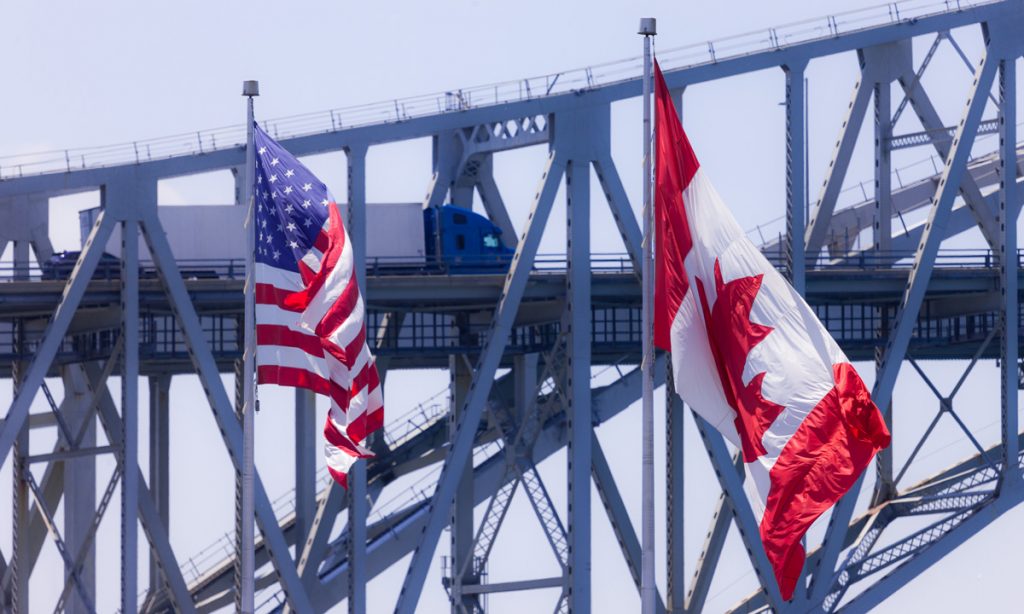
It’s illegal to take cannabis and cannabis products, including those with CBD, across the Canadian border, whether you’re leaving or coming to Canada. This applies to all countries.

In a recent tweet, the Canada Border Services Agency (CBSA) reminded us that transporting CBD oil into Canada remains illegal. While in most places south of the 49th parallel what CBSA has to say is of little consequence, it certainly matters here in Washington State, where you’re never too far away from the Canadian border. The full text of the tweet reads:

#DYK that transporting #CBDOil across the border remains illegal? Transporting any form of #cannabis across the border without a permit or exemption authorized by @GovCanHealth remains a serious offence. #DontBringItIn #DontTakeItOut

With the coming into force of the Cannabis Act on October 17, 2019, recreational marijuana use became legal on both sides of Washington State’s 427-mile border with British Columbia, as well as other stretches of the U.S.-Canada boundary. This created a situation ripe for confusion. The man (or woman) on the Amtrak Cascades might reasonably conclude that there is nothing wrong with taking a cannabis product bought legally at a Seattle shop to Vancouver, where it can also be purchased legally.

However, as the Canadian government made clear in the information sheet it sent to every household in the country prior to the Cannabis Act’s effective date: “It’s illegal to take cannabis and cannabis products, including those with CBD, across the Canadian border, whether you’re leaving or coming to Canada. This applies to all countries, whether cannabis is legal there or not.”

With CBD products also on the hook, the potential for confusion extends to much of the borderlands. For instance, while Montana has a much stricter cannabis regime than Washington State, THC-free CBD products are not illegal in Big Sky Country. This puts not just the marijuana aficionado from Tacoma on his way to party in Van at risk of border trouble, but also the arthritic retiree from Helena heading up for a weekend in Banff.

RELATED: Going Postal: USPS Provides Guidance On Mailing Hemp-CBD

To be fair, it’s not uncommon at all for products that are legal on both sides of a border to be subject to customs controls, for revenue and/or regulatory reasons. That said, the situation with cannabis along the U.S.-Canada border is more fraught with risk because it is still an illegal drug as far as the U.S. federal government is concerned.

Photo by Mark Spowart/Getty Images

It is perfectly understandably for U.S. Customs and Border Protection (CBP) to be on the lookout for cannabis products. The agency is tasked with enforcing federal law, and logically their officers in Metaline Falls, Washington should not go about their duties any differently that their colleagues 55 miles away in Eastport, Idaho. However, it is clear appears that the Feds are going far beyond that—with Canadians feeling much of the pain.

The CBC is likely not exaggerating when it reports, “Thousands of Canadians have been denied entry to the U.S. simply for admitting they’ve smoked a joint once in their lives.” As my colleague Akshat Divatia recently explained:

U.S. law will not recognize any amnesty or pardon by Canadian authorities for cannabis-related convictions. Admitting to a CBP officer that you used marijuana any time before legalization is the equivalent of a formal court conviction for that crime and you will likely be denied entry into the United States.”

The same CBC article notes that an “unsuspecting CBD oil user”—remember our arthritic retiree—could be “banned from entering the [U.S.] for life.” But you don’t even need to carry or even have used cannabis products to get in trouble. As Akshat notes:

Those who legally work in the Canadian cannabis industry must provide details about their role and convince U.S. border officers that their trip to the U.S. is purely personal. Cannabis workers will likely need to prove that while in the U.S., they will not engage in any networking or strategic meetings, presentations, marketing efforts, or any manufacturing or distribution activities with customers or cannabis industry colleagues.”

Stated less elegantly, coming to the U.S. for cannabis-related business is a no-no. Even investing in cannabis businesses could theoretically get you banned for life from the United States. With this kind of onslaught, even innocuous activities such as changing planes at a U.S. airport to attend a cannabis conference in a third country are causes of concern.

It doesn’t stop there, though. In at least one instance that we know of, CBP took away NEXUS privileges from someone who wrote a reference letter for a fellow Canadian applying for a waiver for a marijuana-related ineligibility. This is worth repeating. They did not take away NEXUS privileges from someone who him or herself had a marijuana ineligibility, but rather from someone who wanted to help that person by writing a letter. This would be akin to a lawyer getting sanctioned for serving as a character reference for a bar applicant who had a run-in with the law in the past.

RELATED: Are CBD-Infused Alcohol Beverages Legal?

You might think, well, it’s just NEXUS—wait in the regular line like the rest of us. But the ability to avoid long waits at the border can be critical for persons engaged in cross-border business activities. And, again, the privileges are being taken away for writing a letter.

I wish I could say that the bottom line is as simple as not taking any cannabis products—whether THC, CBD or somewhere in between—with you when you cross the border. However, the risks run much deeper for Canadians and other foreigners with any cannabis involvement heading south. And to be sure, this includes foreigners living in the United States, who are pretty much subject to the same ineligibilities.

If in doubt, talk to a lawyer before you go anywhere near the Peace Arch. DON’T take chances: The consequences can be as serious as they get.

This article originally appeared on Canna Law Blog.

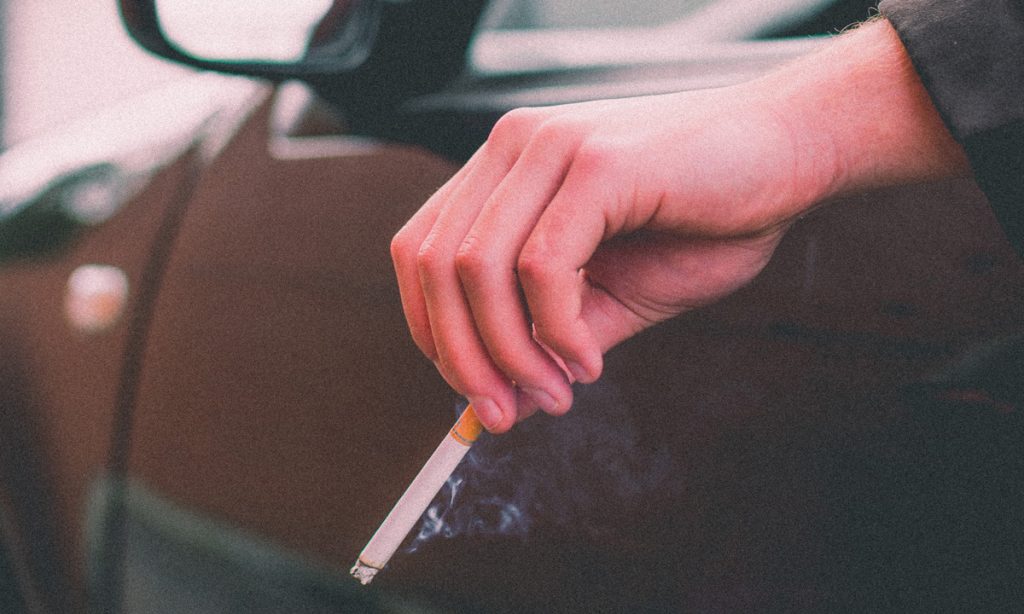
How CBD Oil Can Help You Quit Smoking

Smokers treated with a CBD inhaler significantly reduced the number of cigarettes they smoked by a surprising 40% during treatment.

Tobacco smoking, cannabis, and alcohol are the most commonly abused drugs by young adults and teens in our country, and worldwide. There’s a gateway theory of drug use that suggests a progression from common, easy to find drugs, like cannabis, alcohol, or tobacco smoking, to more serious forms of drug use like MDMA, cocaine, or heroine. But, while tobacco use oftentimes occurs at about the same time as cannabis use, recent research is suggesting that marijuana may not be a gateway drug into ecstasy, heroine or cocaine, but really, only to tobacco use.

Kids that start using cannabis seem to also start smoking or vaping tobacco at a similar time in their life. And this isn’t exactly reassuring. The CDC reports that tobacco is not only the leading cause of preventable disease in the US, but the 14% of US adults who are cigarette smokers are costing our country 300 billion a year in smoking related illness. But is it possible that some components of the cannabis plant may actually be effective in curbing nicotine use? Or helping people that are trying to quit, be more effective? That may be true. The role of the endocannabinoid system in nicotine addiction is being increasingly acknowledged, and in one study, shows a very supportive position for helping people to control their nicotine addiction.

RELATED: How To Naturally Beat Nicotine Addiction With Cannabis

In a small study of 24 smokers who were in a randomized controlled situation, they were given either an inhaler with CBD, or an inhaler of a placebo. They were instructed to use their inhaler when they felt the urge to smoke. The placebo treated smokers showed no difference in the number of cigarettes smoked. In contrast, those treated with the CBD inhaler significantly reduced the number of cigarettes they smoked by a surprising 40% during treatment. And in follow-up, that reduction appeared to be sustained. So, this preliminary data suggests that CBD could be a potential treatment for nicotine addiction that warrants for their explanation.

Cannabis Is Much Safer Than Cigarettes
Photo by Philippe Goulet via Unsplash

In fact, so much so, that the United States Patent and Trademark Office (USPTO) has issued a notice of allowance for Vireo Health’s patent application titled Tobacco Products With Cannabinoid Additives, And Methods For Reducing The Harm Associated With Tobacco Use. So, it appears that CBD may be beneficial for reducing the anxiety and stress associated with withdrawal of nicotine use, and it may also have potential benefits when combined in tobacco products, as it has shown in previous studies for reducing irritation, inflammation, and even carcinogenicity.

This post originally appeared on CBD & Cannabis Info.

Here’s How Long It Takes For CBD To Kick In

Each CBD product comes with its own dosage and instructions on how to use it, but one of the biggest influencing factors is CBD’s method of consumption.

CBD is one of the most popular compounds for wellness and beauty products, even if it remains very mysterious. Although CBD doesn’t get you high, it does affect your body in relaxing and therapeutic ways, reducing inflammation, anxiety, stress and more. Depending on how you consume it, the compound can take different amounts of time to kick in.

One of CBD’s main problems is that it’s not FDA regulated, meaning that there’s not a lot of scientific research in progress or an official standard dosage. Without this, it’s hard to judge how the compound will affect people and how long it’ll take to kick in.

Each CBD product comes with its own dosage and instructions on how to use it, but one of the biggest influencing factors is CBD’s method of consumption. Real Simple spoke with Boris Shcharansky, COO of Papa & Barkley cannabis company, who said that how you consume CBD is key for determining when it’ll affect you.

RELATED: 5 Ways To Incorporate Effective CBD Products Into Your Everyday Life

Here’s how long the compound takes to kick in depending on how you use it.

cbd regulations might come sooner than expected
Photo by OlegMalyshev/Getty Images.

Topicals

Lotions, creams, balms, ointments and all of those types of products should be the fast acting. Once applied, relief should kick in within 15 minutes.

Edibles

This category encompasses a larger branch of products. Tinctures, capsules, gummies, chocolates and candies are all consumed orally and have different ways of affecting you. Sublinguals like tinctures are applied under the tongue and should kick in within 15 minutes. Products that are digested, like gummies and capsules, take longer, kicking in within a 45 minutes to two hours time frame.

Always be careful and start off slow

While CBD is a safe product to consume, you should still be wary of doses, avoiding overdoing it and consuming more than you should. Overdosing on the compound won’t cause anxiety bouts or paranoia, but it might make you feel very drowsy. The first time you use a CBD product you should start off slow and see how your body responds, waiting patiently until you notice the effects.

RELATED: How To: A Beginner’s Guide To Buying CBD Products

It’s also important to remember that many of CBD’s benefits are cumulative. Jesse Stanley, founder of Charlotte’s Web, says that CBD should be considered a supplement instead of a one-off product people consume whenever they need relief. While the positive change might not be immediate, after several weeks of use you will start to notice improvements.

Medical Marijuana Can Help ALS

Hundreds of studies have looked into the benefits of THC and CBD on pain and overall health, and in the last decade alone, dozens have focused on the effect of cannabinoids on ALS

One of the most widely misunderstood disorders, amyotrophic lateral sclerosis (ALS,) seems to make headlines for the beautiful lives it has taken, including famous baseball legend Lou Gehrig. Cannabis has been proven to help several diseases and medical marijuana can help ALS.

As a progressive neurodegenerative disease, ALS causes patients to lose control of bodily functions such as eating, speaking, and breathing, creating heartache for those who battle the disease. An estimated 30,000 Americans are living with ALS, with 5,000 individuals diagnosed per year, according to the ALS Association. A humbling statistic also is present with ALS, as it was found in a study that veterans are two-times more likely to be diagnosed with ALS over the general public. 

Hundreds of studies have looked into the benefits of THC and CBD on pain and overall health, and in the last decade alone, dozens have focused on the effect of cannabinoids on ALS.  

RELATED: Cannabis And Lou Gehrig’s Disease: Here’s What You Should Know

Cannabis And Lou Gehrig's Disease
Photo by Bru-nO via Pixabay

Here are two promising studies about THC and CBD’s effects on those battling ALS: 

  •  Cannabis and amyotrophic lateral sclerosis: The US National Library of Medicine National Institutes of Health summarized, “Preclinical data indicate that cannabis has powerful antioxidative, anti-inflammatory, and neuroprotective effects,” when it was added to ALS therapies. 
  •  Neurological aspects of medical use of CBD: The US National Library of Medicine National Institutes of Health found that “Pre-clinical evidence largely shows that CBD can produce beneficial effects in MS patients.” 

While on-going, studies continue to show promise for ALS. The Neural Regeneration Research Journal recently published a piece on ALS and cannabis. ALSToday shares:

“According to a single observational study of patients with ALS, only the 10 percent who admitted consuming cannabis revealed moderate relief of several symptoms, including appetite loss, depression, pain and drooling.” 

While ultimately research is focused on eliminating ALS altogether, for those suffering and caregivers watching, CBD and cannabinoids may help ease symptoms for a better quality of life.

3 Ways To Be A Conscientious Cannabis Consumer

Because cannabis is in a grey area, it’s not treated like an everyday plant or product coming from harvest, but rather something more comparable to a combination of prescription drugs and alcohol.

When you want to partake in the recreational cannabis market, either as a resident or tourist, the newness and novelty of everything could distract you from one very important truth: that marijuana is still an industry, a product, and a part of the consumer system. Because cannabis is in a grey area (outside of its taxation and sale), it’s not treated like an everyday plant or product coming from harvest, but rather something more comparable to a combination of prescription drugs and alcohol.

Even in legal states like Washington, where purchase is perhaps easiest for the layperson, you can see the locked down flower in plastic, labeled with strain analyses — and it’s not as affordable as an equivalent amount of some other substances. Decriminalized places are still worse off, considering even New York still arrests 50 people each day for cannabis possession, use, and sale, enforced primarily on New Yorkers of color. The issue of purchasing and using cannabis in a fully legal and normalized way still bears weight on a few of society’s most crucial concerns.

Photos by Maria Penaloza

Farm Integrity

Make sure that the places you patronize are not only treating the cannabis plant with respect and care, but their staff and community as well. Dr. Jon Vaught, CEO of Front Range Biosciences tells The Fresh Toast how this practice pushes fans forward:

“Consumers can influence cultivation practices by purchasing products that are certified pesticide and pathogen free. One way to do this is to ask your dispensary agent which products have a third-party certification showing that the grower is transparent about their cultivation methods, practice sustainability and have fair labor conditions. Supply is directly impacted by demand, and consumer voice and purchase decisions have the power to drive producers to implement standards and certifications.”

RELATED: Men Don’t Adopt ‘Green’ Habits Over Fear Of Being Perceived Gay

Being careful where you spend is an essential tool for keeping your dollars in the right hands. Farms that have ethical programs will always perform in today’s awakened buyer market.

Social Justice

As a customer you don’t always have to think about what your purchase means, but knowing how many people are still in prison or encumbered by cannabis charges is a chief concern of many cannabis activists. Sharpen that activism so that your love of cannabis can help those who have suffered to make sure that you can enjoy it.

On the less considered side of the coin, think about how the widespread and standardized use of cannabis could help so many people around the globe. Magical Butter CEO, Garyn Angel, envisions a patient-first future. He says:

Allowing reimbursement would reduce long-term insurance costs. Cannabis is a dietary essential and if consumed regularly may prevent disease- medical marijuana recommendations from physicians is frequently for ailments. Cannabis is a tool to improve public health we need to utilize it efficiently. The opioid epidemic is a significant social cost. Legalize cannabis because it reduces inflammation. Allow non-addictive plant-derived alternatives to disrupt the big pharma model.

Photos by Maria Penaloza

Recycle

And how can we forget Mother Earth? Sure it’s exciting to run in the store and buy all of these products, but what about all of the packaging? Angel talks about this pile, saying, “Dispensary waste is out of control! Every gram of concentrate is individually packaged to be childproof creating an abundance of garbage. Vaporizer cartridges are not being recycled, reused, or refilled.”

RELATED: E-Cigarettes And A New Threat: How To Dispose Of Them

Dr. Vaught agrees that this is a problem that we may not have fully considered in our excitement to get the good stuff. Another way that consumers can be conscious is to purchase products that are stored in environmentally friendly packaging. He says, “States with strict requirements on packaging materials make it difficult at times, but not impossible. Look for products housed in recyclable, compostable, child-resistant cannabis packaging, like that from Sana Packaging.”

Get stoked about cannabis, but like everything we consume, we should hold it to a certain standard. If anything, cannabis standards should be even higher, considering we have a chance to build the industry up from illegal to global, it should invoke everything we know about ethics until now.

Photos: Maria Penaloza

CBD Can Assist Those Addicted To Marijuana

Estimates say that one in 10 marijuana users suffer from cannabis use disorder, characterized by withdrawal symptoms such as anxiety and insomnia.

Those suffering from a cannabis addiction should use more cannabis, new research indicates. That doesn’t mean smoking more weed, though. Instead, a new study found that individuals taking a pill containing cannabidiol (CBD) extract successfully halved the amount of cannabis they smoked.

The results were recently presented at New Scientist Live, and have yet to be published in a peer-reviewed journal. However, this initial experiment into assisting those suffering from marijuana addiction offers an avenue to recovery. Estimates say that one in 10 marijuana users suffer from cannabis use disorder, characterized by withdrawal symptoms such as anxiety and insomnia.

RELATED: How CBD Blocks The Paranoia And Anxiety From Marijuana’s THC

Val Curran, the University College London professor behind the trial, says there’s a rising number of people seeking treatment after developing a dependency on cannabis. This, in part, because of newfound access to legal marijuana following widespread legalization efforts across the world.

study young marijuana use linked with stress and anxiety
Photo by AntonioGuillem/Getty Images

For the trial, Curran and her team had individuals undergo a four-week course of CBD to potentially alleviate the cannabis withdrawal symptoms. The participants, all of whom Curran classified as severely addicted, were given three different doses of CBD capsules or a placebo. While the lowest dose didn’t work, those who received the middle dose of 400 milligrams experienced positive results, as they halved their cannabis intake after six months when compared to the placebo. Individuals who received 800 mg of CBD saw some results, thought the dosage wasn’t as effective to the 400 mg group.

“CBD gets rid of the toxic effects of THC,” Curran told News Scientist.

RELATED: STUDY: How Cannabis Could Be Used To Curb Cannabis Addiction

Urine tests analyzed how much THC remained in the participants’ systems following the trial. Those receiving the 400 mg dose more than doubled the amount of days they had no THC in their bodies. University of Sydney professor Iain McGregor, who assisted with the trial, noted that “CBD has a variety of anti-addictive properties.” As a result, McGregor has assembled a team to analyze how CBD could treat alcohol addiction.

“Two of the main features during alcohol detoxification is severe anxiety and risk of seizures. We think CBD has very strong anxiety-reducing properties,” he said.

Previous research has shown that Sativex, an FDA-approved drug effective in treating severe forms of epilepsy, was also effective in helping those suffering from cannabis use disorder. Sativex contains both CBD and THC, treating individuals in a way similar to nicotine patches.

How Dirty Is Your Water Bottle?

0

Merely rinsing out the part of the bottle your mouth touches is not enough; it’s important to scrub the inside of the container too.

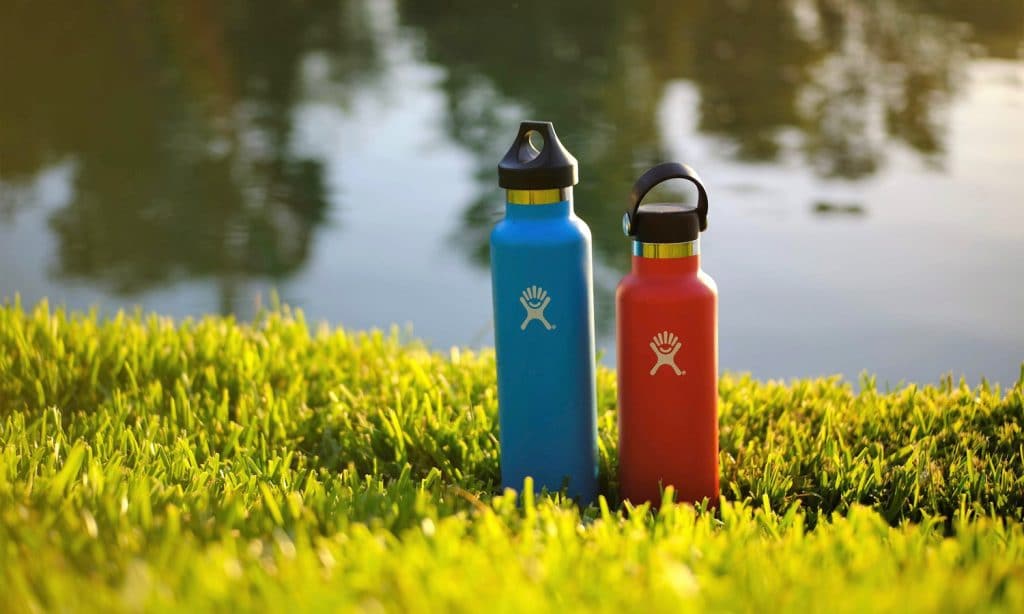
Reusable water bottles provide tons of perks. Aside from keeping you hydrated and helping you save some money, they also contribute to less plastic pollution. Although there appears to be no drawbacks, these bottles are washed less than other containers, with experts claiming that they’re perfect brewing environments for bacteria.

Mashable spoke with a doctor who says that a large percentage of water bottles are dirty and washed incorrectly. Merely rinsing out the part of the bottle your mouth touches is not enough; it’s important to scrub the inside of the container too.

“Bacteria tend to form a biofilm on the inside of the reusable container over time. So you need mechanical action to get rid of that biofilm that coats the inside of the bottle,” says Dr. Philip Tierno.

RELATED: How Long Do Leftovers Last In The Fridge?

How Dirty Is Your Water Bottle?
Photo by Shrey Gupta via Unsplash.

The biofilm that builds up inside these containers can be compared to the one that builds up on bathtubs, which is a pretty gross. It has an assortment of bacteria that can be picked up from different places like your mouth or the outside environment. By touching things, jumping on elevators, using stairs and meeting new people you’re exposing yourself to bacteria, which can easily sneak inside your bottle when you screw on and off the lid.

RELATED: Americans Are Finally Eating Healthier

Luckily, if your bottle is properly washed, you can continue to use it until it breaks. The entire container must be cleaned thoroughly and regularly, using soap, hot water, and a bottle brush. Keep an eye out for nooks and ridges and and be mindful of your brush and sponge, cleaning these regularly since bacteria can be easily transferred.

Don't Miss Your Weekly Dose of The Fresh Toast.

Stay informed with exclusive news briefs delivered directly to your inbox every Friday.

We respect your privacy. Unsubscribe anytime.