Thursday, April 30, 2026
Home Blog Page 90

Why Marijuana Smells Skunky

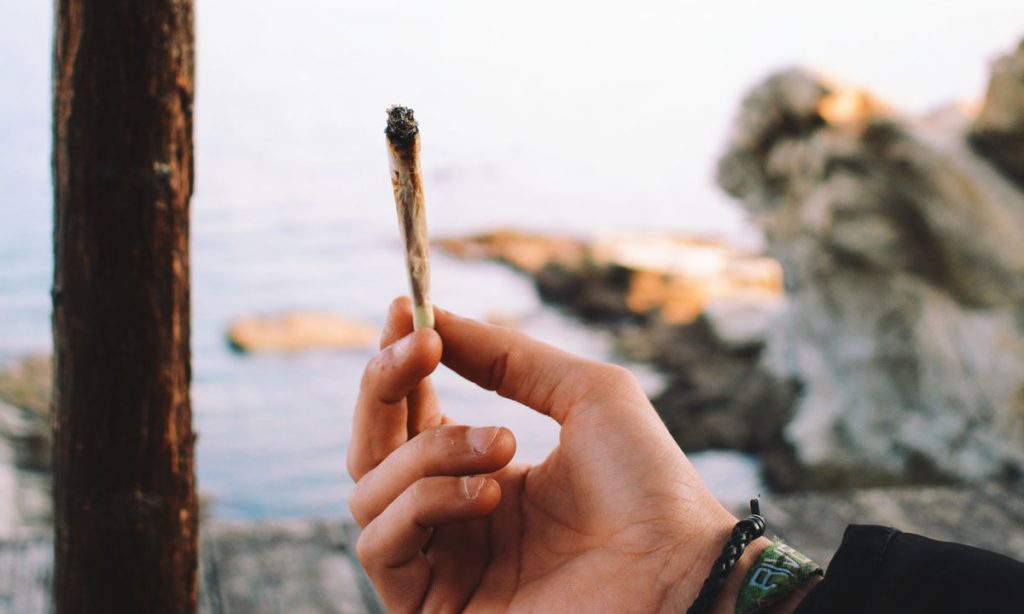
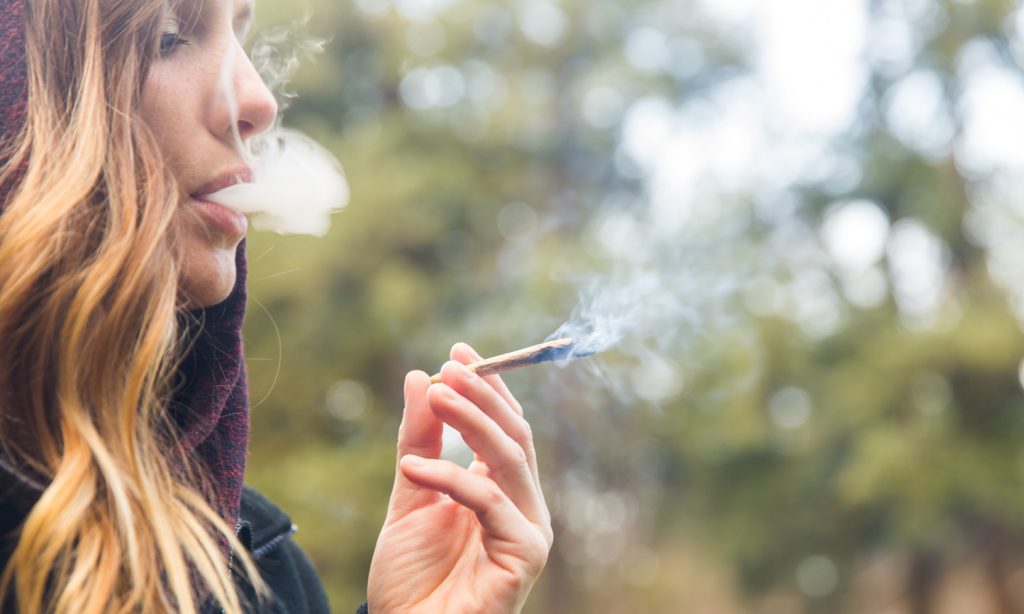
It is the telltale sign someone is having fun. Whether walking down the street or stepping into a crowd, you know exactly what is going on. Marijuana has a distinctive oder to clue you in when fun is going on.  But as cannabis goes mainstream and becomes legal, the smell is increasing fading. Here is why marijuana smells skunky and why is it disappearing.

RELATED: The Most Popular Marijuana Flavors

Smoking weed was the original way to consume.  But today, thanks to data from BDSA, we know most newer and younger partakers use vapes or gummies to enjoy the benefits.  The aroma is less prevalent, but it still as potent. Smoking still produces the smell, but why does some weed reek of skunk or dirty socks and other times it has the aroma of lemons or pine? The answer is terpenes.

Photo by Alina Rosanova/Getty Images

Terpenes are essential oils providing the fragrance in foods and herbs. When you take a whiff of basil, for example, what you are smelling are the terpenes. Cannabis strains also have unique terpenes producing the aroma. Some strains smell lemony (limonene) or spicy (caryophyllene) or floral (linalool) or piney (alpha-pinene).

Terpenes not only provide the smell, they have essential therapeutic benefits, as well. Some of the most prevalent terpenes and their medicinal value:

  • Alpha-pinene (essential pine oil), the most common terpene in the plant world and one often found in cannabis, is a bronchodilator potentially helpful for asthmatics. Pinene also promotes alertness and memory retention by inhibiting the metabolic breakdown of acetylcholinesterase, a neurotransmitter in the brain stimulates these cognitive effects.
  • Myrcene, another terpene present in numerous cannabis varietals, is a sedative, a muscle relaxant, a hypnotic, an analgesic (painkiller) and an anti-inflammatory compound. This musky terpene contributes mightily to the infamous “couch-lock” experience and is the one which gives off the skunky aroma.
  • Limonene, a major terpene in citrus as well as in cannabis, has been used clinically to dissolve gallstones, improve mood and relieve heartburn and gastrointestinal reflux. Limonene, an anticonvulsant, has been shown to destroy breast-cancer cells in lab experiments, and its powerful antimicrobial action can kill pathogenic bacteria.
  • Linalool, a terpenoid prominent in lavender as well as in some cannabis strains, is an anxiolytic compound which counters anxiety and mediates stress. In addition, linalool is a strong anticonvulsant, and it also amplifies serotonin-receptor transmission, conferring an antidepressant effect. Applied topically, linalool can heal acne and skin burns without scarring.

RELATED: How To Be Discreet When Using Weed

  • Beta-caryophyllene is a sesquiterpene found in the essential oils of black pepper, oregano and other edible herbs, as well as in cannabis and many green, leafy vegetables. It is gastro-protective, good for treating certain ulcers, and shows great promise as a therapeutic compound for inflammatory conditions and autoimmune disorders because of its ability to bind directly to the peripheral cannabinoid receptor known as CB2.

And now you know why marijuana smells skunky.

5 Key Things To Know About Cannabis Concentrates

When you are young, you can experiment, but as you age – you want to minimize after effects…we got you when it comes to the next step with marijuana

High school and college were the days of experimenting. Lessons leads to stories about crazy things and some unfortunate times. But as you age and move to a more sophisticated self, it is important to have the knowledge regarding having fun.  Marijuana has become mainstream and some are moving into a connoisseur phase.  This encompasses flavor, impact, and potency.  In this journey, here are 5 key things to know about cannabis concentrates.

It is not for beginners

Concentrates are extremely potent. This is helpful for cannabis enthusiasts who have built up a high tolerance and know how marijuana affects them. However, it can overwhelm people who are still new in consuming.  Don’t rush into the max and until you have gotten your weed legs steady. Dabbing is the way to consume concentrates, and is a bit more of a process.

Concentrates may or may not be better flower

Photo by Darrin Harris Frisby/Drug Policy Alliance

RELATED: Marijuana 101: Dabbing Wax Vs. Vaping Wax

You can have a bit of a longer high

High-Potency Marijuana Doubles Risk Of Anxiety Issues, Study FInds
Photo by Keenan Constance via Pexels

RELATED: Differences In Marijuana Highs: Flowers, Edibles and Concentrates

Similar to smoking/vaping, the effects of dabbing usually last 1 to 3 hours. If using a high THC concentrate, you could feel the effects for 10-12 hours. If you are feeling uncomfortable or worried, the best thing to do is take a nap and sleep it off.

Concentrates are to be respected

Photo by rgbspace/Getty Images

RELATED: Dabbing Is On The Rise Among Teens — Here’s What Parents Should Know 

You can find a ton misinformation surrounding the dabbing process, some reports claim overdoses have been influenced by the recent popularity of concentrates. While there might be an existing relationship, marijuana advocates claim concentrates are safe and produce the same positive results as cannabis flower. Even if you get too high from ingesting the wrong dose, no one has ever died from consuming them.

Concentrates are like other products

marijuana dabbing
Photo by bartystewart/Getty Images

While the process of making concentrates is one involving the use of complex chemicals, facilities are equipped to handle these solvents and are very strict when it comes to how they’re produced. All the information should be clearly stated on the product’s label, and concentrates should be made by professionals who are working responsibly. In short, dangerous concentrates are rarely found in a regulated, legal market.

What Is The Difference Between Marijuana, Hemp And Cannabis

Most use cannabis and marijuana interchangeably, add in hemp and it can be a bit confusing – what is the difference.

Legal cannabis is sweeping the US and EU and is already the law in the land in Canada.  More and more consumers are buying gummies, hemp drinks, and vapes.  California sober has become a thing and Gen Z is drifting away from alcohol and having an affair with marijuana. But what is the difference between marijuana, hemp and cannabis?

While marijuana has been part of culture for years, hemp, CBD, marijuana and cannabis are everyone.  From local dispensaries to, in some states, hemp drinks are popping up in liquor stores.  Even Walmart is home to many hemp products and proudly displays them on the shelves. However, these hemp products are made from cold-pressed seeds, which have great nutritional value but contain no CBD or cannabis. So what is the difference between marijuana, hemp and cannabis.

RELATED: 8 Ways to Enjoy Marijuana Without Smoking It

“Cannabis” is the botanical term for marijuana. It doesn’t have any legal significance. It simply refers to the cannabis plant. It contains all of the cannabinoids, including CBD, CBN and THC. More specifically, the word refers to the genus of flowering plants in the family Cannabaceae. It’s also a term under increasing use, especially since it focuses on the medicinal benefits of the plant.

RELATED: Is Marijuana A Drug Or Something Else?

“Marijuana” is the term used in legal contexts, and it’s also one associated with the negative connotations and perceptions throughout history. It’s the term appearing in the Controlled Substances Act and refers to the cannabis plant possessing more than 0.3% of THC. This kind of plant is the one remaining illegal on a federal level.

Do CBD Gummies Actually Work

“Hemp” is the easiest term to understand for its simplicity. It refers to the part of the cannabis sativa plant containing less than 0.3% of THC and is legal on a federal level. Hemp is non-intoxicating and the use of it leads to products which doesn’t get people high. So, while hemp is not illegal, marijuana can be depending on your location.

RELATED: How Marijuana Slang Evolved Across States And Generations

Some believe that the term “marijuana” shouldn’t be used since it has a charged history of racism, particularly of Mexican immigrants. Others believe that using the term “cannabis” shies away from THC, and that the compound is nothing to be embarrassed of.

At the end of the day, it’s up to you what you decide to call your weed. When it comes to its legal use, however, “marijuana” is the term that most lawmakers prefer.

Parkinson’s Disease and Medical Marijuana

Michael J Fox brought attention to Parkinson’s at his recent appearance at the BAFTA awards.  But what about Parkinson’s Disease and Medical Marijuana

Parkinson’s disease is one of the worst things to happen to a person. Ultimately, an active mind will be trapped in a non-functioning body. Along with the physical symptoms of Parkinson’s, many people with the diagnosis also experience psychosis, which begins with mild symptoms. This mental side of Parkinson’s can start with confusion and progress to include hallucinations and dementia. Michael J. Fox, the actor, is one of the most famous faces of the disease. The actor received a standing ovation during a surprise appearance at the British Academy Film Awards (BAFTA) Sunday. But what about Parkinson’s disease and medical marijuana.

RELATED: Science Says Medical Marijuana Improves Quality Of Life

Long an advocate for more research and discovering treatments to help patients, Fox has been a leader in the field.  His Foundation has shared research to date lacks the data to prove benefits or safety. Thus, doctors don’t have strong evidence to guide recommendations on what to use or how to truly help patients. Still, many people are interested in trying this therapy. In 2020, The Michael J. Fox Foundation convened a workshop on medical marijuana with field leaders and other Parkinson’s organizations.

The limited amount of true research completed has had mixed or conflicting results (some positive, some negative). On questionnaires, people often report benefit on pain, sleep, mood, or motor symptoms such as tremor or stiffness. But many also report side effects. This leaves patients, doctors and researchers with insufficient evidence to guide use.

Tetrahydrocannabinol (THC) is the principal psychoactive constituent of cannabis. In limited studies, THC has shown to improve both activity and hand-eye coordination in an animal model. A clinical study of 22 patients with the Parkenson’s and smoking marijuana, resulted in improvement of motor symptoms such as bradykinesia, resting tremor, rigidity, and posture, along with with non-motor symptoms such as sleep and pain.

RELATED: 5 Morning Activities To Help You Feel Happier

Cannabis has been used for hundreds of years for pain relief, improving sleep and for other purposes, there is still very little evidence regarding its efficacy and safety. Parkinson’s Europe is more positive toward research and information. They note many clinical studies into cannabis as a Parkinson’s treatment have been hampered by regulatory restrictions or have had various shortcomings.

Can CBD Help With Winter Hair Care

Harsh cold weather can do a number of your hair….should you add CBD to your healthy hair routine?

Winter is tough on the hair. Like skin, it can often feel dry in the wintertime. This is mainly due to the lack of humidity leaving it slightly damaged. Curly-haired folks are more likely to suffer since it takes longer for natural, moisturizing oils to travel down the hair shaft.  Add in hats, snags and everything else and your help needs a little extra help. There are several things you can do, but can CBD help with winter hair care?

RELATED: Swap Your Favorite Alcohol Drink With Weed

There are some basic tip to help not only your hair, but your body. Drinking healthy fluids, sleep, and good habits are year round benefits.  But in winter, you might need to adjust a few other things. Hair care is a huge business, and there are cbd products, but it’s important to find something to truly. help your hair and scalp health. Read the labels and reviews to make sure you get solid results.

Photo by Element5 Digital via Unsplash

The body naturally produces cannabinoids to help it stay healthy. CBD products are thought to help balance healthy hair. Hair has receptors which respond to  CBD when it touches them, and some experts believe this is what can help hair and keep it strong. The antioxidants in CBD may help give you a healthy scalp. CBD also has anti-inflammatory properties, which could help soothe inflammatory scalp conditions that may affect hair growth, such as eczema and psoriasis.

A CBD hair mask can rehydrate the hair in the winter and give it more bounce and luster. It can will help replenish lost nutrients through the use of too many heat tools, heater blasts, and dry air.

RELATED: The Most Popular Marijuana Flavors

Other practical tips include:

Humidifiers help rehydrate the air to keep your locks looking lustrous.

Trimming hair every four to eight weeks is a good way to maintain hair health and keep  locks looking fresh. Taking a half inch off reduces the chances of developing dry, split ends.

Avoid a hot shower. the water pulls moisture from your hair, making it brittle and vulnerable to breaking. Instead, wash the hair with lukewarm water followed with a cool rinse.

Wet hair outside when it is cold can make you feel chilled and uncomfortable. But it will not give you a cold. But it can cause hair to freeze and break, since wet hair is more vulnerable to damage.

States Who Love Beer Are Slow For Weed

Some beer loving states are facing an uphill battle with marijuana

It is classic favorite of the public, beer holds a grip and is the favored intoxicant of those who imbibe. It is the most consumed alcohol in the world. In fact, after water and tea, beer is actually one of the most popular drinks in the world! According to reports, in the 2022 brewing year, global beer production ended up increasing slightly year-on-year by 1.3%.  This translates to almost 50 BILLION gallons each year.

RELATED: Swap Your Favorite Alcohol Drink With Weed

Data is clear cannabis is better than alcohol for many reasons. People die from alcohol overdoses. There has never been a fatal marijuana overdose.  Yet, states who love beer are slow to weed.  There are exceptions. If you are a beer distillery, you might have a good reason if you aren’t invested in marijuana.  Gen Z is drifting away from alcohol and California has seen a decline specifically in beer sales, in part due ot legal marijuana.

Photo by 2H Media via Unsplash

The number one beer state is New Hampshire.  The Granite States pops a cold one more often per capita than any other state.  Yet, medical marijuana is legal, but recreational use remains illegal.

Montana is big sky country and enjoys a a beer while enjoying the magnificent views.  Slow to the dance, the state has legal medical and recreational marijuana. Recreational use was legalized in 2020 with dispensaries opened in January 2022

Vermont folks, while they enjoy their beer, also are enjoying their bud. The Granite state legalized medical (2018) and recreational (2022) marijuana are legal. Vermonters beat to their own drum.

North Dakota state motto includes “Liberty and Union, now and forever”.  But when it comes to marijuana, there is no liberty of choice. While medical marijuana is grudgingly legal, recreational use is against the law.

Maine has been a leader in how to roll out recreational weed, and it hasn’t had the downsides for beer.  A well oiled machine can make winners of all industries.

RELATED: The Most Popular Marijuana Flavors

South Dakota mirrors their neighbor to the north slowly allowing medical marijuana seeing recreational as a crime.  Alcohol sales boom in the sparsely populated state.

Pennsylvania has the Philadelphia, the famed city of brotherly love, but they have no love for weed. Medical marijuana is legal, but recreational is not. Which is interesting considering the size of state and the potential tax revenue which could be generated for their budget.

Nevada believes what happen in Vegas, stays in Vegas…but the larger casino owners had to be dragged kicking and screaming into legalizing both medical and recreational.  Now it has the largest dispensary in Planet 13 and soon will have Cannabition, the revolutionary marijuana immersive experience.

Hawaii allows servers to serve customers providing they are 18 years of age and if a  supervisor 21 or older is present.  But weed is a big no no. The state with an amazing international tourism base only has legal medical marijuana.

Wisconsin the top most popular beer state has is also one of hte few state to not allow medical or recreational marijuana.

Only 4 of the 10 of the most beer love states allow recreational marijuana.  Some of the other smaller states which legalized weed have not seen an impact on beer, which is another case of live and let live.

The Best Wines To Pair With Girl Scout Cookies

When the Girl Scout troop in Muskogee, Oklahoma sold a batch of home made cookies in 1917, they had no idea it would become of the best seller it is today. Since then, it has grown into a cookie juggernaut, selling over 200 million boxes annually, generating $800 million dollars. In addition to raising funds for troops, it is an education journey for the members as well. The process of running a “small business” helps train the scouts in goal setting, decision making, money management, people skills and business ethnics.

RELATED: Rainy Weather Cocktails

It is hard to be just one box of cookies, so people wind up with a variety of flavors and tastes.  The good news is tasty treats are versatile and do well with work, relaxing, movie watching, post workout, at the office and in the car.  And with beverages, and here are the best wines to pair with Girl Scout cookies.

Photo by Terry Vlisidis via Unsplash

Thin Mints

Mint and chocolate is a delightful combo, and fortunately happens to pair wonderfully with Cabernet Sauvignon from Chile, which just so happens to also have both strong mint and chocolate notes. You can also experiment with other members of the Cabernet family, in particular Carmenere, if you want to broaden your horizons.

Tagalongs

As a general rule of thumb, pair white wines with a lighter chocolate, such as white or milk chocolate, creating complimentary flavor profiles. Red wine pairs best with dark chocolate.

So we’re looking for a fruit-driven wine that maybe also packs a touch of residual sugar to help bring out the cacao.

Expand your mind and think Zinfandel, something from a warmer place like Lodi or Napa.

Trefoils

Shortbread is a natural pairing with sparkling wine, and in this case I’m looking at a Reserva-level Cava from Spain, something that spent a fair amount of time aging so that it’s really developed the rich notes of brioche and clotted cream that will make this under-loved cookie pop!

Samoas

Well, this is a bit of a toughie, consider working with the coconut and caramel and let the chocolate take care of itself. A big, oaky Chardonnay, something with a hint of tropical fruit to compliment the coconut is the ticket.  And the butter and vanilla will work with the caramel. Napa Valley or Australia would be good places to start.

Do-si-dos

The combination of peanut butter and oatmeal makes for a bit of a complicated pairing, but in this case think a richer, more oxidative white wine is just perfect. Consider a Roussanne-Marsanne blend from France’s Rhone Valley, where you’ll get some of those same nutty flavors and a delightfully full body without.

Related Story: 4 Key Questions to Ask Your Sommelier 

All Girl Scout Cookies

Champange goes with everything – especially the sweet treats of the cookies.  And it is also a perfect celebration to success of Girl Scouts!


New York Continues To Struggle With Legal Weed

One of the most liberal and populous and visited cities in the US, yet New York continues to struggle with legal weed

The Big Apple has some amazing things including The Metropolitan Museum, condos worth $75+ million, delis sandwiches to make your heart sing and a creative community like none other.  But it seems they can’t pull their act together to sell marijuana.  New York continues to struggle with legal weed, but they are trying to put a positive spin on it.

Cannabis has been legal for medical purposes under New York law since 2016, and recreational purposes since 2021. But thanks to state workers, New York is being robbed of hundreds of millions of dollars of revenue due to the way they rolled out legalization. New York laid out a clear pathway including a way for medical dispensaries to flip to fully legal, then, at the last minute, scrapped it all and went with a total different version.  Now a lack of clear and timely regulations, and a complex application process has lead to less than a 100 legal dispensaries open, but over 1,500 unlicensed open in New York City alone.

RELATED: Science Says Medical Marijuana Improves Quality Of Life

The New York Office of Cannabis Management is looking to allow 100 new legal licenses, after only a few months of debating. But the bureaucrats in New York has an answer to make really only another small portion happy – allow more home grow!  They acknowledge they can’t really police the majority of unlicensed retailers making millions, so lets focus on the few home growers will will never really look at.

It hasn’t be clear about home grow in the state, but it is becoming more clear now. For the home cultivation regulations, which were developed by the Office of Cannabis Management and submitted to Cannabis Control Board, the approved resolution means there will now be a 60-day public comment period before the rules are finalized.  For the older, traditional consumer population, this is somewhat good news.  For the majority of consumers. it means nada.

When looking at research from BDSA, a leading cannabis data analyst firm, vapes and gummies are the most popular, especially for the under 40 set. Specifically, 49% of consumers across adult-use and medical states claimed to have consumed a gummy edible in the past six months compared to 47% who used flower.

For a comparison, The latest Gallup research find 37% of people drink beer as their primary alcohol. This is compared to 17% who use all forms of marijuana. The Brewers Association, a national group that holds regular conferences and competitions, estimated despite the massive amount of beer drinkers, only about 1.1 million try to make it home.

RELATED: The Most Popular Marijuana Flavors

Neighboring state New Jersey, not know for outshining New York State, excels in legal marijuana.  The state is on track to break $1 billion in annual sales and will be a boom for state tax revenues. You know it is rough when Curbed does a guide for “legal dispensaries” in NYC so you have some guidance.

Belize and Marijuana

Belize has been an increasing popular vacation spot, especially in the winter months – but what about Belize and marijuana? 

A short two hour hop from Miami to the capital, this Central America country is known for beautiful beaches, authentic culture and speaking English. The Caribbean coast and snorkeling/diving are breathtaking. Eco tourism is on the climb and if you are into travel including the outdoors – this is the natural environment for you. Equipped with white sand beaches, pristine coral reefs, thriving marine life, the Maya Mountains and an extensive cave system, is a great get-away.  But what about Belize and marijuana?

RELATED: Science Says Medical Marijuana Improves Quality Of Life

According to Anthony Mahler, Belize’s minister of tourism, over 80 percent of our business coming from the United States and Canada.  Marijuana is legal in all of Canada and in big parts of the United States.  Pubic opinion is supportive of legalization and the younger generations prefer ways to be more on the go and discreet with use.

Gen Z has drifted away from alcohol but have strongly embraced California sober and travel.  Belize is a good option for adventures. Marijjuana use is common and generally tolerated. Possession or use of 10 grams or less on private premises was decriminalized in November 2017. But, it is still technically illegal and possession can result in fines or more.

The Government of Belize announced that it was considering decriminalizing possession of small amounts of cannabis in 2012. In October 2017, the House of Representatives passed an amendment to the Misuse of Drugs Act decriminalizing possession or use of 10 grams or less on private premises. The bill was signed into law in early November by the Governor General.

RELATED: The Most Popular Marijuana Flavors

Influential and leading government leaders in Belize have supported legalization. In 2017, the Leader of the Opposition, John Briceño, stated, “It is time for us to stop locking up our young people for a stick of weed. The time has come for us to decriminalize marijuana smoking and prepare the necessary research to move to legalizing marijuana for medicinal purposes and in small quantities.”

So if you head to Belize’s white beaches and activity inlands, think about how much you are consuming, be discreet and have a great time.

The Best Advice For Starting A Cannabis Business

Thinking of talking the plunge and starting a cannabis business? Expert attorney Lonnie Rosenwald shares some key information.

Consumers continue to drive an ever expanding marijuana industry and new opportunities appear at every turn.  While the market is involving, there is still opportunities to make money and start a successful business.  Public opinion is pro-legalization and it is just a matter of time before the government reschedules driving more growth. If you are considering it, here is the best advice for starting a cannabis business.

Lonnie Rosenwald is a partner in Zuber Lawler’s cannabis practice group and shares some valuable insight into starting a business. In the rapidly growing cannabis industry, small business owners face a myriad of challenges, ranging from the typical complexities of business structures and investment to navigating the particular nuances of cannabis contracts, banking, and real estate. Establishing a successful cannabis business requires careful consideration of these areas of law to ensure compliance, mitigate risks, and foster growth. Here’s a brief guide for small cannabis business owners on five key areas for your focus: legal entities, investments, contracts, banking, and real estate. 

dating test
Photo by Luis Llerena via Unsplash
  1. Legal Entities

Choosing the right legal entity is crucial for cannabis businesses. Each state’s cannabis program differs from all other states, and the legal entity you need may be required by your state’s program. Additionally, each structure has advantages and disadvantages. Sole proprietorships, partnerships, limited liability companies (LLCs), and corporations all offer distinct benefits. For example, LLCs are popular structures for new cannabis businesses due to the liability protection they provide their owners (called “members”) while maintaining flexibility in management and favorable tax treatment. Some sophisticated investors prefer corporations. A sole proprietorship is not an entity, but it is simpler than the other business structures in that you, and only you, control the business, but you do not have liability protection.  Partnerships are just that:  a number of partners work or invest together in the business. A joint venture is a type of partnership whereby the partners are committed to a common goal; general partners may not be protected from liability; limited partners typically are.  Corporations have limited liability for the shareholders and employees. A decision on your business entity structure should be made with advice from your attorneys and tax professionals familiar with cannabis other applicable laws and regulations. Your business may also be required to comply with the U.S. Corporate Transparency Act with respect to reporting to the Financial Crimes Enforcement Network (FinCEN) certain information regarding the beneficial ownership of your entity (effective as of January 1, 2024).   Whether you are required to report should be a topic of conversation with your attorney.  

RELATED: Guess What Is Gumming Up The Marijuana World

  1. Investments:

Securing funding by private capital raises, financial institution lending and/or friends and family commitments is often a crucial step in the growth journey of a small cannabis business because of the significant costs of real estate, equipment, and employees. Investors, whether individuals or venture capital firms, are attracted to businesses with a solid legal foundation, clear growth strategies, and compliance with laws and industry regulations. Business owners should be prepared to present potential investors and lenders comprehensive business plans, showcasing not only the financial viability of the venture, but also a deep understanding of the legal and regulatory landscape. The U.S. and state securities laws typically apply to offerings of securities in cannabis entities notwithstanding that your state may have a cannabis program and that cannabis is illegal at the federal level.  These laws are particularly complex, so before issuing shares or member or partner interests in your cannabis business, please seek legal advice from securities-competent counsel.   Businesses should have an attorney review all investor materials to avoid problems down the road. 

Lonnie Rosenwald, attorney, Zuber Lawler
  1. Contracts:

Clear and comprehensive contracts are the foundation of any successful business. In the cannabis industry, contracts play a vital role in clarifying and documenting relationships with suppliers, distributors, employees, investors, lenders, and partners. Ensuring contracts comply with state cannabis regulations (as well as other applicable laws and regulations) is critical to avoiding the potential that the contract is unenforceable or worse, illegal. We frequently see clients desiring to buy or sell a cannabis business, obtain loans or investments, and those entering into complex contracts regarding real estate or equipment leases, cultivation, manufacturing, transport, marketing services agreements, and partnership agreements.  Many of these contracts are lengthy, and of course, use legalese that you may not understand.  Some include complex rights and responsibilities, as well as how the parties will calculate various fees and expenses relating to the contract. Seeking legal advice during the contract drafting and negotiation stages is a prudent step. 

RELATED: The Most Popular Marijuana Flavors

  1. Banking:

Accessing banking services remains a significant challenge for many cannabis businesses as the sale and consumption of cannabis remains illegal under federal law, and most financial institutions (banks) are regulated by the U.S. and are required to follow certain regulations applicable to their operations. While some banks are cannabis-friendly, business owners must establish relationships with banks that have experience in the cannabis industry and that understand and comply with state-specific cannabis regulations. It is imperative to maintain meticulous financial records. Exploring alternative financial service providers, such as credit unions or specialized cannabis banking services, can help businesses navigate the financial landscape. Financial institutions such as banks will want to see what collateral your business has, such as ownership of real estate (a lease typically won’t work here), to secure your promises to repay a loan. Most banks will not lend to plant-touching cannabis businesses (even those with real estate assets), nor will they even process your deposits, debits or credits.  Ask cannabis leaders in your state for cannabis bank referrals; caution, most banks doing business with cannabis businesses don’t publicize that fact!   

RELATED: Science Says Medical Marijuana Improves Quality Of Life

  1. Real Estate:

Cannabis businesses must carefully consider real estate issues, including zoning, building, health and safety and other applicable laws and regulations, lease and lending agreements, and compliance with state, county, and municipal property laws, as well as owners associations’ regulations. Zoning regulations can significantly impact the location of cannabis operations, making it crucial to choose properties where cannabis activities are permitted under local ordinances. Often, the cannabis business’ compliance with local zoning codes requires a lengthy and time-consuming review process with a substantial amount of documents, plans, specifications and other costly information, as well as public hearings and numerous conferences with planning staff. Leases should address cannabis-related activities explicitly by including cannabis use (for cultivation, extraction, retail, etc.) in the permitted use provision, permitting limited access to the facility by landlord (and its lenders), allowing early termination in the event of a change in cannabis law prohibiting a cannabis use, and the like, also ensuring alignment with both state and local regulations. Engaging with real estate professionals and attorneys familiar with the intricacies of the cannabis industry can streamline the process of finding and using suitable properties. 

RELATED: California or New York, Which Has The Biggest Marijuana Mess

Small cannabis business owners must be thoughtful and proactive in choosing suitable legal entities, negotiating enforceable contracts, accessing banking and investment and acquiring real estate. Navigating the complex regulatory landscape requires collaboration with legal and financial professionals who specialize in the cannabis industry. By establishing a solid foundation in these five key areas, small cannabis businesses can position themselves for sustainable growth and success in this dynamic and challenging industry. 

Lonnie Rosenwald is a partner in Zuber Lawler’s cannabis practice group. Ms. Rosenwald  is located in Seattle, WA. These comments are general and not specific to your particular business or business situation; these comments are not intended to be legal advice, nor is Ms. Rosenwald or her firm representing you.  We encourage you to seek qualified legal counsel to represent you or your business especially with respect to a cannabis (touching or not) business.  

Don't Miss Your Weekly Dose of The Fresh Toast.

Stay informed with exclusive news briefs delivered directly to your inbox every Friday.

We respect your privacy. Unsubscribe anytime.