

Cannabis has medical benefits, but larger legalization would be better for the planet
Marijuana is rapidly growing in popularity, with consumer use steadily rising across the United States. Gen Z, in particular, is moving away from alcohol and embracing cannabis as a perceived healthier alternative. States like Michigan have already surpassed $3 billion in annual cannabis sales, while others continue to set new revenue records. With the federal government considering rescheduling marijuana, the medical cannabis market is poised for expansion, potentially allowing the FDA to oversee product consistency, safety, and dosage.
But as the feds grapple with what to do, another key thing to remember is legalizing marijuana is good for the environment.
Related: Is China Disrupting Social Media In A Good Way
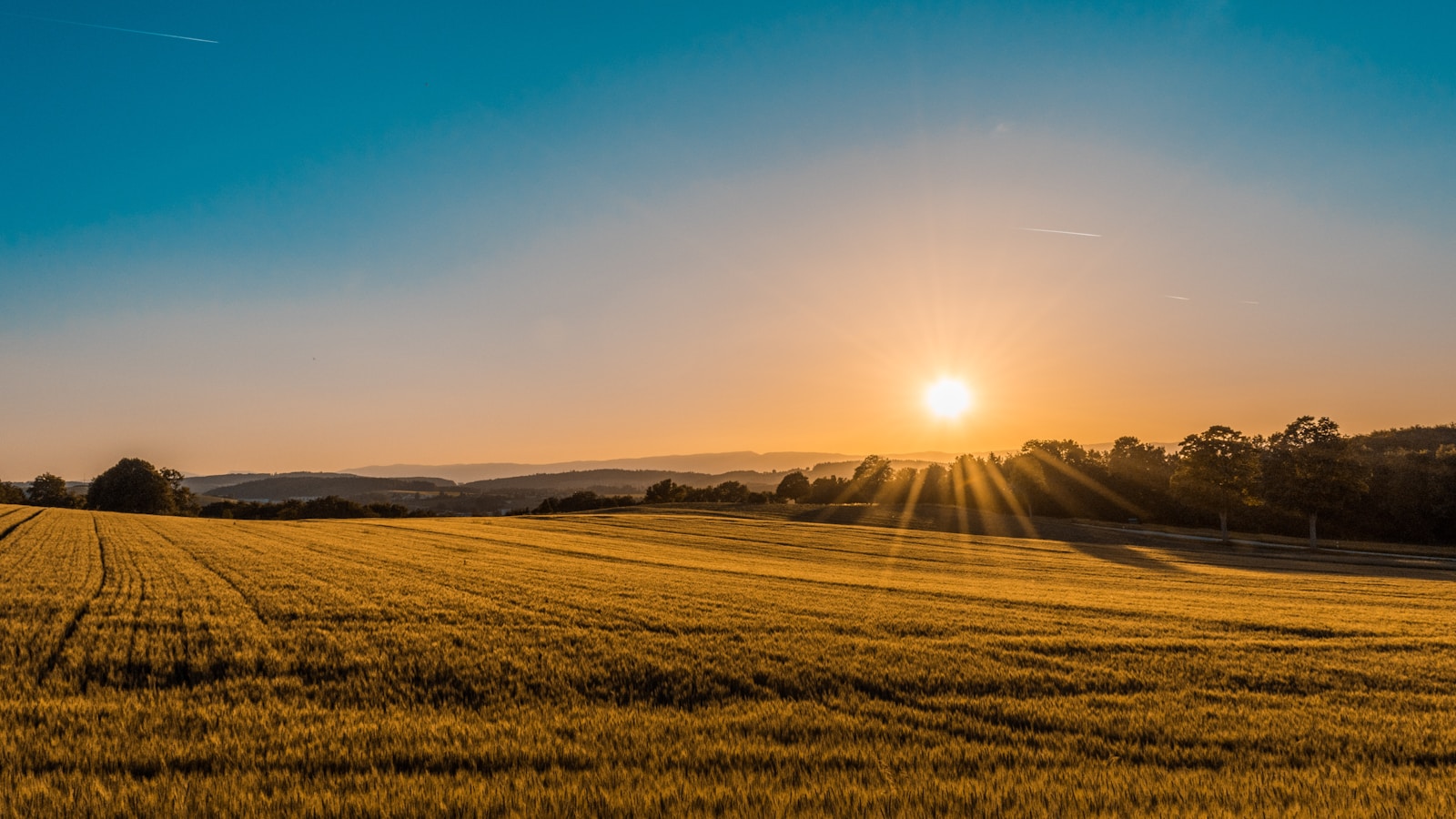
Legalizing marijuana at the federal level could unlock major opportunities for traditional farming regions, especially across the American South. States like Florida, Georgia, and Alabama already have climates well-suited for outdoor cultivation. Federal approval would not only legitimize these operations but also improve agricultural practices, encourage crop rotation, and reduce reliance on hidden or inefficient illegal grows currently tucked into timberlands or undersized plots.
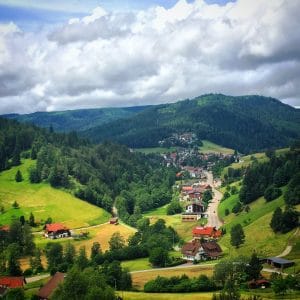
Historically, countries like Canada positioned themselves as global cannabis leaders after legalization. Known for staple crops such as wheat, canola, barley, oats, and soybeans, Canada has vast agricultural infrastructure. However, much of its cannabis production shifted toward large-scale indoor facilities, with companies like Tilray investing tens of millions into controlled growing environments.
While indoor cultivation offers consistency, it comes with significant environmental costs. These facilities require massive energy inputs for lighting, temperature control, and irrigation systems. By contrast, outdoor cannabis farming relies on natural sunlight, rainwater, and soil ecosystems—dramatically reducing carbon emissions and resource consumption.
The difference in water usage alone is notable. A single cannabis plant can consume approximately 22.7 liters (about 6 gallons) of water per day during peak growth, compared to wine grapes, which require roughly 12.6 liters daily. When scaled across thousands of plants, the environmental impact becomes substantial—especially in indoor systems where all inputs are artificially managed.
RELATED: Quantum And Cannabis
Outdoor cultivation not only lowers energy use but also promotes healthier soil and more sustainable farming practices. It benefits farmers by reducing overhead costs, supports the environment through lower emissions, and ultimately delivers a more natural product to consumers.
As legalization expands, shifting cannabis production outdoors—particularly in ideal agricultural regions—could redefine the industry. Done correctly, cannabis farming has the potential to become both an economic engine and a more environmentally responsible sector of modern agriculture.
