

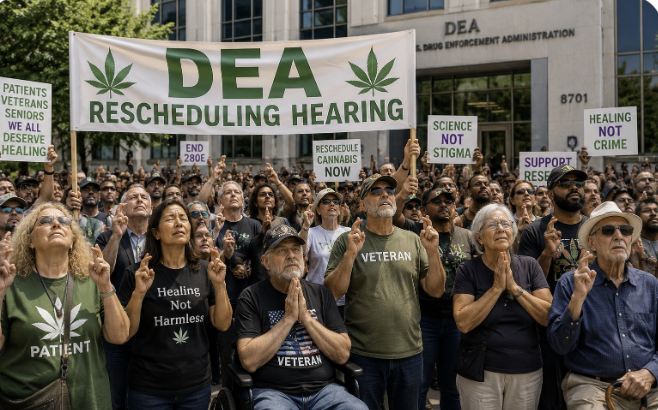
DEA Hearing Marks a Critical Turning Point as Cannabis Industry Waits to See Whether Schedule III Rescheduling Finally Moves Forward
After more than two years of delays, legal challenges and procedural setbacks, the federal effort to reschedule marijuana has finally reached one of its most important milestones. The Drug Enforcement Administration’s administrative hearing on moving cannabis from Schedule I to Schedule III concluded this week after running from June 29 through July 15. All that is left is the next steps. So as the marijuana rescheduling hearing nears finish – will anything actually happen before the end of 2026?
The answer is cautiously optimistic—but far from certain.
The hearing stems from a proposal first announced by the Department of Justice in May 2024 after the Department of Health and Human Services concluded marijuana has a currently accepted medical use and should no longer remain a Schedule I controlled substance. The recommendation would move cannabis to Schedule III, placing it alongside drugs such as ketamine and anabolic steroids while acknowledging legitimate medical value. Importantly, rescheduling would not legalize marijuana federally or affect state legalization laws, but it would dramatically change how cannabis businesses are treated under federal tax law and significantly expand research opportunities.
RELATED: Gen Z Is Drinking Way Less Than Previous Generations
The road to this point has been anything but smooth.
The original hearing process stalled amid procedural disputes before being withdrawn earlier this year. In April, the Department of Justice ordered a new hearing process designed to move the issue forward more quickly. The new proceedings officially began on June 29 at DEA headquarters in Arlington, Virginia, and wrapped up on July 15.
One of the biggest controversies surrounding the hearing was who was allowed to participate. The DEA selected several organizations and state representatives opposed to broader cannabis reform, while many organizations supporting rescheduling—including NORML, the Marijuana Policy Project and other cannabis advocacy groups—were excluded from presenting evidence during the formal proceedings. The decision has drawn criticism from legal experts and industry observers, who argue the administrative record may appear one-sided even though the federal government’s own position supports moving marijuana to Schedule III.

Despite those concerns, the government’s position has remained consistent. The Department of Justice continues to defend the scientific findings made by Health and Human Services that cannabis has accepted medical uses and should no longer remain in Schedule I, the same category as heroin. During the hearing, government attorneys defended the proposed rule while opponents challenged whether marijuana meets the legal standard for accepted medical use and raised concerns about impaired driving, workplace safety and public health.
So what happens next?
The administrative hearing itself does not determine federal policy. Instead, the Administrative Law Judge will prepare findings and recommendations based on the evidence presented. Those recommendations are then forwarded to DEA leadership, which retains the authority to issue a final rule accepting, modifying or rejecting the proposed Schedule III classification. Any final decision would almost certainly face immediate court challenges from opponents regardless of the outcome.
This leaves the biggest question: Is there still hope for action in 2026?
Yes—but expectations should remain realistic.
With testimony now complete, there is at least a procedural path toward a final DEA decision before year’s end. The Trump administration has directed the agency to move the process forward, and the hearing was conducted on an expedited schedule compared with the earlier proceeding. Those factors make action in late 2026 possible.
RELATED: How To Microdose Marijuana
