


Research and patient experiences suggest medical cannabis may help reduce pain, inflammation, and sleep disturbances associated with rheumatoid arthritis, fibromyalgia, and osteoarthritis.
As millions of Americans search for better ways to manage chronic pain, medical cannabis offers fresh hope for arthritis and chronic pain patients especially those with rheumatoid arthritis, fibromyalgia, and osteoarthritis. While cannabis is not considered a cure for these conditions, growing research and patient experiences suggest it may help reduce pain, improve sleep, and enhance overall quality of life when used under medical guidance.
RELATED: Is Cannabis Helpful With Wrinkles
Rheumatoid arthritis (RA), fibromyalgia, and osteoarthritis affect millions of people across the United States. Each condition presents unique challenges, but all can cause persistent pain, stiffness, fatigue, and limitations in daily activities. Traditional treatments often include anti-inflammatory medications, pain relievers, physical therapy, lifestyle changes, and, in some cases, prescription drugs may carry unwanted side effects. As a result, many patients are exploring complementary therapies, including medical cannabis.
Medical cannabis contains compounds known as cannabinoids, the most widely recognized being tetrahydrocannabinol (THC) and cannabidiol (CBD). These compounds interact with the body’s endocannabinoid system, a network involved in regulating pain perception, inflammation, mood, sleep, and immune function. Researchers believe this interaction may explain why some patients report meaningful symptom relief.
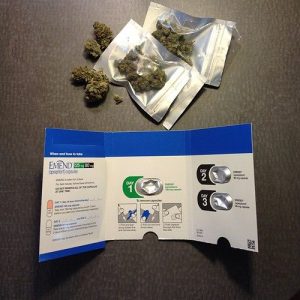
For patients with rheumatoid arthritis, an autoimmune disease causing the body’s immune system to attack healthy joint tissue, inflammation is a primary source of pain and damage. Some studies suggest cannabinoids may possess anti-inflammatory properties helping reduce discomfort and improve sleep quality. While cannabis does not replace disease-modifying medications prescribed by rheumatologists, some patients report it helps manage breakthrough pain and nighttime symptoms.
Fibromyalgia patients may also benefit from medical cannabis. The condition is characterized by widespread musculoskeletal pain, fatigue, sleep disturbances, and cognitive difficulties often referred to as “fibro fog.” Because fibromyalgia can be difficult to treat effectively with conventional medications alone, cannabis has attracted significant interest among patients. Several studies and patient surveys have found some individuals experience reductions in pain intensity, improved sleep, and better overall well-being when using cannabis-based products. CBD-rich formulations are particularly popular among those seeking symptom relief without significant psychoactive effects.
Osteoarthritis, the most common form of arthritis, results from the gradual breakdown of cartilage in joints. It frequently affects the knees, hips, hands, and spine, leading to chronic pain and reduced mobility. Medical cannabis may help osteoarthritis patients by addressing pain and improving sleep, both of which can have a significant impact on daily functioning. Some patients also use topical cannabis products, such as creams and balms, directly on affected joints in an effort to target localized discomfort.
RELATED: How TV Shows Are Redefining Marijuana in Modern Life
Experts caution medical cannabis affects individuals differently. Factors such as age, medical history, dosage, product formulation, and method of consumption can all influence outcomes. Common side effects may include dizziness, dry mouth, drowsiness, and temporary cognitive impairment, particularly with THC-containing products. Patients should consult healthcare professionals familiar with cannabis medicine before beginning treatment.
As legalization expands and research continues, medical cannabis is becoming a more widely accepted part of chronic pain management discussions. For patients with rheumatoid arthritis, fibromyalgia, and osteoarthritis, it may offer an additional tool to help manage symptoms and improve quality of life. While more large-scale clinical studies are needed to fully understand its long-term effectiveness and safety, many patients and healthcare providers view medical cannabis as a promising option within a comprehensive treatment plan.
