

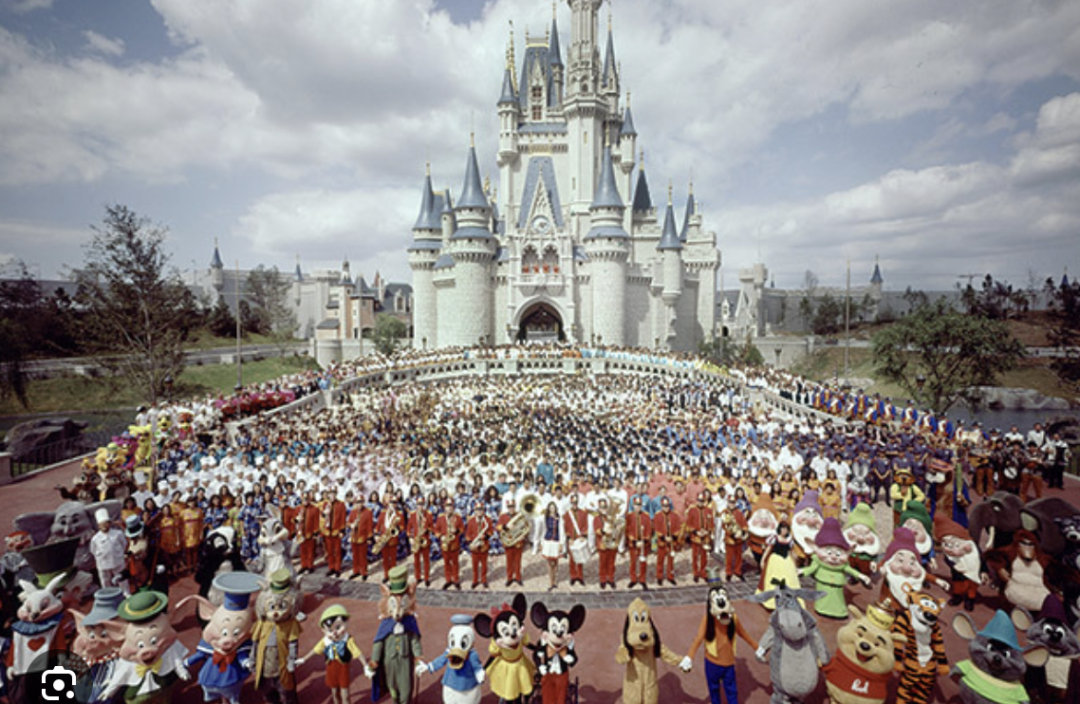
The Surprisingly Magical Science Behind the Happiest Place on Earth With So Few Mosquitoes
Ever wonder why you can spend an entire day wandering through Disney World in the middle of Florida—home to heat, humidity, lakes, and swamps—without constantly swatting mosquitoes?
It almost feels like magic.
After all, Florida is famous for mosquitoes. In many parts of the state, stepping outside around dusk practically guarantees you’ll become an all-you-can-eat buffet for the tiny bloodsuckers. Yet millions of guests visit every year wearing shorts, tank tops, and fairy-princess dresses without ending the day covered in itchy bites. You wonder – why there are (almost) no mosquitoes at Disney World.
While Disney hasn’t waved a magic wand over the parks, the company has created one of the world’s most sophisticated mosquito management programs.
RELATED: Enjoy This Harry Potter Butterbeer Ice Cream
Unlike Cinderella’s Fairy Godmother, Disney’s secret isn’t “Bibbidi Bobbidi Boo.” It’s science, engineering, and an extraordinary amount of planning.
Long before the first guests arrived in 1971, Disney engineers understood one simple fact: mosquitoes breed in standing water. Since Central Florida is filled with wetlands, marshes, afternoon rainstorms, and countless opportunities for puddles, preventing stagnant water became one of the resort’s top priorities.
Throughout Disney World, water is constantly moving. Canals, streams, fountains, drainage systems, and carefully engineered waterways help prevent mosquitoes from finding ideal breeding grounds. Even landscaping is designed to minimize areas where water can collect for several days.
Disney also employs trained specialists who continuously monitor mosquito activity throughout the property. Rather than simply spraying pesticides everywhere, they use an integrated pest management approach combining surveillance, environmental control, biological solutions, and targeted treatments only when necessary. This strategy is both effective and environmentally responsible.
One of Disney’s more fascinating tools is what’s affectionately known as the “Chicken Squad.”
Sentinel chickens are safely housed around portions of the property where veterinarians routinely test them for mosquito-borne illnesses such as West Nile virus. Because mosquitoes bite birds before humans, these harmless monitoring stations provide an early warning system if mosquito activity begins increasing in a particular area. The chickens are carefully cared for and do not become sick from the testing process.
The result? Disney can respond quickly and precisely before mosquito populations become a noticeable problem.
Guests also unknowingly help the effort. Air-conditioned attractions, indoor restaurants, covered queues, and extensive shade mean visitors spend less continuous time exposed to mosquitoes during their most active hours.
The same philosophy extends to Disneyland in California, although the challenge is much smaller. Southern California’s drier climate naturally supports far fewer mosquitoes than Central Florida. Disneyland still practices careful water management and pest control, but it doesn’t require the extensive, around-the-clock mosquito program found at Walt Disney World because the local environment simply isn’t as mosquito-friendly.
RELATED: The Hidden Tricks Grocery Stores Use To Get You To Spend More
Of course, no outdoor destination can honestly promise zero mosquitoes. A determined mosquito may occasionally sneak through, especially after heavy rains or during particularly humid weather. But compared with most Florida attractions, the difference is remarkable.
This is why you can stroll through Fantasyland dressed like Belle, explore Adventureland like Moana, or race through Galaxy’s Edge without constantly slapping your arms and legs. Even Tiana, whose story begins in the Louisiana bayou, would probably appreciate Disney’s mosquito strategy.
So if you’ve ever wondered why you returned from Disney World with photos, souvenirs, and tired feet—but almost no mosquito bites—you now know the answer.
It isn’t pixie dust.
It’s decades of thoughtful engineering, environmental science, and meticulous maintenance working quietly behind the scenes. Like so many things at Disney, the real magic is making something incredibly complicated look completely effortless.
