The 4th is a time for fun, family and fireworks – and a ruff one for pets!
The 4th of July is a huge celebration with bbqs, parties, drinks, red/white/blue clothing and fireworks. While most people enjoy the 4th, dogs, cats and other pets find it upsetting. In a study, it is estimated that 45 percent of dogs show signs of fear when they hear fireworks, and a New Zealand survey recorded 79 percent of horses as either anxious or very anxious around fireworks. When it comes to fireworks and pets, can marijuana or cbd help?
According to PetAmberAlert.com, animal control facilities experience a 30% increase in missing pets between July 4 and 6, with July 5 being one of the busiest days for shelters. The poor things are frightened by the loud, unpredictable booms.
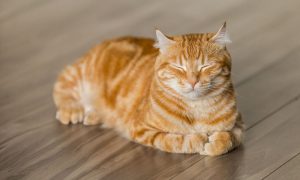
Photo by Michael Sum via Unsplash
CBD is a big yes, and cannabis more of a no. It is highly discouraged to give pets marijuana due to the THC. Pets have more cannabinoid receptors in their brains, which means the effects of cannabis and THC are more dramatic and potentially more toxic when compared to humans.
CBD doesn’t have THC and can provide relief without the high. A CBD for pets is recommend based on the dosage being for a pet size rather than a person size.
A method of medicating your pet with cannabis is by using a CBD oil and rubbing into their ears. CBD-infused treats do not get pets high, but can relief stress, but they need to consume it at least 40 minutes before the start of the fireworks/noise.
The following general suggestions are good for pets.
Stay inside: Try to keep your pet indoors at all times as much as possible. Ideally, someone stays home with your pet.
Make them feel safe: Comfort your pets with petting, hugging, talking to them in a soothing voice, providing a treat and staying nearby if possible. Make sure they can access their crate or “safe place.”
Avoid the noise. Try to drown out the fireworks sounds as much as possible by closing windows, playing music or turning on the TV.
Act normal. Your pet takes cues from your and your family’s actions. Go about your normal routine as much as possible, talking and playing with your pet as usual.
Hopefully everyone in your family this year will have a great 4th!
President Biden has joined the millions who suffer from sleep apnea and is seeking relief with a continuous positive airway pressure (CPAC)machine. It is a potentially serious sleep disorder in which breathing repeatedly stops and starts. As the leader of the free world, it is not surprising Biden has a bit of trouble sleeping. Maybe someone in the White House might talk to him about sleep apnea and medical marijuana? Just to remind him he committed to legalization?
One cause of sleep apnea is excess weight and obesity, which is associated with the soft tissue of the mouth and throat. While asleep, throat and tongue muscles are more relaxed, allowing soft tissue to potential block the airway. Other causes include anxiety, being male, age, family history, a narrowed airway, a deviated septum and more. Snoring loudly or feel tired even after a full night’s sleep key symptoms.
Medical marijuana may help with sleeping issues, but can it help with sleep apnea?
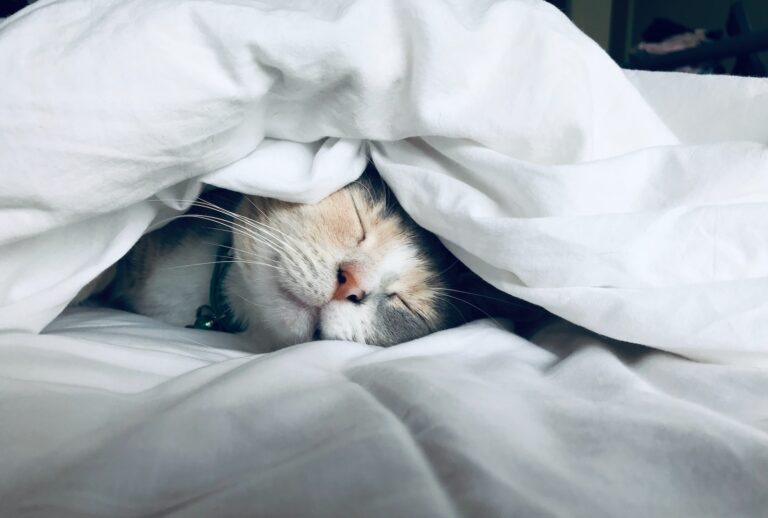
Photo by Ron Lach via Pexels
Medical marijuana and synthetic marijuana extracts should not be used for the treatment of obstructive sleep apnea, according to the American Academy of Sleep Medicine (AASM).
The reason for the warning is there is little scientific evidence medical marijuana can help. The obstruction of the airway can be dangerous and life threatening, so medical professionals always, for good reason, land on the side of caution. While there have been a couple of small studies, more data needs to be accumulated to ensure it is safe and will help toward the illness.
While alcohol can aggravate sleep apnea, there doesn’t seems to be the same issue with cannabis. You would be advised to not smoke before bed and to definitely not use it as a sleep apnea treatment.
“Until we have further evidence on the efficacy of medical cannabis for the treatment of sleep apnea, and until its safety profile is established, patients should discuss proven treatment options with a licensed medical provider at an accredited sleep facility,” said Kannan Ramar MD, professor of medicine in the division of pulmonary and critical care medicine at Mayo Clinic in Rochester, Minnesota.
Sleep is tough and roughly 40% of people have a sleep issue at some point. President are no exception. Ronald Reagan, JFK, and Bill Clinton napped daily; Reagan even made a schedule for his naps and took them at the same time each day. While there are pros and cons to napping, research indicates that a properly executed nap increases alertness, performance, and memory. All great benefits to have if you’re the leader of the free world. Hopefully this new treatment will help Biden get a sound sleep and avoid seeing or hearing the White House’s ghosts.
Millions are pouring into Mecca where the heat is around 110 degrees at the height of the day. The Hajj is an event of the faithful and a dream for many despite the temperature and the crush of bodies. The crowd avoids all alcohol at all cost. The Qur’an explicitly forbids drinking and a reliable hadith forbids even indirect association with alcohol. The truly faithful can not associate with someone who drinks, even if they are a family member or a close employee at work.
But what about cannabis and its healing powers? And as Eid starts, is cannabis halal?
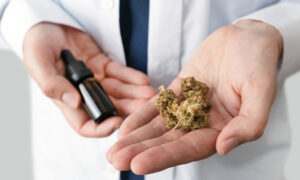
Photo by simpson33/Getty Images
It is believed that the Qur’an forbids alcohol because it harms one’s health, can lead to addiction and disrupts society. Some countries, like Saudi Arabia, outlaw alcohol altogether. Drinking there can be punished by flogging, fines, imprisonment and, for foreigners, deportation
A tobacco fatwa (an Islamic legal pronouncement) prohibits using tobacco by Muslims. Arab Muslims tend to prohibit smoking. Despite this, Saudi Arabia ranks 23rd in the world for their smoking population. Over 16% of all Egyptians smoke (led by men at 33%). And in South Asia, smoking tends to be considered lawful but discouraged.
The Qur’an does not directly forbid cannabis. There is a controversy among Muslim scholars about cannabis as some deemed it, by analogy, to be similar to khamr (intoxicants/alcoholic drink) and therefore believed it to be haraam (forbidden). However, other scholars consider cannabis to be halal (permissible). Lebanon in 2020 become the first, and so far only, middle eastern country that allows cannabis and it is with medical marijuana.
A widely accepted account (hadith-e hil) says, ‘Everything is allowed for you [halal lak] until you learn it is forbidden”. Hence, cannabis does not carry a total prohibition among most Muslim scholars.
Photo by Flickr user Anton Raath
In 2018, the Fiqh Council of North America (FCNA), a deliberative body comprised of Islamic jurists and medical consultants, stated while the use of intoxicating substances is proscribed by Islamic law, medical cannabis was permissible for Muslims to use with the following stipulations: Non-psychoactive preparations of cannabis are permitted to treat illnesses for which therapeutic effects of cannabis are certain, and psychoactive preparations are contingently permissible in cases of dire necessity.
A wise traveler would not consume and not carry or consume in strict countries.
Muslims around the world are celebrating Eid al-Adha, the Feast of Sacrifice. The sacred observance coincides with the final rites of the annual Hajj in Saudi Arabia. Eid al-Adha commemorates the Quranic tale of Prophet Abrahim’s willingness to sacrifice his son Ishmael as an act of obedience to God.
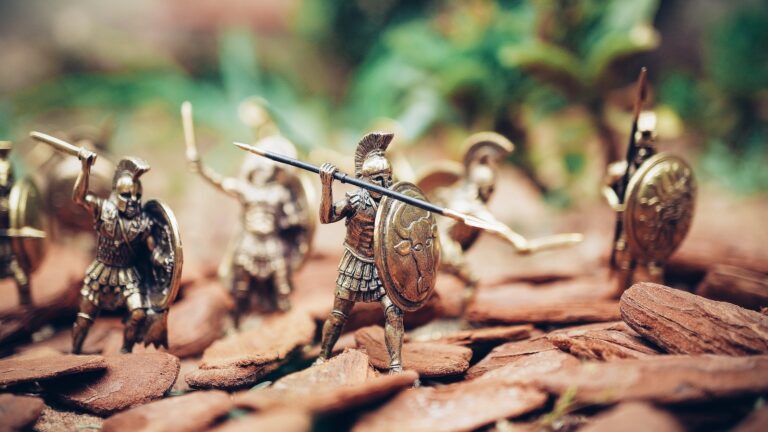
It is time for the summer blockbuster and action movies win huge – big screen battles, villains, etc. In the real world, another one is heating up. The global effort to reclassifying marijuana received a recent key boast. With the US President, global leaders, villains, billions of dollars, history, millions of victims and hundreds of millions consumers, this could have a massive effect. The West vs East showdown now has changing players and facts plays a part. The epic global battle over marijuana is worthy of a Marvel movie.
The first international drug war was the Opium Wars in the 19th century when Western countries lead by the United Kingdom forced China to open their borders and provide opium to the rest of the world. China lost and tried to push back during the Boxer Rebellion of 1900, but lost again. Japan, Russia, the United States and more were caught up in the action and it made daily international news.
In a major shake up in the cannabis war, a division of the United Nations (UN) seems to be switching sides. The UN Office on Drugs and Crime (UNODC) is marking World Drugs Day with the theme “People first: stop stigma and discrimination, strengthen prevention”, and launched another edition of the World Drug Report. UNODC continues to fail in raising concerns over the continued use of the death penalty for drug-related offences despite a sharp increase in executions last year.
Photo by nali_wike via Pixabay
In 1925The League of Nations, the pre-cursor of the United Nations, during a plenipotentiary conference first regulated cannabis worldwide and in 1936 had anti-trafficking convention. By the 1960s marijuana was general illegal, but consumed, in most parts of the world. In 1972, the Dutch divided drugs into more- and less-dangerous categories, cannabis being in the lesser category. Accordingly, possession of 30 grams or less was made a misdemeanor. Cannabis has been available for recreational use in their coffee shops since 1976 making Amsterdam an iconic marijuana tourist destination.
In 1996, California became the first U.S. state to legalize medical cannabis in defiance of federal law. Canada followed in In 2001.
In 2001, Portugal decriminalized all drugs, maintaining the prohibition on production and sale, but changing personal possession and use from a criminal offense to an administrative one. Subsequently, a number of European and Latin American countries decriminalized cannabis, such as Belgium (2003), Chile (2005), Brazil (2006), and the Czech Republic (2010). In 2013, Uruguay legalize recreational cannabis them the first country in the modern era to legalize cannabis.
More Western World and South American countries leaned into the science of medical marijuana and the data proving cannabis is less harmful than alcohol. China, Russia, Eastern Africa and the Middle East took an opposite stance increased draconian punishments.
The failed war on drugs continues to reap a horrible harvest of ruined lives and economic devastation. Reports by Amnesty International and Harm Reduction International show people who are marginalised, including because of their socio-economic status, ethnicity, mental or intellectual disability, and nationality, continue to be disproportionately impacted for drug-related crimes. The situation sharply deteriorated during 2022, as the recorded number of people executed for drug-related offences increased by more than 100% in 2022 compared to the previous year. As reported by Amnesty International, executions for drug-related offences amounted to more than a third of all executions recorded globally. Executions for drug-related offences were confirmed in Iran, Saudi Arabia, Singapore and China – likely occurring in Vietnam as well, where state secrecy is prevalent.
Added to the mix is a slow moving President Biden on US decriminalization and Canadian Prime Minister Trudeau allowing international cannabis trade despite the UN. Former cartel kingdom Columbia is working to legalize marijuana and become the “weed basket” of the world with their outdoor grow. Pete Davidson, Rihanna, Elon Musk and other bold faced celebrities join international conglomerates like Constellation Brands, Altria, Alimentation Couche-Tard, and Imperial Brands to embrace legalization both nationally and beyond.
With millions being penalized, some severely, and hundreds of millions who consumer, especially those who need it medically, this shouldn’t be difficult. The UN Office on Drugs and Crime new position, are starting to reframe the discussion into equity, science and medical data. Medical marijuana has been world benefits since ancient times and can go a long way in the fight against opioids with the governmental support.
Things are different for Gen Z and Millennials with how they live/function, now they are changing cannabis
Millennials started upending the work and home environments and then Gen Z joined in. Gone are meeting in bars, speed dating and hello Bumble, Hinge and Twitter. Millennials speak up and are not afraid to share their views and opinions. They believe in a more just, inclusive world and global friends. They want to work at home, have starter kits for dinner and enjoy each day a bit more. It seems even old school marijuana is out with the new generations.
Well, thanks to a new study, they are moving the cannabis world into a new era. They have revolutionized tech, social change, the LGBT world, dating, food delivery and service and more. They want to experience life, go to concerts and see the world. Convinence (except maybe in craft cocktails) is a part of the world so they can take more in. Now they are having an impact on what is produced in marijuana.
Photo by Thomas Barwick/Getty Images
The generations, especially the younger ones are slowly turning away from alcohol and taking up legal marijuana. They now account for 72.1% of all tracked cannabis sales in Canada and 63% in the U.S., according to a report from data analytics firm Headset.
The imagine of the stoner rolling a blunt is still strong in the cannabis culture and most hard liners against use it as a warning sign. But they day of “hippie” is about as relevant at the fax. The industry is driven by more Wall Street guys and mom and pop owners rather than the long haired uber-aficionado who has made it part of their future.
A big change is Gen Z consumers are flocking vape pens, accounting for 33.6% of their total sales. They are the first demographic to put a flower down and pick up something easy, quick, and easy to store after a hit or two.
Older and traditional consumers generally prefer flower and edibles, while younger, new consumers are drawn towards vapes, pre-rolls and concentrates. These are easier to share and more convenient for an on the go lifestyle. Pre-legalization, people shared how they rolled their first doobie with flower or baked homemade “special” brownies. Since it is legal, you just go in and buy what you want to fit your need.
Today, Gen Z and Millennials’s group activities include concerts, trips and dodgeball. They want product they can share, pack, reuse and have with them discreetly.
Once again, Congress is working to pass SAFER Banking, a much needed boost to the cannabis industry. Not only would SAFER Banking provide secure ways to move legal money, it would bring them deeper into the mainstream economy like alcohol and tobacco. Being less prone to dramatics, it is important the Senate talks about Safe Banking and pushes it through.
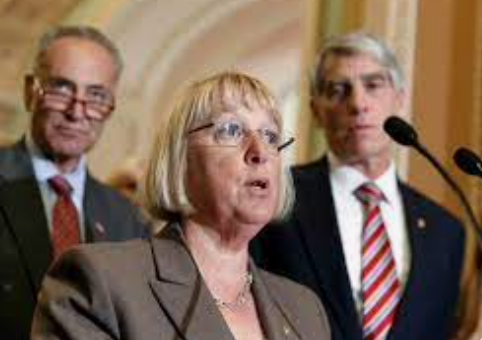
While this is the third attempt, it has garnered key allies like Senator Patty Murray, who is the 3rd in line for the presidency and has chaired the powerful Appropriations committee. She known for speaking softly and carrying big influence.
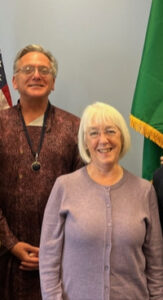
The Fresh Toast Founder/ Publisher JJ McKay and Senator Patty Murray
“It makes absolutely no sense that legal cannabis businesses in states like Washington are forced to operate entirely in cash—and it’s dangerous to their employees, their businesses, and our neighborhoods,” said Senator Murray. “I’ve introduced bipartisan legislation that would bring legal cannabis businesses into the formal banking system, where they belong—making our communities safer and providing much-needed relief to these small businesses and their customers. Let’s make this the Congress where we finally pass this legislation into law—and let’s get it done as soon as possible.”
In speaking with her team and this media outlet, she reasserted her position of support and reasoning. She states the bill is bipartisan, which is critical to its passing. Senator Murray is joined by Senator Chuck Schumer, the Democratic Majority Leader in the U.S. Senate who has voiced his own support of the bill.
Along with Senator Murray, U.S. Senators Jeff Merkley (D-OR), Steve Daines (R-MT), and U.S. Representatives Dave Joyce (R-OH-14) and Earl Blumenauer (D-OR-03) introduced the bipartisan, bicameral Secure and Fair Enforcement (SAFER) Banking Act of 2023. The bill would ensure that legal cannabis businesses would have access to critical banking and financial services.
The SAFER Banking Actof 2023 would prevent federal banking regulators from:
Prohibiting, penalizing or discouraging a bank from providing financial services to a legitimate state-sanctioned and regulated cannabis business, or an associated business (such as a lawyer or landlord providing services to a legal cannabis business);
Terminating or limiting a bank’s federal deposit insurance primarily because the bank is providing services to a state-sanctioned cannabis business or associated business;
Recommending or incentivizing a bank to halt or downgrade providing any kind of banking services to these businesses; or
Taking any action on a loan to an owner or operator of a cannabis-related business.
The cannabis industry has been bedeviled by a surplus of flower, over taxation along with the same trouble of the mainstream industry such as finding staff. The SAFER Banking act would be a blessing for both the industry and the states who are driving strong revenue from legal sales.
The National Collegiate Athletic Association(NCAA) is a major player in sports. In 2022, they helped 520,000 students in athletic college programs compete. That includes over 1,100 schools with 19,000+ teams. They are a non-profit footprint covering the United States, Canada, Puerto Rico, and United States Virgin Islands. With such a large group, you wonder if the NCAA will make a move on marijuana.
In 2019, pre-pandemic in person turmoil, just NCAA Division 1 sports generated $15.8 billion in revenue. Colleges with football teams can expect to earn an average of $31.9 million per school. The average March Madness game had 10 million viewers. There are dozens of NCAA videos games helping drive the non-profit’s $900+ million budget.
So, they are a slow organization that is slow to changes. The President is former governor and GOP member Charlie Baker. He is a republican when the Grand Old Party in congress is glacially moving toward a more modern and data approach to marijuana.
So it is a big deal when a NCAA panel is calling for the association to remove cannabis from its banned drug list and testing protocols. The testing has been in place since 1986. The NCAA Committee on Competitive Safeguards and Medical Aspects of Sports, said testing should be limited to performance-enhancing drugs and found that cannabis does not enhance performance.
Just WOW.
Photo by Jacobs Stock Photography Ltd/Getty Images
The committee also requested the NCAA to halt testing for cannabis at championship events while changes are considered. No decision has been made, but will be reviewed.
Reason for considering the change was informed by the December 2022 Summit on Cannabinoids in College Athletics and includes the consensus opinion that cannabis is not a performance-enhancing drug and a harm reduction approach to cannabis is best implemented at the school level. Additional rationale included:
Focusing on testing for substances that provide an unfair advantage by enhancing athletic performance.
Shifting toward a harm reduction philosophy for cannabis, similar to the approaches taken with alcohol.
Realigning toward institutional testing and how that testing supports/enhances campus efforts to identify problematic cannabis use.
Educating student-athletes on the health threats posed by contemporary cannabis and methods of use.
Identifying and explaining relevant harm reduction/mitigation strategies to those student-athletes who choose to legally consume cannabis.
To be removed from the NCAA list of banned drugs, the three NCAA divisional governance bodies would have to introduce and adopt legislation. The NCAA is reviewing this and will make a final decision in the fall.
The summer concert season has started and 25% of us will get their jam on over the next couple of months! Millennials (36%) and Gen Z (32%) are making it a cornerstone activity. Taylor Swift, the Boss, Lynyrd Skynryd and more will be on stage as millions are ready to dance to their favorite heady beats. Pop concerts are the most popular and most lucrative for concert promoters and stars. Outdoor summer concerts have been roaring back since Covid and people are flocking to them no matter what the ticket price. The average cost on tickets have gone up and a Taylor Swift concert can set you back $1,500+ for an average seat. With potential travel, wardrobe and more it can be an expensive experience. But what about marijuana at summer concerts?
A majority of cannabis consumers believe marijuana enhances the quality of the music. The idea of being outdoor wrapped up in the music that dances lightly across you soul is undeniable. We have some tips.
First thing to remember is the rules of the place and venue. While recreational marijuana is legal in 34 states, it isn’t in 16…know where you are. Live Nation is the largest concert company in the US and Canada. They clearly state items not permitted include weapons, alcohol, illegal drugs/substances, glass containers, cans, hard sided/large coolers, large or oversized bags/back-packs, laser pointers, animals (except service animals) and fireworks.
Why someone would bring an animal is a question, but it goes to how people think. Edibles, oils and vapes are the easiest. Guards could stop your pre-roll and trying to do a bong or bowl is just a lot of extra work.
Second, be considerate of the people around you. People have spent a lot of cash (or credit) to immerse themselves in the musical atmosphere and they may not want to have a surprise smell. For your private journey, consider edibles, vaping, or oils. Super easy to bring in most things. You can put it in a purse, pocket, Tic Tac container, disguised as gum, etc. Thanks to the big investment by cigarette companies, some vape pens interchangeable between cannabis and tobacco.
Next, timing is everything. You don’t want to show up at security flying too high because it might lead to problems. Think of the timing and be ready for when the main show hits the stage. For vaping, not a problem, for edibles, you need a bit more planning. And you don’t want to overindulge so you can enjoy the rhythm in your soul and craft a memory.
The good thing with marijuana it tends to mellow you, so you can relax and just focus on the beat, the moment and the experience. Have fun, be safe and enjoy the summer of music.
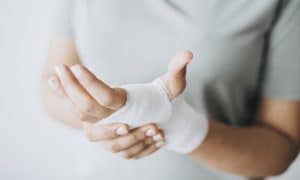
Summer is the here and the time to enjoy the outdoors! Going on a picnic, a boat cruise, a bike ride, a hike, a swim – all great activities. Taking a stroll in the neighborhood, pickle ball tournaments or just having a bbq. All part of summer fun. But researchers concluded individuals are at a higher risk of injury during these months due to an increase in daylight hours and popular outdoor activities. Have a summer injury? Medical marijuana can help.
As kids we never let the fear of an accident stop us from trying new things, maybe a chill attitude can help maintain that as we age.
Photo by Christopher Jolly via Unsplash
The biggest way cannabis can help is with pain. When medical marijuana is used, cannabinoid receptors in your ECS bind with cannabinoids called THC. THC binds with cannabinoid receptors starting an anti-inflammatory response which prevents inflammation and muscle spasms after an injury.
Patients claim that marijuana allows them to resume their previous activities without feeling completely out of it and disengaged. Marijuana is said to be a fantastic muscle relaxant and people swear by its ability to lessen tremors in Parkinson’s disease.
For deep injuries, medical marijuana does little to help since there is not a way for it to reach the pain point.
For direct injury treatment, think of applying straight to the muscle area. Topicals, balms or cremes are rich cannabinoid-infused products designed to be applied to sore and aching muscles. Be sure to read the label carefully. Depending on their formulation, some THC topicals could impart psychoactive effects, while most will not.
As with tinctures, vapes can be used to dispense high-THC cannabis to your whole system and is a gentle and effective way to address aches, strains, and muscular pain.
Photo by roungroat via rawpixel
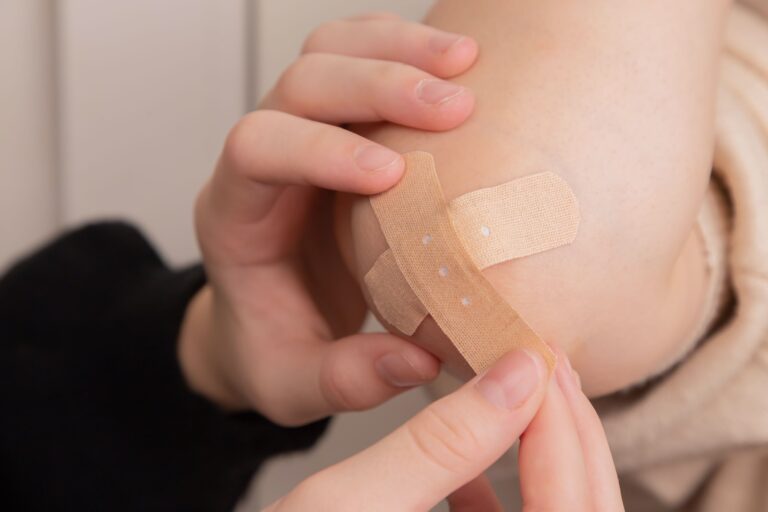
For twisted back, ankles, hands and other joint areas, consider the bigger picture. Follow your doctor’s advice and recommendations for handling sprains will suggest heat, ice and a few days of bed rest. Some my suggest prescription painkillers but be warned narcotic drugs are potent and addictive. Medical marijuana can be a sound alternative with an edible, a vape or an oil. It can make recovery much quicker.
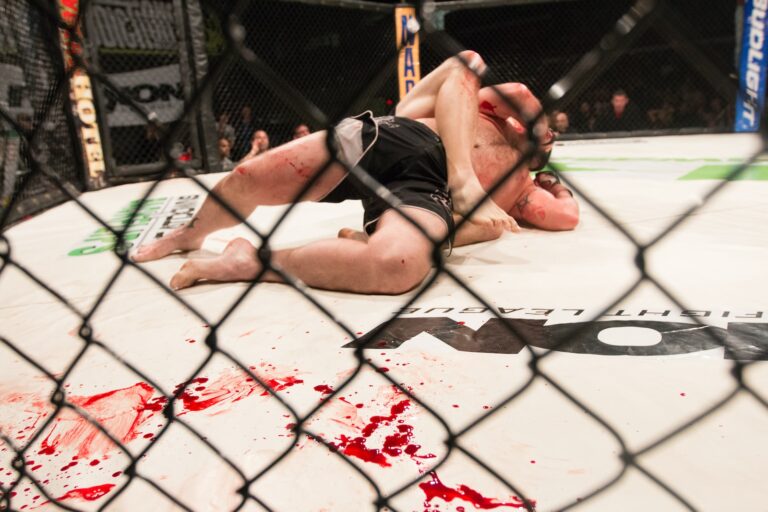
According to InsideSport, over 300 million people follow MMA closely. You may not be one of those, and ask what is MMA and is it like cage fighting? Well, yes. MMA is the extreme sports of mixed martial arts. A marriage of techniques including boxing, wrestling and martial arts are used in a cage until a winner is declared. Crazy popular and leaking into other references, we have to ask – what about MMA (or cage fighting) and marijuana?
Overseeing it all is Ultimate Fighting Championship (UFC), an American mixed martial arts promotion company based in Las Vegas. They are the global leader in MMA promotions. Zuffa is the parent company which is owned by Endeavor Group Holdings.
MMA is about as dangerous as any other full contact sport. MMA athletes can receive the same injuries as players in sports such as hockey and football, including sprains, broken bones and concussions. The difference is the intensity of one on one combat versus two teams.
So do MMA fighters use marijuana or at least medical marijuana? Heck yes.
In 2020, 45.9% of MMA fighters used the plant to improve their mental and physical skills, recover from intense workouts, and heal from injuries or soreness. Around 76.5% report to using CBD for these same types of benefits.
In January of 2021, UFC and the United States Anti-Doping Agency announced a significant change to the UFC’s anti-doping program. Updated rules went into effect on 1 January 2021 and said athletes will no longer be punished for testing positive for marijuana, specifically THC.
Prior to the change, athletes were only tested for marijuana in-competition around a fight but there were threshold levels in place and a positive test above that limit resulted in a doping violation. Now under the new rules, fighters will no longer be punished for testing positive for marijuana unless their is evidence the substance was taken for performance-enhancing purposes.
“It’s really, as with everything we do with this program, it’s science-based,” UFC senior vice president of athlete health and performance Jeff Novitzky told MMA Fighting.
Increasingly, professional athletes in sports ranging from football to bicycling to long-distance running have turned to using cannabis to reduce pain from post-game injuries and to help speed recovery. Medical marijuana can help with pain, swelling and injury recovery.
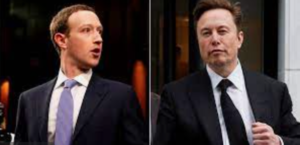
Cage fighting has become such a popular and mainstream sport, Twitter owner Elon Musk challenged Meta Founder/CEO Mark Zuckerberg to a MMF fight. Musk seemed surprised with the martial arts expert Zuckerberg seemed to accept. While Musk is a fan of marijuana, not sure Zuckerberg will use it for his fight recovery.
UFC is part of the combined William Morris Agency and Endeavor Talent Agency new holding company. Endeavor Group Holdings represents artists in film, television, music, theater, digital media, and publishing and represents the NFL and the NHL. They also own Professional Bull Riders (PBR). A deal to purchase WWE and merge it with UFC is expected to be completed in the second half of 2023. Endeavor is headed by CEO Ari Emanuel whose brother Rahm Emanuel was mayor of Chicago and Chief of Staff to President Obama.