The psychotropic effects of weed are substantial. However, you might be getting less out of your high than you could be.
The benefits of smoking cannabis are countless. There is a wide range of effects when it comes to enjoying this special plant, including health advantages and exhilaration. However, habitual cannabis users know very well how quickly their tolerance may grow. So, need some hacks to enhance your high.
You really planned everything so well and visited your favorite cannabis dispensary. Or maybe you ordered the best cannabis delivery service that reached you just in time. But it all got dull when you lit up. You just failed to get the high you expect.
Mood ruined, right?
Perhaps you don’t notice it at first but things are getting boring now. This cannabis is calmer and more subdued than you probably anticipated. Well, we totally understand that having to deal with this issue is very annoying.
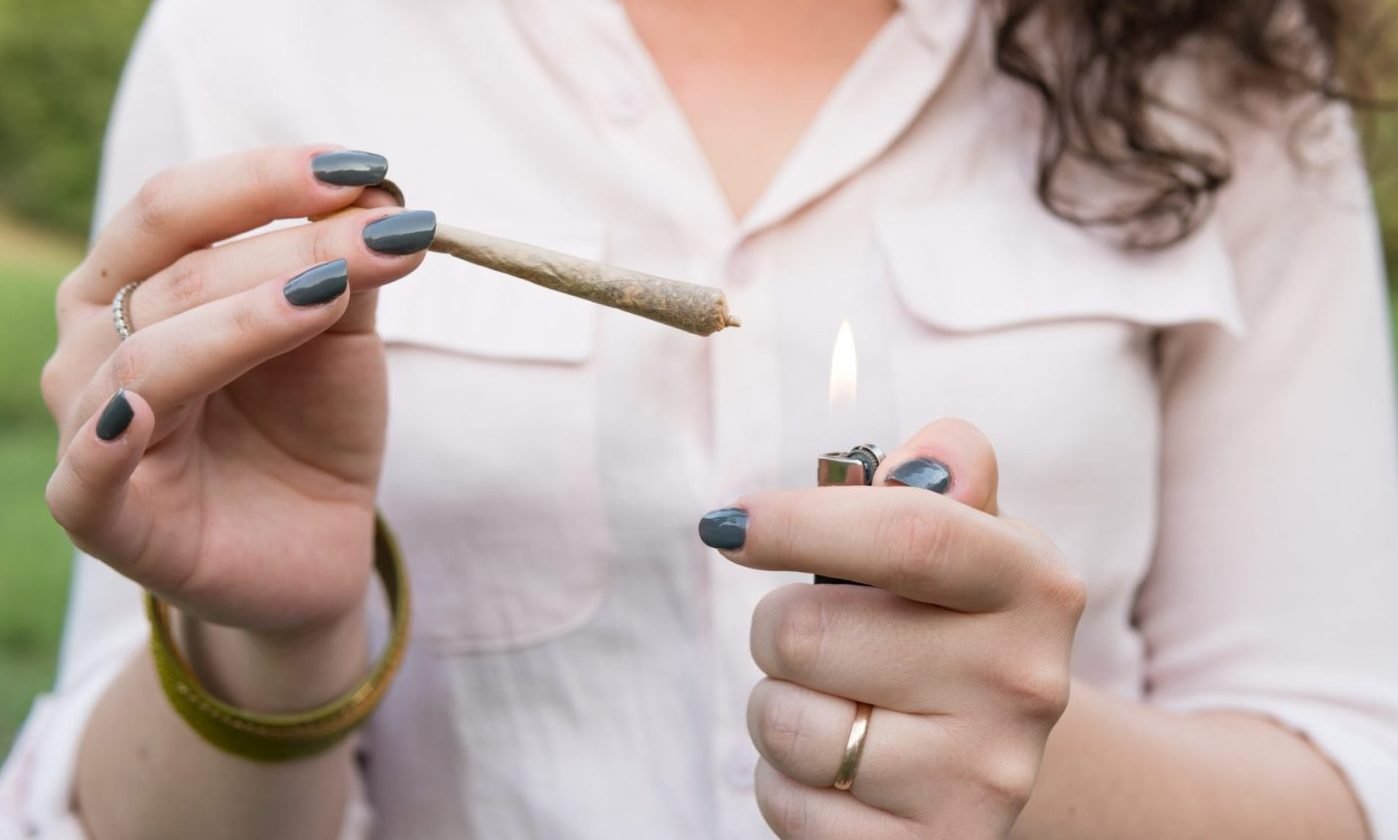
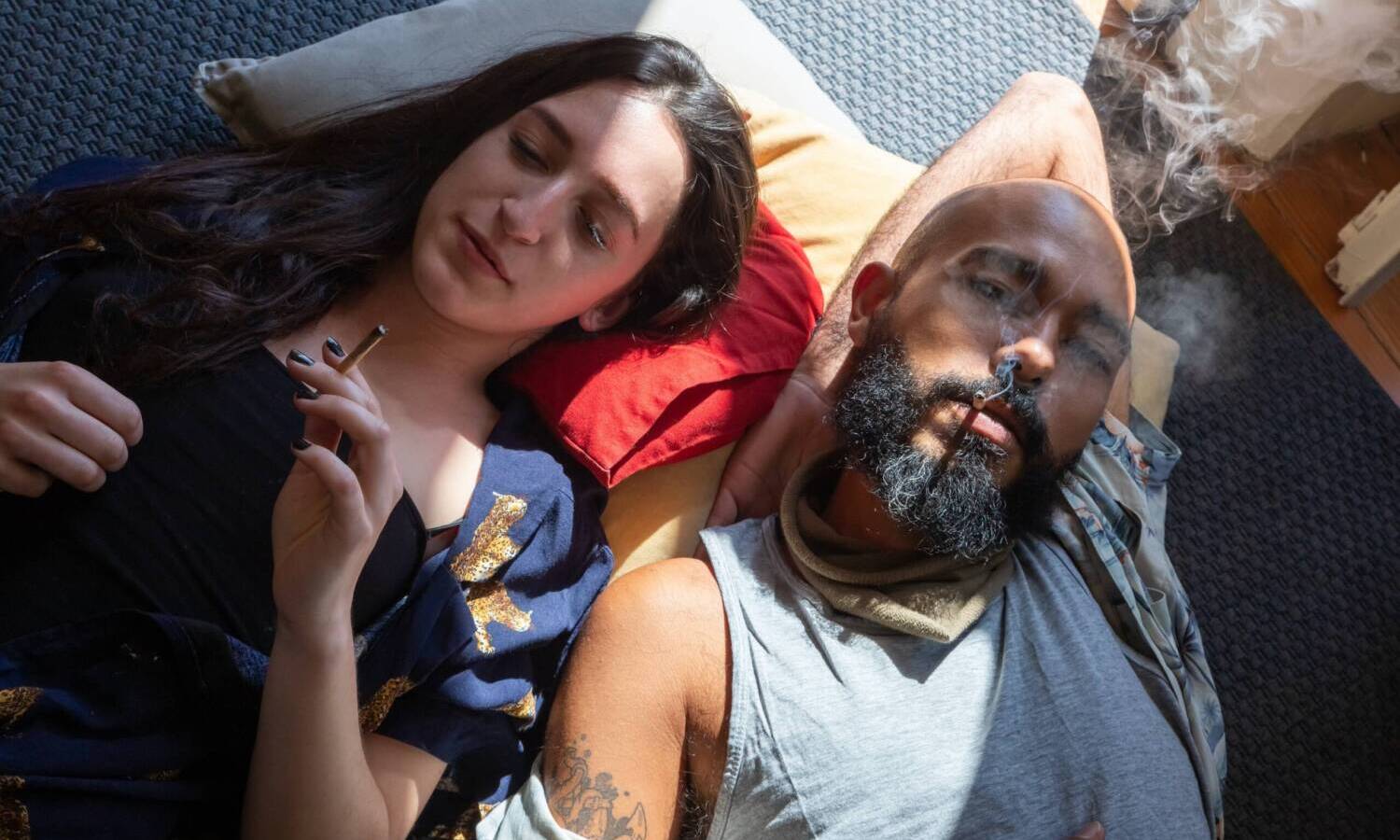
Photo by Westend61/Getty Images
Fortunately, there are some overlooked tactics that you can use to get the most out of your cigarette sessions.
Store Your Weed Correctly
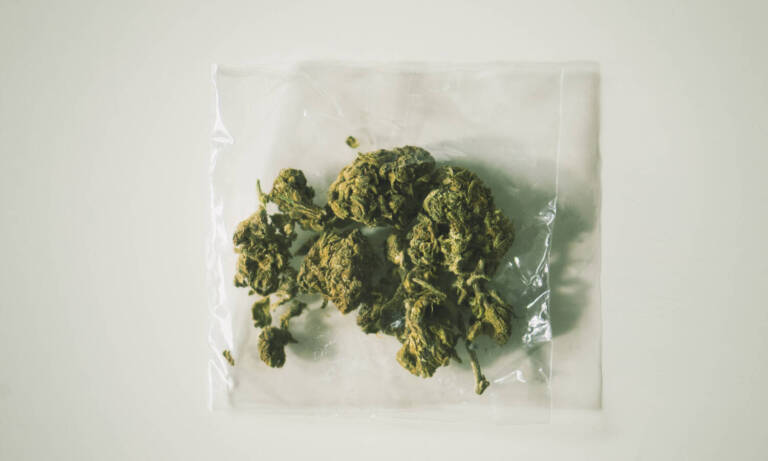
Where do you put your weed when you get it delivered to your house or buy it from a reputable cannabis dispensary? Using a plastic container or the bag the weed came in could suck up the herb’s effectiveness.
Plastic conducts electricity, which will destroy the THC in your flowers’ trichomes. A strong and durable container, such as a jar made of glass or steel, can prevent this from happening.
Some cannabis dispensaries have adjustable in-built humidity settings, while others use replaceable humidity packs. An easy alternative to these is to leave an orange, lemon, or lime peel sealed in with your cannabis for two to three hours to cure.
Preventing your stock from drying out, crumbling, and losing its potency is a good idea. To maintain your stash’s quality, put it away in a dark and cold spot where no direct sunlight can reach.
Photo by 3 Pelos/Getty Images
Make Smarter Choices
We assume that you have found a reliable supplier or the best cannabis dispensary. If you reside in a place where dispensaries or cannabis clubs are legal, this will be much less of a hassle. Even if you’re in a place with few options, you might be able to find out what kind of cannabis strain you’re being served.
This should be sufficient to enable you to explore the cultivar on the right site and gain some basic insight. You can also find relevant information about the prominent cannabinoids and terpenes in various strains, as well as other aspects of the strain’s phytochemical profile online. Different combinations of these chemicals can produce effects ranging from cerebral euphoria to a full-body buzz.
Estimates of expected THC concentrations are also easily available. These characteristics will, of course, change. But it usually depends on two important things, which is the grower and the source of the seeds. The best course of action is to try out various strains until you find one that gives you the desired effects.
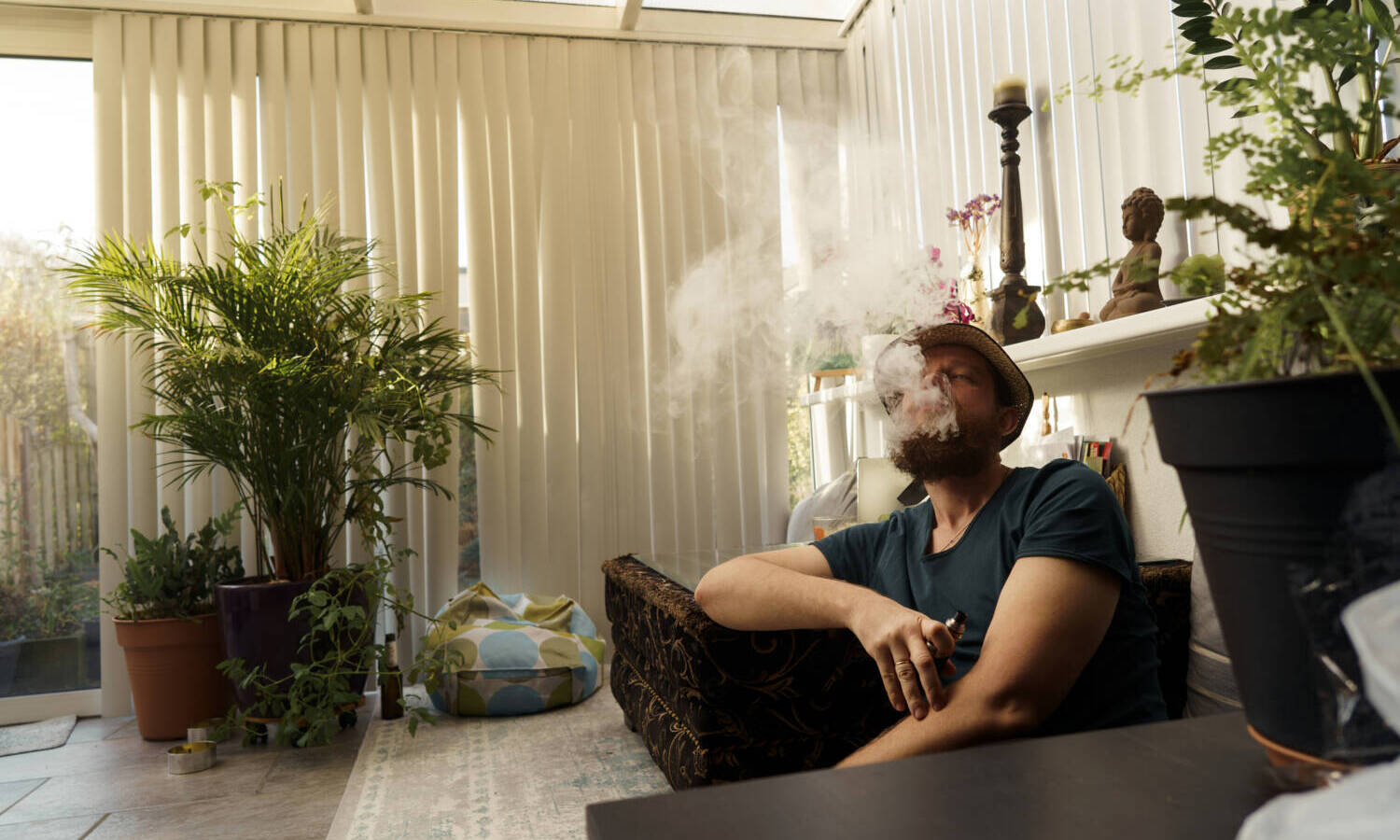
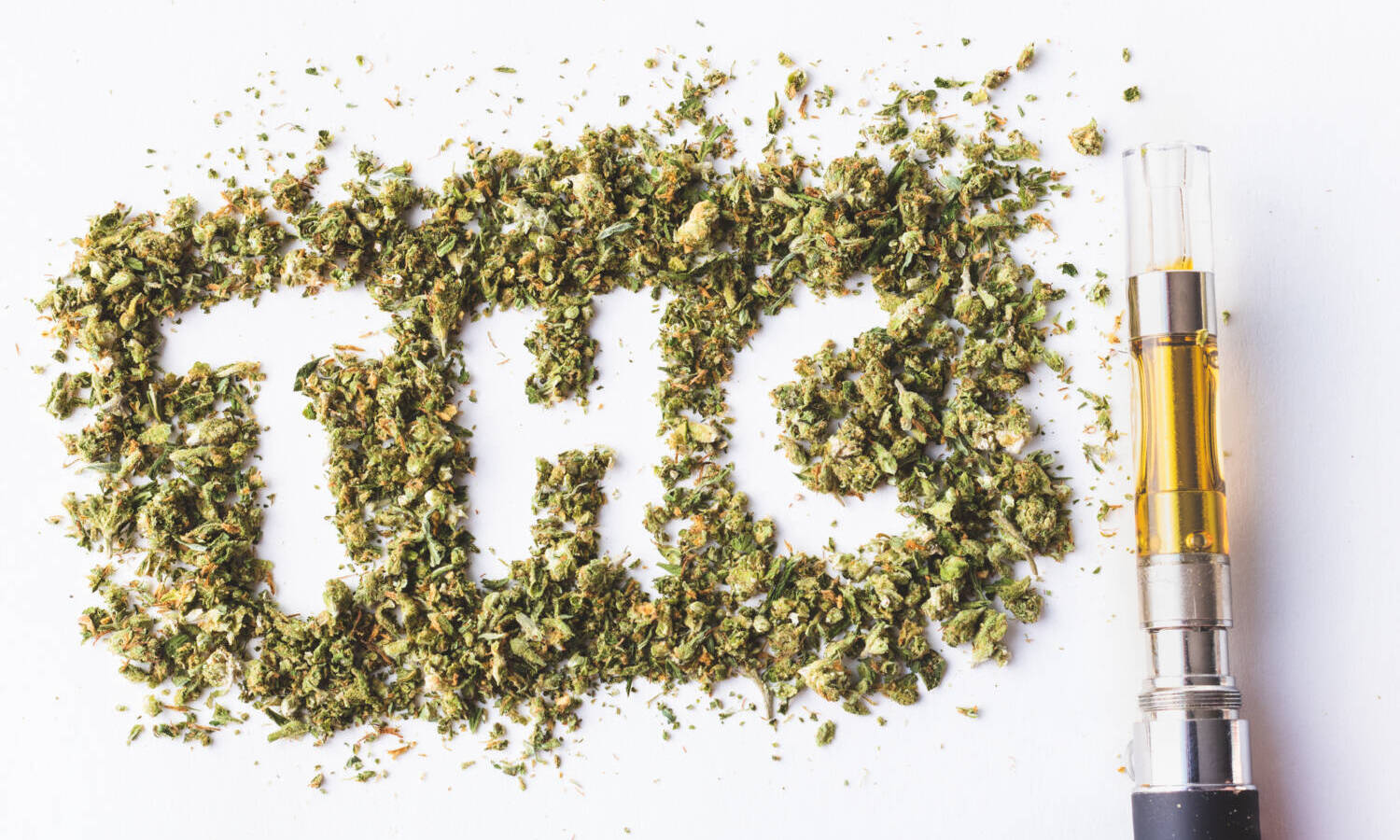
Photo by rez-art/Getty Images
Experiment With New Approaches
With the passage of time, things can start to get dull and lose their shine. This may cause you to quicken or slow down your cannabis high. You may be more conscientious about your smoking habits. The intensity of the surge can be raised by prolonging the inhalation.
Plus, you need to stop smoking your blessings to death and learn to appreciate them while they last. But, at the same time, you should also think about alternating your normal cigarette with something else now and then.
If you’re not a fan of smoking out of the pipe, you may always switch to a joint or bong. Edibles, concentrates, and vaping are all some common options that work best when you get them delivered to your door steps. The point is merely to provide a brief diversion.
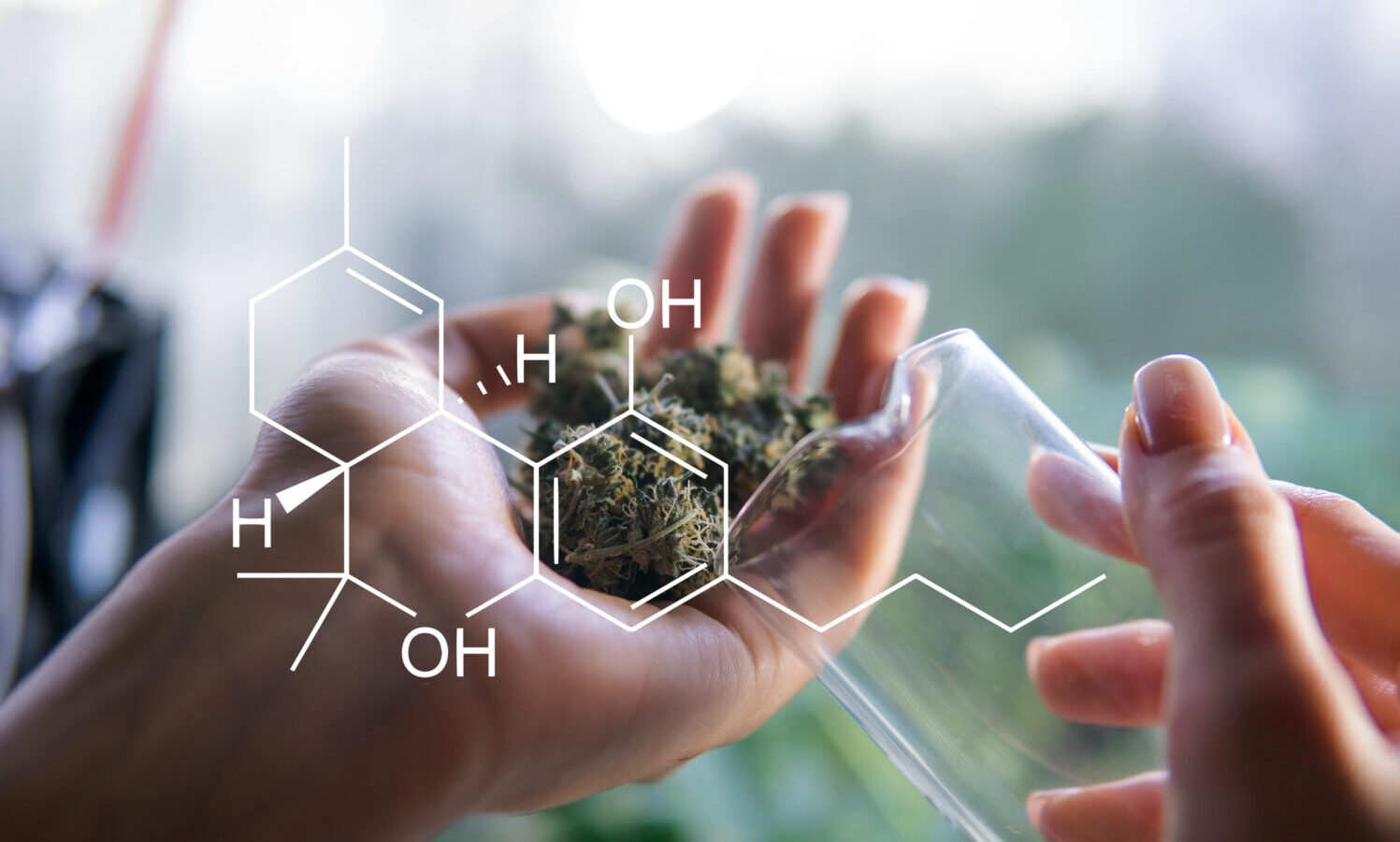
Photo by Volodymyr Bondarenko / EyeEm/Getty Images
Final Step: Shake Things Up
Last but not least, switching things around as much as you can definitely help you feel even more euphoric. If you usually light up as soon as you wake up, we suggest delaying your habit until the evening.
Try skipping days in between sessions and alter your method of consuming cannabis. You can easily switch between joints, dabs, vapes, edibles, and even tinctures.
Our bodies are very good when it comes to adapting to various routines. So if you want to keep your cannabis experiences interesting, try consuming it at odd hours or in unusual ways. Eliminating the same boring routine and viewing each smoking session as an opportunity for discovery can greatly enhance the experience.
You can begin in a variety of ways, some of which include enjoying a quick cannabis delivery. So spice things up a bit and experience the cannabis boost you’ve been seeking!
A new study found marijuana improves the sex lives of both men and women, but provides some extra benefits for women.
A new study adds more evidence of positive impact of marijuana’s before sex. Results show that cannabis increases the odds of orgasms and makes people more likely to experience pleasure. Most importantly, the study claims that the plant could be impactful for women, helping treat sexual dysfunctions and reducing the orgasm inequality gap.
The study, published in the Journal of Cannabis Research and conducted by researchers from East Carolina University, focused on survey responses from 811 adults between the ages of 18 and 85. The majority of them identified as female and all had previous experience with cannabis.
Photo by Goodboy Picture Company via Getty
“The purpose of this study was to examine the perceived influence of cannabis on sexual functioning and satisfaction,” researchers wrote.
Responses show that most participants, regardless of age and gender, reported experiencing more pleasure and satisfaction when having sex after consuming cannabis.
A closer look at the results show that 70% of respondents said that using cannabis before sex made them more likely to experience an orgasm while also increasing their desire. 62% said the drug increased pleasure while masturbating.
One of the strengths of the study is the fact that it used subjects of various backgrounds. For example, researchers made sure that their subjects were involved in multiple work industries, had varying cannabis preferences, ages and sexual orientations (almost 25% of the participants were identified as LGBTQIA+). After accounting for factors that could have altered their results, they concluded that the sex life of both men and women benefitted from the addition of marijuana.
“This study updates the current literature on cannabis and sexuality and provides implications for improving sexual quality,” researchers wrote. “Medical implications of this study include the possible use of cannabis for treating sexual dysfunctions, especially within women.”
In the case of women, the study suggested marijuana could help them treat various medical dysfunctions while helping close the orgasm inequality gap, a phenomenon that refers to the disparity between heterosexual men and women when it comes to orgasms.
“Women may be more likely to orgasm when using cannabis before sexual encounters, which could contribute to equity in the amount of sexual pleasure and satisfaction experienced by both women and men. Sex therapists could incorporate use of cannabis in states where it is currently legal,” argued the researchers.
A phenotype refers to the physical traits that are passed on from the parents to their offspring. These traits may include the appearance of the flowers in terms of color and bud structure.
If you have grown cannabis before you might have observed this confusing trend. You can plant your favorite strain in the first attempt and get all the desired features and effects that you were looking for. You give yourself a tap on the back, well deserved!
You do this again and it becomes a complete disaster in spite of replicating the growing formula. The plants may look and even taste a little bit different from the first batch. Your desired indica traits may be closer to sativa than indica. There is only one explanation to this: different phenotypes.
Photo by CasarsaGuru/Getty Images
The Age of Cannabis Hybridization
Cannabis hybrids have now become a popular thing. When done properly this represents the best of both worlds (sativa and indica) brought together in one strain. This is also an opportunity to harness the best phenotypes and propagate them.
For a long time cannabis growers were mixed up when choosing cannabis seeds to propagate. While indicas are desirable for the short flowering time and resin coated features, sativas offer the best in terms of cerebral buzz which is loved by consumers.
These two varieties of cannabis are on opposing ends of the spectrum when you consider their phenotypic expression. With hybrids it is possible to get a balance between the two, which is why it is easy to find a sativa that exhibits indica-like phenotypes and vice versa.
What Are Cannabis Phenotypes?
Cannabis, as well as other plants, are influenced by two factors: genetics and environmental factors. The genotype mostly refers to the genomic composition of the plant. This hidden genetic make-up gives birth to the external features that we can observe in the plant. It forms the basis for the expression of physical characteristics which make up the phenotype. It is easy to mistake the two but they are different.
The external environment helps to draw out the genotype so that it is expressed in the phenotype. If environmental conditions are not consistent, plants with similar genetic make-up may express their phenotypes differently. These differences will be expressed in terms of color, bud shape and density, aroma, and resin production.
Hence cannabis phenotypes have evolved consistently over the years through natural and man-made efforts.
For some growers, having different phenotypes in their grow is desirable as this will provide a range of desirable features. For others, consistency is key. However, most commercial growers would favor consistency over variety and this is why cloning and phenotyping is important.
Photo by Kirill Vasikev / EyeEm/Getty Images
Environmental Factors That Affect Cannabis Phenotypes
Cannabis genotypes produce certain traits based on environmental conditions. For example, purple hues are only expressed when cooler temperatures are present during the flowering phase of growth. Environmental factors will also affect the aroma, resin production, yields, and overall quality of the cannabis. You could have a high yielding variety of cannabis, but with fluctuating environmental conditions the high yield will not be achieved. If you take the same cannabis clone and subject it to two different environmental conditions the resulting plants will have different physical traits aka phenotypes.
The same applies when you take identical clones and give them to two different cannabis growers, the plant that they come up with will have the same genotype but may express different phenotypes. Even slight differences in growing conditions will affect the plant growth and end result. Factors such as temperature, humidity, and lighting conditions play a role in determining the physical traits of a strain.
Development of Phenotypes in Cannabis Plants
Phenotyping in cannabis starts as early during the formation of the seed. Unfavorable growing conditions will negatively affect the parent plant and may trigger phenotypic development before the seed ripens. Once the seed germinates, environmental conditions will allow for the development of certain traits.
Therefore, the environment helps to foster the traits of your plants at any given time. In most cases the dominant traits from the parent mask the expression of recessive traits in the strain. However, environmental fluctuations may force these recessive traits to be expressed. This is what creates the difference between different cannabis phenotypes.
How to Select a Cannabis Phenotype
When you collect seeds from a reputable cannabis seed bank you are likely to have a collection of different phenotypes of the same strain. You will need to grow a number of seeds and observe their characteristics as they begin to flower. Pick the seeds that display the most desirable traits and discard the rest. The traits here could include the colors, aroma, growth characteristics, yields, cannabinoid content, and resistance to disease. You can use these seeds to propagate your desired phenotype of cannabis.
The process of phenotyping usually takes several years especially when it’s being done on a commercial scale. It entails taking clones of the best seeds and labeling to avoid mixing. These seeds are then propagated to produce offspring with similar traits. This is usually done to facilitate the mass production of cannabis strains with the best characteristics.
The clones are grown to a height of about 6–12” a height which can be cloned. This may take 4-6 weeks. The cannabis clones need to be cultivated separately during the vegetative phase. After this initial phase the clones will need to be transported to the light cycle where they can begin to flower. You may observe some difference in how the clones behave in this stage. Some might flower sooner than the rest while the bud sizes and yields may also vary. In about 10 weeks the plants should be ready for the harvesting stage.
At this point you will have observed all the characteristics of the plants and you will be able to select the best clones. Take note of the bud structure, density, appearance, yield, and trichome gland population. Mediocre clones should be done away with. The clones you select will be used for the next generation until the generation with the best phenotypic features is realized. This may take several rounds of cloning and is likely to be a costly affair.
Photo by Jordan Siemens/Getty Images
Cannabis Genotype Vs. Phenotype
The two terms are often used interchangeably but are not one and the same thing. A cannabis genotype refers to the unseen genetic characteristics that are passed on from parent to their offspring. A phenotype on the other hand refers to the physical traits that are passed on from the parents to their offspring. These traits may include the appearance of the flowers in terms of color and bud structure. It also includes the smell, flavor, and effects that are produced by the plant. The genotype influences the expression of some of the phenotypic features; this is where the two intertwine. However, some phenotype features are as a result of environmental influences.
Selecting the Best Cannabis Phenotype
If you are a commercial grower looking to replicate desirable traits your best chance is to find your dream phenotype and take cuttings from it. To do this you will need to know what exactly you are looking for, right?
Here are a few phenotypic characteristics that you should be looking out for.
Aroma
This is one of the important things that you should be on the lookout for. The aroma of cannabis is a result of the terpenes that are present in the strain. However, this will also be influenced by the growing conditions.
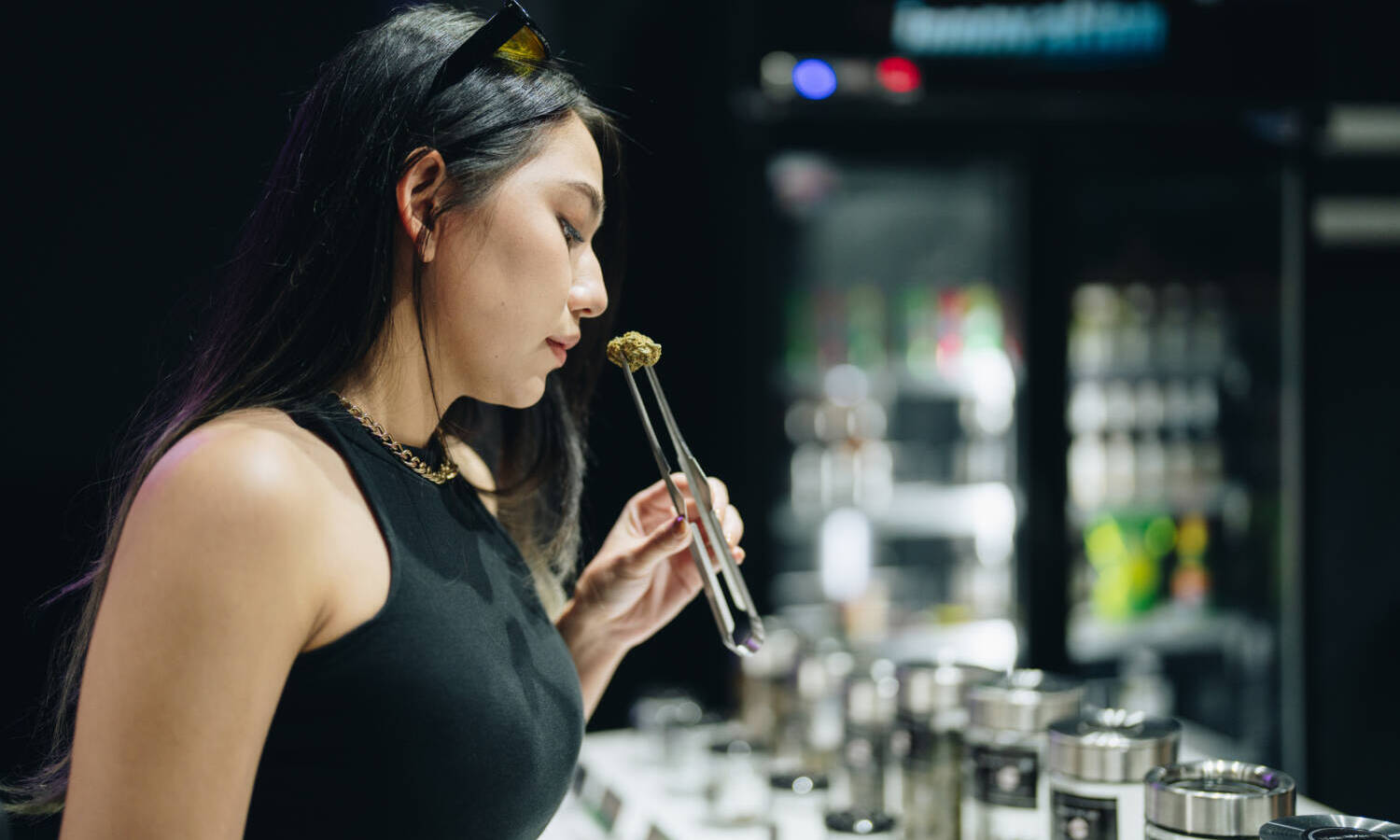
Before purchasing a strain of weed most consumers will first sniff into the jar. While some users prefer sweet smelling varieties of cannabis a good number prefer to enjoy the skunkiness of myrcene in the strain. This is simply a matter of preference that should be a concern to the grower.
When selecting a phenotype, carefully consider the unique aroma that you desire to propagate knowing full well that this also represents the terpene profile.
Taste
This is another important aspect of a cannabis phenotype. Regardless of how the weed is going to be consumed, how it tastes will always draw or repel consumers. The taste helps to bring out all the qualities of the strain. Diversity is important as well and you can settle for phenotypes that have an eclectic mix of flavors.
Effects
Cannabis strains can be classified as either indica or sativa and this represents the effects that they are associated with. That said, even plants of the same strain may produce different effects based on the phenotype. So apart from selecting your preferred cultivar it is also important to consider the unique cannabinoid profile and biochemical composition that is responsible for the effects that are produced by a strain of marijuana.
Ultimately, the effects of cannabis will vary based on one’s biological make up and how often they have used cannabis. However, the phenotype is always a good starting point. The aroma and taste of cannabis will also play a role on how one perceives the effects caused by a strain.
While some phenotypes will give you a strong head buzz and propel you to outer space, others will simply mellow you and force you to defer to the couch for the better part of the day (body stone). Consumers will choose strains based on what effects they are pursuing. Therefore, every grower needs to have this at the back of their minds when selecting phenotypes.
Photo by CRYSTALWEED cannabis via Unsplash
Bud Size
The organoleptic qualities of a phenotype are bound to draw your attention from the get go. However, bud size comes in handy when you are considering how to optimize space for your cannabis canopy whether it is an indoor or outdoor grow. This will be largely determined by the size of the buds.
Generally, indica strains will form large and dense nugs while sativas will be less chunky in comparison. However, this will also vary based on the plant phenotype.
If your growing space is large you will be able to pick any phenotype that you want. On the other hand, if you are limited in terms of space you are better off going for phenotypes with smaller bud sizes. This is especially the case in indoor vertical grows.
Expected Yield
What is the expected yield of the cannabis phenotype that you select? This is a question that should always be at the back of your mind when pheno hunting. Most commercial growers will prefer going for high yielding strains that will return a handsome profit. However, you should be able to consider all other qualities such as cannabinoid profile and know which one to prioritize over the other.
How Long Does It Take To Mature
This refers to the length of the flowering period. It determines how many growing seasons you can fit into a calendar year and consequently affects your total annual yield.
Commercial growers usually favor phenotypes that flower in a short span for obvious reasons. Indicas generally flower quite fast, within 8- 10 weeks. This increases profitability. It is an effective way to get the most out of a limited grow space.
Below we have tackled some of the commonly asked questions on cannabis phenotypes. You should be able to answer some from the information provided above.
What Is a Phenotype?
This refers to the inherent traits of strains that are passed on from the parents- both male and female. When a female and male are crossed the offspring that is produced will inherit phenotypes from both the parents. When speaking of cannabis, these traits include the hues, aroma, flavor, cannabinoid content, and growth characteristics among others. Yield is also included here and is a big consideration for commercial cannabis growers. The process of looking for the best traits in a cannabis strain is commonly referred to as pheno hunting.
Do Feminized Seeds Have Phenotypes?
This is a tricky one, but yes, cannabis feminized seeds have different phenotypes. Most breeders will work through thousands of cannabis seeds to select the best phenotypes to feminize. These seeds will have desirable traits for propagation.
Is Every Seed a Different Cannabis Phenotype?
Not this is not entirely true. A reputable cannabis seed bank spends a lot of time developing and stabilizing their seeds to make them as consistent as possible. This means that the seeds should be able to give rise to plants with very similar expressed characteristics.
Last September, when Justin Costello found out he was under indictment, he ran. He was captured by an FBI SWAT team in October and was held without bail.
Justin Costello pretended to be a billionaire, claimed he was a war veteran, and took money from investors for cannabis businesses. Instead, he spent that money on himself including funding his lavish wedding. On Wednesday, Costello pleaded guilty a few months after a dramatic capture by an FBI SWAT team in California. He could get up to 10 years in prison due to his fraudulent activities.
GRN Holdings
According to the case filed in Seattle Washington, Costello claimed to be a self-made hedge-fund billionaire who managed money for wealthy people including a Saudi Sheikh. He also claimed to have a Harvard MBA and to have been shot twice as a special forces veteran with shrapnel remaining in his leg. In order to pretend he was wealthy, Costello planned to buy an $11 million house, showing bank statements for GRN Funds. The $9 million bank balance actually belonged to another cannabis company.
Photo by Cappi Thompson/Getty Images
The unsuspecting investors bought stock in GRN Holding Company, thinking the shares would eventually trade publicly. Costello also convinced the investors to open an account at TD Ameritrade and that he would manage their money at a discount from his usual fees. Costello did not possess any securities licenses. Costello was taking a 20% commission on the trades, which were only in shares of Discovery Gold Corporation (which eventually became GRN Holdings). The trading in the shares artificially propped up the price increasing Costello’s performance fees.
The cannabis con man kept the ruse up by putting out press releases claiming GRN Holdings was making acquisitions and that those companies had been vetted. Instead, Costello owned all the companies he claimed to be acquiring. In addition to that falsehood, a separately owned Costello company Renewal Fuels, made the acquisitions.
Ultimately, investors lost roughly $25 million in the GRN Holdings scheme.
Hempstract
Costello engaged in a similar scheme with another investor he convinced to invest in Hempstract Inc., which was trading at the time under the name Riverdale Oil & Gas. He also convinced investors to open a trading account and led them to believe he would be combining these cannabis companies into one larger entity.
By 2019, Costello told his investors that he had about 12 cannabis companies that he was planning to roll up into one larger company. He told the investors that these companies made millions in revenue, which was false. He continued to get more investor money as he claimed Hemstract was soon to go public.
Pacific Banking
GRN Holdings and Hempstract weren’t the only companies Costello was playing games with. Green Market Report reported Costello’s other company Pacific Banking was accused by Cann Distributors of failing to make millions of dollars in tax payments to the state of California on its behalf, as well as failing to pay vendor invoices. Cann was assessed $2 million in penalties by the state for not making those tax payments. The company also secured an order blocking Pacific from touching the roughly $2.8 million Cann said it had deposited with the bank that sees itself as a middleman between cannabis companies and traditional banks.
In addition to the issue over the tax payments, Cann Distributors also told the judge of a disturbing situation it learned about during the Costello deposition. The bank has apparently registered the Cann Distributor name in the state of Washington without telling the company.
The judge said at the time, “I have to say, that is the weirdest thing I have ever heard. I have never heard of an agreement that said one party could create a fictitious business in another state using the other party’s name.” The bank went through several ownership changes throughout the process. Pacific Processing was bought by Pacific Compliance, which was then bought by Renewal Fuels. It was also supposed to have been acquired by GRN Holdings (OTC: GRNF) which recently changed its name to Marijuana Inc.
Photo by matt_benoit/Getty Images
On the Lam
Last September, when Costello found out he was under indictment, he ran. He was captured by an FBI SWAT team in October and was held without bail.
According to court filings, he was found in a remote area near San Diego on Oct. 4. He was reported to have been carrying a backpack loaded with six one-ounce gold bars worth $12,000, U.S. currency worth $60,000, $10,000 in Mexican pesos and banking cards and checkbooks, prosecutors said in a court filing. Costello also had a receipt for a prepaid phone number in the backpack, along with a Washington state driver’s license in the name of “Christian Bolter” with Costello’s photograph, the filing said.
Pump & Dump
Costello paid stock promoters to pump up the penny stocks on Twitter and other social media. Once the shares began to rise on the purchases from his unsuspecting investors, he would then sell his shares at a profit and pay his promoters a share of the gains. It was a classic pump and dump scheme.
In October 2022, the SEC (Securities and Exchange Commission) charged Justin Costello for using a false persona, as a Harvard-educated military veteran and hedge fund billionaire, to defraud investors out of millions of dollars. In a statement, the SEC also charged Costello and David Ferraro, an associate of Costello’s, for promoting the stock of several microcap companies on social media without disclosing their own simultaneous stock sales as market prices rose. The SEC also wants to bar Costello and Ferraro from serving as an officer and director and bar them from penny stocks.
The SEC statement said that Costello shared approximately $32,000 of his profits with Ferraro, and Ferraro profited approximately $41,000 from his own trading in this scheme. The SEC’s complaint also alleges that Ferraro separately conducted his own stock promotion scheme respecting two additional microcap stocks, generating profits of approximately $68,000.
Restitution
As part of his guilty plea, Costello agreed to pay his victims $35 million in restitution. As part of his plea deal, his wife will not face any charges.
According to researchers, “CBD may be an effective option for Asian patients with refractory epilepsy, regardless of diagnosis or seizure type.”
A recently published Japanese study has yet again demonstrated CBD’s potential in epilepsy. This is the first study of this nature to be conducted in the Asian population and has thus confirmed the benefits of CBD-based medications for treating severe forms of epilepsy.
The researchers administered questionnaires to 38 patients with intractable forms of epilepsy who were on CBD as a form of medication. The participants responded to questions regarding their demographics, medical history, diagnosis and type of seizure, CBD use, and adverse events related to CBD use.
They also reported on changes observed after medicating on CBD such as seizure frequency and intensity, effect on sleep, need for and dosage of supplemental anti-seizure medications, and quality of life. A total of 28 patients responded to the questionnaire.
Photo by mikroman6/Getty Images
Promising Results for CBD Use in Epilepsy
The median intake for CBD was 12.0 mg/kg/day. Nine patients experienced some adverse effects, but they were mild and did not lead to discontinuation of the CBD treatment. Fifteen patients (over 50%) experienced a decrease in the frequency of seizures while two became seizure-free while taking CBD. No correlation was observed between the diagnosis or type of seizure and the efficacy of the CBD treatment. The researchers hence concluded that:
According to researchers, “CBD may be an effective option for Asian patients with refractory epilepsy, regardless of diagnosis or seizure type.”
Here are a few things to note about intractable epilepsy and using CBD as a cure.
What Is Intractable Epilepsy?
Epilepsy is a disorder of the brain that is associated with frequent seizures that occur when clusters of damaged neurons (brain cells) fire abnormal electric signals. This usually results in strong and uncontrollable muscle spasms that may result in loss of consciousness. Epileptic seizures are usually treated using antiepileptic drugs that include sodium valproate, lamotrigine, and carbamazepine among others.
Unfortunately, these medications cause serious side effects when they are used for prolonged durations. As may be required of epilepsy patients. About 20% of epilepsies fail to respond to anti epilepsy medications and are hence referred to as refractory or intractable forms.
FDA Approves Epidiolex
In 2018, a drug known as Epidiolex was approved by the food and drug administration (FDA) to treat severe forms of drug-resistant epilepsy, specifically Dravet syndrome and Lennox Gastaut syndrome. This drug was created and patented by GW Pharmaceuticals and has been approved for the treatment of Lennox-Gastaut syndrome, Dravet’s syndrome, and seizures related to tuberous sclerosis complex.
Photo by Erin_Hinterland via Pixabay
CBD for Lennox-Gastaut syndrome
Lennox-Gastaut is a severe form of epilepsy that usually affects less than 5% of children. Some children suffering from this form of epilepsy experience up to 300 seizures in a day. Clinical trials have demonstrated the safety and efficacy of CBD in Lennox-Gastaut where drop seizures were reduced by 48%-71% while total seizures were reduced by 48%-68%.
CBD for Dravet Syndrome
Dravets syndrome is a very rare type of intractable epilepsy that has been linked to a genetic mutation (SCN1A mutation). A 2017 trial demonstrated the suitability of CBD in managing Dravet’s syndrome seizure attacks.
Does CBD for Seizures Cause Any Side Effects?
A majority of people, including children, are able to tolerate CBD quite well. When side effects are observed they are usually mild and do not necessitate discontinuation of CBD treatment. These include:
From clinical studies, it appears that a dosage of 5-6mg/kg/day is effective at managing severe seizure disorders in children. A physician may, however, choose to adjust the dosage accordingly, depending on the patient’s physiological characteristics, severity of the seizures, and response to treatment. The recommended Epidiolex dosage is 5mg/kg/day or 2.5mg/kg administered twice daily.
Does CBD Interact With Epilepsy Medications?
Yes, CBD interacts with some epilepsy medications including sodium valproate and clobazam. Before you start medicating on CBD, it is advisable to consult your pharmacist and let them advise you on a route that’s most suitable for you.
The uncertainty surrounding for-profit license holder’s real estate has led to significant delays in them becoming operational.
New York has become the latest state to begin selling adult-use (recreational) cannabis. If that’s the case, then where can you buy it? Right now, you can buy it at Housing Works Cannabis Co. in NOHO or Smacked in Greenwich Village. Housing Works Cannabis Co. has had a busy start, with over 500 sales in the first few hours of opening (with up to 1,500 customers turned away at first day closing). Where can I find legal marijuana in NY?
For now, these are the only places you can buy legal cannabis for recreational use. But why, and when will other dispensaries open?
Despite there being illegal cannabis stands, shops and delivery operations scattered across NYC, only two adult-use dispensaries are operational. NYC also has a whopping 1,368 wine and liquor stores, 241 Starbucks stores, 100 7-11s, 221 Wendy’s, and 13 Krispy Kreme retailers. The operating dispensary is but one of thirty-six Conditional Adult-Use Dispensary Licenses that were approved in November of 2022, with more to come. Two more dispensaries, by the Doe Fund and Essential Flowers in Manhattan and Albany respectively, both hope to open within the next month.
Photo by Domo Jiles / EyeEm/Getty Images
When the rest of these licensed dispensaries come online is uncertain, but many anticipate early to mid 2023. New York’s Office of Cannabis Management (OCM) has struggled to get operators online, with a focus on social equity over initial operation leading to some dispensaries potentially not opening until the summer tourist season.
Part of the reason only one dispensary has opened, the nonprofit Housing Works, is that NY’s Office of Cannabis Management (OCM) originally only allowed for nonprofit license holders to secure and build out their own dispensary space. While the OCM has since changed their mind, the for-profit license holders (28 of the 36 licensees) originally believed that they must have a site provided by and built out by the Dormitory Authority of the State of New York (DASNY). DASNY was tasked with securing and building out conditional dispensary locations in connection with the $200 million fund established to aid these conditional dispensaries (although it is unknown how much of this $200 million has actually been raised to date).
This uncertainty surrounding for-profit license holder’s real estate has led to significant delays in them becoming operational. With a population of over 8 million in NYC alone, an estimated 16% of NYC residents consume the most cannabis of any city, having consumed 77 metric tons in 2017 (before it was even legal). Throughout 2023, these 36 licensees are set to open up across Manhattan, Queens, the Bronx, Long Island, the Capital Region, the Southern Tier, North Country, Mohawk Valley, and Richmond. Wait, but what about Brooklyn?
A lawsuit involving the Conditional Adult-Use Dispensary application process (and its alleged favoring of NY applicants) has led to a court injunction preventing licenses from being issued in the Finger Lakes, Central New York, Western New York, Mid-Hudson, and Brooklyn regions. With any luck, an appeal by the OCM will allow licenses to be issued to all regions except the Finger Lakes.
We should see more dispensaries start to pop up across New York throughout this year, with the exception of the Finger Lakes, to who we give our deepest sympathies.
Cannabis sativa is a universal and versatile plant, so it’s no wonder that it has been given so many names throughout history and the world.
There are many names attributed to the plant that is scientifically known as cannabis sativa. From weed, to hemp, cannabis and marijuana, this seven-pointed leaf plant has a list of aliases that seems to grow as quickly as the plant itself.
Many names linked to cannabis sativa refer to the same type of plant or product, but not all of these terms should be used interchangeably. In fact, cannabis, hemp and marijuana all refer to different products. It is critical to understand the difference as some of these products are fully legal while others are associated with possible felony offenses.
Many cannabis enthusiasts understand the difference between cannabis, hemp and marijuana, but “a third of Americans think hemp and marijuana are the same thing, according tothe National Institutes of Health, and many people still search Google to find out whether cannabidiol — a cannabis derivative known as CBD — will get them high,” according toThe Conversation.
Photo by Catherine Falls Commercial/Getty Images
Cannabis
Cannabis is an umbrella term of sorts. The word cannabis is an abbreviated name that comes from cannabis sativa, its scientific plant name. “The word “cannabis” refers to all products derived from the plant Cannabis sativa,” according to theU.S. Department of Health and Human Services. This means hemp is a form of cannabis, and marijuana is also a form of cannabis.
Cannabis is a term that can be used scientifically, and is also used often when referring to the cultivation of both hemp and marijuana. When it comes to using the terms hemp and marijuana, however, there are more specific criteria involved.
Hemp
Hemp, bydefinition, is a form of the cannabis sativa plant that is cultivated for its tough bast fiber and edible seeds and oil. This fiber is what the term hemp often refers to. Industrial hemp, which is currently being cultivated in several areas in the United States with strict regulations thanks to the 2018Farm Bill.
Although hemp’s defining attribute is its useful fibers, its most distinguishing difference from marijuana is its THC content. By law (the Farm Bill) and definition, hemp must contain no more than .3% THC. In other words, hemp is a great product for making fabrics and oil, but it will not get you high.
Photo by Christin Hume via Unsplash
Marijuana
Marijuana comes from the same species of plant as hemp, but it isdefined as “the psychoactive dried resinous flower buds and leaves of the female hemp or cannabis plant.” Marijuana is found on the female cannabis plants, and is located on the flowering buds it produces.
What distinguishes marijuana from hemp and the umbrella term “cannabis” is its THC content. In short, marijuana is the cannabis that gets you high. This means most nicknames for cannabis – like pot, weed and ganja all refer to marijuana, its buds and its psychoactive characteristics. This also means that marijuana is a term for an often still-illegal drug.
Although cannabis, hemp and marijuana may have different meanings, they are derived from the same type of plant. Cannabis sativa is a universal and versatile plant, so it’s no wonder that it has been given so many names throughout history and the world. After all, it seems it has as many uses as it has names.
Under Texas law, only cannabis products with 0.5% THC by weight are legal, and there are just eight qualifying medical conditions that make patients eligible for MMJ in Texas.
Texas is poised to expand the size of its highly restrictive medical marijuana program, from just three dispensaries to a still-undetermined number, but the state is retaining its ban on full-fledged cannabis.
The Texas Department of Public Safety (DPS) announced in a press release on Monday that it is now accepting applications for more dispensaries, and the application window will remain open until April 28. More information on the selection process will be made available “at a later date,” the agency said.
“The department will issue only the number of licenses necessary to ensure reasonable statewide access to, and the availability of, low-THC cannabis for patients registered in the compassionate-use registry,” the agency said in its release.
Photo by Ruben Reyes from Pexels
According to The Dallas Morning News, DPS regulatory services division chief Wayne Mueller said last month that a decision on license recipients will most likely be made by June or July this year.
The three currently operating dispensaries are all in central Texas, with two in Austin and a third in Schulenberg.
Under Texas law, only cannabis products with 0.5% THC by weight are legal, and there are just eight qualifying medical conditions that make patients eligible for MMJ in Texas.
As a result, there are only about 8,000 “active” medical cannabis patients in the state, which has some industry insiders in Texas worried that the customer base is still too low to support additional dispensaries, The Dallas Morning News reported.
Photo by LPETTET/Getty Imagess
“We think it’s closer to 100,000 total patients before we need to initiate another process for bringing on new licenses,” said Nico Richardson, acting CEO of Compassionate Cultivation in Texas.
There is a new push in the Texas Legislature to legalize full-potency medical marijuana, by Democratic state Sen. Jose Menendez of San Antonio, but it’s unclear what political chances the bill has.
While anti-smoking groups are fighting to outlaw smoking in apartments and residential buildings, the question remains — is this fair for medical marijuana patients?
As marijuana legalization spreads across the country, more and more people are freely enjoying smoking the plant in the comfort of their homes. Some are using it recreationally, others for medical purposes. Either way, secondhand smoke is affecting people. So, in this interesting time of Karens, there is a case where women sues neighbor over marijuana order, claims public nuisance.
Josefa Ippolito-Shepherd is one of them. She is bothered by the smell of cannabis coming from her neighbor’s house into her own. She claims cleaning doesn’t help, and anyone who’s been around weed knows the smoke can be powerful. So much so that the offending aroma affects her sleep and everyday life.
She tried asking her neighbor to stop lighting up indoors. Then she asked the landlord to evict the smoker but that didn’t happen.
Photo by BraunS/Getty
Ippolito-Shepherd has lived in Cleveland Park, a residential neighborhood in DC, for 30 years, but claims the attack on it is ruthless, writes The Washington Post.
Until cannabis became legal, she had the option of calling the police and getting her neighbor busted. So what now? According to DC Council chair Phil Mendelson, the only thing she can do to resolve the issue is to undo the legalization of marijuana. That’s why Ippolito-Shepherd took the matter to court where she argued that the smell is a public nuisance.
The trial is considered the first of its kind to make it this far in District court.
“I have the right to breathe fresh air in my home,” Ippolito-Shepherd told The Washington Post before the trial. “I’m not talking about if I go to someone else’s house or a place people go to smoke pot. They have the freedom to do whatever. I just do not want to be invaded in my own home.”
While anti-smoking groups are fighting to outlaw smoking in apartments and residential buildings, the question remains — is this fair for medical marijuana patients? Where will they be allowed to use their medicine?
To complicate matters, Brooke Hoots, an epidemiologist with the CDC, says that secondhand marijuana smoke contains the same cancer-causing toxins as secondhand tobacco smoke.
How can this be resolved to everyone’s benefit? No one knows, but one thing is certain: As more states embrace cannabis, similar lawsuits can be expected.
Medical marijuana is used to ease chemotherapy-induced nausea, and research has shown that it can help with motion-induced nausea as well.
One of the conditions that take the fun out of trips and journeys is motion sickness. Whether the journey is by sea, land, or air, motion sickness makes it unbearable for some people. And it can affect persons of any age, as both old and young suffer from it. Medications exist for motion sickness, but it does not work effectively for everyone. Marijuana can ease motion sickness, and here are the strains that help.
Photo by Felix_Hu via Pixabay
What is Motion Sickness?
Motion sickness occurs when conflicting messages are sent to your central nervous system, resulting in a confused brain. These conflicting messages could come from any of the senses (eyes, ears, nerves) in your body, as a result of the inability to properly detect movement.
For example, if your eyes cannot see the movement, it might send a signal that there is movement to your brain. If your other senses can feel the movement and send the information to your brain, it leaves the brain confused. Motion sickness can occur on a plane, car, train, as well as boat or ship, and it can turn what promised to be a fun trip into an absolute nightmare.
Types of Motion Sickness
There are three major types of motion sickness:
Air Sickness: This usually occurs when traveling in an aircraft, including airplanes, helicopters, gliders, parameters, and jets.
Car Sickness: This typically happens when you are moving in a vehicle on land, most likely a car.
Sea Sickness: Seasickness occurs on water, usually in boats or ships.
Categories of Motion Sickness
Motion sickness can be classified into three categories based on the source of the trigger:
Motion sickness that is triggered by motion that you cannot see but you can feel. In this case, while your nerves send the correct message to your brain, your eyes cannot do the same resulting in motion sickness.
Motion sickness that is triggered by motion that you can see but cannot feel. In this case, while your eyes send the correct message to your brain, your eyes cannot do the same resulting in motion sickness.
Motion sickness that is triggered when your auditory and visual systems detect different types of motion. In this case, they send different signals to the brain resulting in motion sickness.
Symptoms of Motion Sickness
The symptoms of motion sickness are usually not too serious, but can cause great uneasiness. The common symptoms of motion sickness include sweating, shortness of breath, drowsiness, nausea and vomiting, pale skin, and yawning. While the symptoms of motion sickness are not serious, regular occurrence of this condition results in more serious issues like a fear of travel.
Photo by elenaleonova/Getty Images
Who Is At Risk of Having Motion Sickness?
There are two classes of people that have the highest risk of suffering from motion sickness: pregnant women and children. Others can also stand a high risk of motion sickness if they are dealing with the following.
Anxiety and fear about traveling
Using an unfamiliar mode of traveling
Poor ventilation in the vehicle
Having no access to a window and being unable to see the motion.
How Cannabis Helps With Motion Sickness
In recent years, medical cannabis has been suggested by advocates as a possible remedy for motion sickness. Medical marijuana is used to ease chemotherapy-induced nausea, and research has shown that it can help with motion-induced nausea as well.
Two cannabinoids contained in cannabis, CBD and THC, are known to be active receptors in the human body. These cannabinoids reduce counter the release of the body chemicals that cause nausea, thereby easing the discomfort that comes with motion sickness.
Symptoms of Motion Sickness That Cannabis Tackles
Cannabis helps with motion sickness by treating the symptoms. Some of these symptoms include:
Headaches
Stress
Anxiety
Nausea and vomiting
Drowsiness
Best Cannabis Strains For Motion Sickness
Both Sativa and Indica strains work for motion sickness, albeit having different functionality. Indica strains helps you to relax while Sativa strains energize you. Below are some of the best cannabis strains for motion sickness.
Grand Master Kush: This is an Indica dominant strain that helps with anxiety, nausea, pain, stress as well as lack of appetite.
Blue Dream: This is another Indica dominant strain. Blue dream helps with uneasiness, stress, pain as well as nausea.
Sour Diesel: This is a Sativa dominant strain that eases migraine and stops nausea.
Super Haze Lemon: Super haze lemon is another Sativa dominant strain. It helps to ease anxiety and settle a troubled stomach.
Durban Poison: This is a Sativa dominant strain that helps with loss of appetite and nausea.
Photo by Diy13/Getty Images
Best Means of Consuming Cannabis For Motion Sickness
Popular ways of consuming cannabis like smoking and vaping are not ideal for traveling. Apart from having high mechanical risk, smoking in public is bad etiquette. This is why it is important to explore other means of consuming cannabis when treating motion sickness. The best means of consuming cannabis for motion sickness include:
Tinctures: This form of cannabis is taken sublingually. Simply place a few drops of the cannabis under your tongue before the trip.
Topicals: This includes oils, balms, and lotions that can be rubbed on the body before the trip.
Edibles: This type of cannabis is consumed in oral form, such as gummies and cookies. Edibles can be eaten anywhere.
Transdermal Patch: This method involves the infusion of cannabis into the bloodstream.
Conclusion
Before you buy cannabis for your motion sickness, be sure to confirm that it’s legal in your state. Visit a cannabis-friendly doctor to provide you with a strain that is suitable for you.