Microsoft, Amazon and more are insisting teams go back to the office – if you are stressed – here are some tips
If you have been working at home and developed a new daily pace, being called back into the office, even three days a week, can be stressful. The tug of war between employees and upper management returning is playing out as JP Morgan, Amazon, Microsoft and others enforcing new policies. Unions have stepped in to the conversation and it seems the new normal will be in flux for at least through the end of 2023. Returning the office, marijuana or CBD could help anxiety.
Some people are having a hard time with reentry and maybe cbd or marijiuana can help. Anxiety and depression are different disorders. Anxiety is characterized by chronic worry, nervousness, and fear, while depression revolves more around sadness, numbness, or a loss of interest in normal activities or hobbies.
Some patients who are suffering from depression may also develop social phobias as well, facing difficulties with social events such as public speaking or attending parties. CBD can be used to improve such panic disorders and phobias by decreasing the functioning of the amygdala. However, it’s important to note that research on the effects produced by cannabinoids is still ongoing and evolving.
Before consuming CBD, you should consult with your medical health specialist or primary care physician. CBD may help with some psychological difficulties, but it is important to adhere to any directions offered by your care provider.
Photo by FatCamera/Getty Images
Marijuana
Although further research is still needed to understand the effects of marijuana on anxiety, there are anecdotal and scientific reports of marijuana temporarily relieving symptoms; however, there are still potential negative side effects of marijuana to consider.
Two of the main compounds in cannabis—tetrahydrocannabinol (THC) and cannabidiol (CBD)—are linked with potential therapeutic effects for anxiety. THC is the psychoactive compound in cannabis, which makes you feel the “high” when you smoke weed, for instance. In low doses, THC is linked with feelings of euphoria, relaxation, and sociability.
Cannabis consumers are increasing in the US and Canada, but companies from coast to coast are struggling
Marijuana’s legalization was supposed to be the dream of not only users – but also all the entrepreneurs who would make a mint from the industry! Early movers did make mini-fortunes, but now you hear about the struggle of companies. Cannabis use is soaring, but the industry is nervous, what’s going on?
First, more people are becoming comfortable with cannabis use. The Pew Research Center shared some key facts in a recent study. Nine in ten Americans say it should be legal for medical or recreational use. Over half of the US and Canadian population have tried weed, making for a robust market. In fact, more people use marijuana than cigarettes according to a recent Gallop poll. Long term this looks good as a a study from the University of Michigan, show that more and more young adults living in legal states are regularly consuming marijuana.
Photo by Vince Fleming via Unsplash
So what’s the problem? Lots of promises have been made and even more bad legislation. Colorado, the OG of legal states has done it best with their tax structure which keeps prices affordable. The strategy has even significantly reduced the black market in the state and driven consumers to legal, taxed retail stores. On the other hand, California’s wild and high structure has rewarded the black market, undercut businesses and placed so many taxes it has been almost inoperable in the largest market. New York’s rollout has been featured for being the best fiasco of a rollout in any state and Canada. Michigan and other states also built in unlimited licenses, causing way too much product even for a healthy customer base.
Then comes the overpromise. Indoor grow was going to be everything, producing the very best, most flavorful and just the right potency. What was overlooked is customers care about cost. There is a reason Bud Light is the #1 selling beer – decent flavor at a cheap price. Profits were promised at $3,000 a pound, but losses come when it is $1,000 a pound or less. Illegal products have flooded into unlicensed stores in NYC severely hurting the tax paying, higher overhead legal retailers. Federal legalization will also smack the industry when Southern states let outdoor grow come out the closet and produce at a faction of the cost of indoor.
Where is the future? More and more major mainstream companies like Constellation is taking an interest and guiding successful companies for the future. There will be the shedding of some companies along the way and some rightsizing. The best answer for teh customer is federal legalization to make it safe, easy and affordable.
Researchers found that compared to never-users, those who reported daily marijuana use had about 20% more!
The imagine of people people who use marijuana is a stoner on a couch maybe playing video games or listening to some “far out” music. But you need to remember, is nothing if enhancement drug – flavors, the five senses and, according to researchers, sex. A study by the Journal of Sexual Medice shows that not only can weed make sex feel better, marijuana users have more sex in general.
Researchers analyzed data dating back as far as 2002 from the National Survey of Family Growth. Even though that data pointed to increased sexual behavior after marijuana had been consumed, the results are still a little murky. But it is clear that age is not a factor in the uptick in fun.
“We reported how often they smoke — monthly, weekly or daily — and how many times they’ve had sex in the last month,” says Dr. Michael Eisenberg, a urologist at Stanford University Medical Center and senior author of the study. “What we found was compared to never-users, those who reported daily use had about 20% more sex. So over the course of a year, they’re having sex maybe 20 more times.”
Women in the study were having sex 7.1 times per month on average when using marijuana, while men clocked in at 6.9 times per month. Those who abstained completely? For women it was 6 times per month versus 5.6 times a month for men.
We’re having less sex than we used to. Toa Heftiba
The researchers factored in alcohol, cocaine use, religion, children and the results stayed steady. No matter who or what a person worships, what illicit substances they use or how many kids they already have, if they’re toking on a regular basis, they’re getting it on more often as well.
Mitch Earlywine, a cannabis expert and a psychologist at the University of Albany, points out that the stats don’t mean that marijuana itself is responsible.
“In some surveys, we saw that people [who use cannabis] did have sex more, but it seemed to be mediated by this personality type that’s willing to try new things or look for thrills,” said Earlywine. Translation: if you’re already adventurous and willing to try new things, you may be more adventurous in bed as well.
So even though this study on sex may or may not have gotten the factors down pat (though maybe they did!), one thing is for certain. If you’re a frequent cannabis user, you’re having more sex, and it’s probably some nice enhanced sex to boot!
Marijuana sales are booming in sparsely populated New Mexico – and driving some strong tax revenue!
Marijuana legalization in the Land of Enchantment is only a year old – but what a year! Cannabis sales boom in New Mexico, watch out alcohol! The Governor is celebrating $488.3 million in recreational and medical marijuana sales signaling the 2.1 million people in the state are very pro-marijuana! On Monday, Governor Michelle Lujan Grisham (D) reported that sales of recreational marijuana have remained consistent over the past year, with the monthly record for purchases being set in March at $32.3 million.
Mayara Klingner / EyeEm via Getty
The governor stated in a press release that within a year, the cannabis industry had produced hundreds of millions of dollars in economic activity for communities statewide. Additionally, the number of businesses in the industry is growing, and thousands of New Mexicans are employed by it. The governor expressed enthusiasm for the future of the innovative and secure adult-use cannabis industry.
The cannabis economy is a plus for local and regional governments by creating an entire ecosystem of jobs, small business and opportunity. Linda Trujillo, the Superintendent of the Regulation and Licensing Department, stated that the New Mexico cannabis industry has demonstrated remarkable potential. Starting from the governor’s signing of the legislation to the establishment of the Cannabis Control Division and the implementation of the new industry. She expressed optimism for further expansion in the second year.
This comes at a time when New Mexico, among other states, are looking hard at budget shortfalls. The state legislature just passed a $.05 per drink tax increase for beer, wine and spirits, great and expected. it is expected to generate about $95 million in revenue.
Since opening marijuana shops in the state, New Mexico has amassed over $27 million in tax revenue from adult-use cannabis sales, which has benefited both the localities and state general fund. Additionally, the governor highlighted that the sales resulted from over 10 million transactions made within the year.
In recent months, officials from other states have also been promoting marijuana sales, such as in neighboring Arizona, where adult-use cannabis purchases in 2022 culminated in a year-end total of $1.4 billion. Massachusetts’ recreational market achieved an official sales total of over $4 billion in January, following its launch in 2018.
If state trends show true within 5 years New Mexico will make
A new study says that lonely people have stronger activity in the brain regions associated with imagination.
In the Insta/TicTok world, there is pressure to be popular and hang out with cool friends at trendy places. Post Covid it seems friend groups are reforming in old and new patterns and half half the people online are heading for vacation. There’s not a lot of positive stereotypes associated with loneliness; it’s largely considered detrimental to our health and happiness. But a study suggests loneliness might help strengthen our imaginations.
The study, published in the journal Nature Communications, found that lonely people show more activity in the areas of brain tied to reminiscing, future planning and thinking about others. These ties were strengthened and the gray matter was larger when compared to people who weren’t feeling lonely.
Photo by Kat Jayne via Pexels
Researchers pulled over 40,000 brain images from U.K. Biobank, a database of biological storage. The scale of the study is substantial, featuring the MRI scans of people between the ages of 40 to 69, who filled out assessments that discussed whether they felt lonely or not. The scans were then studied and analyzed, compared with the brain scans of people who said they didn’t feel lonely.
“The researchers’ hypothesis that the default network in the brain was active during loneliness was a logical one, because those are parts involved in thinking about self,” explains CNN Health.
Loneliness has long been a concern for people, with studies finding that it’s detrimental for our health and that it even increases the odds of developing dementia in adults and perhaps worsening symptoms of Alzheimer’s.
Studies like this are very important in the shade of this year, one that has been very lonely by nature, teaching us the ways in which our brain works and some of the changes it might have been submitted to. While young adults and people are more prone to social media – it might be better to take breaks and enjoy a down time and relax.
The Jed Foundation, a non-profit whose focus is on mental heath shared “One of the greatest benefits of spending time alone is how it helps you develop a better since of self. The more you know and understand yourself the more likely you are to do things that you love, learn things that interest you and spend time with people who make you feel good.”
Tips to make your dreams come true for a good night’s sleep and good morning
Occasionally being tired is part of life. New babies, great parties, bing watching, late flights or just plain old can’t sleep. But if you have too many of these kind of nights, or nights where your rest is interrupted, you may become a victim of an even worse longterm consequence: insomnia. So, dreaming of a good night’s sleep? Here are some tips.
The National Heart, Lung and Blood Institute shares Sleep deficiency is linked to many chronic health problems, including heart and kidney disease, high blood pressure, diabetes, stroke, obesity and depression. Sleep deficiency is also linked to a higher chance of injury in adults, teens, and children.
Aside from the medical side did we mention not feeling good, being crabby and putting a serious cramp into your social life is also a side effect?
Here are 5 (mostly) easy ways to improve your sleep.
Cut out stimulants
Love your coffee and smokes? You might want to cut back. While not an easy ask, giving up cigarettes and coffee may be necessary for a good night’s rest if you’re having issues falling asleep. Some people see it as to get through their day, but at night, they’re both disastrous when bedtime rolls around. At the very least, try cutting them out after lunch and see if it helps.
Caffeine can stay in your body for as long as 14 hours. The Mayo Clinic also says it may increase the amount of times you wake up during the night and decrease the amount of good sleep you get. Experts advise taking your last sip of coffee no later than noon.
Set a bedtime and stick to it
Your body loves routines, eating, working out, and also sleeping. Just like anything else, your body has to do something enough that it becomes a habit. By going to bed at the same time every night, you’ll train your body to re-set its sleep pattern. Your circadian rhythm, or biological clock, regulates your body’s day and night processes over 24 hours. Waking up and going to sleep at the same time every day reinforces your circadian rhythm and helps your body run efficiently. You’ll likely find that you even get up earlier on weekends but feel more rested.
Workout
Adding a good gym workout or even long walk to your daily routine will not only help you fall asleep, it will improve your quality of sleep. According to the Sleep Doctor:
In addition to improving the quality of sleep, exercise also can help you increase the duration of your nightly rest. Being physically active requires you to expend energy, and helps you feel more tired and ready to rest at the end of the day. Research indicates that exercise—in particular, regular exercise that’s part of a consistent routine—can help boost sleep duration, in addition to sleep quality.
A regular exercise routine can also help relieve stress and anxiety, which is often the culprit of a “toss and turn” kind of night. Says the Sleep Doctor, “just 5 minutes of exercise can trigger anti-anxiety responses in the body. Mind-body exercise such as yoga can help quiet the parasympathetic nervous system, which can help you relax.”
According to Dr. Tishler, prescription medications are usually only effective in treating the physiological causes of insomnia, not the wellness associated with both body and mind.
The benefits of using medical marijuna go far beyond extending the duration of sleep, which is merely one component of feeling well-rested, including:
Improved sleep hygiene.
Sleep hygiene refers to your quality of sleep (and the habits which contribute toward it, such as avoiding caffeine). Many users of medical marijuana report experiencing deeper, more satisfying sleep with fewer interruptions from waking in the middle of the night.
Decreased sleep latency.
Sleep onset latency (SOL) is how long it takes for a person to fall asleep from a state of total wakefulness. Marijuana can decrease SOL so that you fall asleep in a matter of minutes rather than hours.
Lack of “hangover” or impaired memory.
Many insomnia sufferers have experimented with alcoholic “nightcaps” before bed in an effort to fall asleep faster. However, this often proves counter-productive, as drinking before bed can cause you to wake feeling groggy, disoriented, headache-y, and poorly-rested. Similarly, many who use conventional sleep aids, have found themselves subject to morning fuzzy-headedness and even loss of short-term memory. Marijuana does not produce unpleasant hangover effects, though patients are advised to stay well-hydrated.
Unplug
This may seem like a no brainer, but turning off your electrical devices before bedtime can help you sleep. The blue glow of an iPhone, laptop, or iPad can slow down the production of the sleep hormone melatonin. According to a 2015 study:, the use of these devices before bed also reduces alertness the following morning.
Use of light-emitting devices immediately before bedtime also increases alertness at that time, which may lead users to delay bedtime at home. Overall, we found that the use of portable light-emitting devices immediately before bedtime has biological effects that may perpetuate sleep deficiency and disrupt circadian rhythms, both of which can have adverse impacts on performance, health, and safety.
So, give your device a rest so you can finally get some.
No matter what you identify – marijuana can have different impacts on you based on gender. Research based on women/men is rare and there needs to be much more medical marijuana research done. Here are five ways in which cannabis can affect men and women in differently:
While research A little relief followed by caution is what research from OHSU discovered. Women using cannabis on a frequent weekly bases can develop heavier cycles and also disrupt their ovulating opportunities.
Women are also able to feel more pain relief than men due to THC’s relationship to estrogen. Research conducted on mice supports this belief, demonstrating 30% more relief from the females than the males. Men will have to consume much more cannabis to experience the same amount of pain relief.
Researchers at Washington State University have found evidence indicating that females may build up a tolerance to marijuana more easily than males do. This is positive since they will have to smoke much more to get the usual high. This trait was demonstrated on a study conducted on mice, which proved that females developed a resistance within a period of 10 days, at which point they needed a much higher dose of cannabis to show a response to the plant.
Stanford Medicine, of all people, did a study on sex and marijuana indicates that, despite concerns among physicians and scientists that frequent marijuana use may impair sexual desire or performance, the opposite appears more likely to be the case. In low doses, cannabis improves the libido of women, but high doses have the opposite effect due to the way in which THC affects estrogen, impairing it and making women less interested in sex. When it comes to men, it’s more complicated because it raises their libido shortly after smoking while consumed in low doses. When consumed in high doses, the spike in libido is much shorter. Old users find it is a great way used in lower dosage to “reignite” the fire and making it a more pleasurable process for both. I this
Also according to the researchers from Washington State University, men’s hunger is greatly more affected than women’s, making them eat much more than them. This could have an impact on health and clothing options.
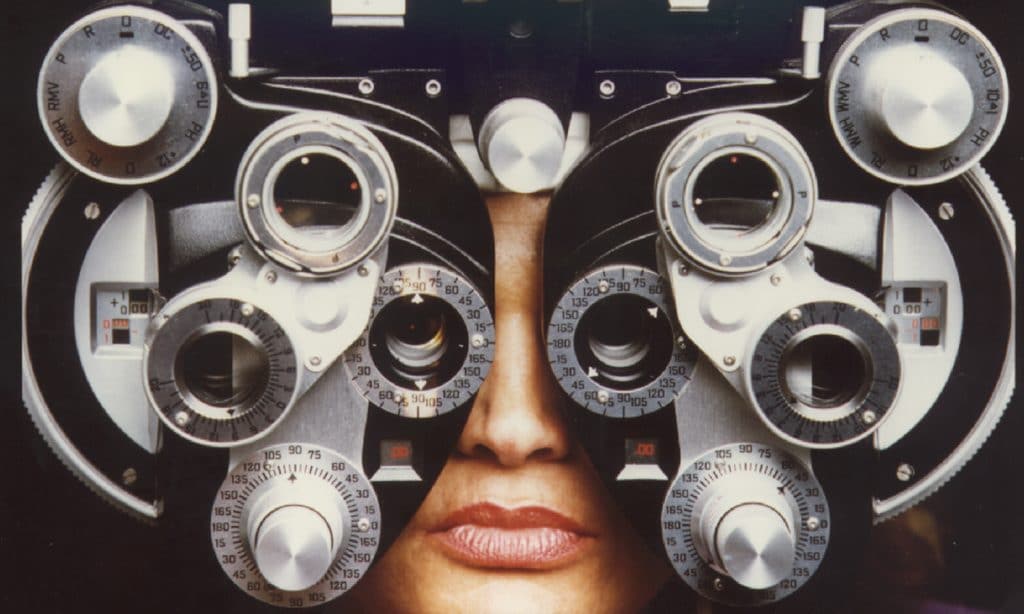
Medical marijuana glaucoma treatment can help reduced eye pressure and relieve pain. But it isn’t the cure people think.
Glaucoma is the second leading cause of blindness (cataracts are number 1) with about 3.5 million Americana and Canadian’s suffering through this disease. It is a gradual loss of vision caused by damage to the optic nerve making it tough for improvement. It comes in several varieties, but essentially the culprit is increased interocular pressure (IOP) caused by a build up of fluid in the eye. Can cannabis help? Here is some information about glaucoma and medical marijuana.
What Is Medical Marijuana Glaucoma Treatment? The discovery of cannabis’s glaucoma-fighting power was happy accident in the War on Drugs. In the early 1970s, a group of UCLA researchers, led by Drs. Robert Hepler and Thomas Ungerleider, began studying the telltale marijuana “red eye” and pupil dilation in hopes of somehow using the phenomena to help the DEA to narc out stoners. The real takeaway, however, was something not at all expected: Cannabis—particularly the THC in cannabis—reduced eye pressure by 25 to 30 percent. That result is currently as good as any produced by an FDA-approved glaucoma medication.
What’s the Catch? Unfortunately, the effect cannabis has on IOP lasts only about three hours, and THC, the element most responsible for pressure relief, is also the most psychoactively potent. To be completely treated, you’d need to smoke around six or seven joints a day. The potency can vary so you could vape or have low dosage preroll – but you would still be dependent on THC hitting your system often.
Photo by Flickr user National Eye Institute
What Do the Pros Say? Neither the American Association of Ophthalmology, American Glaucoma Society, nor the Glaucoma Research Foundation endorses medical marijuana glaucoma treatment. This is partially because they view having a perpetual pot high as a less-than-optimal way of being in the world, but they also have a medical reason: Lowered blood flow can damage the optic nerve, and one of the side effects of cannabis is to lower blood pressure. Ironically, then, pot can both ease glaucoma and make it worse.
What’s Next? A topical treatment could be a way of sidestepping the intoxicating side effects of smoked or ingested cannabis. THC eyedrops have been tested, but there are practical hurdles to clear: THC dissolves best in alcohol or oil—neither of which is something you want to put in your eye. Saline-based THC eye drops, at least at the moment, can’t deliver a powerful enough does. More troubling, topical THC can damage the surface of the eye. But this doesn’t mean that THC therapy is at an impasse, just that more research and testing is needed.
Bonus, Non-Glaucoma Factoid: Dr. Hepler’s team also found that cannabis suppresses tear production. While that’s bad news for wearers of contact lenses, one canny housewife reported that toking up was a prophylactic against that well known culinary malady: chopped-onion induced lachrymosity.
Want to join the extreme experience when you consume? Maybe try an enhanced pre-roll
Consumers don’t mind the extreme experience occasionally – we have Doritos Extreme, XXXXX Hot Sauces, TikTok chalneges – everyone wants more, extra, extreme and mainly different. So what about a cannabis infusion pre-roll??
An infusion is the introduction of marijuana concentrates into other products like pre-rolls, oils, or edibles. This process enhances the potency and flavor of marijuana products, making them more appealing to users who prefer a stronger experience.
Infusion methods vary depending on the desired final product. But they all involve heating cannabis and a carrier substance (butter or oil) together to transfer terpenes and cannabinoids.
Here are the main infusion methods you need to know:
Decarboxylation involves heating cannabis to activate the cannabinoids, making them more bioavailable. You can do this in an oven or a specialized device, and it’s always the first step in most infusion processes.
Oil-based infusion is when you heat cannabis concentrates in a carrier oil, such as olive oil. The resulting product is cannabis-infused oil that you can use in topicals and edibles.
Alcohol-based infusion is soaking cannabis flowers in high-proof alcohol to create a tincture that can be added to drinks or used sublingually.
Fat infusion involves heating cannabis in fat to create fat-infused butter that can be used in baked products.
Understanding infused pre-rolls
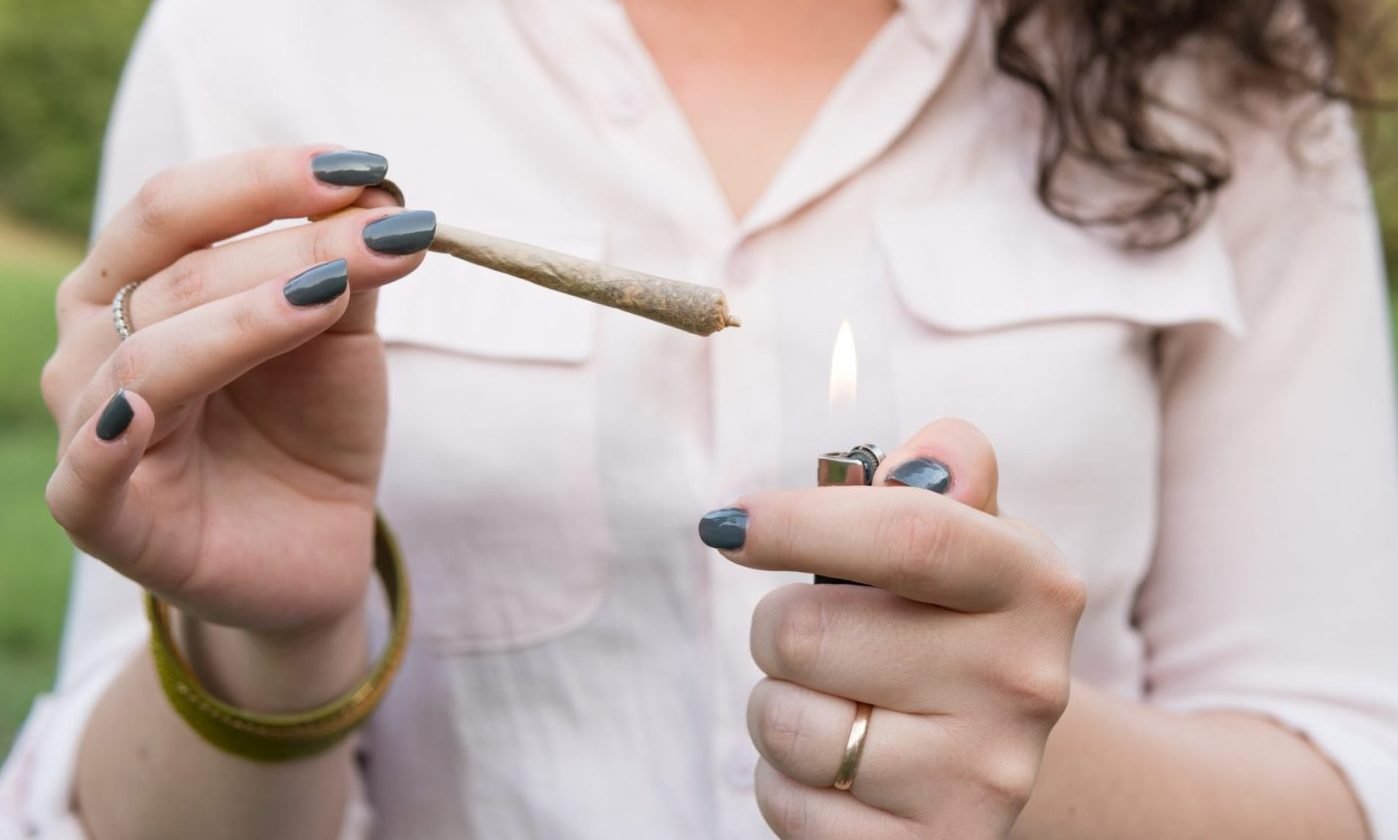
Pre-rolled infusion is another method of cannabis infusion where cannabis extracts are added to pre-rolled joints. Also known as infused blunts or infused joints, these products come in various strains and flavors. As mentioned earlier, you can find them at licensed cannabis dispensaries in states where marijuana is legal.
They typically combine high-quality flower with cannabis extracts to create a more potent and flavorful smoking experience. Infusion methods vary depending on the desired final product. But they all involve heating cannabis and a carrier substance (butter or oil) together to transfer terpenes and cannabinoids.
It’s important to note that infused pre-rolls can be very potent and may not be suitable for novice cannabis users. It’s always a good idea to start with a small amount and wait for the effects to kick in before consuming more.
Infusion methods vary depending on the desired final product. But they all involve heating cannabis and a carrier substance (butter or oil) together to transfer terpenes and cannabinoids.
Here are the main infusion methods:
Decarboxylation involves heating cannabis to activate the cannabinoids, making them more bioavailable. You can do this in an oven or a specialized device, and it’s always the first step in most infusion processes.
Oil-based infusion is when you heat cannabis concentrates in a carrier oil, such as olive oil. The resulting product is cannabis-infused oil that you can use in topicals and edibles.
Alcohol-based infusion is soaking cannabis flowers in high-proof alcohol to create a tincture that can be added to drinks or used sublingually.
Fat infusion involves heating cannabis in fat to create fat-infused butter that can be used in baked products.
Here is how pre-rolls can potentially enhance your marijuana experience:
Increased potency
The quality of a regular joint varies depending on the strain, quality of the flower, and the skill of the one who rolled it. But an infused pre-roll guarantees high potency because of concentrates such as hash, oil, or kief.
When you smoke infused pre-rolls, you’ll get a more intense and longer-lasting “high” than a regular joint. A few puffs can give you the experience you desire.
It’s worth noting that these products are ideal for those who’ve built up a tolerance to cannabis. That means they need a higher potency to achieve their desired effects. Therefore, they’re not recommended for newbies.
Another important thing to remember is that infused pre-rolls vary with the type, quality, and amount of concentrate used. So, it’s essential to purchase your infused pre-rolls from a reputable marijuana dispensary.
Enhanced flavor
The cannabis concentrates or oil adds a robust and flavorful taste to the infused pre-rolls. There is a wide range of strains and flavors to choose from, which is great for marijuana enthusiasts.
This enhanced flavor allows you to enjoy your smoking experience. At your nearest dispensary, you’ll likely get different flavors based on their components. If you’re a beginner, it’s a good idea to consult the budtender before completing the purchase.
It’s also worth noting that various strains you’ll find at the store have different effects and benefits. If you’re adventurous, you can explore several strains and flavors and find what works best for you.
Infused pre-rolls are often more convenient to use than traditional flowers, as they don’t require grinding or rolling. As such, it’s a great option for those who want a quick and easy smoking experience.
It’s useful when you are traveling or in situations where you may not have access to rolling papers or other smoking accessories. Infused pre-rolls are ready for use; you just need your lighter.
Infused pre-rolls also come in different sizes and packaging options, making them easy to carry and store. Some brands offer individual pre-rolls that are packaged in child-resistant tubes, making them easy to carry in a pocket or purse. Other brands offer larger packs of pre-rolls that are sealed for freshness, making them easy to store and use over a longer period.
Precise dosing
Infused pre-rolls are made using precise measurements and techniques, ensuring each joint has a consistent and reliable dose of cannabis. This means that you can have better control over your cannabis consumption and can accurately determine the amount of cannabis you are consuming with each puff.
For medical cannabis users, precise dosing is particularly important as they need to ensure they take the correct dosage to manage their symptoms effectively. Infused pre-rolls can provide a reliable and consistent dose, making it easier for medical cannabis users to manage their dosing.
Additionally, precise dosing can be beneficial for recreational cannabis users who are looking to have a more controlled and predictable experience. Infused pre-rolls can help users avoid overconsumption or taking too little, resulting in an unsatisfying experience.
Potential medicinal benefits
Infused pre-rolls may have additional medicinal benefits beyond those of traditional pre-rolls. Of course, experts are still doing their research. Also, these benefits depend on the specific cannabis strains and concentrates used.
Pain relief
Infused pre-rolls may provide pain relief due to the added concentrates, such as CBD, which has analgesic effects. Additionally, smoking cannabis can activate the body’s endocannabinoid system, which is involved in pain regulation.
A caution that infused pre-rolls are not for the newbie or beginner.
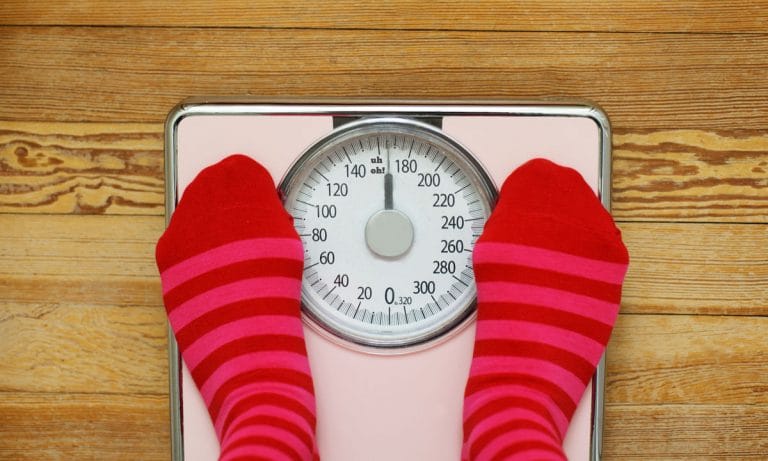
Studies show marijuana users are less likely than non-users to develop metabolic syndrome, which makes it difficult to lose weight.
Spring is here and summer is around the corner. As we scroll Instagram and TicTok, we are already seeing beautiful bodies on a boat, be a pool or lounging on the beach. While the concept of sexy bodies are involving (think Lizzo and Peter Davidson), most American carry a something extra that doesn’t make baring the body comfortable. Can cannabis help get ready for swimsuit season? Well, according to a study published in the American Journal of Medicine, marijuana users are less likely than non-users to develop metabolic syndrome, which is a significant risk factor for obesity, type II diabetes, and heart disease.
Conducted by scientists at the University of Miami in Florida, this study examined the relationship between cannabis consumption and the individual components of metabolic syndrome, such as high blood pressure, increased abdominal fat, elevated blood sugar, and unhealthy cholesterol levels.
Nearly 8,500 people from age 20 to 59 provided survey data for the study. Participants were separated into three categories—current marijuana users, past users, and those who had never smoked the herb. Whereas metabolic syndrome afflicts 22 percent of the U.S. adult population, less than 14 percent of current cannabis-using adults in this study had metabolic syndrome.
Among young adults, cannabis consumers are 54 percent less likely than non-consumers to present with metabolic syndrome. Past marijuana use is associated with lower odds of metabolic syndrome among middle-aged adults. And seniors who medicate with cannabis tend to be slimmer and less insulin-resistant than seniors who just say no.
The Munchies Receptor
The results of the study, entitled “Metabolic Syndrome among Marijuana Users in the United States,” may seem counterintuitive given marijuana’s notorious appetite-stimulating effects, jocularly known as “the munchies.” Under the influence of marijuana, flavors seem to jump right out of food. That’s because tetrahydrocannabinol (THC) activates CB1 cannabinoid receptors in the brain that rouse one’s appetite and heighten one’s sense of smell.
The munchies are a scientifically proven phenomenon. THC is a CB1 “agonist” that turns on the appetite receptor and causes it to signal. An “antagonist” will block the receptor and prevent it from signaling. Tetrahydrocannabivarin (THCV), a minor but medically significant component of the cannabis plant, is a neutral CB1 receptor antagonist.
Scientists have also synthesized “inverse agonists” that can activate a cannabinoid receptor and cause it to signal in the opposite manner from how it functions naturally. A CB1 inverse agonist will curb appetite and reduce food intake by binding to CB1 receptors, whereas THC boosts appetite and food intake by binding to CB1.
One could reasonably assume, given what we know about the munchies, that increased use of marijuana will result in greater caloric consumption with consequent adverse metabolic outcomes, including obesity. However, the results of this study and other reports indicate that such is not the case. Indeed, the opposite appears to be true.
In addition to underscoring potential health benefits of herbal cannabis, these findings highlight the discrepancy between human research that links marijuana use to lower rates of obesity compared to preclinical studies involving synthetic isolates in which CB1 antagonism (blocking the munchies receptor) and CB1 inverse agonism (flipping the anti-munchies switch) are shown to prevent obesity.
How is it possible that marijuana consumption, which activates CB1, is associated with preventing obesity in humans, while blocking or reversing the CB1 receptor via a synthetic, single-molecule compound results in weight-loss in animal models and human trials? What can explain this apparent contradiction? It may have something to do with the complementary, yet opposing functions of two different sets of cannabinoid receptors.
CB2 Receptor Activation
Australian scientists recently examined the role of the cannabinoid CB2 receptor “in modulating energy homeostasis and obesity-associated metabolic pathologies.” The CB2 receptors are concentrated in the peripheral nervous system, immune cells, and in metabolically active tissue. The Australian researchers found that CB2 receptor activation by JWH-015, a “selective CB2 receptor agonist,” reduces food intake in mice and prevents the build-up of body fat.
THC, a non-selective, plant-derived agonist, binds to both the CB1 receptor and the CB2 receptor. The fact that THC and other cannabis components (including the aforementioned THCV) activate CB2 receptor signaling may explain why marijuana users are less likely to develop metabolic syndrome than marijuana abstainers. Metabolic syndrome is a generalized, low-grade inflammatory condition, and the THC-sensitive CB2 receptor regulates immune function and inflammation.
CB2 receptor activation—through healthy diet and cannabis-enabled stress reduction—may prove to be a better strategy for preventing and treating metabolic syndrome than the misguided attempt by French pharmaceutical giant Sanofi-Aventis to market Rimonabant, a synthetic CB1 inverse agonist as an appetite suppressant. Promoted as a blockbuster diet drug in 2006, Rimonabant was soon recalled in Europe because of severe side effects, including neurological deficits, depression, and suicide. The anti-munchies pill was never approved for sale in the United States.
This is a long way of saying, maybe have less calorie filled beer or overly sugary cocktails for a vape or an oil if you want to be beach ready.