Long-term studies are needed to assess whether chronic medicinal cannabis intake can restore natural circadian rhythm without the need for ongoing cannabis intake.
Not being able to fall and stay asleep can be worse than a nightmare. Unfortunately, as much as 22% to 50% of the adult population deal with insomnia symptoms from time to time while chronic insomnia disorder causes distress or impairment affecting 10% to 15%. Now, a recent study has new data on cannabis improving sleep quality.
Can cannabis help?
A study published in the Journal of Sleep Research reveals that marijuana can be an effective treatment for this disorder. Assessing the tolerability and effectiveness of medicinal cannabis oil on sleep in adults with insomnia, the study was conducted between May 2020 and May 2021 at the National Institute of Integrative Medicine in Melbourne, Australia.
29 individuals with self-reported clinical insomnia took part in the study;
Participants were randomly allocated to receive a placebo or active oil with 10mg THC and 15mg CBD per milliliter over two weeks;
They took oil in the evening with food, increasing their doses by 0.1ml increments each day;
Effectiveness was assessed by saliva midnight melanin levels, verified questionnaires, and the Fitbit activity/sleep wrist tracker.
The study concluded that Entoura-10:15 medicinal cannabis oil was effective in improving sleep, with as many as 60% of participants no longer classified as clinical insomniacs at the end of the 2-week trial;
Midnight melatonin levels notably improved in the group that used marijuana by 30%, while in the placebo group these levels dropped by 20%;
Overall, the quality of sleep improved by up to 80% in participants using cannabis;
As many as 83% of participants experienced non-serious side effects such as dry mouth, diarrhea, nausea, and vertigo; 14% reported no side effects while two participants experienced more serious side effects like tachycardia and extreme dizziness – both relieved with lower doses.
96% of participants confirmed that marijuana oil was an acceptable treatment for insomnia.
“Our short-term trial suggests Entoura 10:15 medicinal cannabis oil, containing THC: CBD 10:15 and lesser amounts of other [cannabinoids] and naturally occurring terpenes, to be well tolerated and effective in significantly improving sleep quality and duration, midnight melatonin levels, quality of life, and mood within 2-weeks in adults with insomnia,” researchers concluded.
“Long-term studies are needed to assess whether chronic medicinal cannabis intake can restore natural circadian rhythm without the need for ongoing cannabis intake.”
There’s nothing quite like getting the opportunity to start fresh! Here are some ways you can reboot your relationship with marijuana in the new year.
As another year comes to a close it is time to contemplate the things we did well and those that we can improve upon. Many people make resolutions this time of year, and others opt to simply improve upon the past and slowly develop some new habits.
If you are a regular cannabis user, you might have some new habits you are trying to form, or maybe one or two old ones you are trying to break. There are all sorts of ways you can incorporate new positive habits into your cannabis-friendly lifestyle.
Whether you want to cut down on how much you spend on weed, or learn more about what you are smoking, this list of the top five habits to develop in the New Year will have you ready to embrace next year with an optimistic and focused mindset.
Educate Yourself on Your Local Weed
Photo by nito100/Getty Images
According toGallup, 16% of Americans use marijuana and 48% have at least tried it. While this accounts for millions of people, only a small percentage of these users are likely to know much more than the classical differences between “sativa” and “indica.” If you regularly use cannabis, make it a point to learn more about exactly what you are smoking.
Consider reading about the growers in your state and understanding the strains that you smoke. You might even learn why certain strains thrive in your region. Researchlandrace strains, and find out which growers are using environmentally friendly and organic growing techniques, and try and support those brands. People have grown much more conscious about the type of food they consume, and perhaps it is time to do the same when it comes to weed.
Look Into Healthier Ways to Consume Weed
Photo by Vanessa Nunes/Getty Images
Sure, marijuana is considered healthier than lots of its alternatives, like alcohol for socialization and opioids for pain, but smoking it is not helping your lungs. Smoking pretty much anything damages your lungs, and marijuana is no exception. As we previouslyreported, “Smoking weed leads to the deposit of four times the amount of tar than smoking tobacco, and may increase the risk of lung cancer.”
Try reducing the amount of marijuana you smoke, and switching to some lung-friendly alternatives. Edibles are an obvious choice. But if you are looking for more fast-acting products, consider cannabis beverages and alcohol-based tinctures.
Embrace Activities With Mindful Breathing
Photo by Radu Florin via Unsplash
In addition to seeking alternatives to smoking and even vaping marijuana, you can also work to get the most out of your breathing. Mindful breathing has all sorts of benefits that can enhance the lives of any cannabis user.
In addition to some simple mindful breathing exercises, activities like yoga andmeditation also incorporate breath exercise into many of their practices.
In addition to lowering anxiety, mindful breathing can, according to Insider, “help with burnout, provide certain types of pain relief, and decrease negative thinking.” So give breathing exercises and mindful breathing a chance. It can help your lungs, and have all sorts of other benefits.
Try Folding Exercise Into Your Weed Routine
Photo by Li Sun via Pexels
Exercise is at the top of almost everyone’s New Year’s resolutions list. Developing an exercise habit, however, is not always that easy. Exercise can be tedious, difficult and altogether dreadful if it feels like an obligation. But some find incorporating marijuana into exercise helpful.
As we recentlyreported, there are several benefits of incorporating cannabis into your fitness routine, including minimizing pain and inflammation, and boosting your energy. In fact, marijuana can be helpful at mitigating all sorts of negative feelings you associate with exercise. So try a non-hazardous and low impact cardio workout with marijuana and see if you find it easier to achieve your New Year’s fitness goals.
Schedule Seasonal Tolerance Breaks
Photo by OSTILL/Getty Images
If you use cannabis pretty much every day you have almost certainly noticed that over time you need more and more procure to feel the effects. In fact, you might find that the high you once felt now escapes you altogether. This is common with most substances, as our bodies develop tolerances to the substance.
When you take a tolerance break you are basically setting the clock back to day one. A tolerance break once every few months can have lots of benefits. A tolerance break can help you save money, since you won’t need as much weed to get high. It will also make your high more intense since you have given your body a break. Scheduling these breaks and sticking to them is the most effective way to ensure your tolerance does not get out of control, or lead to dependence.
Unlike other studies that have been biased towards the stigma that comes with cannabis, this study sought to establish causality other than just a link between cannabis use and kidney disease.
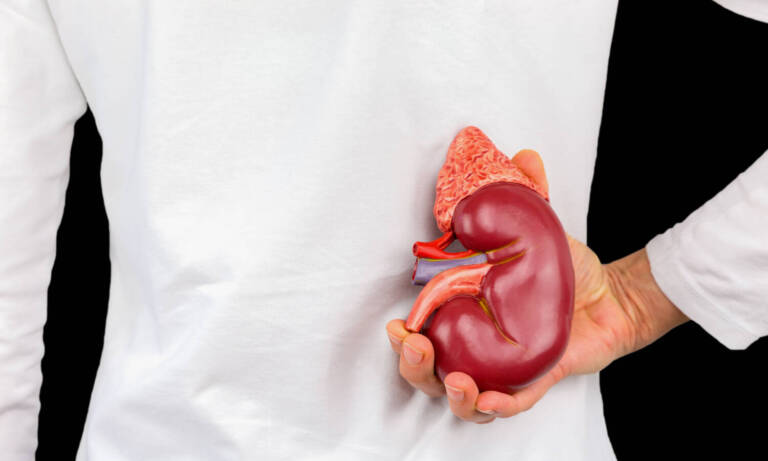
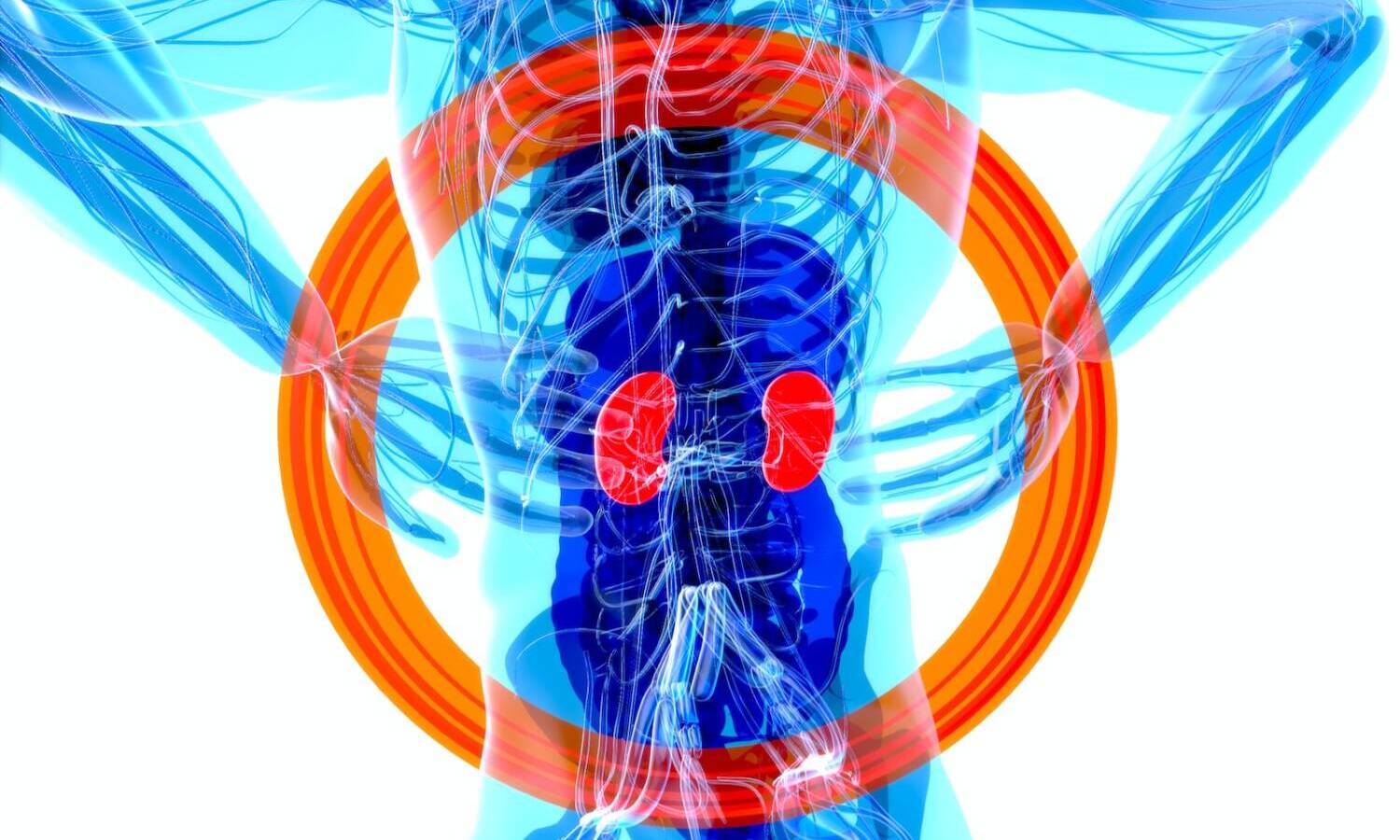
According to a new study which was published in the journal Kidney Medicine, cannabis use is in no way linked to chronic kidney disease (CKD). Previously, cannabis consumption has been associated with a tons of harms, one of them being kidney disease. This theory has advised the use of medical cannabis in CKD.
This new study may however change things and allow patients to access medical cannabis treatment, in spite of kidney disease.
Photo by julien Tromeur via Unsplash
Details of the Study
Dellepiane and Paranjpe conducted a retrospective review study based on data from 22,354 participants; those who’ve never used cannabis, monthly users, weekly users, and daily users. Out of this, the researchers found 89,132 participants who’ve used cannabis frequently.
Unlike other studies that have been biased towards the stigma that comes with cannabis, this study sought to establish causality other than just a link between cannabis use and kidney disease. To this end, the researchers first identified a positive link between cannabis use and kidney disease.
It’s important to note that previous studies have stopped at this point and concluded that cannabis causes CKD. The researchers in this study use Mendelian Randomization as a method to measure the variation in genes to determine the existence of a causal relationship in observational studies. There was no causal effect linking cannabis use to kidney disease.
Preliminary research has shown that patients with kidney disease may benefit from cannabis use. A study that was conducted by Canadian nephrologists found some usefulness of cannabis in relieving symptoms of CKD.
A different study that was published in Nephrology and Hypertension in 2020 found that cannabis use does not impair kidney function in healthy individuals. Further studies are needed to provide clearer direction in this area. Meanwhile, it seems misguided to lock out CKD patients from legal medical cannabis programs.
Steer your sleigh away from legal gray areas so you can enjoy the rest of your holiday season without a trip to the courthouse.
Weed is a fun gift to give, and even more fun to receive. If you get marijuana as a gift, especially in a public or group setting, you may wonder what the etiquette (and legality) is. This is, after all, new territory for most gift-giving Americans.
Whether you have given weed or received it this holiday season, there are things to know to make sure you do so legally, and without spoiling any holiday gathering or getting arrested.
Photo by megaflopp/Getty Images
With the continued legalization of recreational cannabis, the market formarijuana gifts and merchandise have exploded. There are holiday gift sets, unique packaging and even holiday-flavored edibles.
A poll conducted by Jushi Holdings found that cannabis consumers 21 years and older in adult-use states overwhelmingly plan to consume cannabis as part of their holiday celebrations this season.
This means if you are a cannabis lover in a state where marijuana is legal, you likely found some form of THC under the tree this year. The first thing you should understand is exactly what a “gift” is.
Defining a “Gift”
When you receive weed as a gift, it must be received without any anticipation of payment or compensation. “‘Gifting’ pot and then receiving payment later, or reciprocal ‘gifts’ of pot and items of value: illegal,”wrote the Boston Globe regarding its state’s marijuana laws.
This means if you receive a weed gift, you should not give your friend a card with 100 bucks in it. Although it may be an actual Christmas gift exchange, you should always be aware of how things can appear to an outsider. As a rule, don’t mix weed gifts and cash-related gifts whenever possible.
Read the Room, and State Laws
When someone gives you weed as a gift, it is understandable that your initial jubilance may give way to apprehension. Marijuana and its legality is a complicated and often stressful subject. Not only are laws often changing, but the laws themselves can be murky at times. This is particularly true when it comes to gifting marijuana.
Photo by Sarah Pender/Getty Images
In some places, like Washington D.C., “gifting” is one of the only legal ways to exchange marijuana from one person (or business) to another person. Other states, like Florida, have legalized medical marijuana but still have very strong penalties for marijuana possession outside of the medical realm.
Before you light up your recently received gift, be sure to know the laws. It may also benefit you to read the room and see who is around you. Even where marijuana is legal, it is always illegal for minors. If you are at a holiday gathering with minors, best practice is to save your gift for the after party, or for the privacy of your home.
Don’t Feel Obligated to Partake in the Moment
When you receive a gift, there is often an unspoken pressure to show your appreciation by using the gift right away. When it comes to weed, do not let yourself feel obligated. If the person who gave you weed wanted you to smoke with them, they should have brought enough for the two of you to enjoy.
“A pack of pre-rolls or some potent bud is thoughtful but don’t assume they’re going to smoke it on the spot. If you want to join your pal, bring extra,”wrote MedMen in regards to gifting weed.
When you receive weed as a gift, you don’t need to feel pressure; you only need to give thanks. Let the gift exchange only further the holiday cheer, and steer your sleigh away from legal gray areas so you can enjoy the rest of your holiday season without a trip to the courthouse.
The holidays are notorious for extreme merriment. If you’re trying to stay sober, it can be a challenging time. Here are some tips that can help you stay on the wagon.
This time of the year is filled with great things, like a break from work and spending time with family and friends. Still, it’s a highly emotional time, where tensions can feel like they’re about to bubble over, making alcohol a tempting option to soothe our concerns. And while there’s nothing wrong with this, spending the holidays sober has some perks, especially if you feel like you’re in a vulnerable place.
Trying to get through the holidays without the help of any kind of substance is a tall order, but it’s still possible if it’s a priority. Here are some tips that can help you stay sober through the holidays.
Spot your triggers
Photo by Robert Mathews via Unsplash
Most of us don’t think about what makes us want to have a drink, so a plan to spend the holidays sober can be a great opportunity for introspection. A helpful thing to do would be to think about your relationship with alcohol, jotting down your thoughts whenever you feel the urge to have a drink and trying to figure out what prompted that reaction. After a couple of days of this, you’ll start spotting some trends and patterns that can help you steer clear of triggering situations, making it easier to stay sober.
Keeping track of your triggers is also a helpful practice when using alcohol or substances to numb emotions, which should be cause for concern.
Days of celebration, like Christmas or New Year’s Eve, are usually associated with a lot of drinking, making it more difficult than other days to stay sober. Make a plan for these dates and try to stick to it, waking up at a certain time, adding a workout if you feel like it, and planning whatever it is you want to do to celebrate. If you’re feeling like lazing out over the holidays, the advice still applies; plan out your movie marathon, your phone calls with friends, or your video game binge.
If you’re spending the holidays with someone, let them know of your plans for sobriety. There’s no need to go in too deep as to why you’re not drinking or consuming any substances for the holidays, but verbalizing your feelings will likely reduce people harassing you to have a drink when you don’t want to.
While there’s still a lot to learn about how cannabis works, it may help in improving your workout performance, and may have the potential to help you achieve your fitness goals.
With some states legalizing the use of cannabis, the social stigma on the subject may start to loosen up. Today, cannabis seems to have become more popular and accessible to people. In fact, there are fitness gurus and athletes who even start to speak of its positives. In facts, there are benefits of incorporating cannabis into your fitness routine.
Nowadays, some fitness enthusiasts incorporate cannabis before or after their workout routine and believe working out while high is beneficial. Aside from that, cannabis is believed to improve overall fitness, too.
To put your mind at ease, here are some claimed health benefits of cannabis, as well as how it’s supposed to level up your fitness game.
Photo by Caley Vanular via Unsplash
Minimizing Inflammation And Pain
One of the most promising areas of cannabis research is its capacity to reduce joint and muscle inflammation. Studies have tried to prove that the nonpsychoactive cannabinoid in cannabis, cannabidiol (CBD), could help in reducing inflammation.
Related to its anti-inflammatory properties, cannabis is also known to relieve body pains and soreness derived from working out too much. CBD may reduce pain by influencing endocannabinoid receptor activity, interacting with neurotransmitters in the nervous system, and reducing inflammation. It’s said to be effective in lessening acute pain, pain caused by twisted muscles, and chronic pain.
This could be beneficial for athletes and fitness enthusiasts dealing with inflammation and pain in the muscles and connective tissue. It could also be helpful for those recovering from surgery or past injury.
This is perhaps the primary area of cannabis research that seems to have shown positive results. It may be good news for fitness enthusiasts looking for alternatives to opiates.
Improving Sleep
Sleep is critical to overall fitness as it gives the body enough time to recover and repair damaged muscles after exercise. This is because it’s also the only time when the body produces growth hormones, which are necessary for recovery.
Unfortunately, many people are sleep-deprived. That is, they don’t get the recommended seven to eight hours of sleep every night. When this happens, it could mean sabotaging their own fitness goals.
However, cannabis may be able to help in this area as it’s believed to aid in inducing sleep. It’s said to help restore the natural sleep cycle, which usually falls out of sync because of the daily schedules and stressors of modern life. Because of its claimed antianxiety properties, cannabis could also help soothe a stressed mind and body. And if you find it hard to get a good shut-eye at night due to chronic pain, cannabis may help in its relief.
Cannabis is also believed to help people suffering from sleep apnea. It’s said to suppress dreams by reducing the amount of rapid eye movement (REM) sleep you get. This could be beneficial for those with posttraumatic stress disorders since it could mean fewer nightmares.
Photo by Victor Freitas via Unsplash
Boosting Energy And Mental Acuity
Numerous factors could affect your energy levels and concentration, including chronic pain conditions, too much stress, lack of sleep, and even diet. And lack of energy and focus could prevent you from attaining your fitness goals. For instance, you may find it hard to finish a half-hour workout routine if you feel tired and lethargic.
Fortunately, cannabis could help with this, and it’s easy to find the best strains for energy and mental boost. Cannabis is said to directly improve energy and promote wakefulness in people. It’s believed to activate the neurons in specific areas of the brain responsible for activity and alertness.
Besides that, cannabis is also claimed to indirectly boost energy by improving other issues. For one, it could help in getting enough sleep. Also, it’s said to be great at reducing stress and anxiety symptoms, plus it could reduce pain, which may cause you to experience fatigue and lethargy.
The popular belief is cannabis hampers brain functioning. However, this may not always be so. As some studies have shown, low doses of tetrahydrocannabinol (THC), the psychoactive component in cannabis, could restore cognitive functioning in mice.
By helping improve mental acuity, cannabis could help fitness enthusiasts get in the ‘zone’ with their fitness routines. It could help their mental game while boosting focus by reducing anxiety and keeping them calm and relaxed.
Assisting In Weight Loss
Another area in which cannabis is said to improve overall fitness is assisting in weight loss. There are claims that cannabis could help in losing weight. For one, it’s believed to help in reducing appetite.
The general belief is cannabis stimulates appetite since marijuana users are said to feel hungry after smoking. However, this may only be half true. While THC in cannabis could cause hunger, CBD is said to do the opposite. In fact, a study revealed that CBD is a CB1 receptor antagonist, which means it could deactivate or block off the receptor. This could help in reducing appetite and controlling hunger pangs.
Photo by Huha Inc. via Unsplash
Moreover, cannabis is said to turn bad (white) fat into good (brown) fat. While white fat is responsible for increased risks of chronic conditions like diabetes, brown fat, a metabolically active form of fat, could burn off energy and generate heat. This means it could burn calories.
CBD may play several roles in how the body interacts with these fats. Not only could CBD help in the conversion of harmful white fat cells into brown fat cells, but it could also stimulate the body to efficiently break down these fats. For this reason, CBD may be a promising therapy for obesity prevention, though this claim still needs more clinical and human studies.
Lastly, cannabis is believed to reduce the risk of metabolic disorders causing weight gain. The overactivation of CB1 receptors may be partly responsible for increasing fat tissue throughout the body and contributing to obesity and other metabolic risks. As mentioned, cannabis is supposed to deactivate these receptors, which could help in reducing the risks of obesity, diabetes, and high cholesterol levels.
Conclusion
While there’s still a lot to learn about how cannabis works, it may help in improving your workout performance, and may have the potential to help you achieve your fitness goals.
The holidays can be extra joyful with the help of a little weed. Here are 5 reasons why you should explore Santa’s little green helper.
The holiday season is a time for indulgence. It’s a time when we’re expected to huddle up, reminisce over the happenings of the year, prepare cozy and comforting foods, watch tons of movies and enjoy ourselves. It is also when we are with the people who sometimes drive us crazy and are schedules are topsy turns. Here are reasons to consume weed during the holidays.
One thing that reliably makes the holiday celebrations better is weed. Whether you’re spending your days alone, with roommates or with family, the festivities will get an added gloss of greatness if you add some weed into the equation. Here are 5 reasons why you should consider weed this holiday season:
Holiday food will taste better
Photo by Natalia Y via Unsplash
We tend to overeat during the holidays and that’s okay. This year, no matter your circumstance, you can use weed to really enjoy all the food you eat during the holiday season. Make plans to cook something delicious or bake holiday cookies, whether you’re alone or with friends and family. Smoking weed and eating these delicious meals will allow you to have a deeper appreciation for them and have a really good time while you’re doing it. (And we’ve got some answers for anyone wondering Why Does Weed Give You The Munchies?)
You’ll get much more fun out of your holiday viewing
Photo by JESHOOTS-com via Pixabay
Whether you’re watching Christmas movies, the best movies of the year or simply binging reality TV, weed will make it all better. You’ll find all the dialogue and plot points deeply intriguing, you’ll have a deeper appreciation for the colors and cinematography, you might even fall asleep without meaning to and wake up feeling rested and rejuvenated. That’s what we deserve this holiday season; go for it.
Not all gifts are the same, with some people being great gift givers and others lacking this very specific talent. Weed will allow you to become a better actor and to find something charming about whatever strange gift you were gifted.
Watching Christmas lights can be a full night activity
Photo by Eugene Tones via Unsplash
Christmas lights are beautiful under normal conditions. They’re extra awesome with weed. Since we’re lacking a lot of fun activities during this holiday season, a good and safe way to pass the time would be to go to a place that’s known for their Christmas decorations, toke up and relax.
The holidays are great but they’re also stressful, whether you’re celebrating them in person or through Zoom. (Are people still doing this? Just us? Okay.) But may we suggest adding some weed to the mix. That way, you’ll have extra patience when your friends and family members are very loud or forget to unmute themselves.
Smoking marijuana doesn’t really impact your performance, it simply enhances the traits you already have.
There’s a lot of negative stereotypes when it comes to weed smokers: lazy, unproductive, easily distractible. And while this is empirically false, there still is some truth to it all. And it’s not necessarily stoners either!
The fact of the matter is that procrastination is something that everyone is dealing with at some level. It doesn’t matter whether you’re stoned or not. Most of us try to do anything other than the thing we need to get done, especially if the task isn’t “enjoyable”.
Photo by PM Images/Getty Images
This is because we’ve been trained like space monkeys to respond to dopamine spikes due to our interaction with our technology. These days, “instant gratification” has made tasks that provide “delayed gratification” seem more difficult to do.
And while cannabis doesn’t make you lazy, unproductive, and easily distractible per se – there is an extra layer of “the fuck its” within your consciousness when you’re under the influence of cannabis.
This is why today I’m going to be giving you some tips on how to deal with procrastination as a stoner and how you can level up your game for 2023.
But first, why should you listen to me?
There was a time in my life when I was led to believe that I was lazy. This was prior to smoking weed.
For years this plagued me, despite the fact that I’m a high achieving individual, in the sense that when I enjoy doing something, I over achieve.
For example, while I may have written a shoddy essay for a teacher on a subject I had no interest in, I could write volumes of intricate storyline on games I was developing, or books I was writing for fun.
As I grew older, I came to understand that it’s not that I’m lazy, It’s because I have no interest in the tasks and therefore my attention is easily diverted from the difficult task.
There are a few approaches one could take when dealing with this issue. First, you could only do tasks that you enjoy. However, in life there are a great number of tasks you “won’t enjoy” but which are absolutely necessary.
For example, if you want to gain muscle, you need to go to the gym. You need to work out. Sweat, get sore muscles, maybe even hurt yourself a bit. You will endure pain, and will be challenged to push yourself beyond your current self in order to attain the muscle mass you desire.
Photo by Dejan Marjanovic/Getty Images
Within this process, many “non-enjoyable moments” are critical to your success. Therefore, only doing things you like is not a viable option.
The other way is to simply force yourself to do them anyhow. This is what most successful people do. They just do it anyway!
While it sounds easy, it isn’t and these people exude tremendous willpower. However, when you look at most “high functioning execs”, they are either drinking themselves or smoking themselves to death. When you force yourself to do things you don’t like, you may begin to notice some advancement in your life objectives. However, if you don’t learn to be gentle with yourself, you might also find yourself becoming something you don’t like at all: an overworked, unhappy, stressed out individual that needs drugs, sex, alcohol, and other kinks to get them through their days.
Which is why you need to learn how to push yourself without scolding yourself.
You don’t need to scold the monkey; you simply need to direct it with care and listen to it when it speaks!
Wait…monkey?
I find that when you personify a concept, it becomes easier to understand. The “monkey” is the personification of your mind when it’s being challenged with something it doesn’t want to do. The monkey will tug at you and say, “Dude, have you seen this YouTube video?” or “Just one more and then you’ll get back to work.”
When you give into the monkey, you might find yourself in a state of perpetual pleasure seeking, which then after a while leaves you empty and drained. Self-loathing typically follows suit. You feel like you’re wasting time.
When you’re high, the monkey can be louder still and find things that actually is something that adds value to your life, but isn’t necessarily the most important thing you need to do in that moment.
What this does is creates problems in the future that you could solve in the present, but since you procrastinated, it piles up since “TIME NEVER STOPS MOVING!”
What you leave for tomorrow is “today + tomorrows load” and in turn, the weight of “tomorrow’s load” is significantly more than today’s, and requires an even greater assertion of effort.
So what do you do?
Photo by photographer/Getty Images
How to train your monkey (even while stoned)
In the beginning, I tried everything in my power to stop the monkey. I would force myself to do the things I hate. But eventually, I started hating the things I did.
Eventually I learned that when the monkey beckons and demands my attention, I sort of give it to it, but I don’t do what it wants me to do!
For example, let’s say I’m commissioned to write a blog I don’t want to write. Let’s say it’s about the fascinating world of hand woven garden chairs. I don’t have any personal interest in this topic, but I have a deadline and it’s money in the pocket.
As I am about to write, the monkey is like, “Dude, you’re stoned…why waste it? Why not instead, you work on that thing you’ve been wanting to work for the entire time, but don’t ever have time for it…what if that time is now?”
Now, I know if I ignore this, I’ll be constantly getting distracted, or I may even get physically or mentally tired as a result.
Therefore, instead of ignoring it flat out, I stand up, and do five or six sun salutations.
I take in a deep breath, focus my mind back to the body, get the blood pumping, stretch out my sore muscles, and take a minute to just clear my mind.
You see, the monkey isn’t really there to distract me as much as letting me know that it’s time you do something else; you’ve been sitting on your ass for hours and your body needs a break.
However, instead of doing the thing that my mind wants to do, I do something else that benefits the body/mind.
Photo by Kampus Production via Pexels
You could literally take a power nap, meditate for 10 minutes, go for a walk, do 30 push ups…whatever. As long as it’s not the thing that your mind wants you to do.
The monkey gets stimulated either way, except in this way, you’re actually replacing a “bad thing” with a “good thing”. You increase focus, you increase energy, and at the end of it – you’ll be ready to do the thing you don’t want to do.
You’ll get to a point where you’ll say, “Enough of the bulls**t, let’s do this!”
It works even if you’re stoned!
Smoking marijuana doesn’t really impact your performance, it simply enhances the traits you already have. If you’re a loser smoking weed, you’re probably one even when you’re not smoking it.
If “weed” is your excuse for “not doing” then quit or learn how to get stuff done even if you smoke weed.
I just taught you a major life hack. The question now is, will you use it or not? That’s entirely up to you!
It is still unclear if the sudden suspension of the feature was the result of an expired arrangement between Twitter and SAMHSA or of it was removed due to policy changes.
In 2020, Twitter began suggesting to users who searched for specific drug-related words such as “cannabis,” that they might consider getting help for substance use. This feature, which was created in agreement with the federal Substance Abuse and Mental Health Services Administration (SAMHSA) is now suspended, reported Marijuana Moment.
The note suggesting help, which did not appear when people searched for alcohol, had been roundly criticized by marijuana advocates. They argued that Twitter was implying that any interest in marijuana indicates a potential substance misuse problem. What about medical marijuana? Or policy reforms? Or job searches in the industry?
Photo by LeoPatrizi/Getty Images
“Help is available. If you or someone you know is struggling with substance use, you are not alone,” the standard warning said, directing users to SAMHSA’s helpline and website.
Why the sudden change?
It is still unclear if the sudden suspension of the feature was the result of an expired arrangement between Twitter and SAMHSA or of it was removed due to policy changes stemming from the platform’s new owner Elon Musk.
It seems both could be possible in that SAMHSA functions within the U.S. Department of Health and Human Services (HHS), which recently tweeted about cannabis policy changes.
At the direction of @POTUS, we’re continuing to examine how marijuana is scheduled. We’re looking at what the evidence tells us – and that will guide what we do. https://t.co/KrGPLfXjff
On the other hand, the Tesla CEO has been known to publicly discuss cannabis and even consume it. Musk stirred up controversy when smoked a joint on a 2018 Joe Rogan podcast.
In August, Musk tweeted a humorous screenshot about what it’s like to get high on weed.
After only 33 minutes of its posting, the tweet had received 29,000 likes from people around the world who apparently could relate to it. Comments were going from “LMFAO”, to “this is the richest man in the world.”
The Tweet went public shortly after the recent Nelk Boys “Full Send” podcast, in which Musk revealed that his pot-smoking incident on the Joe Rogan show came with consequences.
He said he was drug tested for “everything” after that.
Musk said there were consequences not just for him but that his SpaceX staff was also randomly drug tested.
Musk did clarify that he is not a regular marijuana user, as he believes it is not good for productivity — at least not for him.
Photo by Christian Marquardt – Pool/Getty Images
Known for his bold stances on various issues, he has often asked pertinent questions about marijuana — if weed is a legal business in the U.S. why are so many people still imprisoned over it? Some two years ago, at the beginning of the pandemic, Musk tweeted: “Selling weed literally went from major felony to essential business (open during pandemic) in much of America & yet many are still in prison. Doesn’t make sense, isn’t right.”
More recently, he voiced the same concern over the Brittney Griner case when he shared a meme of a man with his hands on his hips saying, “people in the US in jail for weed while the government trades a Russian war criminal to free a woman’s basketball player in jail for weed.”
Musk wrote, “Maybe free some people in jail for weed here too?”
Neither Twitter nor SAMHSA immediately responded to the outlet’s request for comment.
Since many of our endocannabinoids are similar to the phytocannabinoids found in cannabis, we could see how it could replenish the loss of endocannabinoid production caused by aging.
The stereotypical weed smoker is depicted as a slow dimwit with the inability to harbor productive thoughts for more than a few seconds. They are motivated by their hedonistic tendencies and want to get “high” as much as possible.
In 2022, we know this is not true considering that almost half of all U.S. adults have tried cannabis at one point in time. While this harmful stereotype was used to deter people from smoking under the assumption that cannabis negatively impacts the brain, science is shedding new light on this topic.
Photo by TheDigitalArtist via Pixabay
Like this 2021 PBS piece on whether cannabis reversed brain aging. The studies are currently being conducted on mice, meaning that there is not a whole lot of human-evidence to suggest that cannabis helps slow down brain aging, but in mice, the results have been consistent.
One theory is that as we age, we significantly begin to produce fewer endocannabinoids. This affects our endocannabinoid system that is responsible for maintaining homeostasis in the body. The endocannabinoid system helps modulate mood, pain, appetite, immune response and much more.
Therefore, theoretically, since many of our endocannabinoids are similar to the phytocannabinoids found in cannabis, we could see how it could replenish the loss of endocannabinoid production caused by aging.
What did the mice tell us?
The current evidence on this idea comes from the study of mice done by several researchers. There are several studies done in Israel, Germany and in the US. One of the researchers featured in the PBS story is Nicole Ashport, who explained how they tested the cognitive decline for mice within an established experiment:
“When we take young mice and we put them in a learning and memory maze, they will very quickly learn to find the escape. Our aged mice will also learn how to escape the maze but they just don’t learn as efficiently. So it might take a young mouse 16 attempts in the maze to master it. But it might take an old mouse 25. And so we can see that the old mice can still learn. They just don’t learn as quickly.”
This allows researchers to observe how older mice take longer to process the information and commit it to memory. Theoretically because of inflammation associated with aging, however it could also be a lack of endocannabinoids reaching certain parts of the brain associated with memory.
However, when administering low doses of THC to the mice, Ashport observed something interesting:
“When we treated old animals with a synthetic version of THC at low doses, we would see a stimulation effect. They would move faster, they would move more. They had increases in their ability to be able to solve the mazes more efficiently. That is consistent with what had been reported by the other groups showing really low doses could lead to a beneficial effect.”
We are also seeing this anecdotally within humans. Many older patients have reported that they “feel alive” and “have more energy” after taking cannabis. Could this also be simply because of a lack of endocannabinoids that led to heightened inflammation, which is a cause or symptom of many different conditions.
Photo by Nikada/Getty Images
“One of the biggest hallmarks of aging that we see that can contribute to frailty and other impairments in advanced age is increases in inflammation,” said Ashport. “Cannabis and many cannabinoids can reduce inflammation within the brain and throughout the rest of the body. And so it’s likely that when we’re administering cannabinoids that are acting as anti-inflammatory signals, that they are inherently improving the aging system by simply taking away the stressors of inflammation.”
Good endocannabinoid health
Perhaps, we’re entering into a stage of societal life when “consuming cannabis” will become as essential as consuming vitamin supplements. The fact of the matter is that our endocannabinoid system plays a vital role in our health and well being.
The endocannabinoid system is said to be fully matured roughly by the time you’re 25-years old. Up until this point, your body creates a significant amount of endocannabinoids. Once it’s fully mature, the endocannabinoid production drops significantly.
While you can get cannabinoids from many different foods and activities – the best source for cannabinoids in nature is cannabis. The whole plant provides a wide range of cannabinoids and terpenoids that interact with your internal organism at a very efficient rate.
If many of our old-age problems arise due to a lack of cannabinoids or an endocannabinoid deficiency, then consuming cannabis as a supplement makes sense.
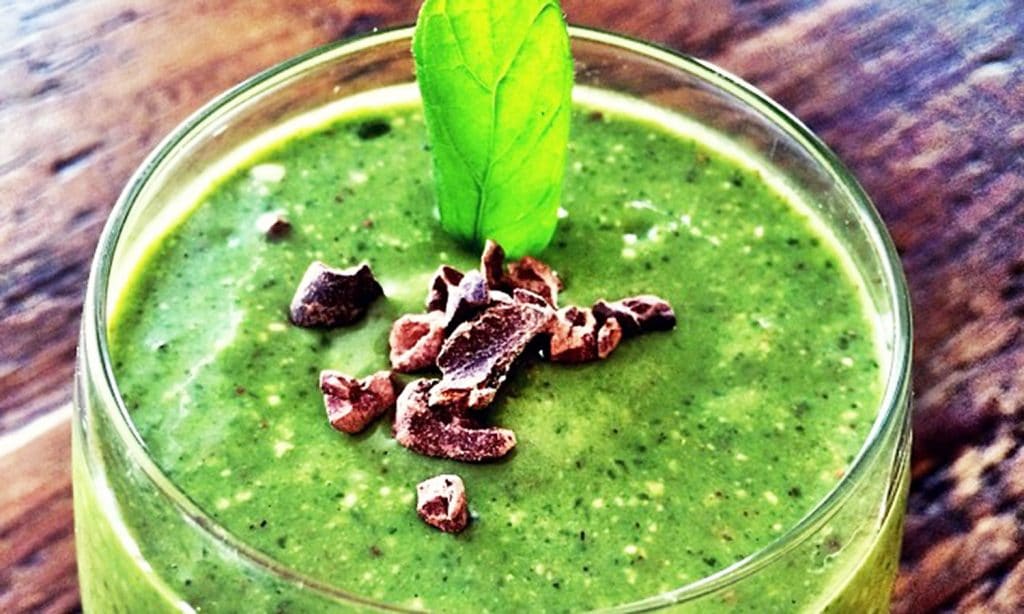
Some people, however, are not interested in feeling “high” as they still have some prejudices about euphoria in medicine. However, with cannabis, you don’t necessarily have to get high. In fact, juicing raw cannabis should be more than enough to replenish your endocannabinoid system without running the risk of getting high.
Photo by Flickr user Courtney Boyd Myers
This is because when cannabis is raw, the phytocannabinoids are in their “acid” state, which makes them non-psychoactive. Seeing that non-psychoactive cannabis would also work in replenishing your endocannabinoid system, it should stand to reason that a “smoothie of cannabis” a day can keep the old age at bay!
Bottom line
We’ve been told repeatedly that cannabis is bad for your brain! Except now, we are finding that it can be your last line of defense against mental decline as you age. Of course, this information is still in its infancy, and as we continue to progress and move forward with global legalization, we’ll discover more accurately how cannabis interacts with our minds and bodies.
In the meanwhile, the early evidence suggests that cannabis could be a very effective medicine for any condition involving mental decline as we age. This includes dementia, Alzheimer’s, and other neurocognitive diseases.
I know for certain that I’ll be consuming cannabis well into my old age. I might not be smoking it always, but I’ll most certainly be using the raw plant in my smoothies every now and then, just to replenish the loss of endocannabinoids that occur naturally as we age.