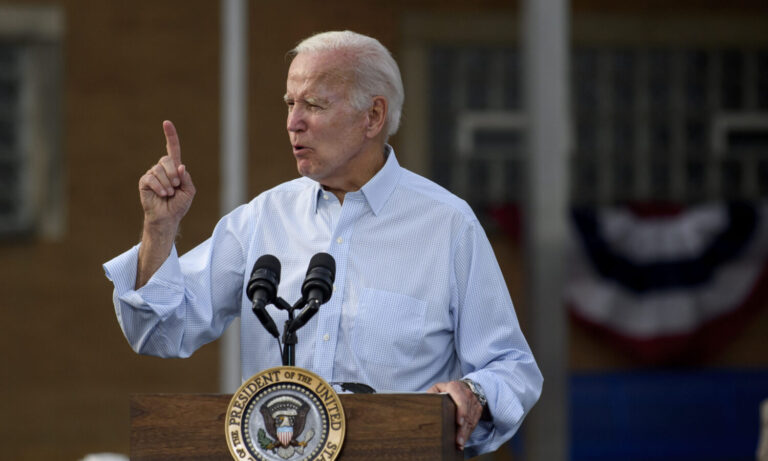
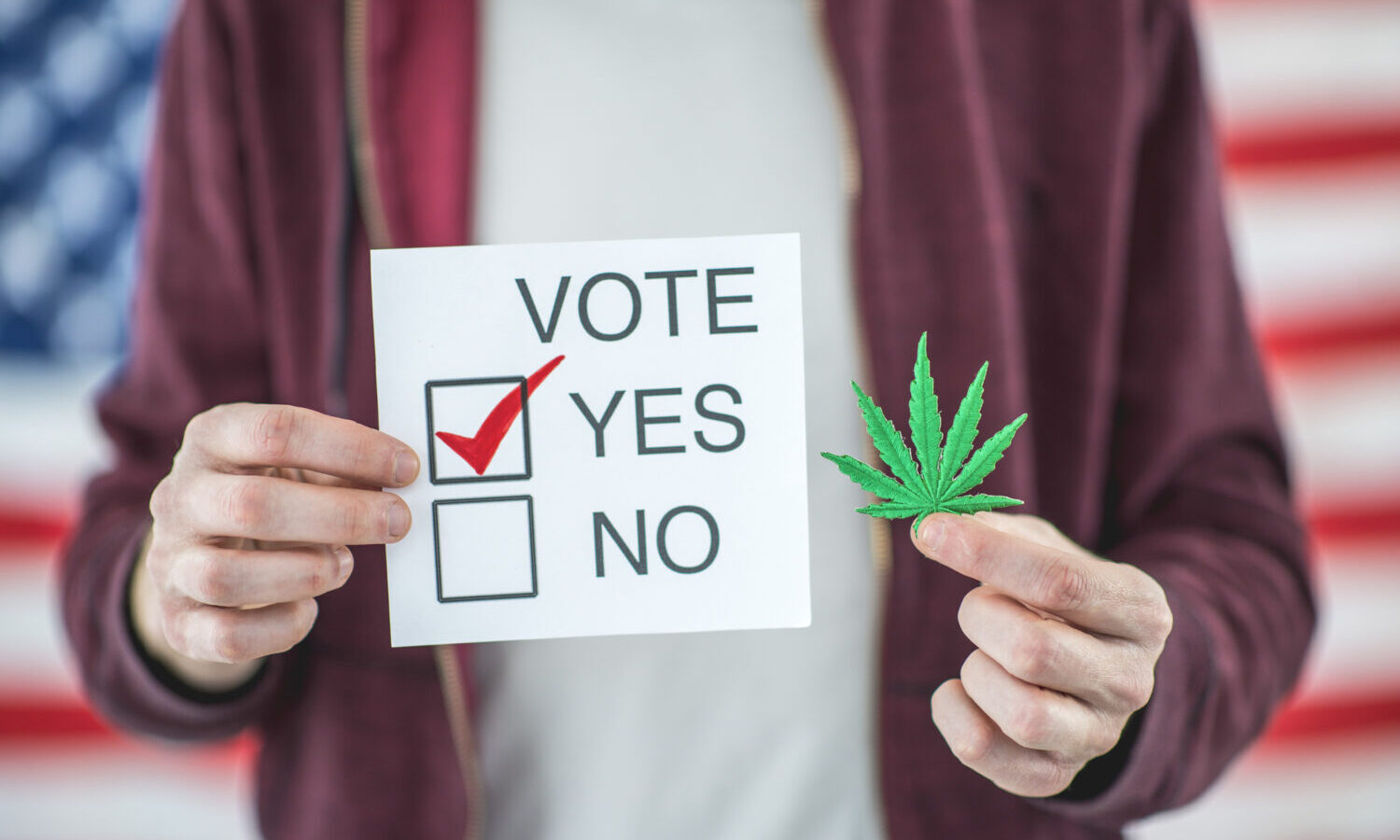
More that 130 advocacy groups are planning to write a letter to Biden, asking him to expand the pardons to several excluded groups of people.
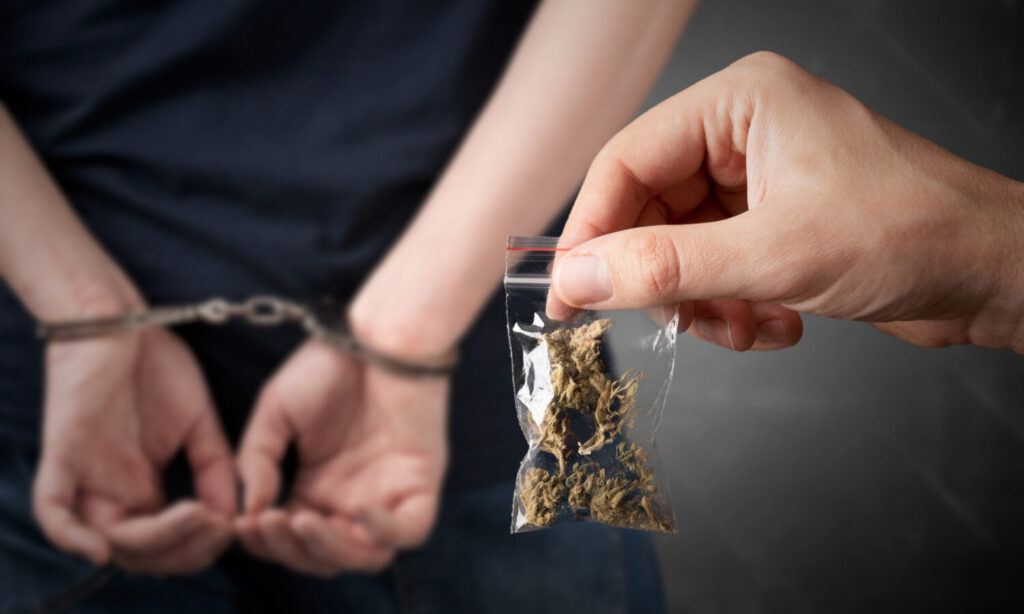
Advocates are calling for an expansion of Biden’s marijuana pardon, specifically, one that includes immigrants that have been deported due to these types of offenses.
Biden’s pardons affect nearly 6,500 Americans. Still, these pardons only affect US residents and citizens.
Photo by simpson33/Getty Images
ABC News reports that over 130 advocacy groups are planning on collaborating on a letter to Biden, asking him to expand the pardons and include refugees, asylum seekers and visa holders with marijuana convictions.
“Moving forward, we urge you to ensure that every step taken to remedy racial injustice includes relief to impacted immigrant communities,” says a draft of the letter. “In particular, we urge you to extend protection to all immigrants, regardless of immigration status, and to take necessary steps to ensure that immigrants do not suffer negative immigration consequences from marijuana convictions.”
Per the Transactional Records Access Clearinghouse, over 48,000 immigrants were deported for marijuana possession between the years 2003 and 2020.
When asked for comment, the White House replied: “The President’s full, unconditional pardon is the first categorical pardon in 45 years and will bring relief to thousands of Americans, disproportionately Black and brown, who are unfairly barred from housing, employment, and benefits,” said assistant press secretary Kevin Munoz.
He did not address the topic of immigrants directly.
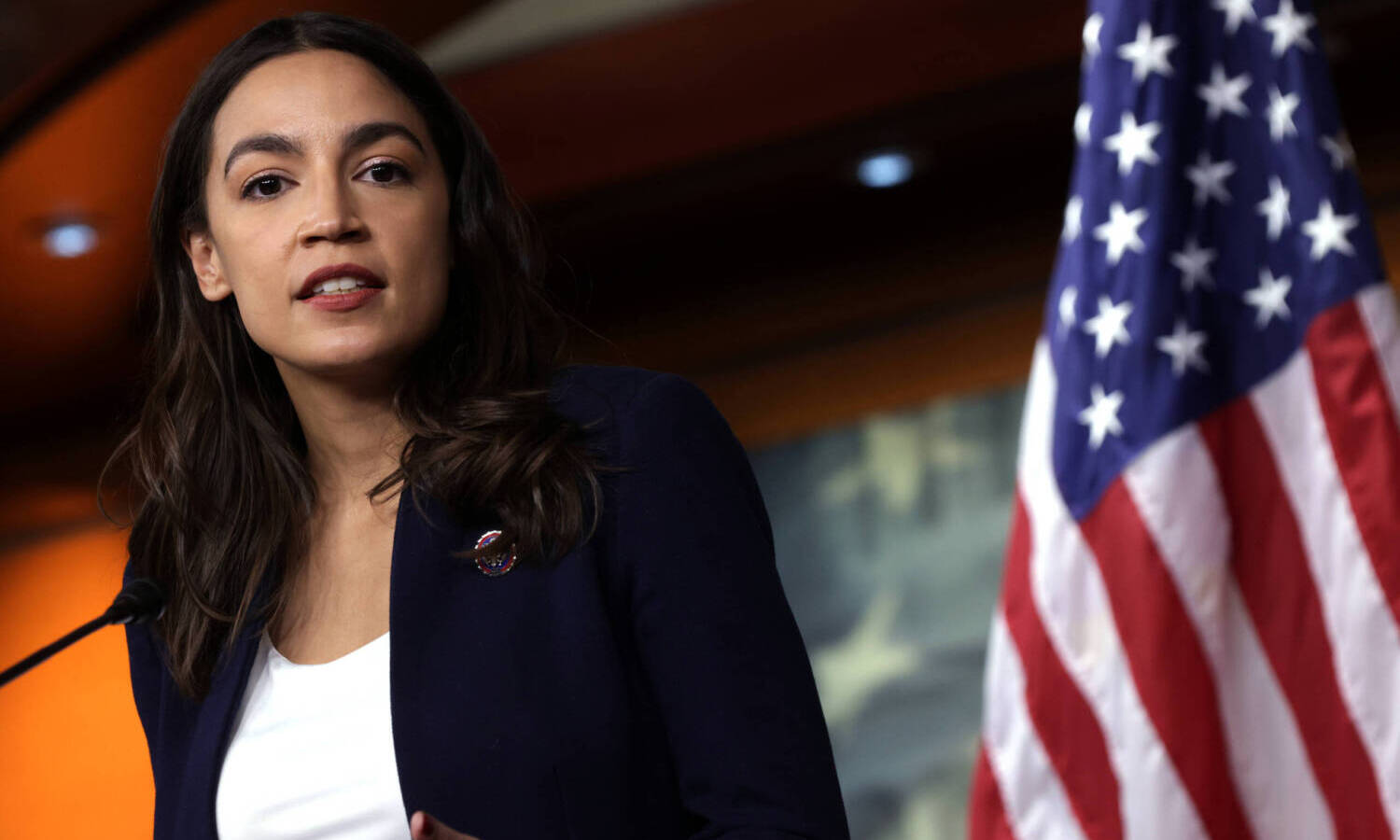
Photo by Alex Wong/Getty Images
New York representative Alexandria Ocasio-Cortez talked about Biden’s pardon and shared her objections regarding the exclusion of undocumented people. “And, even recently with President Biden’s marijuana executive order, I very much applauded that he went there, but he exempted people if they were convicted while they were undocumented,” she said.
“That is 90%. We’re looking at the overwhelming majority of people who have been convicted that would benefit from that pardon, they have status complications,” AOC said. “We really need to step up, both in our efforts on campaigning but also our efforts in governance.”
Your body may react to anesthesia differently depending on how you ingest cannabis, how often you partake, and your dosage.
If you’re planning to use marijuana before surgery, it’s crucial to do so safely. Start by talking to your doctor about whether it’s a good idea for you to use marijuana before surgery.
Cannabis can interact with other medications, so it’s important to know what you’re taking and how those interactions might affect you. It’s also best to avoid vaping or smoking marijuana before surgery, as smoking or vaping can irritate your lungs and make it harder to heal.
Photo by engin akyurt via Unsplash
Weed and Anesthesia
When it comes to weed and anesthesia, it is necessary to follow the advice of your doctor and anesthesiologist. While some people think that using marijuana before anesthesia will make them more relaxed during surgery, it can lead to complications. Your body may react to anesthesia differently depending on how you ingest cannabis, how often you partake, and your dosage.
Marijuana and anesthesia affect the central nervous system similarly, which means people who regularly consume marijuana may require more anesthesia. Therefore, your doctor needs to know how much and how often you use marijuana to determine what to give you.
Anesthesiologists agree you should avoid eating cannabis edibles and smoking marijuana for at least six hours before anesthesia. In some cases, eating before surgery can cause aspiration pneumonia, a severe complication that can result in death. If someone is put under anesthesia within an hour or two of using marijuana, he or she is at an increased risk of complications. This risk is most profound in patients with cardiovascular disease, increasing their chances of experiencing strokes.
If you want to know about smoking weed after anesthesia, ask your anesthesiologist as the answer will vary based on the surgical procedure and a variety of other factors.
Smoking Weed After Wisdom Teeth Removal
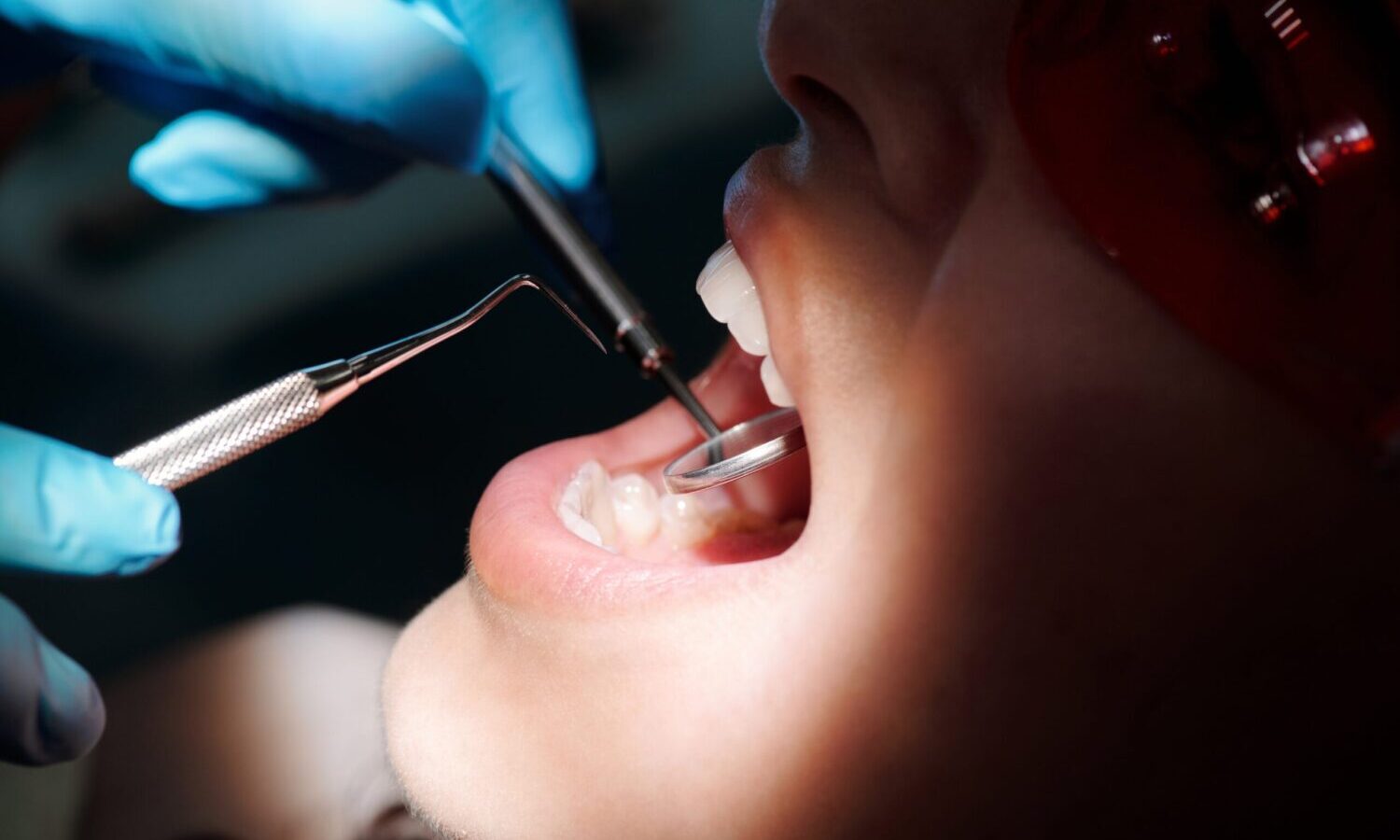
Smoking weed after wisdom teeth removal is often a concern for patients. Many people want to know if it’s safe to smoke weed after getting wisdom teeth removed and whether it will cause more pain or damage. Some people can smoke weed safely after wisdom teeth removal without any problems, while others may experience some anesthesia-related side effects like dizziness, nausea, or vomiting.
If you are considering smoking weed after wisdom teeth removal, it is best to speak with your dentist first. They can advise you on if it is safe and any precautions you should take. In general, it is not recommended to smoke weed within 48 hours after getting wisdom teeth removed.
Smoking weed after wisdom teeth removal increases the risk of developing dry sockets. A dry socket happens when the blood clot at the extraction site comes loose or falls out prematurely due to trauma like smoking or using straws. Smoking weed can dry out saliva, which increases your risk of developing a dry socket. Want to know how weed causes dry mouth?
Photo by Cedric Fauntleroy via Pexels
One of the most frequently asked questions is, “Can you eat edibles after wisdom teeth removal?” In general, the answer is yes. Edibles are a great way to relieve pain and improve sleep after surgery. Just make sure to avoid anything crunchy or chewy, as it could irritate the surgical site. However, you should avoid ingesting cannabis if you are on narcotic painkillers due to the surgery.
Additionally, if you want to use cannabis edibles after wisdom teeth removal, you should consult your dentist. The topic hasn’t been extensively researched, so they will give you the best advice. Additionally, make sure your dentist knows that you smoke weed before you go under anesthesia.
Cannabis After Surgery
Consuming cannabis after surgery is a popular choice due to its pain-relieving properties. Some people also enjoy smoking weed after surgery to reduce nausea and vomiting, which are common side effects of surgery and anesthesia. Additionally, cannabis can make it easier to fall asleep while you’re recovering from your procedure.
If you’re heading into surgery in the future, know that smoking weed before getting anesthesia can increase the risk of complications. This topic is not well-studied, so we advise you to speak with your doctors, surgeons, and anesthesiologists about using cannabis before or after surgery.
South Dakota regulators approved an important change in the state’s medical marijuana program. In a 5-1 vote on Tuesday, the panel approved the proposal to allow the state Department of Health to remove a requirement from how the department chooses how or if a medical condition qualifies for treatment with cannabis, reported Keloland.
In other words, the department no longer must determine if “treatments currently available for the proposed condition are either ineffective or produce harmful side effects.”
Furthermore, the state official also allowed the department to change the wording of a related requirement.
The wording was changed from “Medical use of cannabis will provide therapeutic or palliative benefits that outweigh the risks of cannabis use” to “Medical use of cannabis is determined to provide benefits that outweigh the risks of cannabis use.”
Tim Engel, an attorney representing the South Dakota State Medical Association, doesn’t support these changes and Rep. Kevin Jensen agrees, saying that there would no longer be any way to identify the benefits.
Gov. Kristi Noem / Photo by Brandon Bell/Getty Images
Recent Cannabis Developments In South Dakota
The news comes on the heels of the state’s governor Kristi Noem (R), who has opposed adult-use marijuana legalization for a while now, saying she’d allow the implementation of the law, if voters approve it on the Nov. 8 ballot.
During a recent meeting with around 20 constituents in Rapid City, Noem explained why she challenged the 2020 ballot measure, which advocates criticized for overturning the will of the people as 54% of voters backed it. The governor talked about what would happen if she gets reelected and initiates Measure 27 if it is approved next week in the elections. The bill would legalize recreational marijuana for adults over 21.
Noem had initially insisted on the court challenge, saying the measure was unconstitutional. The governor now says the new recreational marijuana proposal has been written correctly.
“If it passes, it’s going to be implemented. That’s just the facts,” Noem said.
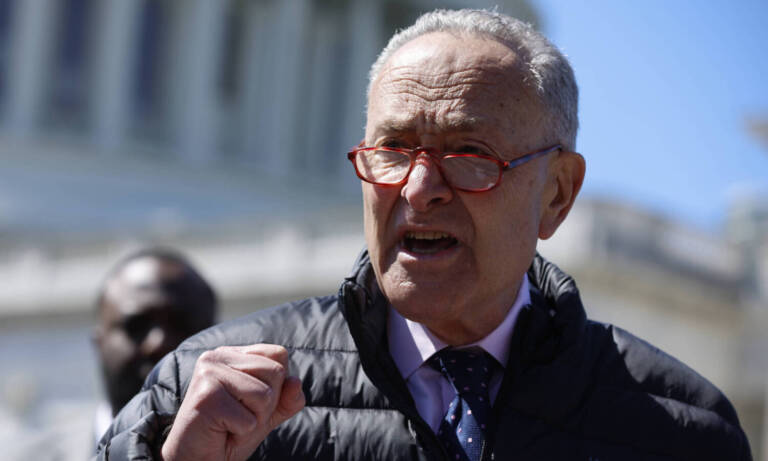
During a recent debate, Chuck Schumer talked about a cannabis banking reform and expungement bill, claiming it was very close to happening.
Senate Majority Leader Chuck Schumer has made it clear that cannabis is a topic that’s been avidly discussed by Congress. He says that soon there will be a bill addressing topics like banking and the expungement of prior cannabis convictions.
These statements were made on Sunday during a debate with his Republican opponent Joe Pinion. Schumer was asked specifically about the SAFE Banking Act.
https://www.youtube.com/watch?v=bd2E9qqiH_E
“I am working in a bipartisan way with Democrats and Republicans to take the SAFE Banking Act, which allows financial institutions to involve themselves in cannabis companies and lend money to them—but it also does some things for justice, such as expunging a record,” he said.
He also talked about expunging records and how important it was to act fast. “I’m working with a bunch of Republican senators, a bunch of Democratic senators, to get something passed,” he said.
Pinion had a different outlook on cannabis, talking about the high levels of THC and how these are dangerous and different than in years past. “We’re talking about THC levels that have been off the charts,” he said. “I think you bring up a good point, the notion that we would release it on the citizenry at the federal level before we’ve actually done the due diligence seems reckless and irresponsible. Just my thoughts.” He also talked about fentanyl-laced cannabis, a scare tactic that’s been debunked repeatedly in the past.
The topic of cannabis banking has been discussed extensively and has been a hindrance in many legal states. “The lack of safe banking and financial services for the cannabis industry in the State of Colorado has become a dire public safety issue for highly regulated cannabis businesses operating in compliance with state law,” said Colorado officials in a letter sent to Congress in October.
The SAFE Banking Act has passed the House on several occasions but stalled in the Senate.
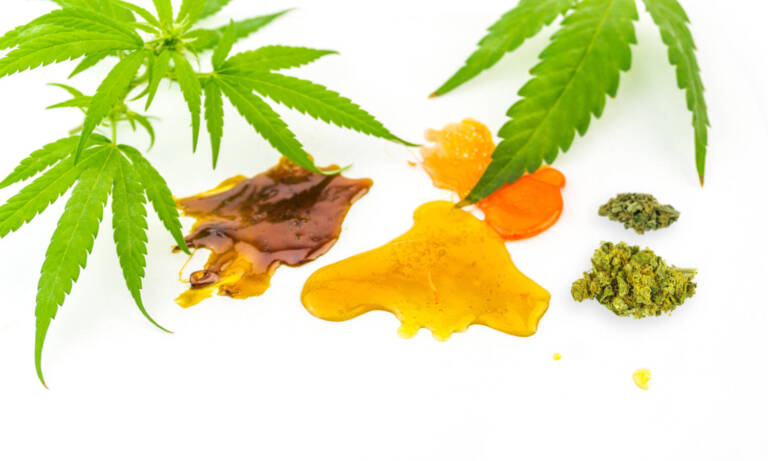
As markets mature, cannabis users seek diversity and higher potency, triggering the demand for manufactured cannabis products.
According to The Brightfield Group, a cannabis analytics firm, cannabis consumers are turning to extracts and concentrates as they seek more bang for their buck.
Falling flower prices and economics of scale behind producing extracts such as live resin or rosin, weigh in as factors that contribute to their popularity among cannabis users.
Photo by Roman Budnyi/Getty Images
As markets mature, cannabis users seek diversity and higher potency, triggering the demand for manufactured cannabis products.
“More than 64% of consumers are using cannabis at least daily. … The more frequently you use it, the higher your tolerance becomes. That’s helping build the concentrates market,” Bethany Gomez, Brightfield’s managing director told MJBizDaily.
Gomez said consumers are more price sensitive given inflation, and products have become much more refined in branding and packaging.
“We see consumers not willing to give up on their cannabis usage, not willing to use any less product. But they’re definitely looking for a stronger bang for their buck, which is why concentrates can be a really effective product for heavy users,” Gomez said.
Live Resin, Wax And Rosin: Top 3 In The US
As wholesale flower prices drop country-wide, concentrate products have become cheaper. That allows some stores to sell cartridges for $11, although prices can spike depending on the quality of the product and branding.
According to Cooper Ashley, analytics manager at data company Headset, “live resin is far and away the most popular segment (within concentrates) by a pretty good margin. Right now, we have live resin at the top. Wax is the second, rosin is the third.”
The governor now says the new recreational marijuana proposal has been written correctly. “If it passes, it’s going to be implemented. That’s just the facts.”
South Dakota Governor Kristi Noem (R), who has opposed adult-use marijuana legalization for a while, now says she’d allow the implementation of the law.
During a recent meeting with around 20 constituents in Rapid City, Noem explained why she challenged the 2020 ballot measure, which advocates criticized for overturning the will of the people as 54% of voters backed it. The governor talked about what would happen if she gets reelected and initiates Measure 27 if it is approved next week in the elections. The bill would legalize recreational marijuana for adults over 21.
Noem had initially insisted on the court challenge, saying the measure was unconstitutional, reported Rapid City Journal.
“I raised my right hand and said that I would uphold the state Constitution and the U.S. Constitution. The basis of every decision comes from that,” Noem said.
Circuit Judge Christina Klinger confirmed Noem’s criticism, ruling the initiative violates the requirement that constitutional amendments can deal with just one subject.
“Amendment A is a revision as it has far-reaching effects on the basic nature of South Dakota’s governmental system,” Klinger, who was appointed by Noem in 2019, wrote in her ruling.
According to Noem, if she’d allowed for the marijuana amendment to become law, it would create a precedent for not allowing the challenge of other amendments that may also be unconstitutional.
Photo by powerofforever/Getty Images
What About Initiated Measure 27?
The governor now says the new recreational marijuana proposal has been written correctly.
“If it passes, it’s going to be implemented. That’s just the facts,” Noem said.
It’s hard to imagine an adult-use cannabis program established under Noem, considering how much she has pushed against it. In addition to vetoing the legalization measure, the governor vetoed a marijuana expungement bill in March calling it a “bad precedent” for criminal justice.
“This bill is also retroactive, which is a bad precedent for criminal justice issues where fairness is paramount,” Noem said at the time. “Further, even with the legalization of medical cannabis, there must remain consequences for using illegal drugs at a time when the use and possession of marijuana, even for alleged medical purposes, was illegal.”
Will she actually allow cannabis reform this time, or will she find another way to overrule the will of the people? It remains to be seen, but first, it is up to the voters to repeat their consensus from last year, and to reelect Noem, right?
A new survey shows that many marijuana users are misinformed when it comes to driving under the influence of cannabis.
A survey from Virginia shows that residents don’t think marijuana is as dangerous as other drugs when it comes to driving.
The Virginia Cannabis Control Authority (CCA) said that the results were “troubling” and that they’d be working towards addressing these issues at the start of the new year.
Photo by Cappi Thompson/Getty Images
The survey was conducted by consulting firm Stratacomm, which collected over 700 responses from various residents of Virginia over the age of 16.
Approximately 14% of Virginians said they’d driven high a few times over the past year. It also said that only 26% of drivers believed driving high is an “extremely dangerous” activity. The data shows that texting (60%) and drinking (49%) are considered riskier when taking up the wheel.
More data shows 47% of drivers don’t “always have a plan for a sober ride” and that 24% of them have been passengers in cars operated by a high driver. A third of respondents claim high drivers are slower and more cautious drivers, which means they’re usually safe.
“As a public safety and public health agency, the CCA currently has no greater priority than creating a well-funded, aggressive, and sustained campaign aimed at reducing the incidence of marijuana-impaired driving,” said Jeremy Preiss, head of the CCA.
Marijuana possession and home growth were legalized in the state in 2021 and there’s still no efficient way of keeping track of drivers who are high and behind the wheel. Still, despite the fact that Virginians are misinformed, authorities believe these results shouldn’t be used against legalization.
“These recent findings should not be a deterrent to lawmakers moving forward with implementing retail access,” said Virginia NORML Executive Director JM Pedini. “Adult use marijuana laws have generally been associated with few changes in traffic safety and it is important that we finish the job that we started in Virginia.”
Could an issue over pigs affect the entire cannabis industry? It may seem like an odd connection, but it could be the Dormant Commerce Clause that brings these disparate industries together.
The Dormant Commerce Clause is known for its effect on interstate commerce, an issue that has vexed states wanting to create residency requirements for cannabis licensing. It could also single-handedly take down social equity efforts within the states.
Photo by CasarsaGuru/Getty Images
What Is the Dormant Commerce Clause?
According to Wikipedia, the Dormant Commerce Clause (DCC) is used to prohibit state legislation that discriminates against, or unduly burdens, interstate, or international commerce. The general idea is that interstate commerce should be decided as a Federal issue versus a state issue.
The first clear holding of the Supreme Court striking down a state law under the Dormant Commerce Clause came in the 1873 case Reading Railroad v. Pennsylvania. In this situation, the state of Pennsylvania tried to tax the railroads for traveling through the state, but the Supreme Court ruled against the state.
Justice Anthony Kennedy wrote that: “The central rationale for the rule against discrimination is to prohibit state or municipal laws whose object is local economic protectionism, laws that would excite those jealousies and retaliatory measures the Constitution was designed to prevent.”
This seems to be the heart of the DCC: protecting local economies at the expense of other states. The term “burden” enters the picture when a state enacts a law that protects itself but hurts someone in another state.
But who decides what the burden is? The courts.
A case about cantaloupes in Arizona, Pike vs. Bruce Church, set the stage for the general interpretation of the DCC. That case dates back to 1970. Church grew cantaloupes in Arizona but shipped them to California for packing. Arizona wanted Church to pack them in Arizona and slap an Arizona label on the fruit. It would’ve cost the farmer $200,000 to pack the fruit (valued at $700,000) in Arizona, and thus the state law was considered a burden. Arizona lost its case because of the burden imposed on the cantaloupe farmer.
Photo by Tingey Injury Law Firm via Unsplash
How the DCC Is Used in Cannabis
Since cannabis is federally illegal, many states that legalized medical and adult-use cannabis decided to limit license holders to residents. This seemed like a logical approach.
For example, when Colorado became one of the first states to legalize and regulate adult-use cannabis there was a requirement to live in the state. This caused a boom in the creation of the industry, and caused numerous people to move to the state in order to get into the cannabis industry.
However, recently several states, such as Maine, have lost this requirement in courts. The reason most cited is the Dormant Commerce Clause. Even though cannabis is federally illegal, it was decided that cannabis could still be recognized under federal laws.
New York is the next target for this claim, as Green Market Report reported. In that case, a Michigander is suing the state about its requirement for residency to get a license during the initial phase that is focused on social equity applicants.
Bring in the Pigs
Here’s where the pig story comes in. Recently, the Supreme Court heard a case from California on an animal welfare initiative. California’s Proposition 12 wants to ban in-state sales of pork from pigs born to mothers confined in small spaces. Currently, the state gets 99% of its pork from other states, and those pig farmers say they are the ones that will have to pay the price for this law. They argue it violates the doctrine.
Apparently conservative Justice Neil Gorsuch isn’t a fan of the Dormant Commerce Clause and used the pork case as a way to challenge it.
“As I understand California’s position charitably, it’s that Californians, 63% of them, voted for this law. They don’t wish to have California be complicit, even indirectly, in livestock practices that they find abhorrent, wherever they occur, in California or anywhere else,” Gorsuch said. “Why isn’t that a correct understanding of California’s asserted moral interest, and why isn’t that an in-state moral interest?”
Law360 wrote: “Instead of taking Justice Gorsuch’s invitation to attack the doctrine head-on, some justices considered ‘correcting’ the current test for dormant commerce clause cases established by Pike (the earlier referenced cantaloupe case). Justice Ketanji Brown Jackson, the court’s newest member, suggested the Pike test ‘might not be nuanced enough.’”
Photo by Kenneth Schipper Vera via Unsplash
Law 360 also said that Justice Brett Kavanaugh at least seemed to entertain the idea of abandoning the doctrine.
“To the extent we have historically overinterpreted the commerce clause … you couldn’t correct that without correcting also a historical underinterpretation perhaps of the export/import clause and the privileges and immunities clause,” Justice Kavanaugh said.
The pork producers’ attorney, Timothy S. Bishop of Mayer Brown LLP, agreed and said it was “too late” to do so.
“There are very few so deeply entrenched principles in American constitutional law as the dormant commerce clause going back to Cooley, and it serves a very important function,” Bishop said.
Bishop was referencing the 1851 decision in Cooley v. Board of Wardens that recognized a limit on a state’s ability to regulate national commerce.
According to Law 360, the stakes of the case are not simply fodder for academics. Upholding California’s attempt to dictate the farm conditions for out-of-state pigs would undermine the principles of the Dormant Commerce Clause and could lead states to target one another with burdensome regulations.
The Supreme Move
So far, the Supreme Court has only talked amongst themselves about the DCC.
“Until there are conflicting decisions on the DCC, the Supreme Court probably won’t take it on,” said Michael Schwamm of Duane Morris, a legal firm that has a cannabis specialty.
In other words, if New York were to win its case requiring residency for a cannabis license while Maine lost its case, that could spark interest in tweaking the DCC.
This group of justices has shown in other cases that some things that were considered settled law apparently aren’t.
Photo by Baris-Ozer/Getty Images
Interstate Commerce
The other argument for the DCC in cannabis, aside from residency requirements, is that some markets want to be able to transport cannabis across state lines. They argue this will make operating a company more efficient. Instead of duplicative operations in multiple states, companies could streamline their operations. For example, they could grow the cannabis in a cheaper state and truck it in.
Companies in states where oversupply is the problem really want this option, and MSOs that have grown to be huge operations would love to consolidate various parts of the chain.
The people most against this idea are states that have invested a great deal in developing the industry in distressed areas. Losing jobs and commerce to a cheaper cannabis production state is not an attractive option. A small craft farmer might not be able to compete price-wise with a corporate farm from California.
Take New York for example. Cultivation facilities have popped up in depressed areas, and farmers have gotten excited about the crop because they think they will get to supply a state where demand is expected to be huge. If interstate commerce is allowed, cheaper cannabis brought in from Oregon could undercut those farmers.
On the other hand, a smaller state like Vermont would love to have interstate commerce as an option to sell way more than its residents can consume.
Toss out the DCC or carve out waivers and some states could continue to enjoy home-grown cannabis. Otherwise, much of that in-state investment goes up in smoke.
Photo by Aleksandr_Kravtsov/Getty Images
Social Equity
The next issue to consider is whether DCC effectively kills social equity clauses. If state residency can’t hold up to DCC, how can social equity licenses be held up?
It’s the same philosophy. A state can’t carve out certain recipients for the licenses, which would mean the programming in New York for previously incarcerated cannabis offenders can’t get that special help. All of the attempts to help give back to those hurt by the war on drugs is a bust.
In other words, those cheering for interstate commerce could be hurting social equity applicants if they are successful.
Crystal Ball
Looking into the crystal ball, it’s a big stretch to think that the Supreme Court could push back on the DCC – or is it? Many thought Roe vs. Wade was settled law, and the Justices shot that down.
Could the DCC get tweaked instead? Could the definition of burden get tightened up? Could cannabis be allowed to remain single-state operations or will DCC end that? Will interstate commerce win out over social equity efforts?
The pigs may forecast what’s in store for cannabis.
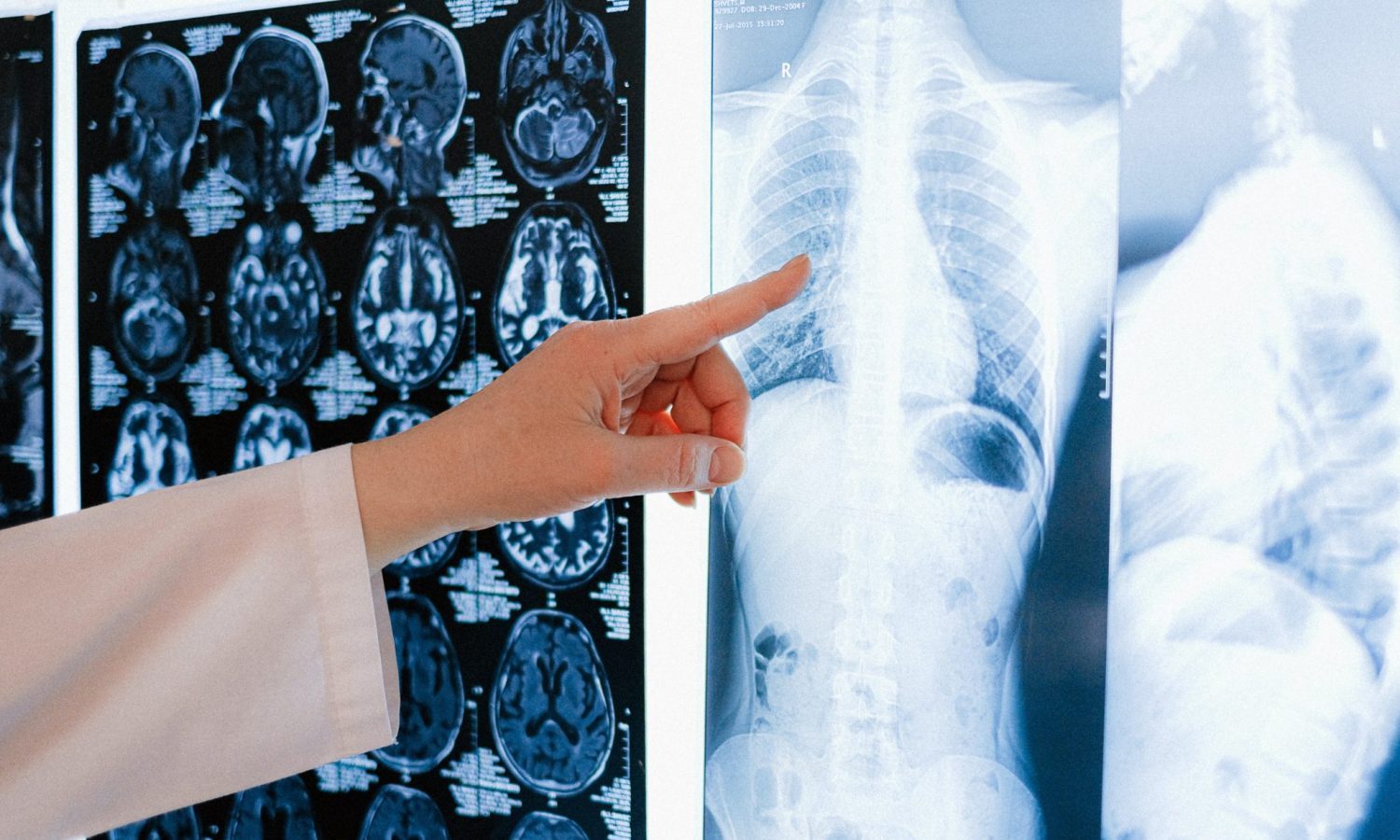
Cannabis by itself is not bad for your lungs, but smoking it is. Smoking weed leads to the deposit of four times the amount of tar than smoking tobacco, and may increase the risk of lung cancer.
Smoking anything is bad for your lungs. That’s because when you smoke, you’re inhaling burned plant matter and chemicals. These chemicals include toxins and carcinogens which can damage your lung tissue.
Air pocket in between the lungs and the chest wall
Chronic bronchitis
Chronic cough
Increased risk for respiratory conditions
Injury to the cell linings of the large airways
Killing lung cells that defend against dust and germs resulting in the development of mucus
Large air bubbles in the lungs of young to middle-aged adults who are heavy weed smokers
Lower respiratory tract infections
Phlegm production
Risk of infection if the smoker has an immunosuppressive disease such as HIV infection
Risk of infection if the smoker on immunosuppressive drugs
Weakened immune system
Wheeze
Photo by Anna Shvets from Pexels
Is there tar in marijuana?
Tar is a sticky substance that’s left behind when plants are burned. It’s made up of chemicals and toxins that can damage your lung tissue. When you smoke weed, you’re inhaling tar.
Cannabis smokers tend to have more tar build-up in their lungs than tobacco smokers. This is because they usually hold the smoke in their lungs for longer than tobacco smokers. This increases the amount of time that harmful chemicals are in contact with the lung tissue resulting in more tar exposure.
The answer to the question you’ve been wondering, “Is weed bad for your lungs” is that weed itself is not bad for your lungs, but smoking weed is bad for your lungs.
Can smoking weed damage your lungs?
Yes, smoking cannabis damages human lungs. Researchers at the University of Otago have found that “prolonged cannabis use led to over-inflated lungs and increased the resistance to airflow to a greater extent than tobacco.”
This finding was particularly eye-opening as it suggested that impaired oxygen extraction, which is the result of over-inflated lungs and lungs resistant to airflow, may be precursor symptoms to the condition respiratory doctors refer to as Bong Lung.
Bong Lung is a very severe form of emphysema, a disorder in which the lungs’ air sacs are harmed and swelled, producing breathlessness. Very little is known about Bong Lung except for that it is a condition that appears in chronic weed smoker lungs.
The lungs of a weed smoker, especially a chronic weed smoker, become impaired over time. Weed smoke harms lung tissue which leads to scarring, injury to the small blood vessels, and respiratory issues.
Photo by KatarzynaBialasiewicz/Getty Images
Can you get lung cancer from smoking weed?
Aresearch report published by the National Institute on Drug Abuse found that cannabis smoke can result in heavy coughing due to irritation in the throat and lungs. Coughing after smoking weed is due to the toxic chemicals and tar in the smoke, many of which are similar to the harmful chemicals found in tobacco smoke.
While long-term studies on smoking weed and the prevalence of lung cancer do not exist yet, researchers believe there could be a correlation between lung cancer and smoking weed.
Can smoking weed cause lung cancer?
Cannabis contains the following carcinogenic compounds:
Benzoprene
Benzanthracene
Phenols
Vinyl chlorides
Nitrosamines
Each of the carcinogens listed above is found in cannabis smoke at higher rates than in tobacco smoke. Benzoprene and Benzanthracene are particularly alarming. The rate of benzoprene found in cannabis smoke is 50% more than that found in tobacco smoke. The rate of benzanthracene is 75% more than that found in tobacco smoke.
In addition, cannabis smokers tend to smoke weed by taking long slow steady deep inhalations that are held longer than tobacco smoke leading consumers to deposit an average of four times the amount of tar than they would expose themselves to from tobacco smoke.
This leads many researchers to believe that the answer to the question “Can you get lung cancer from smoking weed” is “Yes.”
Key takeaways: how does smoking weed affect lungs?
The lungs of a weed smoker become impaired over time, leading to respiratory issues.
Smoking weed leads to the deposit of four times the amount of tar than smoking tobacco.
Smoking weed may increase the risk of lung cancer.
Cannabis is not bad for your lungs but smoking weed is bad for your lungs.
With just one week before Missourians go to the polls to weigh in on cannabis legalization, debates around its benefits and potential policy change are heating up.
Cannabis legalization activists have been tireless in their push for the cause for months, while those opposing policy changes are using every opportunity to speak up in opposition.
Dr. Daniel Mamah, a Washington University psychiatrist and director of the Washington Early Recognition Center, recently came out in favor of prohibition, claiming that he has seen firsthand various psychiatric disorders related to early and regular cannabis use.
“Very, very often, we have people that come in, and we ask them, ‘When did your symptoms start?’ And they would link it to ‘When I started using weed’ or ‘When I started to increase my doses,'” Mamah said, per the St. Louis Dispatch.
Photo by FatCamera/Getty Images
He also urged voters to consider the health impacts of cannabis on Nov. 8, adding that debates around Amendment 3 — the ballot measure seeking to legalize cultivation, processing and sales of marijuana to adults — are focused mainly on clearing criminal records and the economic side.
“With marijuana, there is still a lot to be studied,” Mamah continued. “People think it is just this wonder drug that cures all or it’s purely natural…but the reality is it has risks, different kinds of risks.”
Cannabis Activists Still Going Strong
On the other end of the spectrum, the Law Enforcement Action Partnership (LEAP) has praised the long-awaited policy change.
“We have watched as marijuana arrests and convictions taxed the resources of our local police departments and caused real harm to neighborhoods,” said Lt. Diane Goldstein, executive director of LEAP. “What people don’t see behind the scenes is that law enforcement has a duty to respond any time dispatch receives a call about these low-level marijuana offenses. They divert our attention from responding to and solving more serious crimes. These calls are a distraction and don’t serve the public interest.”
As a non-profit group of criminal justice professionals, including police, prosecutors and judges, LEAP aims to find alternatives to arrest and incarceration by “addressing the root causes of crime and healing police-community relationships.”
John Payne, campaign manager for Legal Missouri 2022, which has taken a few hits along the road, said “the tax revenues will be used equally to support veterans’ services, pay for drug treatment and counseling, as well as fund public defenders.”
He added that recreational cannabis policy reform would “return critical resources to local police, but it will also bring new revenue streams to Missouri’s veterans.”