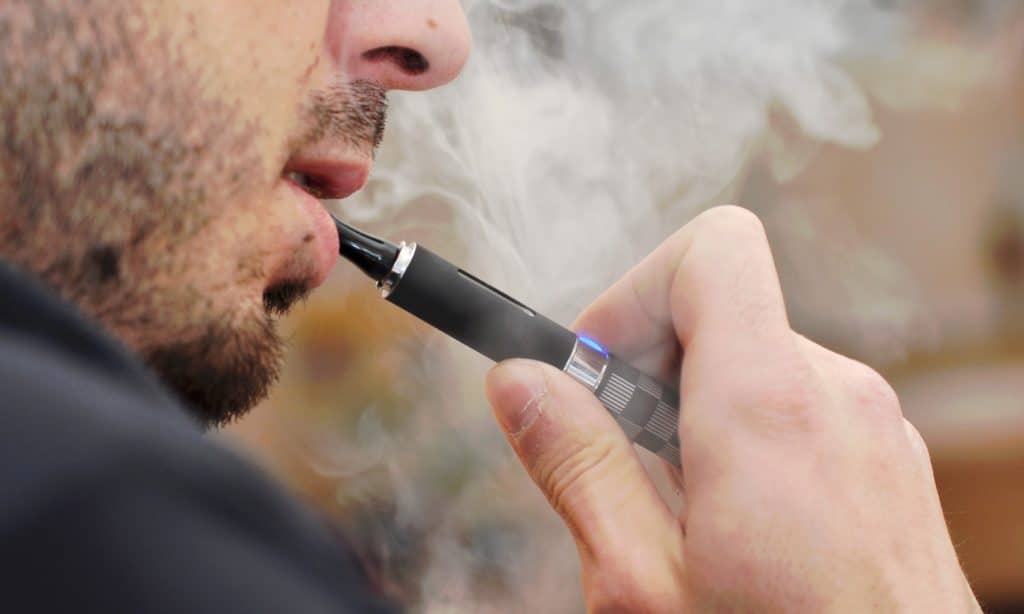
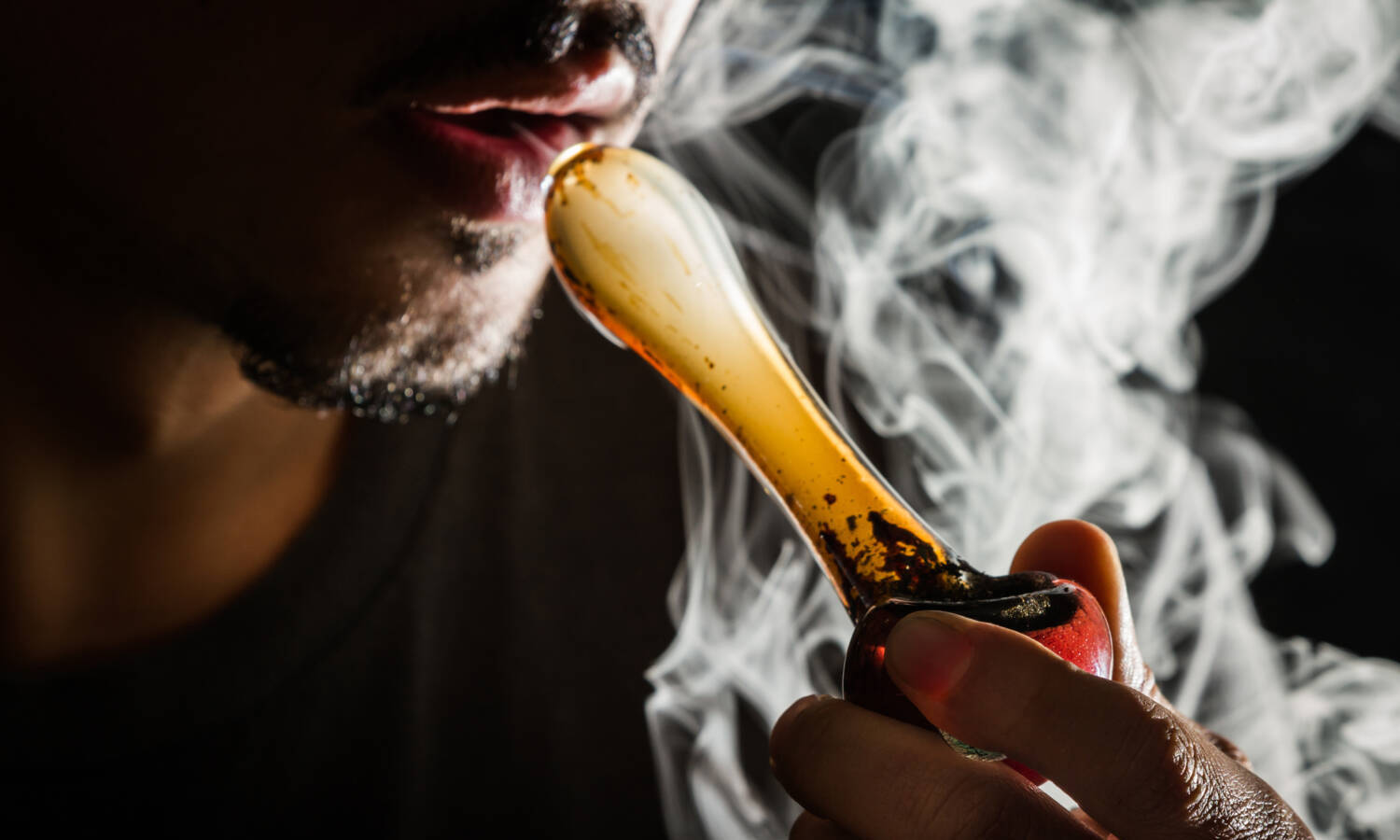
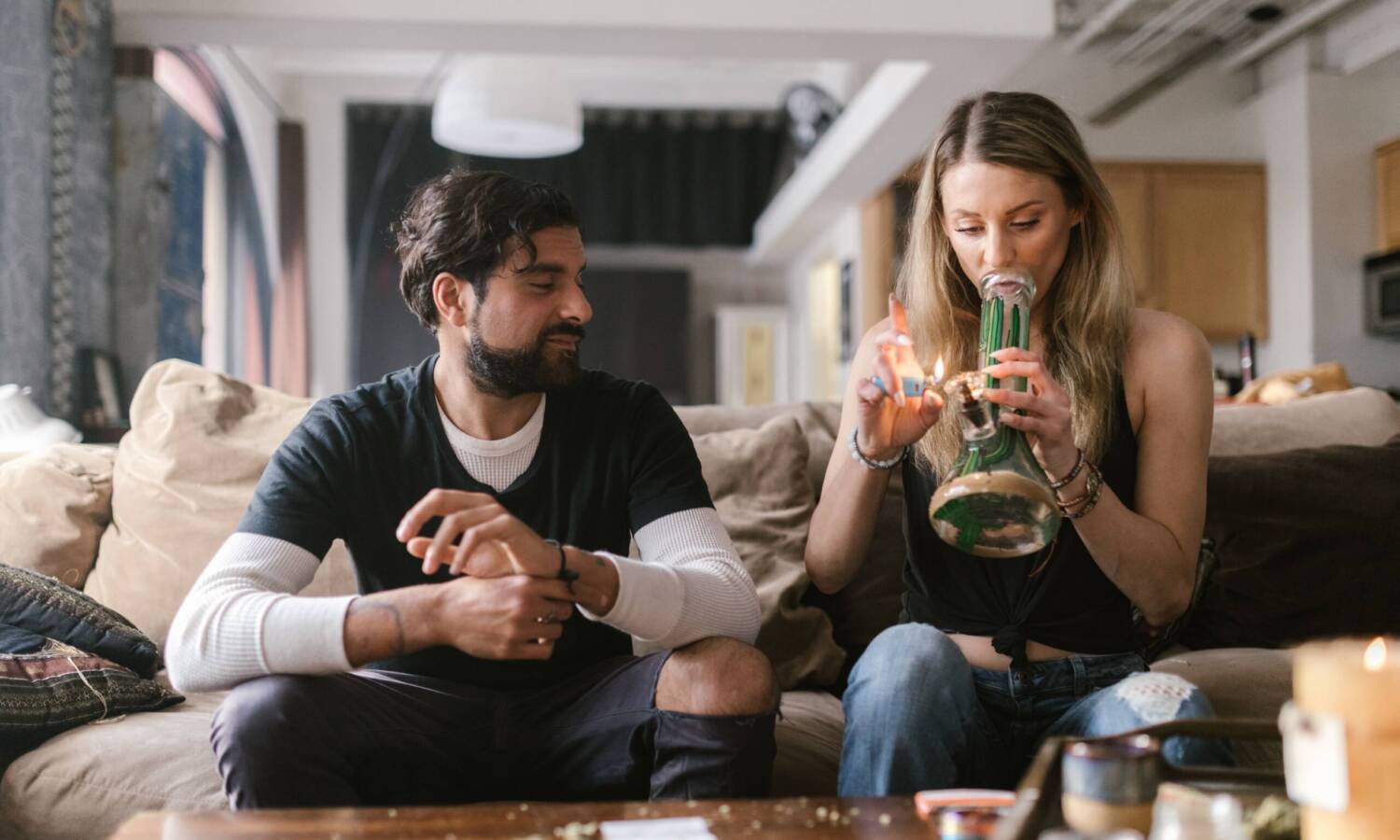
Marijuana rentals are becoming more and more common, with hosts offering their guests a string of unique and memorable activities.
A weed getaway is more complicated than it sounds. While you may live in a legal state, the drug’s status of your destination matters. Marijuana is also federally illegal, meaning that transporting it across states lines is prohibited, even where it’s legal. So, it seems niche marijuana vacation rentals are catching on.
Marijuana-vacation rentals are a fraction of the market, yet one that’s been slowly on the rise. While there are some locations that simply allow you to rent the place in your (legal) state and smoke your own pot without worrying about your neighbors or your sheets, there are others that take creative routes to make guests feel welcome and meet the expectations of a true weed getaway, including providing the weed.
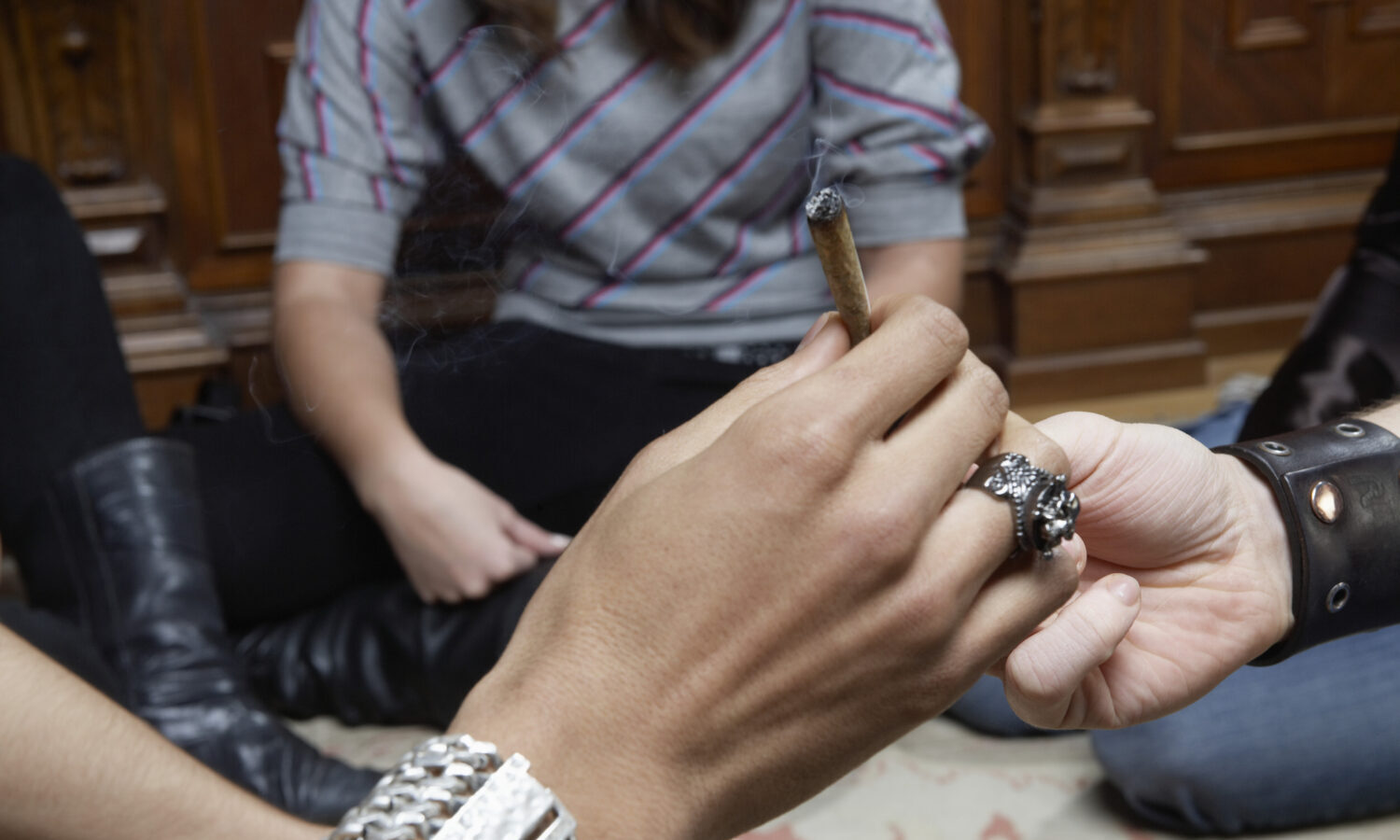
Photo by Fuse/Getty Images
Websites like BudandBreakfast.com are facilitating these transactions, connecting guests with hosts who allow marijuana use on their properties. While having a much smaller pool of locations than websites like Airbnb, these services are in demand and are finding more and more customers.
CNBC spoke with various hosts that provide these services, who provided a breakdown of their establishments and what makes their rentals stand out from the rest.
“I’ve really just tried to give people what they’re used to, just with the added element of cannabis,” said Nicole Butler, who rents a cannabis bed and breakfast. With a price point that starts at $420 per night, Butler provides her guests with a fully stocked cannabis bar and activities like yoga, CBD massages, and more.
“I think the pandemic made people really appreciate experiences, self-care, and just doing things that make them feel good,” she said.
Similar listings provide people a place where they can comfortably smoke cannabis, whether it’s BYOB or provided in the location. Listings also provide guests with important information on local dispensaries and cannabis events going on in the area, all in the hopes of getting people excited to smoke some weed on their vacation.
While cannabis tourism remains a niche activity and something that demands significant research ahead of time, more and more people are growing interested in the idea, looking for ways of monetizing it, and providing customers with a good experience.
As more states legalize recreational marijuana, more weed rental locations will pop up, especially those that merge wellness and that healthy slant that many cannabis users are searching for.
Some of the most powerful cannabis strains have THC percentages in the teens. But they are falling out of favor as the market embraces strains that test above 30%.
A recent Forbes article suggested that THC percentage is the cannabis industry’s biggest lie. True enough, the industry is polarized on this issue which unfortunately impacts heavily on the product that ends up on dispensary shelves.
One dispensary owner told me recently, “The rush for THC numbers is so bad that some consumers will not buy anything that is less than 30% THC. We have to sell what the market demands and not what we think is right for the market.”
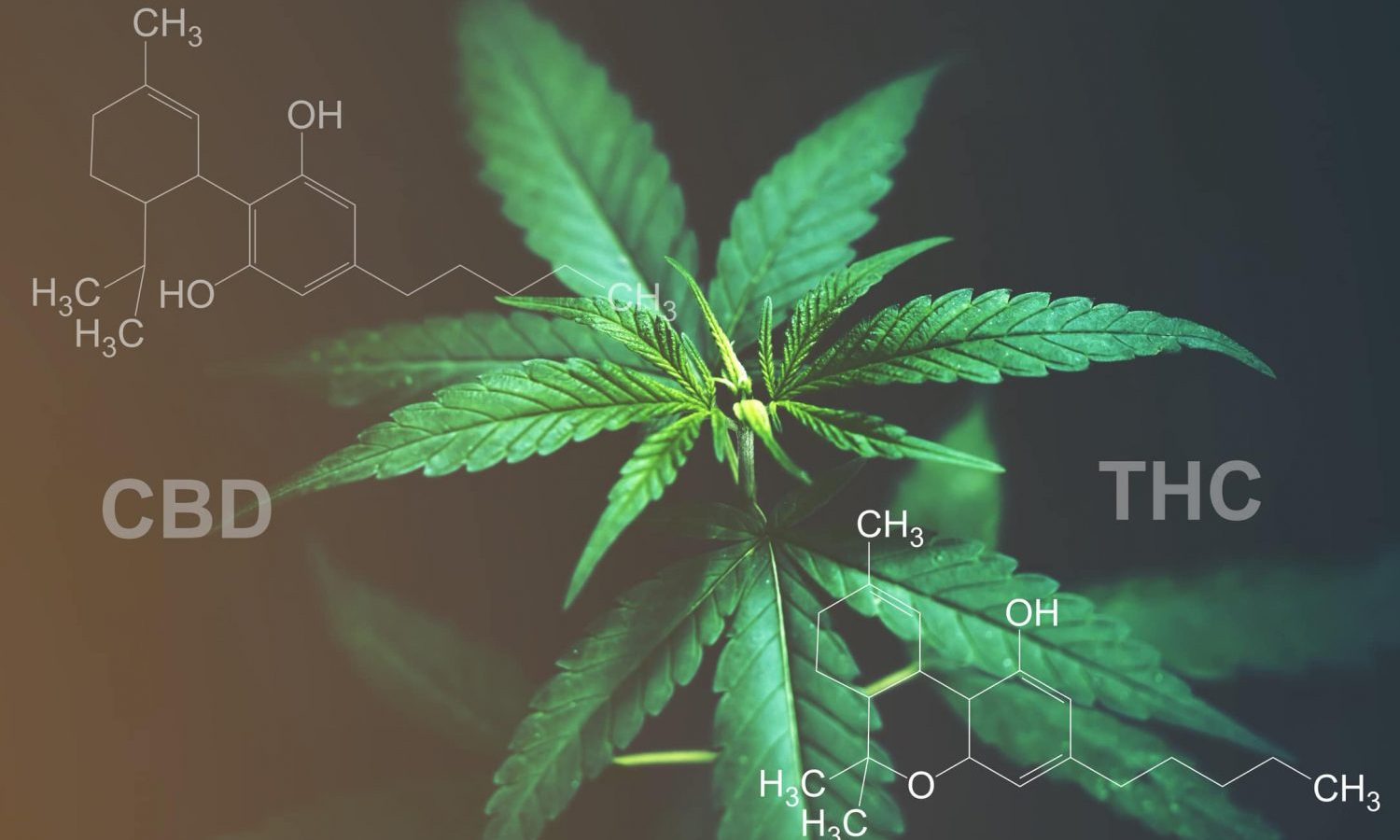
First things first, delta-9-THC is the chemical that bestows cannabis that typical euphoric feeling. A few more intoxicating cannabinoids such as delta-8 and delta-10 have emerged recently, but they exist in minute quantities in cannabis. Hence, THC is the main intoxicating cannabinoid that’s sought after for that extra cerebral oomph.
Of course, THC has therapeutic benefits that compete well against those offered by the model cannabinoid CBD which though psychoactive, is completely non-intoxicating. However, THC stands out for its intoxicating benefits that are hyped to boost creativity and culminate in boundless laughter. For recreational users, that should be the it factor, right?
Is THC Percentage the ‘It Factor’ for Dope Cannabis?
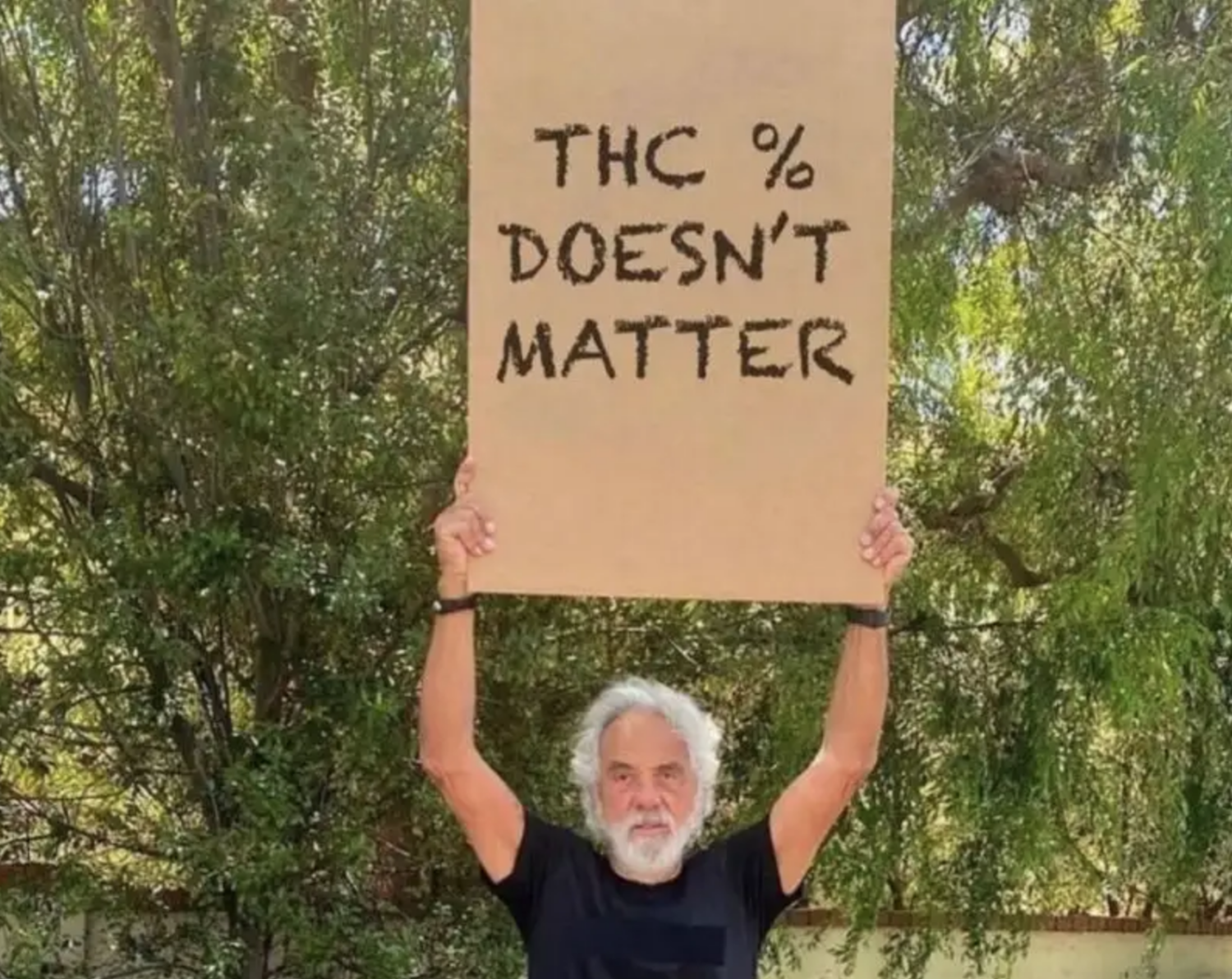
Tommy Chong, who is hailed as one of the cannabis greats doesn’t seem to believe so. A few other legends, especially the proponents of the entourage effect, hold a similar belief. And so does the Forbes article mentioned above that suggest that THC numbers are a scam after all.
If it’s true that THC doesn’t matter, then why don’t we go right ahead and smoke CBD flower and get high?
It’s all in the terpenes.
Tommy Chong/Photo via MyCannabis.com
Entourage Effects: Terpenes Over THC
The entourage effect is a term that was coined by two founding fathers of cannabis, Raphael Mechoulam, and Shimon Ben-Shabat in 1998. It is the suggestion that when terpenes are added to cannabinoids such as THC or CBD the resulting effect is both amplified and prolonged in such a way that “the whole is greater than the sum of parts.” This is what makes the argument that when it comes to the strength of a strain, terpenes have to be taken into consideration and not just THC alone.
Some of the most powerful cannabis strains have THC levels in teens (not exceeding 20). But unfortunately, they are falling out of favor as the market embraces strains that test above 30%.
To create products that are endeared to this market trend, unscrupulous manufacturers are bumping THC numbers. Consequently, there have been reports of consumers “feeling nothing” after consuming “potent” cannabis strains with labels reading over 35% THC. This is causing a lot of confusion in the market.
Terpene Profile Over Potency
When purchasing a cannabis product, the terpene and cannabinoid profile should be prioritized above the THC percentage alone. In Nevada for example, it is now mandatory for producers to list the top three terpenes in each product. This information should guide the consumer on the kind of effects to expect from each strain.
Science has now revealed that CBD may offset some of the negative effects caused by THC, allowing the user to enjoy the best of both worlds through the entourage mechanism. Some consumers have found that THC with CBD (with each exceeding 10%) can be a powerful combination for both medical and recreational use. Gradually, we expect consumers to become increasingly sensitized about the “truth in terpene profiles and lies in THC numbers.”
This should lead to the discovery of the most effective cannabinoid and terpene combinations for certain medical or recreational goals. It should also herald the demise of the rush towards 40% THC.
Meanwhile, should we smoke CBD because THC doesn’t matter?
Not at all. While THC does matter in a strain, it’s not everything. For recreational use, some legends swear by the 15% mark if any level of intoxication is to be achieved. Anything below might as well be considered hemp. Increasing THC above that level for stronger effects might be a gamble as well. It’s the terpenes that add the extra chutzpah. But well, further science is needed to back these claims.
As marijuana policy reform picks up steam across the country, Booker is urging the federal government to get with the program, especially in terms of equity.
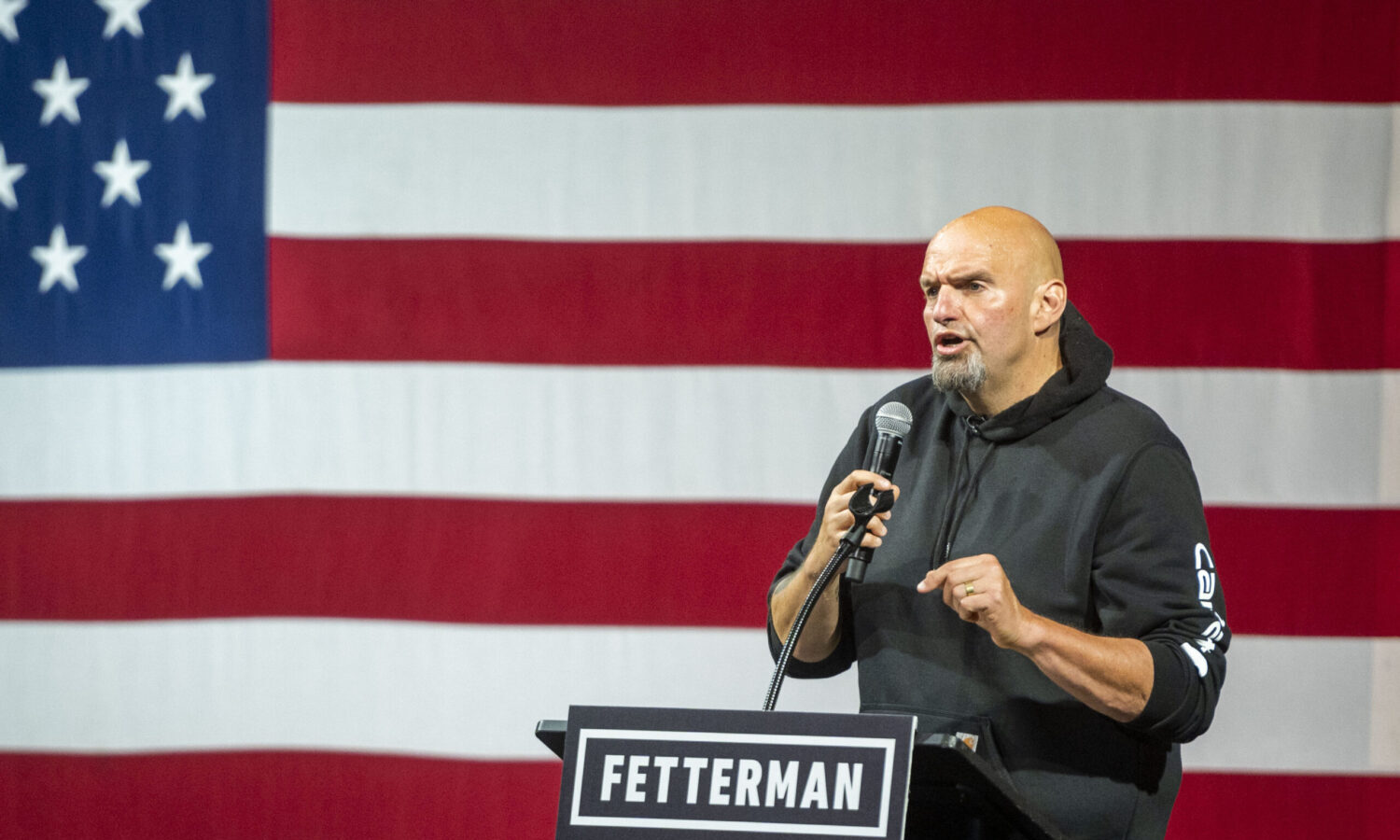
Democrats Sen. Cory Booker (D-NJ) and Pennsylvania Lt. Gov. John Fetterman (D) continue to push hard for cannabis policy reform.
“With a majority of Americans on both sides of the aisle in support of legalization, we know that this has opportunities,” said Booker in a pre-recorded video at the Cannabis Opportunities Conference. He added that there is hope for policy change considering state and nationwide support for marijuana legalization, reported Marijuana Moment. “We need, though, to continue to evolve our focus, vision, and strategies to make sure that economically, socially—and especially within our criminal justice system—we are expanding fairness, equality and opportunity.”
The event’s policy summit was led by PA State Sen. Sharif Street (D).
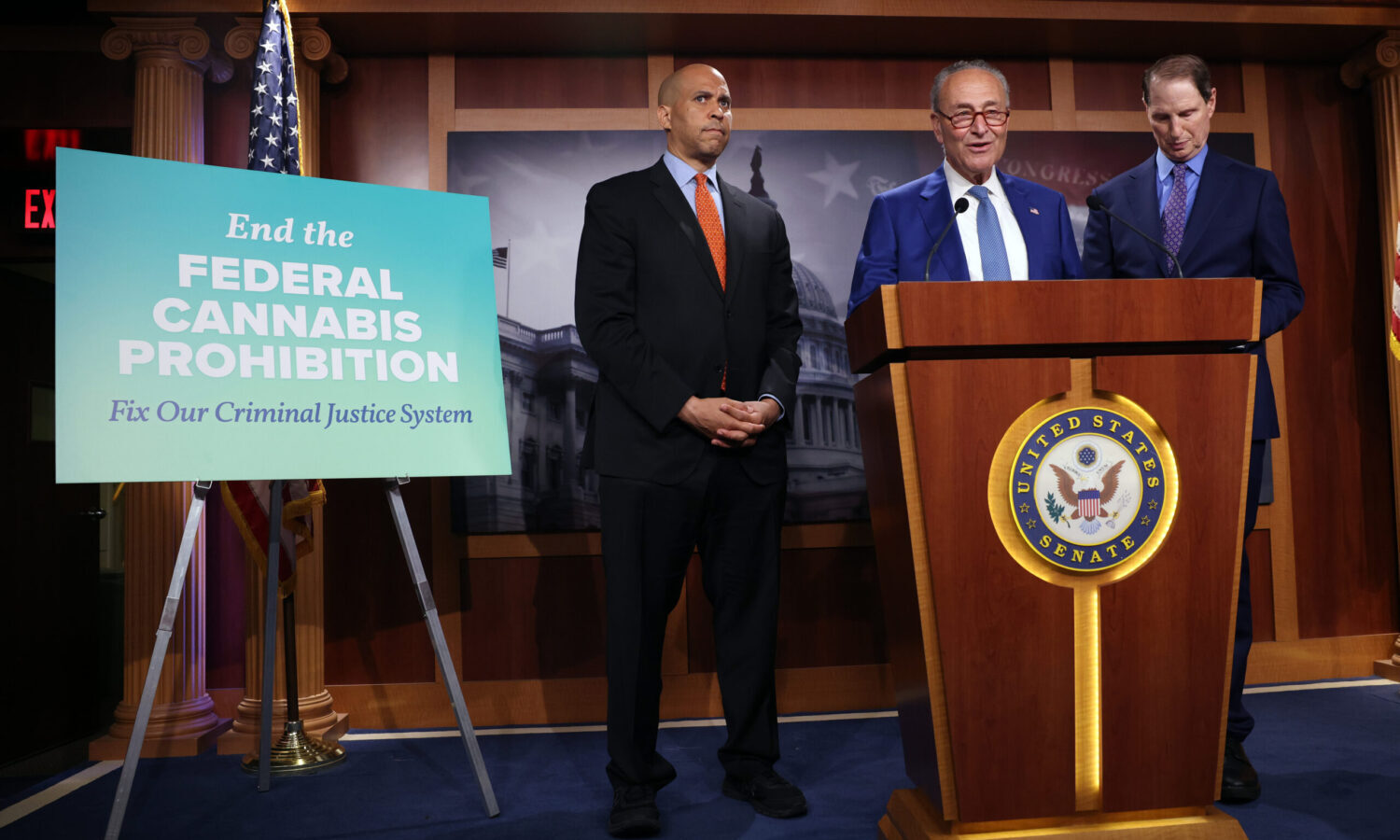
Booker, Senate Majority leader Chuck Schumer (D-N.Y.) and Sen. Ron Wyden (D-Ore.) introduced the outline of the Cannabis Administration & Opportunity Act (CAOA) in July 2021. The proposal seeks to decriminalize marijuana at the federal level by removing it from the Controlled Substances Act (CSA), expunging prior convictions and allowing people serving time for applicable crimes to petition for resentencing.
U.S. Senate Majority Leader Charles Schumer (D-NY) (C), joined by Sen. Cory Booker (D-NJ) (L) and Sen. Ron Wyden (D-OR) / Photo by Kevin Dietsch/Getty Images
As marijuana policy reform picks up steam across the country, Booker is urging the federal government to get with the program, especially in terms of equity.
“This legalization movement has really got to continue to focus on removing barriers to justice for marginalized communities,” he said. “This movement has got to be about expanding economic opportunities and democratizing those opportunities well. This movement has to be about not allowing us, in any way, to move backward, but continuing to take strides forward towards justice.”
Fetterman Continues To Push For Reform
To that end, Fetterman, a longtime cannabis advocate, talked about expungement — a “one-time, large-scale pardon effort” from Gov. Tom Wolf and Fetterman, who chairs the state Board of Pardons. Under the program that got underway earlier this month, Pennsylvanians convicted of possessing small amounts of marijuana can apply to get their records cleared.
“Pennsylvania is a place for second chances,” Fetterman said, adding that the joint effort “will help people get pardons quickly for stupid weed convictions.”
Fetterman, who is running for a Senate seat, recently urged President Biden to deschedule marijuana from a Schedule I drug and work to decriminalize it. Shortly after, Fetterman and the President crossed paths in Pittsburgh and discussed potential changes to the status of cannabis under the CSA prior to Biden’s Labor Day at a union hall.
If this poll is any indication of how republicans nationwide view cannabis policy, there could be lots to discuss, and possibly celebrate, when it comes to cannabis legalization in states throughout the country.
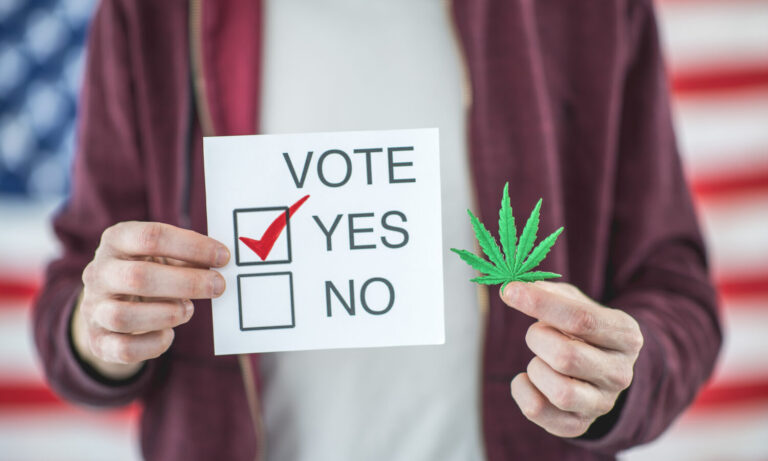
With the midterm elections on the horizon, many political issues are taking center stage as November inches closer into view. Cannabis reform and legalization has already entered the conversation in several races, and its legalization will be on the ballot in several states this election.
But where many issues are very polarizing, a new poll suggests that republican voters might actually favor marijuana access and reform more than you might think, in ways that align them closer to democrats than is typically seen in today’s political climate.
Thepoll, which was conducted on behalf of the National Cannabis Roundtable in late August and surveyed 1,000 Republican voters, found the majority of republicans surveyed support a number of progressive cannabis policies. For one, according to the poll, 3 and 4 of the GOP voters surveyed believe that cannabis companies should have the same rights as any other type of business.
The Fresh Toast had the chance to ask the NCR a few questions about the poll, including whether they think Republican lawmakers with conservative views will start changing their stance on cannabis policy. “Members of congress are elected to represent the viewpoints of their constituencies and these poll numbers overwhelmingly show that there are more voters in favor of cannabis reform than against,” said Saphira Galoob, executive director, National Cannabis Roundtable. “So I think we’ll see some positions on things like access to banking, US Capital Markets, and tax reform start to change with Republican lawmakers.”
The poll found that 2 out of 3 republicans surveyed believe that cannabis companies should have banking system access and should be able to use bank accounts like a normal business. Meanwhile, there still has not been a cannabis banking bill that has passed with bipartisan support, even after many attempts.
Some believe this change in tune and point of view will be reflected as early as this November, when people show up to vote. “We’ll likely see support for legal cannabis continue to increase this November when Republicans in at least a half dozen states and counties vote on legalization and other issues,” said former Sen. Cory Gardner (R-CO), an NCR advisory board member, in apress release.
This point of view has not always been held by republican leaders or even republican voters. But it seems as if while the nation in general has started to look more favorably at marijuana legalization, republicans have bridged the gap and started to share not-to-distant opinions from the democrats across the aisle. We asked the NCR what factors they think are inspiring this growing rate in acceptance among republican voters.
Photo by Baris-Ozer/Getty Images
“I think with more states coming online with medical programs and broader recreational availability, the stigma of cannabis is weakening, and people realize the benefits of cannabis far outweigh whatever pre-conceived opinions there might have been in the past,” Galoob wrote.
With so many interesting and often unexpected results within the survey, we asked the NCR what results they found most surprising. “I was surprised by the broad support for criminal justice reform relating to cannabis offenses in states where cannabis is legal,” Galoob wrote. “The support for sentence review and record expungement was over 70% from Republican voters and I think that’s very significant.”
As November quickly approaches, many are interested to see how America votes, as it can potentially shed light on the pulse of many citizens, both liberal and conservative. If this poll is any indication of how republicans nationwide view cannabis policy, there could be lots to discuss, and possibly celebrate, when it comes to cannabis legalization in states throughout the country.
Cannabis and ADHD have a complex relationship, but there is compelling evidence that marijuana helps treat the chronic condition.
If marijuana can be used to enhance your focus, does cannabis help treat ADHD? In this article, we’ll look at what the science says about cannabis and ADHD, including recent research that suggests that ADHD may be connected to the endocannabinoid system.
While scientists are still exploring weed and ADHD, there is some early evidence that suggests cannabis may be a helpful therapy.
Cannabis and ADHD: An Overview
Before we get into how weed affects Attention Deficit Hyperactivity Disorder (ADHD), let’s define what we are discussing.
ADHD is a neurological condition that makes it difficult to focus and can lead to impulsivity and hyperactivity. ADHD is the official medical diagnosis, whereas Attention Deficit Disorder (ADD) is a now-outdated term that describes people with primarily inattentive symptoms. At present, one in nine children are diagnosed with ADHD and an estimated 6.76% of adults display ADHD symptoms.
People with ADHD may encounter trouble in school or work. However, many successful individuals with ADHD — such as business mogul Richard Branson or the award-winning journalist Lisa Ling — view their ADHD as an advantage, so this condition affects everyone differently.
While there is no cure for ADHD, there are treatments that can help manage symptoms. Common treatments include medication, therapy, and lifestyle changes. The most common medications prescribed to treat ADHD are stimulants, specifically methylphenidate (e.g. Ritalin) and amphetamines (e.g. Adderall).
However, some people do not respond well to medication or cannot tolerate the side effects. As a result, many people turn to natural treatments like cannabis and CBD to treat their ADHD symptoms.
Photo by rawpixel.com
Why might cannabis help with ADHD? Cannabis is a complex plant that produces hundreds of biologically active cannabinoids, terpenes, and flavonoids. Different cannabis products, ingestion methods, doses, and active ingredients allow cannabis to create a wide range of effects — some of which might treat ADHD symptoms. But which compound is responsible for the benefits — is it CBD, a specific terpene, or does THC help with ADHD?
Researchers have noted that “the complexity created with whole plant products…eludes simplistic conclusions about the effect of [cannabis] on” ADHD symptoms. So, what does the science say? Does weed help with ADHD?
Weed and ADHD: Pros and Cons
There is not much rigorous research into cannabis and ADHD due to federal restrictions that limit cannabis research. However, there is some evidence to suggest that marijuana helps with ADHD in some individuals.
A small case report out of the University of Saskatchewan in Canada described how cannabis self-medication affected three males with ADHD. Each of the males were in their late teens and early twenties, taking standard ADHD medications, and had successfully incorporated cannabis into their treatment regime.
The subjects were provided with cannabidiol (CBD), a non-intoxicating cannabinoid found in some strains of cannabis, and tetrahydrocannabinol (THC), an intoxicating cannabinoid found in some strains of cannabis, at a ratio of 20:1 CBD:THC. The participants ingested the cannabinoids orally, but were permitted to self-direct their use.
Two of the three patients reported taking cannabis once daily, whereas the other patient preferred a twice-daily regimen. Two patients preferred smoking cannabis rather than taking it orally. One patient opted to change the cannabis product he was given to one with high THC and no CBD.
The researchers found that each person exhibited positive benefits regardless of the ingestion method, dosage, and cannabinoid ratio. Each participant found he was able to keep his “emotions in check” and that his quality of life increased.
Photo by Katja Kircher/Getty Images
Due to federal restrictions, researchers have had to get creative to study weed and ADHD. For example, researchers looked at online forums to determine how people with ADHD discuss cannabis. In one study, researchers analyzed 401 forum threads and found that:
25% of people felt cannabis improved their ADHD symptoms
8% of people felt cannabis was harmful to their ADHD symptoms
5% of people felt cannabis both improved their ADHD symptoms and was harmful to their ADHD symptoms
2% of people felt cannabis did nothing to improve or harm their ADHD symptoms
As a result of their online forum assessments, researchers noted that “despite [the fact] that there are no clinical recommendations or systematic research supporting the beneficial effects of cannabis use for ADHD, online discussions indicate that cannabis is considered therapeutic for ADHD.”
So, it seems weed can help ADHD for some individuals. Below is a brief summary of the pros and cons of weed for ADHD, according to the available data:
Pros of using weed for ADHD:
May help keep emotions in check
May help individual obtain and excel at a new job with more responsibility
May help to lessen the amount of ADHD medication taken
May improve executive function
May lessen symptoms of ADHD
May reduce anxiety
May replace prescription stimulant medication for some individuals
Cons of using weed for ADHD:
May cause sleepiness
May impact short-term memory
May impair the ability to drive and operate machinery
May interact with medications (including ADHD medication)
May lead to cannabis use disorder
May not be safe for people with certain medical conditions (such as heart palpitations or a genetic predisposition to schizophrenia)
Not recommended for children or adolescents, as it could interfere with brain development
May worsen executive function
Does Weed Help with ADHD?
Cannabis and ADHD have a complex relationship, but there is compelling evidence that marijuana helps ADHD.
The relationship is complex because ADHD is associated with increased risk of substance use, abuse, and dependence. Between 34-46% of adults seeking treatment for cannabis use disorder have ADHD. Researchers have found that individuals with ADHD are 7.9 times more likely to use cannabis in their lifetime than an individual without ADHD.
But what if individuals with ADHD are self-medicating with cannabis? Remarkably, that’s what the data suggests.
Photo by Ozge Yagmur / EyeEm/Getty Images
For example, a 2008 case report from Germany described a 28-year old male who was “very maladjusted and inattentive while sober,” but who appeared completely “inconspicuous” while having very high levels of THC in his blood plasma.
The researchers conducted a battery of performance tests and found that the subject had better results in driving related performance when he was using cannabis. They concluded that “it has to be considered, that in the case of ADHD, THC can have atypical effects and can even lead to an enhanced driving related performance.”
So, weed might help with ADHD — and cannabis may affect people with ADHD differently than neurotypical individuals.
In 2017, there was a small study on cannabis and ADHD called EMA-C (Experimental Medicine in ADHD-Cannabinoids) that found similar results. EMA-C was a pilot, randomized, placebo-controlled study of Sativex, an oromucosal spray with a 1:1 CBD:THC ratio.
Thirty participants were randomly assigned to take Sativex or a placebo. Researchers wanted to determine the effects of cannabinoids versus a placebo on cognitive performance and ADHD symptoms in a small group of adults with ADHD.
For cognitive performance, no significant differences were found between the two groups. But Sativex was associated with a “nominally significant improvement in hyperactivity/impulsivity…and a trend towards improvement for inattention and emotional lability.” These improvements were not statistically significant following “adjustments for multiple testing.”
However, the researchers concluded that “adults with ADHD may represent a subgroup of individuals who experience a reduction of symptoms and no cognitive impairment following cannabinoid use.”
They note that the results of the study were not definitive, but do provide preliminary evidence supporting the “self-medication theory of cannabis use in ADHD.” As a result, the researchers call for further studies to explore the role of the endocannabinoid system in ADHD.
Can You Get Medical Marijuana for ADHD?
A study from 2017 indicates that a small number of psychiatrists in the United States have recommended medical cannabis for the treatment of ADHD.
In states where marijuana is legal for medicinal purposes, ADHD is not listed as a qualifying condition that can result in a physician issuing a medical marijuana card. However, many people with ADHD self-medicate with cannabis and find great benefit.
Can CBD Help with ADHD?
Cannabidiol (CBD) is being investigated as a treatment for a wide range of conditions such as Autism Spectrum Disorder (ASD), social anxiety, and schizophrenia.
A 2020 literature review summarized clinical outcomes of CBD or nabiximols (a whole-plant extract of CBD:THC in a 1:1 ratio) for psychiatric disorders, and found that CBD has a Grade B recommendation for ASD, social anxiety, schizophrenia, and ADHD.
A Grade B recommendation means that clinicians are recommended to provide this service, and that there is a high certainty that this treatment provides a moderate benefit, or a moderate certainty that it provides a moderate-to-high benefit.
So, the latest research suggests that CBD may have a moderate benefit for some individuals with ADHD. Can you take CBD in place of Adderall? That’s a question you’ll need to ask your doctor as it beyond the scope of this article.
Photo by Vanessa Nunes/Getty Images
CBN for ADHD
While many of the studies referenced in this article focus on combinations of CBD and THC, one study also looked at CBN. (If you aren’t familiar with the cannabinoid CBN, check out What is CBN?)
This study found that individuals who consumed more CBN had lower ADHD symptom frequency. This finding is interesting because previous research has indicated that CBN in combination with THC is associated with increased psychoactive effects. Perhaps ADHD is related to the endocannabinoid system in currently unknown ways. As more research comes out, we will update this page.
Is Weed Bad for ADHD?
Many people wonder if cannabis is bad for ADHD. Cannabis can reduce attention, cause sleepiness, and excessive use may affect motivation. Additionally, some literature suggests that ADHD symptoms are associated with increased cannabis craving, dependence, and earlier initiation of use. However, the only controlled trial of cannabinoids and ADHD found that “no ADHD symptoms worsened.”
It is worth noting that purposeful cannabis consumption has a greater benefit for ADHD than using cannabis to “get high.” Jointly is an app designed to help you discover purposeful cannabis consumption. With the Jointly app, you can track how precise doses and cannabinoids affect you. You can choose your experience (like Focus or Stimulate Appetite), get matched with products that Jointly users rate highly for that experience, and learn how the 15 Factors impact you.
Can Weed Cause ADHD?
A large-scale study was conducted to determine how genes, cannabis use, and ADHD interacted. The researchers found evidence that ADHD predicts lifetime cannabis use, but that cannabis use does not predict whether or not an individual has ADHD.
In short, the researchers found “no support for the idea that cannabis use increases the risk of ADHD.” Weed does not cause ADHD, although it may worsen symptoms for some individuals.
Weed and Adderall
If you are interested in cannabis and ADHD, it is likely you are also wondering about weed and Adderall, weed and Vyvanse, or weed and Ritalin. You may wonder if you can replace ADHD meds with weed, or if it is safe to combine prescription stimulants with cannabis. Please consult with your doctor if you want to know if it is safe for you to combine cannabis with your prescribed ADHD medication, or replace your medication with cannabis and CBD.
One study looked at the combined effects of weed and Ritalin (methylphenidate), and found that the combination “produces unique effects on cardiovascular function, subjective effects and performance measures.” For example, Ritalin reduced the variability of reaction time, but THC mitigated these effects.
The saga of “The Lord of the Rings” has the undisputed love of stoners throughout the land. This is due, among many other reasons, to the comical nods to marijuana in this spectacular work. And, although Tolkien did not delve into this concept, the creator of the film series, Peter Jackson, took the liberty to do it. So, how high were the hobbits in Lord of the Rings?
However, this is not the only reference to the plant in the films.
For example, a deleted scene from the movie “Return of the King” shows Merry and Pippin (the giggling hobbits and fan favorites) finding a hidden storeroom in Isengard, Saruman’s lair. There, in addition to coveted food, the hungry hobbits find two barrels of weed.
“Yes, it is!” replies Pippin, visibly excited after sniffing the dry leaves. “It’s the best pipeweed in South Farthing!”
This hilarious scene can be seen in the extended version of the film, and also here:
Hobbits and Marijuana: Round II
Later in the same film, in the scene where Merry and Pippin meet up with their fellow in the Fellowship of the Ring, they can be seen smoking, laughing dreamily, and eating on top of a rock.
However, Billy Boyd and Dominic Monaghan, the actors who play these characters, recorded many shots, some of which show them much more stoned than what ultimately came out on film.
According to a video uploaded to Twitter by Mundo Tolkien, in the extra materials of the film you can see Boyd (Pippin), Monaghan (Merry), and Peter Jackson himself explaining that, in each shot, the actors adopted a different state. Thus, in some, they appear “slightly stoned” and in others “very stoned”, while in other shots they can be seen “slightly high” and “very high”.
“It was a fun scene, Billy Boyd and Dominic Monaghan gave us a lot of variations on how stoned the characters were, and there were some really funny ones where they looked like they were incredibly high. And, although shots that are more conservative were finally used, some very funny shots were recorded, explained the director in the extra materials of “The Return of the King”.
Well now we have an idea of how high were the hobbits in Lord of the Rings!
It’s all up to you, but now is a good time to start making plans for your shots if that’s among your priorities.
Fall is here and, as the weather shifts and grows colder, it provides us with the perfect reminder for our seasonal immunizations.
While many states have removed their mask mandates due to the evolving pandemic, the colder seasons are likely to bring a spike in cases. Since there’s also the flu to consider, many are wondering if it’s safe to take both the COVID booster and flu shot at the same time. The short answer? It is.
If you’re someone who prefers to save time and doesn’t want to take several trips to the pharmacy, getting both shots at once is recommended.
As to how the process works, experts suggest taking a shot on each arm. “God gave us two arms: one for the flu shot and the other one for the COVID shot,” said Dr. Asish Jha, leader of the White House’s pandemic response. He was joking, but he has a point. While you can get both shots in the same arm, you might feel extra sore if this is what you choose to do.
As for side effects, you should expect much of the same: pain at the injection site, fatigue, perhaps these symptoms with an edge, but nothing too out of the ordinary.
Still, if you’re squeamish about all that’s going on in your body, there’s no need to get two shots at once. Dr. Miriam Alexander told WBALTV that the majority of experts recommend getting a flu shot in October, that way protection is extended through the winter.
“Typically, the best time to get the flu shot is sometime in October because the flu shot does lose some of its potency in the early spring, and we want you to be protected against the flu still in February and early March when we know we still have flu,” she said. “We think there may be an uptick in flu this year.”
It’s all up to you, but now is a good time to start making plans for your shots if that’s among your priorities.
The relationship between inflammation and obesity springs up from a cycle of events that include high blood pressure, high cholesterol level, and high blood sugar. This is where cannabis can help.
Cannabis has grown considerably in the medical world as new uses of the natural herb are being researched and confirmed. This has fostered the opening of new legal markets for medical marijuana in different regions. It has also helped in increasing the acceptance of cannabis among the populace as many who were initially opposed to the idea of cannabis are now embracing it.
Based on anecdotal reports and extensive studies, cannabis has been found to be useful in dealing with some chronic conditions like depression, insomnia, inflammations, obesity, and so on.
A closer look at inflammation and obesity
Many chronic related conditions are in one way or another related to inflammation. Obesity is no exception to this trend. The condition also comes with different co-morbidities. This is why when physicians prescribe drugs for obesity, the goal of the therapy is to treat the accompanying co-morbidities. These co-morbidities include high blood pressure, elevated cholesterol level, and high blood glucose.
Photo by NeONBRAND via Unsplash
Inflammation is implicated for the co-morbidities that accompany obesity which means it plays a huge role in the development of the condition. Inflammation one of the root causes of high blood pressure and equally promotes the risk of high cholesterol and high blood pressure. A further look into obesity also shows that cytokines which are substances secreted by immune cells have a role to play in the development of obesity. They cause insulin resistance and other health problems which serve as precursors for type 2 diabetes. Type 2 diabetes is known to often lead to obesity.
Obesity does not develop suddenly as it is a product of consistent lifestyle habits. These habits include indulging constantly in a diet high in sugar and processed foods which help to elevate the blood sugar level. With increased glucose levels in the body system, the body responds by increasing the amount of insulin produced in order to remove glucose from the bloodstream.
Photo by Rostislav_Sedlacek/Getty Images
The unhealthy cycle of obesity
Production of an increased amount of insulin is the body’s response mechanism to prevent a high level of sugar which comes from regular consumption of processed foods. Eventually, the body becomes desensitized to insulin which in turn reduces the ability of the body to respond to the effects of insulin. Invariably, the blood sugar level in the body becomes high, leads to inflammation, and ultimately produces more insulin resistance. This unhealthy cycle continues and the final product is high blood sugar which in turn causes obesity.
This unhealthy cycle also involved the endocannabinoid system (ECS). The ECS works through the unique relationship between endocannabinoids which directly or indirectly affect cannabinoid receptors in the body. The operation of the ECS can promote overeating of processed foods and low nutrient foods which increased the number of endocannabinoids. With increased appetite and more overeating, the unhealthy cycle continues with high blood sugar and insulin resistance.
Cannabis, inflammation, and obesity
Studies have shown a unique relationship exists between cannabinoids, inflammation, and obesity. These unique effects of cannabinoids in the body system have been generally used for medical marijuana. CBD is one of the important cannabinoids in the matrix of cannabis plants and it is effective for reducing inflammation. The cannabinoid has a patent in the US government for its anti-inflammatory activity which shows how much research has been done on the cannabinoid. CBD also works effectively for reducing cholesterol levels and in turn reducing blood sugar. This shows that CBD is useful in reducing the onset of obesity and its co-morbidities.
The implication of ECS in the development of obesity might also prove useful for the effectiveness of CBD in dealing with obesity. CBD interacts with the ECS directly or indirectly to facilitate different responses all over the body. This effect is utilized by CBD to promote the reduction of inflammation throughout the body. CBD is also important to facilitate the reduction of disorderly consumption of processed foods. By reducing the unhealthy consumption of processed foods, CBD, therefore, reduces the development of inflammation and ultimately obesity.
Photo by Shidlovski/Getty Images
How can cannabis break the cycle?
The common steps outside of the use of cannabis that is used to deal with obesity majorly have to do with lifestyle changes. One major step that is pivotal is a change of eating habits in order to stop the unhealthy cycle and ensure that insulin is effective in removing glucose from the bloodstream. Developing a strong anti-inflammatory food plan and sticking to it is also important to deal with the unhealthy cycle of obesity.
Cannabis through the action of CBD can be very beneficial for the reduction of obesity and its co-morbidities. This is why it is important to incorporate cannabis strains that have high CBD content into the nutrition of such patients. For patients that may have issues with smoking cannabis, there are other forms of consumption that will ensure the target cannabinoid is available for the required effect. CBD already exists in different product forms such as oils, tinctures, topical creams, and transdermal patches.
It is also important to ensure that one consults a nutritionist with proper knowledge about the role of the ECS in promoting obesity. Such a professional will be well equipped to provide the patient with advice on which cannabis strains to use to stop food addiction and correct the ECS dysfunction. Such professionals are present in some cannabis dispensaries where they offer important medical and nutritional advice to patients.
Bottom line
The relationship between inflammation and obesity springs up from a cycle of events that include high blood pressure, high cholesterol level, and high blood sugar. This unhealthy cycle is also increased by cytokines secreted by immune cells which promotes insulin resistance. Dealing with inflammation is pivotal to controlling obesity and this is where cannabis can help to break the cycle. CBD is very effective in reducing inflammations in the body which in turn makes it useful for dealing with obesity.
The Department of Justice has struck yet again. The ongoing Florida lawsuit on whether medical cannabis users should also have the right to own guns received more comment recently when the DOJ claimed that MMJ users are inherently dangerous and therefore unfit to possess firearms, reported Marijuana Moment.
“[The DOJ is] now comparing cannabis consumers to domestic abusers with a ‘propensity’ toward violence,” according to the publication.
Attorneys representing Florida’s Agriculture Minister Nikki Fried, who is behind a Second Amendment lawsuit against the Biden administration, filed a response brief earlier this month after the Department of Justice urged the federal court to dismiss the case. The plaintiffs were seeking a hearing before the U.S. District Court for the Northern District of Florida.
In its initial request for the lawsuit’s dismissal, DOJ cited offensive “parallels to past gun prohibitions for groups such as Native Americans, Catholics, panhandlers, and those who refuse to take an oath of allegiance to the government and people who shoot firearms while drunk.”
Now, the DOJ has confirmed its stance by putting non-violent cannabis offenses in the same category as domestic abusers. The goal of the comparison was to justify disarming people charged with misdemeanors.
“Marijuana users also engage in criminal activity that renders firearms possession dangerous, albeit for different reasons (i.e., the propensity for violence for domestic violence misdemeanants, and the impairing effects of marijuana for marijuana users),” DOJ’s new filingsays.
Photo by Talaj/Getty Images
On the plaintiffs’ argument that cannabis users can “safely use a firearm…when not using or under the influence of marijuana,” the DOJ replied that “a marijuana user who possesses a firearm will have access to that firearm when she uses marijuana. And because marijuana impairs judgment, the danger exists that she will fail to exercise sound judgment and use the firearm while impaired.”
Background
Fried filed a Second Amendment lawsuit against the Biden administration in April, which she announced at the Benzinga Cannabis Capital Conference in Miami on 4/20.
“No patient should have to choose between medicine and employment, a roof over their head, access to capital or their Constitutional rights,” she said.
Since then, Fried has pointed out on several occasions that the constitutional rights of state-legal medical marijuana patients in Florida are constrained because of the current language on a federal form that prohibits them from buying a firearm.
“This is not about guns, per se,” Fried said in June. “This is about the fact that, for decades, marijuana patients have been discriminated against—that they see their rights not being completely afforded to them, whether it is on housing or access to banking or employment. And this is one of their other rights.”
In July, Fried filed a revised complaint in a federal district court on the heels of the Supreme Court’s decision to dismiss several cases and send them to lower courts for reconsideration. Those cases included bans on assault-style rifles in Maryland as well as large-capacity ammunition magazines in New Jersey and California. The high court’s move followed a landmark ruling that an individual’s right to carry a handgun in public for the purpose of self-defense is protected by the U.S. constitution.
With the right cleaning tools and solutions, cleaning your favorite pieces is quite simple.
There’s nothing worse than taking a smooth hit only to be greeted by the taste of resin and dust. Not only does unkempt herb gear soil even the highest grade of flower, but it also stinks up your home and clothing. Avoid harsh hits and foul odors by sticking to a habit of cleaning all your favorite pieces. Here is a complete guide to cleaning your cannabis vapes and more.
Keeping your smoking accessories clean is an essential step in any seasoned stoner’s routine. Some smokers opt for rinsing out the rig after every session, while others commit to a thorough cleaning session every so often. Whichever practice you choose, cleaning your accessories involves a few essential tools and steps. Consider this complete guide to cleaning your cannabis gear.
How to clean a dab rig
Wax concentrates quickly build up in the intricate percolators of a dab rig. To loosen up the herbal gunk, you can use a few things. Start by bringing water to a boil and let it cool for a few minutes before adding it to the piece. Cover the nail space and mouthpiece with a paper towel or plastic wrap and shake roughly for a few minutes. Once the resin is dissolved, pour out the solution and wipe clean.
If your rig requires a more heavy-duty method, swap out the hot water with room-temperature isopropyl alcohol. Add a bit of salt to exfoliate stubborn wax and shake until the rig is cleaned. By regularly cleaning your piece, you can keep hand-blown rigs like those from MJ Arsenal looking good as new.
How to clean vape pens
Glass pieces are best paired with liquid solutions and salt, but you should take a different cleaning approach when dealing with a vape pen. Instead, arm yourself with a trusty brush and get to work on the parts where gunk builds up. Take the pen apart into as many pieces as you can and focus on dusting each thoroughly. For challenging areas, dip a cotton swab in acetone and gently brush over it.
If you fail to implement cleaning rituals in your rotation, built-up gunk will leave your vaporizer working harder (not smarter) during your daily smoke sessions. In a worst-case scenario, a neglected vape pen will heighten your risk of inhaling harmful bacteria, sabotaging your high.
Photo by Martina Paraninfi/Getty Images
How to clean a pipe
If you’re a cannabis circle frequenter, give your toking tool some much-needed TLC. To start, select your cleaning solution of choice or make a concoction of your own with rubbing alcohol, table salt, and dish soap. Once that step is complete, fill a reusable plastic bag with said solution, as this vessel will allow for total pipe submersion. If this pipe-friendly soaking bath pops your cleaning ritual bubble, try alternative methods.
Instead of a saline solution composed of Epsom salt and rubbing alcohol, get creative and opt for a salt and vinegar solution, a fizzing baking soda and vinegar combo, or the dynamic duo of sand and water. For best results, freeze your glass piece first, which will allow the resin to harden.
If a baking soda and vinegar bath proves to be a bust, stick with the old tried-and-true: boiling water. Once your water reaches its boiling point, let the piece soak for approximately 30 minutes before de-bathing. After a quick towel dry, your pipe will be ready for your next session.
Photo by Charles Wollertz/Getty Images
But how often should you bathe your glass pipe? Surprisingly, experts recommend that heavy consumers cleanse their pipes once every one to two days. If regular salt and rubbing alcohol baths can’t squeeze into your tight schedule, cotton-swab touch-ups are a must. Otherwise, germs will cling to the stem, and a slimy biofilm can grow, spiking your risk of infection.
How to clean a bong
Much like cleaning a pipe, isopropyl alcohol is a must-have ingredient for bong cleaning sessions. To set harmful bacteria up in flames, create a mixture of alcohol diluted with hot water. Then, pour the solution into the well-loved bong of your choice. For spotless results, ensure you shake up the grime-eradicating mixture. To do so, ball up a crumpled paper towel to seal the bowl joint and mouthpiece. If your DIY fix is translating to a subpar and spill-prone clean, invest in rubber caps for your bong. That way, you can shake up your cannabis gear maintenance routine—without turning your bathroom or kitchen into a makeshift splash pad.
Note that, in a pinch, vinegar and coarse salt is a viable substitute for rubbing alcohol. Whatever pre-smoke-session solution you choose, be sure to clean your bong at least once a week. Though, bong-cleaning welcomes a more-the-merrier approach. If you can’t make it a day without a trusty bong rip, aim to clean your bong once daily.
Photo by RODNAE Productions via Pexels
Why? For one, you’ll feel flower’s effects faster, and the hit will be worlds smoother. Besides heightening your highs, your clog-free bong will help you conserve bud—music to a seasoned smoker’s ears.
Use household items
Ditch the pricey cleaning solutions and use the goods lying around in your bathroom cabinet. Of course, isopropyl alcohol is a tried-and-true cleaning solution for glass. Pair the liquid with salt and leave it in your piece overnight for the best results.
To combat hard-water stains both inside and outside for piece, white vinegar is a powerful adversary. In terms of tools, you’d be surprised at how efficient cotton swabs and the average toothbrush work to remove the built-up resin. Gently twist them down stems and percolators to clean hard-to-reach stains.
Don’t forget the accessories
Make sure to spend some attention cleaning heavily used herbal accessories. Keep your trusty grinder in tip-top shape by disassembling and submerging each piece in boiling water. After a few minutes, remove them from heat and let sit for about thirty minutes. Once the grinder has dried, scrub with a toothbrush and leave to dry. Don’t forget about your smoking bag, which can quickly become cluttered with runaway herbal crumbs and dead lighters. Go through your kit every few months and reorganize the essentials.
Green and clean
Make the most out of your smoke session by maintaining a well-kept cannabis kit. Fortunately, with the right cleaning tools and solutions, cleaning your favorite pieces is quite simple.