A new study shows that your personality has an impact on your health, especially on this part of your body.
Your personality influences a lot of things. It points towards the things you enjoy doing and the types of friends you have. And now, according to a new study, we know that it can also protect your brain from cognitive impairment.
The study, published in the Journal of Personality and Social Psychology, indicates that people who are more conscientious and extroverted are likely to keep their brains more healthy. On the other hand, people with higher levels of neuroticism have higher odds of cognitive decline.
The study analyzed the personalities of 2,000 people participating in a longitudinal study from Chicago that’s been conducted since the late ’90s. The study analyzed three personality traits (conscientiousness, extroversion and neuroticism) and compared them to people’s cognitive decline as they aged up.
“Personality traits reflect relatively enduring patterns of thinking and behaving, which may cumulatively affect engagement in healthy and unhealthy behaviors and thought patterns across the lifespan,” said the study’s lead author Tomiko Yoneda.
Researchers found that people who were extroverted and conscientious had a more positive approach to life’s challenges, while those with neurotic traits lived life in the opposite way. They had more stress in their lives and experienced more anxiety in response to everyday frustrations. Finding that neuroticism is associated with cognitive decline makes a lot of sense; people with this personality trait find it more common to ruminate, experience anxiety, irritability, and more.
According to the researchers’ math, an 80-year-old person with high conscientiousness might live up to two years more than a person with low levels of this same trait. Another interesting result researchers made was that those who were extroverted had higher odds of recovery when faced with mild cognitive impairment.
It’s surprising to learn that something as individual and hard to categorize as people’s personalities has a direct impact on their brain, yet it also makes a lot of sense. Our behaviors and reactions to everyday challenges strengthen the more we use them, and while we all have our predispositions, it is possible to learn skills that can minimize our stress and thus the health of our brains.
“I am disappointed by my Republican colleagues’ constant refusal to do the right thing and listen to Wisconsinites when it comes to the issue of cannabis legalization,” said Sen. Melissa Agard.
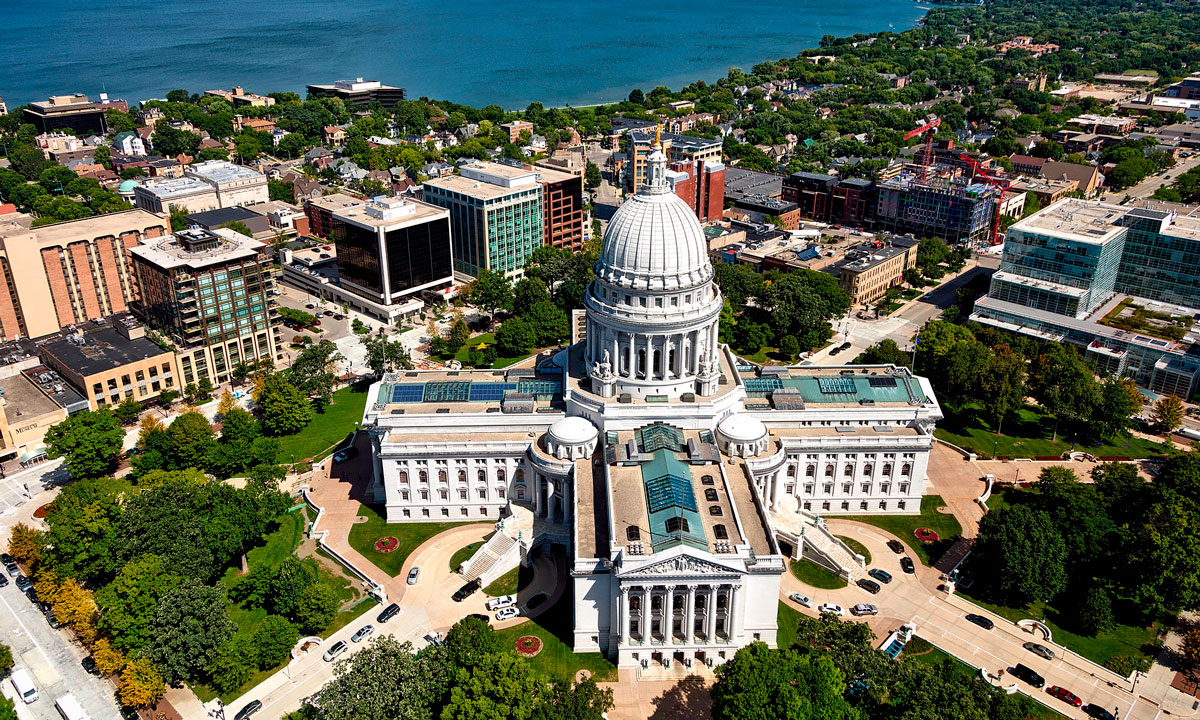
Wisconsin State Senate Committee on Insurance, Licensing and Forestry will hold a public hearing on a medical marijuana bill (Senate Bill 1034) on April 20. Sponsors say the fact that the hearing is scheduled on the popular 4/20 cannabis holiday is a coincidence.
Senator Melissa Agard (D-Madison) responded to the hearing notice, saying that the Wisconsin residents are ready for cannabis reform, reports Wispolitics.
Photo by 12019 via Pixabay
“It is supported by the majority of the residents of our state, including a majority of Republicans,” Agard said. “While I’m encouraged people will have the ability to come testify at a public hearing, it is disappointing that we had 15 months of session in which we could have rolled up our sleeves and worked in a bipartisan manner on this important and complex policy. Sadly, Republicans are all talk and no action when it comes to legalization efforts in Wisconsin.”
The main problem? The bill won’t become law this year because the Legislature has adjourned and it won’t be back until 2023. While there’s no doubt that the Senate committee hearing on the medical marijuana bill is an accomplishment in that it enables supporters to present their arguments about MMJ’s benefits as they seek reform in the state, Sen. Agard thinks this is not enough.
She further explained that this is the second session in a row that “legislative Republicans have introduced a late session, politically motivated bill to try and fool the people of Wisconsin into thinking they are genuine about legalization. Having a public hearing after the session has already been gaveled out is a cynical political ploy that gives people false hope about the prospects of this legislation.”
Agard added that in spite of reaching out to her fellow colleagues in relation to cannabis legalization in Wisconsin over nine years, no single Republican has helped her.
“I am disappointed by my Republican colleagues’ constant refusal to do the right thing and listen to Wisconsinites when it comes to the issue of cannabis legalization. My efforts will always work towards full cannabis legalization,” Agard concluded.
Measure’s Sponsor Sen. Felzkowski Still Enthusiastic
On the other hand, the measure’s sponsor, Sen. Mary Felzkowski, (R-Tomahawk) is still enthusiastic, despite having presented the same medical marijuana bill last session, which died without a hearing, writes Madison.
“I want to encourage every Wisconsinite who has an interest in this to come to engage in the process, share your perspective, and learn about the bill,” Felzkowski stated. “Whether you think the bill goes too far, or not far enough, what’s important is that we all come together to have an open, honest and respectful discussion about moving this idea forward.”
Felzkowski also chairs the Senate committee that will be holding the hearing.
The Republican-controlled Legislature already killed several cannabis-related measures this session: bills from Democrats and Republicans proposing the legalization of MMJ, a bill from Democrats to legalize recreational cannabis use and a bipartisan measure proposing the decriminalization of marijuana possession.
Will next week’s hearing pave the way for marijuana reform in 2023? Who knows? One thing is certain: cannabis legalization across the U.S. and the world is slowly but surely gaining momentum.
Recent Developments On Cannabis Reform
The House of Representatives approved the Marijuana Opportunity, Reinvestment, and Expungement (MORE) Act, H.R. 3617 on April 1, sending it to Senate. The MORE Act removes cannabis from the federal Controlled Substances Act, allowing states to legalize cannabis, its production, and sale, free from federal interference.
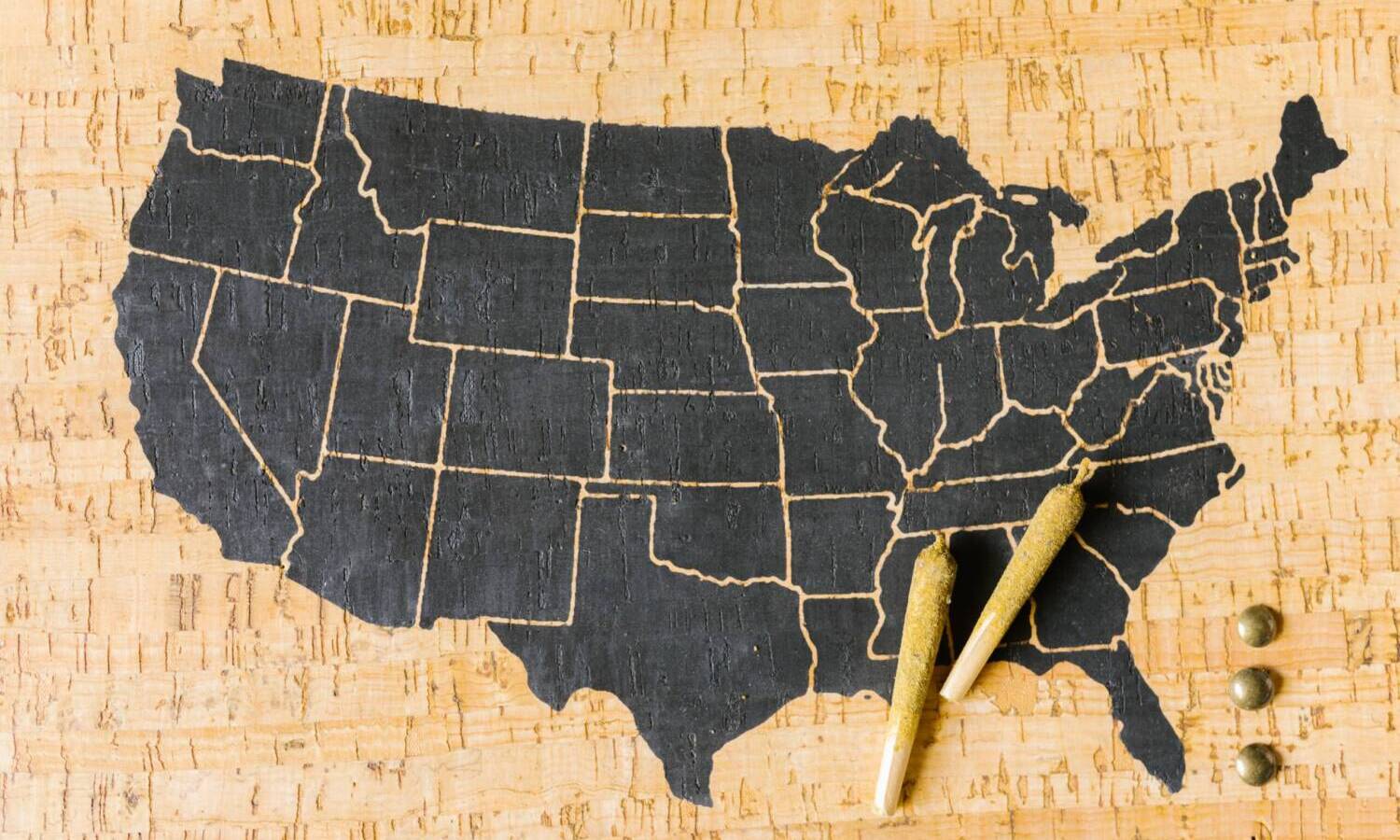
So far, 37 states have legal medical marijuana programs, while some 18 states have fully legalized recreational cannabis use, including Wisconsin’s neighbors Illinois and Michigan, while the other two neighbors Iowa and Minnesota allow medical cannabis.
So far, industry experts agree that chances are slim that the MORE Act will pass in the Senate, with one of the main problems being garnering Republican support.
Photo by LPETTET/Getty Images
According to Rep. Nancy Mace (R-SC), giving control to states and treating cannabis like alcohol is the only way for marijuana reform to win Republican support. Mace is one of the few members among GOP representatives in favor of removing cannabis from the list of federally controlled substances, nevertheless, she voted against the MORE Act. Why?
“The MORE Act forces a system on South Carolinians and other states they do not want. By comparison, my bill, the States Reform Act, removes the federal government from the equation and allows states to decide for themselves,” Mace explained as reported by The State.
Mace has her own bill, the States Reform Act, and there is also the Cannabis Administration & Opportunity Act sponsored by Senate Majority Leader Chuck Schumer (D-NY).
Is it possible that none of these will get the necessary support of enough Senators?
Anything is possible, but one thing that seems to be clearer as time passes is that medical marijuana legalization is more easily acceptable to many politicians.
One good rule of thumb to determine if your cannabis is sticky or wet is a quick smell test. Properly cured and sticky weed should smell potent and fresh.
There are so many types of marijuana on the market these days that many consumers have stopped trying to keep up with which strand is which. In fact, it can feel like every time you go to a dispensary there’s a brand new list of strain names you have never heard of.
The whole process of choosing from all these new types of weed can be a bit overwhelming. If you don’t want to choose by name, you might use your nose to smell through the variety of buds and see what perks your nostrils.
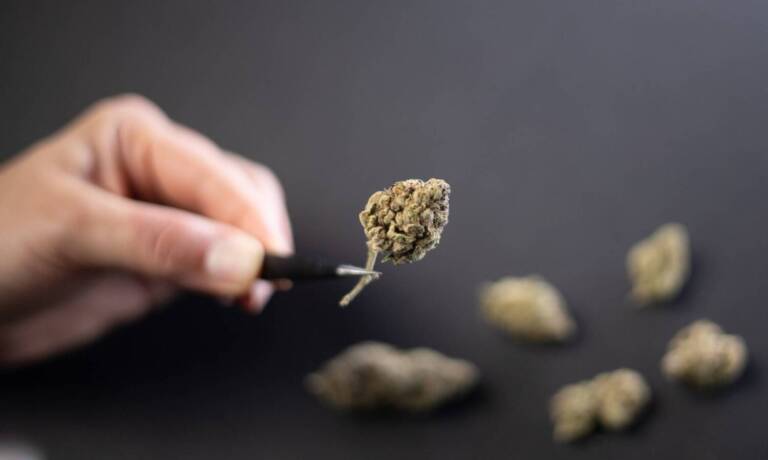
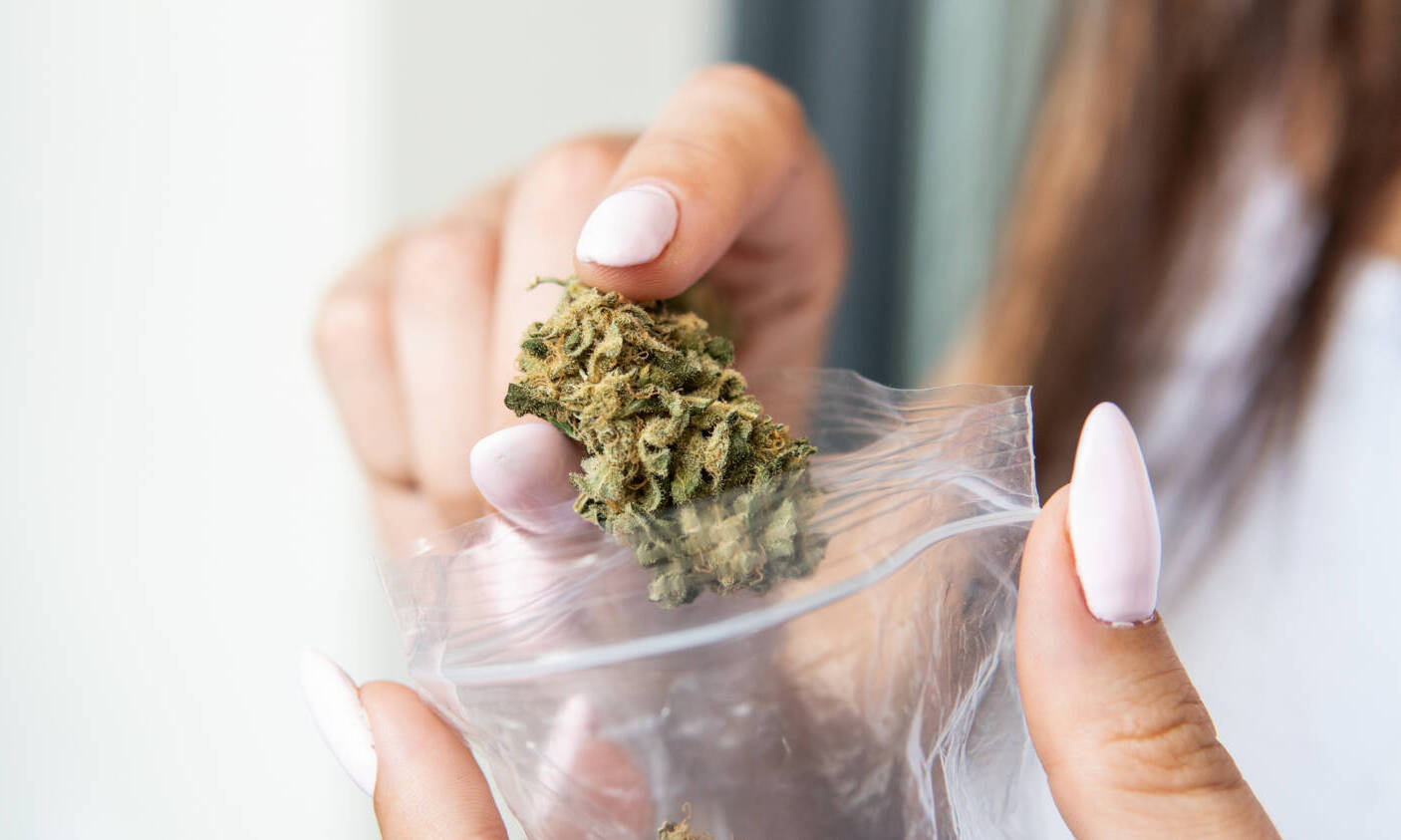
Inevitably in your search you will locate a few buds that are so sticky, they almost feel like they are oozing a crystalized sap. These buds seem complex and unique, and are often fragrant. They can also be so sappy that they are a bit harder to handle.
Photo by Kirill Vasikev / EyeEm/Getty Images
Considering these factors likely has you wondering about sticky marijuana. Are sticky buds a great trait to have or a cause for concern?
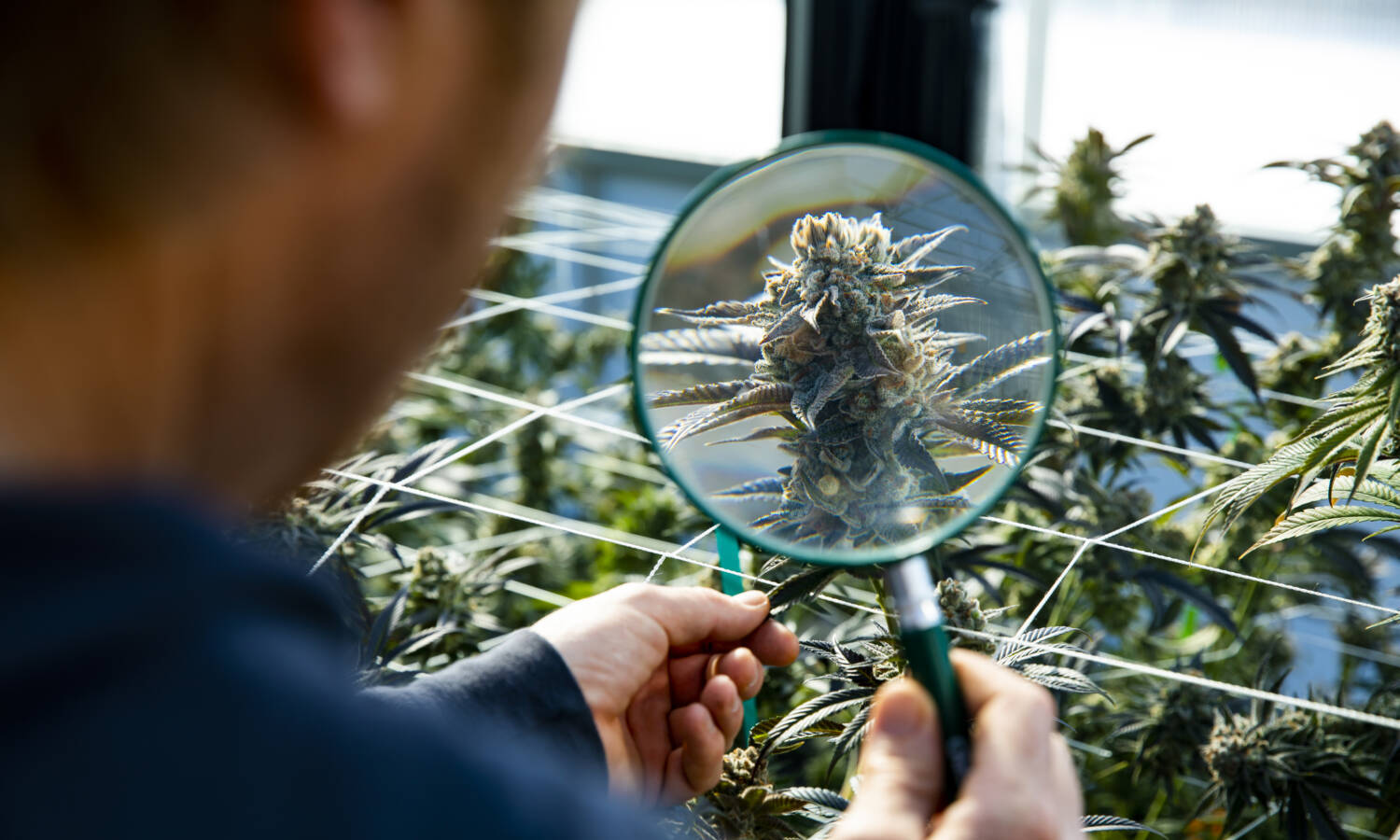
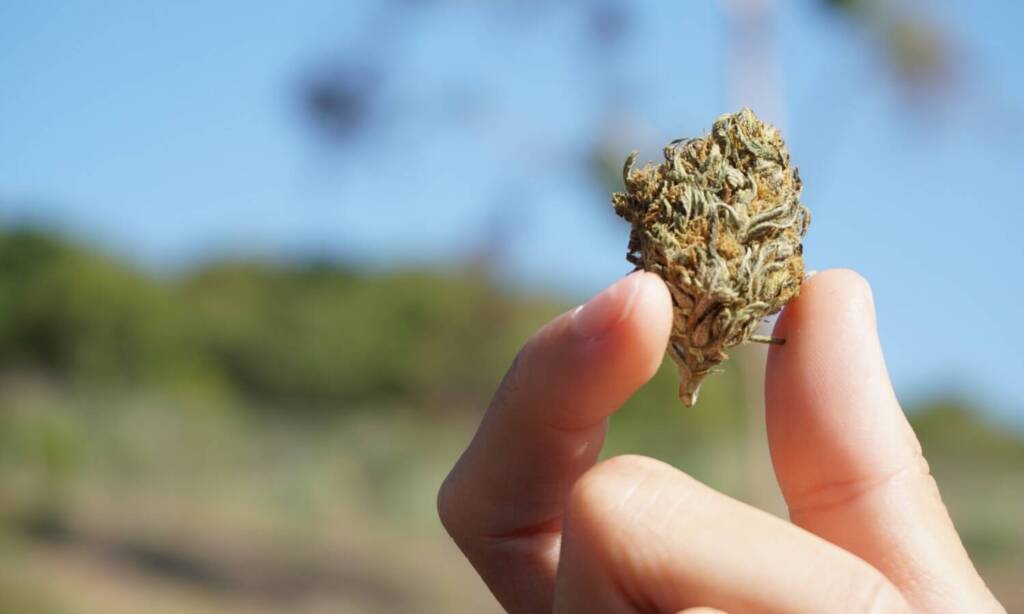
Sticky weed, if it was dried and cured properly, normally equates to high quality and potent flower. This is because trichomes are the main contributor to the sticky nug phenomenon. Merriam-Websterdefines trichomes as “an epidermal hair structure on a plant.” So when you see a flower with lots of hairs and what appear to be crystals, you are looking at a plant with a great deal of trichomes. These nuggets will also most likely feel sticky when touched.
“Where the dry buds lack trichomes, the sticky buds have an overabundance. The long, beautiful hairs collect THC and create a dense, tacky covering on the buds,” according toHerb. When you see buds with lots of hairs and feels sticky to the touch, you are likely touching a bud that is packed with THC. In these instances, a little sticky weed will go a long way in getting you high.
While sticky weed can often mean potent, well cultivated product, it can also mean quite the opposite. Some illegitimate and shady cultivators may even try to make their weed appear to be sticky in order to fool their clientele. “Because stickier cannabis is associated with higher potency, illegitimate market cultivators can trick their clientele into thinking improperly dried and cured cannabis is sticky,” according to Massachusetts-based dispensaryHappy Valley.
They say the cultivators use moisture to fool the customer into thinking the bud is sticky, when really, it’s just wet. Not only is this dishonest, but it also often means an inferior product. “Wet or moist cannabis has less cannabinoids and terpenes, with a harsher smoke.”
One good rule of thumb to determine if your cannabis is sticky or wet is a quick smell test. Properly cured and sticky weed should smell potent and fresh. It will be filled with intense and particular aromas you associate with strong weed. Wet, rushed weed will normally have far fewer fragrant notes and will often smell like hay.
You will also notice the difference over time. One great thing about sticky well-cured weed is it holds up over time. Rushed and wet weed will deteriorate quickly, and may even become toxic and dangerous to smoke. “Curing cannabis also extends the shelf life of the product for commercial growers. Uncured cannabis can become moldy or develop mildew,” according to Greenhouse Grower.
As always, it is important to purchase your cannabis products from a reliable source. As long as you purchase your sticky weed from a trusted dispensary, your buds should be potent, long lasting and high quality weed.
Although the physical effects of quitting cannabis will end after the drug has left an individual’s system, the mental and psychological symptoms can continue for longer periods.
According to the Centers for Disease Control and Prevention (CDC), marijuana is the most widely taken illegal drug in the United States.
In the last few years, more states have made the medical and recreational use of weed legal. Nevertheless, following a 2018 study from Washington State, the legitimization does not appear to have notably increased cannabis use. That being said, cannabis use has been receiving a lot of notice.
Photo by chabybucko/Getty Images
There are a lot of misunderstandings about whether people can get addicted to cannabis. In truth, it is conceivable that one becomes addicted to, or even dependent on, cannabis with frequent use. Sleep being on of the main issues user report having gone from using cannabis for sleep and then stopping the plant use.
Above three hundred thousand people start treatment for cannabis use disorders in the United States every year. According to a 2012 study, 30.6% of cannabis users had a cannabis use disorder between 2012 and 2013.
What Exactly Is Cannabis Withdrawal?
Cannabis withdrawal (or marijuana quitting) is when specific negative symptoms, psychological and physical alike, happen when an individual who regularly smokes weed stops using it.
There are a ton of misunderstandings when talking about the use of cannabis, and one of the greatest is the belief that it is impossible to get addicted to cannabis; that one can quickly stop taking it at any time. However, that is not always so.
Regardless of whether you make use of cannabis for medical purposes or recreationally, it is possible to get addicted to cannabis with regular use. As a matter of fact, according to the CDC (Centers for Disease Control and Prevention), one in every ten Americans who use cannabis will become dependent.
If your use of cannabis is limited — that is, from time to time as opposed to regularly — it is less likely that you will experience any marijuana quitting symptoms. If, however, you take cannabis periodically and want to quit, here is what to expect when you quit using cannabis.
Withdrawal Symptom
Cannabis withdrawal symptoms can include sleep deprivation, irritability, and restlessness. Individuals who use cannabis regularly and stop all of a sudden can go through some withdrawal symptoms. Though a lot of people take cannabis without undergoing withdrawal effects, regular cannabis use can become a cannabis use disorder. In severe instances, this can come as an addiction.
Professionals define addiction as the continuous use of cannabis regardless of the adverse effects it has on an individual’s life, such as problems with their job, relationships, or family. Cannabis withdrawal symptoms reach their peak within the first week of quitting and can continue for up to two weeks.
Photo by Keira Burton from Pexels
Symptoms of cannabis withdrawal can include:
Restlessness
Diminished appetite
Irritability
Nausea
Abdominal pain
Craving for weed
Difficulty sleeping
Some studies imply that women may experience a larger number of withdrawal symptoms of greater severity when compared with men. However, further investigation is required.
Why Cannabis Causes Withdrawal Symptoms
Cannabis is the name given to the dried extracts from the plant Cannabis sativa. The plant possesses terpenes and delta-9-tetrahydrocannabinol (THC), with THC adding to the primary psychoactive effects linked with the use of cannabis. Marijuana’s potency is determined by THC, while terpenes determine its scent and flavor. Marijuana’s effect on the brain is proportional to the amount of THC it contains.
Taking cannabis frequently means that the body and brain get accustomed to a regular supply of THC. As soon as there is no longer a supply, the body takes some time to adjust to it no longer being available. This leads to uncomfortable physical and mental withdrawal symptoms.
As soon as the body and brain get used to not having THC in the system, the physical withdrawal symptoms will cease. However, some people might still have mental cravings for cannabis for some time. Based on samples of seized cannabis, the strength of the herb has steadily increased as the years go by. From about 3.8 percent in the 1990s, the THC content has gone up to about 12.2 percent in 2014. This shows that the present effects of cannabis, including withdrawal effects, may be more severe in comparison with their effects in the past decades.
Photo by Pavel Danilyuk from Pexels
Timeline Of Withdrawal
After quitting cannabis, the brain can take about a month to get back to normal functioning. The mood swings and physical pains of withdrawal are at their peak in the first week of quitting and can continue for up to two weeks. Although the physical effects of quitting cannabis will end after the drug has left an individual’s system, the mental and psychological symptoms can continue for longer periods. Within four weeks of stopping the drugs, a 2017 study states that brain receptors called cannabinoid one receptors start to revert to normal after two days without cannabis. Within four weeks of stopping the drugs, they regain normal function.
According to the CDC, the use of cannabis has been linked to a slew of detrimental health effects. Memory problems, an increased risk of stroke and heart disease, lung problems caused by marijuana use, and mental health symptoms such as etymology and psychosis are just a few examples. According to the National Institute on Drug Abuse, there is strong evidence in both animal and human research that early life of marijuana exposure can lead to cognitive deficits such as memory and learning issues, as well as altered reward systems in the brain.
While the CDC and NIDA have been seen as very anti-cannabis in their publications and brochures, more and more positive scientific studies are coming out about the plant as access and legalization increases across North America.
Some people can get addicted to or even dependent on cannabis. Those people may experience withdrawal symptoms when they stop taking the drug. A person might go through mood swings or other problems or experience poor sleep. For those who are looking to quit cannabis, there are resources available. If you want to cut back on marijuana use, do it gradually to avoid withdrawal symptoms. Making a few healthy lifestyle changes can also help you transition more smoothly.
Since New Mexico legalized recreational cannabis, the state has been struggling to provide products to its medical marijuana patients.
Since New Mexico launched its adult-use marijuana market April 1, dispensaries have made a lot of money, bringing in about $8 million in revenue. And while this is great for the industry and the state, medical marijuana patients have been struggling to find the products to treat their conditions.
NBC affiliate KOB News spoke with several of these patients, most of whom are feeling forgotten and mistreated by their own state.
“I don’t do it to party. I don’t do it to go out and dance. I don’t get high. I don’t laugh. I do it because it makes my pain go away,” said one patient who’s been using medical marijuana to treat her anxiety. “They’re telling us we should keep our cards even though it’s recreational. For what reason? What are we getting? What perks are we getting? We don’t get to get in line in front of anybody, we don’t get to pay less prices, we don’t get better weed. No, we get nothing,” she said.
She explained that for medicinal purposes she can only use indica strains and that dispensaries were out of it, having sold it to recreational users. “If they’re supposed to be holding some back for patients, they should be holding some back for every single thing they have per patient,” she said.
While there are medical-only dispensaries, these locations are rare and will likely disappear with the passage of time due to the profitability of recreational weed.
Some dispensaries have worked around this issue by separating medical from recreational products. “We wanted to, you know, take into account that there might be a frustration level with our loyal patients who didn’t want to contend with long lines, because they knew what they wanted,” said Ellie Besancon, executive director of Green Goods dispensaries.
Dispensaries are always supposed to have products for their medical patients, but the past two weeks have proved to be an awakening for most of these businesses, providing them with an unprecedented influx of consumers. The kinks will likely resolve with some time, but it’s important for the state to make rules to speed the process along and provide support to the customers who need it most.
New Jersey’s long-awaited launch of its recreational cannabis market just got the green light. Regulators agreed that seven medical marijuana shops will be allowed to begin sales, possibly within weeks, after a series of disappointing setbacks and 17 months since cannabis was legalized at the ballot box in a referendum.
The five-member Cannabis Regulatory Commission (CRC) had been under increasing political pressure to launch the state’s recreational cannabis market. On Monday, the board finally voted to permit seven of the state’s 10 medical cannabis companies to start sales.
Jeff Brown, the commission’s executive director, said at a special meeting that the medical marijuana companies, known as alternative treatment centers or ATCs, had presented convincing evidence that they were ready for recreational sales.
“Over the last year we hit many milestones and all strengthened us to getting to this point,” Brown said.“We do not see market-wide concerns with moving these ATCs forward.”
When the CRC met in late March and postponed and rejected eight applications from medical marijuana dispensaries, tempers flared and disappointment abounded.
The treatments centers, which are owned by multi-state operators, that have been given the green light include Acreage Holdings, Ascend Wellness, AYR Wellness, Columbia Care, Curaleaf, Green Thumb, TerrAscend and Verano Holdings, all of which have been eager to get sales started in the Garden State.
The approved centers and their satellite shops will be the only facilities selling cannabis initially to both the medical and recreational market in the Garden State until smaller cultivators given conditional approval by the panel can get their operations moving, reported NJ.com
Nearly two-thirds of Americans would like to see marijuana legalized, a recent poll shows.
In the new survey, conducted by YouGov using a nationally representative sample of 1,000 U.S. adult citizens interviewed online from April 1-5, 57% would support expunging marijuana-related convictions, while 51% back allowing banks to provide services to marijuana businesses.
Photo by Fiordaliso/Getty Images
On the other side of the spectrum, 27% of those surveyed oppose the federal legalization of cannabis.
While Democrats are, unsurprisingly, far more likely to support the change, with 72% of them voting for cannabis legalization, Republicans are evenly split on the issue, with 46% supporting, and 46% opposing it.
However, it seems that Americans are mainly divided over the legal age of a person who can legally buy cannabis: 42% said the age should be 21 and 36% leaned toward 18.
The newest data confirm the results of the Gallup poll released late last year, which showed that as many as 68% of U.S. residents support cannabis legalization. Growing support for cannabis legalization was demonstrated recently with the U.S. House of Representatives passing legislation that would legalize and tax marijuana nationwide.
Photo by Matthew Micah Wright/Getty Images
Alcohol vs. Marijuana
Nevertheless, evidence of the plant’s popularity is demonstrated by another YouGov survey showing that nearly one-third of over 10 000 Americans think it would be ideal if people used more marijuana and less liquor. What’s more, the majority of U.S. adults view alcohol to be more harmful to a person’s health than marijuana.
Cannabis sales data only confirm this trend as Illinois took in more tax dollars from cannabis receipts than alcohol in 2021, according to an update released by the Illinois Department of Revenue. Recreational cannabis taxes in the Prairie State exceeded liquor taxes by nearly $100 million for the whole year after outpacing it for the first time in February 2021.
Massachusetts followed suit by bringing in $74.2 million from marijuana taxes, compared to $51.3 million from alcohol in half of the fiscal year.
Cannabis Bong Smoking Four Times More Toxic For Non-Smokers Than Tobacco Fumes
However, on the health side, there is evidence that secondhand marijuana smoke is more harmful than secondhand tobacco smoke.
Unfortunately, the list of health conditions and serious illnesses tobacco triggers in smokers, as well as non-smokers is long.
The data collected by the Centers for Disease Control and Prevention (CDC) indicate that over 8,000 stroke deaths can be attributed to secondhand smoke, 7,300 deaths from lung cancer, and nearly 34,000 premature deaths from heart disease annually in the United States among non-smokers.
The study, published in the JAMA Network Open by researchers at the University of California, Berkeley, found that non-smokers may be exposed to air pollutants at concentrations equal to twice federal air quality limits.
Thanks to a never-ending pandemic and more opportunities to telecommute, many Americans are picking up and moving. If you’re a weed lover, you may want to consider these cities.
The last few years have proven to be times of change for many Americans, whether it’s starting a new job or starting over in a new city. Because of this, along with the growing legality of marijuana, previously under-the-radar cities have skyrocketed in popularity.
Moving is not always enjoyable, but if you happen to love weed and are looking for somewhere new to live, there are several cities in the U.S. that might be a good fit.
Here are 10 of them.
Photo by RODNAE Productions via Pexels
Anchorage, AK
Weed enthusiasts who love the wilderness and don’t mind an extended winter might want to consider looking North. Alaska, while conservative leaning in several respects, was one of the first states to legalize recreational marijuana. Anchorage is the most populated city in Alaska. It has plenty of great restaurants and dispensaries, but the great outdoors is never far away in America’s 49th state.
Ann Arbor, MI
Historically known as a college town, Ann Arbor Michigan is becoming a very cool small city to live in, especially now that weed is legal in Michigan. Ann Arbor has many of the conveniences of a city, but still has a small town vibe for those who don’t love the hustle. This is among the reasons it ranks as the number 6 in best places to live according to CBS News.
Chicago, IL
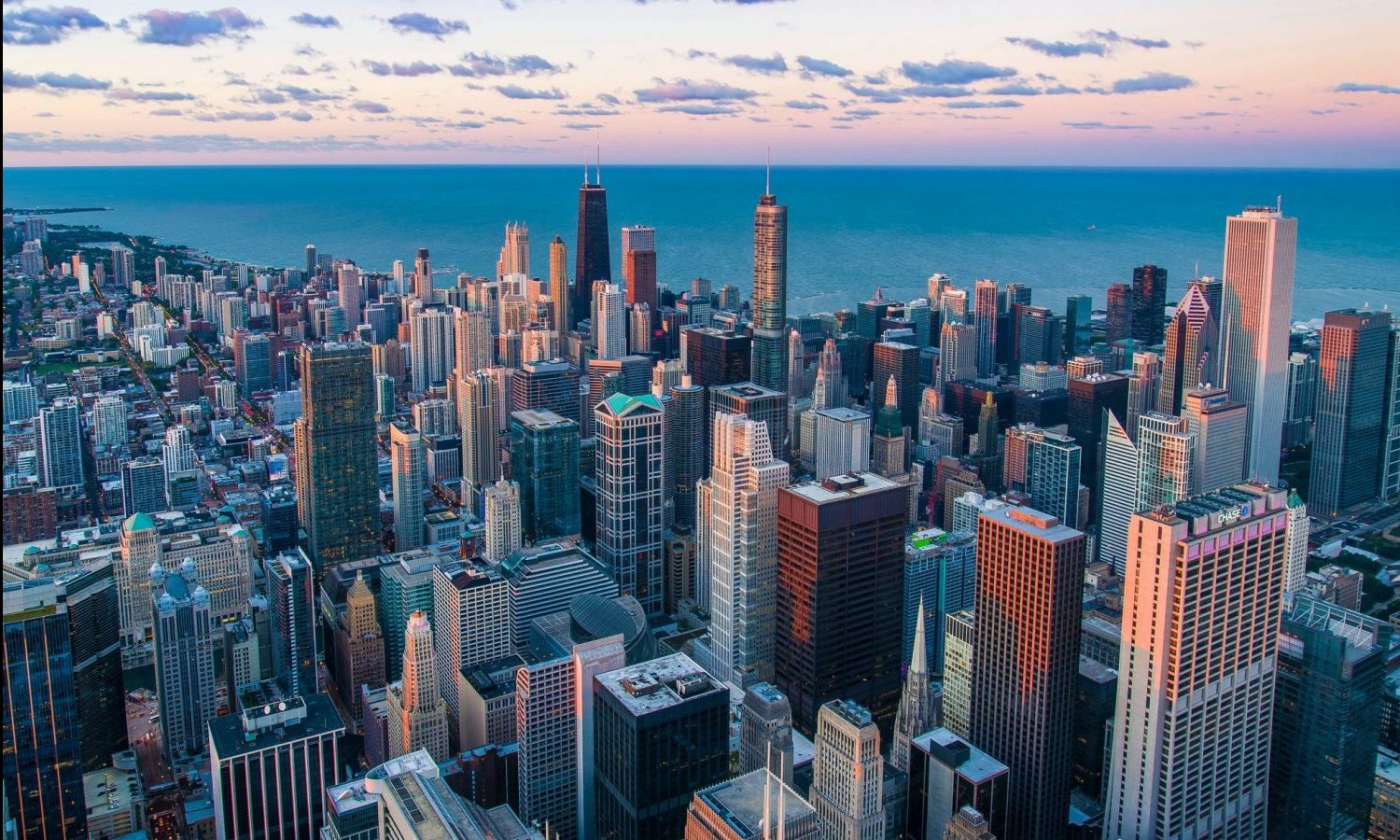
The wind in the windy city smells a lot more like marijuana these days. Weed is now legal in this major metropolitan city, and its citizens have embraced it. Chicago is known as quite a foodie city, and “The city’s dining scene features some of the greatest cannabis cooks in the country,”wrote the Chicago Tribune. So if you love weed and food equally, Chicago might just be the perfect fit.
Photo by Pedro Lastra via Unsplash
Colorado Springs, CO
While you hear a lot about Denver being one of the top weed destinations, there is another city in Colorado that might be worth looking into. Colorado Springs has an active energy, and also has more favorable weather year round. This makes it possible to enjoy the outdoors for the entire year, unlike some higher elevation cities. It is also cheaper. “Colorado Springs real estate tends to be more affordable than in other parts of the state, which is a huge reason many people choose to live there,” wrote Uncover Colorado.
Las Vegas, NV
Entire neighborhoods seem to be popping up in Las Vegas almost overnight. This city has seen a major influx in residents. Real estate is much cheaper in Las Vegas, and there is a lot to do. Just as neighborhoods keep appearing, so do marijuana dispensaries. Las Vegas is quickly becoming one of the top destinations for weed tourism, and doesn’t plan to slow down any time soon.
Portland, OR
Portland is known for its progressive nature, delicious food and youthful nature. These qualities are all perks for those who love marijuana. Portland is one city that continues to get creative with weed, and it is woven into much of its hip culture. That, combined with the fact theU.S. News has yet again ranked it one of the Top 10 places to live, makes Portland a great place to call home if you really like pot.
San Diego, CA
While Los Angeles and San Diego are both great SoCal cities for those who love weed, San Diego has a slight edge. While it is still a major city, there is a slightly more laid back vibe. San Diego, although quite expensive, is slightly cheaper than LA, making it the top destination for weed enthusiasts looking to relocate to sunny California.
San Francisco is synonymous with marijuana and its legalization. This famously liberal city was a pioneer in early marijuana legalization, and there are a plethora of dispensaries throughout the City. San Francisco is notoriously expensive, but if price is not a concern, it really is a weed Mecca for those on the quest to find it. The fact that some of the best weed is grown just a few hours drive away in Humboldt County only sweetens the deal.
Santa Fe, NM
New Mexico recently legalized marijuana, and its most beautiful city has become a great option for marijuana-inclined home seekers. Santa Fe has stunning landscapes, a plethora of art museums, a liberal laid back vibe — and now weed. Santa Fe recently came in at number four on Conde Nast Traveler’s Readers’ ChoiceAwards “Best Cities in the U.S.” If you are looking for a new home, you may want to take a look at this beautiful desert oasis.
Seattle, WA
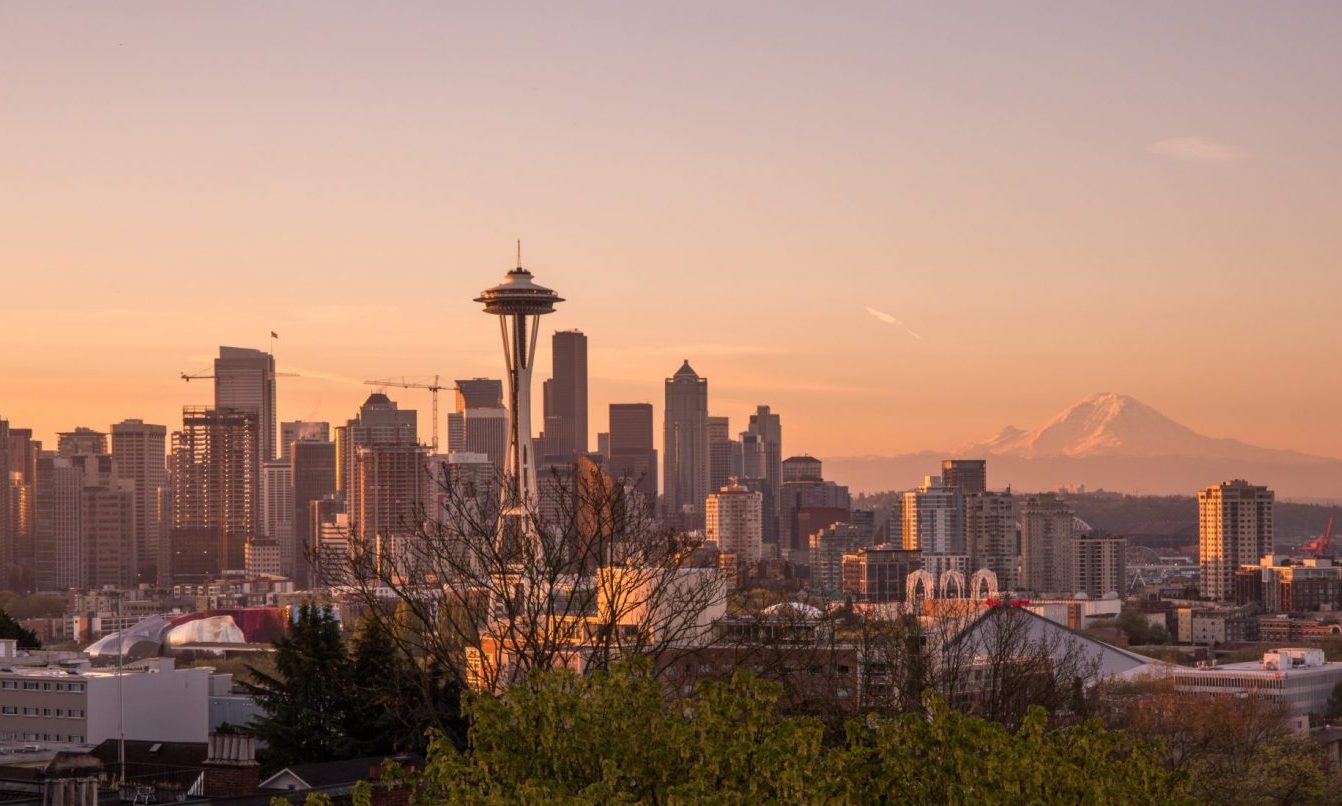
Coffee and weed go so well together, and no place does coffee and weed quite like Seattle. This city is as rich in caffeine as it is in culture. In addition to being a progressive city, it is famously known for being clean and green, hence The Emerald City. In fact, it is ranked the number one city for outdoor activities byNiche.
With all of these benefits and more, you can’t deny that CBD is an essential supplement that women can benefit from at all stages in their lives.
More and more women are taking CBD and demand for cannabidiol (CBD) products continues to soar. In 2020, the value of the CBD market reached $2.8 billion, according to data from Grand View Research. Its healing benefits are what drives the demand, along with an increasing acceptance in its use since CBD is the most popular cannabinoid due to the absence of psychoactive effects compared to THC.
It may be surprising to learn that women have been significant in spurring CBD market growth for many years now. A 2018 study showed that more women use CBD compared to men, and a study that same year by Ease that analyzed 450,000 cannabis consumers showed that female baby boomers were the biggest segment of CBD users. A more recent survey found that women were more likely to use CBD for a medical condition, and men tended to use CBD for overall health and wellness.
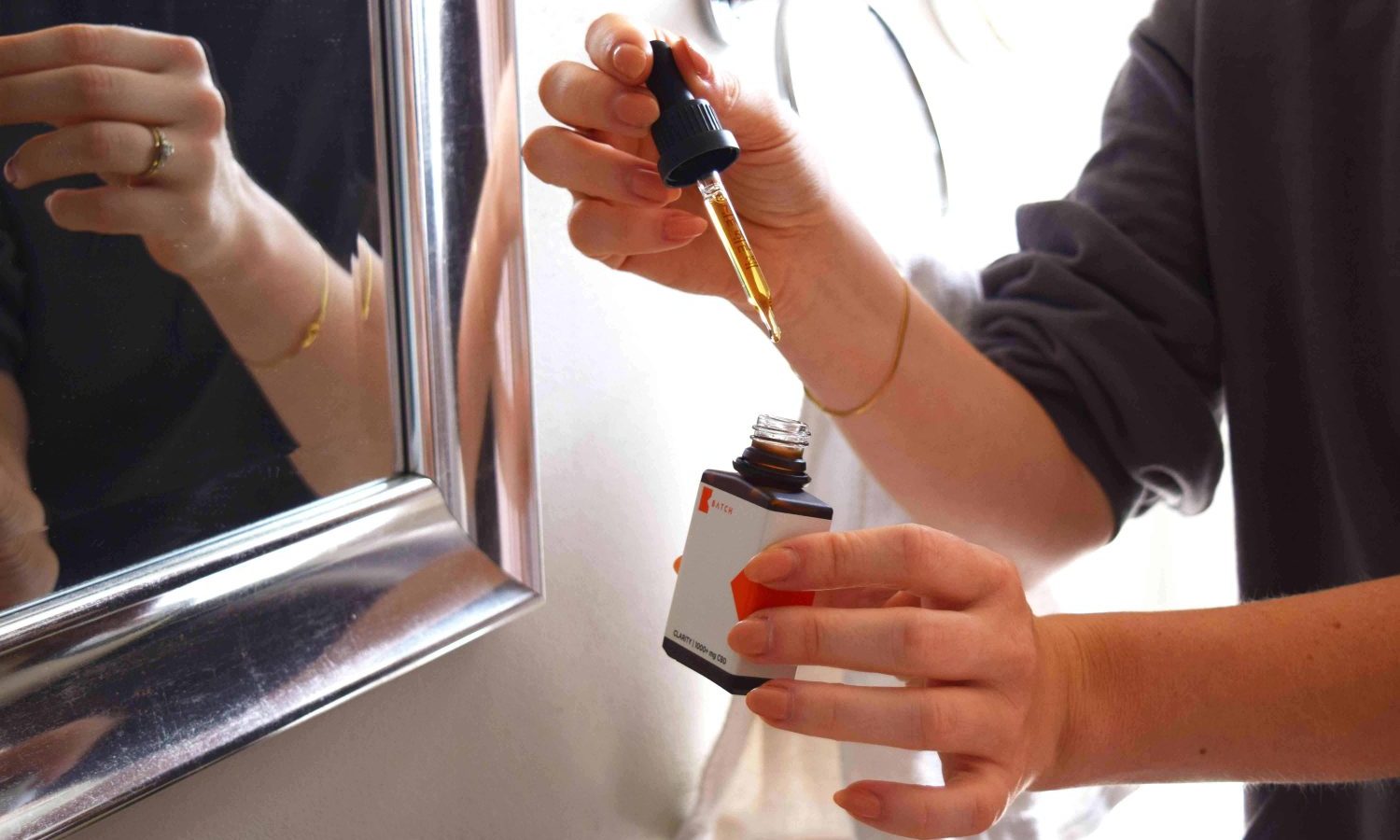
Photo by BATCH by Wisconsin Hemp Scientific via Unsplash
While the conditions that cannabis has been proven to treat aren’t gender-specific, for a great deal of them, women lacked access to proven safe remedies for women’s health problems. That’s why it’s become so much easier to supplement with CBD for overall women’s health; it can be taken in many forms the way you would supplement with other things such as vitamins.
Additionally, women can safely take oils and other consumption methods without having to worry about side effects. And there are a growing number of women who are taking CBD-based medicines even without consulting their doctors, thanks to the research and anecdotal support that can be found online and within our communities.
Let’s take a look at the reasons why CBD is the best and safest supplement out there for women’s health.
Pain
Men and women perceive pain differently, and there are biological reasons for this.
Women are prone to fluctuating female hormones, which can affect how pain is perceived. An example of this is when the menstrual cycle is ongoing or after menopause, there is an increase in pain receptor activity due to lower estrogen levels. This will then result in the body becoming more sensitive to pain. In addition, women possess greater nerve density, which causes them to experience pain more intensely compared to men.
CBD can be used to treat many pain conditions including migraines, arthritis, fibromyalgia, and so much more. Women are prone to all kinds of pain in all stages of life, and these are where CBD can help because CBD reduces pain when it interacts with the endocannabinoid system to cut down on inflammation.
Pelvic Pain
With at least 6.5 million women in the US alone suffering from endometriosis, and a majority of women struggling with dysmenorrhea during their periods, pelvic pain is simply something men do not understand but has become a normal part of women’s lives.
Photo by PixelsEffect/Getty Images
However, pain shouldn’t be normal. Some 20% of women have dysmenorrhea bad enough that it can interfere with daily activities, and for those who struggle with endometriosis, we can tell you that the pain can sometimes be much worse than childbirth. CBD is an excellent tool that can help ease the inflammation causing both of these conditions as well as the flare-ups of endometriosis.
Last year, a survey conducted by researchers linked with the University of Michigan revealed that women who struggle with chronic pelvic pain use CBD frequently to help them with their symptoms. They also use it instead of other prescription medications, says the data, which has been published in the Journal of Minimally Invasive Gynecology.These findings were similar with others, verifying that more and more women use cannabis products to treat chronic pelvic pain while reducing dependence on opioid medications.
Remedy Review, a natural health product website, polled some 1,000 women to see how they make use of CBD. Pain relief was touted as among the top reasons why Generation X females use CBD, though baby boomers also use CBD for pain relief.
Beauty
These days, CBD can be found in countless serums and other beauty products. Studies show that CBD is beneficial in treating and preventing acne breakouts because of its ability to reduce skin inflammation while regulating oil production.
These benefits also extend to its anti-aging properties. CBD is a powerful antioxidant that does an excellent job of eliminating the signs of aging. You can consume CBD orally but also apply it topically through serums as well as creams and lotions to enjoy localized benefits on your face to prevent wrinkles.
Anxiety and Depression
Women are doubly prone to anxiety and depression no matter what age, compared to men. Many of these mood changes are caused by hormonal changes, but there are other factors too, such as life experiences and some inherited traits.
The risk for developing depression begins in puberty, which is when women are exposed to fluctuating hormone changes. It continues during premenstrual times of the month, pregnancy, postpartum depression, then perimenopause and then finally, menopause. Women who supplement with CBD can greatly benefit from its ability to help provide balance to the hormones; a study even shows that it can also help to regulate the production of cortisol, a stress-activating hormone.
Sex
CBD-infused lubricants are helping countless women find joy in their sex lives again. These greatly alleviate dryness and the pain associated with sexual intercourse that some women suffer from. You can also take CBD orally to promote muscle relaxation, while treating performance anxiety.
With all the stress and mental health problems that women are prone to, it can make enjoying sex difficult which is evident in painful intercourse. CBD can help with that too. THC-infused lubricants are newer to the market but are getting strong reviews from couples where access to these products is more available.
With all these benefits and more, one can’t deny that CBD is an essential supplement that women can benefit from at all stages in their lives.
Seasoned weed users claim that the cannabis market in Massachusetts sells subpar weed at premium prices.
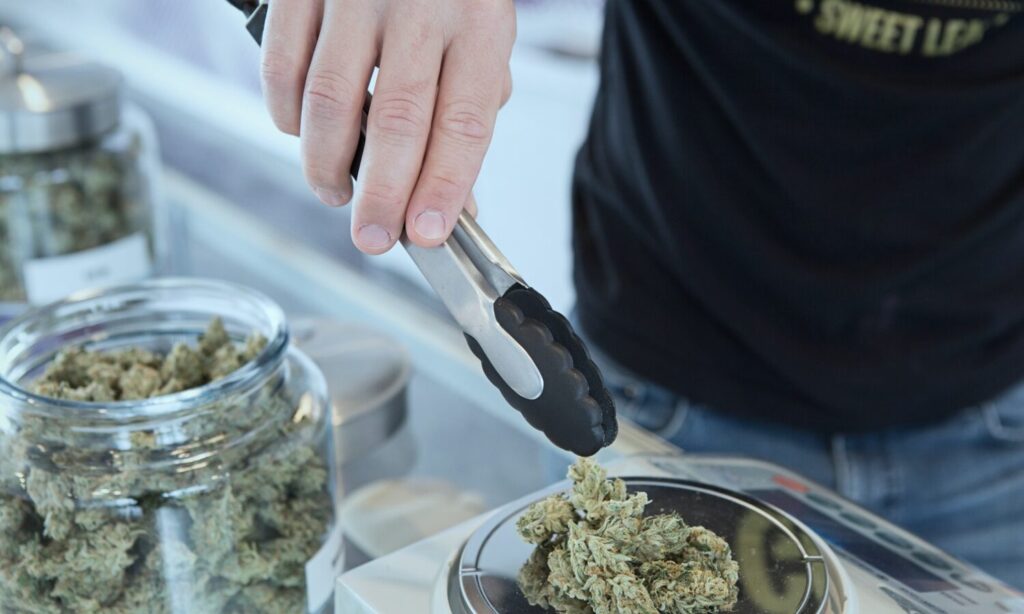
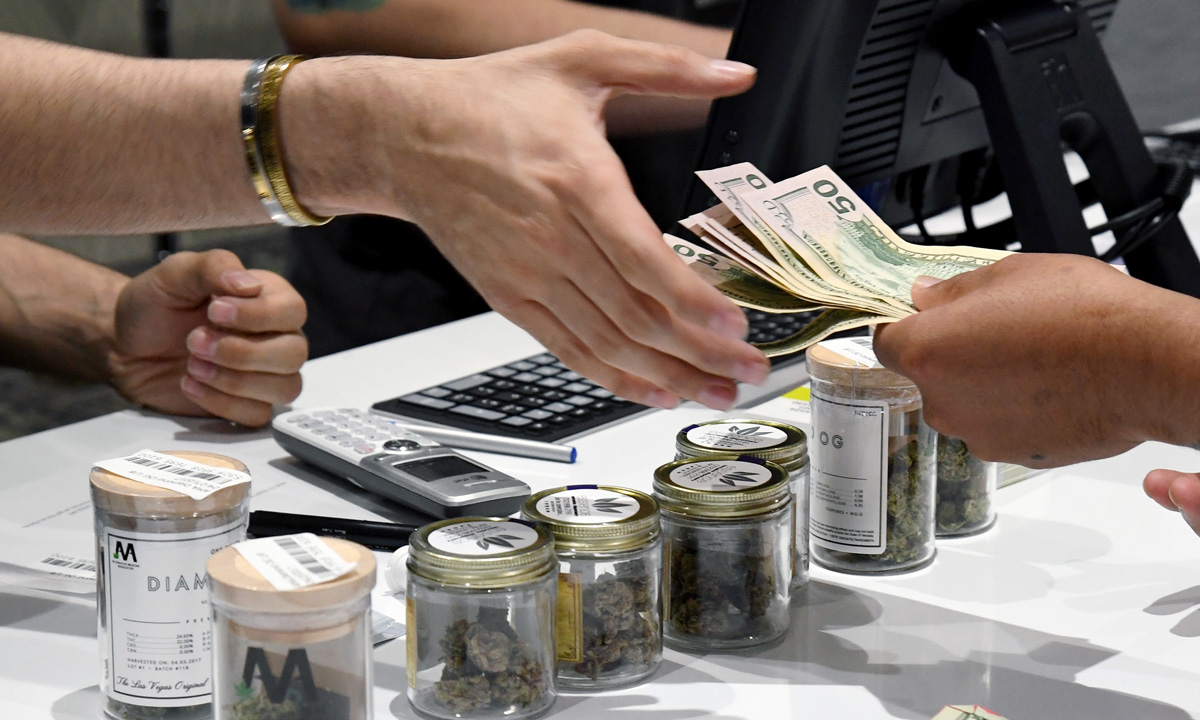
Legal marijuana has led to a lot of perks. Aside from the fact that cannabis is more accepted and is less of a taboo topic, there’s a wide variety of products. Cannabis comes in all shapes and sizes and, if you know where to look, is of reliably solid quality. Except in the Bay State, where consumers say Massachusetts weed is “garbage”
The Boston Globe reports that dozens of marijuana connoisseurs have been complaining about the quality of their state’s weed. Most agree that while cannabis has improved with its legalization, the state produces mediocre weed and sells it at premium prices.
“It’s garbage,” said Warren Lynch. “The market here is dominated by nasty corporate schwag.”
“People from other states don’t want our weed when they visit,” said Chandra Batra. “They think it’s a bad joke.” They share that those who know better prefer to purchase cannabis illegally or to go out of state for their medical marijuana.
Some of the problems that consumers recall include purchasing prepackaged flower from dispensaries, preventing them from interacting with the product and noticing its qualities, one of the main ways in which cannabis connoisseurs can tell whether or not they are handling a good batch of weed. These problems were augmented by COVID-19, which prevented people from handling a variety of products or spending extended periods of time in dispensaries.
While people’s taste in cannabis is subjective, qualities like sticky buds, bright colors, milky trichomes, and strong smells are all associated with a better experience. This isn’t at the forefront of the majority of cannabis consumers, but it’s still an issue for long-term consumers.
Cannabis growers and cultivators from Massachusetts claim that many of their problems stem from a young industry, ones that aren’t exclusively limited to Massachusetts. “What you saw a lot of in Massachusetts, especially early on, was people sacrificing quality to pass testing through a quick-drying process,” said Brandon Pollock, chief executive of the cannabis firm Theory Wellness.
Experts claim that good cannabis comes when batches are made with care, usually in smaller amounts. Still, in most legal states, the cannabis industry is busy establishing itself and producing sufficient products to satisfy people’s demands.