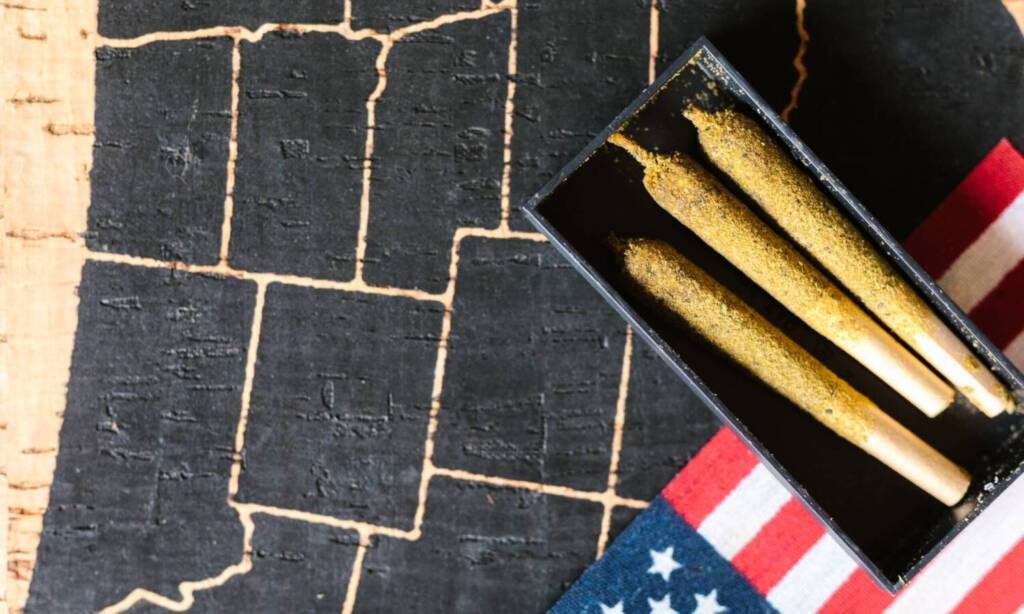
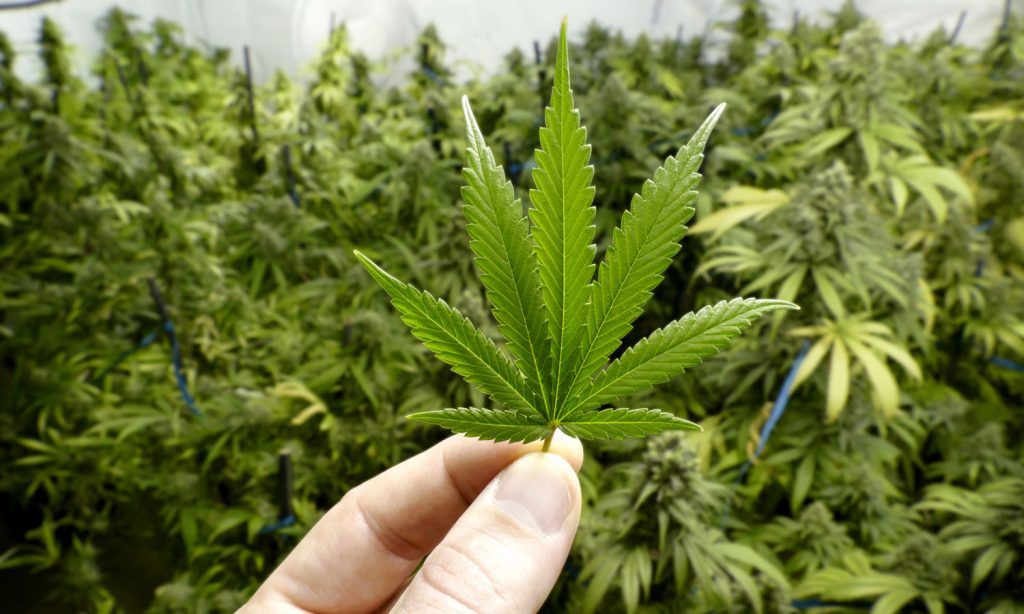
Despite marijuana still being a Schedule I drug, while alcohol is legal for adults over 21, nearly one-third of over 10 000 Americans said they think it would be ideal if people used more marijuana and less liquor, a new poll suggests.
The results of the YouGov survey also showed that 20% of those questioned think that would be a bad idea, Marijuana Momentreported.
Photo by Adam Jaime via Unsplash
Most respondents (38 %) agreed that it would be neither good nor bad, while 15% were undecided.
The poll also found Democrats were more likely to say that switching to marijuana from alcohol would be good (34%), compared to 18% of Republicans and 27% Independents.
Moreover, 34% of those aged 30-44 said that substitution would be good, whereas only 17% of those over 65 held the same opinion.
Cannabis Tax Dollars Surpass Alcohol In Several States
Nevertheless, a stronger trend toward marijuana sales is evident in states where the plant is legal.
New data has revealed that Massachusetts brought in $74.2 million from marijuana taxes, compared to $51.3 million from alcohol in half of the fiscal year.
Illinois is another state where liquor sales brought in fewer tax dollars than marijuana. In 2021, recreational cannabis taxes exceeded alcohol taxes by nearly $100 million.
Photo by Tim Allen/Getty Images
Marijuana Is Safer Than Alcohol
In the meantime, the endless debate over whether marijuana is safer and healthier than alcohol continues.
A study published in the journal Scientific Reports in 2015 suggests that marijuana is approximately 114 times less deadly than alcohol.
The study included seven drugs, with alcohol being the deadliest at an individual level, followed by heroin, cocaine, tobacco, ecstasy, methamphetamines and lastly cannabis.
As experts and advocates have pointed out, liquor is strongly associated with negative long-term health issues, such as deadly alcohol poisoning.
The same cannot be said for cannabis, as there are no recorded deaths attributed solely to a marijuana overdose —by the federal government’s own admission.
A new report from Americans For Safe Access shares recommendations programs can make, especially when it comes to regulatory language and legislations.
ASA categorizes states based on 100 categories including affordability, civil protections, barriers to access, product safety, social equity, penalties, and more. The report is given to state legislators each year in every state, including many patient and health organizations.
Photo by LPETTET/Getty Images
In addition, the report shares recommendations that programs can make, especially when it comes to regulatory language and legislations. Their first edition was released in 2014, and since then, state legislators have relied on their sound recommendations for improving their laws.
On February 22, 2022, a press briefing was held to discuss the report.
“With a decline in legislative improvements in state medical cannabis programs, millions of patients are left with limited or no access,” explained ASA Executive Director, Debbie Churgai. “It is ASA’s hope that the report will inspire a renewed commitment to patients by policymakers to improve state laws and end the federal prohibition once and for all.”
“Americans for Safe Access’ State of the States Report has been an important resource for me as I work to ensure all Pennsylvanians have access to medical cannabis,” said Chris Rabb, Pennsylvania State Representative.
Findings
There were only 7 states that saw an improvement in scores from 2020 to 2021: Arizona, Utah, Louisiana, Arkansas, North Dakota, New Hampshire, and Rhode Island. Meanwhile, Maine got the highest grade of all states: B, and Illinois a B-. They were the only two that garnered grades higher than a C.
The two states that scored the lowest were Nebraska and Idaho, since they received 0 points due to prohibition.
Here’s a summary of ASA recommendations for some of the top selling cannabis states:
California
California, which is home to one of the world’s biggest legal cannabis market, surprisingly scored only a C+. Their recommendations for this year include encouraging lawmakers to reduce the gaps in civil protections for employed patients, as well as addressing housing and DUI discrimination problems. Patients in California are still experiencing workplace discrimination merely because of their status as an MMJ patient, and the fact that employers are still making hiring and firing decisions based on the employee’s use.
Furthermore, California residents are still having problems with renting since leases can be specified by tenants to prevent patients from consuming their cannabis at home. They also recommend that police officers be barred from discriminating patients during roadside sobriety evaluations since the ASA believes that patients should be exempted from roadside tests that want to evaluate how impaired one is. After all, they need their medication to function.
Colorado
Colorado scored a C+ as well. In the report, the ASA was explicit in stating their disappointment with the path that Colorado’s lawmakers have chosen to go when it comes to cannabis law reform.
The ASA thinks that policymakers should have an emergency meeting to immediately repeal HB1317, which has been the biggest issue for MMJ patients in the state since it involves larger fees for the program, and patients are forced to go through several rounds of certification from physicians. What’s more, physicians will also be required to indicate a patient’s maximum dose, which will limit the sales a patient can buy. On top of that, HB1317 limits the cannabinoid levels since it places restrictions on potency so that patients in Colorado who are under 21 cannot buy concentrates.
For Colorado state legislators, protecting civil rights of patients should be a priority for 2022. It’s bad enough that patients still face the risk of losing custody of their kids as well as their job just because they are MMJ patients. They can also be denied organ transplants and can be subject to unfair discrimination for roadside testing. Landlords can also customize leases so that they can prevent patients from dosing at home.
Photo by RODNAE Productions from Pexels
Michigan
Michigan scored a C on the report. The ASA recommends that lawmakers stop restricting caregivers from growing their own medicine since this is a critical way for them to make their medicine more affordable and accessible. Regulators should also consider other means of making the medicine more affordable such as by putting in place mechanisms like discounts and financial hardship waivers.
Policy makers should also provide additional patient rights such as housing and employment protections. Product recall processes are recommended for improvement so that products that are not affected wouldn’t be impacted by recalls, which can cause supply problems for patients.
Florida
Florida landed a D+, and the current laws clearly leave patients with little choice for many aspects especially when it comes to protecting patient civil rights. MMJ patients in Florida don’t have any protections that prevent employers from discriminating them, and the ASA recommends that these protections are extended for all kinds of employees.
Additionally, Florida patients also face issues when medicating at home. They also recommend that cannabis should be treated just like other types of prescription medications in the context of organ transplants and medical procedures. Parents should also not be denied any rights because they are patients.
Washington
Washington got a C- on the report. The ASA recommends lawmakers to also address other gaps in civil protections especially when it comes to DUI discrimination, housing, and employment.
Patients in Washington should be exempted from any roadside tests while lawmakers should seek strategies that can address resistance to patients accessing their medicine since there are numerous roadblocks around the state that cause patients difficulty in obtaining their medicine.
With an anti-drug president and a Senate leader both in favor of keeping marijuana an illegal drug at the federal level, what hope is there for the future of legalization?
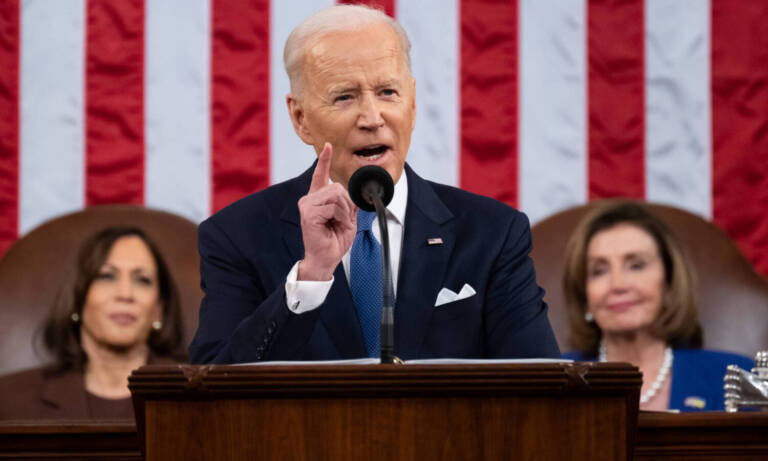
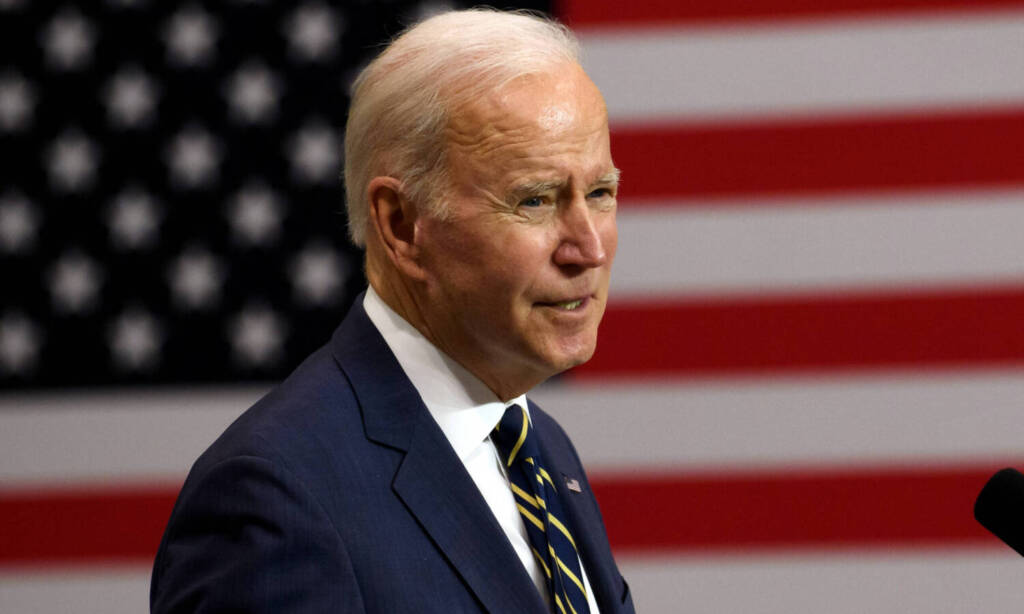
If you held out hope that because Joe Biden was a Democrat and “weed legalization is just around the corner with the House and Senate, blah, blah,” then last night’s State of the Union speech pretty much confirmed the opposite.
Joe Biden, the 40-year-leader of the War on Drugs, and someone who has personal family experience with drug abuse, is no fan of drugs or marijuana.
Legalization just got postponed to Mitt Romney or Donald Trump, part two. Oh wait, those guys both hate weed, too.
If you watched the SOTU, most of the world was glued to his Ukrainian discussion to open the speech, and rightly so. After that, these were the highlights of his mentions of drugs in general.
Super high-tech scanner now at the border to help detect illegal drugs
Helping other countries set up similar scanners and teams to detect drug trafficking
Opioid addiction is a big problem in America
We feel for anyone under the addiction umbrella and will work with and your families, so don’t give up the fight from drug addiction
President Biden did not reference marijuana directly, but if the above references are any indication of his views on “drugs” — and yes, marijuana was a big drug that Biden helped write the laws for the War on Drugs — he is no fan of weed to this day. He pretty much stopped just short of saying “drugs are bad” in a very South Park way.
Cannabis to get people off opioids shows great hope, but would Joe even consider that? Could anyone even convince him at this age that marijuana is actually a good plant that is helping people in many ways? I don’t even think he could comprehend that at this point of his life cycle and long anti-drug history.
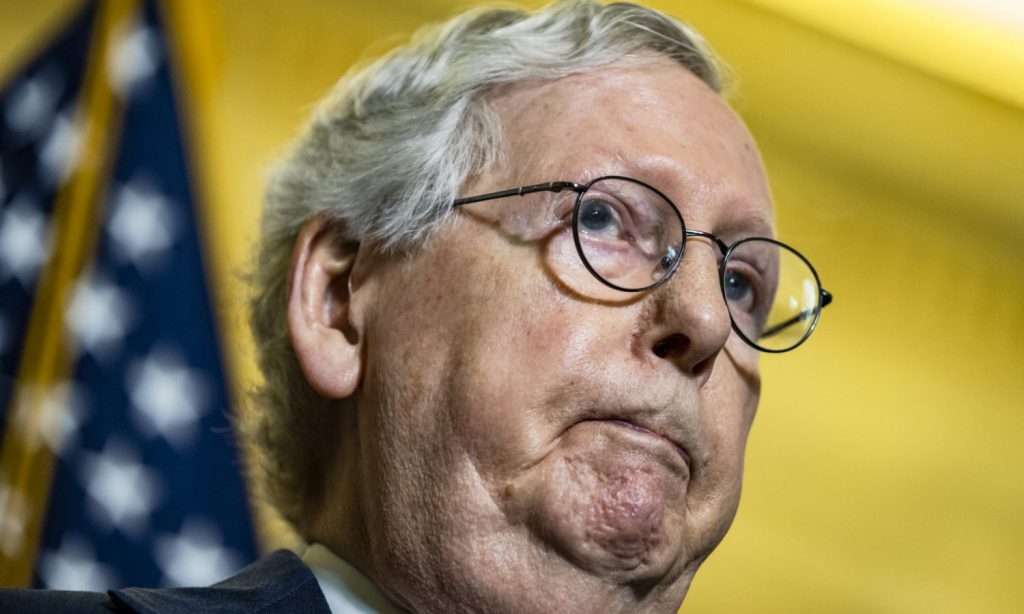
To top the night off for marijuana fans, the second half of the speech showed cameos of none other than marijuana enemy #1, Senator Mitch McConnell. If you are a regular reader of our blog, you know our stance on legalization is “marijuana will be legalized at the Federal level when Mitch McConnell says it will be, it is that simple”. Now, with an anti-drug president and a Senate leader both in favor of keeping marijuana an illegal drug at the federal level, what hope is there for the future of legalization?
Could the tax revenue and job numbers get so overwhelming — over 400,000 cannabis jobs in America and counting — that the politicians all the way up to the President would have no choice but to legalize it at the federal level? Long shot. They could just keep the status-quo, let states legalize step-by-step, and never change federal law.
The prospects under Biden are slim. The prospects under a second Trump term may actually be better as he may not have as big a beef with weed and look more at the economics of it and realize he is sitting on a federal tax goal mine. Romney, not a fan, as a famous quote of his is that “only stupid people use marijuana”.
Marijuana Policy Project issued this statement after the President’s State of the Union Speech:
“President Joe Biden’s failure to address cannabis policy reform is an affront to the American people. In spite of overwhelming public support, his refusal to support even modest reforms to our country’s archaic federal cannabis laws is deeply disappointing and is out of step with promises made while he was on the campaign trail.
“We’ve waited long enough for action. Prohibition has failed miserably in this country, and even one more cannabis-related arrest is too many — especially when a disproportionate number of those being arrested are people of color. As long as cannabis is still criminalized at the federal level, there will be limitations to what states can accomplish.
“MPP remains dedicated to keeping the pressure on the Biden administration to live up to their promise and take long overdue action to decriminalize cannabis at the federal level while simultaneously sustaining the momentum for reform in state legislatures.”
Voters in South Dakota approved legalization during the 2020 elections. However, the reform was canceled by the state Supreme Court following a challenge from Gov. Kristi Noem’s administration.
A bill to legalize marijuana has ended up on the South Dakota House floor just one day after a committee defeated it.
The SB 3, passed last week by Senate in an 18-17 vote, was brought back for consideration by a coalition of 24 South Dakota House members on Tuesday, Marijuana Momentreported.
Photo by powerofforever/Getty Images
The lawmakers utilized a legislative maneuver known as a “smoke out.”
House Speaker Spencer Gosch (R) called for members wishing to revive the bill to stand up. Once enough members stood, he said that “we just smoked out a weed bill.”
Even though activists are still pursuing the idea of the reform being enacted legislatively, they are open to going to the ballot once again this November, in a scenario where lawmakers fail to act.
“This is an encouraging outcome today,” Matthew Schweich, director of South Dakotans for Better Marijuana Laws (SDBML), told Marijuana Moment. “It’s clear that members of the South Dakota House of Representatives are listening to their constituents who are demanding that the will of the people be restored.”
The House floor action on the legalization bill approved by the Senate is expected to happen on Wednesday and would require a simple majority of 36 votes to pass the chamber.
What’s In The Bill?
Once enacted into law, the bill, sponsored by Sen. Michael Rohl (R), would allow adults 21 and older to purchase and possess up to one ounce of cannabis from licensed retailers.
The proposal would not permit home cultivation that was on a ballot measure for which activists have been collecting signatures.
Voters in South Dakota approved legalization during the 2020 elections. However, the reform was canceled by the state Supreme Court following a challenge from Gov. Kristi Noem’s (R) administration.
According to Circuit Judge Christina Klinger’s ruling from last February, which the Supreme Court backed, the initiative violated a requirement that constitutional amendments can deal with just one subject.
Under the new proposal, the state’s adult-use program would be regulated by the state Department of Revenue, which will also put rules related to issues such as transportation and registration into effect.
Local municipalities would be able to opt-out of allowing cannabis businesses within their jurisdiction.
In addition, those with a past felony conviction would not be allowed to hold a cannabis business license.
Photo by RODNAE Productions from Pexels
Gov. Noem’s Mixed Messages
On the heels of the Senate approving the measure, signals coming from Gov. Kristi Noem (R) suggested that she could veto the bill when/if the legislature delivers it to her desk.
Moreover, she expressed skepticism regarding the voters’ support for the reform.
Many thought the governor’s response as to whether she’d veto the measure was confusing: “It’s hard to talk in hypotheticals,” she said, adding that she’s not in favor of recreational marijuana.
“I still believe I haven’t seen anybody get smarter from smoking dope,” Noem said, yet adding that she has “supported medical marijuana for years.”
A new study shows that muscle-building exercises can offer protection from a variety of serious illnesses.
We often discuss the impact of cardio and how it can help you lead a longer and healthier life, not to mention lose weight. But a new study shows that just 30 minutes of weight training reduces risk of theses disease. The study, published in the British Journal of Sports Medicine, showed that muscle-building activities are linked with 10% to 20% less risk of dying from a chronic illness, providing protection from serious conditions like heart disease, cancer, diabetes, and more.
Researchers from Japan compiled data from different studies published between 2012 and 2020, comparing people’s exercise trends with corresponding death rates of these particular diseases. Results showed that those who did between 30 to 60 minutes a week of muscle training were less likely to die from any of these conditions. When subjects paired muscle training with cardio, their odds of avoiding these diseases and surviving them were even better.
The term weight-lifting implies long sweaty sessions involving big weights and protein shakes to build muscle, and while that’s a part of it, there are dozens of activities that can build and tone muscle without reaching any extremes. Exercises like squats, pushups, and the use of resistance bands can all help you tone your muscles while promoting a healthier life and lifestyle.
Like other recent studies, this data shows that smaller and frequent bursts of exercise can be healthier in the long run than scheduled gym sessions. A closer look at this particular data shows that committing to muscle training for more than an hour a week provides no extra benefits, meaning that a few minutes of muscle-building sets a day can provide you with all of the health benefits you need.
These studies and an evolving culture towards exercise prove that working out and leading an active lifestyle are goals worth pursuing, no matter people’s skill level or how many hours they spend at the gym.
Using cannabis as part of a healthy lifestyle and diet to bring your weight down is a great, natural way to keep inflammation at bay.
The anti-inflammatory properties of cannabis has been recognized for many years. Scientists understood that compounds within the cannabis plant that helped humans (and animals) heal from disorders caused by inflammation, which is also linked to obesity. This is important because chronic inflammation is responsible for half of all the deaths worldwide.
For these reasons, people are told by doctors that they should be losing weight for their health. It’s much more than simply being obese or for aesthetic reasons. Obesity is linked to type 2 diabetes, heart disease, cancers, and stroke. Meanwhile, systemic inflammation can cause other fatal diseases including cardiovascular disease, autoimmune conditions, diabetes, and neurodegenerative disorders.
Photo by huettenhoelscher/Getty Images
But how exactly obesity triggers inflammation in the body is relatively uncertain, though it seems like it has to do with an immune response. Scientists know that more weight means that the body has more inflammation, and reducing weight also means less inflammation.
Now, a new study reveals that our body mass index (BMI) actually plays a role in the anti-inflammatory effects of cannabis.
The researchers wanted to analyze the pathways that link systemic inflammation to cannabis use. They studied the experience of 712 minority youth, including their assigned sex at birth and gender. The subjects went through 6 biannual visits during which their substance use was analyzed, their BMI was measured and plasma samples were taken during their final visit.
“BMI may partially account for the apparent anti-inflammatory effects of cannabis use,” wrote the authors.
They found that all covariates tested with the exception of BMI, they found a greater cumulative Cannabis Use Disorder Identification Test score. It was linked to a reduce presence of C-reactive protein, as reduced interleukin-6. Both of these are known biomarkers of systemic inflammation.
“These associations were attenuated when BMI was added to the model,” the authors wrote. “This study suggests BMI may partially explain anti-inflammatory effects of cannabis.”
“Research on the mechanisms linking cannabis use, adiposity (defined as severely or morbidly overweight) and inflammation may uncover promising intervention targets,” suggested the authors.
Photo by Rostislav_Sedlacek/Getty Images
Other Studies
While cannabis use has been associated with the notorious “munchies”, the science says otherwise: it seems that cannabis users tend to have a lower body mass index, which means they are less likely to be obese or overweight, thus having less of a risk to inflammatory diseases.
One study conducted by researchers from Michigan State University (MSU) wanted to investigate if regular cannabis users are indeed prone to gaining more weight. The study, led by assistant professor of family medicine at MSU, Omayma Alshaarawy, Ph.D., involved studying data from the National Epidemiologic Survey on Alcohol and Related Conditions (NESARC). The NESARC included some 33,000 participants from the US aged 18 and up who were tasked to complete interviews regarding their BMI and cannabis use from 2001 through 2005.
At the end of the study period, they found that 77% of the participants never consumed cannabis, 18% quit, 3% had only just started, while 2% were considered “persistent users.”
The findings revealed that the cannabis users were less likely to be overweight or obese. “Over a 3-year period, all participants showed a weight increase, but interestingly, those who used marijuana had less of an increase, compared to those that never used,” reports the lead author. According to Alshaarawy, the findings were surprising since cannabis is a known appetite stimulant. “Our study builds on mounting evidence that this opposite effect occurs,” she explained.
Additionally, lower BMI was discovered among persistent and new users. “We found that users, even those who just started, were more likely to be at a normal, healthier weight and stay at that weight… Only 15% of persistent users were considered obese, compared to 20% of non users,” she adds.
Photo by TeroVesalainen via Pixabay
The findings also explain that even though the BMI differences among nonusers and users wasn’t significant, it still is enough that the researchers found a pattern in the whole sample size. “An average 2-pound difference doesn’t seem like much, but we found it in more than 30,000 people with all different kinds of behaviors and still got this result,” she said.
However, we should take note that the study was more observational and they don’t infer causality. “It could be something that’s more behavioral, like someone becoming more conscious of their food intake as they worry about the munchies after cannabis use and gaining weight,” she explained. “Or it could be the cannabis itself, which can modify how certain cells or receptors, respond in the body and can ultimately affect weight gain. More research needs to be done,” they concluded.
Using cannabis as part of a healthy lifestyle and diet to bring your weight down is a great, natural way to keep inflammation at bay. Stay away from inflammatory foods such as refined carbohydrates, fried food, sugar, and soda.
Remember that obesity is treated medically just like any other condition because it leads to other chronic conditions. Ensure that you are getting regular exercise and eat more whole, unprocessed food. Additionally, getting enough sleep is also an important way to reduce inflammation and keep your weight at healthy levels.
If you are overweight and would like to use cannabis as part of your holistic approach, best to speak to a cannabis-friendly physician to find out the products that are best for you.
Former President Bill Clinton, speaking at the Impact Forum in Orlando Florida, told the audience that he’s heard from people about how low-THC cannabis products can help in pain management. And while he’s not in the habit of paying much mind to what he called “hype calls,” he sure receives a lot of them: “more messages about CBD than any man alive.”
An article covering Clinton’s on-stage conversation with CNN medical expert Sanjay Gupta appeared last week in Cannabis & Tech Today wherein Clinton was quoted as saying there is some evidence that CBD can help combat pain.
Photo by Cristi Ursea via Unsplash
“Go figure. There is some evidence that you can get CBD with a low-THC count that will combat pain. Some of these products have been tested more or less to FDA standards and some [haven’t been tested] not at all,” the former president said, according to the article that has since been deleted after alleged pressure from Clinton’s public relations team, reported Marijuana Moment.
“It was all quoted accurately and live—it was pressure from the Clinton camp PR team that the comments were supposed to be closed to the press—so we respected the writer’s request,” a Cannabis & Tech Today editor told Marijuana Moment in a Twitter direct message.
The President Who Didn’t Inhale
Clinton, who said he tried marijuana “once or twice” but did not inhale, will no doubt be remembered for that silly remark as well as his Violent Crime Control and Law Enforcement Act of 1994, which is still among the most far-reaching crime bills Congress ever passed.
The 1994 Crime Bill is still seen by many as a major driver of mass incarceration and a stark and punitive continuation of the War on Drugs.
In terms of cannabis, the Clinton administration went so far as to threaten doctors who would recommend medical marijuana in California where it was legal that doing so could “lead to administrative action by the Drug Enforcement Administration to revoke the practitioner’s registration.”
Clinton told Rolling Stone in 2000 upon leaving office that he thought “most small amounts of marijuana have been decriminalized in some places, and should be.”
One wonders where his team of media handlers was when he made that remark.
New data shows that despite inflation, cannabis prices are dropping or leveling out.
The cost of gas, groceries, and a night out on the town might be rising, but recent data shows that cannabis prices are actually decreasing or leveling out.
The data, compiled by Headset and outlined by CNN, tracked cannabis sales in legal states like California, Colorado, Michigan, Oregon, and more. It showed that prices of marijuana flower, vapes, and edibles declined by 16.7%, 11.8%, and 12.4%, respectively, from January 2021 to January 2022.
While this drop might suggest the cannabis industry is exempt from inflation and the impact of the pandemic, experts say this isn’t the case. “Inflation is obvious when all else is equal,” said Andrew Livingston of national cannabis law firm Vicente Sederberg.
Since the cannabis industry is a nascent business, it’s not as established as others that have been around for decades, with the effects of inflation being easier to disguise when talking about prices. The cannabis industry is directly impacted by the local demands and state-level supply, determining prices and whether or not people will purchase products.
A variety of cannabis workers and business owners said the pandemic forced them to be smart with the products they order and notice the trends of their shoppers. They also didn’t have the luxury of raising prices just because cannabis products were now more difficult to make an order.
“Even as an equity business owner that made an effort to have my store in my community in South Central Los Angeles, where you’re looking at how inflation affects the disproportionately impacted communities and the disenfranchised, I can’t even say to my customers, ‘Inflation and the supply chain is causing me to have higher prices, so work with me,'” said Kika Keith, owner of Gorilla Rx Wellness Co., the first Black, woman-owned dispensary in L.A.
Another factor that could be influencing the leveling out of cannabis prices is the fact that the industry is finding its footing, and there are more dispensaries available, with supply and demand finally getting on a similar level.
South Africans are preparing for a new phase in their cannabis industry. The proposed reforms promise to help the sector and its operators thrive. This is quite unlike other African countries that have continued to remain blind to the medicinal and economic potential of cannabis reforms.
Photo by 4657743 via Pixabay
Progress, At Last!
With regards to federal cannabis reforms, South Africa is one of the very few countries that appear to be moving forward. The majority of countries in the world are in the naysaying band right now, with very little chance of budging. The South African government announced its plans to develop a regulatory framework for the growing local cannabis industry. The first time this plan was announced in 2019, the government failed to take it up. However, this recent development is supported by the President himself, and thus alone, is a turbo boost to the movement.
On February 10, South Africa President Cyril Ramaphosa announced that the cannabis industry is a significant part of the country’s economic plan. His administration plans to open up the domestic cannabis industry to draw in more investors and create thousands of jobs for South Africans. The president disclosed this after the joint sitting of the federation’s National Assembly and National Council of Provinces in Cape Town.
While delivering the State of the Nation Address (SONA) to crucial government members, he emphasized the importance of expanding the fledgling local industry. Cannabis plants are in high demand across the world right now, so it would be economically wise to tap into the global market by cultivating large amounts of cannabis plants for export and further processing.
As many as 130,000 jobs would be created by expanding the local cannabis industry in the country. The potential worth of the industry could be at least $1 billion. Just imagine the many foreign investors who pour into the country to get involved. Recall that the post-pandemic era was plagued with inflation, job scarcity, and overall low quality of life. The cannabis industry could offer an excellent solution to this.
The government plans to use Lesotho as a blueprint for its cannabis industry framework. The president of the industrialized nation plans to reduce the lengthy procedures currently in the cannabis and hemp sectors to allow them to grow at a fast rate. They aim to refine the regulatory and policy framework of the industry to make things better and easier to run.
A Renewed Focus On Cannabis Reforms
Ranaphosa explained that the country needs to harness the cannabis industry for economic growth and medicinal breakthroughs. He said the federal agencies would work together to speed up and modify the policy and regulations that permit the use of cannabis for medical purposes. The move will also make the drugs more accessible for residents in KwaZulu-Natal and the Eastern Cape.
This renewed focus or interest in cannabis reform is an unusual turn of events in this part of the world. It is also an exciting choice for an African country to consider the POST-COVID economic recovery measure. South Africa has a keen eye on international cannabis trade in the future.
Since 2020, cannabis advocates in South Africa have been clamoring for the Cannabis for Private Purposes bill in parliament. But, nothing worthwhile has been done since its introduction in late 2020. until this newest plan was announced, this draft bill proposed that adults possess and grow cannabis in their homes for personal consumption. It contains comprehensive information on the rules and guidelines for cannabis growers and recreational users.
Photo by Clodagh Da Paixao via Unsplash
This newfound focus will not be limited to the cannabis industry alone. The President further explained that his administration is working on other plans to boost the productivity of other promising sectors. He says he is committed to creating and maintaining a good business environment in all country regions.
Should This Be A Priority?
Cannabis reforms in South Africa have moved slowly over the years. This latest development has been long-awaited, but that’s not enough reason to consider it the best move at the moment.
In 2018, South Africa’s Constitutional Court ruled in favor of cannabis reforms for self-cultivation and private consumption. The court’s decision included a two-year timeframe within which the legislature was to have passed the law. Unfortunately, COVID came barrelling in 2020 and threw all cannabis reform legislation out the window. Ramaphosa’s announcement means that the legislative foot-dragging and avoidable delays will finally come to an end.
As of yesterday, the details of the proposed bill had been massively criticized as being confusing and overly strict. The bill includes a provision for records to be expunged for minor, non-violent offenses. Still, it does not give in-depth info on how the industry could be commercialized for global reach, nor does it explicitly describe how lawmakers would implement the law. An example of the confusing provisions states that smoking in public attracts a prison sentence of up to two years, while a four-year prison sentence will follow smoking among children.
In truth, the proposed legislation looks best for private growers and users, with little consideration given to large-scale cannabis production and sales. The proposed penalties will also be more of a menace to the weak, poor, and vulnerable areas in the country.
Bottom Line
As it stands, Ramaphosa’s team is not being completely altruistic with the proposed reforms, but instead, they see them as a means out of an ailing economy. To many, the reason does not matter as long as it gets the reforms approved.
The progress of cannabis reforms could mean added incentives for cannabis farmers and a new product for the country to market globally. It is unclear whether or not this administration will approve these cannabis reforms anytime soon, but be sure that the internal pressure to provide potential support for the distressed economy might help them stay on course.
In Ramaphosa’s words, South Africa is in a fight for the reputation and soul of the industrial nation. Whether or not they’d be defeated depends on their tenacity.
Shares of American cannabis giant Curaleaf Holdings Inc (OTC:CURLF) traded down Friday after several Twitter users brought up the Russian and Ukrainian descent of executive chairman Boris Jordan.
Jordan, a U.S.-born American citizen, was accused of having financial ties to Russian companies and oligarchs. One Twitter user also pointed out that Andrei Blokh, owner of a large portion of Curaleaf’s stock, was domiciled in Moscow.
Curaleaf is an American success story founded by Me ! Pls stop spreading misinformation , I was born in the US and live and work in the US ! Our shareholder Andrei Blokh is also a US citizen . $ curlf
To this, Jordan responded, “Curaleaf is an American success story founded by Me! Pls stop spreading misinformation. I was born in the US and live and work in the US! Our shareholder Andrei Blokh is also a US citizen. $curlf”
Jordan then added, “Being of both Ukrainian and Russian descent, I pray for diplomacy & a peaceful resolution that protects the lives of all citizens on both sides of this conflict.”
Many have asked my position on the unfolding situation. Being of both Ukrainian and Russian descent I pray for diplomacy & a peaceful resolution that protects the lives of all citizens on both sides of this conflict.
Arguing that the statements made on Twitter were speculative and xenophobic, Jordan weighed in on those rumors exclusively to Benzinga.
“Rumors and misinformation spread during turbulent times. We are committed to fostering trust and transparency throughout the cannabis industry,” wrote Jordan. “For the benefit of our investors and the transparency of the market, Curaleaf would like to provide some clarity by addressing speculation regarding how the Russia-Ukraine crisis may impact the company.”
He continued, “U.S. citizens, whether they hold other passports or not, are not subject to and cannot be subject to U.S. economic sanctions. Curaleaf, as an American company, is also not subject to and cannot be subject to U.S. economic sanctions.”
Photo by OpenRangeStock/Getty Images
A spokesperson provided further clarifications.
Our Executive Chairman and largest shareholder, Boris Jordan, is an American citizen, born and raised on Long Island, New York. He is not, and has never been, a citizen of any other country.
Mr. Jordan spent several years working in Europe and Russia and currently has several businesses in the U.S. (Curaleaf among them), Europe and Russia.
Our second largest shareholder is Andrei Blokh, a successful retired CPG entrepreneur who is not active in the company. Mr. Blokh is a US citizen, who also holds a Russian passport.
The substantial majority of our shares are owned by the retail investor community and institutional investors.
The speculation on social media that the company and its major shareholders and executives will somehow be subject to any US government economic sanctions now or in the future is incorrect.
You now can find the full statement on Curaleaf’sIR site.