Friday, May 8, 2026
Home Blog Page 283

Mississippi House Approves Amended Medical Marijuana Bill — Here’s What’s In It

When, or if, the Senate approves the changes and Gov. Reeves signs the bill, the program regulating and selling cannabis to registered patients will kick off later this year.

By Jelena Martinovic

The Mississippi House of Representatives passed an amended version of the Senate’s medical marijuana bill on Wednesday, lowering the amount of cannabis a patient can purchase each month.

What Happened

The measure was approved on a 104–14 vote. The changes addressed concerns raised by Gov. Tate Reeves (R), who repeatedly called for lawmakers to lower the amount, Marijuana Moment reported.

marijuana
Photo by Kampus Production from Pexels

RELATED: Mississippi Senate Approves Medical Marijuana Despite Gov.’s Opposition To Allowable Amounts

The legislation allows patients to purchase the equivalent of 3.5 grams of marijuana (or 1 gram of cannabis concentrate) daily, with a maximum monthly limit of 3 ounces. The maximum monthly amount of cannabis that can be purchased passed by the Senate was 3.5-ounces.

Rep. Lee Yancey (R), who chairs the House Drug Policy Committee, and who has been working with the bill’s lead sponsor, Sen. Kevin Blackwell (R), expects that the legislature will increase the amount in the future.

“When I got involved in this bill, I said, ‘How can we build a wall around this program, so the people who get it are the people who need it the most, and only the people who need it the most?'” Yancey said. “This is not for everybody out on the street. This is not for a bunch of kids. This is for hurting people with debilitating conditions.”

Additional Amendments

In addition to lowering the amount of marijuana a patient can purchase monthly, Yancey made another two changes to the bill, including removing the Department of Agriculture and Commerce from oversight of the industry and handing the role to the Department of Health, while also enabling cannabis cultivators and processors to locate in commercial-zoned areas in addition to areas zoned for agricultural and industrial use.

RELATED: More Red States Are Going Wild For Weed

The bill is now heading back to the Senate, where changes can either be accepted or further negotiated between the two chambers.

When, or if, the Senate approves the changes and Gov. Reeves signs the bill, the program regulating and selling cannabis to registered patients will kick off later this year.

Mississippi voters approved a broad legalization initiative in November 2020.

This article originally appeared on Benzinga and has been reposted with permission.
Thailand FDA Recommends Removal Of Cannabis From Controlled Substance List

Thailand is known for some of the harshest drug laws on the planet, but no longer when it comes to cannabis.

This article originally appeared on Cannabis.net and has been reposted with permission.
In Asia, a region notorious for its harsh drug laws, Thailand is making waves by becoming the first country in all of the region to legalize the use of cannabis medicinally as well as in food and cosmetics. They are going one step at a time while neighboring countries still impose deadly penalties for anyone caught using or selling the drug.

Just this week, the Food and Drug Administration (FDA) of Thailand stated they were going to propose to remove cannabis from the controlled substances list, reports Bloomberg. If the board agrees, the next step would require approval from the Health Minister Anutin Charnivirakul, before the law is active in Thailand. Should this go to plan, it would mean that Thai citizens could enjoy easier access to cannabis without worrying about going to jail or having to pay big fines.

thailand
Photo by Florian Wehde via Unsplash

“If we’re able to decriminalize marijuana, we will be able to benefit from all of the plant and not just parts of it,” explains Within Sariddeechaikool, the FDA deputy secretary-general. “The flower buds and seeds could be used economically and in compliance of the law.”  Thailand has been doing baby steps to decriminalize cannabis, still keeping some laws which limit growing and harvesting of the crop even if it could have significant economic benefits. If cannabis is still considered a narcotic, people can’t possess it though it opens up business access to the plant.

“While the law change will allow all parts of cannabis to be bought, sold and used, recreational use will likely remain controlled as marijuana extracts with higher tetrahydrocannabinol levels that get people high will still be regulated,” said Chaiwat Sowcharoensuk, an analyst at the Krungsri Research firm. “Producers of soaps, beauty products, and cosmetics from marijuana will likely be the ones to benefit the most from the decriminalization.”

Long Time Coming

Thais have been using cannabis since antiquity for treating several diseases, and it has also been used in traditional medicines. Meanwhile, the fibers of the plant were used to make rope and clothing.

However, in the last few decades, the plant more commonly known as ganja, was controversial in Thailand as well as in other countries around Southeast Asia. During the 1960’s, a time of cultural and moral reform in the United States where psychedelic drugs were widely used after the wars in Southeast Asia. Thailand was home to the U.S. bases for soldiers fighting in Vietnam, and it was also the official destination for soldiers on holiday. Because of the ties between the U.S. and Thailand, they had a “gentleman’s agreement” where the American bases in Thailand were part of the Royal Thai Air Force, and operated by local officers. They had full access to the bases though the US still retained command of their officers serving in the Kingdom.

The time spent by American soldiers in Thailand helped shape it culturally. Not only did they contribute to hospitality and nightlife culture, but this was also a time when they experimented with recreational cannabis use. There are some reports that the US troops started using cannabis upon arrival in the 60’s though there are no official records of this.

RELATED: Asian Americans Embracing Marijuana Legalization Despite Cultural Hurdles

By 1979, the Narcotics Act was officially enacted by the Thai government, which forbade cannabis use, and indicated that the cannabis plant as well as all its derivatives were category 5 narcotics or, in other words, prohibited substances. That did not stop Thais from consuming it illegally and from foreign tourists from finding their own sources (it was a popular hippie destination in the region for many decades), though many locals lobbied to the government to legalize its use especially for commercial and personal use.

buying marijuana
Photo by athima tongloom/Getty Images

Come February 2003 and a drug war was launched by then Prime Minister, Thaksin Shinawatra. Of course, it was aimed at eliminating drug trafficking which was widely going on at the time. But it did not have positive results, with around 2,800 arbitrary extrajudicial killings that occurred within its first 3 months. Sadly, in 2007, it was discovered during an official investigation that over half of those people who were killed weren’t even connected to drugs.

By 2018, the government finally started taking action to remove cannabis from the list of prohibited drugs. A regulation was passed which allowed hemp to be legally cultivated for non-commercial and industrial purposes, such as in the use for research, development, and household cooking. In 2019, bigger steps through the amendment of the Narcotics Act came; it legalized the use of medical marijuana but with restrictions. The government has since continued to work with the Ministry of Public Health (MOPH) as well as the FDA so that cannabis products could be reclassified  and new regulatory laws would help make cannabis a viable cash crop for the economy.

RELATED: Malta Is About To Become The First Country In Europe To Legalize Weed

In August 2019, food, drugs, cosmetics, and beverages that contained hemp were removed from the Narcotics Act. It was also during this time that cannabis was already being taken seriously by government officials and political parties. In December 2020, a notification from the MOPH, which was released in the Government Gazette, indicated that the delisting of cannabis from the Narcotics Act would remove almost all the parts of the cannabis as well as hemp plant.

Keep in mind that foreign participants are still not allowed to participate in any cannabis business until the 5-year ban on foreign participation from Feb 2019 has culminated. Until then, only members of the Thai government and their official partners can benefit from these laws. That can’t stop you from enjoying some CBD drinks at a Thai café, though.

This article originally appeared on Cannabis.net and has been reposted with permission.
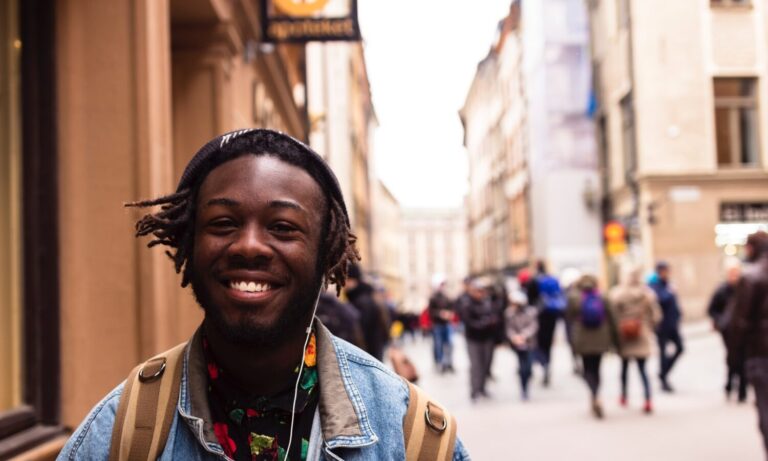
Is Smoking Weed Every Day Harmful? Here’s What A New Study Reveals

With the recent trend of global cannabis legalization, the study’s authors emphasized the importance of comprehending the cognitive risks associated with marijuana use.

By Nina Zdinjak

What are, if any, the negative effects of regular marijuana consumption? According to a comprehensive review published Wednesday in the journal Addiction, cannabis use can lead to small or to moderate acute cognitive impairments that can persist after the period of intoxication, reported MedicalXpress.

The study was conducted by the research center of the Institute Universitiaire En Santé Mentale De Montréal in Canada. It was a meta-review, meaning a review of reviews — merging the results of 10 meta-analyses with a total of 43,000 participants.

Smoking Marijuana
Photo by RODNAE Productions from Pexels

While meta-analysis is a powerful tool, a National Center for Biotechnology Information (NCBI) study cautioned that meta-analyses can be controversial tools that may lead to misleading conclusions in that “decisions made when designing and performing a meta-analysis require personal judgment and expertise, thus creating personal biases or expectations that may influence the result.”

The study concludes that marijuana intoxication produces cognitive deficits in the following areas:

  • Decision making;
  • Memory and concentration;
  • Suppression of inappropriate responses;
  • Learning through reading and listening;
  • The time required to finish a mental task.

According to the review, these adverse effects of cannabis consumption begin while it is being consumed and persist afterward.

RELATED: 6 Ways To Tell If You’re A Dedicated Marijuana User

“Our study enabled us to highlight several areas of cognition impaired by cannabis use, including problems concentrating and difficulties remembering and learning, which may have considerable impact on users’ daily lives,” said the study’s co-author Dr. Alexandre Dumais, associate clinical professor of psychiatry at Université de Montréal. “Cannabis use in youth may consequently lead to reduced educational attainment, and, in adults, to poor work performance and dangerous driving. These consequences may be worse in regular and heavy users.”

Importance Of The Study 

The study further highlighted how cannabis is the third most consumed psychoactive substance in the world, after alcohol and nicotine, with adolescents and young adults being the most common consumers.

RELATED: How Safe Is It To Smoke Marijuana Every Day?

Because of the recent global cannabis legalization trend, which shifts the perceptions of the safety of the plant, the study’s authors emphasized the importance of comprehending the cognitive risks associated with marijuana use, especially for adolescents whose brains are undergoing significant developmental changes.

This article originally appeared on Benzinga and has been reposted with permission.
Vegan CBD: What You Need To Know About This New Niche

0

Reputable vegan CBD product manufacturers tend to use better quality ingredients overall compared to the artificial ingredients found in most cheap CBD items.

This article originally appeared on Cannabis.net and has been reposted with permission.

The rise of veganism is widely spreading all around the world. Surveys suggest in 2020 alone, there was an increase of 40%, though it’s hard to pinpoint the exact number.

It’s not just a fad; veganism is more than a plant-based diet as more and more people see the value in completely eliminating all forms of animal products from their lifestyle. Whether it’s for environmental reasons, health, or for the animals, there’s no doubt that there are certain benefits to going vegan.

CBD oil cannabis tincture
Photo by 24K-Production/Getty Images

What Is CBD?

Cannabidiol (CBD), is one of the two primary compounds in the cannabis plant. The other being tetrahydrocannabinol (THC), which is famous for its psychoactive effects and therapeutic benefits. On the other hand, CBD doesn’t get you high but it has it’s own health benefits especially when it comes to anxiety, stress reduction, seizures, sleep management, pains, and aches. CBD can be taken in a wide variety of forms: it can be vaped, consumed as an edible or in gummies, or in capsule form and so much more. But some vegans probably wonder if CBD is vegan.

Vegan CBD Products

CBD in itself is vegan, because it’s derived from the hemp plant, which is rich in amino acids. Vegans can enjoy a range of health benefits from consuming vegan CBD products because they can help increase energy, improve brain function, contribute to overall emotional and mental wellbeing, aid in metabolism, and much more. In addition, it’s also rich in antioxidant contents.

However, not all CBD products on the market are vegan. The whole point of going plant-based means that one eschews all forms of animal byproducts including cosmetics, supplements, and actual food. And when it comes to manufacturing CBD products, the same rules apply. For example, there are many CBD edibles out there are that are not made with vegan ingredients, such as milk or honey as well as flavorings, so it pays to look out specifically for vegan CBD products that are better for you and the environment, which are also more aligned with your own lifestyle choices.

It’s also good to note that reputable vegan CBD product manufacturers (some of which we will cover below) tend to use better quality ingredients overall compared to the artificial ingredients found in most cheap CBD items.

Non-Vegan CBD Ingredients to Look Out For

Gelatin is the primary non-vegan ingredient used in many forms of CBD. This commonly used ingredient is intended to add texture and body to food and cosmetics, and it comes from collagen, which is then taken from animal body parts. Gelatin is used in many CBD products, such as the coating for capsules, CBD gummies, and topicals.

RELATED: Does It Matter If Your CBD Comes From Industrial Hemp Or Medicinal Cannabis?

CBD Capsules Dosage: How Much Should You Take
Photo by
Charles Wollertz/Getty Images

Beeswax is another common ingredient used in many CBD products, which isn’t vegan. This natural wax is produced by honeybees, and is often used in numerous topicals and cosmetics. The purpose of beeswax is for homogenizing liquid and oil so that the end-product has a creamy consistency. It’s also touted for sealing moisture into the skin because it effectively creates a barrier that locks out irritants and pollutants, which is why many topicals use it.

RELATED: The #1 Difference Between Cannabis Oil And CBD Oil

On top of that, CBD is not a regulated ingredient in the cosmetics industry. As a result, some of them may have been tested on animals despite the fact that it uses vegan-friendly ingredients. You can avoid buying and using CBD cosmetics that are tested on animals by looking for cruelty-free symbols, or doing your own research on the manufacturer before purchase to ensure the quality of a product and brand.

Integrating CBD Into a Vegan Lifestyle

Since there are so many ways you can consume CBD, there are adequate options for vegans to integrate it into their lifestyle. Consuming CBD orally such as through vegan capsules and edibles is a great way to ensure that vitamins and extra nutrients are added into your diet.

RELATED: FDA Rejects CBD As A Dietary Supplement — Are They Right Or Wrong?

CBD tinctures are a popular way of consuming them. These are small bottles equipped with droppers, or a spray applicator in some cases. There are many flavors and varying potencies that you can experiment with. CBD capsules are another convenient way to ensure you get a specific and accurate dose each time, but be sure to look out for gelatin and avoid that. Instead, opt for vegan capsules that are made with inulin.

You can also add CBD oil to your vegan food and drinks, pretty much just about anything you want to drink and eat. CBD can be added into complex dishes even brownies and other baked goods. Just keep in mind that CBD is very sensitive to high temperatures, so avoid using it in recipes that require it such as fried food.

Popular and Quality Vegan CBD Brands to Try

For the uninitiated, here are some renowned vegan CBD brands that you can start trying today:

  • Onda Wellness: They carry almost everything from capsules to body balms and much more. They are known for using a holistic approach, and all their products are 100% vegan.
  • Bloom Farms: This brand has taken the CBD world by storm, even garnering mentions in Allure, Rolling Stone, and Vogue magazines. They have a wide assortment of whole-plant products to choose from.
  • Lazarus Naturals: With a wide variety of vegan CBD products to choose from, Lazarus Naturals is a terrific place to start shopping. Some of their renowned products include isolate and full-spectrum CBD.

This article originally appeared on Cannabis.net and has been reposted with permission.
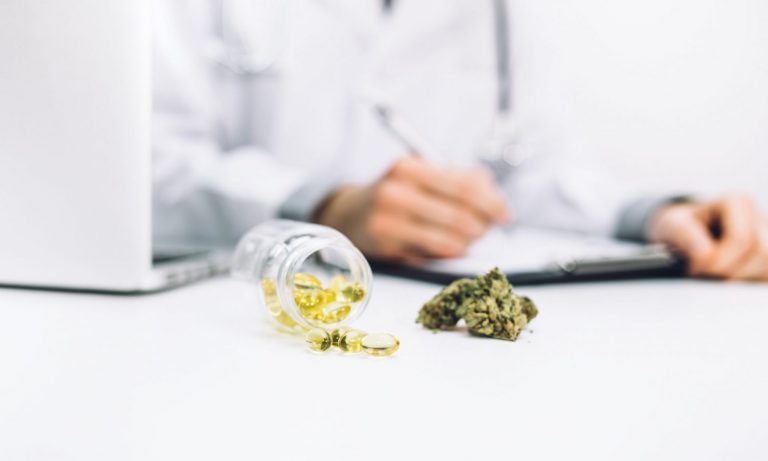
Lessons The Cannabis Industry Can Learn From Big Tobacco

0

In order for the cannabis industry to consistently achieve and maintain a high sales volume, it needs to be more nimble and prepared for changes than the tobacco industry was.

Given the rapid rate the recreational marijuana space has grown, it’s only natural to wonder what, if anything, could slow that growth down. In order to find out what some potential roadblocks could be for recreational marijuana, look no further another big “vice”. Here are some lessons the cannabis industry can learn from big tobacco.

Even though it isn’t legalized nationally yet, it’s easy to note numerous similarities between recreational cannabis companies and businesses in the tobacco industry. As the legal cannabis industry continues to grow, it’s imperative that they don’t repeat the same mistakes as the tobacco did in the early 20th century.

Here are some insights on what the biggest lessons the cannabis industry can learn from Big Tobacco.

Is It Bad For Big Alcohol And Big Tobacco To Help Shape Marijuana Legalization?
Photo by Mathew MacQuarrie via Unsplash

Provide Transparency About Product Risks 

One of the most costly mistakes the tobacco industry made in the early days was not being completely honest about the risks associated with tobacco use. In fact, back in the 1930s, it wasn’t uncommon to find advertisements with doctors endorsements of cigarette use. Unfortunately dishonest messaging continued to emerge from big tobacco throughout the decades, as tobacco executives claimed as recently as 1994 that cigarettes aren’t addictive. In order for the cannabis industry to maintain trust with its consumers and remain in the good graces of regulators, being honest and upfront about the risks associated with the use of specific cannabis products is paramount.

Be Mindful Of Marketing Best Practices

Keeping cannabis products out of the hands of children is a key responsibility recreational cannabis companies share. Tobacco companies also have this responsibility, which is why recreational cannabis companies can learn from the marketing tactics used within big tobacco. 

John Hudak, Deputy Director of the Center for Effective Public Management for The Brookings Institution, believes that part of the onus of ensuring responsible marketing practices are used falls at the feet of regulators.

“Left unchecked, a product like cannabis can induce business owners to behave in predatory ways. Those predatory behaviors disproportionately impacted younger people and people of color and continue to do so today,” he says.

CBD cigarettes
Photo by Lumppini/Getty Images

RELATED: 3 Reasons Why Big Tobacco Could Take Over Legal Cannabis Sooner Than You Think

Since many business owners instinctively gear their marketing efforts to suit their bottom line, entrepreneurs within the recreational cannabis industry will need to be much more mindful of how they go about advertising methods.

Prepare For Shifting Sales Regulations

Another area where the recreational cannabis industry can learn from Big Tobacco is in distribution and sales. Take the advent of cigarette vending machines for example. Ever since they became banned in most locations in 2010, sales figures for cigarettes had been down. In fact, cigarette sales had actually experienced 20 straight years of declining sales prior to 2020. In order for recreational cannabis companies to avoid this type of lull in sales, the industry needs to be more adaptable when it comes to sales regulations.

RELATED: Tobacco Vs. Cannabis: What To Expect In The Near Future

Despite cannabis vending machines increasing in popularity, who’s to say if they won’t eventually fall victim to stricter regulations? In order for the cannabis industry to achieve and maintain a high sales volume on a regular basis, it needs to be more nimble and prepared for changes than the tobacco industry originally was.

Poll Says These People Have The Most Sex

0

A new study discovered a very specific subset of people who have more sex than others. The results are very interesting.

Sex is a topic we love to discuss. It’s something that has evolved over the years, with new generations being more open to discussing it, making it less taboo. Still, this doesn’t mean that young people are having more sex, nor does it mean that people of different ages are having more sex than in previous years.

A poll reveals the group that’s currently having the most sex is kind of specific: divorced or separated people living apart from their current sexual partners.

RELATED: Eating This Food Can Extend Your Life, New Study Reveals

These results were acquired by researchers in Germany who gathered data from over 3,000 people. Respondents between the ages of 32 and 46 provided answers to a detailed set of questions about their sex lives and relationships.

There were seven groups measured, including the one we mentioned above, with results showing that a person needed to have a partner in order to rank high on the list. The catch? Once that person lives with their partner, the amount of sex they have is drastically reduced.

The groups and the order in which they have sex from most to least is as follows:

  • divorced/separated people who live apart from their new partners
  • never-married people who live apart from their partners
  • divorced/separated people who live with their partner
  • never-married people who live with their partner
  • married people
  • divorced single people
  • never-married single people
How CBD Can Improve Your Sex Life
Photo by Becca Tapert via Unsplash

RELATED: Men Living Alone Are At Greater Risk Of Suffering From This

Other interesting results the study found were that frequency of sex impacted people’s happiness with their sex lives regardless of their gender, and that married people tend to have less sex than most divorced people, only having more sex than single people.

New York Will Generate Over $1B In Marijuana Taxes, Government Officials Predict

Revenue from cannabis state excise tax of 9% will go to education, community reinvestment and drug treatment.

By Natan Ponieman

According to official projections, the state of New York could generate over a billion dollars in marijuana taxes before the end of the decade.

An estimate included in the governor’s executive budget calculated that between now and 2028, the state could gather more than $1.25 billion from licensing fees and other taxes.

new york
Photo by Ferdinand Stöhr via Unsplash

RELATED: Are High State Marijuana Taxes Really The Cause Of The Tenacious Black Market?

The Empire State legalized adult-use marijuana in March of 2021, but cannabis shops are not expected to open until late 2022 or early 2023, as New Yorkers wait for the state to issue licenses to producers, distributors and retailers. Marijuana-related tax collection is expected to increase on a yearly basis.

According to coverage by Marijuana Moment, “for fiscal year 2023, the state is projected to collect $56 million in revenue, most of which will come in the form of licensing fees. From there, the yearly revenue estimates quickly increase as sales are expected to come online and expand: $95 million in 2024, $158 million in 2025, $245 million in 2026, $339 million in 2027 and $363 million in 2028.”

RELATED: These States Have The Highest Cannabis Sales Taxes In America

Revenue from cannabis state excise tax of 9% will go to education, community reinvestment and drug treatment. Another 4% tax will support counties, cities, towns and villages that allow marijuana operations in their jurisdiction. Edibles are taxed at $0.03 per mg of THC, concentrates are taxed at $0.008 per mg of THC and cannabis flowers are taxed at $.005 per mg THC.

This article originally appeared on Benzinga and has been reposted with permission.
Does Cannabis Cause Psychosis?

0

Cannabis and psychosis have long been linked, even if the connection is not understood. A new study sheds some light on the issue.

One of  most concerning issues with marijuana is with mental health. Especially does cannabis cause psychosis? While not wholly understood, this link is significant, with several studies indicating that people who smoke large amounts of weed on a daily basis are five times more likely to develop psychosis than others, depending on the age in which marijuana is first consumed and the individual’s genetic vulnerabilities. Now, new study provides some much-needed information and context on the topic.

Published in the American Journal of Psychiatry, the study looked into the connection between schizophrenia and cannabis and tried to provide answers to a question that has long been unanswered; does cannabis use cause schizophrenia, or do people who suffer from schizophrenia are more likely to seek out the drug?

RELATED: Study Links Daily Marijuana Use To Risk Of Psychosis

scientists could test if marijuana makes you susceptible to psychosis
Photo by rawpixel.com

RELATED: CBD Reduces The Symptoms Of Schizophrenia According To New Medical Studies

The study looked into young subjects, all within the ages of 13-16, who filled out annual self-reports of past-year cannabis use and psychotic symptoms. The findings spotted clear links between frequent cannabis use and more psychotic symptoms. Subjects who reported cannabis use in the previous year were more likely to experience psychotic symptoms a year afterward, indicating some form of causation.

Still, this evidence isn’t foolproof. Many more studies need to be conducted to have a better understanding of the issue, and to know how to address it properly, especially in the case of children and teens, who are at higher risk for harm when exposing their young brains to cannabis.

teens
Photo by RODNAE Productions from Pexels

While studies like this can be scary for cannabis proponents, they are necessary for having a thorough understanding of the plant. As cannabis gets legalized across states, responsible parties should inform consumers, especially teens, about the harms of cannabis and the serious conditions that can arise from abusing it.

RELATED: Here’s What You Should Know About Teens And Marijuana Abuse

The majority of people can use cannabis safely. Still, we shouldn’t turn a blind eye to those who are exposed to greater risks.

What Is Hexahydrocannabinol (HHC) And Is It Legal?

0

Due to rising confusion about its legality, HHC is being sold across the U.S. Here’s what you should know about this synthetic cannabinoid.

This article originally appeared on Cannabis.net and has been reposted with permission.
The newest cannabinoid and, I must say, “another worthy addition” swaying the market right, left, front, and back is hexahydrocannabinol (HHC). Rising to prominence after regulations banned the sales and use of delta-8, this compound has been referred to as an intriguing analog of THC. Whether or not to agree with this description cannot be decided now, as there are several misconceptions about HHC cannabinoids.

The cannabis community certainly has to be working overtime at this point, discovering cannabinoids after cannabinoids. Fortunately for the community and related groups, perceptions about cannabis are changing around the world and are being backed by appropriate legislation. This has accelerated studies aimed at learning more about cannabis and its cannabinoids. Almost every week, science blogs and conventional media outlets have something new to say about cannabis.

cannabis research
Photo by Nastasic/Getty Images

Taking your focus back to hexahydrocannabinol, this article tries to clear up some misinformation making waves about the newly discovered HHC. Even when attempting to draft this piece, I encountered dozens of contradicting information about the compound’s origin, effects, safety, and legality.

What Is HexahydroCannabinol (HHC)?

Many headlines across the world define the compound as a naturally produced cannabinoid found in trace quantities in pollen. In contrast, HHC is a synthetic cannabinoid compound prepared in a laboratory with selected cannabis extracts. These compounds are in league with the less common cannabinoids pushed aside until recently by the big guns — THC and CBD.

Due to rising confusion about its legality, the synthetic cannabinoid is being sold in all parts of the U.S. In recent months, HHC has undergone its fair share of human trials and processing. The unavailability of HHC in cannabis plants has, in a way, reduced its availability to folks around the country.

History of Hexahydrocannabinol (HHC)

Hexahydrocannabinol was first developed in 1944 by a scientist named Roger Adams. He created the compound through the hydrogenation process by mixing hydrogen molecules with delta-9-THC. This compound has stayed in the shadows since then until it started receiving attention recently. Cannabis retailers are selling the product for consumers to use as a substitute for THC.

Is Hexahydrocannabinol Potent?

For a compound to be likened to THC, it is expected to be almost as potent as THC. The exact potency of this compound is difficult to determine. The research found had apparent discrepancies and was not worth being placed behind a safe.

marijuana research
Photo by CasarsaGuru/Getty Images

Studies on the compound show that it is at least 69% as potent as delta-9-THC. This narrative places it alongside delta-8 and delta-9 in the hierarchy of powerful THC variants. Other studies claim HHC is not as potent as delta-8. Other sources say that HHC must be consumed in high dosage to produce a semblance of high similar to regular THC compounds.

RELATED: What Is THC-O And Is It Legal?

With different sources putting up different information, it is best to wait for proper research to be done. HHC molecules affect cannabinoid receptors but have a unique way of doing this. Perhaps, the absence of standardized HHC is why there are disparities in each product (different HHC products are prepared with different 9R to 9S ratios). Products developed with high quantities of 9R can be perceived as more potent because the 9R HHC binds incredibly well to cannabinoid receptors.

Preparation of Hexahydrocannabinol (HHC)

Like every other property of HHC, there are several misconceptions about the techniques used to produce this cannabinoid. The silence of manufacturers about their production techniques has done little to help matters. What’s clear is that all HHC producers employ the hydrogenation technique.

The hydrogenation process involves adding cannabis extract and other valuable compounds to hydrogen gas in a pressurized container. The double carbons in the cannabinoids are then converted into hydrogenated cannabis oil, also called HCO. HCO is a dark-golden oil with double carbon bonds broken naturally by hydrogen. Some manufacturers claim that the hydrogenation process can be speeded up by using catalysts like nickel, palladium, iridium, and platinum.

RELATED: What Is CBG And How Does It Combat Antibiotic Resistance?

At the end of the process, the substance formed is rich in tetrahydrocannabinol acid (HHCA) or HHC, depending on the type of cannabis extract used at the start of the process, whether decarboxylated or not. The substance can be further refined or packaged that way.

Understanding The Importance Of Marijuana Studies And Outcomes
Photo by boonchai wedmakawand/Getty Images

Are HHC and THC Similar?

HHC and THC have similar chemical structures. The main differences are the presence of an extra carbon bond, hydrogenated carbon, and an ester molecule in HHC. A Massachusetts retailer, Boston Hemp Inc., claims that these slight differences in the structure of an HHC compound make it more stable than THC. The HHC seller claims that the added properties preserve HHC products from being degraded by light and heat. They also contribute to the extension of the product’s shelf life.

 Effects of Hexahydrocannabinol (HHC)

Sources state that HHC induces the same sales effects as THC due to its ability to bind to cannabinoid receptors, CB1 and CB2. Proper research is yet to be carried out to ascertain if these speculations are right or wrong. Prior to the period in which intensive research will be conducted, it is best not to believe the potential effects you might see on the web.

Legality of Hexahydrocannabinol (HHC)

HHC is considered as a legal substitute for THC. The manufacturers back up this claim by arguing that the product was derived from delta-8-THC (the predominant cannabinoid in hemp flowers). They also say that HHC is legal because it naturally produces hemp seeds and cannabis pollen, that HHC production is simply a natural, help-driven extraction. The truth is that the federal laws are yet to determine if the HHC cannabinoid is analogous to THC. If it is, it will likely be introduced as a Schedule I substance immediately.

Bottom Line

To fully establish the presence of hexahydrocannabinol in the cannabis industry, comprehensive tests have to be done to categorically state the compound’s potency, physical characteristics, effects and after-effects, and medical benefits. If this is not controlled, demand might drop off once the novelty of the cannabinoid fades away.

Consumers cannot rely on anecdotal sources. They need reports from clinical trials and studies to ensure they are not being harmed.

This article originally appeared on Cannabis.net and has been reposted with permission.
3 Recent Cannabis Trends That Are Here To Stay

Even though there have been trends that have taken hold within the world of cannabis in the past, it’s hard to imagine them having a bigger impact than ones that have taken hold in the early 2020s.

To say that the world of cannabis is much different than it was just a decade ago would be a drastic understatement. In years past there haven’t been as many developments around cannabis due to tight restrictions. Now, as those restrictions fade away in many locations, developments in the world of cannabis are coming constantly.

The developments that have transpired within the recreational cannabis space during the 2020s have taken off in very little time, and it’s hard to tell which are here to stay. These trends from the current decade will have a lasting impact on the realm of cannabis.

Association With Health & Wellness Sector 

Cannabis brands aligning themselves with the health and wellness verticals is smart business for numerous reasons. The health and wellness vertical is worth a total of $4.2 trillion globally. Additionally, by aligning with brands focused on self-improvement it’s easier for unfamiliar shoppers to get an understanding of cannabis products outside of the guise of just “getting stoned”.

cannabis products
Photo by Ivan-balvan/Getty Images

Given how robust the health and wellness sector is, and the sales potential it has, it’s no wonder so many cannabis brands are approaching sales with pitches based on self-improvement. By boasting the positive effects CBD oils, tinctures and topicals can have, it’s easier to make inroads with shoppers who are curious about trying cannabis but have reservations. Because of this, cannabis consumers can expect to see cannabis brands align themselves with the health and wellness industry for years to come.

Synthetic Cannabinoids Gaining Traction

People that have been into a vape store or headshop lately have likely come across products that look like regular marijuana products under the category of THC-O, or Delta-8 THC. Synthetic cannabinoids like these are becoming increasingly common in states where hemp-derived CBD products are legal.

RELATED: Identifying The 3 Biggest Challenges Facing The Cannabis Industry Heading Into 2022

The passage of the 2018 Farm Bill legalized the production of hemp-derived products not limited to CBD, but synthetic types of THC, too. This has led to the development of new businesses based on sales of these synthetic cannabinoids both in-person and over the web. While shipping CBD and hemp-based synthetic cannabinoids isn’t legal in every state, it is widespread enough for cannabis consumers to have enough variety to choose from, as far as product and manufacturers go.

Cannabis Businesses Adopting The Latest Technology

Given the many challenges that the cannabis industry has faced in the early goings, many businesses have been forced to adapt. No asset has been more helpful in helping businesses in the marijuana industry overcome their challenges than rapidly-developing modern technology. From advanced DNA-based product personalization, to app-based retail businesses are able legally to cater to the needs of their customers in ways that were previously unimaginable.

cannabis technology
Photo by JohnDWilliams/Getty Images

Given the ways technology has helped businesses within the cannabis industry thus far, it’s hard to imagine that the industry will navigate away from it anytime in the near future.

RELATED: Here’s How Technology Is Reshaping Cannabis

Even though there have been trends that have taken hold within the world of cannabis in the past, it’s hard to imagine them having a bigger impact than ones that have taken hold in the early 2020s. As the decade develops, it will be interesting to see what other trends within the cannabis world will take hold.

Don't Miss Your Weekly Dose of The Fresh Toast.

Stay informed with exclusive news briefs delivered directly to your inbox every Friday.

We respect your privacy. Unsubscribe anytime.