Following the promising study on cannabinoids and COVID-19 published by Oregon State University, Gb Sciences, Inc., a plant-based biopharmaceutical research and development company, has advised that the truth behind how cannabinoids and terpenes work in therapeutic mixtures is more complicated than has been reported in the popular press.
Gb Sciences’ study with Michigan State University (MSU) has yielded preclinical data demonstrating that specific compounds and ratios of those cannabis compounds are likely to be required for cannabinoids to be used to treat COVID-19 symptoms.
Photo by Yarygin/Getty Images
Gb Science recently reported additional study data that supports the potential of cannabinoids as a treatment option for hyperinflammation resulting from COVID-19. Gb Sciences and an MSU researcher evaluated the potential for cannabis-derived compounds to suppress immunological responses that contribute to COVID-19 symptoms. Their study and conversations have received media coverage across the country based on an interview with the MSU researcher that broke from WLNS-TV in Lansing, Michigan, and interviews with Gb Sciences in the magazines Cannabis Business Times and Hemp Grower.
In the WLNS-TV interview, Norbert Kaminski, Ph.D., a researcher and professor of pharmacology and toxicology at MSU, reported that his partnership with Gb Sciences has explored the potential for certain compounds, cannabinoids and terpenes from the cannabis plant to decrease the human inflammatory responses to COVID-19, but that this specific drug will still need time to be studied to validate both the types of compounds and their specific ratios in mixtures that will successfully battle hyperinflammation triggered by COVID-19.
“By adding these various mixtures, and different combinations, we’re able to assess whether those compounds are effective in potentially helping people resolve breathing problems that are associated with the virus,” Kaminski said.
A new study found that people who consumed this drink had a slight protection against COVID-19 infection.
Sadly, drinking alcohol is rarely associated with health benefits. One study, however, found that consuming red wine could provide certain protections against COVID-19.
The study, published on the journal Frontiers in Nutrition, examined data from the British database UK Biobank. The research showed that people who consumed five or more glasses of red wine per week were 17% less likely to become infected with COVID-19. Researchers theorize that this is due to the drink’s polyphenol content.
While red wine provided the most benefits out of all the drinks that were surveyed, alcoholic drinks like white wine and champagne also provided protection against the virus, with people who consumed it as their beverage of choice being 8% less likely to develop COVID-19.
This is as far as good news gets. People who consumed beers and cider showed the opposite effect than those who consumed wine and champagne: these imbibers were 28% more likely to get infected by COVID-19.
Red wine has long been associated with benefits like lowering bad cholesterol, promoting heart health, and being rich in antioxidants. Up to one drink a day is considered drinking in moderation, and is something that could boost people’s systems and be a part of an enjoyable daily routine.
Despite wine and champagne’s protective qualities, these drinks are still not enough to protect you fully from COVID-19, especially if you’re consuming too many of them. At the end of the day, alcohol is alcohol, and large amounts of it could depress your immune system and result in a variety of illnesses and conditions that can be harmful in the long run.
In order to stay safe, experts recommend staying up to date with your vaccines and keeping an eye on the COVID-19 transmission rates in your area, which should inform you on what’s safe and what isn’t safe to do.
The benefits of CBD as well as adaptogens clearly fill a massive void in western medicine so it’s not surprising to see patients fall for their charms.
Cannabidiol (CBD) may seem like it’s been a hot topic on the wellness front for quite some time now. After all, the non-psychoactive compound of marijuana has touted for its stress and anxiety-relieving properties without getting you high. It has a cult following, and for good reason — there’s a lot of data and evidence that CBD does work. It’s everywhere these days, from CBD capsules to oils, beverages and edibles, getting rid of stress has never been easier.
But sharing the limelight with CBD these days are adaptogens.
Photo by Bankim Desai via Unsplash
Adaptogens have been known for hundreds of years, especially in Asia and India, and among those who follow Ayurvedic lifestyle principles. They refer to types of plants that possess special properties to help the body cope with stress, regulate healthy functioning and hormonal balance. Aside from that, they have numerous other health benefits such as help fighting off fatigue, reduce inflammation, improve sleep, and improve cognitive function even when we are under periods of stress among others.
Benefits of Combining CBD and Adaptogens
Popular and common adaptogens that you’ll easily encounter in the market are the following:
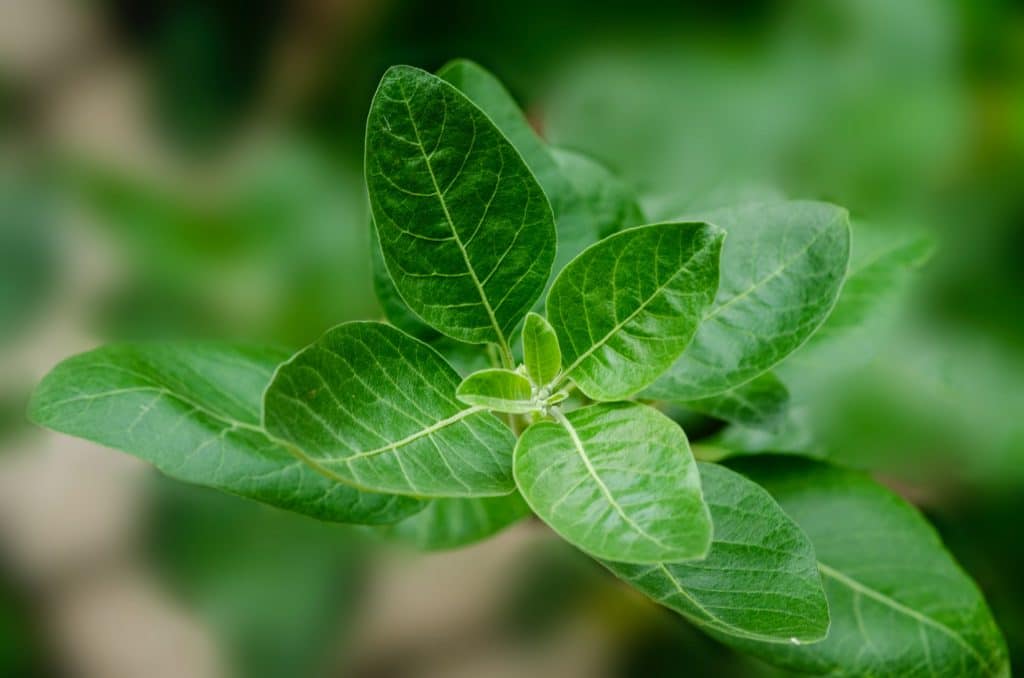
Ashwagandha: Widely used for centuries to treat stress and anxiety, and its use in ayurvedic potions. Ashwagandha is a root that is also used in some eastern delicacies.
Rhodiola: Rhodiola is an adaptogen appreciated for its ability to provide energy. It is even said that the Vikings consumed rhodiola before they did their raids. A 2013 study discovered that amateur cyclists who consumed the plant finished a timed race quicker than the placebo group and with reduced heart rates.
Tulsi: This shrub, also known as the queen of herbs or holy basil, is popular in Ayurvedic tradition for its ability to reduce anxiety and increase focus. It can also help with reducing stress and depression, while boosting immunity through regulation of hormones and healthy responses.
Reishi mushrooms: Reishi mushrooms are renowned for their antioxidant properties. They are taken to support immunity but can also help keep the skin looking young.
Other popular adaptogens include cordyceps, chaga, and tocos.
On their own, most adaptogens are too bitter to be consumed which is why they are usually manufactured into a powder meant to be added to drinks or smoothies, or as capsules. When consumed, they are said to work with the hypothalamic pituitary adrenal (HPA) axis, which is made up of several hormones, receptors, and glands in the body whereas cannabinoids interact with our endocannabinoid system.
Adaptogens work with the HPA to restore homeostasis and balance within our system especially if we are feeling out of whack because of exposure to stress whether it’s physical, emotional, mental, or environmental. In many cases, adaptogens can help to reduce the production of stress hormones, while also replenishing them when there’s a lack. Adaptogens are meant to be taken in the long term to provide stability to our internal systems instead of taking them as a band-aid remedy whenever we feel sick, so you likely won’t feel many benefits using them just once.
Photo by Cristi Ursea via Unsplash
On the other hand, immediate effects can be felt when you use CBD to medicate for a variety of conditions such as anxiety, insomnia, panic attacks, and more though you can also use CBD as part of a long-term holistic solution for improving overall health.
However, the benefits of CBD as well as adaptogens clearly fill a massive void in western medicine so it’s not surprising to see patients fall for their charms. You don’t even have to be ill in order to appreciate the benefits of CBD and adaptogens; they can be taken to support your overall system.
Is It Safe to Combine CBD and Adaptogens?
Both cannabis and adaptogens are nontoxic plants that interact with the human body gently. But before you start taking adaptogens or combining it with CBD, here are some things to keep in mind:
Talk to your physician first: At the time of writing, both CBD and adaptogens are not regulated by the FDA especially when they are produced into food and drink or taken as supplements. They don’t have to work or prove its safety in order to be sold in the marketplace. Having said that, there are many brands out there for both that are dubious as well as highly renowned, so make sure that you do your research or ask for your doctor’s recommendations.
Additionally, your physician can also give you clearance to take certain CBD and adaptogen products to make sure that everything in the ingredient list is safe for you to take. When shopping for adaptogenic products, always helps to buy products with the USP seal on any jar, which will tell you that it has been checked by the United States Pharmacopia.
Medication interactions: If you are already taking prescription drugs, any or all of them can have undesirable side effect when combined with CBD and/or adaptogens. You should talk to an herbalist or naturopath to make sure that it’s 100% safe for you to start taking these ingredients with the rest of your medications. There are known interactions with prescription drugs, so don’t assume they are completely safe even if they are natural.
Start with smaller doses: Whenever trying out anything new, it always helps to start small in terms of doses, and work your way up gradually. The same is true with CBD and adaptogens, so start with small doses unless you have consulted with a doctor or naturopath who has given you clearance to start with moderate doses right away. Some unwanted side effects that are associated with taking too much adaptogens too fast include dizziness, headaches, or nausea, while for CBD it can cause strong sedation and sleepiness.
Hemp, Inc., a global industrial hemp industry leader, praised Idaho on becoming the 50th state to legalize hemp.
Thanks to House Bill No. 26 passing in Idaho’s April 2021 legislature, with an emergency clause that made the law effective as soon as it passed both chambers, farmers are now receiving their hemp licenses so that they can legally “produce and handle the crop during this growing season for commodities such as insulation, paper, oil and food products.”
Idaho’s industrial hemp legalization gives its farmers an opportunity to diversify their operations, potentially creating more opportunities to do business with other companies in the industry.
Twenty Years In The Making
Idaho Farm Bureau’s deputy government affairs director, Braden Jensen said the Bureau has been “pushing for the policy change for the better part of the past 20 years, but the 2018 Federal Farm Bill that removed hemp from the controlled substances list made the issue a priority in the 2021 legislative session.”
New Licensing System
Idaho now has two licensing options for its farmers (handlers and producers). Licensed handlers are allowed to process raw hemp materials into other materials but they can’t grow the crop. Licensed producers can grow and market the hemp crop. Both licenses will require background checks that will need to be renewed annually and producers will have their hemp lots tested for acceptable levels of THC (below 0.3%).
If any sample of the lot tests higher than this threshold, the entire crop will either be destroyed or blended with a different strain to lower the THC amount.
The news source stated that Idaho had about 60 applications in November of 2021 and as of today, 8 have been fully granted (4 handlers, 3 producers, 1 handler/producer).
Exponential Growth
The industrial hemp market is growing exponentially. A new report by Grand View Research, Inc. (October, 2021) noted the global industrial hemp market is expected to reach 12.01 billion by 2028 and is expected to expand at a compound annual growth rate (CAGR) of 16.2% from 2021 to 2028.
New study finds link between cannabis use in teens and schizophrenia, regardless of how often they’re consuming.
Cannabis and teen drug use are topics that have long concerned us. While there’s a lot of stuff we don’t understand about cannabis, the plant is generally thought of as something that is relatively safe. In the case of teens, things are a bit different. Since their brains are in development, the side effects associated with cannabis can be more unexpected.
One area of concern is cannabis use and its impact on teens and conditions like schizophrenia. A new study found some links between teen cannabis use and schizophrenia that are more alarming than expected, with the research suggesting there’s a link between the two no matter whether teens use the drug frequently or infrequently.
The study conducted an overview of all of the material published on cannabis use in teens and its impact on schizophrenia from the year 2010 until 2020. They found that high and low-frequency cannabis users were six times more likely to develop schizophrenia than those who never ingested cannabis.
While the study raises some important questions and some cause for alarm, it’s important to note that an overview of several studies has some caveats, like defining how each study categorizes low frequency and high frequency, and the type of cannabis that is being ingested. For example, the study defined low-frequency cannabis users as those teens who consume cannabis twice a week, something that’s quite regular, especially when discussing subjects between the ages of 12 to 18.
Researchers looking into the topic of teen cannabis users and schizophrenia have no way of knowing whether or not cannabis makes it more likely for people to develop this condition. They just know there’s a link between the two. People between the ages of 12 to 18 are in that period where they’ll start exploring drugs, while also developing symptoms of conditions like schizophrenia. Then there are also genetic predispositions, which make researchers question whether cannabis causes schizophrenia or if teens with a predisposition for this condition are more likely to seek cannabis.
This topic creates a set of conditions that are difficult to handle without resulting to fear-mongering. Still, it might be helpful to think of cannabis as harmless yet a topic that should be broached carefully when people have a predisposition for mental health conditions, whether they’re schizophrenia or something like anxiety or depression.
As is the case with cannabis, more research is needed in order to get a full picture of the drug, its capabilities, and its risks.
The Secretary of Ohio State’s Office confirmed that cannabis activists have collected enough signatures from registered voters to put a marijuana legalization measure before lawmakers.
What Happened
The Office validated more than 10,000 outstanding signatures. Previously in December, the Coalition to Regulate Marijuana Like Alcohol confirmed it had collected 206,943 signatures for a bill that would allow adults to buy and possess cannabis. It turned out later that they were lacking more than 13,000 signatures to put the initiative before legislators.
Photo by Bet_Noire/Getty Images
Now, with enough validated signatures, lawmakers have a four-month deadline within which to proceed with the legislation. If they reject the bill or approve a changed version, supporters can collect another 132,887 signatures to place the measure on the ballot in the next election.
Back in 2015, Ohio voters rejected a ballot proposal aiming to create a limited legal market for the commercial production and sale of cannabis to adults. There were several provisions of that measure viewed as controversial, like the one that sought to limit the number of licensed commercial cultivators to include only the initiative’s financial investors.
Proposed Bill Highlights
Under the proposed bill, Ohio residents age 21 and older would be allowed to legally buy and own 2.5 ounces of marijuana and 15 grams of concentrates. They’d also be allowed to cultivate up to six plants individually and no more than 12 in a household with several adults.
“We are ready and eager to work with Ohio legislators over the next four months to legalize the adult use of marijuana in Ohio,” CTRMLA spokesman Tom Haren said in a press release.
Medical Marijuana For Autism
Just last week, Ohio House Health Committee passed a bipartisan bill that would add autism spectrum disorder to the list of conditions for which doctors can recommend medical cannabis, reported Cleveland.com.
House Bill 60 now heads to the House Rules and Reference Committee, where it will be decided if it should be put to the floor. Rep. Bill Seitz, a Cincinnati Republican who is sponsoring the bill with Rep. Juanita Brent, a Cleveland Democrat, said he is optimistic the bill could get a floor vote in the coming weeks.
Recreational? Medical? Grow your own? Cannabis laws can get confusing in and around our nation’s capital. Here are the rules the rulemakers would need to follow.
While federal prohibition may prevent millions of Americans from legally purchasing and consuming cannabis, the case isn’t the same for congress.
There are numerous opportunities for congress members to purchase cannabis legally. However, there are different rules and regulations to abide by depending on where they attempt to buy their marijuana, and being ignorant of them has the potential to result in an arrest that could land them in the headlines for all the wrong reasons.
Here are the rules for purchasing cannabis in each of the states surrounding congress.
Photo by uschools/Getty Images
District of Columbia Cannabis Laws
The rules regarding cannabis purchases in the District of Columbia can be confusing. Marijuana is legalized for both medical and recreational use in DC, but even though the latter exists, there are no recreational marijuana dispensaries to purchase it from.
There are, however, seven medical marijuana dispensaries that sell cannabis to those who have a card permitting them to buy it, which leaves congress members with two options for purchasing cannabis in DC: qualifying for medical weed or purchasing it elsewhere.
Maryland Cannabis Laws
The cannabis laws in Maryland are more straightforward than in neighboring D.C. In Maryland, cannabis use for medicinal purposes is legalized, but recreational use is a different story. Marijuana possession of less than 10 grams is decriminalized, but comes with the costly fine of $100. Anything more than 14 grams could land someone in prison for up to a year, or a fine of up to $1,000. It’s safe to say that Maryland isn’t the best option for congress members who have intentions of purchasing marijuana.
Virginia Cannabis Laws
Cannabis laws in Virginia are both straightforward and fairly progressive. In 2021, Virginia became the first southern state to legalize cannabis for recreational purposes. Cultivation of up to four plants is allowed, which means congress members who have an affinity for cannabis may benefit from settling down with a home and some land in Virginia. That would allow them to consume cannabis both legally and conveniently.
Photo by SeanPavonePhoto/Getty Images
Unfortunately, recreational sales of cannabis in Virginia isn’t slated to begin until 2024. However, medical marijuana is legal in the state. In fact, laws allowing for the usage of medical marijuana for conditions including chemotherapy side effects and glaucoma were on the books as early as 1979. Medical marijuana dispensaries on the other hand weren’t available until 2020. There are several medical dispensaries in the state where citizens who are allowed can purchase their medical marijuana products from. This is another opportunity congress members have to purchase cannabis.
Given the fact that cannabis has been legalized for recreational use, but sales are explicitly banned makes it seem as though it’s not the best place for congress members to try to buy it. Since it’s illegal to use recreationally in Maryland, that’s not a good option either. The best choice for congress members hoping to obtain and use cannabis appears to be growing it in Virginia until the state allows for the sale of it in dispensaries.
The removal of the SAFE Act from the defense bill is not the end of the road, but rather another indication of the steep climb to federal cannabis legalization.
The majority of cannabis advocates and supporters in the United States were let down by the Senate’s decision to pull out the SAFE ACT from the defense bill last month. Now that the shock of the removal has abated, these groups are rallying together to look for the next way forward. Lawmakers have started work on presenting a singular bill that encompasses the benefits the SAFE ACT could bring to the country.
The removal may happened for a reason, because in the weeks after this disappointment, new and better opportunities have been presenting themselves.
From the first day, the SAFE Act bill was introduced to the legislature some years ago, passing the bill has always turned out to be a roller coaster journey. The result over the years has been a return to the starting point. Advocates and lawmakers held out hope that last year could be the year of federal cannabis reforms, only for the senate to pull the measure out at the last minute.
Many believe that this bill closes the gap between multistage operators and some small-scale cannabis entrepreneurs who have been unable to obtain private equity. They also think that small cannabis businesses would be allowed to make more profits if the playground were leveled with the SAFE ACT bill. However, the majority of the Senate lawmakers have refused to see the light or accept the benefits vividly written in the bill, claiming the language shows a different outcome.
The reason the Senate cited for striking out the measure from the defense bill is that the measure does little to stamp down on crimes but leans in favor of the MSOs. For a bill that the House had previously passed, the Senate’s reason seems a bit weird. Anyway, it’s the new year. With a new year comes new opportunities and new congressional sessions. Advocates are linking up and working together to have a fresh go at it in Congress. The objective for 2022 is to create a more equitable bill that not only leans towards MSOs but also enhances the safety of communities around the country.
Access to Commercial Lending
Federal cannabis reforms have been a long time coming. Its absence has put a strain on legal cannabis markets and has hindered small businesses from benefiting from an excellent financial aid program. Unlike the cannabis industry, non-cannabis sectors have access to commercial lending and equity funds. The SAFE Act would address these issues. The cannabis business will be able to be served by traditional financial institutions.
As it stands, many black-owned marijuana businesses in disadvantaged communities face the brunt of being unable to access funds. The Safe Act will offer these up-and-coming businesses access to private equity funding. However, multiple service operators will be among the first to be considered.
The Future of Cannabis Banking
The approval of the SAFE Act bill does not imply that cannabis has been decriminalized. The drug would still be federally prohibited. The reform may quicken the process of decriminalization in other non-legal states. As soon as cannabis banking reform is passed, banks will be able to work with legal cannabis businesses without fearing a federal backlash.
Currently, the illegal status of cannabis puts financial institutions at loggerheads with the Controlled Substances Act. Critics argue that the SAFE Act bill may not hold the same view as banks regarding helping disadvantaged businesses compete against large-scale companies. Banks are primarily capitalists, and it’s not farfetched to assume that they’d side with the better sides. This means that having access to funding under the SAFE Act does not mean the banks would necessarily grant the funding. The bank and its lawyers will be particular about assisting only well-established and credit-worthy cannabis businesses.
What to Expect This Year?
The SAFE Act will definitely see another push in the coming months. Other cannabis reform bills are also expected to be introduced to Congress and the House this year. Recently, a commercial lending professional drafted a proposed guideline for financial institutions to follow during the decision-making process under the SAFE Banking Act. Businesses will be selected based on a list of criteria. It’s not looking suitable to diversely-owned firms as they would be unable to meet most of the measures listed.
According to a report issued by the Federal Reserve in 2021, black and Latino-owned businesses are least likely to be favored for commercial loans, unlike white-owned businesses. Many financial institutions consider black and Latino businesses as high risks. Only those who have been investigated to be low risks receive loan approvals. This indicates that expectations of the SAFE Banking Act may be cut short, not by lack of service but insufficient funding. Without enough funding, social equity operators will remain unable to compete with the MSOs.
About the SAFE Banking Act
The Secure and Fair Enforcement (SAFE) Act is a bill that would bridge the gap between cannabis businesses and financial services. Cannabis companies will gain access to regular and digital banking services from traditional financial institutions across the country. It would also open up the cannabis industry to outside investors by bringing national and regional banks into the fold. The SAFE Act will make an immense contribution to the growth of the sector by helping to generate billions and millions of dollars.
Final Note
Though defeated in this round, the cannabis industry remains resilient in its fight for federal reforms. The removal of the SAFE Act from the defense bill is not the end of the road, but rather another indication of the steep climb to federal cannabis law.
Cannabis advocates and entrepreneurs need to use this opportunity to reset the conversation and seek a well-rounded bill that would ensure the capital is available to those who need it the most. Now that there is still a political advantage, advocates can point out other solutions that can be added to the bill to make the cannabis industry get access to funds at the state and local levels.
Lucky for High Times, there are numerous disclaimers within the offering that there is no guarantee that the stock will ever trade.
With snow on the ground and a whisper of spring in the air, it means it is time for High Times to make their annual announcement of going public.
It all started in 2018 when High Times declared it would be listed on the acclaimed NASDAQ with a flurry of fanfare including an article on the NASDAQ website. To be listed on the NASDAQ National Market, a company must have net tangible assets of $6 million and net income in the latest fiscal year or two of the past three fiscal years of $1 million. Notable companies include Apple, Airbnb, DraftKings, Robinhood, JetBlue and more. Big companies can also listed on the New York Stock Exchange (NYSE). The fall brought a quick and curious incident where the company announced and then quietly retreated from taking crypto currency.
As 2018 closed and 2019 started, Adam Levin, High Times executive chairman, shared with Marijuana Business Daily the company was still seeking a NASDAQ listing and that it would be “foolish” to look at alternatives. Two months later, the company announced they were ditching NASDAQ in favor of OTC (over the counter). The company revealed they had been unable to raise the needed equity of $50 million.
In a very public effort, the company crowdsourced investors and ballooned their shareholders to over 23,000 by allowing people to invest under $150. CEO Kraig Fox stated the offering was highly successful despite some criticizing they allowed small investors to put their purchase on their credit card. At $150 a pop, that’s about equal to dinner for four with drinks at Outback Steakhouse. Around the same time, it become public they were in a lawsuit over payments for their recent purchase of Culture Magazine.
When 2020 arrived, COVID was on the brink, and High Times had a new CEO, Stormy Simon replacing Fox. In May, Chairman Levine announced Peter Hovath as the new CEO after the stormy tenure of Simon. In February, the Financial Industry Regulatory Authority (FINRA) granted the company the HITM stock ticker symbol, the last regulatory hurdle it needed to clear before High Times shares could begin trading on the OTC market.
Despite the development, nothing happened. In June, Green Entrepreneur reported the company hadn’t filed its annual report and the company SEC informed them, they were supposed to halt sales of shares in the company.
Photo by Darren415/Getty Images
The year 2021 saw the globe hoping COVID was in the rearview mirror and High Times investors surpassed 30,000. A large number were waiting to cash in on the unknown public value of the company. In February, CEO Hovath shared with Cheddar, “Well, we’re definitely going public this year”. He then commented April 20 (420) is a notable date in the industry.
“Lucky for High Times there are numerous disclaimers within the offering that there is no guarantee that the stock will ever trade. Unfortunately for some of these small investors, they don’t read the offering documents that well,” says Debra Borchardt, executive editor of Green Market Report. “These disclaimers often protect the company, which is why this language gets included in offering documents. It will be a shame if it never goes public because a lot of hopeful investors will be disappointed.”
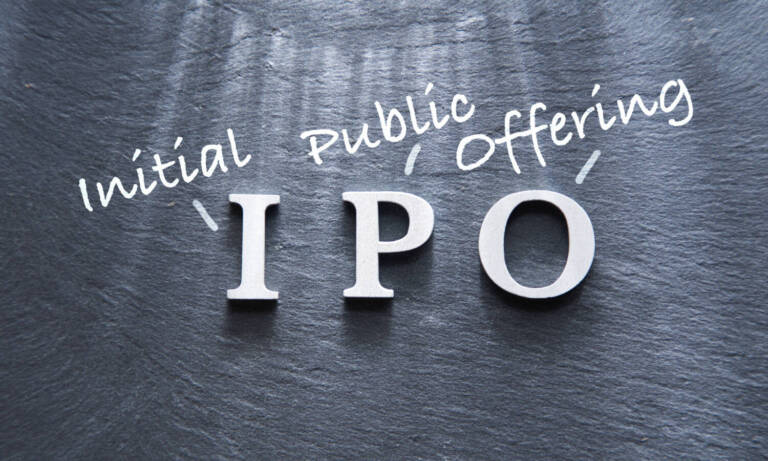
After four years, you wonder when they will have an IPO. In many cultures including Las Vegas, 7 is a lucky number.
Weed TikToks are pretty monitored and difficult to find. Here’s some help you get you started.
Weed doesn’t have it easy on social media. Still, despite the censorship, if you know where to look, TikTok is a great space for getting all of the cannabis content you need, and probably something you didn’t even know you were into.
TikTok is one of the most informative and fun social media platforms in the world, having devoted followers of all ages. Cannabis TikTokers tend to touch upon a variety of topics, from funny memes, to more specific things, like teaching followers how to blow smoke rings, or learning how to manage a life with children while also being a regular smoker.
While it may take some time to learn what you want from the app, the more you’re exposed to this type of content, the better your algorithm will be. Here are 5 places you can find cannabis content on TikTok.
When talking about weed on social media, people are forced to get very creative. As usual, the best way to find new content is through hashtags. While the words “weed”, “cannabis”, and “marijuana” are regularly flagged, the hashtags #hitsblunt, #ouid, #w33d, #st0nertikt0k, #st0netok and #420 are filled with great TikToks, a mix of advice and memes that will distract you and, before you know it, consume plenty of your hours.
Get to know some accounts
Photo by Alex Nemo Hanse via Unsplash
Finding good weed TikToks is not as easy as you’d think. Thanks to TikTok’s intense anti-cannabis guidelines, finding your niche on the app is more difficult than when discussing any other topic. Still, if you keep trying, you’ll find the stuff you like. Read on to find some good starting points:
If you’re looking for a fun slice-of-life account to follow, that also features regular weed smoking, SheSmokesJoints is a good place to start. The account is made up of fun and digestible videos that have a little bit of everything, like teaching you how to blow smoke rings (an important life skill), or simply listening to someone talk about their lives extensively, something that for some reason remains very cathartic.
SativaDiva1997 is one of the best weed TikTok accounts to follow, with a series of takes called ‘Baked Takes,’ where she gets baked and covers a topic. Extensively. There’s a “Pushing Daisies” episode, a “The Nanny” episode, and lots more, waiting there to consume your hours and make you laugh with very silly stoned takes. It’s fun, it’s wholesome and you should follow her.