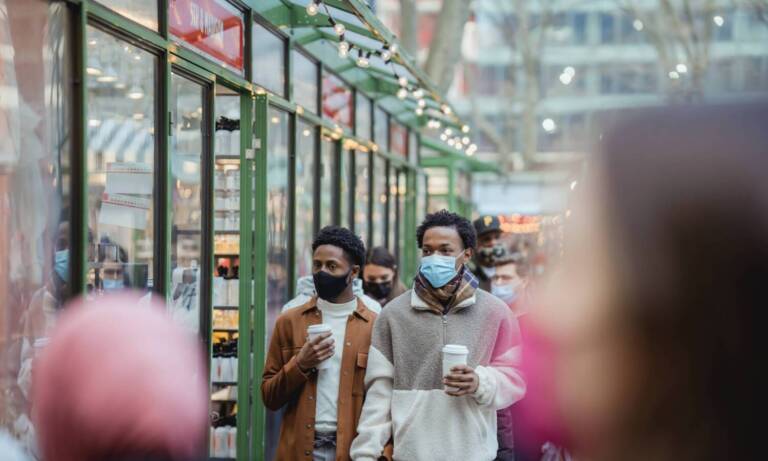
A new poll shows that a large percentage of Americans would vote for a politician who smokes marijuana.
Would you vote for a politician who smokes weed? According to a new poll, more than half of Americans are comfortable with voting for a candidate who consumes marijuana.
More than 4,000 people responded to the poll, which found that 58% of Americans would be willing to vote for a politician “who occasionally smokes marijuana in their free time.”
A deeper look into the statistics shows that Democrats were most likely to vote for a politician who smoked weed when compared to Republicans. Still, a significant percentage of Republicans said they would vote for a politician who smoked weed if they agreed on most issues.
Despite the surprise that still comes after observing these types of results, it makes sense that large percentages of Americans would approve of a politician that smokes marijuana. As time passes, the plant continues to earn legalization across states, gaining approval across all demographics.
Gary Chambers/YouTube screenshot
Chambers has caused a lot of commotion from his ad, earning his first large endorsement from Rep. Ted James. “I was shocked when I saw it. Politicians don’t usually do that. He’s definitely started some real conversations,” said James.
In the ad, Chambers is seen smoking a blunt while listing out the harms of criminalization. “Black people are four times more likely to be arrested for marijuana laws than white people,” Chambers said. “States waste $3.7 billion enforcing marijuana laws every year. Most of the people police are arresting aren’t dealers, but rather people with small amounts of pot, just like me.”
When you compare cannabis and social media, you can see that both of them definitely have some sort of psycho-physiological effect on the user. But which is worse?
We’re often told about the dangers of cannabis. We’re told that if you smoke cannabis as a young person, you significantly increase your risk ofs. We’re told that you’ll be cognitively less capable if you smoke before a certain age and that cannabis is a Schedule I drug, sitting right there with heroin and crack cocaine.
Of course, for those of us who smoke, we know that these claims are absolute bull***t, however, I thought that it would be an interesting concept to compare the “dangers of social media” in comparison to that of cannabis. We’ll use many of the same metrics that anti-cannabis campaigners used to justify prohibition.
Photo by ROBIN WORRALL via Unsplash
The idea is to paint a generalized picture on how a massively integrated technology experience is blindly accepted and often glamorized by the very people who would throw a hissy-fit about cannabis use.
Age
Let’s start with the first metric, age. Within virtually every legal cannabis marketplace, cannabis has an entry-level age requirement of at least 21-years. In places like Mexico, this is set to 18-years, however, this is not the norm. For most legal markets, you have to be considered an “adult” to partake of cannabis.
However, for both Twitter and Facebook, you only need to be 13-years old to essentially be exposed to the entire world. Places like Twitter even permits nudity, and while they probably have some sort of restriction on under-aged accounts, it doesn’t take a rocket scientist to bypass those restrictions.
Some might say, “13 isn’t that young to be on social media” but I’m sure the people who echo this sentiment hasn’t looked at how social media affects our brains.
Physiological Effects of Social Media vs Cannabis
Cannabis interacts with the endocannabinoid system, the system that is responsible for maintaining homeostasis throughout the entire body. Phytocannabinoids bond to cannabinoid receptors which engages or disengages a particular bodily function. When you consume THC, the psychoactive cannabinoid in cannabis, it binds with CB1 and CB2 receptors, which then alters the brain function from its baseline. The euphoria you feel comes from the release of dopamine among other physiological processes.
A 2017 study commissioned by Fox News looked into how social media impacted the brain and according to some health experts. According to Dr. Tara Emrani, psychologist at NYU Langone Health:
“Facebook likes and comments activate similar parts of the brain as opioids, where each like or positive comment activates the reward system and the brain releases dopamine…arguably, the feelings/experiences of the brain as a result of Facebook likes or comments is similar to those resulting from cocaine, albeit less intense…In addition, opioids have other significant negative effects on the brain, including shrinkage of grey matter and loss of memory.”
Even former Facebook executives have expressed how they engineered their product to act in an addictive fashion or as they call it a “short-term dopamine-driven feedback loops”. The use of social media has often been compared to gambling or the use of cocaine. And while social media bypasses the need for physically ingesting a drug, they create the illusion of one which activates the same regions.
When you remove the fact that social media is “digital”, it is a drug by any other metric and seems to have real world impact on societal health as well.
Deaths
When it comes to cannabis, there is no possible way to have a lethal overdose from the drug itself. However, there is a case to be made for people who used cannabis and potentially had an underlying morbidity that lead to their death. This cannot be attributed directly to cannabis, but to say that cannabis use didn’t have an effect would be disingenuous.
A study looking into these types of deaths concluded:
“While it is a drug with widespread usage among the community with relatively few deaths when faced with a circumstance of very recent use (within a few hours), a positive blood concentration of THC and a possible cardiac-related or cerebrovascular cause of death this drug should be considered, at least, a contributory cause of death in cases of sudden or unexpected death.”
In other words, there are “potential deaths” linked to cannabis but it isn’t conclusive. It’s merely correlation at this point. However, this isn’t to say that there is “no risk”, as smoking weed could potentially be a trigger for an underlying condition.
Photo by LeoPatrizi/Getty Images
Social media also has no real way to induce a “lethal dose” seeing that you aren’t technically “dosing” yourself. However, there is a type of death count attributed to social media: suicide.
When you look at suicide rates, they have been steadily climbing since about the mid-2000s, interestingly about the same time that social media was adopted by society. There’s also numerous studies looking into this. Here’s some findings published in a systemic review of these studies:
“The previous study found a 70% increase in self-reported depressive symptoms among the group using social media. The other social media influence that causes depression is sexual fun. The intimacy fun happens when social media promotes putting on a facade that highlights the fun and excitement but does not tell us much about where we are struggling in our daily lives at a deeper level. Another study revealed that depression and time spent on Facebook by adolescents are positively correlated. More importantly, symptoms of major depression have been found among the individuals who spent most of their time in online activities and performing image management on social networking sites.”
Conclusion
When you compare cannabis and social media, you can see that both of them definitely have some sort of psycho-physiological effect on the individual. However, when it comes to social media, we have no problem letting 13-year olds engage with a multitude of platforms.
Perhaps, if we treated social media as we treat cannabis, the world would be much better for it.
Canadian and American researchers have developed batteries from hemp, which are used to power cars and tools.
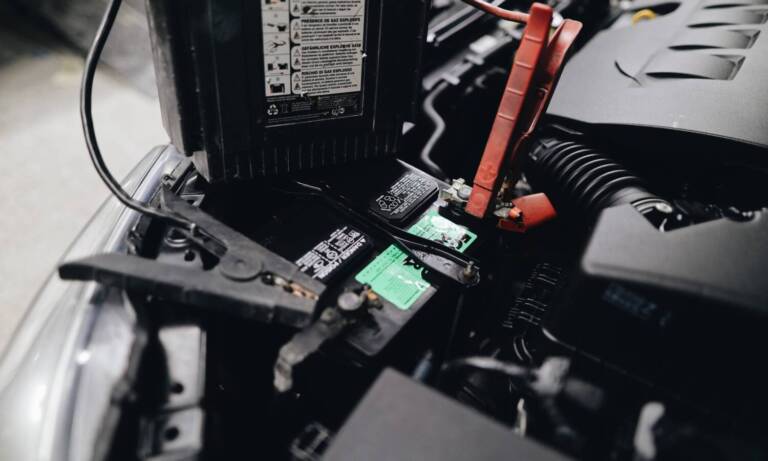
As reported by Facts About CBD, the researchers built the batteries from cooked cannabis pulp and processed it into carbon nanosheets. The result: batteries “equal to or better than graphene,” the industry gold standard.
Photo by William Krause via Unsplash
Hemp Batteries: When Someone’s Garbage Becomes A Treasure For Others
Best of all, this invention is sustainable and economical, since hemp pulp is not used for the textile and construction industry and, therefore, usually ends up in landfills.
Hemp pulp costs between $500 and $1,000 per ton, a price much lower than that of graphene, which costs approximately $200,000 per ton. If we do the math, this means that the raw material to produce this new energy model would be between 200 and 400 times cheaper than that of a classic battery.
The research was conducted by Dr. David Mitlin, from Clarkson University (Potsdam, NYS) and presented during a meeting of the American Chemical Society in San Francisco.
“We’re making graphene-like materials for a thousandth of the price, and we’re doing it with waste,” Mitlin said.
Unlike traditional ones, supercapacitors (as hemp batteries are called) can quickly discharge their entire energy load. Therefore, they are ideal for machines that rely on bursts of energy, such as regenerative braking in electric cars.
New research shows why your metabolism makes it more difficult to lose those last few pounds when dieting.
Once a diet starts and the initial wave of pounds are lost, it’s common for progress to stall. This frustrating development causes a lot of dieters to lose momentum and give up on their goals.
But a new study tried to get a better understanding as to why this happens, taking a deeper look into people’s metabolisms. It found that when on a diet, metabolism slows down as a way to balance out the calories that are being lost, thus keeping the body functioning.
Published in the journal Obesity and reported by NBC News, the study analyzed data from 65 white and black female participants between the ages of 21 to 41. These participants were all dieting, with researchers providing them with a weight loss plan and an 800 calorie diet per day until participants reached their goals.
The study discovered that participants could adapt to burning 50 calories less a day in order to keep their bodies functioning, a process called “metabolic adaptation.”
“Metabolic adaptation during weight loss can make it harder for people to achieve their goals,” said Catia Martins, one of the study’s authors. “In this study we found people with more metabolic adaptation took longer to achieve their weight-loss goals.” Metabolic adaptation decreases people’s resting metabolic rate, which is the number of calories they need to keep functioning. It varies from person to person.
When comparing the data to previous studies, researchers were able to pinpoint how much metabolic adaption can slow down weight loss and hinder diets. The greater the change in resting metabolic rate, the longer it took for women to lose their weight.
Photo by kate_sept2004/Getty Images
“We had some women whose resting metabolic rate dropped by close to 700 calories, which means it would take them 70 more days, or about two months longer, to achieve their weight loss goals compared to someone with no metabolic adaptation at all,” explained Martins.
In order to address these diet plateaus, finding any way to kickstart the diet might be the best way to lose those remaining pounds. Supplementing the diet with exercise, weight lifting, or simply taking a short break might provide the results you need.
The bill requires county election commissions to include a public policy opinion poll related to the legalization of marijuana on the Nov. 2022 ballot.
Rep. Bruce Griffey (R) and Sen. Sara Kyle (D) from Tennessee are sponsoring legislation enabling voters to weigh in with a state-sponsored public opinion poll. Senate Bill 1973/House Bill 1634 would require county election commissions to include three non-binding questions related to the legalization of marijuana on the 2022 ballot, reported the Tennessee Lookout.
Although medical marijuana measures have moved slightly in committees in recent years, none made it to the House floor.
Photo by Brandon Jean via Unsplash
“To me, there’s no downside to it, very minimal cost. Let the Tennessee voters at least express their opinion in an unbiased manner so all of us as legislators have a sense of what the voters would like us to do,” Rep. Griffey said. “We’ve been wrestling around with this for years and years now. A bunch of jurisdictions have taken a step to legalize it. There’s certainly some valid arguments, is marijuana any worse than alcohol in certain situations?”
Sen. Kyle noted that states across the nation allow the use of medical marijuana. In fact, Tennessee is in the minority, allowing only cannabidiol or CBD.
The bill requires county election commissions to include a public policy opinion poll consisting of the following questions related to the legalization of marijuana on the November 2022 ballot:
(1) Should the State of Tennessee legalize medical marijuana?
(2) Should the State of Tennessee decriminalize possession of less than one ounce of marijuana?
(3) Should the State of Tennessee legalize and regulate commercial sales of recreational-use marijuana?
This bill requires the secretary of state to compile the results of the poll and forward the results to the members of the general assembly. The outcome of the poll will not be binding on the general assembly.
A chain of video rental stores will now be used as cannabis dispensaries in Ohio, increasing the number of dispensaries in a state that sorely needs them.
Remember the abandoned video store near the home where you grew up in? It may now be a cannabis dispensary. At least, if you live in Ohio.
The Columbus Dispatch reports that over a dozen video rental properties belonging to Family Video are candidates for housing dispensaries and cannabis businesses. These locations will be selected through a lottery starting this Thursday, with over 1,500 applications submitted for 73 new medical cannabis licenses.
The 12 Family Video locations in question received 192 applications from various contenders. While Family Video’s parent company announced that would be shutting down operations last year, Keith Hoogland, their CEO, said that the real estate branch was still in operation. It has been contacted by a variety of cannabis businesses looking to pursue rentals. “I think after a certain period of time, they realized they could capitalize on the situation,” said Adam Thomarios, CEO of Klutch Cannabis.
Ohio legalized medical marijuana in 2016, with dispensaries finally opening their doors in 2019. The process has been a slow and rocky one, with patients complaining over long wait times and expensive products. The addition of the 73 licenses would increase the state’s dispensaries to 130, with authorities hoping to grow the business, provide better demands to patients, and make it run smoother.
The cannabis licenses will be awarded via lottery, allowing a certain amount of licenses per district. According to authorities, this is the best method to ensure that small businesses are supported and that equity is encouraged within the cannabis industry.
Once you get past all the hurdles that nascent medical cannabis programs pose, it’s kind of awesome to realize that former video rental stores will now have a second life. Back in the day, having a video store that also sold snacks and weed would have been heaven.
Frankly, with all things considered, it may be fair to assume that tech is one of the most cannabis-friendly industries to work in.
There aren’t many industries that have been more welcoming to the cannabis community than tech. And the industry’s adoption of cannabis couldn’t have come at a better time.
Because cutting edge technology has been crucial in connecting cannabis brands and products with their consumers while meeting expectationsof regulators, it’s only natural to wonder how accepting employees in the tech industry are about the substance itself. Some of the signs that indicate an increasing level of acceptance of cannabis may surprise you.
Only 5-6% Private Sector Cybersecurity Companies Drug Test For Cannabis
In recent years, the FBI has had trouble selecting the best and brightest talent in the cybersecurity space due to their restrictive drug testing regulations. Private sector companies on the search for the best talent in the cybersecurity world don’t have the same problem given the fact that they don’t drug test nearly as much.
Former FBI Director James Comey claimed in a partially-joking manner that part of the problem when it came to hiring for cybersecurity roles was that “some of these kids want to smoke weed on the way to the interview.” That serves as a big indication that some of the employees who prevent data from being stolen from some of our favorite brands are likely big cannabis enthusiasts.
Amazon No Longer Tests For Cannabis And Supports Federal Legalization
Being one of the biggest and most valuable tech brands on the planet today, Amazon is responsible for starting trends. From grocery delivery, to one-day shipping the brand has introduced numerous transformative changes.
The next major shift the online marketplace could be responsible for is doing away with drug testing for weed. As of June of 2021, the company declared that as a result of changing cannabis laws throughout the nation that they would no longer drug test for cannabis.
Additionally, the company announced that their public policyteam will actively support the passage of the Marijuana Opportunity Reinvestment and Expungement (MORE) Act. If more companies follow Amazon’s lead, cannabis drug testing will no longer serve as a barrier of entry to long, fulfilling tech careers.
Photo by 400tmax/Getty Images
Nearly 1 In 5 Tech Workers Got High On The Job Before The Pandemic
What’s potentially the biggest indicator of the tech industry’s acceptance of cannabis is the fact that employees have grown increasingly comfortable using it on the job. According to a poll conducted in 2019, 17% of tech workers used cannabis on the job for numerous reasons, ranging from making it easier to deal with coworkers to coping with daily responsibilities.
Since the poll was taken before the pandemic caused millions of employees to work from home, left to their own devices, it’s fair to question how much that number has increased. It should also be taken into consideration that additional states such as New York and Virginia have legalized recreational cannabis use which likely inflates that number, too.
Frankly, with all things considered, it may be fair to assume that tech is one of the most cannabis-friendly industries to work in.
Federal financial regulator Rodney Hood noted that marijuana legalization “in some form is going to happen, and the abdication of responsibility to address these issues in Washington is simply ludicrous.”
During an interview with PBC Conference that was released on Wednesday, Federal financial regulator Rodney Hood, a board member of the federal National Credit Union Administration (NCUA) said marijuana legalization is not a question of “if” but “when,” reported Marijuana Moment.
In conversation with Josh Radbod, CEO and co-founder of the PBC Conference, a B2B conference for payments, banking, and compliance in the cannabis industry, Hood talked about the “prohibition mindset” that has influenced banking activity and said there is an opportunity for rural communities in cannabis, which could be facilitated by modest reforms in Congress to protect banks from being penalized.
He argued in favor of passing the SAFE Banking Act to build much-needed infrastructure. In the meantime, Hood said credit unions “must embrace the cannabis-related businesses.”
A Serious Market Failure
In a press release by the NCUA prepared for the conference, Hood noted that marijuana legalization “in some form is going to happen, and the abdication of responsibility to address these issues in Washington is simply ludicrous.” He described the “explosive growth of the state-legal cannabis industry over the last decade,” as a “remarkable social and cultural change that has taken place right before our eyes, and it’s only going to continue to develop over the coming years.” At the same time, he noted that “federal law surrounding marijuana and cannabis-derived products have barely changed.”
According to Hood, these limitations have reduced the development of the banking infrastructure needed to provide financial services to this rapidly growing industry.
“The NCUA regulates the system of federally insured credit unions, which includes more than 5,000 institutions. Yet, only 169 of those are providing services to one of the fastest-growing industries in the nation. That can only be described as a serious market failure,” Hood explained. “It is time for federal action to clarify and harmonize the laws and regulations surrounding the state-legal cannabis industry and marijuana-related businesses so that this industry can take part in the legitimate financial services industry.”
Moderna just announced the beginning of the human trials of the Omicron booster. Here’s why that’s potentially great news.
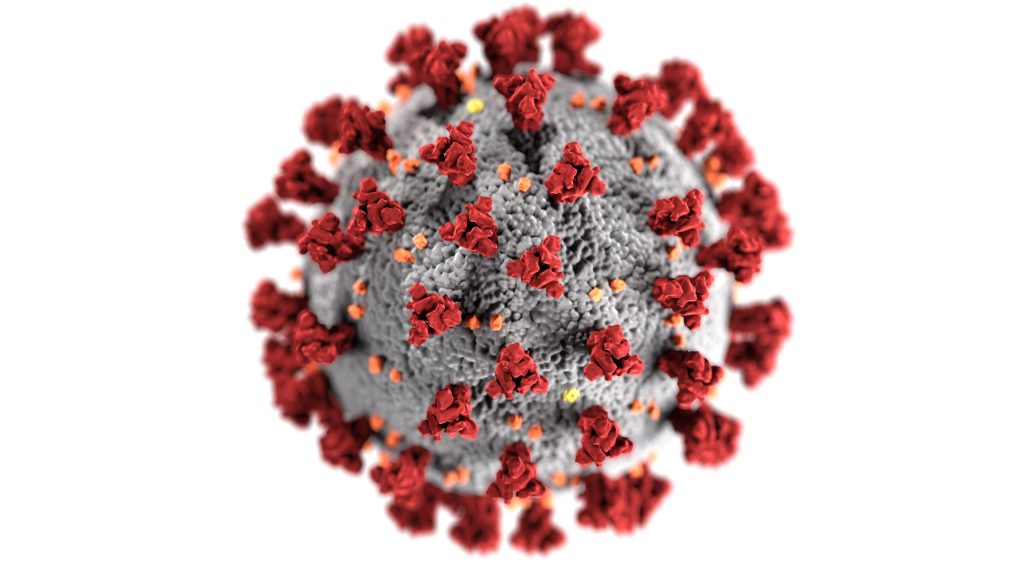
On Wednesday, Moderna announced the start of their new COVID-19 booster trial on humans. This time, the company is working on a booster that’s specifically meant to target the Omicron variant.
While data and health experts assure that the original vaccine and booster provide protection from the new COVID-19 variant, Moderna wants to target Omicron with a fresh booster, one that’s capable of circumventing the challenges that the new variant poses. Research shows that Omicron is more resistant to the vaccine’s antibodies, something that increases as time passes and the effectiveness of boosters and vaccines fade.
Moderna’s omicron vaccine trial is made up of two groups of about 300 people each. One group will be comprised of people who received two doses of the vaccine at least six months ago, and another with those who received two doses plus a booster within the past three months.
Despite the great spread of Omicron, more and more data is shedding light on the fact that it’s much milder than previous variants of the virus, at least on patients who are immunized.
A recent study conducted by the CDC shows that Omicron is less likely to result in deaths and hospitalizations, with even those who were hospitalized having higher odds of recuperating. The study found that those infected with Omicron are 75% less likely to require intensive care and that hospitalized patients require an average of 1.5 days of treatment when compared to patients in the past, who required an average of five days of attention. None of the subjects with Omicron had to go on a ventilator, a striking fact considering the number of people whose data was analyzed.
While this is good news, it’s still important to have a vaccine that can target the new variant, protecting those who are more likely to get ill and narrowing the path of the virus, which would give breathing room to hospitals and healthcare workers.
Omicron’s great spread, while initially terrifying, is now seen by some as the start of the end of the pandemic. The more the virus spreads, the more it immunizes people, eliminating further avenues for the virus to mutate and infect, as it’s been doing over the past two years.
This possibility is encouraging, with the best possible outcome being that the virus reaches its endemic stage and becomes just another virus to keep an eye on, like the flu. Still, it’s impossible to know whether or not this will happen, or if other variants, perhaps ones who are more deadly, will appear.
A new study shows that one simple addition to your routine could prevent thousands of deaths a year.
A new study says that over 110,000 deaths a year could be prevented by doing something really simple: adding 10 minutes of exercise to your day.
More specifically, the study focused on people over 40 and how collective health would benefit from them adding in 10 minutes of moderate to vigorous physical activity to their lives.
Published in the Journal of the American Medical Association, the study used data from the National Health and Nutrition Examination Survey. It then looked at the activity levels of over 5,000 participants between the ages of 40-85, while also tracking their death rates. While the number of prevented deaths is an estimate, the study showed that the more people worked out, the better were their odds of living longer.
“We know exercise is good for us. This study provides additional evidence of the benefits at the population level: if all adults in the United States (over age 40) were to exercise just a bit more each day, a large number of deaths could be prevented each year,” study author Pedro Saint-Maurice told CNN.
While most studies focus on showing the bare minimum of workout per day, they tend to be demoralizing for a large group of people, who may not have the time or mentality to work out four days a week. These types of studies provide attainable goals that everyone can include in their everyday routines, improving their quality of life and helping communities live longer and healthier lives.
Ten minutes of exercise is not a big-time commitment; it can be done by setting a timer and going up and down the stairs, going on a walk, or doing body weights at home. New studies and researchers are taking new approaches to fitness, changing the definition of what that means, thus, welcoming more people to a healthier lifestyle that is also convenient long-term.