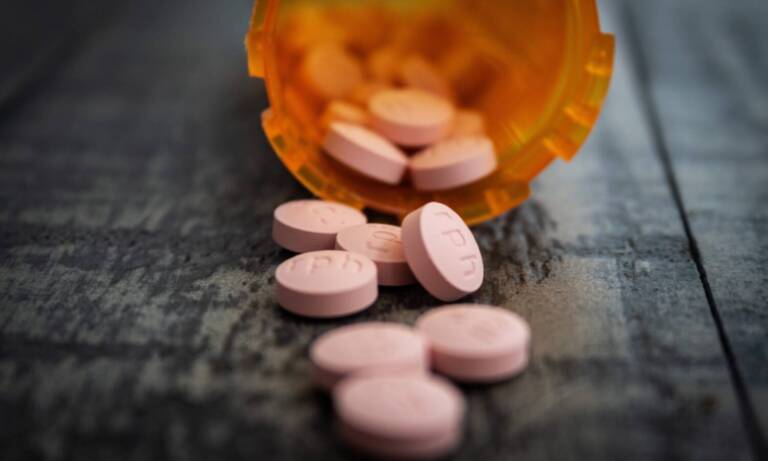
Parents reported significant improvement in the health and wellbeing of their children, including sleep, eating, behavior and cognition after they began taking whole-plant cannabis products.
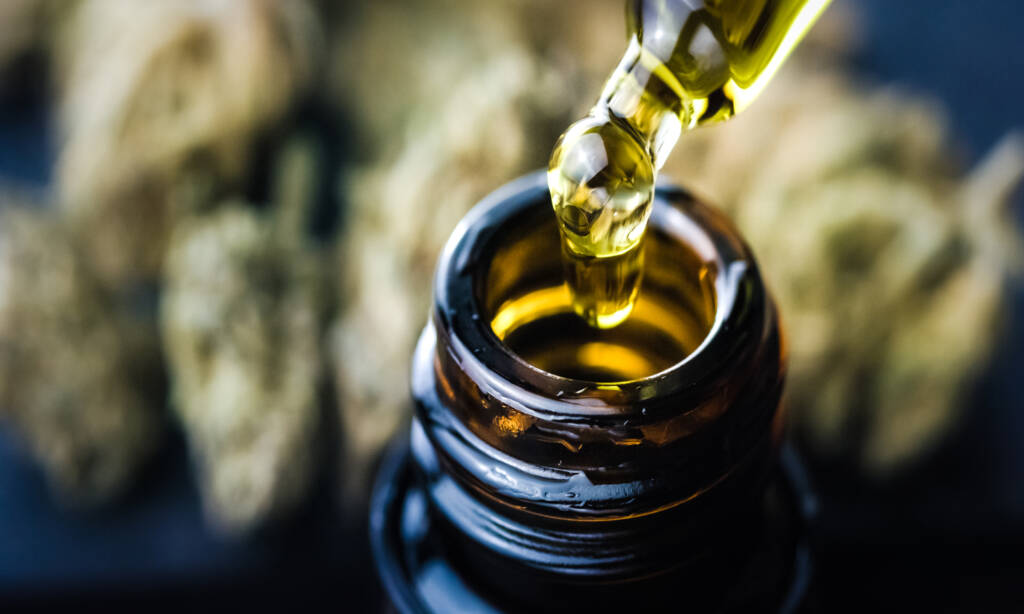
Epileptic seizure frequency fell by an average of 86% among 10 children treated with whole-plant medicinal cannabis, reveals a case series published in the open-access journal BMJ Paediatrics Open.
None of the children had responded to other treatments, including the only cannabidiol (CBD) product licensed for their condition, reported medicalexpress.com
Photo by 24K-Production/Getty Images
Prompted by parents whose children had responded well to whole plant medicinal cannabis extracts, but not to conventional anti-epileptic drugs or purified cannabidiol (CBD oil), medicinal (whole plant) cannabis was designated a prescription medicine for the treatment of severe childhood epilepsy in 2018. Whole plant cannabis includes THC, the main active ingredient of the plant associated with recreational use, CBD, and other neuroactive molecules such as terpenes.
Researchers evaluated the use of whole plant medicinal cannabis in ten children whose severe epilepsy had not responded to conventional treatment, and two of whom hadn’t responded to the only pharmaceutical grade, purified CBD oil licensed for the condition in children, Epidiolex, made by GW Pharmaceuticals. They wanted to assess and report the change in monthly seizure frequency and the impact of medicinal cannabis on changes in conventional epilepsy drug use.
All the participants were recruited from two charities representing children using medicinal cannabis to treat their severe epilepsy. The children’s average age was 6 but they ranged from 1 to 13 years.
The children had tried an average of 7 conventional epilepsy drugs. After starting to take medicinal cannabis, this fell to an average of 1 each, with 7 of the children stopping them completely. Monthly seizure frequency reduced for all 10 children by an overall average of 86%.
Full chemical analysis of the whole plant medicinal cannabis products used is ongoing, but researchers were able to assess the THC and CBD content.
Parents and caregivers reported significant improvement in the health and wellbeing of their children, including in sleep, eating, behavior and cognition after they began to take whole-plant medicinal cannabis products. Only a few minor side effects, such as tiredness, were reported.
Though this was an observational study involving a small number of participants, researchers highlighted that the new data suggest that whole-plant medicinal cannabis products are more effective than CBD products.
As technology around personal vaporizers continues to develop, it’s fair to assume that the likelihood of people leaving their glass paraphernalia in the past will only increase.
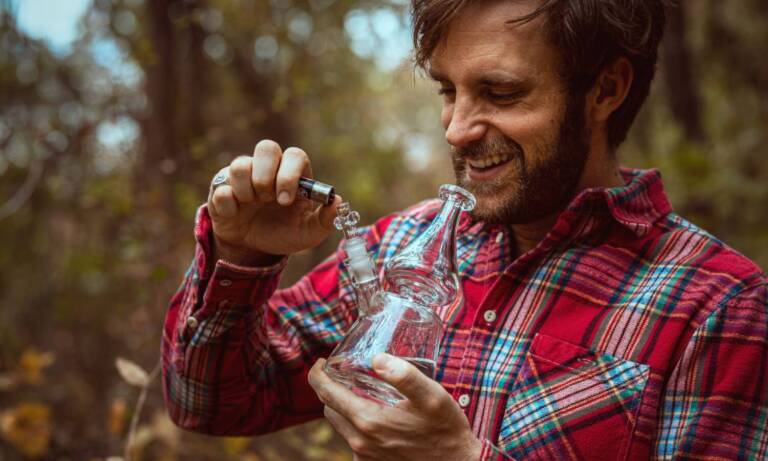
The world of cannabis consumption has expanded well beyond the realm of bowls and bongs. The advent of vaporizers have added a significant amount of variety when it comes to the choices of smoking paraphernalia on the market.
A lot of cannabis enthusiasts have a comfort level with their glass accessories that can be hard to break. That’s the case even though there are a handful of reasons to leave glass in the past.
They Are Highly Fragile
One of the downsides that come with having a reliable, trusted glass piece is that it can be destroyed in the blink of an eye. When people who mostly use glass pieces to consume marijuana don’t have a dedicated safe spot for it, they’re especially susceptible to costly accidents. The bigger the piece, the more difficult it is to find somewhere safe to keep it. Complicating matters even further, lots of water pipes have multiple compartments that can be damaged with improper handling.
Photo by vladans/Getty Images
They Can Be Difficult to Clean
One of the reasons why people prefer to smoke out of glass accessories instead of with papers or blunts is because they provide a cleaner experience free of resin. Additionally, they provide the opportunity for people to enjoy their cannabis in lower quantities which makes their stash stretch further. While the benefits of using glass accessories are clear, they only remain true when they’re properly cleaned.
Cleaning glass accessories is vastly different from cleaning other glassware you ordinarily use on a daily basis because cleaning the stains that come with the resin that glass accessories accumulate with regular use is tricky. One tip for properly cleaning glass accessories is to keep some rubbing alcohol, salt and cotton swabs nearby for reaching those hard to get areas where resin seems to be the most present.
Photo by Sharon McCutcheon via Unsplash
They’re Nearly Impossible to Travel With
Unlike one-hitters and vaporizers, most glass pieces are fairly difficult to transport safely. That’s the case because most glass pieces are conspicuous and tough to fit into a pocket or purse. They also contain components that can be easily broken or lost. On the rare occasion when people do find a glass piece that’s easy to take on the go, it doesn’t provide the level of discreetness that other devices like vaporizers do. The use of glass is typically accompanied with big clouds and residue that make it nearly impossible to conceal.
Since there are so many characteristics about glass accessories that are an inconvenience to users, it wouldn’t be surprising to see their popularity wane in the coming years. Especially as technology around personal vaporizers continues to develop, it’s fair to assume that the likelihood of people leaving their glass paraphernalia in the past will only increase.
Not only do states have different laws, but some airports even have different policies when it comes to marijuana and the TSA.
It seems like every few months there is an entirely new rulebook for marijuana. Where it is legal, how much you can possess, where you can smoke it and where you can bring it vary greatly and change frequently throughout the country.
When you purchase cannabis legally in the United States you might think you are in the clear when you bring it with you to the airport. Before you enter the TSA line, however, you should consider marijuana laws, and also who owns the airspace you are about to travel through. Understanding the laws and policies surrounding THC and the TSA can save you from a big headache, a bigger fine and even a criminal record.
Recreational Marijuana
So far, 18 states have legalized marijuana for recreational use. Each state has different rules on how and where you can consume marijuana. When you fly in an airplane, however, you leave state territory and enter federal jurisdiction. Marijuana is still completely banned as a schedule I substance on the federal level. This means traveling on an airplane with recreational marijuana is illegal.
Photo by Marco López via Unsplash
“The airspace you’ll be traveling through is considered federal territory; hence, why it can’t come on your flight,” according to The Washington Post. “That includes flying within states where pot use is legal, or flying between states — even if both allow it for recreation.”
Although it is illegal to take recreational marijuana on an airplane, TSA has taken a surprisingly chill stance on cannabis. TSA posted a very direct public service announcement of sorts on Instagram on the matter of traveling with cannabis, stating, “Let us be blunt: TSA officers DO NOT search for marijuana or other illegal drugs. Our screening procedures are focused on security and detecting potential threats.”
This stance may seem rather liberal, but the TSA has made it clear they are looking for safety threats, not marijuana.
However, they also include verbiage that you should take note of if you are considering the risk of bringing marijuana through airport security. The TSAwebsite states, “TSA security officers do not search for marijuana or other illegal drugs, but if any illegal substance is discovered during security screening, TSA will refer the matter to a law enforcement officer.”
Medical Marijuana
You may think medical marijuana holds more legal legitimacy. After all, a prescription is required from a doctor, and medical marijuana has been approved for a variety of medical conditions. Heck, the FDA has even approved medications derived from cannabis.
Medical marijuana is, however, still illegal on the federal level. You may find a bit more leniency if you are caught with medical marijuana and present a medical card versus getting busted with recreational pot, but don’t bank on it.
As stated by The New York Times, “if you don’t know the rules, traveling with medical marijuana could lead to an arrest or at the very least, a complicated legal gray area.”
You should also check with your airline if you intend to travel with medical marijuana. Several airlines, including Delta Airlines and American Airlines have openly banned medical marijuana from their planes.
Photo by Phil Mosley via Unsplash
CBD
CBD has grown wildly in popularity in the last few years, and has become the natural go-to remedy for many looking to decrease anxiety. Anxiety and flying often go hand-in-hand so it is no surprise that many passengers seek to travel with CBD in their carry on.
CBD is legal to travel with throughout the United States, with some exceptions. According to TSA policy, “Cannabidiol (CBD) oil, remain illegal under federal law except for products that contain no more than 0.3 percent THC on a dry weight basis or that are approved by FDA.”
This means you should only bring CBD products that are THC free. When in doubt, bring an FDA approved (and labelled) product through TSA to avoid any confusion at the security checkpoint.
Beware Of The Gray Area
“There are all kinds of mixed messages being sent, but that’s because we have mixed messages in the legal system,” David Bannard, an attorney with Kaplan Kirsch & Rockwell LLP in Boston, who consults with airports on marijuana and other regulatory issues told Forbes.
When it comes to TSA and marijuana, there is a lot of gray area. Not only do states have different laws, but some airports even have different policies when it comes to marijuana and the TSA. Because of this mixed bag of policies, it is always important to know and follow the exact laws wherever you are.
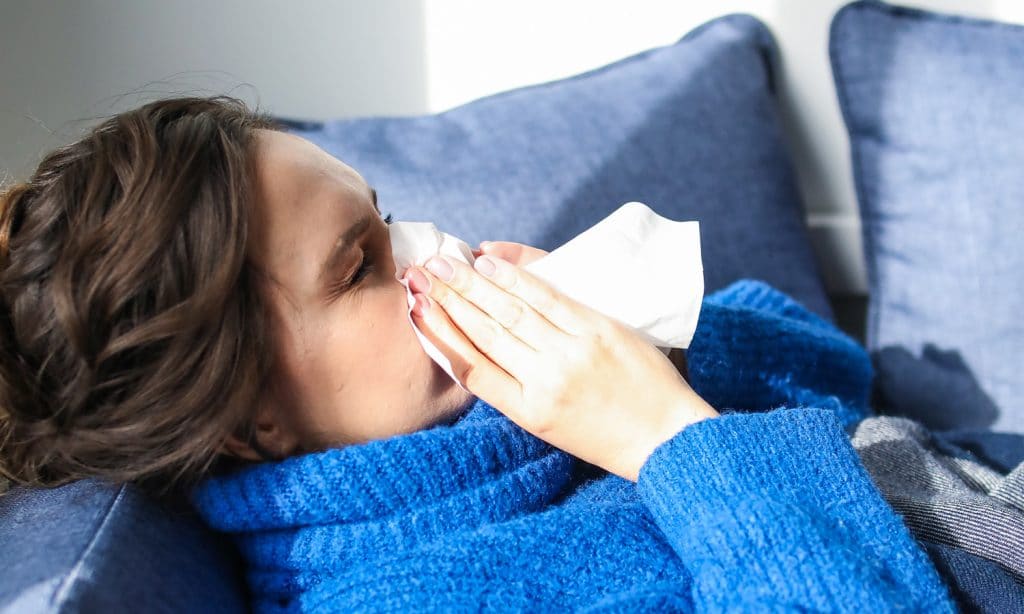
The holidays are stressful enough without the cold and flu season. But should falling ill keep you from getting your COVID booster?
The months leading up to the holidays are usually filled with sniffles and other signs that signal someone is under the weather. Aside from the cold weather, there are also more stressors than usual to contend with this time of year, increasing our odds of getting sick.
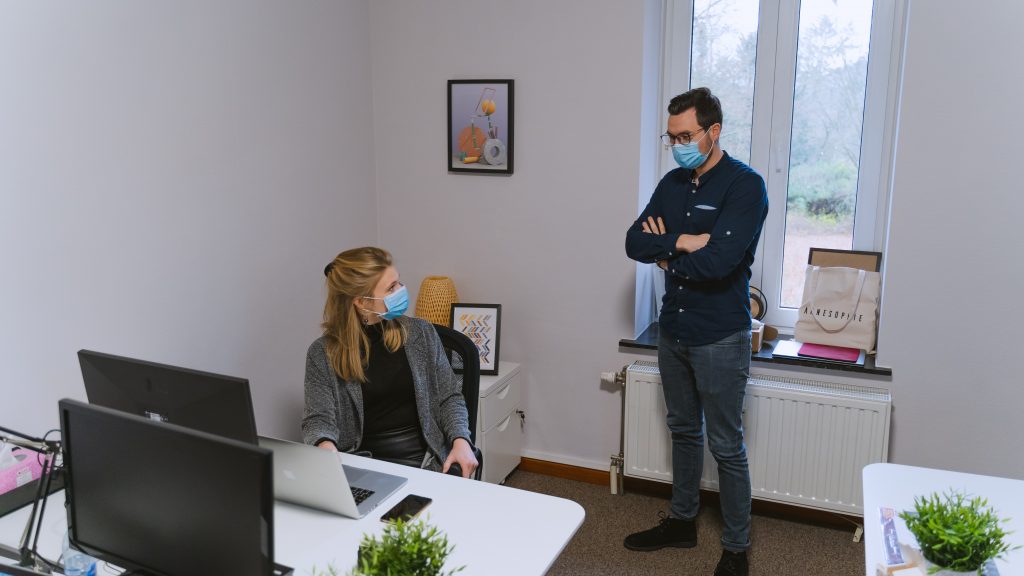
With the rise of the Omicron variant, it’s also important for people to get their COVID-19 boosters as soon as they can. But what happens if you’re sick? If you have any symptoms of COVID-19, no matter how mild they are, it’s important to get tested before doing anything else.
This list of COVID-19 symptoms includes the standard ones — coughs, fevers, and loss of taste and smell — but also the more rare ones, such as headaches and upset stomach. Even if you’ve been vaccinated and think it’s unlikely for you to have COVID-19, it’s important to get tested since the Omicron variant appears to be more transmissible than others. If you tested positive, you should not get the booster and instead should wait until you test negative again. While scientists don’t think it’s harmful to get the booster if you have COVID-19, it’s important to prevent the spread of the disease; going to your nearest pharmacy will likely expose you to a variety of people.
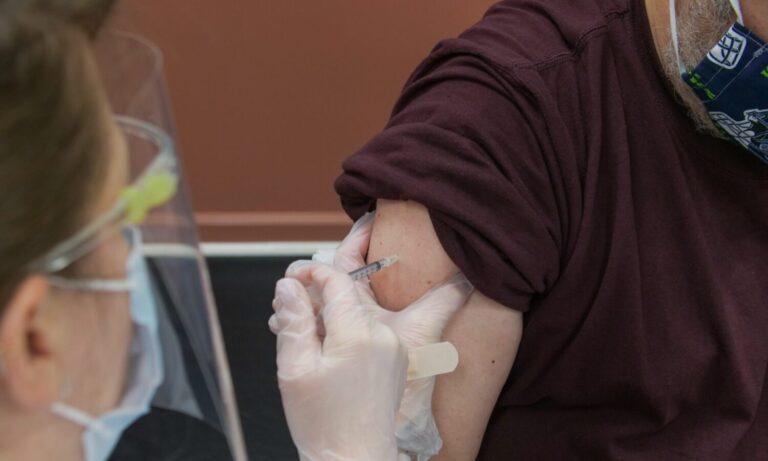
If you test negative and have manageable cold symptoms, you should get your booster. It’s very unlikely for the COVID-19 booster to react negatively when there are other symptoms in your body. Perhaps you’ll feel more tired the next day, but that should be it. In the grand scheme of things, it pays to be well protected ahead of the holiday season, when people are likely to expand their social circles and expand themselves and others to the virus.
Still, use your common sense. If you’re feeling too sick for your booster appointment, reschedule for another day, no matter the hassle or the need to want to get it out of the way before you meet up with friends and family. Stay at home and rest to prevent the spread of whatever illness you have, whether that’s a cold or the flu. Once you’re feeling better, schedule your booster as soon as you can.
Berlin’s public transport company BVG, already popular for its playful marketing campaign, just launched a new one — edible “hemp tickets.”
That’s right, the transport operator introduced a ticket made from edible paper sprayed with hemp oil just in time for the holidays, joking that it’s meant to reduce the stress of Christmas travel, reported Reuters.
Photo by Stanislav Rozhkov via Unsplash
But, cannabis enthusiasts be aware: the edible “hemp ticket” doesn’t contain CBD or THC, or any other such substance for that matter. The hemp oil on the tickets is made from the seed of the cannabis plant, claiming to offer a “relaxing effect.”
“Of course this is all to be taken with a twinkle in your eye,” BVG spokesman Jannes Schwentu said, adding that the idea for the ticket was to encourage Berlin residents to take the bus or the subway during the busy and sometimes stressful Christmas period.
The tickets, available for one week, cost around $9.94 and are valid for 24 hours.
“We do make very clear that anyone who wants to use the ticket as an actual ticket, please only nibble on it or eat it after your journey as if it has a bite out of it, it is no longer valid,” Schwentu highlighted.
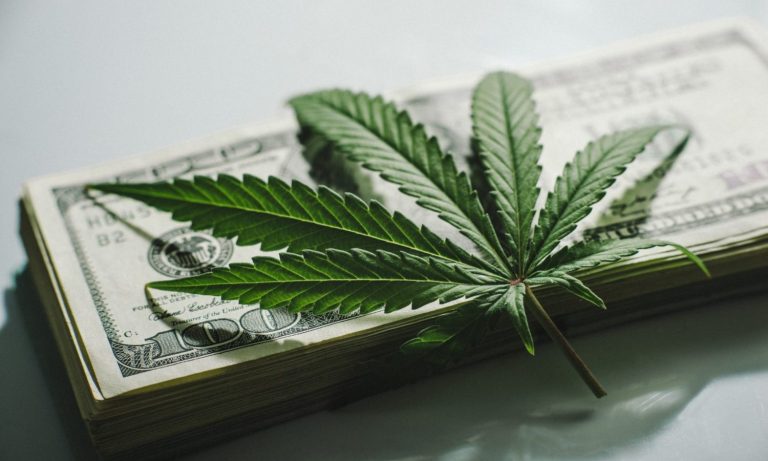
The hemp ticket launch comes on the heels of Germany’s plan to legalize marijuana — a move that could bring $3.85 billion in annual tax revenue.
A recent CNN article makes you believe that smoking cannabis will impact your sleep, especially if you smoke more than 20 times in a single month.
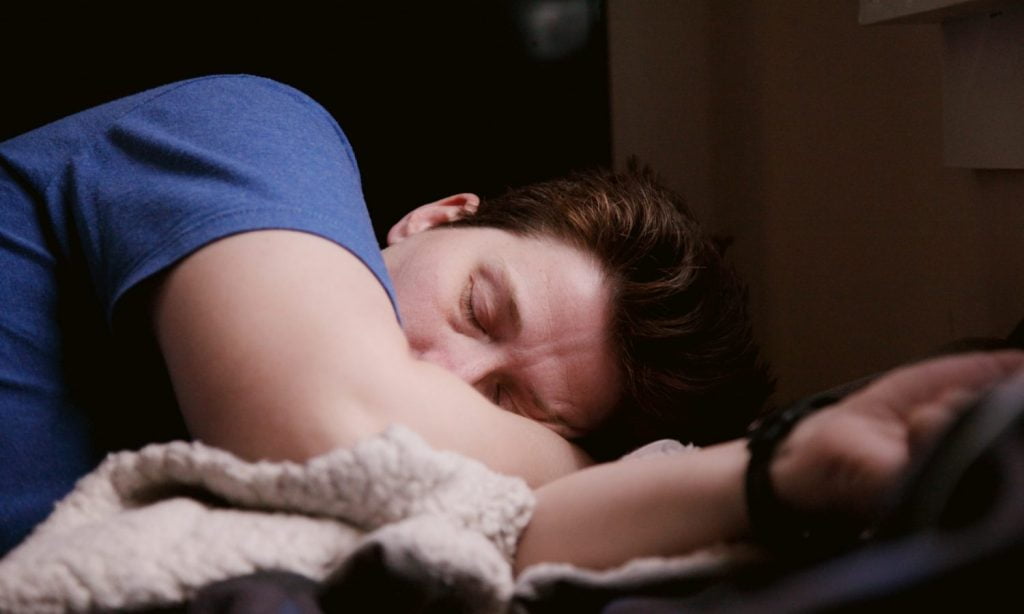
Many people consume cannabis to help sleep. It’s one of the more common uses of within a medical context. However, a recent study aims to challenge the idea that cannabis is good for sleeping and believes it found reasons to doubt assumptions.
Photo by Weiquan Lin/Getty Images
What the Study Claims
CNN reported on the study, stating that, “Use of weed may actually harm sleep, a new study has found. The research, published Monday in a BMJ journal, revealed adults who use weed 20 or more days during the last month were 64% more likely to sleep less than six hours a night and 76% more likely to sleep longer than nine hours a night. Optimal sleep for adults is defined by the US Centers for Disease Control and Prevention as seven to eight hours a night.”
Basically, the study found that if people smoked more than 20 times per month (I know an arbitrary number) they were more likely to sleep more than eight hours at a rate of 47%.
The lead investigator Calvin Diep said, “Large population-based studies show that both short sleep and long sleep are associated with an increased risk of heart attacks and strokes, as well as the long-term progression of things like atherosclerosis, diabetes, coronary artery disease and any of the major cardiovascular diseases.”
While this may be true, unless they have tested the cannabis users for these conditions as well, then the information would by no means be causal. It might simply be a coincidence or there may be numerous other things that could cause the same results.
In fact, this is something that even the lead researcher, Calvin Diep, said.
“The problem with our study is that we can’t really say that it’s causal, meaning we can’t know for sure whether this was simply individuals who were having difficulty sleeping, and that’s why they use the cannabis or the cannabis caused it,” Diep told CNN.
CNN also interviewed another clinician-scientist, Dr. Karim Ladha, on these findings which he had the following to say:
“Studies tell us about what happens at a population level, but on an individual level that discussion is much more personal,” he said. “The studies just give us the possibilities that (marijuana) could hurt your sleep, but it may help and so we just don’t know until you try it.”
That’s why additional studies need to be done, he added.
Photo by Shane via Unsplash
“Patients are spending money and time and resources to obtain cannabis right now to help with sleep,” Ladha said. “I think as the medical community, we need to do everything we can to make sure that we enable our patients to make the best possible decisions for their health.”
I agree with Ladha on this one, it’s the responsibility of the medical community to help inform people to make the best decisions for their health. These studies tend to do “generalized analysis” of the data and throw a wide net – however, this doesn’t mean that individually some people are actually benefiting from cannabis use.
Why Are They Publishing Unfinished Science?
Science is a process, and it’s important to keep a record of findings. However, it’s also important to note that CNN and many other media outlets have historically been against cannabis. Most of the time, cannabis is being reported on either ironically, sarcastically, or in a negative light. Only recently were news outlets forced to spin a different narrative.
If we look at funding of major networks, you’ll notice a large chunk of it comes from pharmaceutical companies – who happen to sell drugs to help you fall asleep. The difference being that one of the drugs you can grow at home while the other must be exclusively purchased by a licensed physician that also makes some nice profits on prescribing their drugs.
Does this mean we should ignore the study? I can’t say that the study was funded by pharma mainly because I haven’t gone and looked at the funding. However, I can definitely say that CNN receives money from the pharmaceutical industry and, as a result, may have some serious bias when it comes to reporting on the negative effects of cannabis.
Photo by Andrea Piacquadio from Pexels
After all, it was only through media networks that prohibition could have lasted so long. They help frame the narrative for the government.
I wouldn’t have a problem if they published these findings in an unbiased light, however, the CNN headline doesn’t indicate that there is no causal relationship in the findings. It makes you believe that smoking cannabis will impact your sleep, especially if you smoke more than 20 times in a single month.
Really? Twenty times? Is that dabs? Joints? Vaping? Edibles? What about the potency? How soon before going to sleep did the users consume cannabis? Or are we simply going to use the ambiguity of the statement as a means of claiming there was any due diligence involved in this study?
While this study will certainly be cited by some anti-cannabis organization in the future, the fact of the matter is that this study was created for the purpose of building a narrative. Which is a shame. They should be doing legitimate studies on these kinds of things.
There would be zero ethical consequences to doing clinical trials with cannabis from dispensaries compared to a control group. Especially, in places such as Canada.
The cannabis industry has been unbanked and underserved for years, often resulting in adverse impacts on public safety in communities where cannabis is legal.
On Monday, New Mexico Attorney General Hector Balderas announced that New Mexico-based U.S. Eagle Federal Credit Union is the first financial institution in the country to become certified for outstanding U.S. monetary banking protocols in banking cannabis and hemp operation.
The certification is part of a financial services certification program run by the Policy Center for Public Health & Safety in collaboration with state attorneys general as well as a broader certification effort being implemented by ASTM international and PH&S.
Photo by eldadcarin/Getty Images
“The marijuana industry will soon be exploding in New Mexico, and it is important to have banking safeguards to mitigate illicit and criminal conduct, Balderas said. “This is an important first step in partnering with legally compliant businesses in the marketplace.”
Endorsed by Safe Harbor Financial, a subsidiary of Partner Colorado Credit Union,the certification brings banking and financial transparency to ensure the safety of the monetary system for institutions banking hemp and cannabis.
Marsha Majors, president and CEO of U.S. Eagle Federal Credit Union, emphasized that credit unions “were chartered to serve the unbanked and underserved population.
“The cannabis industry has been unbanked and underserved for years, often resulting in adverse impacts on public safety in communities where cannabis is legal,” Majors added.
State and federal agencies accept the overall certification model as the standard of compliance and in implementing general risk mitigating strategies.
The highest level of compliance standards, which will meet the expectations of BSA and FinCEN Guidelines.
Mainstream depository options for cannabis-related entities, including both plant-touching and ancillary service providers, ensure accountability, transparency and reporting of the industry.
Monitoring of internal activities of all personnel involved in the compliance program to ensure full compliance with processes that will protect U.S. Eagle.
Monitoring cannabis clients to ensure they are internally prepared to prevent or implicate any enforcement priorities previously recorded in the Cole Memo and still referenced in the Financial Crimes Enforcement Network (FinCEN) Guidelines.
Creating a transparent environment of all activities with examiners, auditors, and other third parties that work with the financial institutions to build comfort and understanding, ultimately improving processes in the long term.
Joining a network of cannabis banking financial institutions that share and develop best practices surrounding cannabis banking and using this shared network to assist each other with safety and soundness.
Digitizing financial transactions to the highest level possible to increase transparency.
Ensuring records are thorough, easily navigated, and readily available to fulfill law enforcement demands such as subpoenas, inquiries.
Malta is poised to become the first country in Europe to legalize the cultivation and possession of cannabis for personal use.
The first country? What about the Netherlands?
While the Netherlands, and especially Amsterdam, is most commonly associated with cannabis consumption in Europe, marijuana possession and trade are technically illegal there although the Dutch government’s relaxed attitude is well-known.
Photo by Mike Nahlii via Unsplash
Proposed Rules In Malta
Under Malta’s proposed bill, possession of up to 7g of cannabis, home cultivation of up to four plants and storing up to 50g of dried marijuana will be legally permitted for those aged 18 and above. Those found in possession of up to 28 grams, on the other hand, will be obliged to pay a €50-€100 fine but will not be subjected to a criminal record.
The underaged found in possession will not be arrested but will be obliged to go before a justice commission for a recommended care plan. Consuming weed around children is punishable by a €300-€500 fine.
The legislation was approved by Malta’s Parliament on Tuesday and is expected to soon be signed into law by the president.
Owen Bonnici, the minister responsible for the program, told the Guardian that the Maltese government does not want to encourage the use of drugs, but that there’s no scientific proof that marijuana usage leads to abuse of more dangerous substances.
“There is a wave of understanding now that the hard-fist approach against cannabis users was disproportionate, unjust and it was rendering a lot of suffering to people who are leading exemplary lives,” Bonnici said. “But the fact that they make use on a personal basis of cannabis is putting them in the jaws of criminality.”
“I’m very glad that Malta will be the first country which will put words in statute in a comprehensive manner with a regulatory authority,” he added.
Recent Cannabis Reforms In Europe
It looks like the cannabis reform wave is starting across Europe, a move that was inspired last December when the United Nations Commission on Narcotic Drugs made a final decision to remove cannabis from Schedule IV of the 1961 Single Convention on Narcotic Drugs.
It is widely known that cannabis has many medicinal benefits, with managing chronic pain, epilepsy, anxiety and treating the symptoms of PTSD among them. But should you be mixing cannabis and prescription drugs?
However, in the case of cannabinoids, a group of substances found in the cannabis plant, there is a risk that combining it with other prescription drugs could pose harmful drug-drug interactions, suggests new research undertaken by scientists at Washington State University (WSU).
Photo by FatCamera/Getty Images
The researchers looked at cannabinoids and their major metabolites found in cannabis users’ blood and found that they interfere with two families of enzymes that help metabolize a wide range of drugs prescribed for a variety of conditions. As a result, either the drugs’ positive effects might decrease or their negative effects might increase with too much building up in the body, causing unintended side effects such as toxicity or accidental overdose.
The findings examined the interaction between three of the most abundant cannabinoids – tetrahydrocannabinol (THC), cannabidiol (CBD), and cannabinol (CBN).
While more research is essential, the authors suggested that caution should be taken when using cannabis with prescription drugs.
“Physicians need to be aware of the possibility of toxicity or lack of response when patients are using cannabinoids,” said Philip Lazarus, senior author on the paper and Boeing distinguished professor of pharmaceutical sciences. “It’s one thing if you’re young and healthy and smoke cannabis once in a while, but for older people who are using medications, taking CBD or medicinal marijuana may negatively impact their treatment.”
Lazarus added, “It’s one thing if you’re young and healthy and smoke cannabis once in a while, but for older people who are using medications, taking CBD or medicinal marijuana may negatively impact their treatment.”
The Findings
Researchers used manipulated human kidney cells and confirmed their results in human liver and kidney specimens in which enzymes were present.
Shamema Nasrin, a graduate student in the WSU College of Pharmacy and Pharmaceutical Sciences, emphasized that even though cannabinoids stay in the consumer’s body for roughly 30 minutes prior to being rapidly broken down, the metabolites that result from that process could remain in the system up to 14 days.
Photo by Cavan Images/Getty Images
Moreover, metabolites are also found “at higher concentrations than cannabinoids,” she further explained, adding that they have been “overlooked in previous studies.”
Potential negative drug interactions include a decrease of the drugs’ positive effects, as well as an increase in its negative effects resulting in the excessive build-up in the body that could cause unintended side effects such as toxicity or accidental overdose.
“Taking CBD or marijuana might help your pain but could be making the other drug you’re taking more toxic, and that increase in toxicity may mean that you can’t continue taking that drug,” Nasrin said. “So, there could be serious ramifications for anti-cancer drugs, and that’s only one example of the many drugs that could potentially be affected by the cannabinoid-enzyme interactions we’re seeing.”
Don’t let flu season keep you from sharing your stash. There are safe ways of enjoying cannabis with loved ones this season without getting sick.
Making it through the pandemic without contracting COVID only to end up with the flu is a nightmare for millions of Americans as flu season gets underway. The risk of contracting the flu is even higher for cannabis enthusiasts who are eager to get back to their old ways of passing weed to their friends.
Nothing is worse than having the flu while everyone else is doing something fun. Here are tops for safely sharing weed during flu season.
Photo by Louis Hansel via Unsplash
Sharing Edibles
A great alternative to traditional methods of sharing weed with friends could be baking and sharing edibles together. There are numerous edible recipes that are easy to make and taste delicious. Making edibles could serve as a great way to catch up and enjoy each other’s company before getting baked yourself. The fact that sharing edibles is likely the best way to enjoy cannabis together without potentially getting each other sick is an added bonus.
Consider Using Personal Paraphernalia
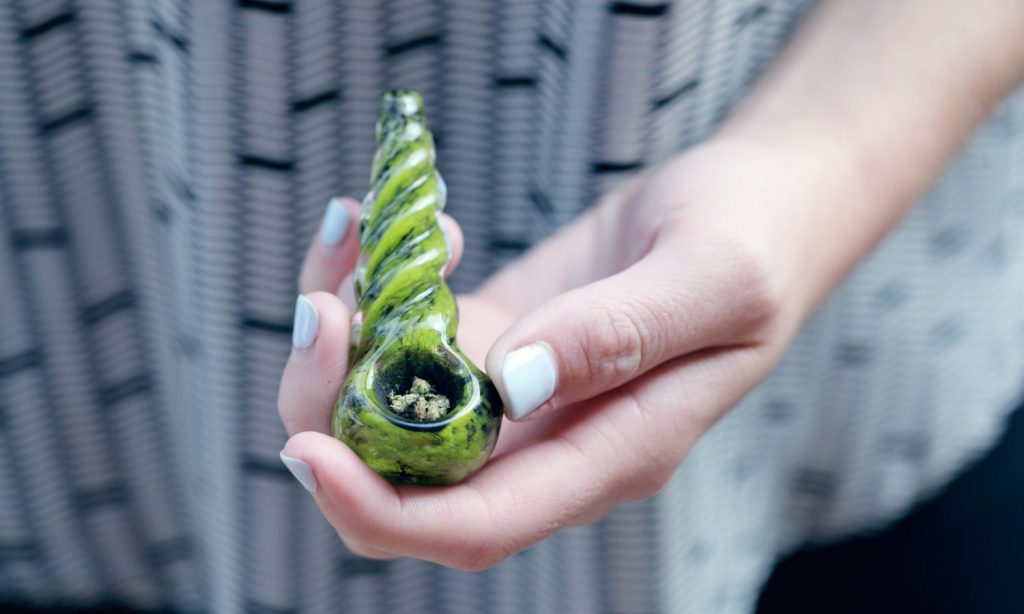
It’s no secret that germs can be easily exchanged by sharing pipes, bongs and bubblers. That’s why during flu season, it’s likely a good idea to stick to using personal pieces even when smoking with friends. Fortunately, there are numerous pieces that are portable. This method is particularly fun when everyone has a different strain of their own to bring to the party that allows each person to try a new strain while using their own preferred piece. Additionally, smoking marijuana from pipes allows the weed to last a bit longer than rolling it, which means longer, more enjoyable sessions with your friends!
Similar to using personal paraphernalia, personal vaporizers can be an effective alternative to passing around the same bong or blunt. A lot of vaporizers on the market nowadays come with 2-in-1 capabilities that allow users to consume both concentrates and dry herb with them. This allows you to get together with friends and enjoy the sensations both concentrates and dry herb marijuana offer without the risk of passing the flu or other contagious illnesses. Another benefit of using vaporizers as an alternative to passing a bong or a blunt is that vaping can provide a different high which allows consumers to get a better taste of the strain they’re consuming.
Sometimes, nothing hits the spot like a puff of a tightly-rolled joint. Sharing a joint with friends without the risk of passing along a flu or cold is difficult, but that’s where knowing how to roll a double-crutch joint comes in handy. Rolling one is simple. All it takes is rolling one up the way you normally would, then cutting it in half. Just pass the other half to whoever it is you’re smoking with and suddenly you’re sharing the same joint! Even though it’ll likely take some getting used to, smoking a double-crutch joint is the ideal way to share the satisfaction of a joint with a friend without sharing the risk of getting sick.