A variety of elements present in cannabis provide anti-inflammatory effects, including THC. Here’s what you should know.
Cannabis is an anti-inflammatory agent. The plant has long been associated with a variety of benefits related to the area of pain and inflammation, which is one of the first symptoms that cannabis treats. The compound’s effect on inflammation has helped people manage symptoms of chronic pain, injury recovery, and more.
The elements present in cannabis, like THC and CBD, have all been linked with anti-inflammatory properties, making them good options for a variety of illnesses. These findings have appeared in various studies, and have been reported by a significant number of pro athletes.
Crohn’s disease and chronic pain, both heavily influenced by the patients’ degree of inflammation, are just some of the ailments that report the most benefits when paired with cannabis. A study conducted on patients with Crohn’s indicates that 10 out of 11 patients experienced some form of relief thanks to cannabis, without having to subject themselves to steroids or other types of medications.
When discussing chronic pain or injuries, cannabis provides a path to treat symptoms and pain without relying on opioids and medicines, along with their often dangerous and addictive side effects. While its effects on inflammation may be lesser than the ones provided by opioids or medications, the main perk cannabis offers is that it provides no significant side effects, except for perhaps getting a little bit too high.
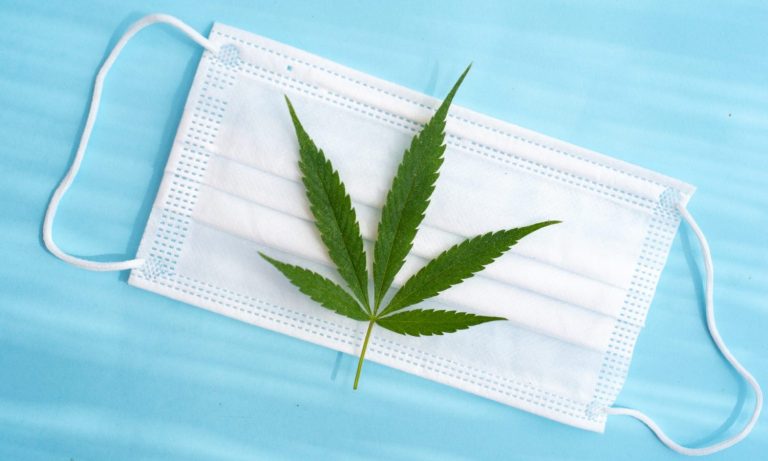
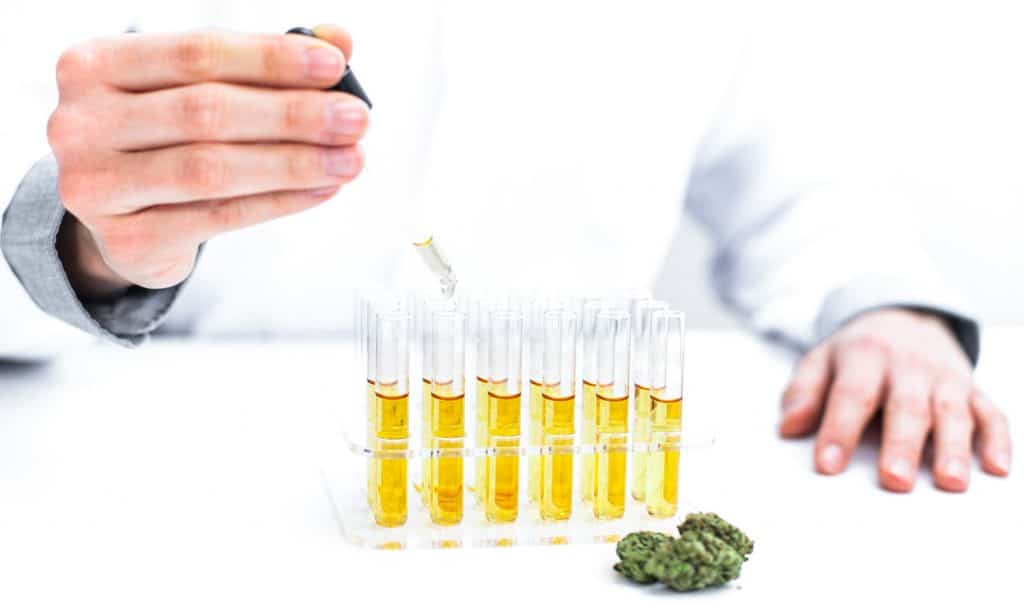
Photo by Karolina Grabowska from Pexels
“For me, the major benefits of cannabis are as an anti-inflammatory and the relief from pain, headaches, and other concussion symptoms that I still have years after suffering a bunch of them,” football player Eugene Monroe told Playboy. “I went from scheduling X amount of pills throughout each day to eliminating all of them. Now that I use cannabis, the only pills I take are vitamins and minerals. There’s no more pharmaceuticals.”
Why do these results occur? There are only theories in place, but researchers believe that cannabinoids are able to create pathways in the brain that reduce or shut off the body’s anti-inflammatory response. And while THC and CBD have provided a large percentage of anti-inflammatory results when tested out on their own, cannabis’ entourage effect (the collaboration of all elements within the cannabis plant) might be the recipe that provides the best effect of all.
Cannabis and its compounds THC and CBD are very promising elements when it comes to treating inflammation. While they likely won’t provide the same amount of relief as prescription medications when treating serious conditions, hopefully in the future we’ll be in a place where there’s more research and cannabis can be considered as another valuable option for people to have.
Presently, HHC products are treading the grey areas of legality between hemp and cannabis . Until definite legislation is announced, retailers and producers will continue to assume HHC to be legal.
Having a full grasp of HHC can be somewhat complicated given it just recently hit the market. Presently, just a few retailers have it for sale and mostly in the form of vape carts. HHC is said to offer plenty of potentials, so don’t be surprised when you begin to hear more about the cannabinoid.
As federal and state agencies continue to place a ban on delta-8 THC, HHC now provides more legal appeal and promise to canna-enthusiast. This is because it is not a THC compound and it’s said to also be able to elude drug tests. However, the evidence for this is simply anecdotal.
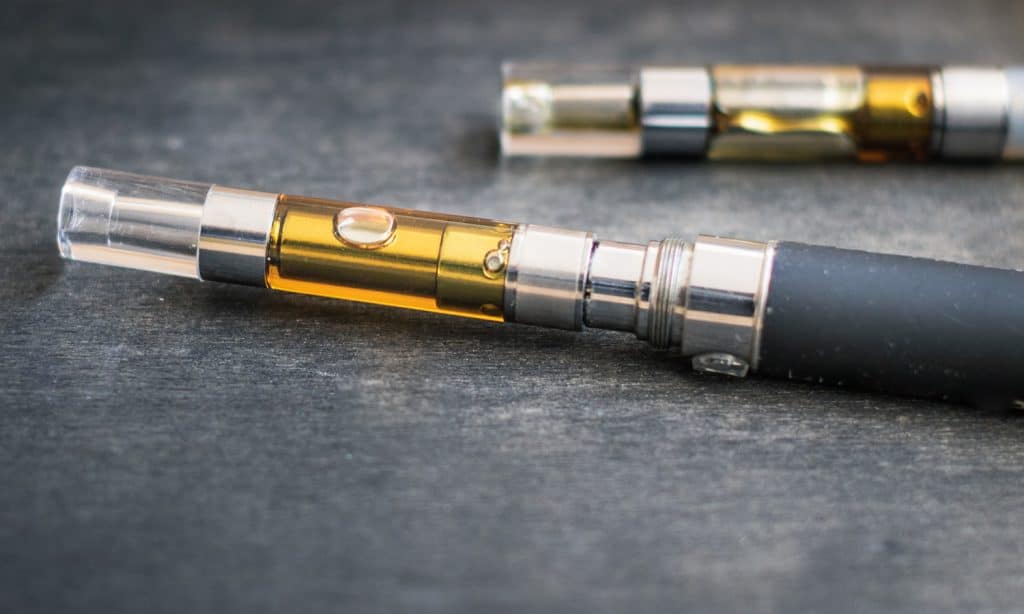
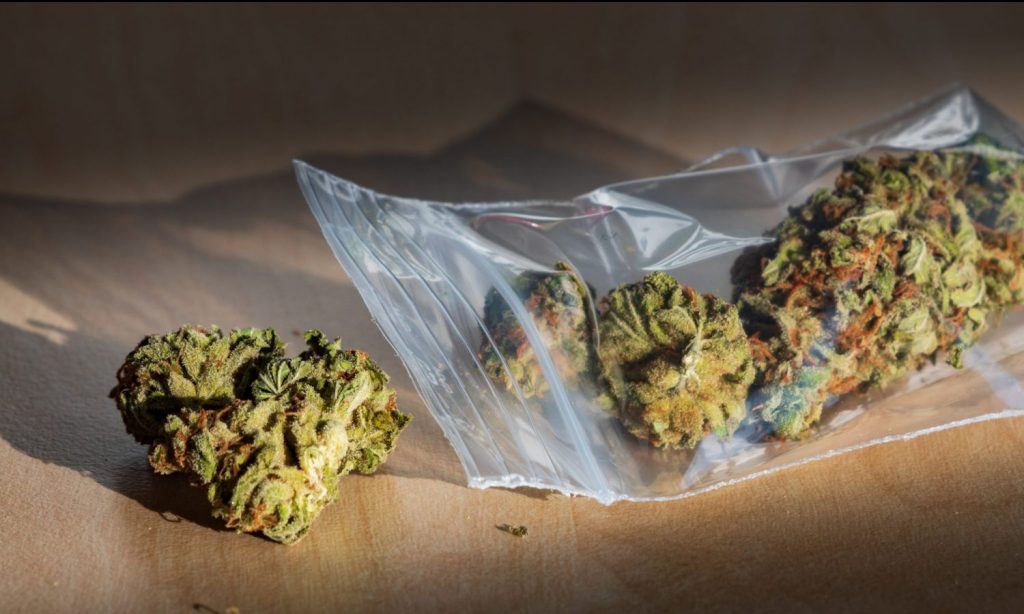
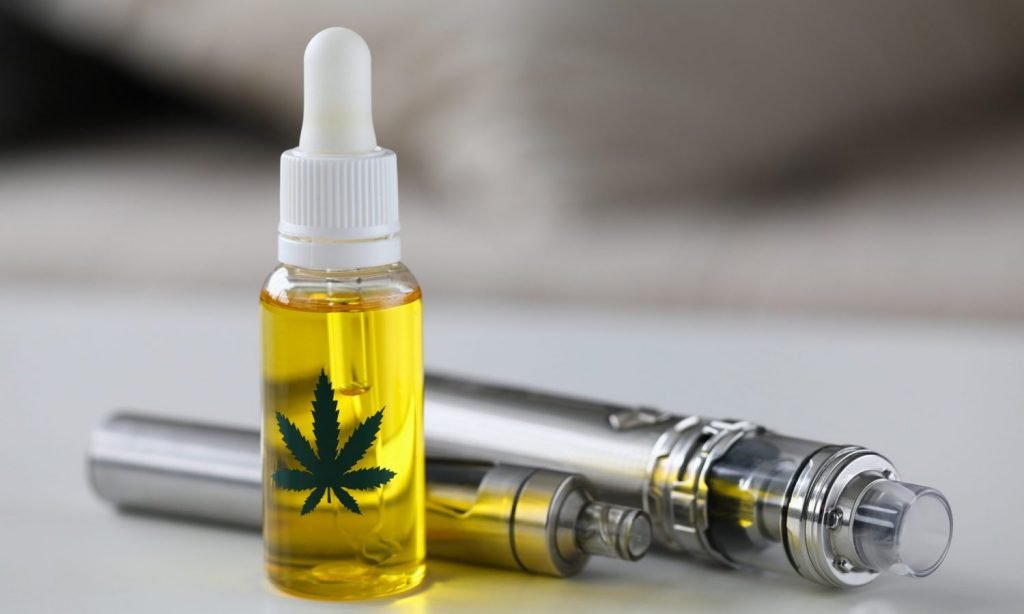
Photo by HighGradeRoots/Getty Images
HHC is chemically known as 11-Nor-9β-hydroxyhexahydrocannabinol. It is a semi-synthetic cannabinoid and a hydrogenated form of THC. First manufactured in 1944 by an American chemist known as Roger Adams. To produce it, Adams added hydrogen molecules to delta-9 THC, converting THC to tetrahydrocannabinol (HHC). This process is known as a hydrogenation reaction. However, while Adams produced it from traditional cannabis-derived THC, a modern approach is used today. As a result of legislation and policies surrounding the possession and use of cannabis, low-THC cannabis plants and hemp are used to produce HHC.
How Is It Made?
Given HHC is a semi-synthetic compound, it is produced in the lab. Molecules of low -THC cannabis are isolated to give specific cannabinoids with the potential to compete with their family tree. HHC is produced when a specific amount of hydrogen is administered to a cannabis compound altering its chemical structure. After that, a metal catalyst is added to induce a reaction with the compound. This catalyst heightens the overall reaction without damaging the product. The overall chemical reaction produces HHC which wouldn’t otherwise occur in nature.
The catalysts usually used for the production of HHC include platinum, palladium, and nickel. These metal catalysts are removed once the reaction is complete.
Is It Safe?
Just like every of the recent hemp-derived cannabinoids, there’s little information on the long-term and immediate effects of HHC. In fact, there are no standard dosages for these cannabinoids including HHC. Since hemp-derived cannabinoids are not liable to cannabis laws in legal adult-use states, the retailers and makers fail to test their products. As a result, the safety, purity, and potency of hemp-derived cannabinoids (HHC inclusive) are not assured.
However, some retailers still go-ahead to test their HHC products using third-party laboratories. The tests do show a product that contains 99% HHC.
How Potent Is HHC?
Common ground is yet to be reached concerning the potency of HHC. This is because when cannabinoids are produced, the product is usually a mixture of two different types of HHC molecules. These molecules include the 9R HHC and 9S HHC. While the 9R HHC actively binds to the body’s endocannabinoid receptors, 9S HHC does not bind so well owing to the difference in its molecular structure. The 9R HHC molecules that fit into the receptor yield the same effects as delta-9 THC, but, with a higher dosage. Hence, with a significant amount of HHC dosage, THC-like effects can be identified. To simply put, HHC can have the same effect as THC on the mind and body but HHC has a lower potency than delta-9 THC.
Some HHC users have claimed that HHC gives a pleasant and average cerebral high. There are also claims of HHC serving as pain relief. Some claim they feel sharp, energetic, and strong after using HHC for recreational use.
Benefits And Effects
Among cannabinoids that have been introduced recently, HHC is the only one that shares very close similarities with Delta-9 THC. HHC is similar to Delta-9 THC in terms of a chemical structure and therapeutic effects. This is why many have reported effects such as pain relief, anxiety relief, cerebral and body, relaxation, and happiness after consuming HHC.
Even though lots of studies are still running to a better understanding, some studies have so far linked it to helping cancer. Among other synthetic and natural cannabinoids, it has been discovered to possibly shrink tumors in cancer patients. This is great news a potential medicinal cannabinoid
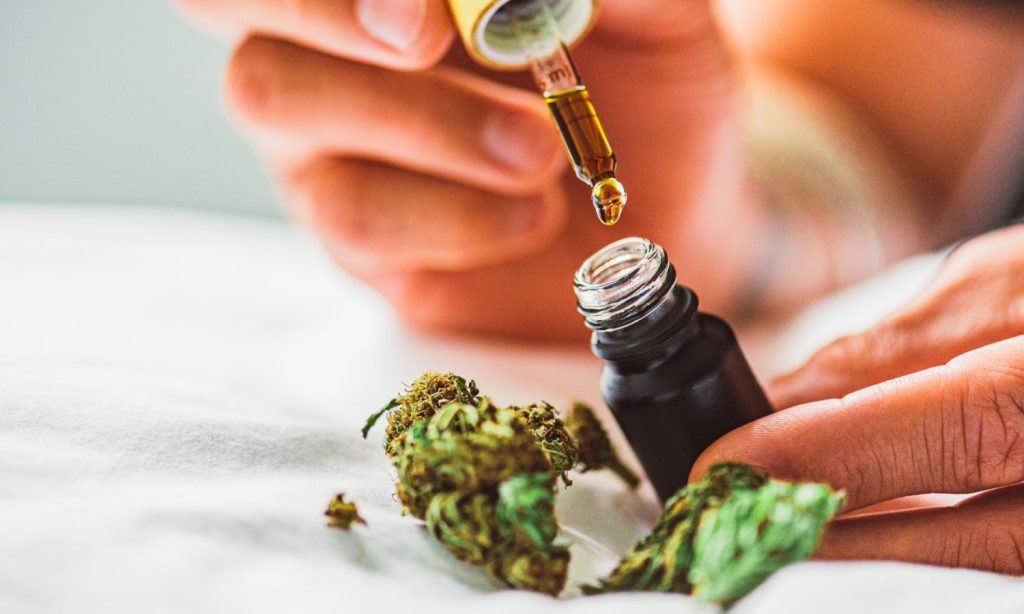
Photo by Dmitry_Tishchenko/Getty Images
Does HHC Show Up On A Drug Test?
A lot of people are starting to turn to HHC with the claim the cannabinoid can evade drug tests. However, all evidence supporting this claim is only anecdotal. Most of the claims are just hearsay. James Stephens, Vice President of Innovation at Creo, a natural cannabinoid ingredient company, also confirmed that these claims have not been proven in any capacity. Although he asserted that it’s possible that HHC doesn’t convert to 11-hydroxy-THC which is a popular drug test metabolite. If it doesn’t convert to 11-hydroxy-THC, then it can evade drug testing.
Presently, there’s no concrete evidence that backs up the claim it does not show on drug tests. Don’t bet your career and job on hearsays and anecdotal evidence.
Is It Legal?
This is perhaps the most complicated question is legality. The answer is roughly yes. This is because it is a hemp-derived and not produced from THC. Based on this fact, it should be in the clear. Gummies, edibles, and vapes containing it are all legal on the federal level and should also remain legal on state level. Other arguments that support legality claim it is found in the pollen and seeds of hemp plants. Hence, it is non-synthetic and therefore perfectly federally legal.
Presently, HHC products are treading the grey areas of legality between hemp (which is legal) and cannabis (which is not). Until definite legislation is announced, retailers and producers will continue to assume it is legal.
Bottom Line
All HHC (hexahydrocannabinol) products are produced using chemically hydrogenated HHC from THC. Based on present research, itis not dangerous or harmful, but note that how it’s produced can be dangerous. Hence, the product you buy can have plenty of impurities and contaminants due to poor hydrogenation procedures. To this end, make sure you purchase your products from reputable and credible vendors that have third parties test their products.
A new study found a link between consuming this much alcohol and favorable heart health.
When discussing drinking habits, the majority of us look for ways of decreasing it or at least keeping it under a certain margin. Thanks to years of studying its effect on humans, it’s common knowledge that the consumption of too much alcohol is bad for your health.
But a new study found some links between alcohol consumption and positive heart health. Of course, there’s a caveat.
The study, published in the European Journal of Preventative Cardiology, found that consuming moderate amounts of alcohol was positive for people’s heart health, preventing heart disease.
The data examined 18,000 people over the age of 70 in America and Australia. Researchers found that participants who consumed between 51 to 150 grams a week of alcohol had less risk of developing cardiovascular disease when compared to those who didn’t drink at all.
While it’s safe to assume that moderate consumption of alcohol is not bad for your heart health, it’s important to recognize that the study doesn’t imply that drinking alcohol is good for preventing cardiovascular disease. While a link was found, more research is necessary in order to draw a clearer picture. Researchers also said that the majority of participants were healthy, meaning that their results might not encapsulate that of the general population.
Still, the data is pretty interesting, especially when applied to an older demographic. Maybe the people who consume alcohol on a regular basis are less stressed and thus more likely to have positive heart health, or maybe, alcohol can be used as a relaxation method or as a way of bonding with other people.
A lot of questions remain, but, as long as you’re drinking with control and are maintaining a relatively healthy and active lifestyle, you should be okay.
Back in the day, pro athletes didn’t talk about using cannabis. But times have changed, and these old school wrestling stars have come out of the ring to sing the plant’s praises.
Most pro wrestling fans know that illegal drugs and painkillers were a big part of the lifestyle of many of its superstars during the industry’s heyday during the 80s and 90s. Nowadays, looking back on old footage of WWF and WWE Superstars, some viewers probably can’t help but wonder whether or not cannabis helped them deal with the intense holds and bumps they sustained during the industry’s most brutal, yet, famed era.
Since times have changed regarding how cannabis is viewed, former superstars are able to be more vocal about the benefits and ways it has helped prolong their careers.
Here are some former WCW and WWF superstars who advocate on behalf of marijuana.
Photo by JP Yim/Stringer/Getty Images
Jesse “The Body” Ventura
In the mid to late 80s, Jesse “The Body” Ventura made quite the impact on wrestling fans both inside the ring and as a commentator. Later on, he even made appearances during the first iteration of The XFL back in 2001. During his time outside of the ring, he’s spent much of his time remaining politically active to the point of winning the governorship of Minnesota as a reform party candidate. His term lasted from 1998-2003.
Since then he’s become fully committed to the cause of full nationwide cannabis legalization. He began his crusade on behalf of the fight to legalize cannabis after watching a friend helplessly suffer from seizures until they made the trip to Colorado to purchase products that ended them once and for all. Since then, he’s gone as far as naming his newest book “Jesse Ventura’s Marijuana Manifesto.”
Rob Van Dam
Wrestling aficionados remember Rod Van Dam as “The Whole Damn Show”. Now, RVD is known as one of the most vocal and longest-standing cannabis activists coming from the world of professional sports.
It’s no surprise given that the title-winning wrestler won the coveted WWE Heavyweight Championship in 2006, only to forfeit it later that year due to an arrest for minor marijuana possession. It turns out, the arrest was just a minor bump in the road for him too, since he was able to get his career back on track and find his purpose as a marijuana advocate, well after his days in the squared circle ended. His commitment to cannabis advocacy was exemplified by the fact that he has his own brand of CBD products for sale.
Tha Godfather/Papa Shango
Many Attitude-Era WWE fans will The Godfather’s catch phrase, “Pimpin’ Ain’t Easy,” displayed prominently on his ring attire, along with his memorable Brawl for All match which was just highlighted in a recent episode of Vice’s “Dark Side of the Ring” series.
What fans don’t know is the long path it took The Godfather (real name Charles Wright) to reach the pinnacle of the wrestling industry. Injuries, painkillers, and alcohol threatened everything he was working for, until he tried marijuana for the first time at age 27. Wright claimed that it made his knees feel better, his back feel better and opened up his eyes in general to the benefits it possesses. The impact it had on his career was so strong, he claims that it saved his life.
Val Venis
One of the edgiest superstars who helped make the Attitude-Era of WWE must-see TV for guys of a certain age, Val Venis, now goes by the moniker of Kaptain Kannabis. It’s a somewhat appropriate name for a wrestling heel, and seen as he now owns and operates the Health 4 Life dispensaries in Arizona it makes complete sense that he’d ditch his old WWE name for this one.
It’s not shocking that Venis made the leap into the world of cannabis given that cannabis is what he attributes to helping him kick his painkiller habit. His Health 4 Life dispensary franchise are a force to be reckoned with in Arizona’s market, as he currently has four that are open for business.
Though little to no medical research links cannabis use with COVID-19 relief, that is definitely not the case in business where the pandemic proved to be a boon for the industry.
As the world continues to contend with COVID-19, much about the virus remains uncertain, including its interactions with cannabis.
In the early months of the pandemic, various studies linked pot to both adverse and beneficial results. The trend continues today, with little conclusively known about the cannabis-COVID medical connection if indeed there is one.
Several physicians and researchers tell Benzinga that little has been concluded regarding any cannabis-COVID connections, beneficial or adverse.
Dr. Samoon Ahmad is a professor of psychiatry at NYU Grossman School of Medicine, where he serves as the unit chief of the inpatient unit at Bellevue Hospital. He said that “Unfortunately, not a lot” is certain at this time.
Dr. Robert Milanes, a California-based cannabis physician of telehealth platform Heally, stated, “One thing we know conclusively is that cannabis cannot cure COVID-19.”
Despite his assertion, cannabis entrepreneurs, like retired NFL player Kyle Turley, have claimed CBD can cure COVID-19. In late March 2020, the FDA warned Turley about making such claims.
Milanes pointed out that cannabis use increased during the pandemic. He noted a Margriet W. van Laar et al. study that saw 41.3% of respondents saying their cannabis use increased during the lockdown.
Beyond that, no one considered any findings to be verifiable at this time.
Ahmad, the author of a medical cannabis clinical handbook and an upcoming Wolters Kluwer-published book delving into the pandemic’s psychosocial effects, noted that several studies of interest had been published in recent months.
He cited additional studies with various adverse and beneficial conclusions. They include possible elevated rates of adverse outcomes for older patients using the synthetic drugs nabilone and dronabinol to treat severe breathing problems. Ahmad countered the results, stating, “This is indirect evidence and tenuous at best.”
He also cited studies linking heavy cigarette use to worsened COVID symptoms, hypothesizing that heavy cannabis smoke could have the same effect. He warned that vaping risks are even more tenuous.
“I would err on the side of caution and recommend that individuals use tinctures or edibles should they choose to use cannabis, particularly if they have comorbidities associated with worse COVID-19 outcomes,” Ahmad added.
Photo by Rocky89/Getty Images
Milanes also discussed various studies and their outcomes.
The physician cited one study that concluded cannabis users could be more vulnerable to contagion and worsening conditions due to COVID. He noted additional analyses that found people predisposed to cannabis use disorder saw an increased likelihood of hospitalization from the virus while other studies concluded that CBD might play a substantial role in lessening the severity of a cytokine storm. This is when the body’s immune system goes into overdrive, of sorts, signaling an influx of cytokines to fight a pathogen.
Milanes called the occurrence “the most dangerous and potentially life-threatening event related to COVID-19.”
Ahmad added, “Preclinical evidence suggests that THC and CBD may reduce the severity of acute respiratory distress syndrome (ARDS), but clinical evidence is still lacking.”
Good For Health? Probably Not. Good For Business? Yep.
Though little to no medical research links cannabis use with COVID-19 relief, that is definitely not the case in business where the pandemic proved to be a boon for the emerging industry.
Jessica Lipton, a cannabis researcher and founder of gummies brand Elevate Delta 8, said the essential status that was given to much of the industry led to significant expansion.
“Businesses boomed and were encouraged to maximize cash flow, develop contingency plans and hire more people,” Lipton said. She expects the trend to continue, especially for brands selling both THC and CBD products.
Delivery services also increased or were introduced across most markets to adhere to social distancing rules.
“Although the relaxation of these guidelines is temporary, the success that we’ve seen may encourage legislative adjustments in the future,” Lipton added.
The combination of marijuana and sex is popular for a reason. Here are some things you should keep in mind.
Marijuana and sex are a beloved pairing. They make a lot of sense together: a union of two activities that are very pleasant on their own, and that when paired, can complement each other.
Marijuana can help people in many ways, something that the industry has capitalized on, developing lubricants and products that are meant to enhance sex. Old school smoking and edibles are also very popular, allowing people to let go of their inhibitions and to be in the moment in ways that they’d otherwise have some trouble.
There are several reasons why cannabis and sex work well together — primarily the deep relaxation that cannabis is associated with. This state of mind is very useful for sex, allowing people to reconnect with themselves and give themselves the chance to have a really good time. Then there’s also the fact that cannabis is a vasodilator, increasing blood flow and making our bodies more sensitive to stimulus.
Here are seven things you should keep in mind when having high sex:
Pick a consumption method you’re familiar with
Photo by vadimguzhva/Getty Images
If you’re trying out the combination of marijuana and sex for the first time, try using a method that you’re well acquainted with, in order to get rid of some of the factors that are out of your control. If you like to plan ahead, try experimenting with different strains and consumption methods some time before, just so you can have a handle on your high and can eliminate negative side effects.
Take strains into account
Photo by Kindel Media from Pexels
Do your research and buy the right type of weed. While some strains enhance physical sensations, others leave you with a more cerebral high, something that can get frustrating when trying to have a special sexual experience.
You don’t want to be too high, so be cautious and smoke or consume your edible slowly, making the process of getting high as gradual as possible. Remember, cannabis is suppose to support sex, not be the star of the evening.
Lube is always a good idea, especially if you’re trying out something new that could make you feel a little nervous. Another thing you should be wary of is the fact that THC tends to dry up your mouth and slow your body’s production of liquids, something that doesn’t really translate to pleasurable sex. Keep your lube nearby and stay hydrated.
If you’ve been thinking about trying out a new edible or experimenting with a new consumption method, avoid this during sex. While it could result in some fun, especially if you have a good grasp of your body on weed, it’ll likely be a little distracting. Sex and weed is a combination that works, there’s no need to add more to the equation to make it special.
Test out new toys or sensations, taking advantage of your body’s newly acquired sensitivities. Again, it’s important to take it slow in order to avoid getting overwhelmed, steering clear of scenarios that are too intense. Go crazy with an ice cube, some lube or whatever else that sounds like a good time.
There’s a fine line between a good time and a paranoid high. You don’t want to introduce the latter in your romantic evening, so be extra mindful of how much weed you’re consuming. And while passing out thanks to a high is great, it’s best to leave it for other opportunities aside from sex.
Overall, medical cannabis has improved my life beyond belief, including the phenomenal impact to my mental health.
According to a 2019 Veterans Health and Medical Cannabis Study, 94% of veterans suffering with post-traumatic stress disorder (PTSD) have turned to cannabis to alleviate psychological symptoms such as anxiety, stress and sadness. 96% of veterans also reported they experience a much greater quality of life because of their cannabis consumption.
I served in the U.S. Air Force between 2006 and 2012. There is nothing that I would change about serving my country. It was full of a range of experiences, some amazing, some challenging, and some that still impact me, and thousands of other veterans, years after service.
While enlisted in my AFSC Security Forces, I worked with the QRF team on deployments. I experienced real time war action while deployed in Afghanistan, and Iraq. I risked losing my life while deployed to the Middle East, mainly via indirect fires, such as rockets, being shot at my base. It was extremely traumatic, and left lasting effects on me mentally, which I didn’t fully understand at the time.
Photo by RODNAE Productions from Pexels
Today, I work as a sales account executive at Curaleaf, a leading cannabis company that operates in 23 states. My career in cannabis has been unexpected and exciting, and it’s been a highlight for me to be able to speak to veterans like myself all over the country who continue to look for ways to heal from their experiences.
Life after the military was plagued with struggles to find my place back in society and in the world. I was an uneducated civilian who was suffering from symptoms of depression and PTSD.
For help, I turned to the local VA hospital where I was later classified as disabled veteran. The doctor prescribed me Xanax and Zoloft to reduce my symptoms.
Although pharmaceuticals can help treat symptoms temporarily, the pain itself does not go away. In addition to feeling like a zombie and experiencing suicidal thoughts, both my nightmares and anxiety were intensified.
To give you a sense of how the trauma of war comes back to me while back at home in the U.S., I remember once reacting to a Capri Sun juice box wrapper lying on the ground. It reminded me of my years in the Air Force when I swept roads for exploding bombs that were hidden in trash cans.
I was living in Maryland when my father encouraged me to enroll in the medical cannabis patient program. In fact, we enrolled in the program together. My experience with cannabis in my younger years led me to believe that it would be more helpful than the antidepressants I was taking.
Photo by Photo by Elsa Olofsson via Unsplash
When I started consuming cannabis, I would sleep throughout the entire night without experiencing any nightmares or anxiety. Smoking cannabis flower eliminated all my PTSD symptoms and anger issues, irritability and insomnia. Overall, medical cannabis has improved my life beyond belief, including the phenomenal impact to my mental health. I combine my use of it with fitness, which has always been my escape to heal. I know everyone has a unique experience with cannabis — but that’s my story.
I wish that VA hospitals do would accept cannabis as a viable treatment option for veterans, and move past stigmatized beliefs about the plant. Many patients in the markets where Curaleaf operates are veterans like me who are frustrated with the current treatment options, and want to make sure cannabis is recognized and respected. Not enough is being done to make sure veterans have access to medical cannabis in the same way we have access to opioids.
I remember my VA doctor was shocked when I let them know I was using medical cannabis. However, it does not matter if you are a veteran, have a stable career or have kids, you can still be a responsible patient or member of society who uses cannabis. I’m living proof of that every day.
United States Air Force veteran Ian Gibbs, M.S. is an Account Executive at Curaleaf, a leading international provider of consumer products in cannabis with a mission to improve lives by providing clarity around cannabis and confidence around consumption. He holds a Bachelor of Arts in general health and wellness from Ashford University (San Diego, California) and a Master of Science in sports and health science from the American Military University (Charles Town, West Virginia). You should talk to your health care provider before consuming cannabis.
There are numerous factors that explain why the jury is still out on whether or not THC-O should be considered safe for public consumption.
Since the 2018 Farm Bill opened the floodgates for hemp derived products to hit the open market in most states, there have been new cannabis products attracting the attention of cannabis users popping up left and right. The amount of new cannabinoids that are on the market nowadays are becoming hard to keep up with. Since that’s the case, it’s possible that you may not have realized there’s a new one on the market called THC-O.
THC-O is becoming increasingly common to find on the internet and in neighborhood vape and smoke shops. Typically, THC-O is found in the form of tinctures or cartridges.
The introduction of a new product into the cannabis landscape is likely going to garner an interest with cannabis users far and wide. A few insights about THC-O include:
Photo by Esther Kelleter/EyeEm/Getty Images
How THC-O Makes Users Feel
One of the ways THC-O differentiates itself from other cannabinoids is that it takes longer for users to feel the effects of it. Research states that users should anticipate feeling the effects of THC O within about 15-20 minutes of initially inhaling it. The reason it takes so long for users to feel the effects of THC-O is because it’s a prodrug. That means it has to be metabolized in the liver before becoming active.
Afterwards, it’s time for users to buckle up and prepare for a cannabis experience unlike any other. Part of the experience when it comes to using THC-O products is hallucinations, along with an intense body high similar to that of a strong sativa. This cannabinoid is also said to be up to 300 times more potent than natural THC.
How THC-O Is Made
Along with higher potency levels, another way THC-O differs from regular THC is the process manufacturers go through to produce it. The process for making THC-O can be highly dangerous, and even more complicated. Making THC-O involves blending acetic anhydride with Delta-8 THC. This process allows for the acetyl group to get added to the cannabinoid, which provides the psychedelic effectsTHC-O is known for.
Photo by Ivan-balvan/Getty Images
Unlike the process of growing your own marijuana, this process is best left to the professionals with the lab equipment necessary for dealing with flammable chemicals needed to make THC-O like acetic anhydride.
The Dangers of THC-O Are Unknown
There are numerous factors that explain why the jury is still out on whether or not THC-O should be considered safe for public consumption. First, it’s still a relatively new substance that has only just begun to enter the radar of scientists.
Second, unlike regular pot, users have higher odds of over indulging on THC-O. Why? Because the compound could have higher bioavailability, which means an increased ability to reach its intended target, cannabinoid receptors, faster.
Lastly, THC-O is ultimately made using chemicals that could have adverse health effects, even though many retailers advertise products as being “100% natural”. Ultimately, cannabis users who decide to try THC-O should do so at their own risk.
Through the launch of a new website, cannabis advocates can more conveniently email or call their congressional representatives to insist on marijuana legalization.
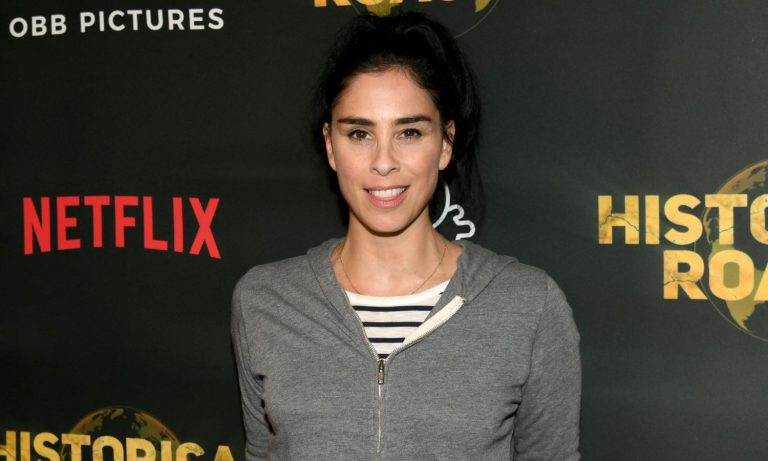
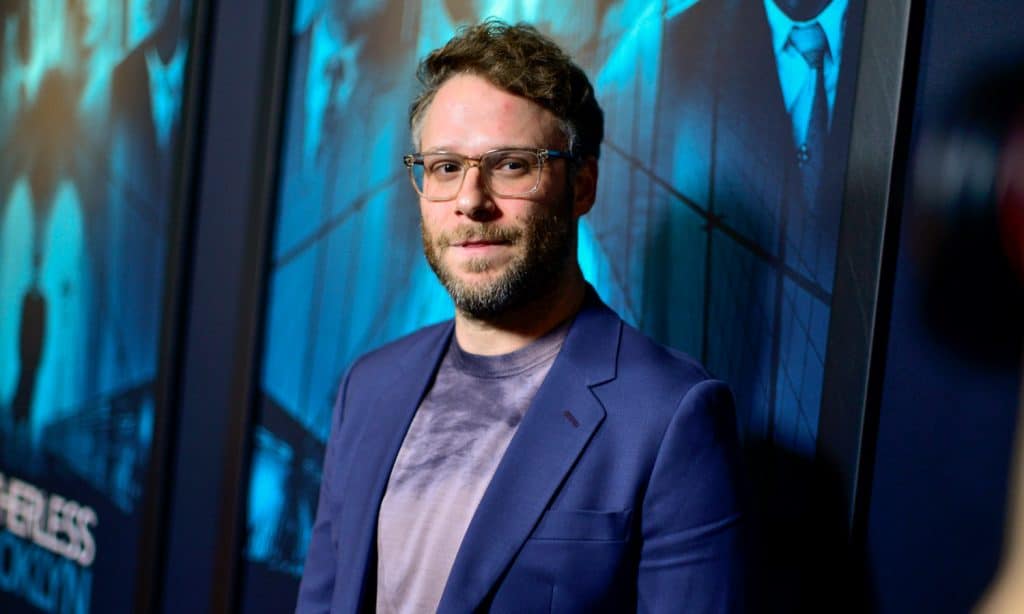
A new push for federal cannabis legalization has appeared in the form of a campaign, “Cannabis in Common,” launched Tuesday by a coalition of cannabis advocates, large marijuana businesses and celebrities like Seth Rogen and Sarah Silverman.
The idea behind the initiative, which is being backed by cannabis giants like Canopy Growth (NASDAQ: CGC), Curaleaf Holdings (OTCQX: CURLF) and Cronos Group (NASDAQ: CRON), is to encourage voters to reach out to Congress members and demand action on federal cannabis legalization, reported the Associated Press.
Photo by Jerod Harris/Stringer/Getty Images
“Legalizing cannabis is long past due, and if we make enough noise, we can make it happen,” said Rogen, who is known to be an avid pot lover and co-founder of the cannabis company Houseplant.
Silverman added, “Americans can’t agree on anything can we? Fortunately, there is at least one thing most Americans have in common: more than two-thirds of us agree cannabis should be legalized and we have a real shot at getting federal legalization done now if we speak up.”
Through the launch of a new website, cannabis advocates can more conveniently email or call their congressional representatives to insist on marijuana legalization. As for cannabis companies, they also have a few tasks to undertake: emailing their customers, displaying posters in stores, and providing needed information through their apps to get more consumers to become part of the fight for nationwide legal pot.
Just this week, Republicans released their marijuana legalization proposal led by Rep. Nancy Mace (R-SC). The measure, titled the States Reform Act, is currently in a preliminary form although a final version is expected to be filed later in November.
Some cannabis advocates see the new Cannabis in Common proposal as a smart move because many don’t believe the Democrats’ far-reaching bill stands a chance of passing every chamber before being sent to PresidentJoeBiden to sign.
Photo by Samuel Corum/Getty Images
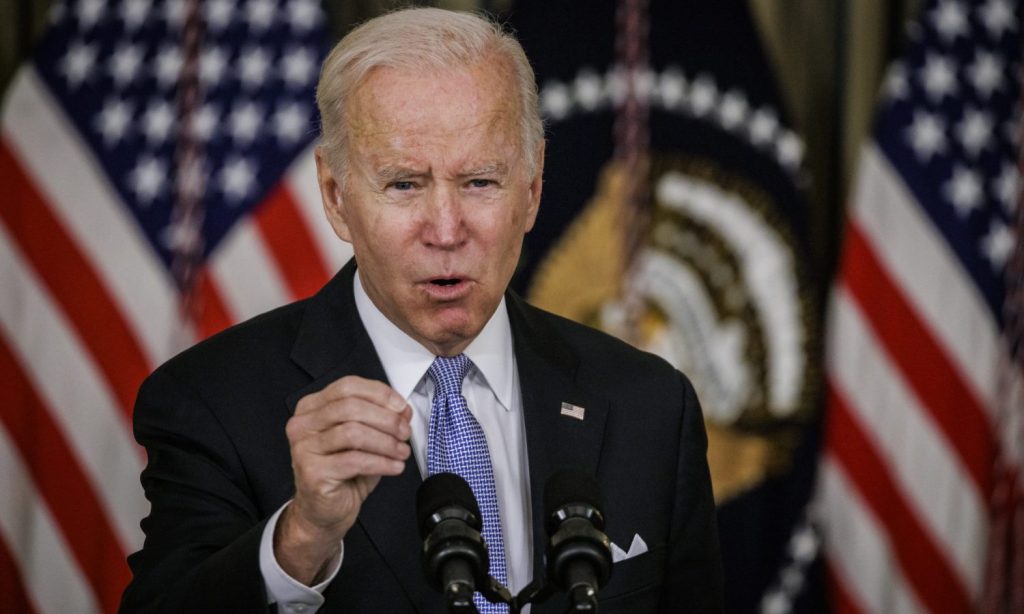
While the new proposal is more modest than that of the Democrats, possibly making it more passable, the big question remains: Will President Biden change his stance? So far, the President opposes federal legalization of marijuana, supporting only decriminalization, legalizing medical use and leaving everything else up to states.
So far, 18 states have legalized recreational marijuana and as many as 37 states now have legal medical marijuana programs.
How do cannabis advocates feel about “Cannabis in Common?”
It seems that opinions are divided on the initiative, which does not focus on any particular legalization proposal. While many nonprofit, pro-legalization groups support the new initiative, at least one points out some of its shortcomings.
The Drug Policy Alliance (DPA) calls the campaign “overly corporate and not dedicated enough to expunging past marijuana convictions and helping communities and people who have borne the brunt of pot arrests,” writes The Associated Press.
“For us, it’s not just about getting federal legalization over the finish line,” Maritza Perez of the DPA said. “We have a very specific constituency that we are fighting for, and that’s people who have been impacted by prohibition.”
Results of a new study suggest that early or late bedtimes may be more likely to disrupt the body clock, with adverse consequences for cardiovascular health.
Your sleep habits affect a variety of aspects related to your health, including your heart. Falling asleep at this specific time might be good for you and your heart health. And the time is between the hours of 10 p.m. 11 p.m.
The report, published this week in the European Heart Journal—Digital Health, analyzed over 88,000 adults for a period of six years, trying to get an understanding of the relationship between sleep and heart health. Researchers were able to access information about the subject’s lifestyle, demographics, physical activity, and health.
After accounting for a variety of factors like lifestyle, stress, gender, and more, the study found that there was a 12% increase in heart disease amongst people who went to bed between the hours of 11 and 11:59 PM. This percentage increased to 25% when people went to bed past midnight. Women seemed to be affected more by these times when compared to men, experiencing higher risks.
Study co-author David Plans explained in a statement how circadian rhythms worked and why our bedtime could play an important part in our heart health. “While we cannot conclude causation from our study, the results suggest that early or late bedtimes may be more likely to disrupt the body clock, with adverse consequences for cardiovascular health,” he said.
While the results are not conclusive and don’t suggest that by sleeping in earlier you’ll be cutting your risk of heart disease, they do imply that there’s a connection between good sleep and heart health.