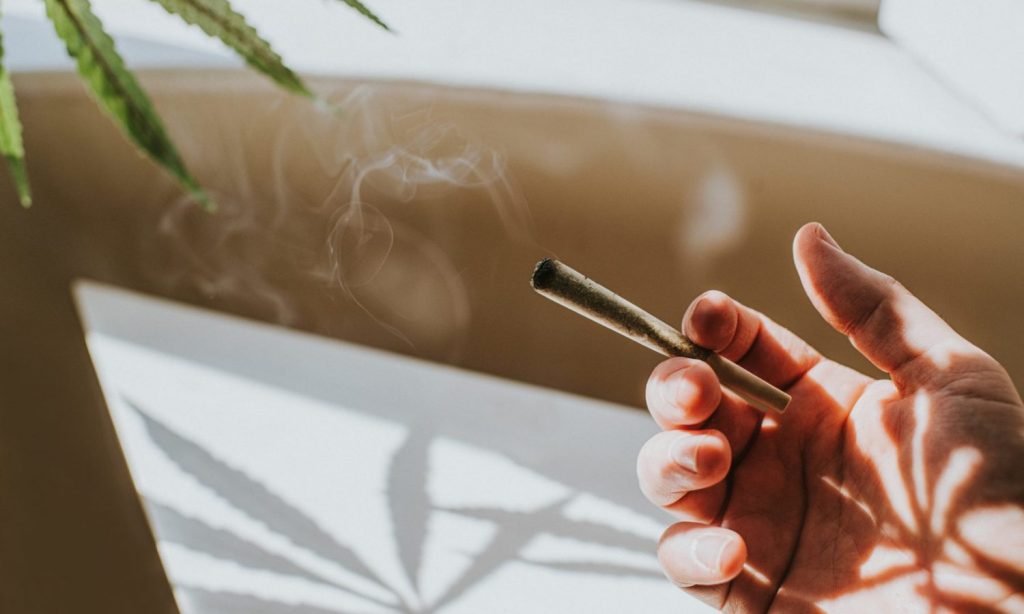
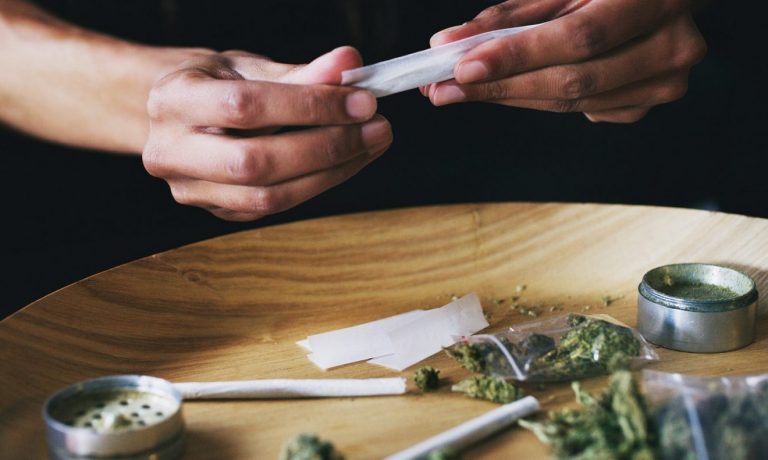
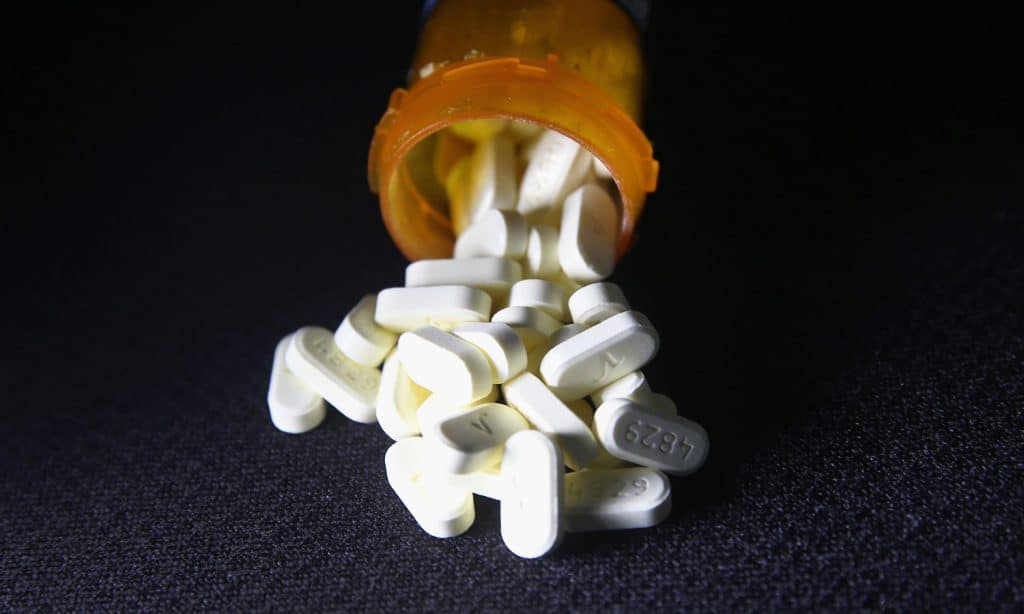
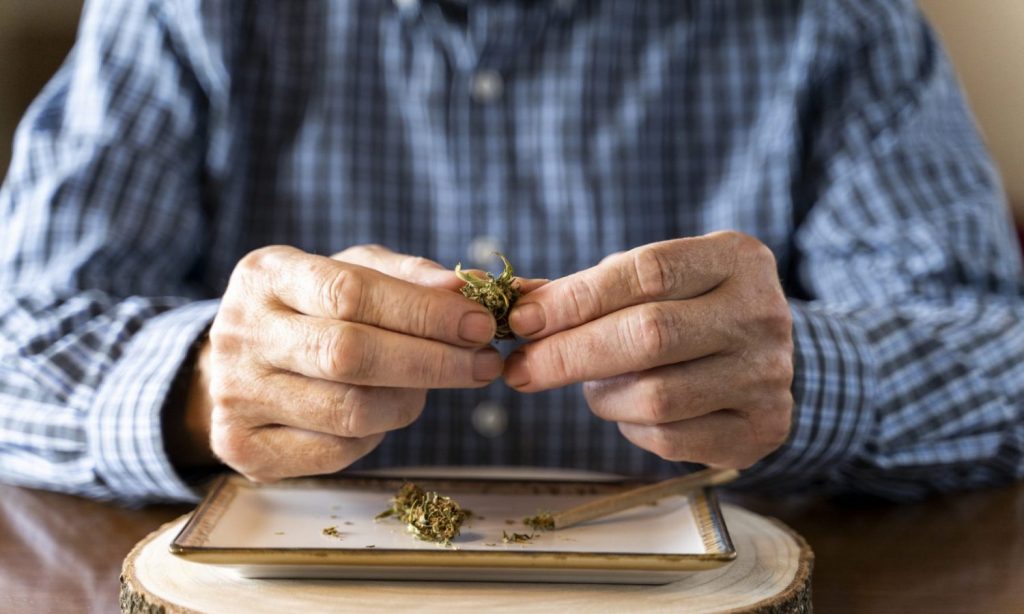
Some people report an ultra-sensitivity to cannabis, along with symptoms that are similar to allergies. Is it possible to be allergic to marijuana?
Allergic reactions can include almost anything you can think of, from different types of foods, drinks, and even marijuana.
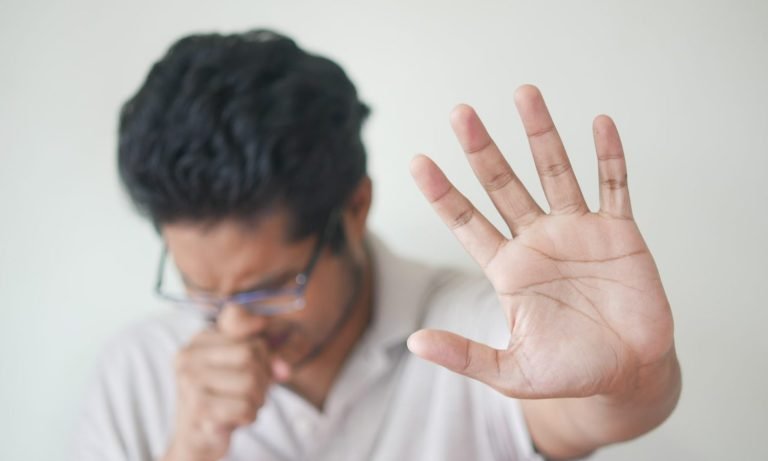
According to estimates from Medical News Today, around 10% of people have an allergic reaction to marijuana. These can vary, with some doctors believing that piercing red eyes, runny nose, itchy skin, hives, and sneezing could be some of the symptoms.
Photo by Kirill Vasikev/EyeEm/Getty Images.
There’s an important term for allergies called allergic sensitization. It refers to the complex exchange that occurs between the allergen and the person who’s developing the allergy according to the environment they’re in. The allergy develops due to the body’s reaction, triggered by the immune system when exposed to the allergen, in this case, marijuana.
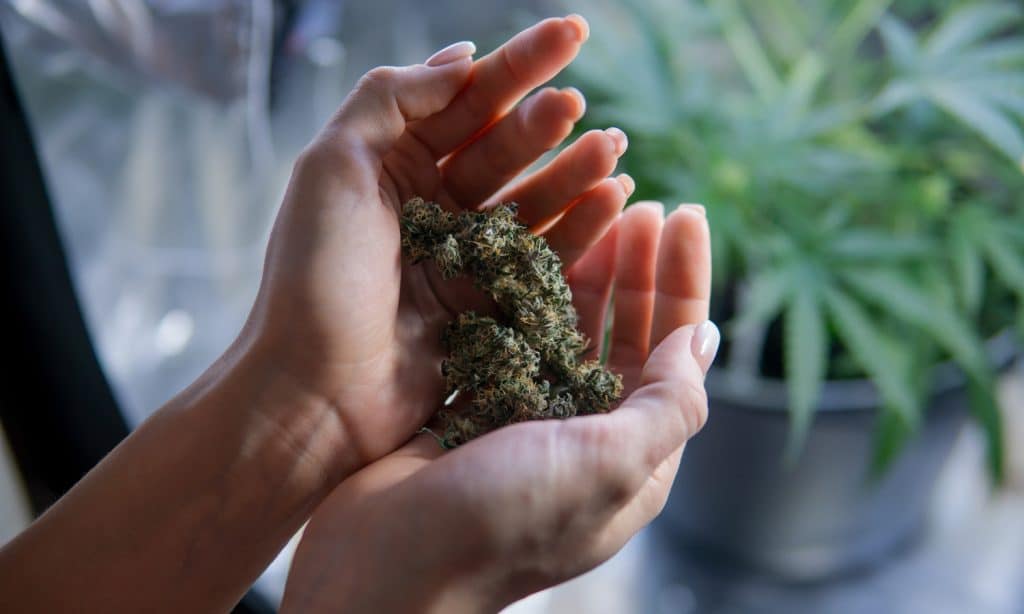
The degrees to which people react to the plant vary from case to case, sometimes occurring when they come in contact with the plant, ingest it orally, or smoke it. Asthma and other lung problems have also been reported as marijuana allergy symptoms.
While most of these side effects sound like standard allergies and not much to worry about, some people report much more serious symptoms, like diarrhea and vomiting when marijuana is ingested orally. For people with these types of sensibilities, having contact with marijuana in any shape is a bad idea, especially when mixed with foods like bananas, almonds, tomatoes, and other fruits, since compounds in the different elements can interact and result in anaphylaxis. This condition causes plenty of serious symptoms including shock and difficulty breathing.
Since there’s not a lot of research available on marijuana and allergies, there’s no clear way of treating these conditions. There’s also no way of knowing if CBD or other marijuana compounds could cause these same reactions in people with these sensitivities.
If you’ve ever felt strange and uncomfortable while interacting with the plant, it’s best to visit a doctor and obtain some orientation. The doctor could provide you with a skin prick test, which can inform you on your allergies, or you could simply choose to steer clear of your allergen for the time being. While now there are no treatment options, with cannabis getting legalized, there may be some sort of immunotherapy developed in the future.
If you are often troubled with the stress of work, or anxiety to meet deadlines, you should give Indica cannabis a shot. Sativa strains, on the other hand, are energizing
Ever since edibles infused with cannabis have entered the markets, individuals are eager to learn about them and try them first hand. If you are involved in the endeavor too, you should have come across edibles that are specially comprised of Sativa strains and others from Indica strains.
For those who are left in awe with the demarcation in the two varieties, the Sativa strains are popular for the stress-relieving effect they have on an individual’s mind, whereas Indicas are famous for sedating one’s mind into feeling relaxed.
Photo by iMattSmart via Unsplash
Nowadays, this differentiation between the two has become an important matter more than ever because cannabis is legalized in over 30 states in the U.S. and Canada. Here, we have compiled some more information for your convenience.
Sativa Strains And How They Have A Relaxing Effect On Users
For individuals including the ones looking for recreational effects, medical advantages, and the cultivators, Sativa strains are nothing but profitable. Here is how and why they benefit each group.
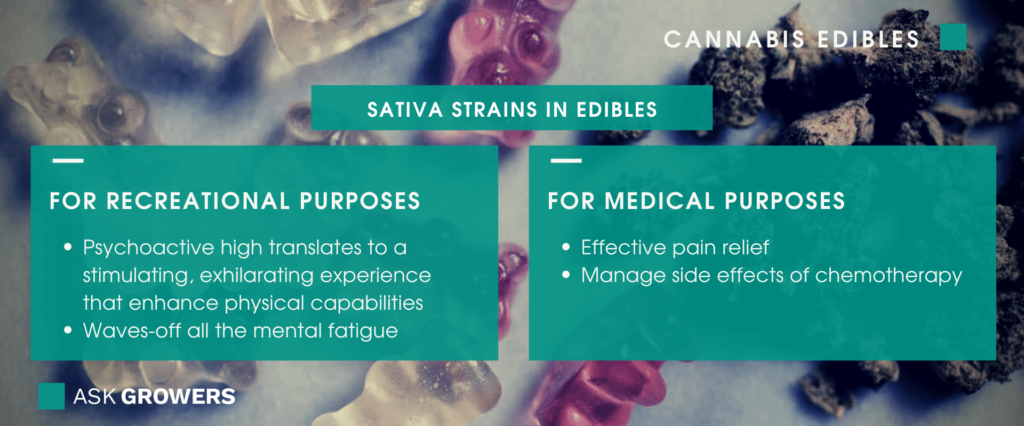
• Sativa for recreational purpose
The individuals who have tried Sativa strains even once in their lifetime will only describe the experience as satisfying. Well, that is not all to this recreational drug as the concentrates blend in with the edibles flawlessly, too. Not to forget the exceptional high they give to the users.
A psychoactive high directly translates to a stimulating, exhilarating experience that will enhance your physical capabilities. So, if you have begun your search for some substance that can make your party hipper and trending, Sativa is for you. Sativa is the stuff—this waves-off all the mental fatigue. Hence, the individuals who are otherwise short of confidence at gatherings will join the party mood.
THC is one of the cannabis compounds that allow a better psychoactive effect and Sativa strains have them in great abundance. Therefore, if you ask for a recommendation for recreational cannabis, the first advice of seasoned users will be Sativa strains.
• Is Sativa useful for medical purposes also?
Yes. Even though this variant of cannabis is popular for recreational gains, it doesn’t come across as disappointment for people with medical requirements as well.
Effective pain relief
The ones who are looking for relief from the intense pain from chemotherapy, or just cannot get rid of some chronic pain can consume them for instant relief.
Pain relief provided by Sativa is not limited to patients with chronic pain but can also help the ones suffering from acute strain in muscles, severe headaches, and more so that the patients can live a life that is free of pain.
Manage side effects of chemotherapy
Other than that, issues like nausea, vomiting, and lost appetite are some issues in cancer patients that can be taken care of with the help of Sativa strains. The ones who tend to skip the scheduled chemo sessions due to the fear of pain can also rely upon the Sativa strains to help them feel less pain and manage side effects. In this way, they can complete their treatment and get healthy soon.
Indica Strains and How They Can Please the Body and Soul
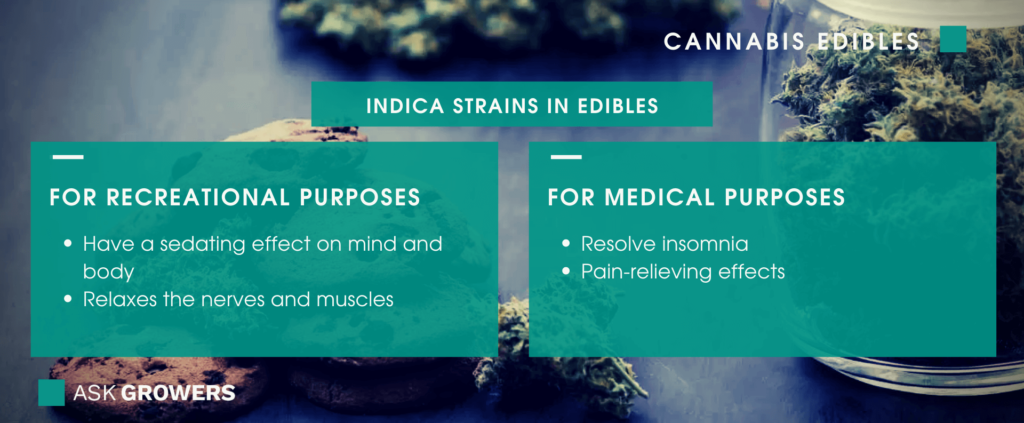
If you are a consumer who is looking for a variety to unwind and relax, then you should definitely look for Indica strains. They have a sedating effect on mind and body, can be grown privately in small quantities as well, and allow you to create new cannabis strains too.
• Indicas for recreational users
Indica is the go-to variety of cannabis for enthusiasts who are looking for a recreational high, whether they are planning to spend their evening alone or have company over. Such sedation is the result of the effects of CBD, and it is present in abundance in Indica strains. It relaxes the nerves and muscles of the users and lets them unwind after days of hard work.
If you are often troubled with the stress of work, anxiety to meet deadlines, or facing a future project, then you should give Indica cannabis a shot. They will help your mind give up on other stressing thoughts so that you can direct your energy towards your goals. This is possible because the sedating effect puts the brain at rest, giving it time to rejuvenate.
With Indica, you can bid adieu to anti-anxiety drugs which do nothing more than give you side-effects. Smoke some vapors of Indica and let yourself experience the mind relaxation offered.
Indica strains are perfect for helping you get rid of any kind of block that you are experiencing in your creative field. Now, since Indica has got your creative juices flowing, all your hard work will earn success for you in all endeavors without any delay.
• Indica Strains And Their Medicinal Benefits
We would not be wrong if we tell you that Indica strains are incredibly effective in most medical conditions. Yes, patients who are looking for a way to get rid of disease-related stress and anxiety can always resort to the calming effect they impart. Also, you do not have to consume lab-obtained, harmful drugs anymore.
Resolve insomnia
Insomnia is another condition that is common amongst individuals who are seriously ill or the ones who are way too fatigued to fall asleep. So, Indica strains can be consumed by them to relax their brains and get a good night’s sleep. The hospitals, before cannabis was legalized, used tranquilizers, pills, and other aids to make patients fall asleep, which came with a variety of negative effects. Now, they can take the strains when they wish to relax and fall asleep, which also put their sleeping patterns in place.
Pain-relieving effects
Like THC, CBD is effective in dealing with pain. Therefore you can consume Indica strains as a natural pain-relief solution. Then again, no matter whether you are experiencing chronic ache, inflammation, or strain in the muscles, or severe headaches, you resort to the apt dosage. Excessive consumption can be harmful too.
Now you can live a pain-free life without having to resort to pain-killers which come with several potential side-effects.
Hybrid Strains And How They’ve Revolutionized The Cannabis Industry
With the increased reach of Sativa and Indica strains, people have started taking them more seriously as recreational and medicinal herbs. Therefore, debates and discussions that revolve around their effects have also increased. Even today, scientists are contesting to find out whether the classification of the two variants according to their effects is justified.
Some scientists argue that the effect strains have on them depends upon how people react to these substances rather than their specific properties.
Then again, the experts, as well as growers, have devised a solution to counter it all – hybrid cannabis strains. Essentially, they are a combination of Sativa and Indica strains. They can have one of the varieties as dominant and the other one as a mild infusion.
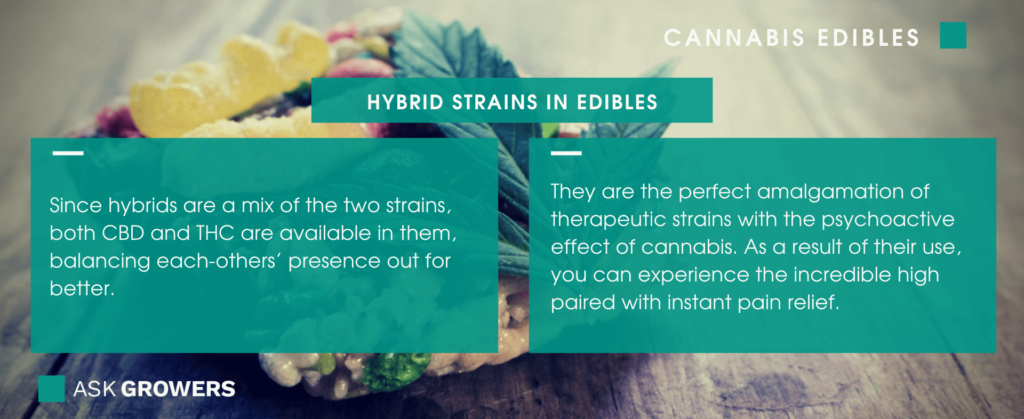
They are the perfect amalgamation of therapeutic strains with the psychoactive effect of cannabis. As a result of their use, you can experience the incredible high paired with instant pain relief.
Also, since hybrids are a mix of the two strains, both CBD and THC are available in them, balancing each-others’ presence out for better.
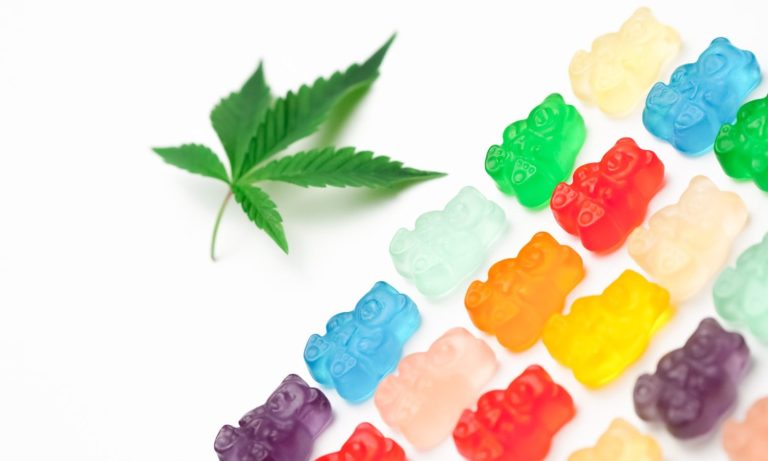
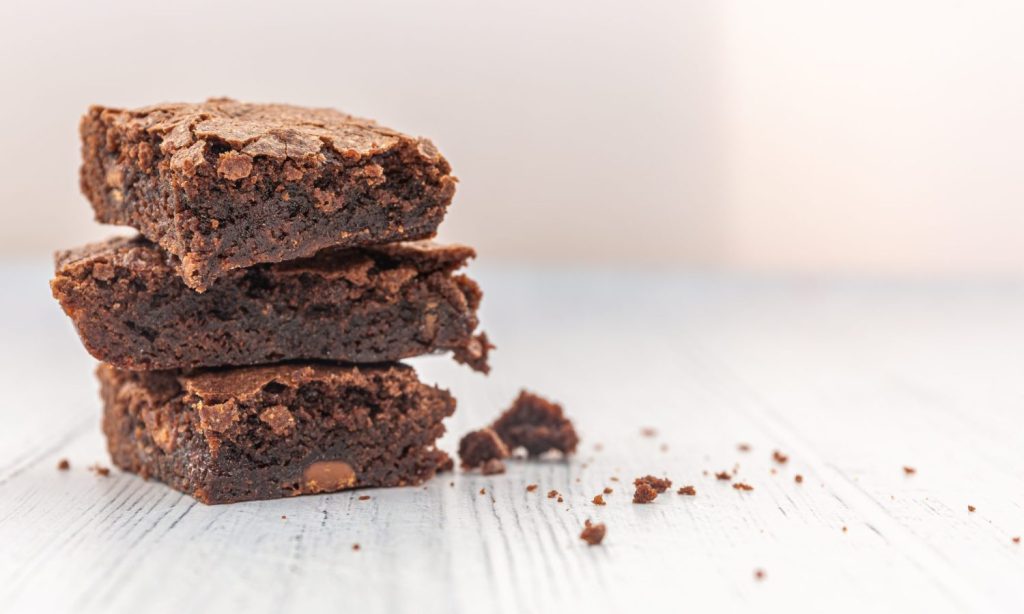
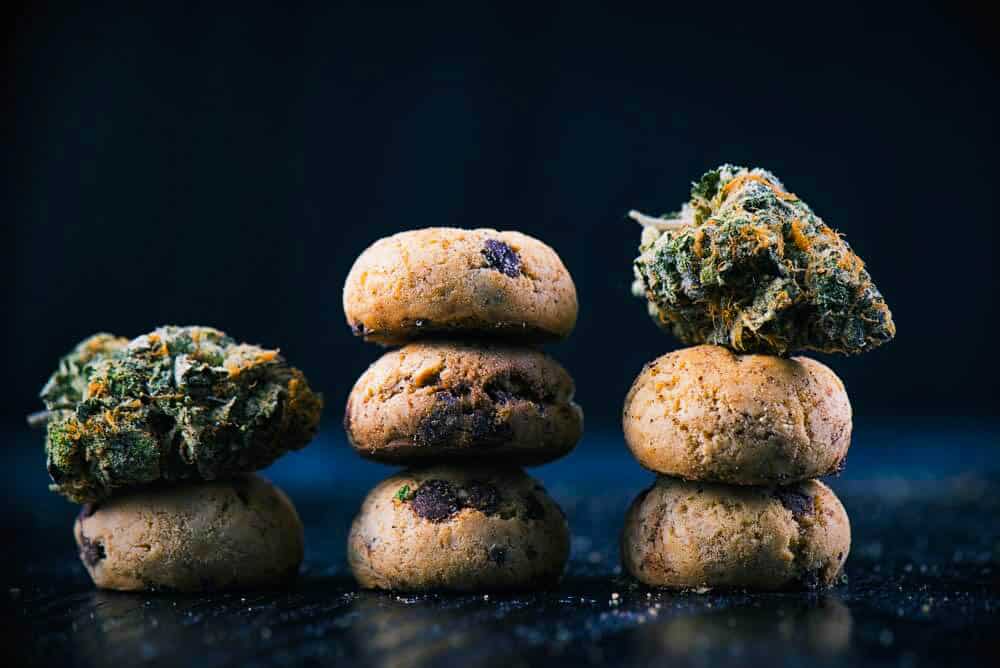
Ingesting infused edibles is one of the most popular ways of consuming Sativa and Indica. These yummy, delicious treats are not mere tinctures or oils to be qualified as oral cannabis; they can be devoured as food and their high can be experienced later.
However, one has to exercise extra care when consuming Sativa or Indica edibles because they look and taste like regular foods. So, make sure that you exercise enough caution if you have minors around. Even if you are an adult and cannot resist the temptation, you should stick to limited quantities because an excess of cannabis can be harmful to your health.
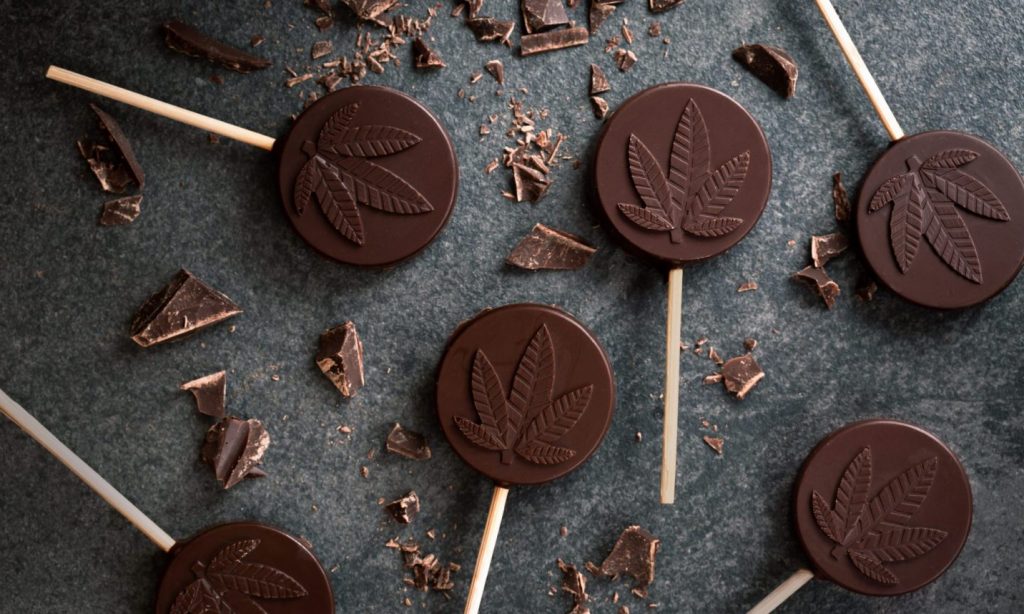
The appealing aroma, taste, and appearance of these treats might push you to fill up on them, but you will have to exercise self-control. Ensure that you buy accurately dosed products and when preparing them yourself, use a moderate amount of weed. For instance, when you are buying or preparing a marijuana chocolate bar, ensure that a piece of it doesn’t contain more than 10 mg of THC.
Another advantage of having cannabis in oral form, especially edibles, is that the individuals who are not a fan of smoke and have trouble ingesting it can take these too.
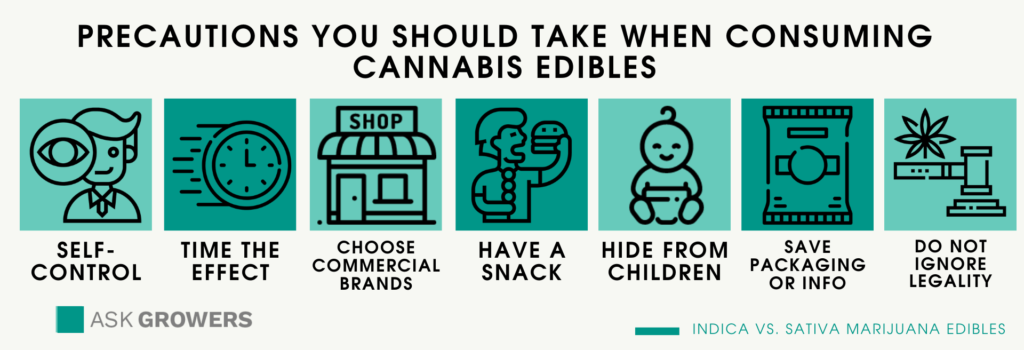
Precautions to Take When Consuming Cannabis Edibles
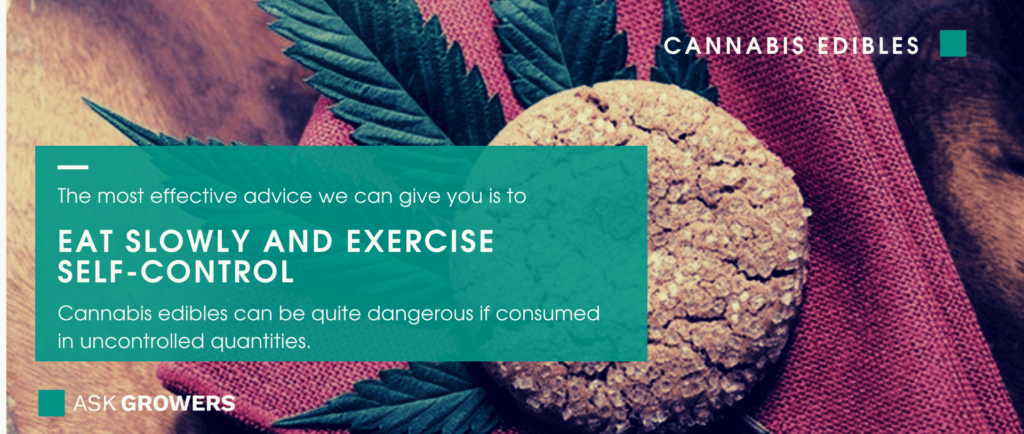
Cannabis edibles do paint a harmless picture, but they can be quite dangerous if consumed in uncontrolled quantities. Also, what you do not know is that these edibles can be quite addictive. So, you can end up eating enormous quantities of edibles at one go and suffer the side-effects of overdose.
Practice moderation The most effective advice we can give you here is to eat slowly and exercise self-control. Apart from self-control, you should also focus on the dosage of the edibles you are eating. Remember to check it according to each serving. Often, this dosage is 10 mg of THC per serving. If you are new to the substance, you should refrain from anything more than this.
The sweet-toothed individuals should simply place one bite of the chocolate below their tongue and let it dissolve. Otherwise, they might end up eating the entire pack waiting for the high to reach their bloodstream and then the brain.
Time the effect Apart from sublingual edibles, you can also try timing the effects. For this, simply consume half of the serving of chocolate or candy and let it enter your system. Turn on the clock and check the amount of time it takes to show its effects. In this way, you will know how to regulate consumption. Normally, it will take 30-35 minutes before the effects of cannabis will hit you.
Opt for commercial brands Also, prefer the commercial brands rather than homemade ones in the beginning because they will provide you with a regulated dosage. For those who want to up the usage, commercial packaging has labels that will advise you what needs to be done.
Snack before you consume edibles Another good advice will be to snack lightly before having the cannabis candies as once you are full, you will abstain from loading up on edibles. However, remember that since you are already full, then you will experience the high much later. So, do not eat more just in anticipation. Or not… Then again, if you want to experience the best high possible from a light dose, take it with an empty stomach. This will allow the edible to reach your bloodstream faster.
Keep the stack hidden and away from the reach of children and pets Another important caution you should take is to keep the stack of these candies and chocolates away from kids and pets because they can be tempted easily. You do not want your children and pets to mistake the weed edibles for candies and eat them. Even if your child or pet consumes the edibles accidentally, you should rush them to the emergency room immediately. In case of pets, you should urgently see a vet.
The major issue most of you will face here is that the chocolates and candies are supposed to be stored in a refrigerator. And your children have access to it. So, do not let your children see where you are storing them in the first place and store them in disguise. Ideally, cover them in the wrapper of something your kids and pets detest. Try covering them with broccoli and capsicum perhaps?
Photo by Sarah Pender/Getty Images
Lose the packaging if you have to, not the information If you are forced to remove the packaging from the edible, make sure you take down the important information like date of expiry, contents, and composition on a plastic wrap.
Do not ignore legality of the substance Another aspect you cannot ignore is the legality of the substance in the region you reside in. Yes, check whether the state in which you are buying the product has legalized marijuana for recreational purposes or not. Also, make sure that you are the right age before buying and consuming it. Currently, it is 21 in the USA and 19 in Canada.
Not just the permissions in your state, if you are living in a society or apartment, you should confirm that there are no restrictions imposed regarding smoking or bringing weed in the premises. If yes, then you should not bring them home.
The amount of cannabis each individual can buy is also subject to legal issues since they can call for legal action against you if ignored.
Apart from that, some individuals also plan to grow cannabis instead of buying them. If you are planning to do it in the open, whether for private or commercial purposes, you should obtain permission if required.
Final Thoughts
As for the demarcation between Sativa and Indica strains according to the effect they have on the human body, they are discussed above. Now, the decision about the one you would like to buy and consume is up to you. If both of them have impressed you, you can also try out their hybrid version.
Cannabis edibles are in trend nowadays and are a delicious medium to consume cannabis for those who are not a fan of smoking it. And why shouldn’t they because you can buy these delectable candies and chocolates in a wide variety of flavors. Moreover, they are available in gluten-free, sugar-free variants, with only organic ingredients going in them.
Delta 8 THC is in the spotlight again — this time because of growing accusations that it is being mislabeled by the companies that sell it.
Though product mislabeling is nothing new and happens across probably nearly all industries either by accident or accidentally on purpose, the cannabis and hemp industries have been scrutinized so closely that one might unfairly regard them as recidivist offenders. Though CBD products have had the most labeling malfunctions, it seems they’re losing their spot on the throne to delta-8.
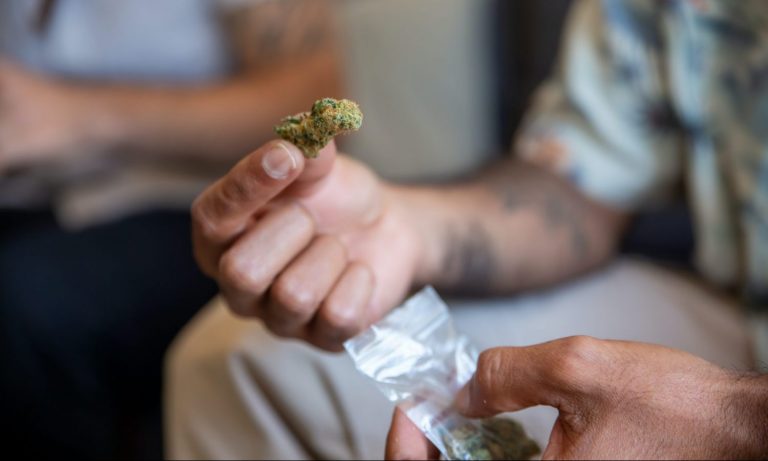
Photo by Catherine Falls Commercial/Getty Images
CBD Oracle, which reviews hemp-derived products such as CBD and delta-8, recently sent 51 different delta-8 products to FESA Labs, a licensed testing center in Santa Ana, California to check if potency and other metrics on the label matched what’s actually contained in the products, reported Forbes.
But First, A Review: What Is Delta 8 THC?
Delta-8 is a chemical component in the cannabis plant and though it occurs naturally in small concentrations, it can produce a mild psychoactive effect in some people.
The new industrial methodologies allow for delta-8 THC to be converted from CBD derived from hemp, which is also where a few problems may lie but that’s another story.
FESA Labs Results – 75% Mislabeled
Testing revealed that more than 75% of delta-8 THC products had inaccurate labels and that 77% contained less delta-8 than labeled. For example, Bionid’s Blue Dream concentrate had only a third of the advertised amount of delta-8 THC.
What’s more, 76% had more than 0.3% delta-9 THC, making them federally illegal for sales at gas stations and smoke shops.
“The problem for many of the delta-8 companies based on our testing is that the customers probably shouldn’t trust what’s on the labels,” stated Jayneil Kamdar, a FESA Labs chemist who ran the tests.
CBD Oracle claims that delta-8 THC product manufacturers often inaccurately label their vape cartridges and other products.
Faking Lab Results Could Make Delta 8 Federally Illegal
Are companies just making up the numbers they put on the labels? It is possible, as the investigation shows. In any case, this could end badly for both consumers and companies responsible for mislabeling, not to mention providing federal regulators with more reasons to make delta 8 illegal.
Some states, like Texas, have already done so in a way and New York will discuss banning delta 8 at its upcoming Cannabis Control Board meeting.
Kids and teens predictably spent more time in front of their screens during lockdown. But a new study revealed even higher results than expected.
Screen time was a concern long before the pandemic. Now, following a year of remote learning and social distancing measures, it’s become inevitable, with there being much bigger concerns for us to worry about. A recent study conducted on teens found that while screen time for schools predictably increased, so did screen time for recreational purposes.
Published in JAMA pediatrics, the study was conducted on kids and teens between the ages of 10 to 14 years old. It found that screen time unrelated to online school jumped from 3.8 hours a day to 7.7 hours.
Photo by Aedrian via Unsplash
Researchers used data to compare teens’ screen time from 2016 to 2020. Results showed that more screen time was correlated with worse mental health, increased stress, and poor physical health. They theorize that the connection between poor mental health and screen time is bi-directional, meaning that declining mental health results in teens using more screens, which then makes for worse mental health.
While unsurprising to many, these results were shocking for health care experts, who said that kids had put the same amount of hours into their screens as adults do into their work. “That’s a pretty crazy phenomenon when you consider they were also on screens for 5 to 7 hours a day for school,” Dr. Michael Rich told USA Today.
Photo by cottonbro via Pexels
While the use of social media during the pandemic was the main form of communication between friends and people who lived in different households, according to the study, screen time wasn’t used for this purpose. “More screen time was linked to poorer mental health and greater stress among teens,” lead researcher Dr. Jason Nagata told CNN. Researchers theorize that this could be explained due to “doomscrolling,” since more time on screens prevented children from engaging in healthy online behaviors.
Researchers recommend setting screen time limits for children, especially since screen time usage will likely remain at a higher level than in pre-pandemic times. Leading by example goes a long way, ensuring that devices are off for all family members during meals and family time. Still, some leniency is necessary; while schools are transitioning into a back-to-in-person format, there will likely be remote days and online activities.
These dosing recs and guidelines will function as the backbone for treatment regimens, allowing physicians to suggest medical cannabis as an ongoing, safer alternative to opioids.
Chronic pain affects close to two billion people worldwide. The use of medical cannabis to help alleviate the symptoms of chronic pain is increasing rapidly, aided not only by legalization but also by positive trial outcomes, improved quality of life, daily function and opioid-sparing.
However, there is limited scientific data to guide in terms of dosing and the administration of cannabis-based medicines.
Photo by Karolina Grabowska from Pexels
To help support physicians in meeting the needs of their patients, Canopy Growth recruited a group of 20 physicians who leveraged a modified Delphi process to develop three practical protocols for the oral administration of medical cannabis to treat chronic pain.
These recommendations will help fill a knowledge gap and will support clinicians and patients in achieving safe and effective dosing.
It was concluded that patients with neuropathic, inflammatory, nociplastic and mixed pain could be considered and would likely benefit most from treatment with medical cannabis through three treatment protocols outlined within the publication.
In addition, the global task force concluded that, when treating a patient with chronic pain, dosing should be individualized for each patient based on their goals, side effect profile, drug interactions and affordability.
Dr. Alan Bell, family physician and assistant professor at the University of Toronto, is one of the lead experts in the task force.
“As a task force, we believe it’s incredibly important to bring medical cannabis to patients looking to treat chronic pain and the gap that exists around dosing and administration guidance is a barrier to physicians adopting this pathway as a viable treatment for their patients,” Bell explained. “These dosing recommendations and guidelines will function as the backbone for treatment regimens, allowing physicians to suggest medical cannabis as an ongoing, safer alternative to opioids.”
Dr. Mark Ware, Canopy Growth’s chief medical officer, added, “We know that chronic pain affects 20-25% of the population in the developed world and almost two billion globally.”
In his view, we have seen limited clinical data that aids with dosing and administration of cannabis medicines so far. This is why Canopy developed “research-based recommendations on safe dosing and administration of medicinal cannabis for patients,” Ware explained. “Dosing for patients with chronic pain should be individualized based on side effects, drug interactions and affordability, but this is a great dosing resource for doctors with patients asking about medical cannabis as a treatment.”
With each passing year, older adults have been getting more and more into marijuana. With that said, there are some potential issues to be aware of.
Thanks for marijuana legalization, the herb has been going through a phase of reevaluation. People of all ages are more open to trying it, whether for recreational or medicinal purposes, especially when faced with the side effects of prescription medications. One of the fastest growing demographics are Baby Boomers.
A survey conducted on adults over the age of 55 between 2016 and 2018 found that men are increasing the amount of marijuana they consume, particularly those between the ages of 60-64. There are many reasons why this could be happening, among them, the fact that the drug has lower stigma, making it more likely for people to be honest with their answers, that there are more options and drug availability, and more.
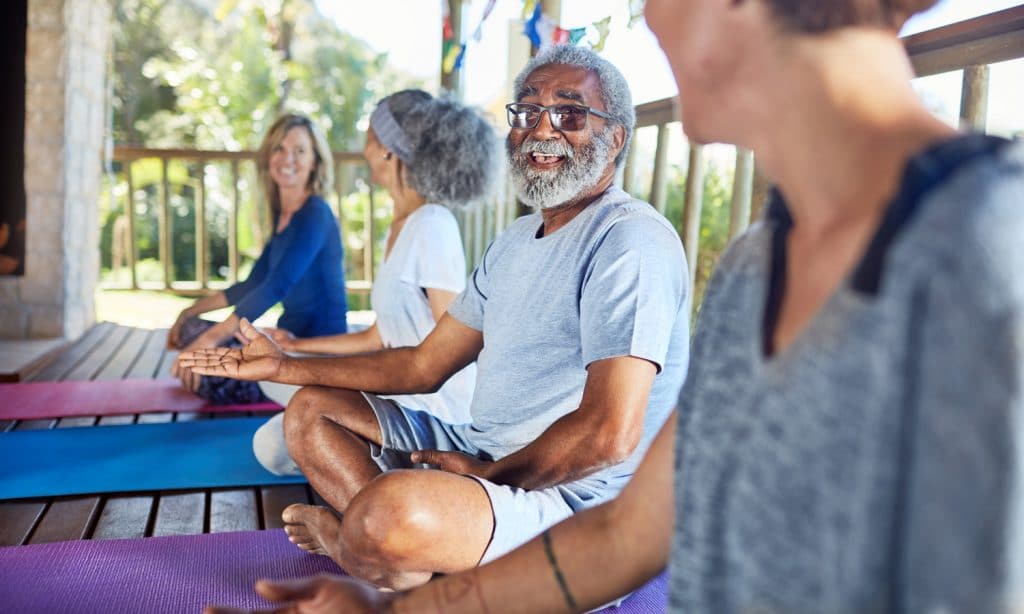
Photo by Westend61/Getty Images
Other contributing factors include a global leaning towards more natural medicines. This is especially effective for older adults looking for pain relief and sleep aids, preferably those that don’t come with significant side effects.
While young adults remain the largest consumers of cannabis in the U.S., the rise in older adult use and seniors is a little exciting, even if it’s of some concern to researchers. When discussing older adults and marijuana use, there are a few factors that could influence the effect that marijuana has on them. Here are four of the most pressing:
Reactions with medication
Photo by rawpixel.com
The most pressing issue medical experts are concerned with is the possible effect marijuana can have with common medications taken by older adults. A review published in the Journal of the American College of Cardiology says that marijuana can interact with common heart medications, such as statin and blood thinners. Marijuana use can alter the time in which these medications have an effect and could also result in excessive bleeding.
People should also avoid pairing marijuana with anti-seizure medications or any other substance that produces strong effects. If having surgery, it’s important for older adults to disclose marijuana use to doctors, even including the use of CBD. The compound has also been linked with altering the way in which the liver processes dosages in medications.
Higher risk of falls and accident
Photo by Caiaimage/Trevor Adeline/Getty Images
While this should concern mostly seniors, the use of marijuana could result in dizziness and in feeling out of control of your body. This in turn could increase the risk of falling and getting involved in all sorts of accidents. Falls pose serious risks for seniors, with 1 out of 5 resulting in a head injury or broken bones.
Seniors and adults with higher risk for dementia and confusion should be careful with their marijuana intake, especially when consuming products with high THC content. THC and its psychoactive effects can result in unexpected side effects for people who’ve experienced psychiatric conditions or have a predisposition for them.
Higher odds of mental health issues
Photo by PICNIC_Fotografie via Pixabay
According to a 2018 study published in the journal Gerontology and Geriatric Medicine, older marijuana users are more likely to experience depression than non-users. While it’s not know exactly why this occurs, it’s likely a combination of things; these users might be taking cannabis instead of seeking medical help, or maybe cannabis is interacting with the medications they’re already taking in ways that are not beneficial.
Despite the ongoing marijuana legalization trend, there are still fierce opponents who insist that lifting prohibition will lead to higher rates of mental illness or even suicide.
Research recently undertaken by experts at Case Western Reserve University School of Medicine, Yale Law School, Cato Institute and the Reason Foundation found that there is no correlation between cannabis use, suicide and mental illness.
Photo by Maskot/Getty Images
This latest study, following up on a 2013 study that had reached the same conclusion, found that recreational cannabis legalization is connected with a 6.29% reduction in suicide rates among males aged 40-49 and that no other “mental health outcomes were consistently affected by cannabis liberalization.”
Cannabis Legalization And Mental Illness
The new research relied on the same methodology by running “a state-level longitudinal analysis using suicide rates from the National Center for Health Statistics and mental health morbidity rates from the National Survey on Drug Use and Health.” Research data included all 50 states and Washington, D.C. from 1999 to 2019. Results will be reviewed by experts and published in a renowned scientific journal.
“Adverse mental health outcomes do not follow cannabis liberalization at the state level, confirming the findings [the 2013 study],” the new study disclosed. “In addition, there is evidence that recreational marijuana access reduces suicide rates for middle-aged males
“Critics of marijuana legalization point to studies showing correlations between heavy cannabis use and suicide, depression, and mental health disorders. However, such studies that demonstrate correlation have yet to confirm causation, which should be determined by a model’s ability to predict.”
Cannabis Legalization And Its Benefits
The authors went even further to say that cannabis legalization can only help enable more rigorous research into the further benefits, as well as potential harms, of long-term marijuana use, noting that any drug, psychoactive or otherwise, entails certain risks along with benefits and that cannabis is no exception and should therefore continue to be rigorously studied.
What’s more, a study published by the Journal of the American Medical Association in September revealed that rates of adolescent marijuana consumption did not go up after states legalized medical or adult-use cannabis.
Photo by Eliott Reyna via Unsplash
As reported by Marijuana Moment, an official from the White House Office of National Drug Control Policy’s National Marijuana Initiative admitted that, for unknown reasons, youth consumption of cannabis “is going down” in Colorado and other states where it is legal.
It seems, unsurprisingly, that for some adolescents, the temptation to consume illegal weed wanes when it becomes permitted.
Another recent study found that army recruits with past pot use render the same performance as their peers and are less likely to leave the army over health issues, providing another point for cannabis legalization proponents.
More than half of 29 hemp tea and coffee products that underwent recent analysis showed that, in the U.S., CBD levels varied widely from what was stated on the label. Israel-based CBD product review site Leafreport found products that were off by anywhere from 11.5% to 62% from the labeled CBD content.
Leafreport sent the CBD tea and coffee products to SC Labs in Santa Cruz, California, where lab technicians tested the products and recorded the results in documents called certificates of analysis (COA).
Photo by CRYSTALWEED cannabis via Unsplash
Leafreport compared the level of CBD shown on the COAs to the advertised amount and looked at what other cannabinoids were detected by the tests, especially if the manufacturer claimed to use broad-spectrum or full-spectrum hemp extract.
The study found that out of 14 teas and coffees advertised as containing broad or full-spectrum hemp extract, 11 (79%) were “accurately” labeled while only three contained CBD, reported Hemptoday.
Key Findings
Out of 14 teas and coffees that were advertised to contain broad or full-spectrum hemp extract, 11 (79%) were accurate and only 3 carried CBD.
14 (48%) of the tested products had CBD levels within 10% of the label, which is required for an A rating.
A little over half (52%) of the tested tea and coffee products had inaccurate CBD levels. They were off from the labeled CBD content by anywhere from 11.5% to 62%.
The most common rating was an A, (48%) given to products that were within 10% of the advertised CBD amount.
“We also found that consistency remains a major issue,” noted the report. For example, when we tested two different products from the same brand, one always performed better than the other.”
Consumer Packaged Goods Companies Are Waiting For The FDA To Approve CBD
The global CBD market has reached a multi-billion dollar value in just a few years. Grand View Research, a leading market research and consulting company, projects the market will expand from 2021 to 2028 with a compound annual growth rate (CAGR) of 21.2%. Many attribute the unbelievable growth and popularity of CBD to its health benefits.
Even though the Farm Bill legalized the cultivation of hemp, it did not legalize CBD and it still requires those who grow hemp to be licensed.With CBD still in a gray area legally, many consumer packaged goods companies have been unable to enter the market.
The Food & Drug Administration (FDA) equated CBD in full-spectrum hemp supplements with concentrated CBD, such as that contained in Epidiolex, the only FDA-approved cannabis-based drug used for the treatment of seizures. By doing so, the FDA is suggesting such CBD supplements should be available only by prescription.
Established food and beverage manufacturers such as Coca-Cola and Anheuser-Busch Inbev are looking at producing CBD products, and early this year, Molson Coors Beverage Co. and Hexo Corp. rolled out a line of nonalcoholic CBD-infused sparkling water in the United States.
On May 19, 2021, Senators Rand Paul (R-KY), Ron Wyden (D-OR), and Jeff Merkley (D-OR) introduced the Hemp Access and Consumer Safety Act of 2021, which generally provides a legal pathway for certain hemp-derived cannabidiol (CBD) products. “Despite widespread growth and ubiquitous consumption, CBD remains largely unregulated on a federal level at this time”, reported The National Law Review.
Poor sleep has been linked to cardiovascular conditions, mental health disorders and more. Now, a new study reveals a connection to a dangerous disease.
Getting a solid amount of sleep is a challenge for many, especially as we near the stress-filled holidays and family gatherings. According to the National Institutes of Health, it’s estimated that 50 to 70 million Americans are experiencing sleep-related problems. These problems are not only annoying, they impact factors that range from your weight to your mood.
Now, researchers have found another aspect affected by poor sleep: diabetes.
A new study, published in the journal Nature and Science of Sleep, collected data from over 80,000 adults with a median age of 62. Participants who regularly slept under 5 hours were 58% more likely to suffer from diabetes when compared to participants who slept between 7 and 8 hours a night.
Irregular sleep patterns were linked with heart disease as well. “Those who sleep <5 hours/night are 36 percent, 25 percent, 33 percent, 27 percent, 37 percent and 36 percent more likely to have hypertensive diseases, ischaemic heart diseases, pulmonary heart diseases, cerebrovascular heart diseases, other forms of heart diseases, and diseases of arteries, arterioles, and capillaries, respectively,” explain the authors of the study.
Aside from this, the study also found that poor sleep correlates to an increased risk of mental health and mood disorders, by 106% and 44% respectively. These results have been echoed in a variety of studies.
According to the National Alliance on Mental Illness (AMNI), sleep issues are signs or side effects of a variety of mental health conditions, like bipolar disorder and depression. Insomnia cases are 50% of the time related to depression, anxiety, and psychological stress.
Sleep is one of those things that we tend to sacrifice when life gets in the way, putting our work and social life ahead of it in order to accomplish the things we want to get done. This is understandable. While the occasional sleepless night may not be crippling, sleep is a very delicate activity, one that’s necessary for our functioning and that can be easily disrupted. Dozens of experts have said that prioritizing it can only impact us for the better, resulting in a healthier mind and body.
While the cannabis industry is known for offering investors its own mixture of tricks and treats, a new report by CNN Business is expressing new hope for the cannabis sector.
“Despite a global pandemic, discombobulated supply chains, ballooning inflation and an ongoing fight to legalize marijuana on a federal level, the cannabis industry in America is flourishing,” writes CNN Business.
Photo by Hillary Kladke/Getty Images
The report pointed to data from Marijuana Business Daily, which states that cannabis sales hit $20 billion in 2020, are on pace to top $26 billion this year and are projected to jump to $45.9 billion in 2025, making the cannabis industry larger than the craft beer industry by the mid-decade.
Chris Walsh, chief executive officer and president of MJBizDaily, a cannabis analysis firm that organized the sector’s largest trade show last week, stated that “these are potentially conservative numbers with what we see playing out.”
Cannabis To The Moon
With the majority of Americans now living in a state where some form of cannabis is legal, the industry got a substantial push when dispensaries were deemed essential businesses throughout the pandemic and quickly became the worthy recipients of extra cash people had on hand from much-need stimulus checks. And this is not to mention that COVID-19 restrictions kept people at home and in front of their TVs or binging on Netflix.
Be that as it may, “the past 12 to 18 months show there is more to the story than a COVID bump,” Walsh said, as “sales continued to accelerate at a record pace in markets across the US — notably in established states, such as Colorado, Washington and Oregon.”
“The industry is also expanding rapidly and creating jobs. It’s estimated that there were 321,000 full-time jobs in the cannabis industry in 2020, up from 234,700 the year before,” said Karson Humiston, CEO and founder of Vangst, a company that provides job recruiting services for the cannabis sector.
Walsh said that on Capitol Hill, whispers of federal marijuana reform and legalization have grown to a clamor. But because of a lack of consensus among lawmakers and industry members, change is not on the immediate horizon, he opined.
“I’m still doubtful that we’re going to see any significant federal reform next year… including in banking,” Walsh told CNN Business.
Benzinga’s take: With or without federal reform, the meteoric rise of cannabis continues, prompting one to wonder what lawmakers and prohibitionists are thinking. Alexandre Auguste Ledru-Rollin, one of the leaders of the French Revolution, had it right: “There go my people. I must find out where they are going so I can lead them”