Saturday, May 9, 2026
Home Blog Page 320

Should You Give Out Healthy Halloween Candy? Here’s What Nutritionists Think

0

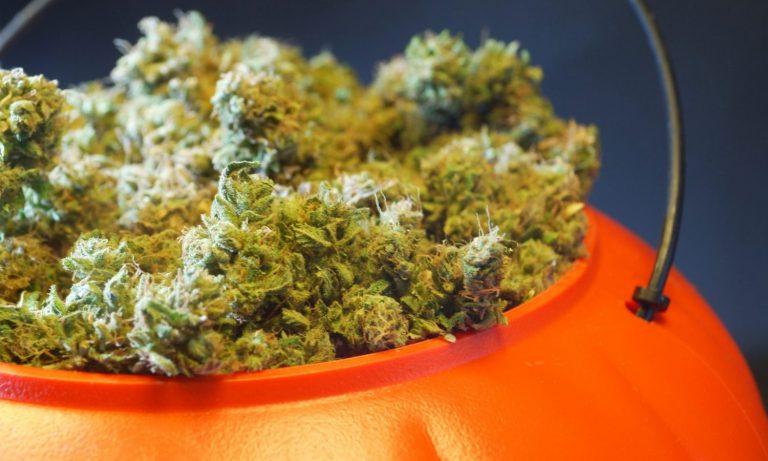
Healthy Halloween candy? It’s a thing. Here’s what nutritionists think about giving this type of candy to kids.

Handing out Halloween candy that’s nutritious is a thing that many adults consider,  especially considering that they are likely the ones who are going to be stuck with that candy once the festivities are over. But should you subject your children and your neighbor’s kids to your dark chocolate alternative or simply hand out M&M’s and Snickers?

Healthy sweet alternatives can be delicious, but you have to be prepared for this change. When offering a kid some popcorn or a snickers, although popcorn is usually healthier, they may understandably be upset, especially considering their expectations of Halloween and the fact that they’re kids and don’t regulate their emotions as well as adults do.

Making kiddos feel bad about wanting to have candy on a date that’s associated with candy could result in bigger problems later on, much more complicated than simply having a sugar rush when the day is over.

RELATED: Here’s How To Realistically Reduce Sugar From Your Diet

Here Are 2020's Most Popular Halloween Costumes And Their States
Photo by Conner Baker via Unsplash

The Huffington Post spoke with some nutritionists on the matter, who were mostly pro-normal Halloween candy. “Sugar-free or buzzwords like ‘keto,’ ‘low-carb’ or ‘superfood’ don’t necessarily make sweets healthier,” said nutritionist Amanda Frankeny. “While these labels sound nutritious at face value, too much candy of any type can lead to cavities and poor nutrition.”

They also spoke about the importance of not pushing children to look for the good candy somewhere else and then developing a negative relationship with food, creating a problem that can have long term implications. “Overeating candy in secrecy can short-term lead to belly woes or worse, potentially create long term disordered eating issues with candy or sweet treats,” said Tracy Lockwood Beckerman, author of “Better Period Food Solution.”

RELATED: Need Relief From Stress & Anxiety? Try Watching A Horror Movie

While some kids with diabetes or blood sugar control issue can benefit from these type of low sugar sweets, the majority would be better off simply carrying on with their standard Halloween celebrations. When it comes to your kids and their everyday consumption of sweets, having healthier candy options around can diminish their long term damage. Still, it’s important to keep in mind that candy is still candy, no matter how it’s packaged, and other foods, like veggies and grains, should always be the priority.

5 Winning Food And Cannabis Combos

0

The cannabis plant has literally come out of the closet and become acceptable to talk about. Combine that with something else people like to talk about (food!) and you can’t lose!  

As a nutritionist and the co-founder of the Holistic Cannabis Academy, I get asked a lot of unsolicited questions about food and cannabis. After all, we imbue all of our social interactions with food. As a society, we have become intrigued with food and everything that pertains to it including cooking and, of course, my favorite topic — nutrition.  

Cannabis is a great conversation starter for so many reasons. For one, it’s not federally legal, yet it’s legalized by individual states for medical or adult use (recreational) purposes in more than half the country. And, of course, the plant has literally come out of the closet, so cannaphobia is mitigated, and it’s become acceptable to talk about the plant. Combine talking about food with cannabis and you have a winning combination! 

In that spirit, here are five winning combos for food and cannabis. 

Avocado 

avocado
Photo by Thought Catalog via Unsplash

Though thought of as a vegetable and often categorized as a fat, avocado is actually a large berry with a single seed. That means that avocado is a fruit, according to botanists. And, an amazing and versatile fruit it is. Of course, there’s the ubiquitous avocado toast found in hipster neighborhoods beyond Brooklyn. Guacamole was, of course, the first introduction to avocado to Americans.

Though many add banana to smoothies, mostly to add sweetness, avocado is my #1 smoothie go-to because it’s an emulsifier. That means that it helps to blend the other ingredients together, creating a smooth smoothie. And, unlike banana, the avocado does not overtake the flavor of the smoothie. It’s a great match with cannabis oil because of its fat content and flavor profile.  

Hemp Seed 

As China’s Hemp Industry Suffers, US Hemp Growers Prepare To Pounce
Photo by KarpenkovDenis/Getty Images

Combining two cannabis plant ingredients together is a no brainer. Hemp as a food is from the seed portion of the cannabis plant and contains little to no THC. Hemp foods include protein powder, milk, hearts, flour, butter (which can also be used for skin), and pressed juice. Hemp oil as food from the seed of the plant is completely different from hemp-derived CBD oil processed from the aerial parts of the plant.

Hemp seeds, which are marketed as hemp hearts, are an excellent source or protein, a vegan food, a wonderful source of fat (always good to pair with cannabis), and a great source of vitamin E and minerals, such as phosphorus, potassium, sodium, magnesium, sulfur, calcium, iron and zinc. Sprinkle on basically anything from avocado (see above) to salads to smoothies or have alone.   

Cacao 

mixing chocolate with cannabis can throw off potency tests
Photo by Charisse Kenion via Unsplash

Cacao, also known botanically as Theobroma cacao, is one of the most popular trees on the planet. Cacao is the plant from which cocoa and chocolate is derived. Higher percentages on chocolate bars typically mean less sugar. Raw cacao boasts 300 different compounds including antioxidants, which are vital to wellness. Anandamide, the “bliss” molecule that our bodies produce is one of the compounds found in small quantities in cacao

RELATED: 4 Foods That Can Increase Your Cannabis High

More significantly, cacao features two others chemicals in higher concentrations that inhibit the breakdown of anandamide, as well as phytocannabinoids in cannabis including THC and CBD, potentially intensifying their effects. On top of this is the is theobromine, which also amplifies the effects of anandamide. Talk about a match made in heaven! 

Black Pepper 

black peppercorn is the perfect fix for weed paranoia
Photo by Calum Lewis via Unsplash

Black pepper features a terpenoid called beta-caryophyllene, which is also a component of some cultivars (strains) of cannabis. Known as a dietary cannabinoid because its binds directly to CB2 receptors found in the peripheral endocannabinoid systemas opposed to THC which binds to CB1 receptors in the brain, beta-caryophyllene does not contribute to euphoria. In fact, this terpene does the opposite, modulating the effect of the cannabis “high.”

RELATED: How Black Pepper Sedates Marijuana Paranoia, According To Neil Young And Science

Black pepper is one of the solutions offered for mitigating overconsumption of THCChewing a few peppercorns or simply sniffing on ground black pepper can provide relief from THC-induced anxiety and paranoia. This is a good thing. To top it off (get it!), both black pepper and cannabis have anti-inflammatory properties. Clearly, the second most popular condiment after salt, pepper is a natural accompaniment for cannabis. 

Mango 

Experiment with Marijuana and Mangoes Under Quarantine
Photo by Fedor via Unsplash

On the opposite end of the spectrum from black pepper is mango. Both feature terpenes that react with THC in cannabis. While the terpene called beta-caryophyllene in black pepper mitigates its impact, the terpene myrcene in mango elevates the effect of THC. It does this by changing the blood-brain barrier to allow cannabinoids to enter the brain more quickly and effciently. The ultimate impact is to prolong and increase the intoxicating effects of THC. 

This can be clinically advantageous for patients who require more immediate pain relief or mood modulation, for example. Cannabis and mango only do this together. As with all food, the impact of mango on the cannabis “high” depends on the individual’s metabolism. That’s called bioindividuality. So, it’s a good idea to know your sweet spot. Be mindful about the optimal amounts of mango and THC for your personalized portion. 

FDA’s Reluctance To Approve Medical Cannabis

When you have an industry paying billions of dollars to the government for legal favors, to ignore the possibility of conspiracy is actually detrimental to your wellbeing.

The FDA can “emergency approve” vaccines but have taken more than 50-years to admit that cannabis has medical properties.

If there’s one thing you can say about the avid cannabis smoker is that they do love their conspiracies. Now, let me get something straight about conspiracies — they do happen.

There’s this idea that if you’re a “conspiracy theorist”, you’re some kind of whack job, but I think it was Eric Weinstein who said it best on Lex Fridman’s podcast: “No, I don’t believe you…I don’t believe that after COINTELPROOperation PaperclipOperation Mockingbird, uh…I don’t even know if I should bring up REX84. To NOT believe in conspiracies is an idiocy.”

medical marijuana
Photo by LPETTET/Getty Images

However, with all conspiracies, some are more difficult to prove and others might simply be works of fiction or counter-propaganda. After all, “the Russians are out to get ya!”

Cannabis users who know something about the origins of cannabis prohibition also know of the great Anslinger-Hearst-DuPont conspiracy to tarnish the good name of cannabis. This was reported recently in a 2020 study, published in the journal Cannabis and Cannabinoid  Research, on the effect of racism on cannabis research:

“Even putting economic interests aside, Hearst and Mellon were at the center of a vicious anticannabis campaign based on racism, sensationalism, and social control of racial minorities. Racism and sensationalism are strong allegations, but consider the roles of Hearst, Mellon, and Harry Anslinger.”

RELATED: What Does The FDA Really Think About Medical Marijuana?

And then again later commenting on the 1971 War on Drugs Conspiracy where Nixon placed cannabis on the CSA because he wanted to legally be able to harass anti-war protestors and African Americans under the guise of drugs:

“John Erlichman, a senior advisor to Nixon, was later quoted as saying “We knew we couldn’t make it illegal to be either against the war or black, but by getting the public to associate the hippies with marijuana and blacks with heroin, and then criminalizing both heavily, we could disrupt those communities. We could arrest their leaders, raid their homes, break up their meetings, and vilify them night after night on the evening news. Did we know we were lying about the drugs? Of course we did.”

The cannabis rabbit hole is deep and if you ever decide to truly uncover the truth behind the illegality of weed, you too will be open to the idea that “conspiracies exist!”

Which brings us to a Reddit Post I stumbled upon while doing some research on weed. The title read: “So the FDA Can Approve the Vaccine and not Cannabis”

It seemed that more than a thousand people agreed and soon the conversation started.

Booyatribe funk said, “The FDA have managed to lose whatever credibility they may have. It’s like going to IGN for an honest gaming review.”

However, it’s important to understand that the FDA is simply one component and that the vaccine approval process is completely different that working with schedule I drugs.

FDA Guidance On Cannabis Research- A Glimpse Of What’s To Come For CBD Products?
Photo by Larisa Shpineva/EyeEm/Getty Images

This isn’t to say the FDA isn’t a joke.

They have notoriously approved many drugs, which that were later recalled for numerous negative health outcomes. And let’s not forget where most of their money comes from — Big Pharma. Yet for some reason people still continue to put their trust in an organization that “may” have good intentions, but in most likeliness is catering to the whims of Big Pharma.

After all, the pharmaceutical industry spent $3.48 billion dollars on lobbying in 2020. Some interesting facts to note include:

  • There were 1,502 pharmaceutical lobbyists in 2020, 63.58% of whom were former government employees.
  • The Wellcome Trust is a top funder of health research globally and has been a major player in the COVID-19 pandemic, even though it’s invested heavily in companies making COVID-19 treatments.

So of course, when you have billions of dollars invested in Vaccine Revenue, you can ask your good ol; pals at the FDA to approve all kinds of drugs. However, while the cannabis industry has seen a rise in lobbying activities it paled in comparison to that of Pharma. The cannabis industry a few million dollars and may have had some endorsement from Big Tech, but it still doesn’t make a dent in the purchasing power of Big Pharma.

RELATED: FDA Rejects CBD As A Dietary Supplement — Are They Right Or Wrong?

The main question remains, “Is this a conspiracy to take away your rights or is it to make an absurd amount of money?”

Some of the cannabis users are leaning more towards the idea of “taking away your rights” as was expressed by Reddit user DKinives:

“They are not just attacking rights though. They are attacking our jobs and livelihoods. Soon it will be highly difficult to provide for your family if you are unvaccinated in a world where workers are already short staffed. And they think its legal, logically, and perfectly okay. I fear for our country’s future, just like I did when Trump was in office… The joys of being a moderate. The country is going to hell and you can’t do shit about it.”

However, others were convinced that the reason why it’s still not “approved” is because Pharma and big corporations need to get their hands on it first;

Reddit user Princetacotuesday said this:

I’ve read about this. Basically a few scientists are trying to document different weed genomes and putting them in public domain so big business can’t patent them and own 100% rights to them. It’s a smart way to fight them and definitely playing a role in why it isn’t legal everywhere yet.

IDK why these a**HOLE companies don’t just give up already and just start growing w/e and selling it. Nope, they gotta own all rights to it 100% like lawsuits against other people/companies is apart of their money making plan.

Sticky Bottom Line

Money and power. These are the two root causes of all great conspiracies. In a day and age where the mere mention of the word “conspiracy” can make you feel ostracized and belittled, the truth of the matter is that “private interests” do meet in “private meetings” and make “private deals.” When you have an industry paying billions of dollars to the government for legal favors, to ignore the possibility of conspiracy is actually detrimental to your wellbeing.

This article originally appeared on Cannabis.net and has been reposted with permission.

The Connection Between Intermittent Fasting And Your Endocannabinoid System

0

Balancing your endocannabinoid tone by implementing intermittent fasting may help you achieve an optimal weight, improve longevity, and provide additional health benefits. 

Keto, Paleo, and Whole-30 are a few of the most popular diets based on guidelines about what foods you can and cannot eat. Valter Longo, a cell biologist, has a different approach. As a pioneer of intermittent fasting, which focuses on when you eat, rather than what you eat, his research shows that shortening the “eating window” can have a profound impact on weight, longevity, immunity, and overall health.   

Humans evolved to live for extended periods of time without food. Our physiological systems boast adaptations to both survive and thrive during periods of starvation. In our modern food system, we have plentiful access to processed, high-sugar foods. We are no longer hunting and foraging for our food and going long stretches of time with absolutely nothing. If we want the benefits of unintentional fasting that our primal ancestors reaped, induced intermittent fasting may be the answer. 

Are You Being Healthier By Sticking To A Vegetarian Diet During The Week?
Photo by Brooke Lark via Unsplash

The endocannabinoid system (ECS) is intimately involved in hormone regulation and metabolism. It plays a crucial role in food intake and weight management. Endocannabinoids, which our bodies naturally produce, are altered during fasting and feeding.

RELATED: Can Food Addiction Be Tackled With Marijuana And Hemp?

According to neurologist Ethan Russo, we all have a clinical endocannabinoid tone, which is basically the overall state of your ECS. Individuals who are obese may have an elevated (or imbalanced) endocannabinoid tone, which impacts overeating. Intermittent fasting can break the cycle by theoretically reducing the expression of CB1 receptors along with endocannabinoid levels. 

Intermittent fasting works to calibrate your body’s sensitivity to hormones such as insulin. During fasting, your body is burning through glucose stored in the liver for 10-12 hours. After that, a process called metabolic switching happens, where fat is used for energy 

RELATED: Everything You Need To Know About Your Endocannabinoid System

Though the term “fasting” may conjure up negative thoughts and emotions for many, this type of intermittent fasting can be manageable. Thinking about “dieting” is generally more stressful than the doing. Like everything wellness-related, it requires planning. That means that you need to schedule your mealtimes. Here are few choices for intermittent fasting:  

  • 16/8: eat all your food within an 8-hour daily window and fast the remaining 16 hours. 
  • 5/2:  consume your typical calories for 5 days and 600 calories or fewer for 2 days. 
  • Eat Stop Eat: fast for a full 24-hours 1-2 times weekly.

Balancing your endocannabinoid tone by implementing intermittent fasting may help you achieve an optimal weight, improve longevity, and provide additional health benefits. 

Significant Weight Loss Might Have An Impact On Your Immune System

0

A study suggests putting strict limits on calorie intake might be harmful to our immune systems.

Due to the world we currently live in, keeping our immune systems in top shape is one of our main concerns right now. Our immune systems help us stay healthy and prevent all kinds of illnesses, from the flu to COVID-19.

And now, a new study shows that aggressive weight-loss diets can be damaging to our immune systems, making it more likely to contract diseases.

While weight loss is still a charged topic and there’s a lot of fat phobia to contend with, we’ve started to associate weight loss with a more active lifestyle, made up of healthy eating and lots of activity over simply eating restrictive diets. The general approach towards this topic is that healthy living is more about being happy, rather than looking thin.

RELATED: 4 Ways To Prepare For Winter Depression

How CBD Can Potentially Combat Obesity
Photo by TeroVesalainen via Pixabay

The study, conducted in Iran and published in the American Journal of Translation Research, explored the degree to which weight restriction would affect people’s immune systems. Researchers found that aggressive food restrictions lowered people’s immune systems, thus promoting that all sorts of diets should be conducted in a careful manner, preferably with the advice of experts.

The study tracked 29 overweight women, dividing them into two groups. One was the control group, advised to eat freely, while the other took medications to lose weight and followed a restrictive diet that asked them to consume 600 or fewer calories per day. For comparison purposes, women consume an average of 1,600 to 2,000 calories on a daily basis.

Both groups lost weight. The group of women that followed these restrictive guidelines lost 10% of their body fat, while also losing some of their “natural killer cells,” which are pivotal for the body’s immune system.

RELATED: Living On A Busy Road May Increase Your Risk Of Developing This Condition

While the study was small and doesn’t contain a very representative sample of participants, it does suggest the importance of gradual weight loss, especially when it comes to people’s immune systems. It also highlights how a combined approach to weight loss, made up of a more active lifestyle and some caloric restriction, might be best to keep your entire system running smoothly, especially during the times when you need it most.

What Is The Most Cannabis-Friendly Social Media Platform Today?

Cannabis branding leaders say that community building is essential, regardless of the social media methods utilized.

By Andrew Ward

Cannabis brands and fans alike often run into having their account deleted, banned or suppressed in some fashion. With cannabis-specific platforms still not earning substantial memberships, the industry is left to scramble from platform to platform in an attempt to connect with enthusiasts, buyers, investors, media and other crucial members.

Most sources say one option appears to be the best for cannabis today. Still, alternative platforms and methods may be beneficial to building lasting connections.

10 Best LinkedIn Cannabis Groups For Networking In The Weed Industry
Photo by Alexander Shatov via Unsplash

Is LinkedIn The Top Social Media Platform For Cannabis Today?

Though metrics or methods to determine the most cannabis-friendly platform aren’t readily available, it appears LinkedIn is the most cannabis-friendly platform at the moment, according to anecdotal feedback from various sources.

Cannabis PR and social media professional Alice Moon said LinkedIn is great for connecting industry professionals. “It’s more so for people and not brands, but it is a great place for brands to share their latest press coverage and news,” she said.

She also highlighted Twitter Inc. for tolerating cannabis content but said its search feature connects the term cannabis with substance abuses messages.

Others agreed. Karina Karassev, co-founder and COO of cannabis packaging brand Stori, said LinkedIn does a good job recognizing cannabis industry professionals.

“Linkedin does an excellent job removing negative stigmas surrounding the cannabis industry,” Karassev added.

RELATED: 10 Best LinkedIn Cannabis Groups For Networking In The Weed Industry

Brooke Benavides, director of marketing for CMW Media, said the cannabis conversation is growing on LinkedIn. She reported that clients tell her that the platform is still taboo to non-industry members–with those connections rarely interacting with posts.

Despite its shortcomings, she believes the professional-focused platform is the best today.

“LinkedIn remains one of the only platforms that allows for organic reach as it relates to cannabis content and groups, and industry pros and businesses don’t have to worry about potentially being penalized or ‘shadow banned’ from their networks,” Benavides said.

Other Social Media Options Worth Considering

Liz Gottbrecht, director of delivery brand Lantern, said Reddit helps connect with fans by hosting AMA (Ask Me Anything) sessions on specific subreddits. She added that the audio-based platform Clubhouse appeared to be another viable option, though its popularity has not expanded beyond industry leaders and movers. “It hasn’t really found the mainstream appeal needed to scale and maintain relevance long term.”

Lantern also focuses on platforms like the Alphabet Inc. Class C, YouTube, Twitch and Pinterest.

“They have strong cannabis-adjacent communities where we can explore and share relevant content within the guidelines – food, how-tos, gaming,” Gottbrecht noted.

Cannabis And Sex Two Things Social Media Doesn’t Want You To See
Photo by PhotoMIX Company from Pexels

Rather than focus on the mainstream, some are targeting smaller audiences and cannabis-specific platforms. Both Gab and Mastodon came up as viable options.

While social media giants like YouTube seem to have lessened restrictions on cannabis as of late, plant-dedicated platforms like TheWeedTubeLeafwire and MJLink are just a few startups aiming to provide a solution to the cannabis community and its businesses.

Brand Success Without Social Media

Branding leaders say that community building is essential, regardless of the methods utilized.

Companies with advertising budgets may want to dedicate a portion to a public relations campaign. CMW’s Benavides said releasing press releases and offering quotes to the media helps build credibility.

RELATED: Social Media’s Effect On Cannabis Stocks

“Releasing company news and providing quotes on trending stories is a way for brands to build editorial credibility while remaining top of mind — and top of a Google search,” she noted, speaking to the power of search engine optimization (SEO).

However, in this writer’s experience, companies need to exercise caution or risk de-valuing their credibility to analyze every news story. Rather than being perceived as a trusted expert, the brand can appear media-hungry and be deemed an unreliable source.

Moon said merch giveaways are worth consideration, with winners often receiving branded merchandise that serves as word-of-mouth marketing.

RELATED: Cannabis And Sex: Two Things Social Media Doesn’t Want You To See

“If the cannabis brand is able to do DTC sales, they can offer referral commissions, which would encourage people to tell their friends about the brand,” Moon added.

Gottbrecht also spoke about word-of-mouth marketing, namely through employees, referral programs and local community building. Most methods can be conducted online or in person.

She elaborated, “For us, the focus on social is community building — through partnerships with local businesses, creators, cannabis brands and dispensaries, as well as growing our own audience as much as possible through email.”

This article originally appeared on Benzinga and has been reposted with permission.

What are CBD Topicals And Why The Hype?

0

Applying CBD directly to the skin allows cannabinoids to attack problem areas directly at the source, which is why the majority of users treat CBD topicals as medicine.

By now, most people are probably familiar with CBD gummies and vapes, but topicals are slowly beginning to gain popularity, too. They’re easy to find and come in a variety of different forms, from lip balms to lotions. But what are CBD topicals and why the hype?

Although the CBD market is currently unregulated by the FDA, CBD products became federally legalized following the passage of the 2018 Farm Bill, which legalized the growing of hemp nationwide. 

Since then, the market for CBD topicals has been hot and shows no signs of slowing down. The question is whether or not they’re worthy of all the buzz.

Here's What You Should Know About CBD Topicals
Photo by vadimguzhva/Getty Images

What Are The Ingredients?

CBD topicals typically contain a base of essential oils along with a mix of CBD extract and other plant extracts. There are two types of CBD topicals consumers should be aware of: full-spectrum and broad-spectrum. While full-spectrum products consist of the full plant, and all its natural chemicals, broad-spectrum CBD products contain everything except the THC contents present in full-spectrum products.

When it comes to CBD lotions, it’s not uncommon to find that many of them are similar to every other type of lotion that’s already on the market. They feature ingredients such as aloe vera, shea butter, and almond oil to provide a soothing experience that also possesses qualities that complements a skincare routine.

How Does It Make You Feel?

As is the case with most cannabis-related products, images of CBD topicals may lead the mind to consider them simply as nothing more than skincare products for stoners, but the reality is that they have no psychoactive effects whatsoever. While the case is likely different for THC topicals, applying CBD topicals won’t lead to a consumer getting high. Even full-spectrum CBD topicals contain less than 0.3%  THC content.

RELATED: Not All CBD Topicals Are Treated Equal

The reality is that many people use CBD topicals for medicinal purposes (research pegs that number at 62%). CBD balms are effective when it comes to treating a number of medicinal conditions like chronic pain because applying it directly to the skin allows cannabinoids to attack problem areas directly at the source.

Who Should Use CBD Topicals?

CBD topicals can come in handy for numerous people, such as those who are suffering from arthritis or anyone on the lookout for a new moisturizer. CBD topicals solve a wide range of problems for people, which is one of the contributing factors in their rise in popularity in recent years. Additionally, they’ve even shown evidence of helping people who suffer from serious skin conditions like eczema and psoriasis.

RELATED: How To Choose Cannabis Topicals That Will Actually Work

Anyone suffering from chronic pain who isn’t gettin results from their current relief methods could benefit from giving CBD topicals a try. The same can be said for people suffering from skin conditions typical lotions and skin creams can’t usually solve.

CBD topicals have opened the door for hemp to help countless people, so there’s nothing to lose and everything to gain by giving them a try.

Top 10 Reasons People Smoke Weed According To Studies

0

The bottom line is that if you know yourself, you’ll always adjust accordingly to optimize yourself for maximum enjoyment/efficiency at life.

Why do you consume cannabis?

This question can be answered in many different ways depending on whom you ask. Someone with a medical condition could be using cannabis to tolerate the aches and pains of their illness. A recreational user might be using it to “blow off some steam” at the end of the week (i.e stress management). Others might be using it for religious or spiritual purposes.

The reason why we do anything is something we should all be consciously aware of. If you don’t understand why you are doing a particular activity or believing in a particular truth, then you’re running blindly in this ever changing world. We all have our assumptions.

Smoking Marijuana
Photo by PhotoAlto/Sigrid Olsson/Getty Images

Within the psychological community, understanding the “why” can inform researchers on the motivations of users, which could help them in various ways I suppose. Perhaps they need this data for intervention programs, or to understand the social context of cannabis. Nonetheless, it’s been a question that has been plaguing researchers for a while now.

Psychology Today recently published a blog that dealt with this very issue. They took data from four different studies attempting to solve this riddle and published some of the findings.  In this article, we’ll be taking a closer look at the studies as well as the conclusions made by the researchers.

This will allow us to reflect on the data and compare our own motivations for consuming cannabis. While you may not agree with what will be discussed – bare in mind that these papers are typically based on secondary research. In other words, they rely on surveys and data collected from other sources which they use to build a “picture” of the average consumer.

College freshman motivations

Age does play a significant role for motivation. College freshmen will make drastic different decisions based on their social environment compared to a 38-year-old professional. And this 38-year-old will make completely different conclusions than his 65-year-old boss.

The first study looked at possible motivators for “entering college students” and found that:

“The most frequently reported reasons included enjoyment/fun, conformity,  experimentation, social enhancement, boredom, and relaxation. Regression analyses revealed that experimentation was consistently associated with less use and fewer problems whereas enjoyment, habit, activity enhancement, and altered perception or perspectives were associated with heavier use and more problems.”

RELATED: 8 Reasons Why College Students Use Cannabis

Of course, when we’re looking at the paragraph above we see that there are six main categories which casts a wide net. Many college entering youth have already experimented with cannabis. These would be people who enjoy consuming cannabis simply for the act of “feeling high”. We could probably clump them together with the “problematic use group”.

This is because the test was designed by addiction “specialists,” and they associated elements such as socioeconomic status with these groups. This creates a subtle suggestion that those who enjoy smoking weed or who does it to “alter their perception” are typically people who are “worse off than those who are simply experimenting.

8 Reasons Why College Students Use Cannabis
Photo by Alexis Brown via Unsplash

In my experience, when people are experiencing “tough time” they do tend to use cannabis at a higher rate to cope with the increase in stress. Some might argue that this creates a dependence on cannabis. But when a person’s life turns around, their behavior changes as well. A snapshot from a survey would never be able to capture the depth and subtle nuances of life.

Social acceptance was another high ranking category in this age group and it makes sense. When you’re finally “out of the nest”, you need a conduit to engage with other people. If people are smoking weed, you may feel slightly more inclined to try it to “fit in”.

Of course, this is one of the dumbest reasons to consume cannabis, but I’m sure many people also use it to deal with social anxiety. After all, they are now “out on their own” or at the very best, “away from their parents” and have to make “adult decisions”. This can all be very scary, and weed can definitely be a means of working through this.

Typically, people wane off of heavier consumption after college, when real life happens.

Adults who smoke weed for a long time

Another study looked at older demographics trying to understand their motivations for consuming cannabis. Not surprisingly, there is a far more nuanced list of reasons than the college aged demographic. According to researchers:

“Top reasons for use pertain to relaxation and enhancement of recreational activities followed by coping with stress and anxiety. The frequency of respiratory and throat problems attributed to using cannabis underscores the perceived risk of pulmonary damage due to long-term heavy use. Whereas concerns about use levels nonetheless overshadowed other dependency indicators, including concern for personal health, however, no association was found between amounts nor frequency of use and the number of DSM-IV items reported by respondents. Users acknowledged and accepted the potential for dependence, adapting use levels accordingly when seen as problematic.”

Here’s a quick view on the other reasons not listed in the paragraph above;

  • Relaxation (number one)
  • Feeling good
  • Medical uses
  • Inspiration
  • New ways of looking at things
  • Coping with depression and anxiety
  • Forgetting one’s worries
  • Enjoyment of movies or music
  • Better sleep
  • Coping with boredom

As you can see, the list is quite varied, and as we have established in our opening paragraphs, depending on who you ask, you’ll get a different response.

Marijuana Legalization Makes Black Market Weed Cheaper, Heroin More Expensive
Photo by Matthew Karila via Unsplash

This is because cannabis is a very adaptive substance. Since it helps stimulate the endocannabinoid system — the system that is responsible for maintaining the body in homeostasis — it can virtually help with any of the categories listed above.

However, considering that the three most prevalent of these are relaxation, enhancement of activities, and stress management, we can see two things:

  • Cannabis is being used as a means for people to unwind
  • This action of unwinding helps them alleviate stress

It’s pretty much the same as having a glass of wine at the end of a long day at work. There is nothing pathological about this. Even the researchers admitted that, “users are for the most part very self aware of their consumption habits, and alters their behavior when THEY see it as problematic.”

This is because consumption is a subjective practice. Perhaps you can wake up and take a few tokes of weed to get you inspired, while another must wait till the end of the day to unwind.

The bottom line is that if you know yourself, you’ll always adjust accordingly to optimize yourself for maximum enjoyment/efficiency at life.

For researchers, the “why” is still illusive because they look at cannabis use as a pathological activity. This is why it’s compared to the DSM-V all the time, because they think you’re “abusing drugs” when in reality you’re letting go and simply engaging with life. Framing matters.

George Floyd Receives Posthumous Pardon Recommendation For 2004 Drug Conviction

0

The deaths of George Floyd, Dennis Wayne Tuttle, and Rhogena Ann Nicholas show that the dangers posed by law enforcement through the War on Drugs are still very real and a defining civil rights issue of our time.

Last week the Texas Board of Pardons and Paroles recommended that George Floyd posthumously receive a full pardon for his 2004 drug conviction. Former Houston Police Department (HPD) officer Gerald Goines, who arrested George Floyd in 2004, is currently awaiting trial on two counts of felony murder stemming from a botched 2019 drug raid in which prosecutors allege Goines knowingly provided false evidence to obtain a no-knock warrant.

Since this revelation, more than 160 drug convictions tied to Goines have been dismissed by Texas prosecutors and another 1,400 criminal cases are under review. The unanimous recommendation to pardon George Floyd has been forwarded to Texas governor Greg Abbott for a final decision. The Texas Republican governor must now decide whether to clear the drug conviction that forever changed the path of George Floyd’s life, which ended with his tragic death at the hands of Minneapolis law enforcement.

george floyd
Photo by munshots via Unsplash

The Effort to Posthumously Pardon George Floyd

Harris County District Attorney Kim Ogg wrote a letter to the Texas Board of Pardons and Paroles in April 2021 recommending that George Floyd receive a posthumous pardon. In February 2004, then Houston resident George Floyd was arrested for allegedly selling $10 of crack cocaine to a police informant who later sold the drugs to officer Goines. The alleged informant was never arrested or identified. Based on officer Goines’ testimony Floyd was indicted, and subsequently convicted and sentenced to 10 months in jail.

District Attorney Ogg’s letter to the Texas Pardons and Paroles Board goes on to explain that in January 2019, officer Goines was involved in a botched drug raid that left two citizens dead and four HPD officers wounded, including Goines himself. Harris County prosecutors now contend that Goines made false statements under oath to obtain the warrant for the raid. Ogg states in her letter to the Texas Pardons and Paroles Board: “Former officer Goines is not credible. We do not support the integrity of Mr. Floyd’s conviction and agree these circumstances warrant a posthumous pardon.”

The Pecan Park Raid & Police Coverup

On January 28, 2019, HPD officers executed a no-knock raid at a home in the Pecan Park area of southeast Houston in search of heroin. The homeowners, Dennis Wayne Tuttle and Rhogena Ann Nicholas, as well as their dog, were shot and killed by HPD officers during the raid. No heroin was found in the home and the “informant” who was the source of the information relied upon in the application for the no-knock warrant could not be located afterward. Goines later claimed there was no informant, and that he purchased heroin from the residence himself.

According to the initial account of HPD officers, the officers shot the victims because Tuttle was armed with a gun and Nicholas was reaching for an officer’s weapon. Families for the victims hired a forensic team to independently investigate the scene. The forensic team found no evidence that the victims fired at the officers but found evidence suggesting that police standing outside the home fired blindly into the residence.

george floyd
Photo by Spencer Platt/Getty Images

On August 23, 2019, Goines was charged under Texas state law with two counts of felony murder. A fellow officer, Steven Bryant, was charged with tampering government documents for trying to help Goines in covering up the illegal obtained no-knock warrant. Both were arrested by the FBI a few months later in November 2019 with Goines being indicted for federal civil rights violations and obstruction of justice for falsifying government records.

RELATED: The Role Marijuana Legalization Can Play In Fighting Racial Injustice

Former HPD officer Steven Bryant would eventually plead guilty to a federal charge of falsifying government records. He admitted to doing so to protect former officer Goines. Bryant explained that during the raid he found the search warrant in the home and realized that Goines lied about making a heroin buy at the residence. Bryant then wrote a supplemental report falsely claiming to have accompanied Goines during the buy. During the attempted coverup Bryant claimed that heroin found in Goines’ car was from the alleged drug purchase, but the HPD now says that the heroin was from a different raid in which Goines also provided false information to obtain a warrant.

RELATED: Biden Should End America’s Longest War: The War On Drugs

In January 2020, a Texas grand jury indicted Goines for felony murder and tampering with government documents. A press release from the Harris County District Attorney’s Office alleges that former officer Goines misrepresented the drug activities of the raid victims and lied about other information that was needed to obtain the no-knock warrant. Goines faces up to 99 years or life in prison for these charges. Since then, six additional former HPD officers have been indicted on 17 different counts relating to their roles in the botched drug raid.

The Continuing Threat of the War on Drugs

Texas Governor Greg Abbott must now decide whether to grant the posthumous pardon for George Floyd. The deaths of George Floyd, Dennis Wayne Tuttle, and Rhogena Ann Nicholas show that the dangers posed by law enforcement through the War on Drugs are still very real and a defining civil rights issue of our time.

Brett Mulligan joined Green Light Law Group in September 2021. He assists the firm’s litigation and transactional attorneys with legal research and drafting. You can contact him at info@gl-lg.com or (503) 488-5424.

This article originally appeared on Green Light Law Group and has been reposted with permission. 

An FDA Advisory Panel Is Recommending Booster Shots Of This Vaccine

0

An FDA advisory panel voted unanimously for a round of booster shots of this vaccine, hoping to make it available for people 18 and older.

While booster shots are mostly approved for people over the age of 65 (also those who are immunocompromised or who are at risk of higher exposure due to their jobs), a Food and Drug Administration (FDA) panel recently approved a booster shot for the Johnson & Johnson vaccine.

Per NBC News, the FDA panel’s vote was unanimous and the decision is now expected to reach the FDA soon. They will then decide whether or not to approve the booster within the coming days. If approved, the Johnson & Johnson booster would be available for the 15 million people over the age of 18 who received the shot at some point during the past year.

RELATED: These People Should Be Last In Line For COVID-19 Boosters, Say Experts

Doing This After Your First COVID-19 Dose Could Result In Less Protection From Virus
Photo by Towfiqu barbhuiya via Unsplash

According to the panel, this vote is warranted due to the Johnson & Johnson vaccine having a lower rate of efficacy. Studies have shown that a booster for these vaccines could increase their protection rate up to 94%. Still, the Johnson & Johnson vaccine wasn’t designed to be a two-dose vaccine. It functions differently than Moderna and Pfizer’s two-dosage immunization.

Despite evidence pointing to the contrary, Johnson & Johnson executives claim that a single dose remains effective, which drew criticism from the FDA. “I think, frankly, this was always a two-dose vaccine,” said Dr. Paul Offit, director of the Vaccine Education Center at Children’s Hospital of Philadelphia.

RELATED: Doing This After Your First COVID-19 Dose Could Result In Less Protection From Virus

The Johnson & Johnson vaccine was 72% effective against moderate to severe disease, significantly lower than the 95% rate of protection granted by Moderna or Pfizer. According to data from the Centers for Disease Control and Prevention (CDC), the majority of breakthrough COVID-19 cases come from people who were vaccinated with the Johnson & Johnson vaccine.

If the FDA were to approve this ruling, people over the age of 18 could get their Johnson & Johnson booster within two months after their first shot.

Don't Miss Your Weekly Dose of The Fresh Toast.

Stay informed with exclusive news briefs delivered directly to your inbox every Friday.

We respect your privacy. Unsubscribe anytime.