In a surprise, the California State Fair is including cannabis competition next year! The CA State Fair Cannabis Competition and Awards represents “a watershed moment” for the cannabis community in California, Cultivar Brands’ Brian Applegarth said on Tuesday, highlighting that they will focus on education and demystification of the plant.
The competition is open to all licensed growers in California and will award medals for the cannabis flower only, showcasing the primary cannabinoids and terpenes expressed in the cannabis flower.
Photo by Flickr user m01229
“We are thrilled for California cannabis farmers to have a seat at the table,” Cultivar Brands co-founder/CEO James Leitz told Benzinga. “We will lead with cannabis flower for the inaugural awards, but our plan is to dive deeper in the coming years to recognize even more attributes of the plant, objectively through science and subjectively through judging.”
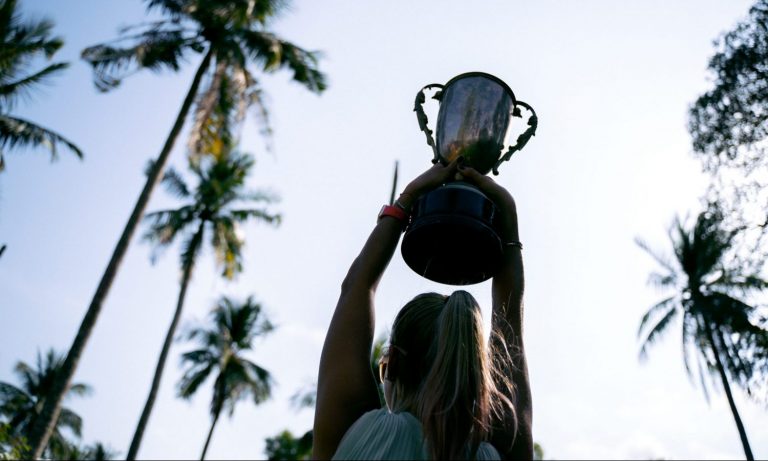
Classified into three groups, representing three primary divisions for submission by the light source, including indoor, mixed-light, and outdoor, the entrants will be awarded 77 bronze, silver, gold and double gold medals, including the Golden Bear trophy for “Best of California.”
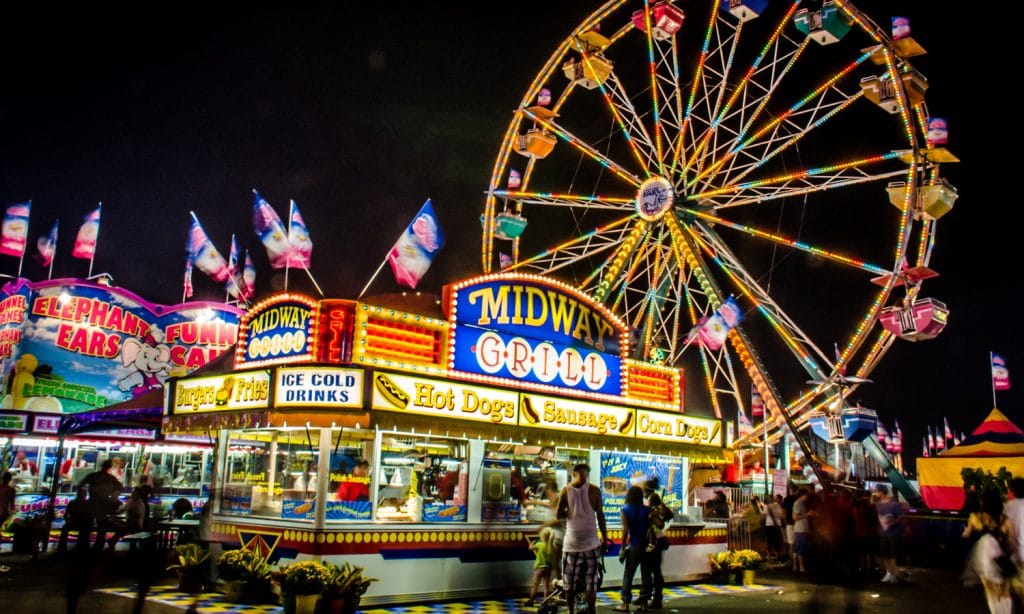
CA State Fair will take place from July 10 to July 26, 2022, at the Cal Expo Fairgrounds in Sacramento, California. The submission deadline is from November 1, 2021, until March 30, 2022.
The competition will be scored objectively through science-based analysis performed and certified by SC Labs, the CA State Fair disclosed. Let’s see if the California State Fair includes cannabis competition next year.
Once viewed as a rising star in the Democratic party, former Massachusetts mayor Jasiel Correia was sentenced to six years in prison on Tuesday after being convicted in May on charges including fraud and extortion of hundreds of thousands of dollars tied to local marijuana businesses.
The ex-mayor of Fall River, 29, showed no emotion as U.S. District Judge Douglas Woodlock blasted him, saying that “City Hall was for sale” during his mandate.
Photo by krisanapong detraphiphat/Getty Images
Judge Woodlock, reported MassLive, threw out several convictions against Correia accusing him of deceiving investors who backed a smartphone app, dubbed SnoOwl, which he designed to help businesses connect with consumers.
Prosecutors disclosed that Correia spent nearly two-thirds of the sum he received from investors on his lavish lifestyle.
Correia, however, insisted on his innocence, saying that was the reason he turned down a plea deal and that the trial was politically motivated.
“The justice system has failed us,” Correia said after the judge handed down the sentence.
According to ABC News, the defense had asked for three years, stressing that Correia also did much good for Fall River.
“None of that excuses what happened here, but I think it’s required to have a fuller picture of the man and to understand how somebody might get derailed but still have hope to contribute in a future chapter of life,” said Correia’s attorney William Fick.
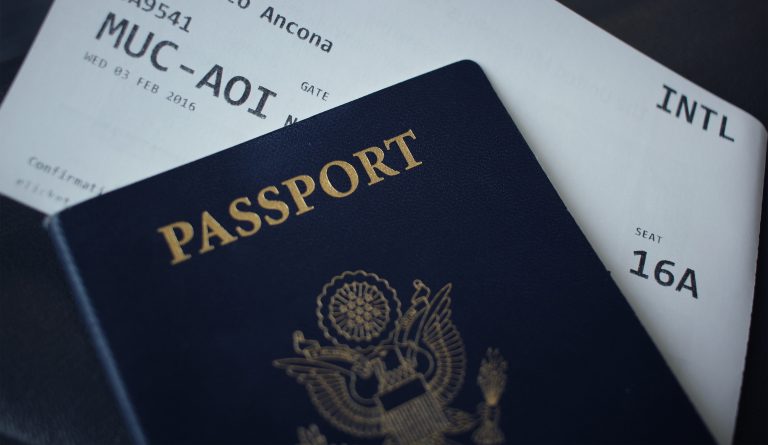
The Biden Administration announced new international travel guidelines that will go into effect in November.
Following months of heavy international travel restrictions, the U.S. is gearing up to reopening its borders. This week, President Joe Biden announced that fully vaccinated travelers from specific countries will be able to enter the U.S. in early November.
Reuters reports that this relaxation in travel guidelines will allow citizens from countries like China, India, and Brazil to enter the U.S. as long as they are inoculated with the approved vaccines, something that falls under the jurisdiction of the Centers for Disease Control and Prevention (CDC).
“In early November we’ll be putting in place strict protocols to prevent the spread of COVID-19 from passengers flying internationally into the United States by requiring that adult foreign nationals traveling to the United States be fully vaccinated,” said Jen Psaki, the White House Press Secretary.
While the decision was praised by the travel industry, it marked a significant departure from what Biden’s administration has been cautioning over the past couple of weeks, especially since the rise of the Delta variant. It’s not known exactly when this rule would be approved. White House coronavirus response coordinator Jeff Zients said that it would be during early November.
Throughout the pandemic, the U.S. has allowed international travel from over 150 countries. While the loosening up of these guidelines may be puzzling for some, it indicates that people who were unvaccinated and allowed to travel before will now have to follow the new guidelines to enter the U.S. Everyone who travels internationally will have to be vaccinated and will also need to provide a negative COVID-19 test taken three days before departing for the U.S.
International COVID-19 travel bans were put in place in the year 2020, when President Donald Trump was in charge. China was the first country to be banned by the U.S., a decision that later extended to dozens of other places without a clear knowledge of when these guidelines would be lifted.
The U.S. House of Representatives passed an amendment on Tuesday that would allow banks to do business with cannabis companies without being penalized by federal regulators.
The measure, approved on a voice vote making it part of a large-scale defense spending bill, came after the House Rules Committee made in order the amendment from Rep. Ed Perlmutter (D-CO) for floor consideration, Marijuana Moment reported, adding that it was one of various drug policy proposals lawmakers were hoping to attach to the National Defense Authorization Act (NDAA).
“This will strengthen the security of our financial system in our country by keeping bad actors like foreign cartels out of the cannabis industry. But most importantly, this amendment will reduce the risk of violent crime in our communities,” said Perlmutter who had re-introduced the bill. “By dealing in all cash, these businesses and their employees become targets for robberies, assaults, burglaries, and more.”
Whether as standalone legislation or as a part of broader legislation, the measure has been widely supported, even though some are pushing for more comprehensive changes to cannabis laws to happen first.
In an interview with Marijuana Moment, Senate Majority Leader Chuck Schumer (D-NY) argued that passing the Secure and Fair Enforcement (SAFE) Banking Act first could affect support for broader reform.
“I’ve always been of the view that while certainly, we have to deal with the banking and financial issues that we should do them together with legalization because the [SAFE Banking Act] brings in some people who might not normally support legalization, and we want to get as broad a coalition as possible,” Schumer,known for his efforts to create a cannabis legalization bill that will prevent alcohol and tobacco giants from dominating the industry, told Marijuana Moment.
“It’s like I’m in the zone. I feel like nobody could stop me out there. Mellowed me out, got me going and it’s the best thing for me.” — Shaun Smith, Kansas City Chiefs
It’s not exactly human growth hormone, but who’s to say if Mary Jane falls under the category of a performance enhancing drug? With the expanding legalization of marijuana, sports leagues have slowly but surely softened their stances as well. That’s opened the floodgates for former pro athletes to share their experiences detailing how marijuana enhanced their playing careers. You might be surprised these former pro athletes played stoned.
Photo by TuelekZa/Getty Images
Matt Barnes, NBA, Sacramento Kings
By launching a podcast with Stephen Jackson called All the Smoke, it’s not hard to tell that Mr. Barnes knows his way through a bag of California’s Finest. He’s even gone on record admitting that some of his best performances happened while he was “medicated”.
Given his fiery on-the-court personality, the casual NBA fan likely wouldn’t peg Barnes as a stoner. The fact is that he’s actually been burning since the green age of 14. His long-lasting relationship with weed could be what led him to fighting for social equity within the cannabis industry in his current role as Senior Advisor to Eaze’s minority-focused cannabis business incubator.
Percy Harvin, NFL, Seattle Seahawks
Given the high-contact nature of professional football, it’s pretty easy to imagine the league’s best unwinding after a long day with a thick joint twisted tightly to perfection. Although that’s the case for a lot of the league, former Seahawks wide-receiver Percy Harvin actually cited a different reason for his habitual blazing throughout his career. He recently claimed that smoking marijuana before games actually helped quell his anxiety.
His anxiety reached an apex upon being traded from the Minnesota Vikings to the Seattle Seahawks back in 2013. “There’s not a game I played that I wasn’t high,” he said. It’s not surprising given the fact that many users claim it helps calm their nerves.
Photo by Doug Pensinger/Staff/Getty Images
Shaun Smith, NFL, Kansas City Chiefs
Unlike Percy Harvin, Shaun Smith, formerly of the Kansas City Chiefs, maintained his pregame ritual of smoking two blunts before each game because it helped him focus. Smith was such an ardent believer in the bud that he claims it made him feel unstoppable on the field. In an interview with Bleacher Report, he said, “It’s like I’m in the zone. I feel like nobody could stop me out there. Mellowed me out, got me going and it’s the best thing for me.”
Later on in the interview he attributed weed for helping him manage his pain, before delivering a bombshell. He estimated that up to 80% of players in the league use marijuana, along with other teams and coaching personnel. Considering that, it’s no wonder attitudes around pot are changing so rapidly in what used to be known as the “No Fun League.”
Elijah Dukes, MLB, Washington Nationals
Since MLB is historically the most forgiving of the three major sports leagues when it comes to weed, it’s only natural for its players to take advantage of that fact from time to time. Former outfielder for the Washington Nats admitted to smoking pot before games during his short-lived three year big league career. Posting a rather pedestrian career batting average of .242, it’s hard to decipher what type of impact his usage had on his on-the field performance.
Nonetheless, his time in the bigs came to an abrupt, unceremonious end preceding the start of the 2010 MLB season. Unfortunately since his retirement, he’s made headlines for all the wrong reasons. Some of those headlines include domestic problems resulting in legal consequences.
Amazon recognizes that an increasing number of states are moving to some level of cannabis legalization which makes it difficult to implement an equitable, consistent and national pre-employment marijuana testing program.
Amazon disclosed on Tuesday that its earlier decision to end drug testing for cannabis will be retroactive, meaning former workers and applicants who were punished or rejected for testing positive for THC will have their employment eligibility restored, reported various news outlets.
Amazon also announced on Tuesday that it is lobbying Congress in favor of legalizing cannabis at the federal level in part to promote equitable hiring practices.
Photo by Mark Makela / Getty Images
In a Tuesday blog post, Beth Galetti, Amazon’s senior vice president of human resources, said that the firm has “reinstated the employment eligibility for former employees and applicants who were previously terminated or deferred during random or pre-employment marijuana screenings.”
According to Galetti’s post, Amazon recognizes that an increasing number of states are moving to some level of cannabis legalization which makes it difficult to implement an equitable, consistent and national pre-employment marijuana testing program. Publicly available national data indicates that pre-employment marijuana testing disproportionately impacts people of color and acts as a barrier to employment.
“Pre-employment marijuana testing has disproportionately affected communities of color by stalling job placement and, by extension, economic growth, and we believe this inequitable treatment is unacceptable” stated Galetti.
The Lead-Up
In June, the company came out in support of the Marijuana Opportunity Reinvestment and Expungement Act of 2021(MORE Act) and announced that it will stop testing for cannabis use in most positions. In September, Amazon began asking its delivery partners to stop screening applicants for marijuana use in an effort to address the shortage of the company’s delivery drivers though the company will continue to have zero tolerance for working while impaired.
Steven Hawkins, CEO of the U. S. Cannabis Council, pointed out that when a drug-testing policy that affects over a million Americans gets changed, it’s a signal.
Amazon is not alone in its removal of cannabis screening. From the corporate world to professional athletics, major organizations are significantly retooling—or removing altogether—testing or sanctions for cannabis, Hawkins told Benzinga.
“The unprecedented labor shortage is making it difficult for employers to find workers to fill those jobs and employers that meet the moment with smart, modern hiring policies stand to gain the most,” Hawkins added.
Others in the industry seem to agree that the lawsuit is exposing a serious flaw in the regulatory system that is cutting the financial legs out from under the legal market.
A suit filed last week in state court by a California retail chain against the Department of Cannabis Control (DCC) alleges that criminals have been legally buying an unknown number of cannabis distribution licenses, reported MJBizDaily. Surprise, CA turns blind eye to marijuana black market, hurting what could be another robust industry for the state.
The DCC is responsible for, among other things, establishing, implementing, maintaining, and enforcing a track and trace program for reporting the movement of cannabis products throughout the distribution chain.
Photo by Viviana Rishe via Unsplash
Through this lawsuit, HNHPC, Inc., a state/local licensed dispensary in Santa Ana, seeks to compel the DCC to perform its legal duties.
According to HNHPC, the DCC’s failure to perform its legal duty to implement systems to properly track and flag questionable transactions has led to the exponential rise of “Burner Distros,” which conceal and launder State-grown cannabis for delivery to unregulated markets without paying significant legally mandated taxes.
According to the suit, operators (usually legal cannabis operators) purchase or obtain distribution licenses in various local jurisdictions, often where cultivation operations are prevalent and/or where such licenses are relatively easy to acquire. They do this by using an array of different “front men” who agree to attach their names to the licenses.
Once licensed, the Burner Distros purchase large quantities of cannabis from cultivators within the State. By law, Burner Distros are responsible for paying all mandated taxes although they “may or may not pay” them, alleged the Plaintiff.
HNHPC is informed and believes the system implemented by the DCC, called “METRC,” can be re-designed to identify Burner Distros, but it would require the State to amend its current agreement with the developer of METRC.
In addition, the suit alleges that the DCC and the State have purposely turned a blind eye to illegal Burner Distros in order to keep excess cultivation tax money flowing in.
“This leads to two inevitable and ultimately devastating consequences,” claims the suit.
A cheaper illicit-market cannabis undercuts the legal industry, for starters.
A huge hit to state tax revenue, which the suit estimates could be in the “hundreds of millions of dollars.”
The practical result: The legal market has been propping up the illicit market instead of replacing it, said Elliot Lewis, CEO of Catalyst Cannabis Co., a California retail chain that operates six stores. Catalyst’s parent company, HNHPC, is the plaintiff in the suit, per MJBiz.
Photo by Matthew Karila via Unsplash
“More legal product is going out of the state than is being sold legally in the state,” Lewis added. “The only question is, is it two times, three times, four times?”
Industry executives say the lawsuit is important because it exposes a problem that state regulators and lawmakers need to address.
“I’m really happy this lawsuit is coming to light because it’ll force the state to act,” said Vince Ning, CEO of Oakland-based marijuana distributor Nabis.
Others in the industry seem to agree that the lawsuit is exposing a serious flaw in the regulatory system that is “cutting the financial legs out from under the legal market,” wrote MJBiz Daily.
Given the astronomical growth spurt of new adult-use markets, however, the latest findings suggest that medical cannabis will be lucky to maintain its 10-20 % of total market share.
Cannabis data and analytics specialist Headset just released its latest report comparing U.S. medical and recreational cannabis market development, bearing results that reveal sales patterns and unifying trends across the industry. The report’s findings are grounded in the context of the predominant pattern of a three-step process in cannabis market development, including prohibition, medical access, and adult-use legalization.
Though there are exceptions to this evolution where markets leapfrog medical use and go straight from cannabis prohibition to adult-use legalization, flagship states like California, which approved medical use in 1996 but took another 20 years to allow adult-use cannabis, follow a more predictable pattern. The report compares California’s slower rollout to Illinois accelerated process, evident in its shorter six-year span between medical and recreational legalization.
Photo by Ivan-balvan/Getty Images
The Medical To Rec Jump
Due to the time-tested predictability of this market pattern, industry analysts are using it to make sense of the past, paint a clearer picture of the present, and forecast future sales patterns in states such as New York, New Jersey, and Montana, which will all be transitioning to recreational use this year. Headset’s report also looks at cannabis markets in Illinois and Michigan, which made the medical-to-recreational transition fairly recently, and Colorado and Oregon, which jumped on that bandwagon much sooner.
Overall, analytics show significant growth when markets first transition to adult-use, as illustrated by Illinois’ 226% gain in the period between the January 2020 launch of their recreational market to July 2021. Michigan’s recreational use program may have had a more sluggish start, but its total adult-use sales still saw a whopping increase of 1077% over the same period.
The impact of adult-use legalization on the medical market is less predictable and more state-specific. While Illinois medical use sales initially held steady once adult-use legalization passed, Michigan saw 75% growth in medical sales between January 2020 and July 2021. Still, the proportion of total cannabis sales to medical patients in Michigan has steadily declined since the introduction of the recreational market, and Illinois saw a steady decline over the first quarter resulting in an all-time low of 20.9% in July 2021.
However, Colorado and Oregon, two of the most mature recreational markets in the country, offer some evidence that adult-use legalization is not necessarily a death knell for medical use. Oregon’s medical sales have held steady at 8-12% since the beginning of 2020 with Colorado topping that over the previous twelve months at between 18-20%.
Photo by LPETTET/Getty Images
Medical Patients Spend More
Buying behavior differences between recreational and medical use consumers can impact the market as well. Headset data shows that medical consumers tend to purchase more product at one time (a metric they refer to as “basket size”) than recreational consumers, giving Oregon as a prime example, where pre-tax average basket size for medical patients over a 90 day period was a staggering 99% larger than that of recreational use customers. Consumer differences carried over into preferred consumables as well, with medical patients trending higher in concentrate consumption versus the recreational user predilection for edibles and pre-rolls.
In the end, lower taxes, higher potency THC products and more knowledgeable staff and sales experience give the medical use market enough of an edge that it shows some promise of holding its own, even with the advent of adult-use legalization. Given the astronomical growth spurt of new adult-use markets, however, Headset’s latest findings suggest that medical cannabis will be lucky to maintain its 10-20 % of total market share.
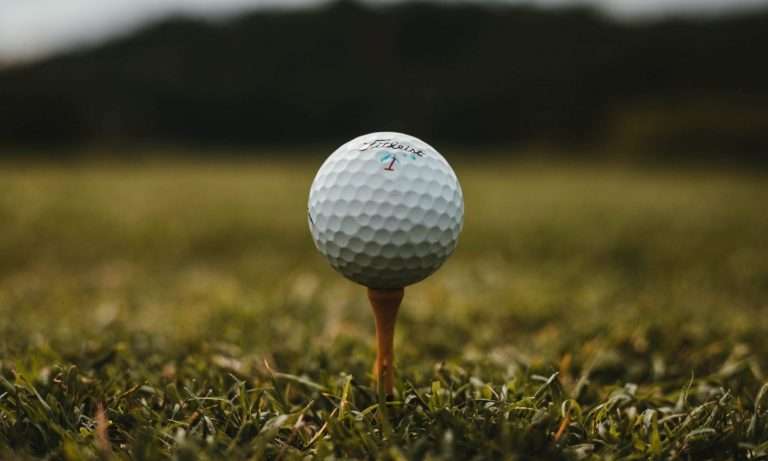
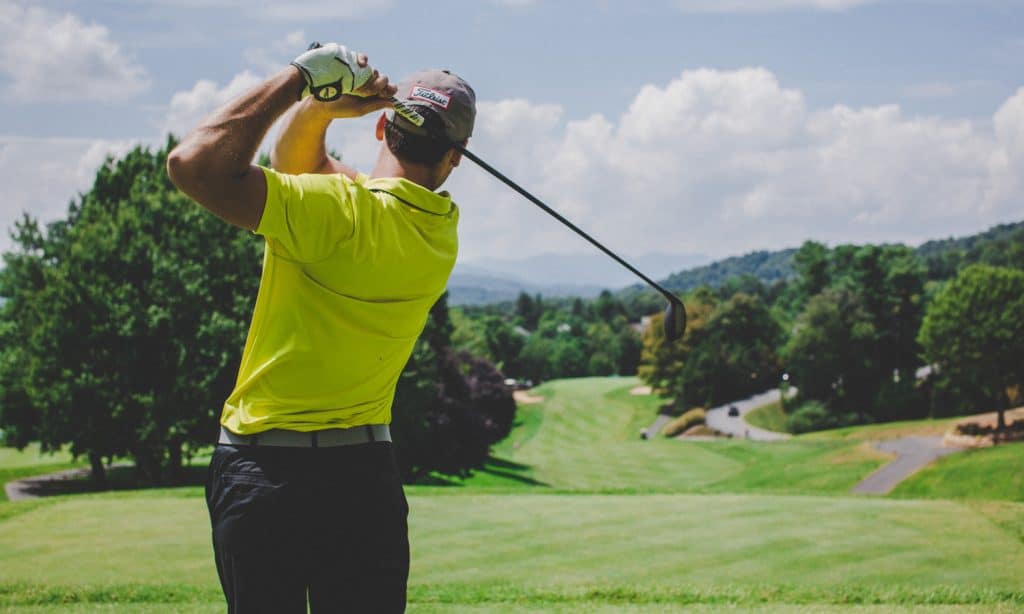
Professional golf is one of, if not the most, cannabis-friendly globally played sports today. While Olympians and athletes in other sports continue to be suspended for cannabis use, several pro golfers and the Professional Golf Association (PGA) have largely embraced CBD and its $2.8 billion global market value.
Still, skepticism remains as the bond between pro golf and CBD seems to forge stronger over time.
Photo by Court Cook via Unsplash
Several top names in CBD and golf have come together in recent years. cbdMD, Inc.boasts an array of athletes, including two-time Masters winner Bubba Watson, who partnered with the company in 2019. Cativa CBD added 2009 tour Rookie of the Year, Marc Leishman, as a global spokesperson that year as well.
The deals were announced despite the PGA telling Marijuana Moment that it had warned players about CBD use in April 2019.
Kadenwoodand its athlete-centric brand Level Select added 2015 Players Championship winner Rickie Fowler as a brand ambassador in 2020. In 2021, Catriona Matthews OBE signed on as a brand ambassador for the UK’s Golfers CBD brand.
Erick Dickens, Kadenwood CEO and co-founder, said that Fowler is one of several athlete partnerships “that illustrate the brand’s commitment to integrating CBD into the mainstream sports world.”
Some are taking their involvement further. Ten-year LPGA pro, Amelia Lewis became an investor and vice president of CBD brand Zeal Pure — a brand operated by her mother. Others include Darren Clarke, 2011 Open Championship winner, who launched his Darren Clarke CBD brand in July 2021.
The PGA tour also got involved, with PlusCBD Oil, a CV Sciences, Inc company, announced as the January 2020 Farmers Insurance Open sponsor. The PGA also agreed to a three-year partnership, sponsorship and education deal with European CBD brand Cannaraythat year.
Why Golfers And The Professional Tours Turn To CBD
Golfers often use CBD to treat mental and physical pains like any other consumer might.
Alan Rownan, head of sports at Euromonitor International, said that the profile of an average golfer is an athlete often playing into their retirement years, setting it apart from most other sports. He said the purported benefits address long-term symptoms faced by golfers as they age.
He added that CBD acceptance plays into the sport’s recent initiative to grow the game. “From a marketing standpoint, this revolves around how to become more progressive,” he stated.
Still, he said the sport’s CBD connection must grow to meet the sponsorship footprint made by finance and insurance sponsorships, which Euromonitor reports are above 10% of deals across the global tours. Consumer health accounted for just 1%.
Reluctance Remains
Despite the growing acceptance among many in the sport and global governing bodies, like the World Anti-Doping Agency (WADA), some remain uncertain.
PGA professional, Will Shaw, is a UK-based Ph.D. in biomedical science and founder of Golf Insider UK’s performance center.
Photo by sydney Rae via Unsplash
He said golf “becomes a game of if they can control their arousal, anxiety and thought process to execute when it counts,” and that CBD is marketed as a product capable of facilitating those outcomes.
Shaw remains “highly cautious” over a lack of clinical scientific studies. He’d like to see more analysis on the short- and long-term effects CBD has on golfers.
“When you dig into the references, you’ll notice they are either solely 1) golf performance studies or 2) clinical CBD studies,” he stated. Until he sees peer-reviewed research directly applied to golfers, Shaw says he’ll remain skeptical.
Shaw reports that UK golf bodies are pushing for CBD use. “I personally receive one to two emails a week for CBD placements on my own website,” Shaw added.
Anecdotally, he doesn’t recall any top-tier pros using CBD despite some marketing products.
“I could be wrong, but I feel the sponsorship deals with more elite players are there to try to sell this to the mass market of everyday players, rather than this being for elite players,” he opined.
There are some anecdotal use cases from pro golfers. In 2020, Billy Horschel, winner of the 2021 World Golf Championships-Dell Technologies Match Play event, told the New York Times that he is convinced CBD helped him break a six-month streak without a top-eight finish on tour. After using CBD, Horschel finished in the top-eight four times over four months.
Horschel’s website lists partnerships with Ralph Lauren Corp, Velocity Global and Titleist, among others.
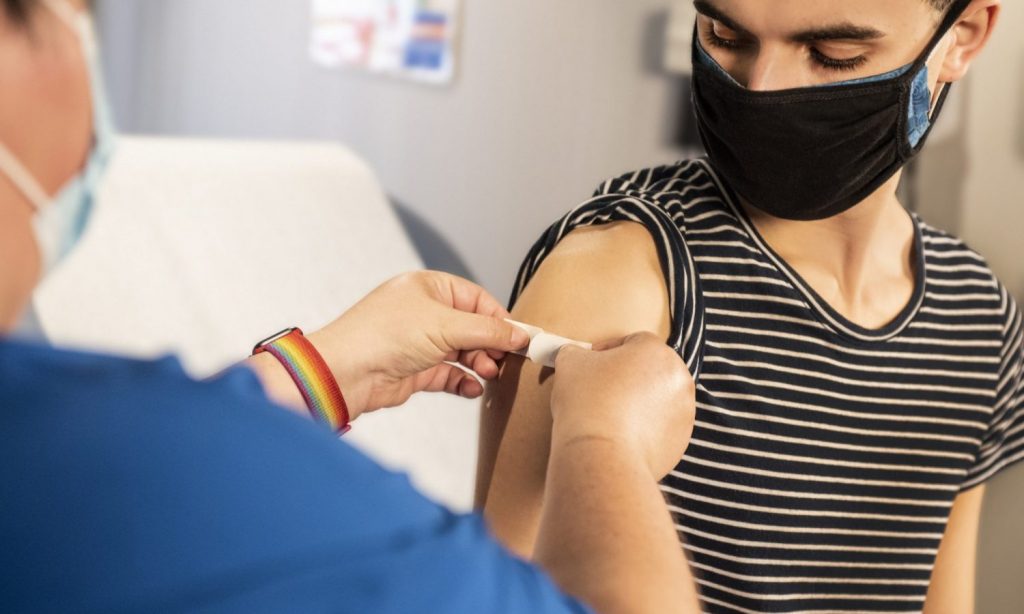
A new study found that the COVID-19 vaccine can result in benefits that go beyond simply protecting people from the virus.
There are plenty of health benefits associated with the COVID-19 vaccine, primarily the fact that it helps keep you safe and alive during a global pandemic. But, aside from that, a new study suggests that one big benefit the COVID-19 vaccine can lead to is an improvement in your mental health.
Published in the journal PLOS One, researchers tracked people who received their first COVID-19 shot between the months of December 2020 and March 2021. People who had received a shot were less likely to be depressed when compared to people who hadn’t been vaccinated or had scheduled a vaccination appointment but had yet to get the jab.
Another interesting bit of data indicates that mental health benefits were reported without having full inoculation. “Getting the first dose of COVID-19 resulted in significant improvements in mental health, beyond improvements already achieved since mental distress peaked in the spring of 2020,” concluded the study.
While the study didn’t look into why this was occurring, it makes total sense that people would be feeling better following the vaccine and the year we’ve all been through. The mental health impacts of the pandemic have long worried researchers and experts, believing that a year of fear, isolation, and economic stress is likely to result in deteriorated mental health and increased odds of substance abuse.
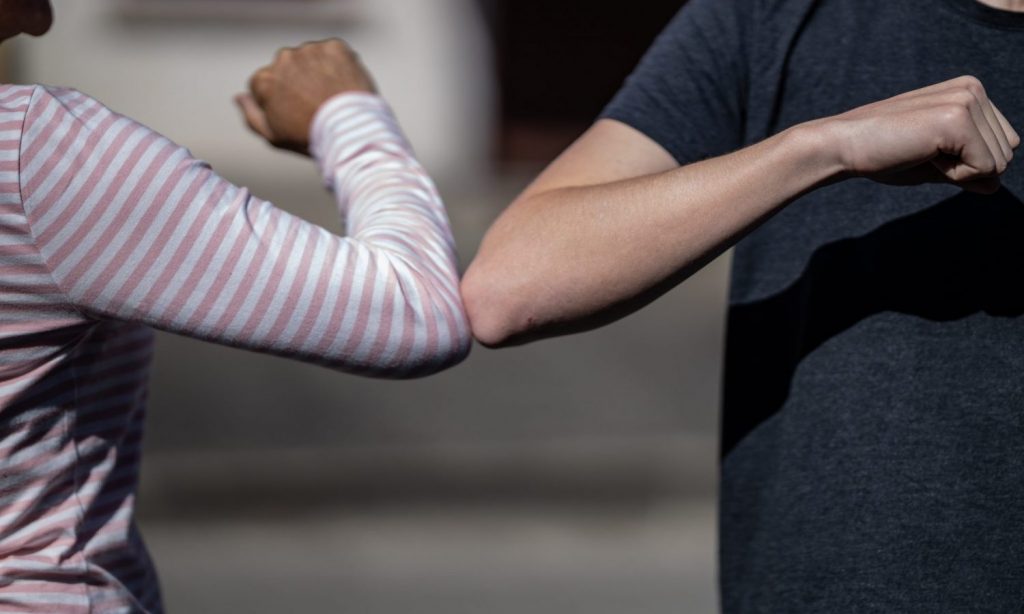
People who are vaccinated have less to worry about, with fewer odds of getting infected. They can go out and meet other people without the fear that surrounded these engagements before the existence of the vaccine.
Photo by Noah via Unsplash
The benefits reported by researchers are likely short-term, meaning that, if the pandemic continues indefinitely and people get used to having their vaccines and adapting to their new lifestyles, they’ll likely fade away. Still, it’s encouraging to see these results, which indicate that the benefits of the vaccine go beyond just physical health.
The vaccine gives people a lot of hope and the possibility to get back to a sort of normal, where they can ride the bus or the subway, go to work and hang out with their friends and family without exposing themselves or others to too much risk.