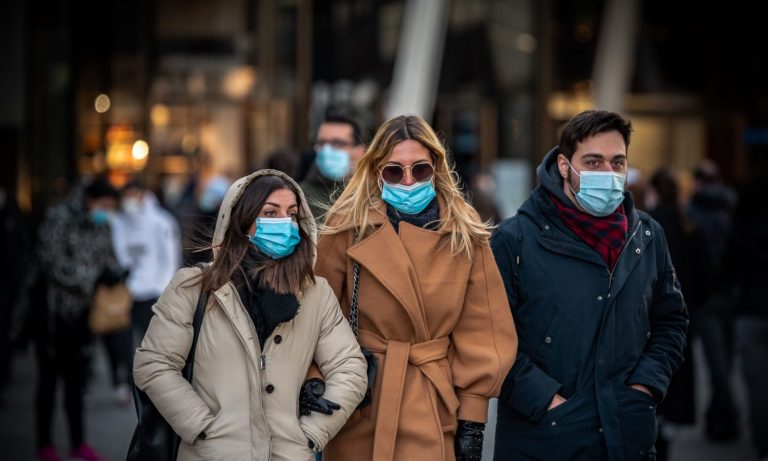
The COVID-19 Delta variant has been affecting the entire country. Here’s a popular destination that’s now considered high risk.
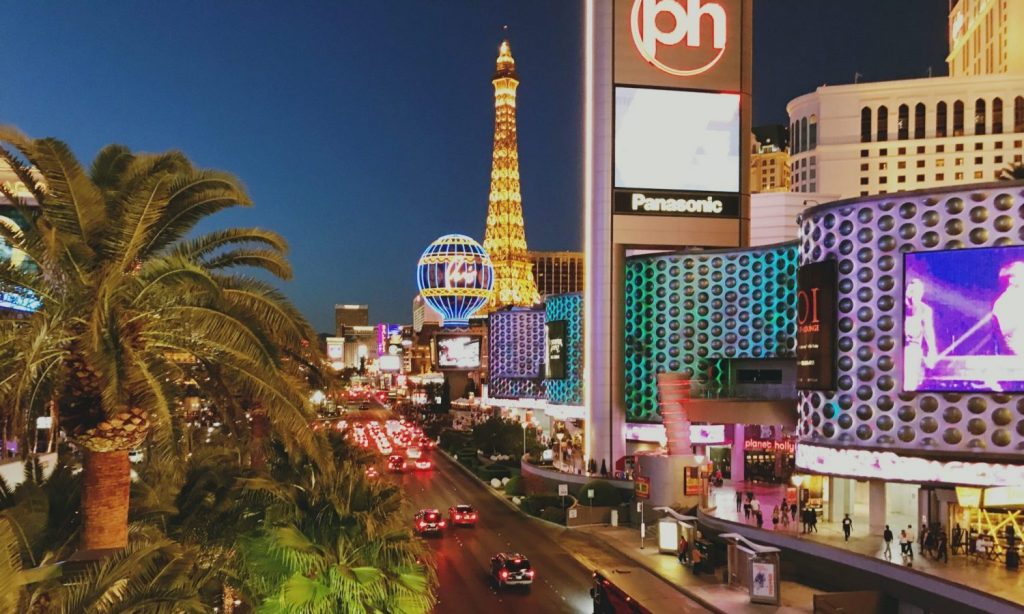
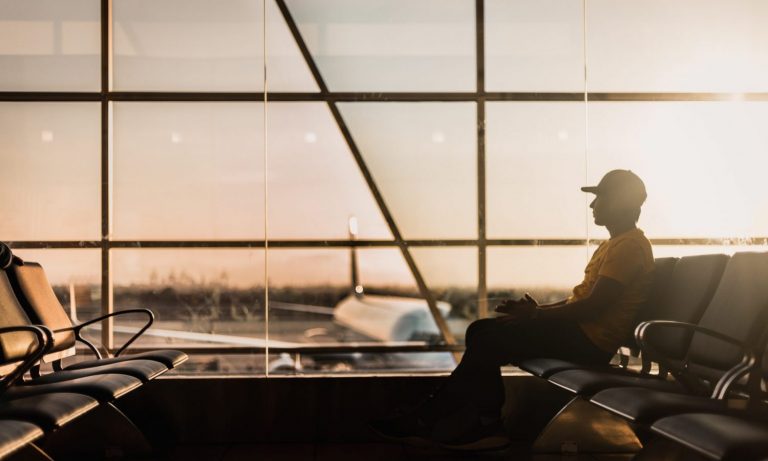
The surge of COVID-19 cases in the U.S. has had deadly outcomes. The highly contagious Delta variant has resulted in cases of breakthrough COVID-19 and the hospitalization and deaths of thousands of unvaccinated people. While travel is back on the map, it’s important to consider your destination, since some states pose a bigger threat than others when it comes to the spread of the virus. Las Vegas is now considered one of these risky locations.
Las Vegas is one of the most popular locations for travelers from all over the world, whether they’re interested in cannabis tourism or simply the bars and casinos. It is currently considered a dangerous spot to travel due to the rise in COVID-19 cases.
According to the New York Times, COVID cases, hospitalizations and deaths have had a 102% increase over the past two weeks. As a result, government officials in California, Chicago and Hawaii have warned people against traveling to Vegas and Nevada.
“Among our recent cases since we’ve had the surge over the last month, many of those had mainland travel and of those … many of those went to Vegas,” said Janet Berreman, District Health Officer of the Kauai District in Hawaii.
One reason why Vegas is so contagious is due to the fact that most of the entertainment and events there are held in indoor spaces. Visitors and guests from all over the country spend prolonged periods of time getting to know each other and spending time at hotels and casinos, where masks aren’t mandatory. While local businesses will likely be asking people to wear face masks when indoors, drinking, gambling and socializing is likely to result in lax safety measures.
When it comes to protecting yourself against the virus, it’s very important to follow the Center for Disease Control and Prevention’s (CDC) guidelines. Experts say that the main way to protect yourself is to get vaccinated and to wear a mask in places where there’s poor airflow and a lot of people. When it comes to the unvaccinated, their list of risks and longer. It’s recommended to wear face mask on most occasions and to avoid traveling and being in places with large crowds, especially if they’re indoors.
The Stifel survey found that post-COVID, 65% of consumers said they expect to maintain consumption with 17% suggesting increased consumption.
Cannabis consumption rose during the height of the COVID crisis as anxiety and lockdowns prompted many to increase the amount consumed. According to a new survey by Stifel, it doesn’t look like consumers are going to return to pre-pandemic levels of use. This is good news for cannabis companies.
The survey also determined that cannabis remains a resilient category despite increasing options for discretionary spending as people ease out of COVID restrictions. The research firm surveyed both U.S. and Canadian cannabis consumers and said it reinforced its opinion that the U.S. landscape looks positive while suggesting a mixed outlook for Canada.
The survey confirmed that price is more important to Canadians than to U.S. cannabis shoppers. It also learned that regular cannabis consumers continue to prefer flower, while new cannabis consumers prefer edibles, beverages, and topicals. Another key item in the survey said location is the most important element for store loyalty. “We believe these three categories have the potential to drive mainstream conversion given the accessibility, discretion, ease of use, and familiarity with Headset data suggesting stronger branding power for these segments versus inhalables.”
Photo by Matt Moloney via Unsplash
No Post Pandemic Change
The Stifel survey found that post-COVID, 65% of consumers said they expect to maintain consumption with 17% suggesting increased consumption. “We believe increasing incidence and consumption by existing consumers will be consistent category tailwinds, but the Canadian market’s growth is predicated on the ongoing conversion of the illicit market through expanding retail access and product availability.” The report also noted that the edibles market in Canada has been difficult for producers and believes that the category won’t be fully successful without regulatory changes.
The category is fairly new, but producers face strict regulatory requirements. There are limits on THC levels and packaging limitations make it hard to build brand awareness. Edible also can’t resemble any type of candy that could appeal to children, which has boosted the illicit market.
Bargain Shoppers
Canadian consumers are more price sensitive than U.S. consumers. Stifel said that price and quantity were the top two priorities in each survey with Canadians putting a much higher importance on price (31-37% vs 25-28%) versus US consumers significantly outpacing the next highest priority (10-15% vs 3-5%).
Photo by Ethan Miller/Staff/Getty Images
The survey found that 30% of Canadian consumers suggested price was the number one determining factor in choosing a retail location. “We believe this underscores the Canadian producers’ difficulty in profitably capitalizing on Canadian cannabis category growth. Novelty and brand were the least important priorities for Canadian consumers. Headset trends outline significant turnover for the top ten brands with seven of the current top 10 brands discount or deep discount offerings.”
Location, Location, Location.
Stifel said that location is the number one determining factor in where Canadians purchase cannabis. The survey revealed that 83% of consumers typically buy from the same location, highlighting strong customer loyalty. “We see the results as supporting well-capitalized and well-established operators able to expand quickly and secure desirable locations, especially in Ontario. Store proximity, price, product selection, and technology were among other factors in order of importance driving purchasing decisions.”
Beyond the survey, the analysts took a look at active store licenses (both on an absolute and per capita basis) and other accessibility metrics by province and region of the Greater Toronto Area (GTA). They found that some areas were past the point of saturation and others had extremely limited access and, thus, have room to accommodate many more stores. That could mean that companies may consolidate poorly performing stores and invest more heavily in better locations.
In Closing
“While we continue to outline a negative overall approach to the most senior Canadian producers, LPs have the ability to invest behind R&D and commercialize products in the Canadian market. The US MSOs have the ability to leverage growing infrastructure to commercialize emerging product concepts.”
Pandemic anxiety is making a comeback. Here’s what you can do to manage it and reestablish some control.
For a minute there, it felt like the pandemic was over. Now, after a large percentage of people remain unvaccinated and the highly contagious Delta variant making the rounds within the U.S., the virus is all we can talk about..again. Despite the fact that COVID-19 numbers are nowhere close to what they used to be during the height of the pandemic, a sense of anxiety is growing.
More than half of new COVID-19 infections are credited to the Delta variant. Since this variant is much more infections, people who aren’t vaccinated are getting more and more sick, increasing the number of hospitalizations and deaths. That, paired with the fact that people are returning to their normal lives and relaxing their safety measures, has resulted in growing COVID-19 cases and growing anxiety.
Sometimes, when things feel crazy and anxiety-inducing, it helps to regain control. Go through the basics of what you can do right now to stay safe: get vaccinated, avoid crazy large crowds, and wear your face mask when in an indoor space where there’s lots of foot traffic. Enforce some boundaries with people who aren’t vaccinated.
You should continue to live your life
Photo by Edmond Dantès via Pexels
If you’re vaccinated and new cases are making you anxious, still try your best to live your life. Visit outdoor restaurants or bars and meet up with friends and family you haven’t seen over the pandemic. While it will feel anxiety-inducing at first, it’s important to regain a sense of normalcy, especially if we’ll be living with this virus for some time.
While doomscrolling isn’t a great option, it’s sometimes inevitable. Still, try your best to not ramp up your anxiety by reading about the thing that is making you extremely anxious. While knowing the rate of COVID-19 spread in your community is important, it’s also important to manage your anxiety. Put a cap on how much COVID-19 information you consume and distract yourself with other things. Make sure to leave your house at least once a day to go for a walk, meet up with a friend or enjoy the weather.
There are many exciting changes expected now that marijuana is legal in New York. Here’s what that means for TSA.
New York is one of the latest states to legalize marijuana, pending issuance of adult-use cannabis licenses. This comes with a lot of exciting plans for the future, and some benefits that can be enjoyed right now. The way in which marijuana is handled in airports is one of them, with TSA agents no longer seizing under three ounces of marijuana.
Marijuana and airports have always been controversial topics. We’ve coveredthem extensively. And while you’re not fully out of the woods when having large amounts of marijuana on you in an airport, if what you have on you is less than three ounces, jail is no longer a part of the equation.
A spokesperson from Port Authority explained how the updated laws work. “New Yorkers 21 years old and older can possess, obtain and transport up to three ounces of cannabis,” he said, via Gothamist. “Therefore, PAPD does not issue tickets, seize or arrest for this amount at NY airports.” Higher amounts of marijuana are subject to arrests, so it’s very important to know how much you have on you.
The legalization of marijuana in New York allows for several things, like possession of up to three ounces, and the ability to grow up to five pounds of cannabis at home. A deeper look at the law shows how much the industry could impact the economy in New York, with 40% of sales taxes revenue going to education, another 40% towards families impacted by marijuana criminalization, and 20% towards drug treatment and public education programs.
Marijuana legalization facilitates acquiring these goods in everyday places, which is awesome. Most importantly, these laws help protect people, preventing unwarranted arrests and generating large amounts of income for communities and people that have been hurt by the war on drugs.
It’s understandably difficult for most people to make an informed decision about whether marijuana is the next medical breakthrough or another ill-fated attempt at a silver bullet.
By Dr. Mark Calarco, National Medical Director for Clinical Diagnostics at American Addiction Centers.
Once considered the drug of choice for laid-back stoner types (think: Cheech & Chong), marijuana has garnered a new reputation as a panacea for everything from chronic pain and epilepsy to minimizing Alzheimer’s, Parkinson’s and PTSD symptoms, chemotherapy side effects and anxiety. In fact, in 2018 the FDA approved the drug Epidiolex (cannabidiol), a cannabis derivative, for certain types of seizure disorders. While once stigmatized as a “gateway drug,” cannabis and its derivatives are now legal for medical and/or recreational use in 47 states. Interestingly, this is in direct violation of federal law that still classifies marijuana as a Schedule I controlled substance.
With a substance steeped in so much controversy, it’s no surprise there’s an overwhelming amount of conflicting information about marijuana’s benefits and risks—both documented and perceived. The truth is, it’s a strong catch-22. While some data shows that marijuana can be beneficial, it is certainly not a cure-all, nor is it risk-free.
Photo by Christina Winter via Unsplash
To help shed some light on the cannabis debate, here are some facts you should know:
Marijuana may have helped to curb opioid prescribing. Numerous studies show that states where marijuana is legal for both medicinal and recreational purposes have significantly lower opioid prescribing rates. Patients not only needed fewer opioid prescriptions, but they also filled fewer daily doses—as much as 2.211 million daily doses less in the states with a medical cannabis law (MCL) from 2010-2015. This is especially true for hydrocodone (Vicodin) and morphine, which saw 26.8% fewer and 20.7% fewer daily doses filled, respectively.
But, it hasn’t curbed the opioid overdose epidemic. While early research examining data from 1999-2010 suggested that states with MCLs had a nearly 25% lower annual opioid overdose mortality rate, more recent data shows it may have had the opposite effect. In fact, when Stanford researchers took a more extended look through 2017—including states that had legalized medical marijuana since the original study—the trend actually reversed with a 23% higher overdose mortality rate in states with MCLs over that period of time.
Marijuana could be an alternative to opioids for pain management. There is some evidence that medical cannabis can be beneficial in managing chronic pain. While it will unlikely never be adequate on its own, marijuana could be an adjunct treatment that allows people to use fewer opioids. In some studies, medical cannabis use resulted in a 64% lower opioid use, and 40% of patients even stopped filling opioid prescriptions altogether within 18 months. Patients who have seen the benefits of medical cannabis overwhelmingly report that cannabis provided relief on par with other medications, and over 80% said cannabis alone was more effective at treating their condition than taking cannabis with opioids.
Photo by Roxana Gonzalez / EyeEm/Getty Images
But, it could cause other issues. Other studies have directly refuted these claims, showing no evidence that cannabis use improved patient outcomes, in fact just the opposite: patients had greater pain and were less effective in self-managing pain. Even more troubling, compared to opioid use alone, opioid/cannabis co-use has shown to contribute to greater anxiety and depression symptoms, along with problems with tobacco, alcohol, cocaine and sedative use.
Marijuana is perceived as “safer.” The one clear benefit of marijuana is that a patient can’t overdose and die, as they might with opioids.Aside from that, studies have shown patients experience fewer side effects with medical cannabis than with opioid use, which contributes to an improved quality of life and more social and physical activity for patients. And, for years there’s been a perception that marijuana is less physically addictive than other drugs, which contributes to the notion that it’s a “safer” drug with less stigma.
But, evidence shows it may lead to greater disposition for other substance use for some. While not as addictive as heroin or cocaine, some people develop marijuana dependence, resulting in withdrawal symptoms. This is more common in those already on the spectrum of addiction, those with a predisposition to addiction or who have hereditary, family history or environmental factors that put them at greater risk for substance use. There is also evidence that marijuana use is also clearly associated with increased risk of other substance use disorders. In addition to alcohol use disorder, adults who use marijuana are 85 times more likely to use cocaine, and nearly 45% of cannabis users progressed to other illicit drug use at some point in their lives. Those who start using marijuana as children are 17 times more likely to develop a cocaine habit, nearly 60 times more likely to use other illicit drugs, 2.4 times more likely to have alcohol dependence and have substantially higher odds of attempting suicide. With more information about the personalized genome and how specific individuals respond to other medications, we might be able to determine how the patient would respond to medical marijuana treatment. But without that available right now, it’s just trial and error.
Photo by Ramille Soares via Unsplash
With all the controversy and conflicting information, it’s understandably difficult for most people to make an informed decision about whether marijuana is the next medical breakthrough or yet another ill-fated attempt at a silver bullet. We must also be mindful that for some people, depending on their genetic make-up, cannabis is not only addicting but can also cause them to experience psychiatric symptoms, such as paranoia and schizophrenia-like behavior. It’s critical that we understand how people process or metabolize marijuana and its derivatives. Without more research in this area, it’s still a guessing game in terms of efficacy and safety.
Complicating the issue, it’s extremely difficult to conduct proper clinical research because of strict government regulations and the fact that marijuana is still a Class I Controlled Substance—illegal according to the federal government. That also makes doctors reluctant to recommend it, out of fear they may lose their licensing with the Drug Enforcement Agency.
Not to mention, with no regulations in place to standardize cultivation, preparation and dispensing/dosing guidelines (pesticides, mold and other contaminants have all been problematic), this could potentially create a serious safety issue. Are you getting what you think you’re getting? There’s really no way to be certain.
All of this points to a “buyer beware” situation and should be a caution flag for anyone who uses or is considering the use of marijuana for medicinal or recreational purposes.
“The Liquor and Cannabis Board has once again taken the position that responsible and highly regulated cannabis license holders may be selling some illegal products,” said the executive director of the WA CannaBusiness Assoc.
The Washington Liquor and Cannabis Board (LCB) issued a statement Friday with the aim of resolving the legal question of producing delta-9 THC from hemp-derived CBD in the legal markets. The LCB called the process illegal reported Marijuana Business Daily.
Marijuana cultivators were worried as their businesses have already been negatively affected by a drop in biomass sales as processors are choosing to purchase and make delta-9 THC from hemp-derived CBD, a less expensive process.
Photo by Luca Micheli via Unsplash
“Any producing of a THC product falls outside the license privileges of a processor licensed by the LCB … may be considered a Controlled Substances Act violation, and a misuse of the processor’s license,” the Liquor and Cannabis Board noted in a release. “Licensed processors may not sell or purchase any THC product not legally produced by a licensed marijuana producer.”
Mixed Response
While some argue that the market will stabilize with the release of the LCB statement, others say the opposite, noting that an “interpretive statement” is not law, and therefore it remains to be seen what will happen next and if regulators will act upon this.
Micah Sherman, a cannabis business owner in the state and Washington Sun and Craft Growers Association board member said: “We’ll have to see what the LCB actually does and how it trickles down to stores and their behavior.”
Vicki Christophersen, executive director of the Washington CannaBusiness Association, noted that the statement underscored how “inconsistent” state regulators are in the terms of compliance and enforcement.
“The Liquor and Cannabis Board has once again taken the position that responsible and highly regulated cannabis license holders may be selling some illegal products,” Christophersen said. “The agency has suddenly defined certain license holders operating in good faith in the legal cannabis marketplace as violating the Controlled Substances Act.”
Yes, we still need our budtenders for a more personalized experience, but with the CBD vending machines, buyers can get access to products much faster and easier.
Miami is getting ahead with its cannabis innovations, and we are here for it!
At the touch of a button, CBD buyers living in the Miami suburbs can now get their cannabis products. Think about how you use a vending machine to get your favorite soda, and now imagine CBD-infused products automatically dispensed to you. Sounds cool, right?
Photo by skeeze via Pixabay
Cannabis tech firm Cultiva developed the Wellness Pantry, enabling people (who download the company’s free app) to buy CBD products remotely. A similar machine like the one used to sell sodas and chips will be used, making the purchasing process ever so exciting. So how does this work?
How does the vending machine work?
The machine comes with remote monitoring, and smooth operations feature as well as touchless payments. In keeping with the times, Cultiva’s CEO says CBD buyers can use blockchain technology to verify customer’s age.
Marijuana vending machines in other states are restrictive in their operations: dispensaries are given the sole authority to offer CBD products. But with the Wellness Pantry, the vending machine can be operated from anywhere, such as inside non-cannabis businesses and even in housing complexes.
Cultiva founder and CEO Daniel Torres insist that communities will gain access to quality products in a safe, fun, interactive, and straightforward way through this machine. The first Wellness Pantry will become fully operational this weekend, and it will be placed inside a condominium complex. The complex is owned by the largest amenity management company in America: NFC Amenity Management.
The first and last vending machine?
Cultiva Wellness Pantry is not the first CBD vending machine to launch in the United States despite its promising features. However, it is one of the state of the art machines currently in the market, with Miami being the first recipient.
In October last year, the Anne vending machine debuted in Colorado-based dispensaries of retail chain Star Buds. This was subsequently followed by the release of California-based GreenStop machines, which have four touch screens that allow different customers to order at the same time.
Photo by Yuri Arcurs/Getty Images
Two other companies have also launched traditional-style vending machines that allow users to select products by inserting cash. All they should do is press a two-button code, and voila, your cannabis is ready!
When installed inside a registered cannabis store, the CBD vending machines help the store owners move customers around much faster, thus reducing queues. The devices also serve as points of sale in rural areas and remote towns which cannot support full-fledged stores.
But the automated service still has many challenges before it can become a staple part of the cannabis industry. There are technical challenges that entail the machine’s ability to correctly incorporate the store’s Point of sale (POS) system.
Different states have regulations that mandate human oversight of cannabis purchases. The states of Nevada and Michigan are part of the 20 U.S states with laws that require people to get a receipt for their CBD products given by the store’s employee.
Robots vs Budtenders
The vending machines provide limited selection, unlike an entire store with the machines costing up to $25,000 each. Industry experts maintain that it can take years before vending machines can become very popular at dispensaries and CBD stores in America.
Torres maintains that the machines are not created to replace budtenders. Customers will want to walk into the store, talk about the product and get an assurance of quality before buying it. Therefore the machines at such dispensaries will enhance the customer experience for those who prefer using a device.
Photo by Heath Korvola/Getty Images
Are vending machines the future?
At this stage, you can say that vending machines are a part of the CBD future; it isn’t the sole focus of the future but is a part of it. Cannabis users want to gain access to products most safely and healthily, and since vending machines provide that, they have an excellent chance for growth in the future.
Cultiva Wellness already calls their vending machine “The most technologically advanced automated dispensing unit.” They believe that it is the most viable machine for CBD products out there, and that is a factual statement to make about the CBD vending machine.
The company was founded in 2019, and its mission was clear: to make CBD, hemp, and wellness product readily available to many people using technology-driven solutions. The launch of Wellness Pantry offers communities access to premium products ad that is why we can say that the future of CBD vending machines is bright.
Key challenges and solutions
As with all novel ideas tested in a new market, there will be a few glitches at the start, but there are solutions to these issues.
Challenge: Regulations that place human oversight of cannabis transactions as a priority.
Solution: Legislators can be encouraged to consider progressive regulations that will enable vending machines to take their pride.
Challenge: Technical point of sale challenges associated with integration.
Solution: All vending machines should be tested and pre-used before being placed in dispensaries. If effectiveness is not ascertained, the vending machine should not be used.
Challenge: Limited product capacity that reduces the selection process
Solution; The vending companies should boost production capacity such that users can enjoy their selection process.
Challenge: Lack of federal legislation that may prevent the spread of vending machines in the country.
Solution: Legislators who are passionate about the growth of cannabis and its innovative tendencies should pressure legislators to make federal legislation of cannabis a priority.
Bottom Line
The cannabis industry is rapidly evolving. What used to be a mere thought is gradually becoming a reality with the vending machines, and Miami is at the forefront of this innovative design. Yes, we still need our budtenders for a more personalized experience, but with the CBD vending machines, buyers can get access to products much faster and easier.
Miami is setting the pace for other states to follow, and with these vending machine additions, it is safe to say that purchasing CBD in Miami will never be the same.
The most popular theme park is back open, despite a surge in COVID-19 cases. Here’s what you should know about the precautions it’s taking.
No matter how old you get, there’s always something to enjoy in a Disney theme park. Whether you’re into the beautiful rides and decorations or the downtown Disney area where you can drink and watch lots of tourists, the park has something for everyone. Now that we have COVID-19 to deal with, these parks are also a great option, since they are mainly outdoors.
Like most businesses, Disney theme parks had a tough year. The place had to shut down for the majority of 2020. On April 30 of this year, Disneyland California reopened with limited capacity, and then, on June 15, the park started accepting visitors from out of state.
Unlike the past, where tickets could be purchased in person, now tickets must be purchased online. Face mask rulings are now optional for fully vaccinated guests in most areas of the park.
Park capacity has returned to normal but restaurants and queues have added some limitations in order to prevent overcrowding.
While most activities have started to work normally, parades are still on hold in hopes of preventing conglomerations of people. Meet and greets with Disney characters have been replaced with socially distanced character processions. Services like FASTPASS and Disney MaxPass remain suspended.
What’s new
Photo by Noam Galai/Stringer/Getty Images
Following the year of closure, Disney has redone a lot of things. On the heels of the release of the Jungle Cruise movie, the California park has redone the Jungle Cruise ride, which had controversial depictions of indigenous people. The Florida park will finish the Jungle Cruise ride at some point during the summer.
In Florida, Disney World just opened its Avengers Campus, a new park area based on the Marvel movies. Due to the 50 year anniversary of the Disney World parks, Walt Disney World Resort will be launching “The World’s Most Magical Celebration,” a party that will start October 1, 2021 and last for 18 months.
Obviously, we are not going to have any impact on countries like Iran or China, but the people in Latin America and the European democracies really are looking to America for leadership.
Disclaimer:The views expressed in this article solely belong to the author and do not necessarily represent those of The Fresh Toast.
National Public Radio has a new 15 minute report online that it introduces with: “In June 1971, then-President Richard Nixon said the U.S. had a new public enemy number one: addiction. It was the beginning of America’s long war on drugs. Fifty years later, during months of interviews, NPR found a growing consensus across the political spectrum — including among some in law enforcement — that the drug war simply didn’t work.”
Bravo, but as I have previously pointed out, the Drug War is actually more than 100 years old. In fact, it began over a century ago with The International Opium Convention.
It was signed on January 23, 1912 during the First International Opium Conference. “It was the first international drug control treaty. The United States was unsuccessful in its attempts to have cannabis included in the 1912 Convention.”
However, in 1937, the notorious Harry Anslinger got Congress to pass the Marihuana Tax Act.It was signed into law by Franklin Roosevelt, and almost every President since has contributed to an escalation in the violence. Not just Nixon.
Anslinger’s crowning achievement, however, was the 1961 United Nations Single Convention on Narcotic Drugs which locked the U.S. and the world into the Drug War, especially marijuana prohibition, by a treaty, which is still being used to justify banning cannabis around the world.
In December of last year, in one of the last days of the Trump Administration, the U.S. “voted to remove cannabis from Schedule IV of the Single Convention while retaining it in Schedule I, saying it is “consistent with the science demonstrating that while a safe and effective cannabis-derived therapeutic has been developed, cannabis itself continues to pose significant risks to public health and should continue to be controlled under the international drug control conventions”.
In other words, the U.S. and other countries should be prohibited by treaty from legalizing recreational cannabis. Obviously, the people of the United States disagree, but the damage done by a century of Reefer Madness is not so easily erased.
Obviously, we are not going to have any impact on countries like Iran or China, but the people in Latin America and the European democracies really are looking to America for leadership. The U.S. cannot just forget the role that it has played in fomenting the violence of the Drug War.
Photo by Michael M. Santiago/Getty Images
Little Portugal has decriminalized all drug possession.
Portugal still has not legalized the sale and use of cannabis, but no one is arrested for it, in contrast with America where over 400,000 were arrested last year.
However, it has effectively opted out of the Drug War, and fatalities from hard drugs have fallen sharply. “More than 70,000 Americans died from drug-involved overdose in 2019, including illicit drugs and prescription opioids.”
It’s not just law enforcement getting in on the reefer madness. There are reports of county building inspectors harassing landowners for “unpermitted” hoophouses and greenhouses.
Over the past three months, law enforcement raids of “illegal marijuana grows” in Southern Oregon have spiked. While I’m willing to give law enforcement the benefit of the doubt that the number illegal marijuana grows has increased over the past year, my review of several unrelated cases reveals some common flaws in law enforcement’s approach.
And while the rhetoric regarding a “cartel takeover” is rampant among both local and state regulators, among the cases I am aware of, there is no evidence of cartel activity. Rather, my suspicion is that white law enforcement agents are seeing brown people working in fields planting hemp seedings and jumping to unwarranted (not to mention problematic) conclusions.
Indeed, the leaps in logic and rush to judgment have led to law enforcement erroneously sweeping up entirely non-criminal and even completely legal hemp growers as well as a full-frontal attack on agriculture in general by county land use regulators. Here are the top five issues I’m seeing:
Photo by Xvision/Getty Images
1. Hemp Is Legal.
With the passage of the 2018 Farm Bill, hemp (or “industrial hemp”), which is defined generally as cannabis that has THC content of 0.3 percent or less on a dry weight basis, is no longer a federally controlled substance. In Oregon, industrial hemp is specifically excluded from the definition of marijuana. Thus, any cannabis that has 0.3 percent or less THC content is notmarijuana. There is no easy way to tell the difference between hemp and marijuana just by looking at it or smelling it – a specific laboratory test is required.
However, various Southern Oregon law enforcement agencies appear to have refused to update their probable cause analysis to consider whether plants or leafy green substances they report seeing as suspected illegal marijuana trafficking may, in fact, just be individuals involved in the legal hemp market. What police officers and sheriffs may have been trained to look for in order to identify illegal marijuana does not appear to have been updated to account for the fact that a legal substance exists that carries the look and smell of marijuana but is in fact perfectly legal industrial hemp.
2. Prior to the passage of HB3000, growing hemp without a registration is a civil violation, not a crime.
A repeating theme I am seeing in cases of law enforcement activity at hemp farms in Southern Oregon involve hemp growers who, for whatever reason, obtained hemp seedlings while their hemp registrations are still being processed by the Oregon Department of Agriculture, and then were searched by law enforcement. Indeed, many applicants report that earlier this spring, ODA reported that processing times for hemp registrations were 6 weeks long or less, which is consistent with ODA’s processing times last year. With the planting season closing, may people intending to grow legal hemp took ODA’s representations regarding processing times on faith and ordered starts for their growing season, only to have them arrive before their registration is approved.
However, until the passage of HB 3000 on July 19, 2021 (just a few days ago), Oregon law was relatively clear that the growing hemp without a registration is not a crime, but rather is a civil violation with a maximum fine of $2500 per violation. Only ODA has the legal authority to impose these fines — criminal law enforcement authorities have no jurisdiction whatsoever. Law enforcement is taking a contrary position, but in doing so are ignoring that the statute they’re relying on expressly references marijuana, not hemp.
3. Possessing dry hemp in any amount is completely legal.
While growing hemp without a hemp grower registration is contrary to ODA regulations (albeit not criminal), Oregon law has no limits on the amount of dry hemp any person or company can hold for any purpose, and there is no license or registration required for the possession of dry hemp for commercial purposes. Indeed, for marijuana, public possession limits recently doubled to two ounces as a result of SB 408, which went into law last month, but possession of green leafy substances beyond that will require a test to determine whether possession of the substance is legal or illegal. Currently, Southern Oregon law enforcement isn’t even considering whether the green leafy substances they are seizing may be perfectly legal hemp rather than marijuana.
4. Law enforcement has been raiding farms and taking samples for testing without following proper sampling and testing procedures.
While the distinction between hemp and marijuana is somewhat straightforward, it does not follow that any single growing cannabis plant that tests above 0.3% total THC content means that the field that is being grown is marijuana and not hemp. That’s because ODA rules require pre-harvest field testing to be done according to a very specific protocol that ensures a representative sample of each harvest lot is acquired for testing, and then the test results of each sample are averaged together to get an overall pass/fail rating for THC content. In other words, certain plants are allowed to have over the amount of THC, but as long as the rest of the plants test sufficiently under that the average result is under 0.3%, the entire harvest lot is still considered hemp. And for good reason. It is impossible for a grower to know with certainty that each and every plant will test below a certain threshold. The purpose of pre-harvest testing is to ensure that an overall harvest lot doesn’t have too much THC to be considered hemp, and if it does, the grower has the option to have the harvest lot re-sampled and re-tested, or segregate and destroy that lot according to ODA instructions.
Photo by Drew Angerer/Staff/Getty Images
Contrary to this rational, measured approach, law enforcement is selectively taking a tiny sample, likely from areas of fields that get more sun or nutrients in an effort to find one plant that tests over 0.3% THC and declare the entire operation an “illegal marijuana grow.” Furthermore, law enforcement organizations are not lawfully authorized to collect samples for testing, and aren’t subject to the same regulations relating to chain of custody that OLCC licensed labs are required to observe. And from the test results I’ve seen, there is often a lag time of more than 30 days from the date law enforcement collects the samples to the date they are turned over to a lab for testing and analysis. I have yet to hear any explanation for that extended lag time between sampling and testing.
Law enforcement does not appear to show any interest in using sampling and testing procedures that are designed to give the most accurate results, instead they appear to be using methods that are known to be unreliable to get the results that justify their actions. If you find yourself in this situation, it is important to exercise your First Amendment right to record law enforcement and take a video of the officers as they are collecting and handling the samples.
5. Agricultural buildings are exempt by state law from local building permit requirements.
It’s not just law enforcement getting in on the reefer madness. There are reports of county building inspectors harassing landowners for “unpermitted” hoophouses and greenhouses. And I am aware of at least one citation out of Jackson County for fines of $100,000 for greenhouses that were allegedly built without a building permit on land explicitly zoned for farm uses.
These county regulators are running afoul of state law, which categorically exempts agricultural buildings from the state structural specialty code which counties regulate through the issuance of building permits. See ORS 455.315. While I have previously known of county regulators attempting to argue that indoor marijuana production facilities are commercial in nature and not agriculture (from which they inevitably back down when confronted with ORS 475B.526), the apparent argument that greenhouses and hoophouses are not agricultural in nature is rather breathtaking — I can’t think of a more quintessential example of an agricultural building.
BOTTOM LINE
If you are visited by law enforcement or local code enforcement for any reason about your hemp crop, it is important that you immediately seek legal advice from competent and qualified counsel. The attorneys at Green Light Law Group are up-to-speed on all of the issues growers and landowners are experiencing in Southern Oregon.
Kevin Jacoby is an attorney at Green Light Law Group. He has focused his career on advising small to medium-sized businesses both in litigation matters and in all aspects of administrative compliance and employment relations. In addition to business-to-business litigation, Kevin has devoted a significant amount of his practice to administrative law. You can contact Kevin at info@gl-lg.com or 503-488-5424.