The high cost of Biogen’s newly approved and controversial treatment will be compounded by a misguided Medicare policy that incentivizes doctors to prescribe the priciest medicines.
Disclaimer:The views expressed in this article solely belong to the author and do not necessarily represent those of The Fresh Toast.
It is easy to understand why everyone is desperate for anything that will help with Alzheimer’s Disease. Patients and their families dread its relentless onslaught. Consequently, there was tremendous pressure for the FDA to approve Aduhelm (aducanumab), by Biogen and Eisai.
However, its approval was met with widespread criticism because it is both expensive, with an expected annual price tag of $56,000, but of limited effectiveness.
Photo by designer491/Getty Images
Aducanumab is taken as an infusion administered in a doctor’s office for one hour every four weeks. That might be difficult for a patients suffering from agitation who might not understand why they are there.
The high cost of Biogen’s newly approved and controversial treatment will be compounded by a misguided Medicare policy that incentivizes doctors to prescribe the priciest medicines.
But they also acknowledged that the “Alzheimer’s Society has never funded research into cannabis and dementia risk, or into cannabis as a potential treatment for dementia symptoms. This is because we have not received any high-quality applications from researchers intending to investigate these issues.”
Photo by Nicole De Khors via Burst
The obvious question is “why?” Why has the medical establishment failed to support research on cannabinoid medicine when clearly nothing else has worked?
Also, cannabinoid medicines are of low toxicity. However, according to Dementia Care Central, “Patients taking aducanumab have experienced swelling and bleeding in the brain, a side effect called ‘amyloid-related imaging abnormalities’ (ARIA). Headache, balance problems leading to falls, stomach issues including diarrhea, and disorientation are also possible side effects.
“The swelling or bleeding that comes from ARIA can be monitored via brain scans for people taking aducanumab. The drugmaker recommends MRI scans that detect ARIA before the 7th and 12th infusions, as the problems typically develop in the first 12 to 16 weeks of treatment and are asymptomatic (meaning a person can’t feel them happening). During trials, ARIA was detected in 41% of people taking aducanumab, compared to 10% of those in the control group who did not take the drug.”
Maybe medical cannabis could at least help with the side effects of the FDA-approved pharmaceutical. Ending marijuana prohibition might also help with the other problems associated with aging, like extreme cynicism from having been lied to all our lives.
“Be open-minded. A lot of times, that means not only open-minded about where the product could go, but open-minded about the kind of people you need at the time.”
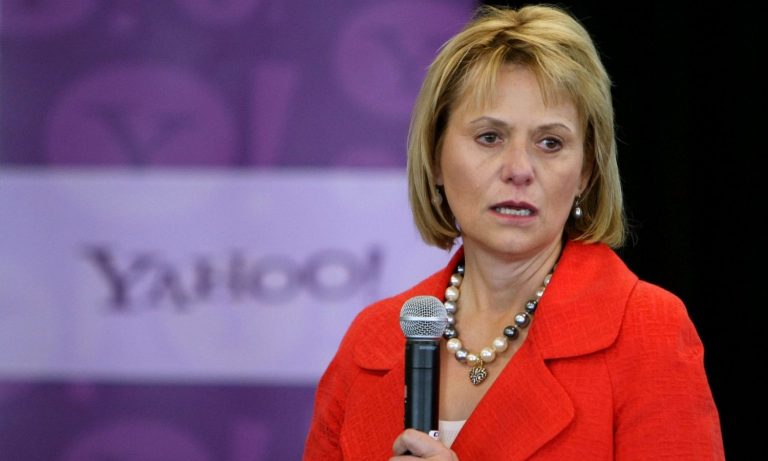
A couple years ago, Carol Bartz, former CEO of Autodesk, Inc. (NASDAQ:ADSK) and Yahoo, joined seed-to-sale cannabis company Caliva – now owned by TPCO Holding Corp (OTC:GRAMF),after investing in it alongside NFL legend Joe Montana – found here talking about cannabis and football.
Surprisingly, the 70-year-old tech industry superstar was very open about her cannabis use, disclosing her predilection not only for the super trendy, non-psychoactive CBD, but also for THC, the psychoactive compound found in cannabis that makes people feel “high.”
“I do consider myself a progressive, kind of experimental, person,” Bartz told me during a recent conversation, as she discussed her first experience with medical cannabis, which she described as “crazy good.”
Photo by Cavan Images/Getty Images
Bartz has a computer science degree and programmed her first computer in 1968. At the time, her friends kept asking why she was doing something that took so much time and didn’t provide any credit toward her degree.
Despite her friends’ skepticism, Bartz carried on. She remembers vividly the first time she ever finished writing a program. “Wow! This is going to change everybody’s lives!” she thought at the time.
But beware, for being progressive is not the same as being stupid, Bartz warned. She brought up a story to illustrate her progressive thinking.
It happened approximately 35 years ago, when she was working at Sun Microsystems. One of her employees brought up a beer company with what was supposed to be a great recipe had a plan to outsource its production to Bartz’s home state, Minnesota, and asked her if she wanted to invest in it. “It turns out it was Pete’s Wicked Ale, which was behind Sam Adams, the second biggest artisanal beer-maker in the U.S…. I made lots of money.
“This is yet another example like what I see in Caliva… It’s different and it’s got a great team,” she said.
Extrapolating Lessons From Tech
As readers can tell by now, Bartz has decades of experience in building and investing in innovative businesses. I wondered if she had learned anything from her early days in programming in the late 60s that could apply to the cannabis industry today.
Bartz responded with a saying of hers:
What this means, is “to move forward, your can’t be afraid to fail. But if you fail, try to figure it out as fast as you can, and then hopefully move a half a step forward and keep doing that. People who are too structured and are afraid to try something new and fail, won’t make it in a new environment like this. You have to have some ‘cojones’ — you have to be able to get out there and try.”
She ended up with another saying, laughing again, showing her characteristic humor and good mood: “if you don’t try you definitely won’t do it.”
‘Fail. Fast Forward.’
I was hooked with that “Fail. Fast Forward.” philosophy of Bartz’s. Having failed and flashed forward many times, what kind of advice could she share?
Photo by Christina Winter via Unsplash
“Just when you think that everything that’s going to be done is done – boom! Out comes something else. Look at what’s happening with the cure for cancer and some very specialized targeted medicines… I think the same thing will happen in the cannabis industry, where there will be not just different strains and potencies, but different [molecular] combinations that really do different things for the body,” she said, calling for the re-scheduling of cannabis – and a change in its federally illegal status, so that it can be properly studied and tested.
Be open-minded. A lot of times, that means not only open-minded about where the product could go, but open-minded about the kind of people you need at the time. For instance, in the beginning, you might need agro technology [expertise] more than you need extraction technology [expertise]… What happens is companies can get in a rut, and they are the ones that work on the new ideas. I mean look at Apple: Apple was in a rut for a while, actually for quite a long while, it just wasn’t an interesting company. Then a new leader comes in and… blows it open
So, the lesson here is you need to be adaptable, adjustable, and smart enough to make some really hard decisions.
While the best way to treat bloating is to prevent it, there are a few effective ways that can help your stomach overcome the uncomfortable feeling.
Bloating is something we’ve all been through and it’s pretty terrible. It can strike at any time and for a variety of reasons, like eating the wrong food or getting your period.
Bloating happens from time to time, but it shouldn’t be a regular occurrence. It usually occurs when there’s too much gas in your digestive system or when the muscles in that area move in unexpected ways. While the best way to treat bloating is to prevent it, there are a few effective ways that can help your stomach overcome the uncomfortable feeling.
Here are 5 ways to quickly prevent bloating:
Eat celery, bananas, or ginger.
Photo by Lotte Löhr via Unsplash
While it may be difficult to eat more when feeling bloated, celery has often been used as a digestive aid and diuretic. The vegetable has a lot of water content, 95% of it, and is high in potassium, which can help control water retention, something that’s often linked to bloating. Celery is also filled with fiber, which is great for your digestive system. Other foods that have been related to reduced bloating include bananas and ginger.
Some form of cardio workout is also recommended since this can help relieve bloating, even if what you want to do is to sit down with your pants unbuttoned. Any cardio movement can be beneficial, from walking to stretching to practicing some yoga poses.
Take a PMS pill
Photo by Teddy Rawpixel via rawpixel.com
If you’re someone who usually gets bloated when your period comes around, there are PMS pills and supplements you can take. Midol’s bloat relief caplets contain a diuretic that helps you get rid of that too-full feeling.
Probiotics are good bacteria, keeping your gut feeling normal and in good shape. By taking some probiotics you can give your stomach a soft reboot, detoxifying the flora in your digestive system. Probiotics are particularly helpful if you’ve been experiencing bloating often, even after eating meals that are not all that filling or when you’re not on your period.
Rule out allergies and intolerances
Photo by congerdesign via Pixabay
Lastly, one thing that can help you feel better and give you some peace of mind is to rule out allergies and other food intolerances that may be responsible for the bloating you’re experiencing. Having food allergies and intolerances can result in bloating and excessive gas. Some of the most common intolerances include lactose, fructose, eggs and wheat and gluten.
This bill is a huge step forward and ultimately lays the foundation for federal recreational cannabis use.
By Andrew Smith
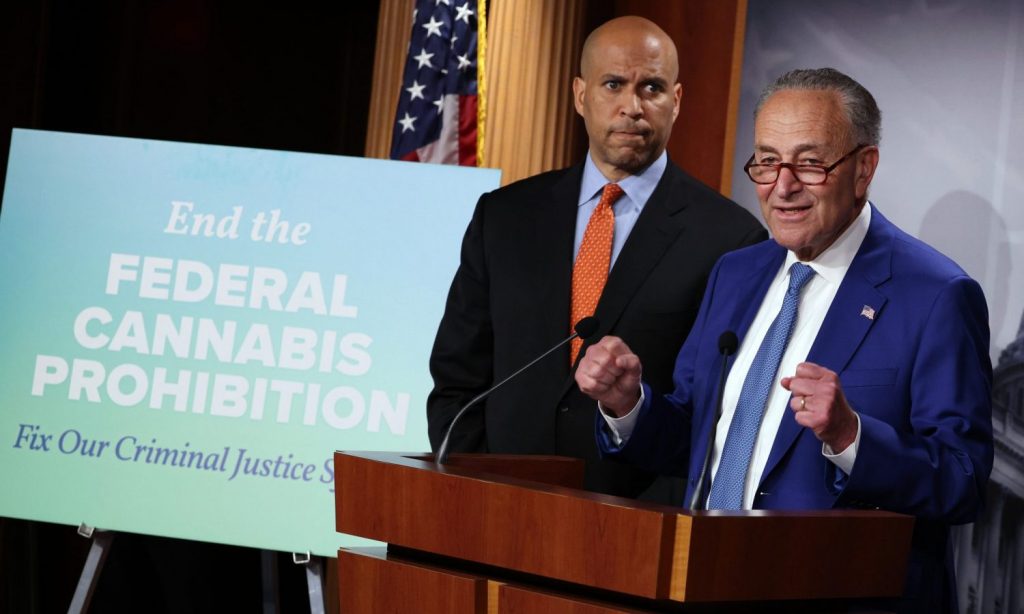
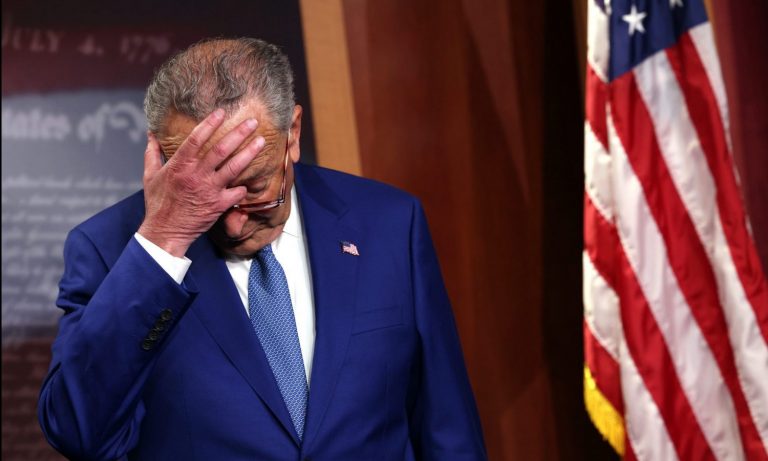
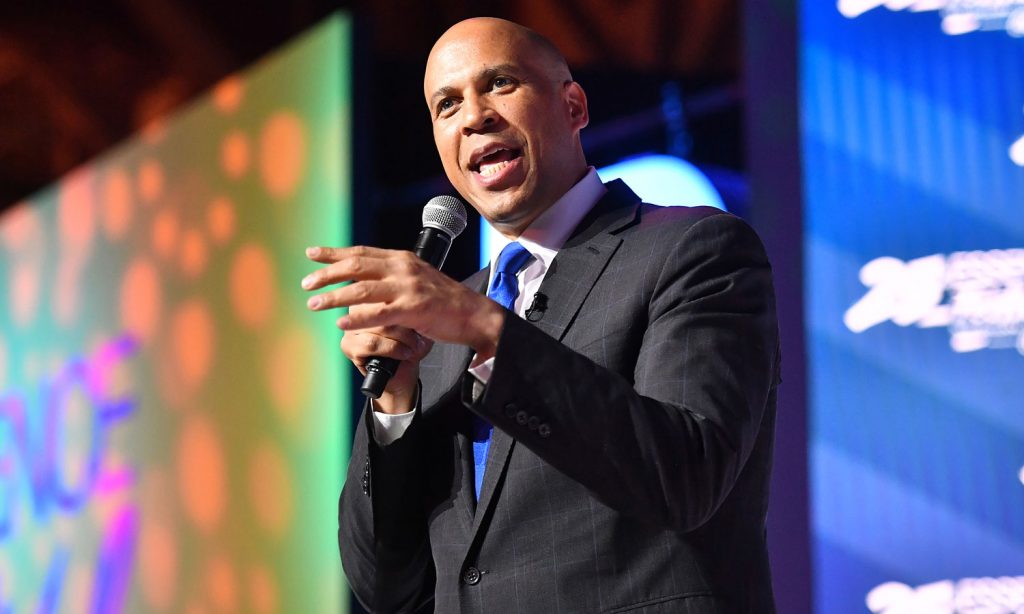
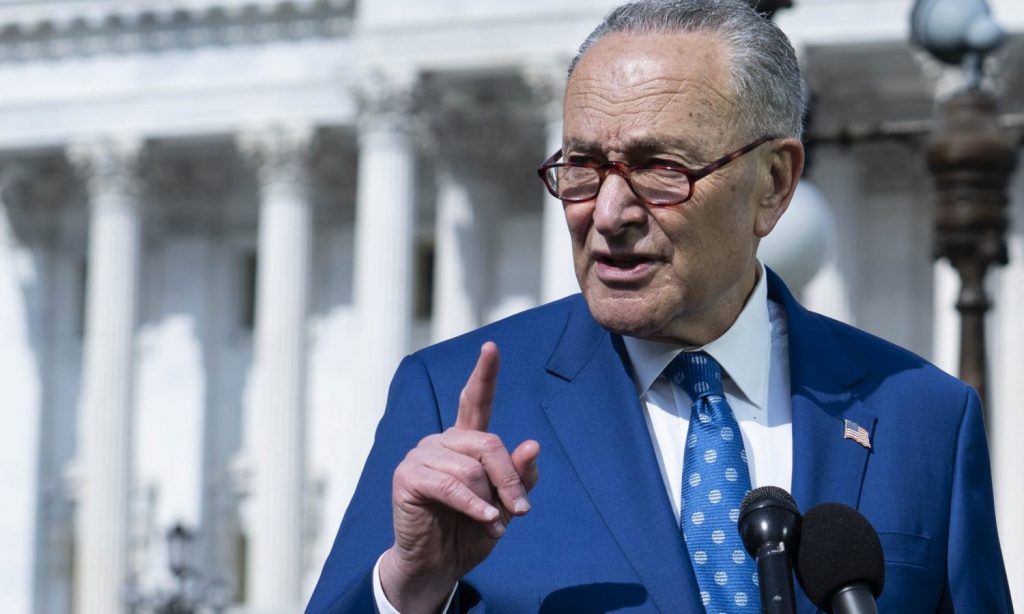
On Wednesday, a draft bill was released to end America’s federal cannabis prohibition and remove “marijuana” from the Controlled Substances Act. The bill, sponsored by Senate Majority Leader Chuck Schumer (D-NY), Sen. Ron Wyden (D-OR), and Sen. Cory Booker (D-NJ) is titled the Cannabis Administration and Opportunity Act and was introduced as a discussion draft intended to foster debate among the members of Congress.
The official purpose of the bill is “to decriminalize and deschedule cannabis, to provide for reinvestment in certain persons adversely impacted by the War on Drugs, to provide for expungement of certain cannabis offenses, and for other purposes.”
Photo by traffic_analyzer/Getty Images
The bill specifies that states will still be able to continue making their own laws regarding marijuana, just like with alcohol. The bill would also allow cannabis companies in the United States to apply for loans and to list on stock exchanges.
A final version of the bill will be drafted later this year. If passed in something like its current form, marijuana would be taxed and regulated like tobacco and alcohol. According to the draft, federal excise taxes on marijuana products would start at 10% (double what the MORE Act proposed), and then increase to a hefty 25% within five years of the passage of the bill. The Alcohol and Tobacco Tax and Trade Bureau would collect and enforce taxes on cannabis products, while the Food and Drug Administration would be the regulatory agency charged with regulating the labeling, marketing, and manufacture of cannabis products.
The bill also includes provisions for certain social justice measures. The bill calls for the expungement of nonviolent federal cannabis convictions, and those already serving sentences for nonviolent federal cannabis crimes would be able to petition for resentencing. In addition, the bill stipulates that a grant program, known as the Community Reinvestment Grant Program, would be carried out by the Director of the Cannabis Justice Office (a position and an office that would be created if the bill becomes law) that would administer services in communities that have been adversely impaired by the War on Drugs. These programs include literacy programs, legal aid for civil and criminal cases, youth mentoring programs, and health education programs.
Photo by Kevin Dietsch / Getty Images
Gaining enough support for the passage of the bill will be a challenge. The bill would need at least 60 votes to end a filibuster and pass through the Senate. That means that the bill would need the support of at least ten Republicans, which could be difficult considering that not even all Democrats are on board with ending the federal prohibition on marijuana. In addition, and in keeping with his disappointing perspective on cannabis, President Biden has restated that he does not support legalizing recreational cannabis use.
This bill is a huge step forward and ultimately lays the foundation for federal recreational cannabis use. The federal government has lagged far behind individual states when it comes to cannabis legalization, and this bill is the first substantial effort to change federal marijuana policies. We will be following the evolution of the bill and the corresponding debate very closely in the future.
A dentist on TikTok is warning against this common oral health pattern.
Oral hygiene usually works in the following way: you brush your teeth, sometimes floss, and sometimes use mouthwash. Keeping up with two of those steps is a sign of a careful person, but doing all three means you’re serious about your dental health. According to this TikTok, using mouthwash after brushing your teeth is not the best idea.
The video was made by Anna Peterson, a London-based dentist. She suggests using mouthwash after eating or before brushing your teeth, but not after brushing.
She explains that toothpaste has a higher fluoride count than mouthwash. If you use mouthwash right after brushing, you’ll be washing off the fluoride and reduce your protection against foods and drinks. The fluoride in mouthwash is not able to protect your teeth against sugar and other harmful agents.
Flouride is very beneficial to your teeth. It helps rebuild weakened enamel, reverses tooth decay, prevents the growth of harmful bacteria, and slows down the natural loss of minerals. You want to keep that on your teeth for as long as you can.
Photo by HUIZENG HU/Getty Images
While a lot of people like mouthwash for how convenient it is to use, it doesn’t provide the same protection as toothpaste. Mouthwash is a good addition for keeping your breath fresh and preventing different diseases, but it won’t make or break your oral hygiene routine.
Another oral hygiene rule you should keep in mind is the timing of your brushings. You shouldn’t use mouthwash before eating or brush your teeth right after eating. While using mouthwash before eating is silly and will just ensure your food tastes like toothpaste, brushing after eating is common and can be bad for you. Digestion starts in the mouth and creates an acidic environment that might weaken your enamel and damage it.
If you want to control the munchies after a smoke session, here are some tricks to keep that post cannabis hunger at bay.
Munchies are one of the best parts about smoking weed. While they strike people at varying intensities, if you’re a regular consumer you’ve likely had to deal with munchies at some point in your life. There’s nothing wrong with the occasional munchie-induced scarf-down, but, if it’s a recurring issue, you might have to find new ways to curb these impulses. While it might be difficult to eliminate the munchies altogether, here are some hacks to help prevent the munchies.
Eat before you smoke
Photo by Artem Labunsky via Unsplash
The easiest trick you can do is to have a filling meal before you smoke. While the munchies sometimes don’t listen to hunger, they’re way worse if you haven’t eaten in a significant amount of time. If you eat, smoke, and then get the munchies, you’ll be able to recognize that what you’re experiencing is not hunger, which will work in the long run and will give you some strength to resist future munchie attacks.
Keep yourself hydrated
Photo by yunjeong via Pixabay
Water is a great tool for curbing all kinds of hunger, making you feel full, at least until you have to go to the bathroom. Water is especially strong when it comes to munchies, since the impulse to eat after consuming cannabis isn’t necessarily tied to real hunger. Drinking plenty of water can help you recognize what your stomach is feeling while also giving your high a chance to mellow out.
The munchies have a direct correlation to THC consumption, meaning that if you’re smoking a strain that’s THC dominant, there’s higher odds of getting crazy hungry. You can try a more balanced strain or ask your budtender for weed recommendations that don’t transform you into a munchie monster.
The munchies are often more intense when you’re smoking alone in your house. If you’re prone to them, try smoking with friends or keeping yourself focused by doing something else, whether that’s reading outside, listening to music, going for a walk or working out.
Smoke out of your house
Photo by Artur Matosyan on Unsplash
Lastly, as a last resort, you can try smoking when you’re not in your place, where there’s snacks and the comfort of the fact that you can order delivery without much thought behind it. Spending part of your high out of your house will distract you with other people and activities and will make it easier for you to focus on other things aside from your stomach.
Teens who abuse substances are likely to develop problems later on. A new study says poor sleep could be a predictor of substance abuse behaviors.
According to a new study, teens who don’t get a full night of sleep have higher odds of abusing alcohol and cannabis.
The data was published in the journal Sleep and it’s taken from a longitudinal study that wanted to see whether sleep could be a predictor of future substance abuse. It was conducted by the National Consortium on Alcohol and Neurodevelopment in Adolescence (NCANDA).
Researchers devised the study as a way of measuring whether lack of sleep in teens could have an impact the following year. Authors concluded that lack of sleep was correlated with future substance abuse of cannabis and alcohol.
Researchers gathered data from 831 participants ages 12 to 21. The data showed that subjects who slept late at night and had shorter weekday nights of sleep were at a higher risk for having additional days of cannabis use during the following year.
When discussing alcohol, the later teens and young adults went to bed and the sleepier they were, the higher odds they had of engaging with binge drinking during the following year.
Photo by rawpixel.com
“Overall, the results suggest that teens in middle and high school may be more vulnerable to sleep-related risk for substance use,” said Brant P. Hasler, lead author of the study. “The particular pattern of sleep predictors in the middle school and high school sample is consistent with the ‘circadian misalignment’ caused by early school start times.”
Sleep is an incredibly important factor for people’s health, especially in teens and kids who are still growing. Results like this have been echoed in other studies, but this research marks one of the first times where there was follow up and more solid conclusions could be reached.
Addiction and substance abuse are tough topics to handle, particularly when discussing teens and young adults. To prevent these types of issues, measures like delaying the start of school and making it easier for teens to get more sleep might provide for more successful and healthier results than dealing with a substance abuse problem that has already started.
Two Ohio House Reps are filing a bill that would legalize adult-use cannabis, marking the first time a proposal allowing recreational cannabis commerce has been introduced in the Ohio legislature.
Co-sponsors of the bill, Reps. Terrence Upchurch and Casey Weinstein, began circulating the draft memo to their colleagues on Thursday in order to garner support prior to formally filing the bill.
Photo by benkrut/Getty Images
“Ohio can and should be the leader and pave the way for a successful recreational marijuana program,” Upchurch, who represents Northeast Ohio including Cleveland, told Benzinga. “We really need to get the rollout right.”
While the full details have not been released, Upchurch said components of the bill would allow adults 21 to buy and possess up to 2.5 ounces of marijuana and grow up to 12 plants.
Ohioans with nonviolent cannabis-related records crimes can have their records sealed and participate in the newly legal industry.
“The number of people who have been negatively affected by cannabis arrests in Ohio is astronomical. I’ve seen firsthand how the lives of good people have been upended for years because of pot convictions,” Upchurch said.
Casey Weinstein, a U.S. Air Force veteran who represents Ohio’s Dayton area, said the time has come for Ohio.
“Quite simply we have reached critical mass,” Weinstein told Benzinga. “Between Ohio’s successful medical marijuana program, other states moving forward, and broad, bipartisan support for the many benefits to reform, it’s time to legalize.”
Photo by Nathan Griffith/Getty Images
Many presume Republican Gov. Mike DeWine will oppose the bill as would the GOP-dominated Legislature, though both Upchurch and Weinstein say there are legislators on both sides of the aisle who support legalization.
Critical Mass? It Looks That Way
First of all, the majority of Ohio voters have almost consistently supported reform through numerous local initiatives. At the moment, nearly two dozen Ohio jurisdictions have adopted statutes drastically reducing the penalty for possession of small amounts of weed, according to the Ohio Sensible Movement Coalition.
In Cincinnati, where cannabis was decriminalized in 2019, Mayor John Cranley tweeted Thursday afternoon: “It’s time we legalize marijuana in Ohio.”
If we legalized marijuana we could invest that tax revenue right back into our communities. We could rebuild our roads and fund public education. We could expand healthcare for our communities.
Dayton’s Mayor Nan Whaley, a Democrat who is running for Ohio governor, echoed that sentiment in a statement Thursday.
“This is a commonsense change that is both an important criminal justice reform issue, as well as a sensible way for Ohio to bring in more revenue for basic services that communities across our state need.”
Medical Cannabis Patients Increasing – Cannabis Companies Prepare For More
Ohio has close to 100,000 medical marijuana patients, prompting the state to more than double the number of cannabis dispensaries for the coming year.
Cannabis companies now operating in Ohio, include Jushi Holdings Inc (OTC: JUSHF), Ayr Wellness Inc (OTC: AYRWF), Green Thumb Industries Inc. (OTC: GTBIF) and Body and Mind Inc. (OTC: BMMJ), among others. More are expected to make their way to the Buckeye State.
One of the biggest fears of cannabis advocates and opposers is teen drug abuse. Studies show no evidence of this.
Recent data shows that even if marijuana is legal in several U.S. states, teens aren’t having more access to the drug. This data adds to a growing body of evidence suggests that legal marijuana has no connection with teen drug abuse.
Marijuana use in teens and young adults is a serious concern, one that has been correlated with higher odds of developing a dependency on the drug and developing mental health conditions like depression, anxiety, and psychosis.
The data came from the Youth Risk Behavior Surveillance System (YRBSS) and was submitted by high schoolers between the years 2009 and 2019. The analysis demonstrated that there was not a significant change or increase in the percentage of students who consumed cannabis within the past 30 days.
Per the data, the year where teens reported their highest percentage of marijuana use was in 2011 before legal marijuana programs were approved in the U.S.
Opponents of legal marijuana programs have a history of using marijuana use in teenagers and its side effects as ways of scaring people who may be considering supporting legal marijuana. They believe legal marijuana could facilitate drug access for youths during a time where their brains are developing and thus more susceptible to the drug.
Photo by rawpixel.com
Marijuana advocates believe the opposite; with a legal marijuana program in place, it should be theoretically more difficult for underage people to access the drug. Legal programs require ID and keep track of the customers who purchase these products, creating more barriers and hurdles than black-market marijuana.
Marijuana use in teens should remain a concern for everyone, no matter their stance on legal marijuana. Studies that show no links between legal cannabis programs and marijuana use by young people should be encouraging news for advocates and those who are wary of cannabis. These programs make cannabis access more difficult and result in higher-quality products.
Will the Cannabis Administration and Opportunity Act pass? Probably not, but it will set the groundwork and lay a plan for federal legalization.
Senators Chuck Schumer and Cory Booker have released their first attempt at federal marijuana legalization called the Cannabis Administration and Opportunity Act, which weighs in at 163 pages. After reading the reviews and the document, I wanted to give the biggest takeaways that you should be thinking about and discussing online. Marijuana Moment does a great job breaking the bill down here, so you don’t have to read the full 163 pages.
25% Federal Tax Rate in Addition to Your State Taxes
Well, so much for killing the black market. I often wonder if anyone who writes these bills talk to anyone actually in the industry about what they are putting on paper. By introducing a 15% tax rate that rises to 25% in 5 years you are guaranteeing a robust national black market for weed. That federal tax is in addition to your state taxes, which range anywhere from 20% to 50% right now.
Photo by Kevin Dietsch / Getty Images
Granted there are some tax credit breaks for sellers that have revenue under $20 million as a way to protect small businesses, but still, imagine going in to buy $100 in edibles and paying $42 to the state of California and $25 to the federal government? So, in 2026 you will be shelling out $167 for your $100 edibles? Hello, black market!
One guess as to why Schumer and Booker put these tax numbers in the bill was to attract Republicans and moderate Democrats. With those numbers baked in they can now try to get enough votes to pass the bill with spreadsheets and charts showing billions upon billions in tax revenue coming in by 2026. No one really thinks consumers are going to pay a cumulative 60% tax rate on their cannabis. Start high to create big tax revenue numbers in order to get the bill passed, then work on lowering them or extending out the time frame by 10 years.
How much margin do they think there is in cannabis, anyway? Yes, margins are big and fat now with limited licenses and federal prohibition, but what do you think happens to margins with federal legalization? As Jeff Bezos ironically said, “Your margins are my opportunity.” Hello Amazon and hello Black Market!
Interstate Commerce is Allowed
As frequent readers of Cannabis.net know, we have been saying any federal law would have to “grandfather” in state licenses that are in good standing and would have to allow business in one legal state to be able to ship and sell to another legal state. We also predicted that you would not be able to ship from a legal state to a non-legal state, only common sense on that one. The bill does include this detail, as it would allow cannabis businesses to now ship and sell products to legal retail stores around the country.
As Marijuana Moment writes:
But it’s important to keep in mind that this legislation—like other federal legalization bills moving through Congress—would not make it so marijuana is legal in every state. The proposal specifically preserves the right of states to maintain prohibition if they way. It stipulates, for example, that shipping marijuana into a state where the plant is prohibited would still be federally illegal.
However, the measure would make it clear that states can’t stop businesses from transporting cannabis products across their borders to other states where the plant is permitted.
That is huge GOOD news for the industry as this, as well as banking, has been holding back the industry like dam holding a flood back. If companies can ship products and wholesale around to other legal states, it will create a much more efficient market, lower prices, hurt black markets, and allow the consumer better choices.
Senator Booker says he will block the SAFE Banking Act Until This Bill is Passed
This is bad news for the marijuana industry. Senator Booker has vowed to block the Safe Banking Act, until this bill, or some form of it, is passed. Why on earth would Senator Booker block a helpful marijuana bill co-sponsored by his vice president? Booker is worried that the Safe Banking Act will just increase market share for the large, rich, and mostly White, cannabis corporations that are publicly traded and privately held.
Photo by Paras Griffin/Stringer/Getty Images
Booker wants to see social justice in the form of social equity agreements and social empowerment applicants and companies get help first, not just the big money corporations. While we totally agree that social equity (SE) and economic empowerment (EE) need to be a big part of the future of legal marijuana, blocking one good bill while you wait for a long shot to come in is “winning the battle, but losing the war”.
For one, the end customer doesn’t really care deep down whether dispensaries can have bank accounts and run credit cards. They know they just have to pay in cash for weed, inconvenient, but it is what it is. Blocking all cannabis companies from having bank accounts, credit card machines, and access to the US wire system hurts all cannabis companies, not just the big ones. This is just one of the many factors holding back SE and EE applicants for marijuana licenses in many states.
Sometimes you have to swallow a little vinegar with you water, and yes, banking would be opened up for big corporations, it would also be open up for thousands of small cannabis businesses. States have SE and EE programs, let them implement them as they are doing now. Win the war, get legalization, SE and EE are already happening and will continue to happen with the Safe Banking Act. Don’t cut off your nose despite your face. Support Safe Banking 100% and support this bill 100%. By not supporting the Safe Banking Act you are hurting 5 big companies and trying to hold them hostage? By holding up the Safe Banking Act, who is Booker turning the cannabis into for a fight? Itself?
With this CAOA not having enough votes to pass, not supporting the actual one that might pass is a bad idea and could push cannabis legalization backwards if both fail.
Senator Schumer introduced the bill knowing he does not have the votes to pass it
Senator Schumer knows he does not have the votes to get the Bill passed, and the President has been lukewarm at best in his response to this piece of legislation. So why would Senator Schumer introduce a bill that he knows he can’t get passed right now? One, he has openly said he is looking to negotiate with “the other side” on what they like and don’t like, about the bill. He is penning this bill as an open letter to the 10 Republican votes he needs, and some hesitant Democratic Senators.
Photo by Sarah Silbiger/Getty Images
Second, it pushes pressure on the “no” voters. Over 70% of the American public support some form of marijuana legalization and over 40 states now get tax money from the sale of cannabis, so Schumer knows he has the people on his side. He is going to ramp up public pressure to call and write the “no” votes to change their vote.
Third, he gets all the credit for trying to legalize cannabis and gets to paint the Republican as the bad guys who are against legal medicine, social equity, and economic empowerment. Is a “no” vote now akin to supporting the failed War on Drugs and not wanting to support minority communities? You can see how this can be framed as an anti-capitalist, racist, stuck in 1954 White America thing if you don’t vote for the Cannabis Administration and Opportunity Act, right?
Conclusion
While not a perfect legalization bill by far, it is a FEDERAL LEGALIZATION BILL, so let’s take our own advice and win the war and lose a few battles. This is great news and it is the first time a majority speaker of the House has ever introduced a cannabis legalization bill. He may not get it passed, but he did put it out there.
The Safe Banking Act, while it does not legalize cannabis, gives legal businesses access to banks and credit cards. Both bills are extremely important and should get the cannabis industries full support.
Will the Cannabis Administration and Opportunity Act pass? Probably not, but it will set the groundwork and lay a plan for federal legalization. It will also create a rallying point in the next elections for the Senate and House as to “he/she voted against cannabis legalization last year, vote for me, instead!”.
Right now, Senator Schumer would basically need 10 Republicans and one Democrat who said they would not support this bill if it was introduced to magically change their mind. Not completely nuts, but a major long-shot to say the least. The fact that the President does not support this bill or federal legalization is not helping the Democrats or the cannabis cause right now. Strong support from the White House would help change a few minds and maybe get enough business pressure on Republicans to get them to vote for some form of this bill.