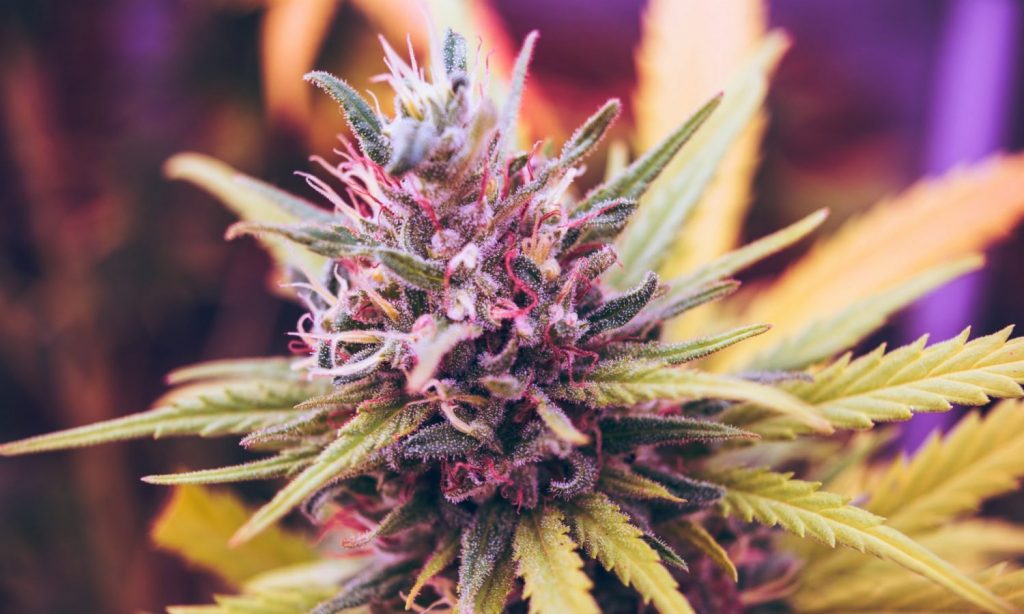
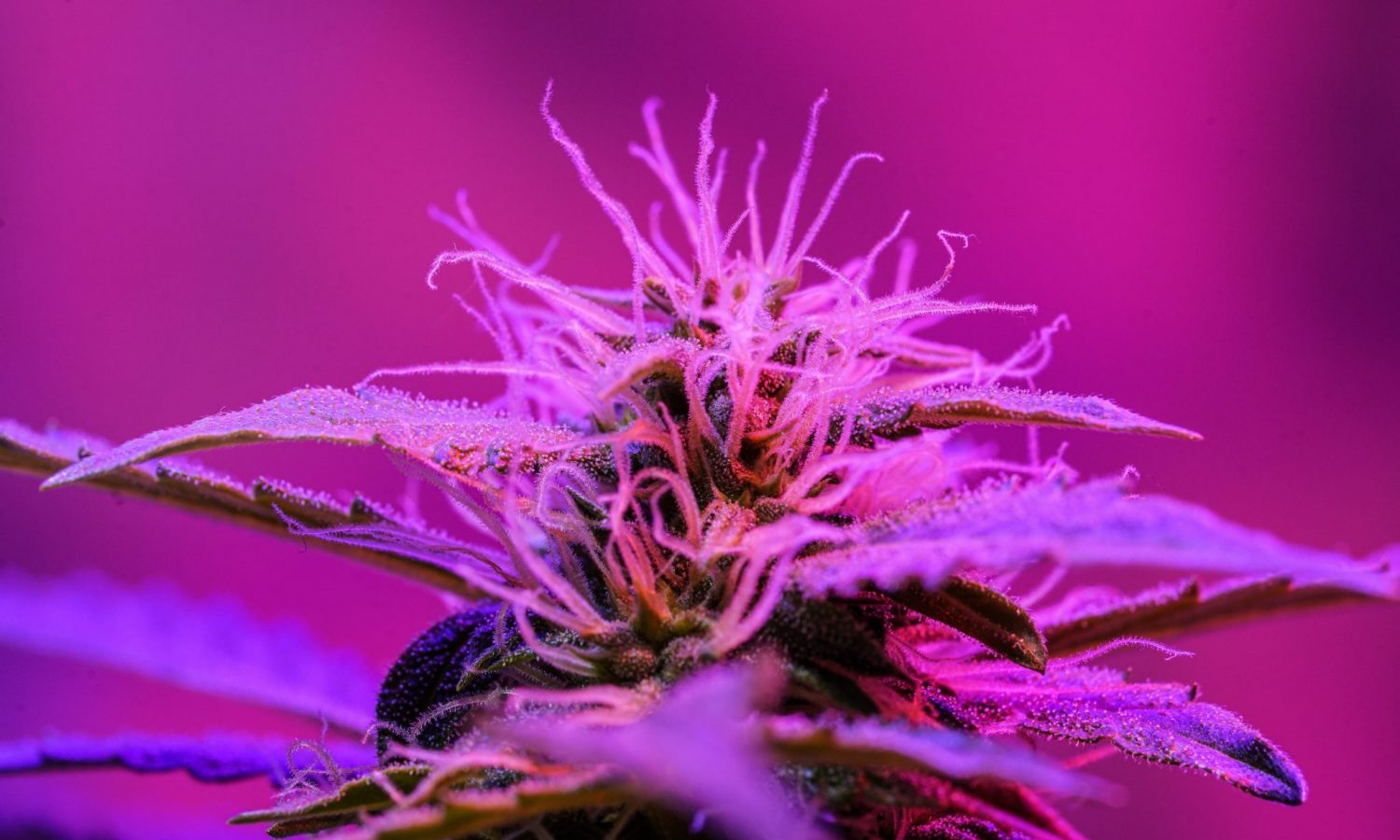
Though the legislation faces a 50-50 Senate, it is clearly a major milestone for cannabis and social justice advocates.
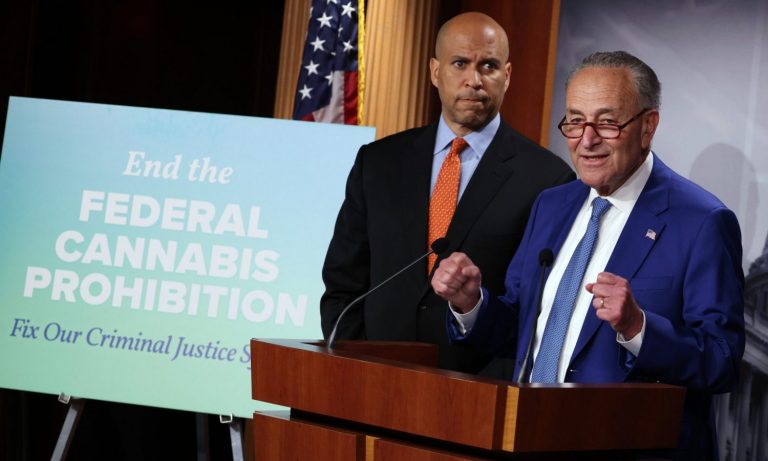
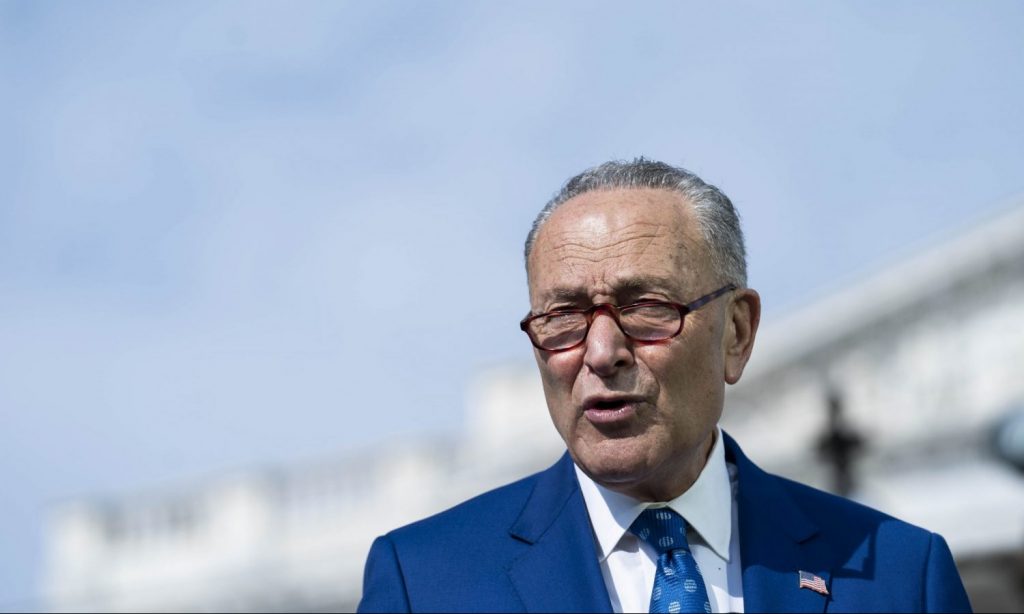
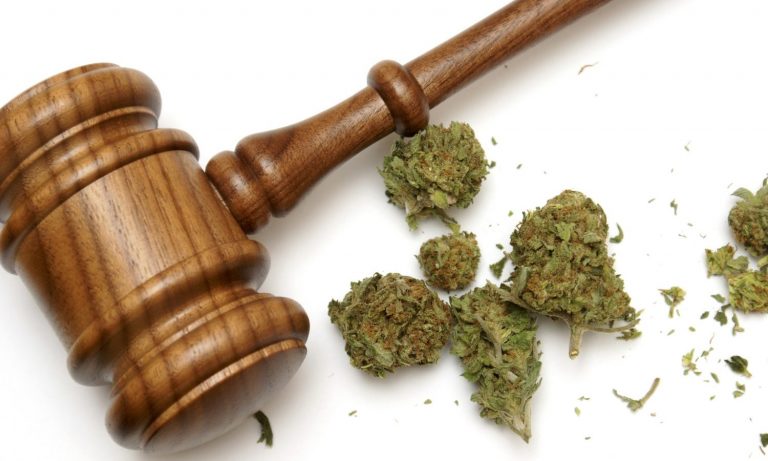
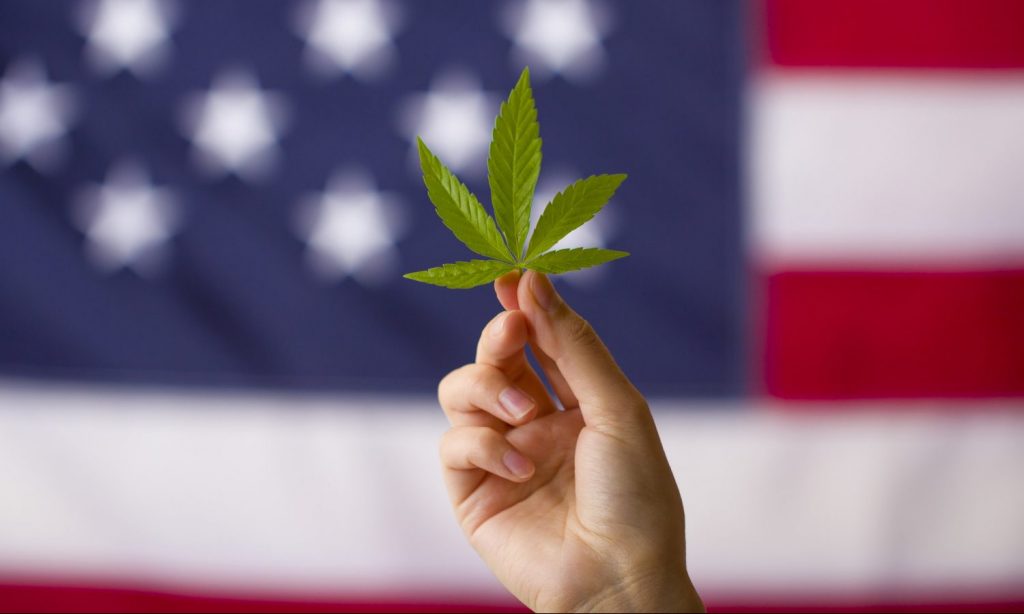
Senate Majority leader Chuck Schumer flanked by Sen. Cory Booker (D-N.J.) and Sen. Ron Wyden (D-Ore.) presented a highly-anticipated draft legislation bill on Wednesday to decriminalize marijuana at the federal level, calling it “long overdue” and monumental.
“At long last, we are taking steps in the Senate to right the wrongs of the failed war on drugs,” Schumer said, calling arrests for marijuana a “waste of human resources” that cause agony to those whose lives have been ruined by criminal arrest records for small amounts of pot, especially among communities of color and the poor who have been disproportionally impacted by prohibition.
Photo by Sarah Silbiger/Getty Images
Schumer recognized that his own attitude toward legalization has evolved but now feels strongly about ending prohibition, as does “70% of the American population that support legalization.”
He referred to the state of South Dakota. “If South Dakota can legalize recreational marijuana, so can the Senate!”
Banking Bill
Asked about whether the bill contained banking provisions, Cory Booker stepped up to the microphone and categorically said: if the Senate attempts to pass a banking bill to please the large companies before dealing with the social justice and legalization issues of cannabis, “I will lay myself down to stop an easy banking bill so someone can make the big money” and leave all the others behind.
Response From Cannabis Community
Steven Hawkins, executive director at the Marijuana Policy Project said he was heartened by the bill: “For justice reform, for equity, for individual liberty, and countless other reasons, it is time to respect the will of the American people and legalize cannabis. I am heartened by the Booker, Schumer, Wyden bill draft, which is a promising first step towards Senate passage, and hopeful that it will lead to negotiations and bipartisan support for an inclusive and equitable legal cannabis industry.”
Though the legislation faces a 50-50 Senate, it is clearly a major milestone for cannabis and social justice advocates.
Schumer explained in the press conference they, the sponsors, want public feedback on the proposal and are especially interested in hearing about cannabis potency, coordinating federal and state law enforcement and finding a fair system to reduce the often burdensome entry barriers to the cannabis industry while mitigating the influence of illicit cannabis operators, noted Marijuana Moment.
Breakthrough COVID-19 is causing a lot of stress for people who are inoculated. Here’s what these infections have in common in people who have the Pfizer vaccine.
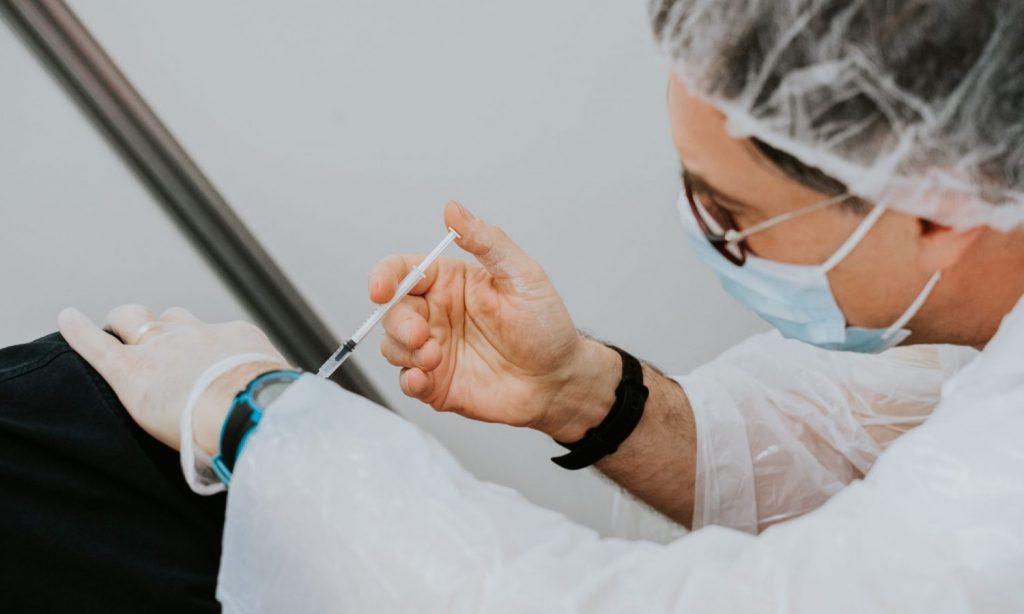
COVID-19 vaccines have curbed the pandemic, being the only measure capable of enforcing some control. While the initial months of the year were marked by a sharp decline of COVID-19 cases, this hasn’t been the case over the last couple of weeks, with new variants in circulation and groups of people who have yet to be inoculated. Then there’s breakthrough COVID-19.
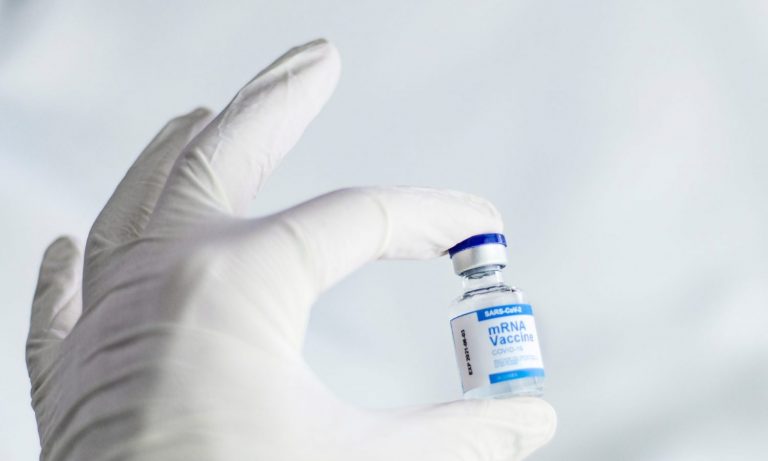
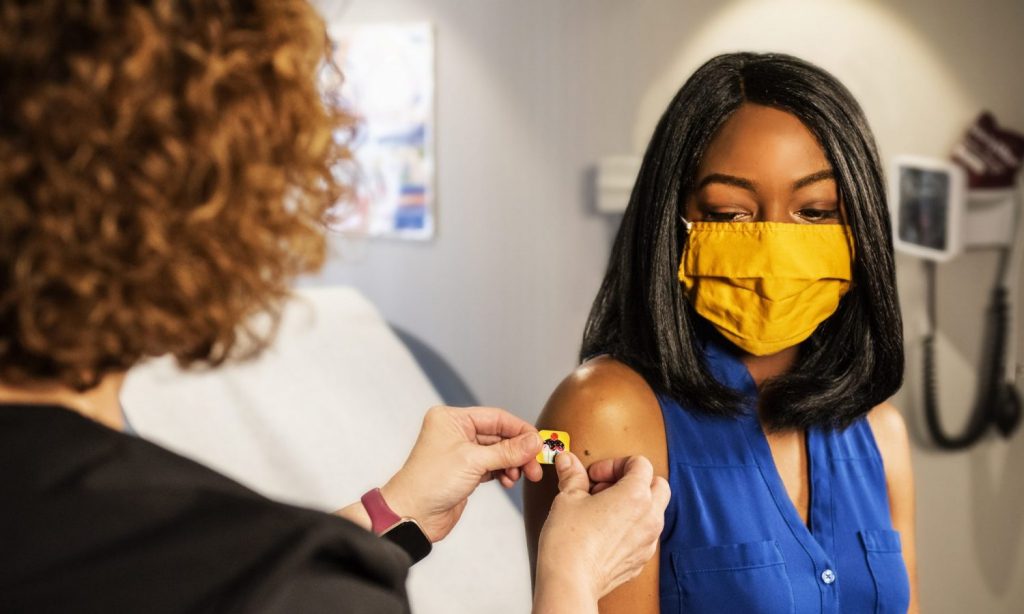
According to the CDC, breakthrough COVID-19 cases refer to any instance where someone gets COVID-19 two weeks after receiving their final COVID-19 shot. A lot is unknown about these infections, but new research has found a trend in over 40% of breakthrough COVID-19 cases in people inoculated with the Pfizer vaccine.
The study, published in the journal Clinical Microbiology and Infection, followed 152 participants that had been inoculated with Pfizer and had tested positive for COVID-19. The study concluded that 40% of these patients were immunosuppressed, including people who were going through chemotherapy, recipients of organ transplants, and more.
A deeper dive into the study showed that people with comorbidities made up a significant sample of infections. Seventy-one percent of patients had hypertension, 48% had diabetes, 27% had heart failure, etc. Only 6% of patients with breakthrough infections had no comorbidities.
“We found that severe COVID-19 infection, associated with a high mortality rate, might develop in a minority of fully-vaccinated individuals with multiple comorbidities. Our patients had a higher rate of comorbidities and immunosuppression compared to previously reported non-vaccinated hospitalized COVID-19 patients,” said the study’s authors.
Despite this seemingly alarming data for people who are immunosuppressed, breakthrough COVID-19 infections remain very low. The real risk lies in people who are unvaccinated, who continue to make up the majority of COVID-19 infections and deaths that are making the news now. These deaths and infections are preventable; people just need to go and get their shots.
Sha’Carri Richardson’s disqualification provides an excellent opportunity for sports organizations to evaluate their marijuana policies.
By Andrew Smith
On June 28, U.S. sprinter Sha’Carri Richardson was suspended for one month by the World Anti-Doping Agency (WADA) for using cannabis, effectively disqualifying her from competing in the Olympics. The suspension of a gold medal contending athlete caught many by surprise and sparked a worldwide debate about marijuana use by athletes should be addressed. Many in the sports world quickly rushed to her defense, including Super Bowl MVP Patrick Mahomes of the Kansas City Chiefs, who called the suspension “ridiculous.”
WADA has three criteria for a drug to qualify for its prohibited substances list: (1) it represents an actual or potential health risk to the athlete; (2) it has the potential to enhance or enhances sport performance; and (3) it violates the spirit of sport.
Photo by Patrick Smith/Getty Images
According to a 2011 paper written by WADA scientists, marijuana satisfies all three of the criteria. First, “athletes who smoke cannabis or Spice in-competition potentially endanger themselves and others because of increased risk taking, slower reaction times and poor executive function or decision making.” Second, “based on current animal and human studies as well as on interviews with athletes and information from the field, cannabis can be performance enhancing for some athletes and sports disciplines.” Third, “use of illicit drugs that are harmful to health and that may have performance-enhancing properties is not consistent with the athlete as a role model for young people around the world.”
The reasoning of the scientists has been met with significant opposition, if not further questions. One of the reasons many people found Richardson’s suspension so shocking may be because cannabis generally is not considered a performance-enhancing drug. Additionally, whether marijuana users are inherently bad role models for young people is incredibly subjective and should not be grounds for disqualifying an otherwise upstanding citizen from Olympic competition.
As more and more states have passed laws decriminalizing marijuana use, major professional sports leagues in North America have made major changes to their own marijuana policies. How these changes have come about is not uniform: some organizations update their collective bargaining agreements (CBAs) with athletes, while others have just stopped enforcing their cannabis policies. We thought this blog post would be a good opportunity to survey the major North American sporting associations and identify the current position of each with respect to cannabis testing policies (if any).
Photo by Flickr user Christian Mesiano
International Tennis Federation
While smoking marijuana and all forms of THC are prohibited for competition, the ITF has determined that CBD is permitted.
Major League Baseball
The MLB removed cannabis from its list of “drugs of abuse” in 2019, and now the league no longer even tests for marijuana.
Major League Soccer
Major League Soccer’s policy simply states that any substance banned by WADA is banned by the league, and FIFA adopts the same policy.
NASCAR
NASCAR tests and disqualifies drivers for marijuana use.
National Basketball Association
The NBA’s policy still includes fines and then suspensions for players who repeatedly use marijuana, but some progress as been made. Last year, while the league moved to its bubble format in Orlando, the league stopped its random marijuana testing. Since then, the league has not resumed random testing. An NBA spokesman mentioned that there are no immediate plans to reinstate random marijuana testing, wanting to focus drug testing on “performance enhancing products and drugs of abuse.” There is optimism that the NBA will change its policy more permanently, as commissioner Adam Silver mentioned that may be behind the times regarding its marijuana policy.
Photo by tookapic via Pixabay
National Football League
The NFL has stopped suspending players for using marijuana. Any positive marijuana tests are treated on a case-by-case basis, but only if they occur during the first two weeks of training camp.
National Hockey League
The NHL has adopted quite a hands-off approach regarding marijuana. As long as the a player plays for a team in a state where marijuana use is legal, the NHL does not penalize players for using marijuana. The NHL still tests its players, but just to identify players who need additional league help rather than to punish players.
National Women’s Soccer League
The NWSL has one of the more progressive marijuana policies in sports. The league allows use of cannabinoids, such as CBD, for pain management. The league is even allowing sponsorships from the cannabis industry, as Mendi, a CBD company started by Megan Rapinoe’s sister, Rachael, has partnered with two NWSL teams.
PGA Tour
While CBD was taken off of USGA’s banned substances list in 2018, golfers can still be suspended for marijuana use. Such was the case in 2019, when two golfers were suspended after testing positive for marijuana. The suspensions have led to challenges of USGA’s marijuana policy.
Photo by HeungSoon via Pixabay
Ultimate Fighting Championship
In January of this year, UFC announced that it will no longer care about positive THC tests, as long as there is no reason to believe that a fighter used it intentionally to enhance their performance. All other natural cannabinoids have been removed from UFC’s prohibited substances list.
USA Track & Field
The policy that USA Track and Field adheres to comes from the WADA, and is explained above. While WADA prohibits THC use, which Richardson used, it does not prohibit the use of CBD. However, in the aftermath of Richardson’s suspension, USA Track and Field has publicly stated that WADA policy on THC should be reevaluated.
Women’s National Basketball Association
The WNBA still tests for and penalizes use of cannabis, according to its new CBA which was agreed to in January 2020. The CBA also has a specific marijuana program that players can voluntarily take advantage of if they run into trouble with the league’s policy.
World Boxing Association
There is no universal cannabis policy instituted by WBA, as marijuana policies are generally left to state athletic commissions.
Richardson’s disqualification provides an excellent opportunity for sports organizations to evaluate their marijuana policies. Just Tuesday, the Nevada State Athletic Commission voted to eliminate disciplining fighters and boxers for marijuana use. While the attention of the sporting world is currently on marijuana policy, Richardson’s suspension may also be an opportunity for states and the United States as a whole to reevaluate marijuana laws.
The time has come to truly examine how and why cannabis users are punished, inside and outside of sport.
The legislative draft that the Senators came up with was based partially on a bill that the House passed in December.
Senate Majority Leader Chuck Schumer (D-NY), Senate Finance Committee Chairman Ron Wyden (D-OR), and Sen. Cory Booker (D-NJ) released the full text of their federal draft marijuana legalization bill called the Cannabis Administration and Opportunity Act. This massive piece of legislation is clocking in at a hefty 163 pages and a public comment period is open until September 1.
In general, the legislation aims to deschedule cannabis, expunge prior records, fund equity programs, remove collateral consequences, and transfer regulatory authority for marijuana to the Food and Drug Administration and other federal agencies. Only consumers over the age of 21 would be allowed to buy legal cannabis and adults would be limited to purchases of up to 10 ounces. The bill would also impose a federal tax on marijuana products and put some of that revenue toward grant programs meant to support people from communities most impacted by prohibition who want to participate in the industry.
Photo by Anton Petrus/Getty Images
“Cannabis prohibition, a key pillar of the failed war on drugs, has caused substantial harm to our communities and small businesses, and especially for communities of color,” Wyden said. “It’s as simple as this: Senators Booker, Schumer, and I want to bring common sense to the federal government, end prohibition and restore the lives of those hurt most and set them up for opportunity.”
The legislation proposes to federally deschedule cannabis, expunge prior convictions, allow people to petition for resentencing, maintain the authority of states to set their own marijuana policies, and remove collateral consequences like immigration-related penalties for people who’ve been criminalized over the plant.
The Coalition for Cannabis Policy, Education, and Regulation (CPEAR) said in a statement, “The draft demonstrates a commitment to ensure a national legal cannabis market that is equitable, with protections for the small and minority-owned businesses that have been crucial for establishing legal markets in states across the country.
In addition to those items, the CAOA would transfer regulatory authority over cannabis to the Food and Drug Administration (FDA), the Bureau of Alcohol, Tobacco, Firearms, and Explosives (ATF), and the Alcohol and Tobacco Tax and Trade Bureau (TTB) from the Drug Enforcement Administration (DEA).
“The days of federal prohibition are numbered,” said NORML Executive Director Erik Altieri. “These actions by Senate Majority Leader Schumer and Senators Booker and Wyden reflect the fact that the supermajority of Americans are demanding that Congress take action to end the cruel and senseless policy of federal prohibition. It is time for legislators to comport federal law with the laws of the growing number of states that have legalized the plant, and it is time for lawmakers to facilitate a federal structure that allows for cannabis commerce so that responsible consumers can obtain high-quality, low-cost cannabis grown right here in America without fear of arrest and incarceration.”
Photo by gradyreese/Getty Images
Dasheeda Dawson, Chair of Cannabis Regulators of Color Coalition (CRCC) and Cannabis Program Supervisor at City of Portland OR said, “The introduction of the Schumer, Wyden and Booker draft legislation is the first serious look at cannabis legalization for the Senate and I am hopeful that the equity-centered policy reform and regulation led by our members at the state and local levels will continue to shape this historic bill.
Across the country, we have seen the positive impact of sharing our informed insights, testimony and proposed amendments aligned with our organization’s founding principles. As active stakeholders overseeing policy and implementation in the existing cannabis industry, CRCC will continue to actively engage with the Senators’ teams, providing industry best practices and cannabis competency gained from our collective and diverse experiences.”
Controlled Substance
One provision within the legislation is a requirement that the attorney general removes cannabis from the Controlled Substances Act within 60 days of the bill’s enactment. However, it continues to allow states to choose prohibition if they like. This would mean that it would still be federally illegal for a company to send cannabis to a state that has chosen prohibition. However, the states apparently wouldn’t be able to stop businesses from shipping cannabis products across state lines to other states where cannabis is legal.
Nancy Whiteman, CEO, Wana Brands said, “Federal decriminalization would also enable manufacturing and then shipping across state lines which would greatly benefit brands like Wana. Supply chains will become more efficient and cost-effective as plants would be grown in appropriate outdoor climates and other materials could be sourced across markets. For a company like Wana, it means that we would be able to manufacture and ship out of regional or national facilities instead of recreating the wheel in every market.”
Photo by strelov/Getty Images
Government agencies would all get in on the act. The Bureau of Labor Statistics would begin compiling data on jobs and employers. The U.S. Department of Health and Human Services (HHS) would be required to work with the National Institutes of Health (NIH) on ways to promote cannabis research. The HHS would also work with the U.S. Department of Transportation (DOT) on data collection for marijuana-impaired driving while also supporting research into “an impairment standard for driving under the influence of cannabis.”
Feedback
The public will have until September 1 to comment on the language of the bill. Marijuana Moment drilled down to summarize the main points for feedback:
Measuring the potency of cannabis products, the overlap of definitions for hemp and marijuana, regulations for synthetic THC, regulatory responsibilities for various federal agencies and FDA funding.
Coordinating federal and state law enforcement responsibilities for cannabis, state “primacy regarding cannabis regulation” and interstate commerce.
Balancing efforts to reduce barriers to entry to the marijuana industry while mitigating the influence of illicit cannabis operators.
Determining whether cannabis products should go through a premarket review before being marketed.
How to deal with international treaty obligations with respect to marijuana.
The legislative draft that the Senators came up with was based partially on a bill that the House passed in December. It included similar language that would remove some federal penalties, feature a form of expungement and address social equity issues. The House vote at the time was split mostly down party lines and very few Republicans voted for the bill. It seems expungement is a sticking point for many Republicans. The likelihood of this legislation getting the votes in the Senate is low. Even Schumer suggested it was merely a jumping-off point to start the conversation.
“We’d certainly listen to some suggestions if that’ll bring more people on board,” Schumer said. “That is not to say we’re going to throw overboard things like expungement of records — very important to us — and other things like that, just ’cause some people don’t like it.”
Compared to the other activities on this list, cannabis doesn’t cause or exacerbate any disease, it won’t give you a hangover, and it probably won’t empty your savings account.
As of July 2021, cannabis has been legalized recreationally in 18 states and medically in 36 states and additional territories, with census data indicating that states with legalized cannabis accounting for a majority of national population growth. That’s a lot of joints being burned every day. But has cannabis become our nation’s number one vice? Data point to no.
Scrolling through social media or taking a trip to a legal state’s big cities, it’s easy to assume everyone is smoking cannabis these days in favor of other activities. But as it turns out, most of the people with legal access to cannabis aren’t in a hurry to spark up; a Gallup poll from 2019 indicates only about 12% of Americans smoke cannabis, but isn’t clear on how often. And while new surveys indicate certain demographics, like seniors, are using it more and more frequently, it still trails a number of more harmful American pastimes.
Per capita, the United States ranks 25th in global alcohol consumption, and over 85% of American adults have consumed alcohol in their lifetime. While there’s nothing wrong with a glass of wine with dinner, an estimated 25% of adults binge-drink, and as many as 15 million Americans have an alcohol use disorder.
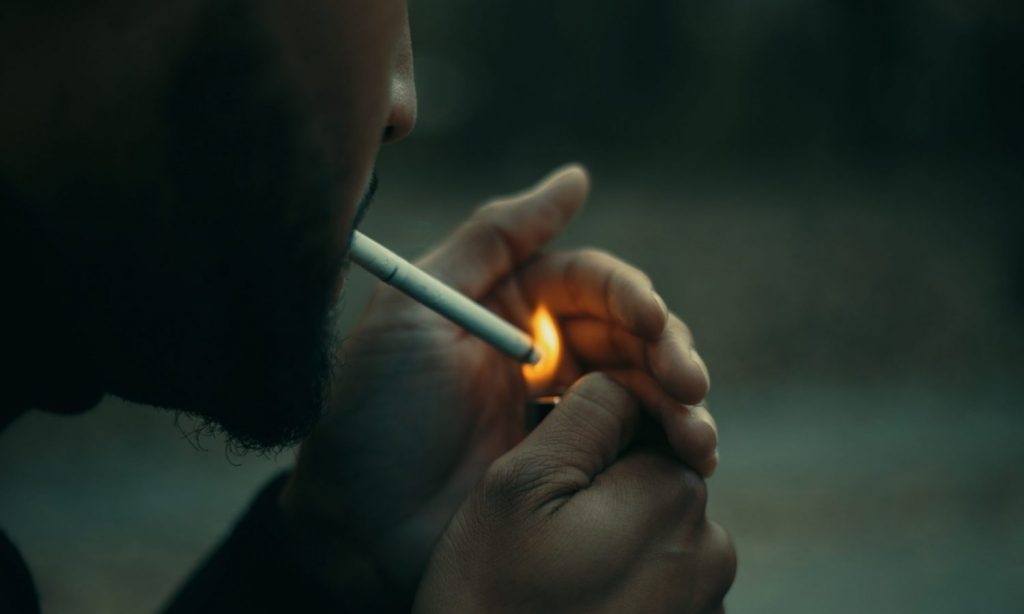
Smoking cigarettes
Photo by Donny Jiang via Unsplash
Despite a downward trend, around 14% of American adults regularly smoke cigarettes. Tobacco use, according to the CDC, is the leading case of “preventable disease, disability, and death” in the United States. Smoking remains especially prevalent in vulnerable populations, like indigenous communities, disabled people, and people living below the poverty line.
Gambling
Photo by Sharon McCutcheon via Unsplash
All states except Utah and Hawaii permit some form of legal gambling, an industry that brought in over $43 billion in consumer spending in 2019, and 15 percent of Americans gamble weekly. The National Council on Problem Gaming estimates two million American adults have a severe gambling problem, with up to six million experiencing repercussions due to their behavior.
Looking at these numbers, maybe more people should try cannabis. Compared to the other vices on this list, cannabis doesn’t cause or exacerbate any disease, it won’t give you a hangover, and it can’t empty your savings account in the blink of an eye. Stigma and lack of access have clear influences on who consumes, but times are changing.
The COVID-19 Delta variant is the most prominent strain within the U.S. Here’s what you should know.
The COVID-19 Delta variant is on everyone’s minds. While several countries have taken great strides in inoculating their population, this variant has been making appearances in a variety of places, including the U.S.
Here’s what you should know about this strain of COVID-19:
Why are people concerned?
Photo by McKinsey via rawpixel.com
Per the Centers for Disease Control and Prevention (CDC), the Delta variant can spread more easily than the original coronavirus. It has mutations on the spike protein that make it easier to be transmitted from person to person, infecting human cells more rapidly.
According to the Washington Post, the Delta variant is 50% more contagious than the original coronavirus, with every person infected spreading it to three or four people. As of June, the Delta variant is the most prominent strain within the U.S.
What about symptoms?
Photo by cottonbro via Pexels
While the degree of contagion is concerning, when it comes to symptoms, the Delta variant is very similar to the original form of the virus. There are persistent coughs, headaches, fever, and sore throat.
Data from the U.K., which has been tracking the development of the Delta variant since before the U.S., shows that there was less prevalence of cough and loss of smell. The most reported symptoms included a runny nose, headache, fever, and sore throat.
Is it more deadly?
Photo by CDC via Unsplash
The delta variant is significantly more dangerous for people who are not vaccinated. Communities with low vaccination rates have seen significant jumps in cases over the last couple of weeks in areas like the Midwest and the south. For people who are vaccinated, infections are rare. Two doses of the Moderna and Pfizer vaccine were 88% effective against disease and 96% percent effective against hospitalization.
When it comes to how deadly it is, data from the U.K. shows that this variant is more likely to result in hospitalizations and death, especially among those who are unvaccinated.
Should we mask up again?
Photo by EVG photos via Pexels
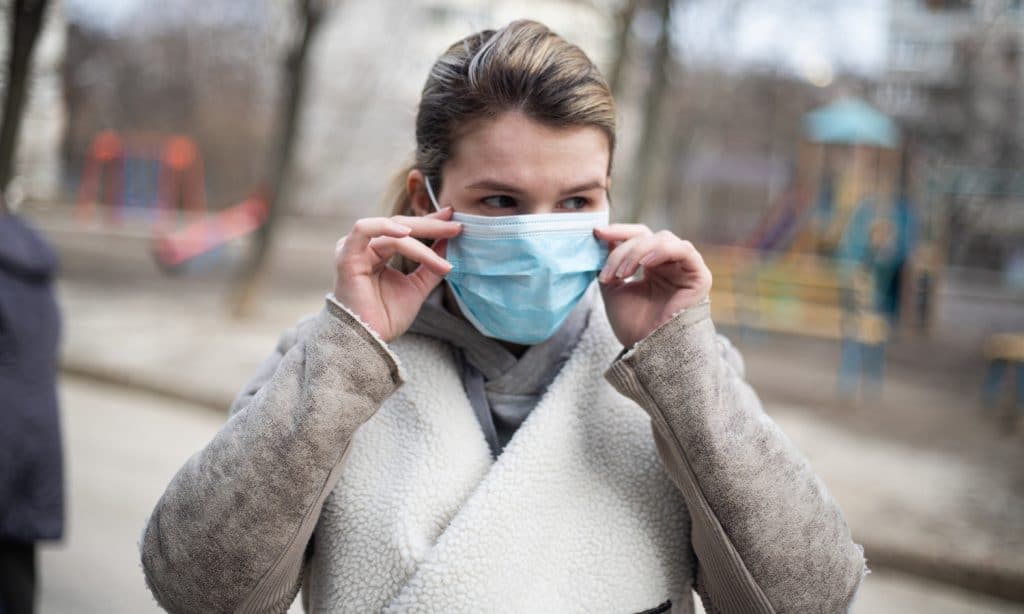
There are different opinions on the matter. While the CDC advised for only unvaccinated people to remain masked up, the WHO is suggesting for everyone to wear masks. On behalf of the CDC, Dr. Anthony Fauci spoke to CBS News. “If there are any changes that would instigate making a change in recommendation, that will happen,” he said. “But for now, the CDC recommendation stands that if in fact you are fully vaccinated, you are protected and you do not need to wear a mask outdoors or indoors.”
Our body temperature is affected by many things, including what we eat. Here are some foods we should avoid when facing a heat wave.
Not only can heat waves be incredibly uncomfortable, they’re also more dangerous than you think. Our bodies are so sensitive to this than what you eat and drink can have an effect on how you feel and can impact your health when exposed to extreme temperatures.
Heat and sun are things that we normally can’t get enough of, especially if we live in a cold climate area. While chilly temperatures also come with their risks, the heat is easier to ignore and, thus, more likely to result in dehydration, heatstroke, and more.
When taking care of yourself and battling the heat, what you eat can have an impact, ranging from what feels like it’s obvious to what doesn’t. Here are 5 foods to steer clear of when it’s really hot out:
Coffee and tea
Photo by Nathan Dumlao via Unsplash
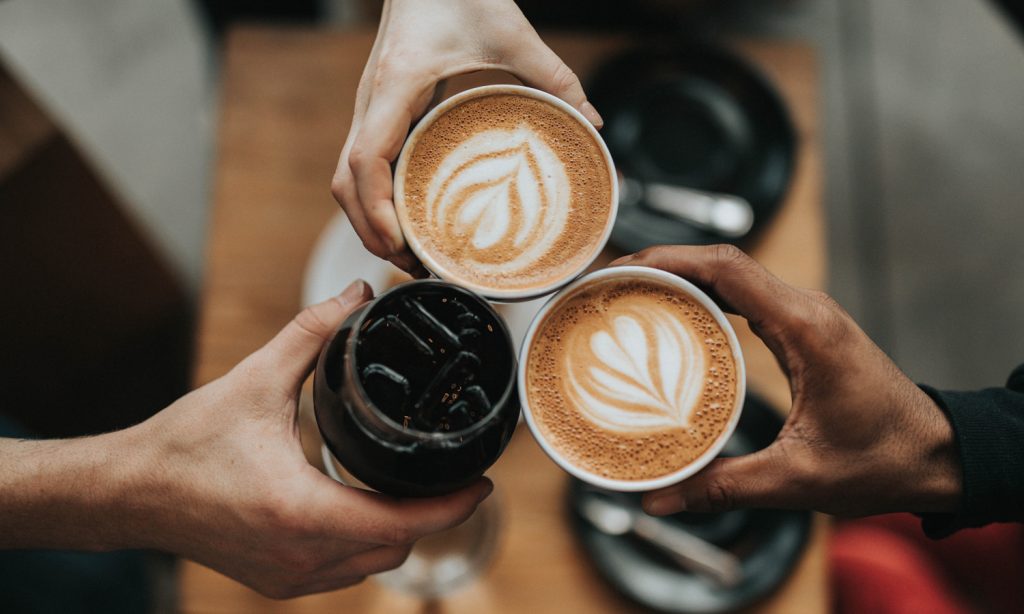
Aside from the fact that they’re hot (unless you have them served over ice), these drinks have strong diuretic properties and are not the best thing to consume when you want to quench your thirst. When it’s hot out, it’s important to hang on to our liquids, and consuming large amounts of coffee or tea, even if they’re iced, might deprive us of this.
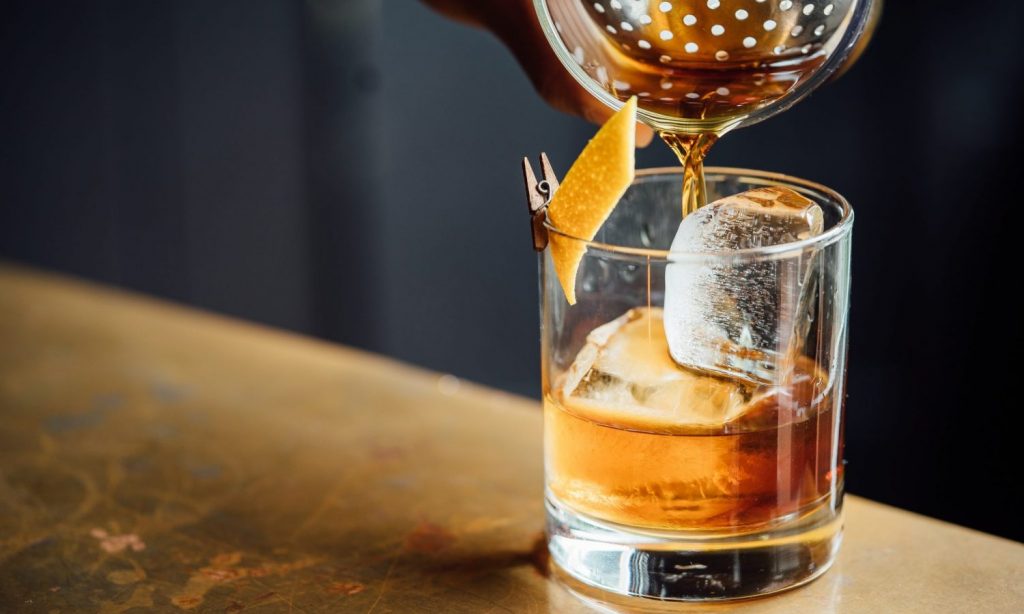
We probably don’t need to tell you this, but alcohol can quickly dehydrate our bodies. Once it enters our system, our liver will try to flush out alcohol’s natural toxins. Dehydration normally results in hangovers. When braving really hot conditions, this is made worse since stress and strain from the heat could trigger a more complicated episode.
Spicy foods aren’t the first thing that come to mind when it’s hot out and that’s because it’s not nice to have spice sweats when you also have regular sweat to deal with. Science explains that capsaicin, the active component in chili peppers, can temporarily increase our body temperature. When the weather is very hot out, try your best to keep your body as cool as possible.
High protein foods
Photo by Szabo Viktor via Unsplash.
Proteins like red meats feel heavy in your stomach. This is due to the fact that they ask a lot of your body in order to be fully processed, forcing your body to do a lot of heavy lifting, resulting in thermogenesis. This is normal, but it creates a lot of heat, which should be avoided during really hot days. Lighter foods, like fruits, are easier to process and produce less heat.
The World Anti-Doping Agency (WADA) issued a public response to a cascade of reactions from U.S. Government officials regarding Sha’Carri Richardson’s disqualification from the Tokyo Olympics due to state-legal marijuana use.
Background: Last week, several congressional lawmakers stated their position to the inclusion of cannabis on WADA’s list of prohibited substances, urging the U.S. Anti-Doping Agency (USADA) to revise its decision to disqualify the 21-year-old sprinter.
Photo by Patrick Smith/Getty Images
USADA claimed it was obliged by WADA regulations to impose penalties on Richardson, though “its own views are different” when it comes to which substances are on WADA’s prohibited list.
The White House, through the U.S. Office of National Drug Control Policy, joined the fray and announced its intention to meet with WADA to discuss cannabis policy.
The World Anti-Doping Agency Speaks Out
In a public letter signed by Witold Banka, president of WADA, the agency explained that the process by which cannabis is annually included in the list of prohibited substances is consistently reviewed by global experts via a process wherein U.S. representatives have substantial, if not overly represented, voting rights.
The letter was directed specifically to Reps. Alexandria Ocasio-Cortez and Jamie Raskin, who last week issued a statement saying USADA’s anti-marijuana policy perpetuates anti-drug policies that negatively affect communities of color and urged both USADA and WADA to reconsider their verdict regarding Richardson.
WADA annually publishes the Prohibited List with an expert advisory group of 12 international members, three of whom are from the U.S., thus giving the United States more weight and representation than any other nation. It currently includes USADA’s Chief Science Officer, Dr. Matthew Fedoruk.
Cannabinoids On WADA’s Prohibited List
Cannabinoids have been on the Prohibited List every year since WADA began supervising it in 2004.
As opposed to claims made by USADA, which essentially blamed WADA for Richardon’s disqualification, WADA stated in a letter that “at no time since the first Prohibited List was published in 2004 has WADA received any objection from U.S. stakeholders concerning the inclusion of cannabinoids on the Prohibited List,” said Banka.
“On the contrary,(…) the U.S. has been one of the most vocal and strong advocates for including cannabinoids on the Prohibited List.”
Photo by Getty Images/Staff/Getty Images
Banka said that submissions received from the U.S. for nearly two decades, in particular from USADA, have consistently advocated for cannabinoids to remain on the Prohibited List and insisted that “the argument that some have advanced indicating that U.S. anti-doping stakeholders are bound by antiquated thinking regarding the Prohibited List is not supported by the facts.”
However, Banka pointed out that, over the years, several such changes have been made to the list, and there is nothing preventing additional changes to be made in the future if everyone agrees.
Can Sha’Carri Richardson’s Disqualification Be Overturned By WADA?
The agency’s president said that WADA plays a coordinating role in the development and publication of the Prohibited List and as such “is not in position to vacate the results of Ms. Richardson’s test in Oregon…”, imposed by USADA, “nor the decisions of USA Track and Field regarding her participation at the Tokyo Olympics.”
USADA said in a public statement that because Richardson accepted the outcome, there is no longer any legal process to challenge or reverse it.
Benzinga’s Take: While it’s unlikely that Richardson will participate in the Tokyo Olympics after her disqualification, it’s fair to believe that the domino effect catalyzed by her disqualification could have significant consequences in future iterations of WADA’s Prohibited List, leading to possible changes in the inclusion of cannabis as a prohibited substance.
Since the eruption of altcoins, the crypto space has experienced a wide variety of wonders and unexpected events. Smart contracts, Lighting network, DeFi, scams, bubbles and failed projects to name some of the most obvious. In the midst of this frenzy, a fascinating concept appeared: Cannabis Crypto.
Some view these tokens as a possible solution to the cannabis industry’s banking problem that stems from the DEA’s outdated Schedule I status of marijuana as a controlled substance thus making it impossible for the entire industry to access banking institutions, essentially forcing cannabis companies to operate outside of insured banking systems.
Photo by MichaelWuensch via Pixabay
As such, many are wondering if cryptocurrency might be the solution the industry is seeking. Might this be the way to bypass regular banking systems without a federal bill?
Presently the relationship between cryptocurrencies and cannabis is in its infancy but will likely unfold and flourish in the near future as crypto adoption levels increase and technology becomes more sophisticated.
When examining cannabis-specific crypto, the most established at the moment is POT coin (CRYPTO: POT), a low radar alt-coin that experienced a huge pump & dump after Dennis Rodman wore a POT T-shirt at his now-infamous public meeting with North Korean leader Kim Jong-un. While the T-shirt, like the meeting itself, made waves internationally, this type of appearance is never healthy for a financial instrument that’s meant to be used as a long-term method of exchange. It now ranks #1135 in CoinMarketCap.
The main issues cannabis tokens encounter are adoption, market capitalization and aiming. Instead of bringing new tech along with innovative proposals, these cryptos fail to confront the problem faced by the industry.
They also fall short because cannabis cryptocurrencies do not provide any innovation in their technology and are limited to a single industry, thereby narrowing their potential market outreach. A currency must be widely used and desired to be adopted by publicly traded companies.
In Addition, Cannabis Cryptocurrencies Cannot Answer A Simple Question
Why should companies use them?
The fact that they are publicly related to cannabis is not enough. The problem lies in the fact that alt-coins fail to differentiate themselves from other coins. Most companies would prefer to use ETH, BTC, BNB, USDT, or any of the other top 25# Crypto.
It would be unwise for a cannabis company to rely on any of the existing “Cannabis Crypto.”
Photo by rawpixel.com
We asked Tyler Beuerlein, Hypur’s chief revenue officer, why his company did not utilize crypto when undertaking its daily financial transactions as a way to bypass the banking system.
“Combining one highly-regulated product with another highly-regulated industry is a non-starter for banks and regulators. A company’s dependence on crypto could negatively impact its financial operations in the face of numerous potential consequences. They could suffer from unpredictable value fluctuations, increased tax liability, and even the loss of a company’s bank accounts or banking partnerships,” Beuerlein told Benzinga.
“It is likely much riskier for a business to use crypto to bypass traditional banking. Cryptocurrency actually needs banking because the funds associated with digital assets eventually must be converted into traditional currency. Moreover, contrary to popular belief, the vast majority of legal cannabis businesses are in fact already banked anyway.”
What About The Future?
A possible way for the industry to adopt a specific blockchain-based token could be to form strategic partnerships with well-positioned companies. This would make the token more stable and ease the way for smaller businesses to also adopt it. If this is not the case, businesses would tend to choose non-cannabis-specific tokens or other financial instruments.
Blockchain technology also provides cannabis manufacturers with the possibility of precisely tracking their production process from seed to sale, therefore guaranteeing customers quality control and vigilant product supervision.
“Unless central banks begin to tokenize their currencies, due to their practicality, immediacy, and cost-saving, I believe that so-called stablecoins have a chance of slowly joining in international trade operations,” Franco Amati, co-founder of NGO Bitcoin Argentina and Signatura, told Benzinga in an exclusive interview.
Photo by QuinceMedia via Pixabay
“For the rest of what we call ‘crypto,’ although tech will continue to progress, in the near future it won’t stop being a niche tool.”
As for now, unless someone comes up with a way to revolutionize the market, cannabis-specific cryptos remain impractical for the industry. Nevertheless, dispensaries would be wise to provide crypto payment methods to customers who choose to follow that financial trend.
Unlike cannabis, which has been consumed since the dawn of civilization, crypto is new to humanity. As it develops and evolves, it will no doubt deepen its link to the cannabis industry. For the moment, traditional financial services remain the best option to provide what the industry requires. As such, cash is still king when it comes to cannabis sales.
Purple cannabis is an umbrella term for a growing family of strains that share a color as much as they share a distinct taste, smell and stony effect.
Purple is the color of royalty, so it’s the perfect shade for a classic strain of cannabis that anyone who calls themselves a connoisseur should know.
While Purple isn’t as common as other pioneering strains like Haze, Skunk or Kush, it’s beloved by everyone who’s lucky enough to try it, from medical patients to celebrities. Actor Jaleel White released an entire line of Purple cannabis strains earlier this year.
Here’s everything you need to know about Purple cannabis.
Photo by Esteban Lopez via Unsplash
Origin of Purple Cannabis
What newer generations of cannabis users may not know is Purple was once the hottest strain both in dispensaries and the streets. The exact birthplace of Purple cannabis is unknown, but seed companies like Purple City Genetics believe it originated in Humboldt, California, and was popularized in the San Francisco Bay Area. Others point to grower Kenneth Morrow of Trichome Technologies as its creator, as he produced Purple Kush back in 1995.
One of the most popular Purples, known as Granddaddy Purple, or GDP for short, was grown by Ken Estes, an old school cannabis legend who credits his famous cut of GDP to Vietnam veterans who returned from overseas with seeds from Thailand and Afghanistan. It’s likely that Purples descend from an old Afghani landrace cut, or even a version of Skunk.
What Is Purple Cannabis?
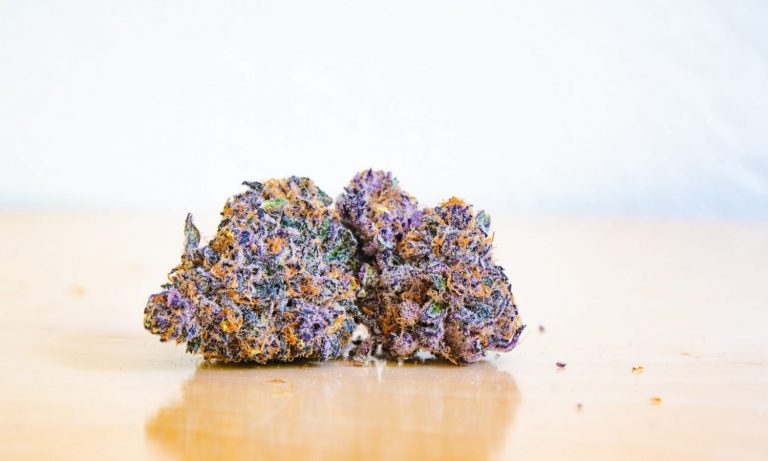
Purple cannabis is an umbrella term for a growing family of strains that share a color as much as they share a distinct taste, smell and stony effect.
There are a couple of theories as to what gives some cannabis plants a purple hue, ranging from lavender to deep black-purple, but not all of them are true. What makes Purple purple, longtime cannabis breeder Todd McCormick says, are the flavonoids of certain genetics, and that “Afghan genetics are the genetics responsible for the purple colors in broad leaflet cannabis.”
One of the biggest appeals of Purple cannabis, besides the color, is the taste. Purple cannabis strains often taste “purple” too, like a sweet candy grape that can even express floral notes.
Due to their genetics, Purple strains are almost always indicas unless crossed with something else, known for the intense body high that patients reported was great for chronic pain without totally wiping the mind. But despite this intense effect, Purple cannabis has never been a high THC producer, averaging 15-16%.
How Does It Compare?
Purple strains are most comparable to Kush strains, as they share the intense couch-lock of a pure indica and a similar stocky look to the plants as they flower. The unique flavor profile, which likely draws on terpenes like linalool, is something that sour and Haze can’t achieve.
Photo by Daniel Norin via Unsplash
Kay Watt, the principal geneticist at Dark Heart Nursery, says Purples were always popular with medical patients for their intense pain-numbing effects, but weren’t as mentally sedating as Kush or Skunk could be.
The only downside to Purple might be that it’s so hard to find, because the plants themselves don’t produce big yields, making them more costly to grow.
Bottom Line
The beauty of cannabis is that it’s so abundant that anyone can find the right strain for them. Purple cannabis was an incredibly popular strain amongst people with chronic pain and nausea, but it was also a euphoric high that didn’t leave its users asleep or in a daze.
It won’t provide the energy of a sativa like Haze or Sour Diesel, so it’s not the best for a busy or active lifestyle. Ask anyone who’s tried Purple and they probably liked it. Don’t believe me? There’s only one way to know for sure — try it for yourself!