New data provides a clearer picture of how the COVID-19 virus works, including the symptoms that tend to appear first for a majority of people.
By now, the majority of us are well aware of the symptoms of COVID-19. Still, the illness remains mysterious, affecting people in a variety of ways.
A recent study gives more understanding on how the virus works, providing a timeline of the symptoms that are common and their order of appearance for the majority of people who’ve had the disease.
Conducted in the University of Southern California, the research was able to determine the general order in which COVID-19 symptoms appear by analyzing data from over 55,000 confirmed cases. This data was obtained from China and then compared with cases of influenza, with researchers noting the differences and the ways in which both illnesses progressed.
While COVID-19 remains highly variable, it usually starts with a fever. Later on, people develop cough and muscle pains. Less common symptoms like nausea, vomiting and diarrhea are the last to appear.
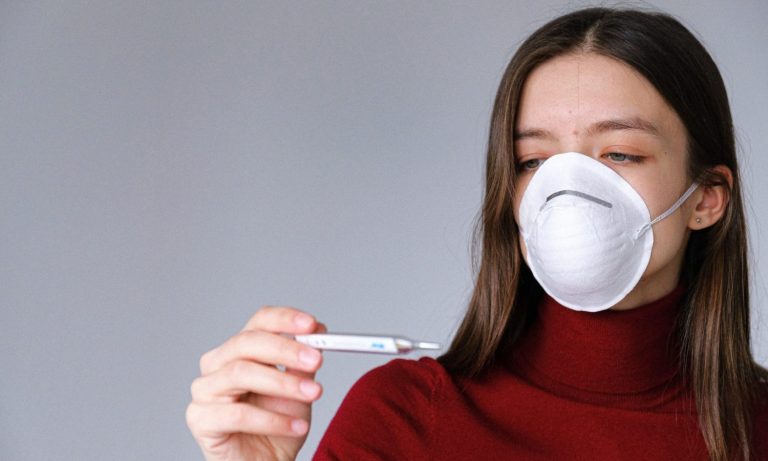
It’s still very difficult to discern the two diseases in real life but the fever plays an important role; in COVID-19 it’s usually the first symptom to appear while in flus it comes in later. “The study found that patients with seasonal flu more commonly developed a cough before the onset of fever,” Dr. Robert Glatter, an emergency physician at Lenox Hill Hospital in New York, told Healthline
Photo by Ketut Subiyanto from Pexels
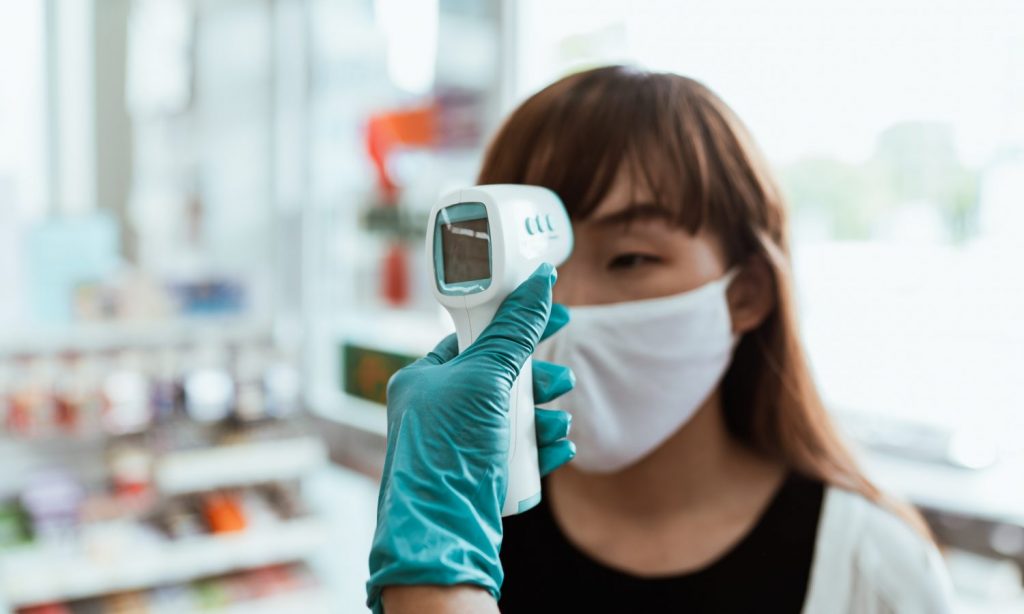
If people begin to feel like they have a fever, it’s critical to isolate and monitor their symptoms. COVID-19 is much more contagious than the flu so it’s very important for people to isolate themselves from other people.
Studies like this paint a more accurate picture of COVID-19, giving people more tools that help them identify it and differentiate it from a flu or a cold. They also help health experts and workers device better systems for identifying COVID-19 and providing guidelines for isolating people, critical in preventing the spread of the virus.
Consumers have been forced underground with the herb all their lives and now that it is finally being recognized as a legal substance, they refuse to keep hiding.
It’s getting to the point where it is almost impossible to be anywhere in the United States and not catch a whiff of marijuana coming from somewhere at some point. More than half the nation has legalized the leaf for medicinal and recreational use.
Even though cannabis users aren’t supposed to smoke the stuff in public, the odors seem to be out there, invading everyone’s olfactory senses, regardless of whether they like it or not. For some folks, the scent of marijuana wafting through the air is not a problem. But the smell can get others noticeably offended.
And it’s not just the old-time conservatives well-adjusted to the ways of pot prohibition taking a stand. Younger people are among those who think marijuana odors in this country are out of control.
Photo by Tunatura/Getty Images
In a recent tweet, Kevin Sabat, PhD, President of Smart Approaches to Marijuana and author of the book Smokescreen: What The Marijuana Industry Doesn’t Want You To Know, shared a message he received from a 23-year-old Los Angeles, California resident concerned about the invasiveness of marijuana odors.
“I have awful allergic reactions to the secondhand smoke, and it used to be bearable, but since legalization, you literally can’t walk 2 blocks without smelling it in the air,” the message reads. “Even at my house, I live on top of a hill, and the neighbor at the bottom of the hill, 2 houses away, smokes so much it wafts upward to my backyard. Can’t even enjoy a breazy [sic] day in backyard anymore. I’ve since moved part-time to TN, which has been better, but fear they are trending in the same direction as CA.”
There hasn’t been a heck of a lot of research so far over how Americans have reacted to the increasing odor of marijuana in their neck of the woods. But some of the limited studies we have on the topic show that most are none too crazy about their nostrils being bombarded by bud in public.
In 2019, a poll conducted by PSB Research, Civilized, Burson Cohn & Wolfe and BuzzFeed News found that 51% of the population thinks that public marijuana odors have become problematic. Nearly a quarter of the population even went so far as to say that they “hate” when they catch a whiff of weed while they’re out trying to get dinner or just hang out on the street.
Photo by PhotoAlto/Sanna Lindberg/Getty Images
A lot of cannabis advocates don’t care what non-weed-smoking Americans think about pot odors. In their minds, they’ve been forced underground with the herb all their lives and now that it is finally being recognized as a legal substance, they refuse to keep hiding. Some simply won’t admit that pot odors are a problem. In fact, responding to Sabet’s tweet, some pro-cannabis commenters simply accused him of faking the message. “Seems like you just sent yourself a DM and pretended to be some guy who’s 23 from LA am I right.” Another commenter also thinks the message is bogus. “Don’t think we don’t know you just text yourself Kevin.”
Meanwhile, we live in a society that often dictates that we make concessions with our lifestyles and behaviors to keep the peace. Alcohol and tobacco are legal nationwide. Yet around 30 states have imposed smoking bans, and Americans cannot stumble around drunk in the streets in most places without getting carted off to jail. Without rules, there is chaos. So far, none of the states that have legalized marijuana have put too much effort into controlling pot odors. They’re too busy looking at the financial benefits to give this detail the proper attention.
Early on, some local jurisdictions in Colorado tried to police weed odors, but it wasn’t practical. All in all, the cannabis odor debate just hasn’t stirred up enough frantic energy to become a hard target for change. This is primarily due to cannabis still being illegal under federal law. Once that changes, rest assured groups will come forward and force governmental controls to devise a solution.
Perhaps if states got serious about allowing cannabis lounges to finally take shape (in a way similar to bars) there would be some relief. However, many lawmakers argue that allowing people to gather in public to get stoned will only complicate matters.
Unfortunately, the cannabis legalization issue is not cut and dry. It has multiple layers beyond whether there should be a taxed and regulated market. But just like the nation has done with alcohol and tobacco, the times will adjust. Nevertheless, you can bet the fight over pot odors is just getting started.
The ability for people to hit the share button for Twitter and Facebook on the blog posts could get Trump’s thoughts published on platforms he is banned on.
For months former President Donald Trump has been teasing the launch of a new social media platform after being kicked off of Facebook Inc FB 1.59% and TwitterTWTR 0.54%. A new platform featuring words from Trump has a similar feel to Twitter, but could actually be just a blog.
What Happened: A new section of Donald Trump’s website titled “From the Desk of Donald J. Trump” features short posts from the former president dating back to March 24.
Photo by Sean Gallup/Staff/Getty Images
There are buttons forFacebook and Twitter to share the blog posts. A Twitter spokesperson told The Verge sharing content is permitted if the content does not violate Twitter Rules. Twitter did ban an account for @djtdesk believing it is related to Trump.
“Free Speech has been taken away from the President of the United States because the Radical Left Lunatics are afraid of the truth,” Trump shared on the platform after Facebook ruled they would not allow him back on the social network.
Facebook’s Oversight Board ruled Trump violated the terms of service for Facebook repeatedly and he should be banned forever.
Trump’s platform may have been built by Campaign Nucleus, a digital service founded by Brad Parscale, a former Trump campaign manager.
Why It’s Important: Trump has a wide following and his tweets helped create continued news for major sites.
News around the platform launch and new posts by Trump coincided with the decision by Facebook, which could have increased awareness by fans to see what his thoughts and opinions were on the decision.
People can sign up to get email or text alerts if they provide the information through the new “From the Desk” platform. Staying connected with his followers through the platform could be Trump’s way around the social network bans and a way to gain email addresses and phone numbers for potential political contributions.
The ability for people to hit the share button for Twitter and Facebook on the blog posts could get Trump’s thoughts published on platforms he is banned on.
Many students say their parents have maintained their expectations with grades throughout the pandemic, not accounting for the extra stress they’re exposed to.
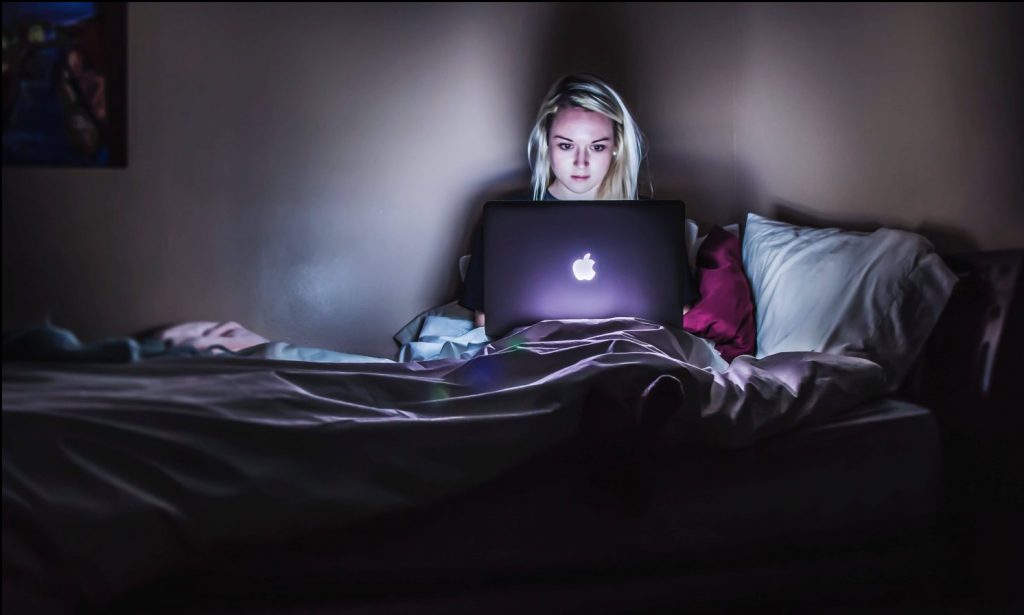
The pandemic has affected all of us in different ways, but a particularly sensitive subset has been teens. The lack of school and structure, which might have been fun during the first couple of months in the pandemic, has long disappeared. Teens are now coping with full schedules and school work, piled atop of all kinds of pandemic concerns.
This new generation of teenagers has grown with social media, an element that has increased social anxiety in people of all ages. For teens, however, social media has played a pivotal role in a suggestible moment in their lives, increasing their anxiety and depression and making them compare themselves to their peers, thinking that all of them are having a better time than they are. It’s the epicenter of FOMO.
In a pandemic, these anxieties are increased tenfold.
Photo by Victoria Heath via Unsplash
According to a national poll, 46% of parents claim their teenagers mental health has worsened. The CDC reports that the amount of 12 to 17-year-olds in ER rooms for mental health reasons has increased 31% in 2020 when compared to numbers in 2019.
After speaking with experts and going over data, the New York Times reports that while remaining isolated and away from school is a big stressor, the biggest problem for teens is the pressure they face to achieve their goals.
Per the Times: “Nearly half of all students reported that the pressure to do well in school had increased since 2019, and over half said their school-related stress overall had risen. Grades, workload, time management, lack of sleep and college fears were the most commonly cited sources of stress. These findings held across socioeconomically diverse schools.”
Photo by Jeswin Thomas via Unsplash
Many students say their parents have maintained their expectations with grades and behaviors throughout the pandemic, not accounting for the extra stress they’re exposed to.
When it comes to facing these problems and treating teens, CNN provides some helpful tips. “I encourage parents to look for any marked change in their child’s mood or behavior due to anxiety and worry. Stressed kids can present as irritable, avoidant, even withdrawn. And/or their stress might manifest in physical symptoms, including fatigue, muscle pain, headaches, stomach issues and difficulty sleeping.”
It’s recommended to keep an eye on teens’ behaviors, noticing if they’re short tempered, getting angrier than usual or displaying other behaviors that are out of the norm. Talking, listening and creating a safe space for teens might help them sort out their feelings and feel safe.
When it comes to food and heart health, there are two factors that matter: the kind of food you eat and the timing of it.
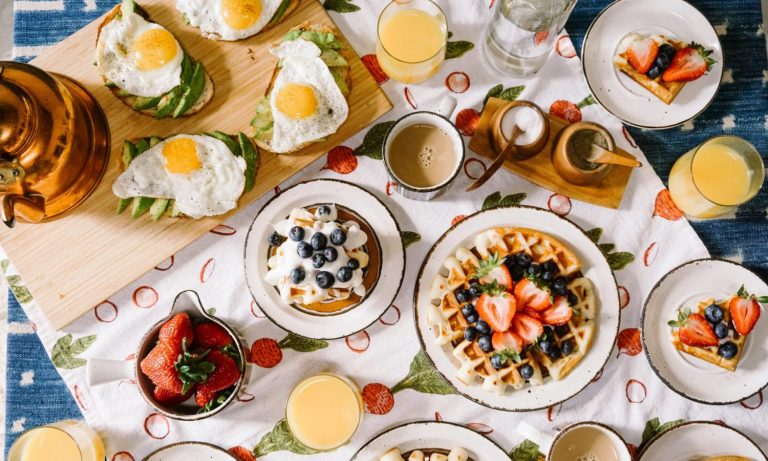
While eating three meals a day is the standard set by all guidelines, for a majority of people, it isn’t a reality. It’s difficult to eat all meals when you have to wake up, eat, go to work, eat on the go and then eat again at home. According to a new study, skipping breakfast may create some risks when it comes to your heart health.
Published in the journal Clinical Nutrition, the study was a meta-analysis that looked at seven different studies conducted on breakfast and heart health. While the studies had conflictive evidence, researchers hoped to provide some clarification with an overview of them all.
Over 220,000 participants were analyzed. 22% of them skipped breakfast, experiencing an increase in cardiovascular disease risk.
Photo by Brooke Lark via Unsplash
This isn’t the first time that skipping breakfast has been associated with poor heart health. According to the American Heart Association, people who skip breakfast are more likely to experience diabetes, obesity and high cholesterol, all conditions that are related to heart disease.
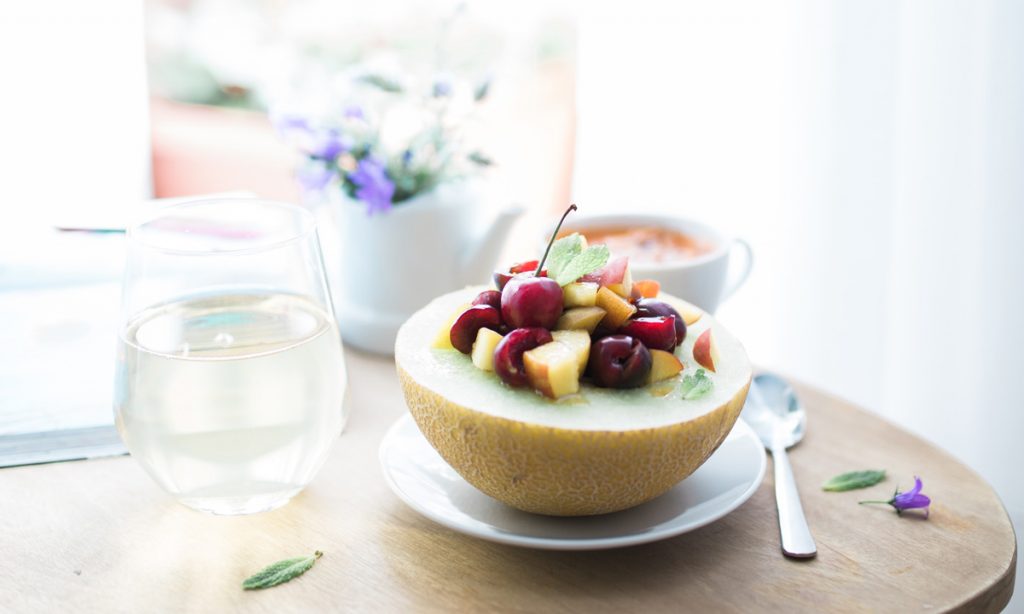
While all meals are important, breakfast holds a special place in our days. It’s the meal that provides us with that initial burst of energy, determining our moods, helping us concentrate and replenishing the energy and nutrients that your body craves and lost through the night. Breakfast breaks the overnight period of fasting, which is usually long.
It’s common for people to skip breakfast due to time concerns, prioritizing meals like lunch and dinner. But breakfast is pivotal for a variety of reasons. It helps people maintain their weight, controlling their appetite and preventing them from eating something caloric just because they’ve reached the middle of their day and haven’t had the time to eat a thing.
People who eat breakfast regularly tend to be healthier, in their heart and their lives. If there’s one meal you should prioritize is that one.
Schumer needs to make progress on critical issues to earn respect and obtain the necessary power to legalize marijuana. Point blank.
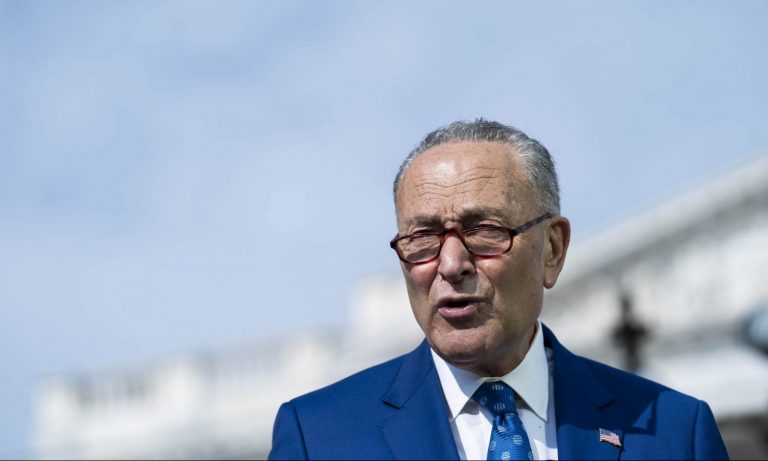
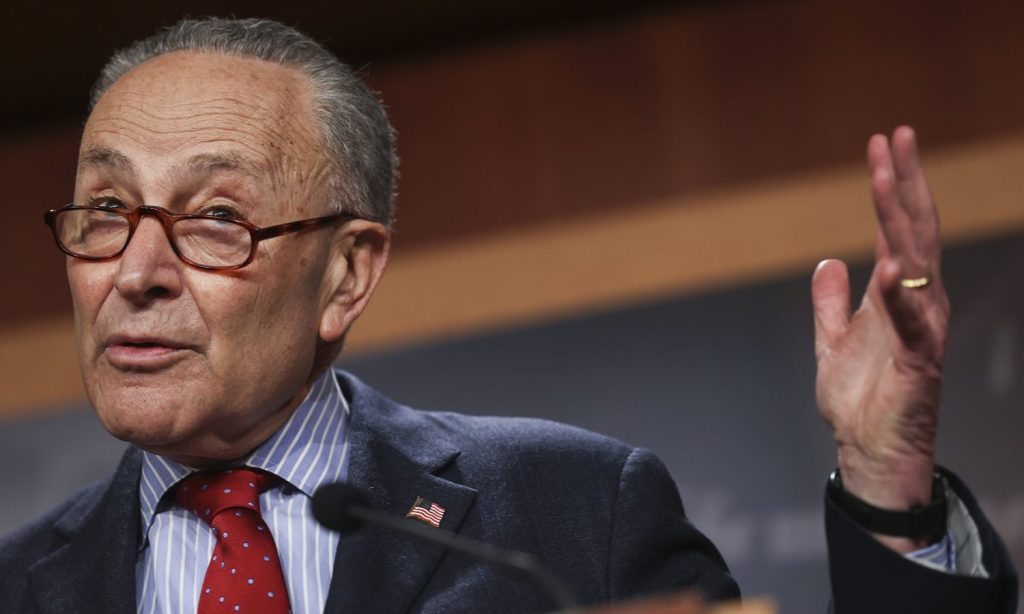
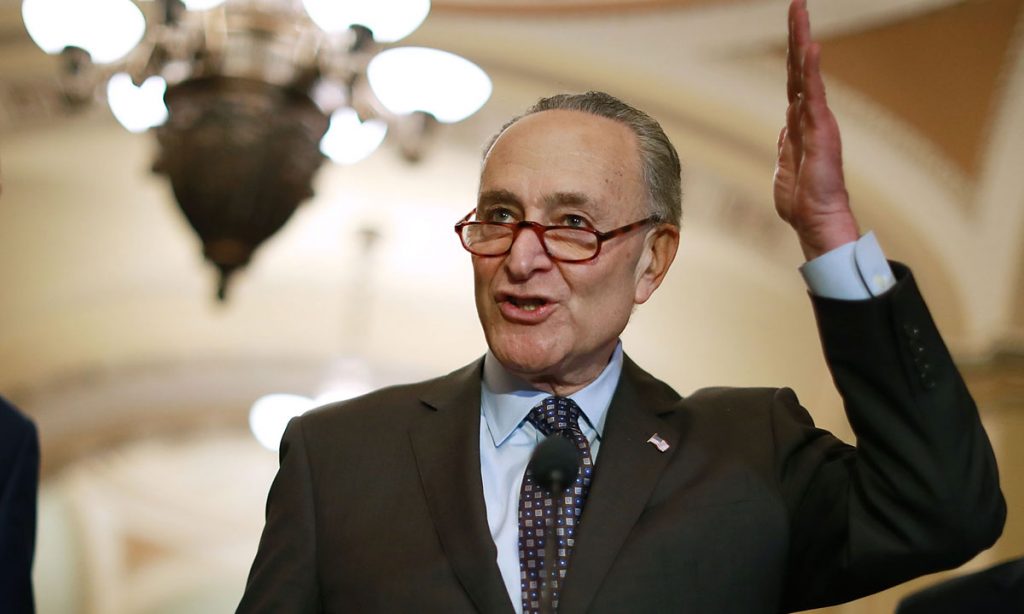
Long before Chuck Schumer was Senate Majority Leader, he believed he would eventually be the guy to eliminate marijuana prohibition nationwide. Now that he’s got the job, however, the task of reforming federal cannabis law is proving more difficult by the day.
Not only must Schumer contend with eventually trying to pass controversial cannabis legislation in a Congress where Democrats only have a slim majority, but he also must watch how he handles other delicate issues or else it could sabotage the necessary votes he needs to advance his pot bill to the next level.
In other words, Senator Schumer is in a tight spot.
Photo by Jonathan Ernst/Pool/Getty Images
At the moment, Schumer is doing his best to walk the white line down the middle of the road. He’s working on bipartisan efforts while also making promises of progressive change. It all seems to be an attempt to keep the peace and narrow the strong divide that has existed for years in Congress. Still, Schumer can only extend this political olive branch for so long while the parties try to come to terms on topics that they’ve historically disagreed upon. There is little doubt that this people-pleasing tactic will eventually catch up with Schumer and cause his plans to implode.
Schumer needs to make progress on critical issues to earn respect and obtain the necessary power to legalize marijuana. Point blank. He really needs talks over Biden’s infrastructure deal to go smoothly, but that doesn’t seem likely. Senate Minority Leader Mitch McConnell just came out this week and said that absolutely no Republican Senators would get behind the $4 trillion deal.
Unfortunately, time is of the essence. Schumer can’t negotiate with Republicans on this issue too long, as it could rile up liberal Democrats and turn them against him. Let’s be clear, Senate Majority Leader Schumer cannot afford to lose any more support from his own party if he plans to legalize weed. There’s already enough doubt within the party to ensure that Schumer’s promised “comprehensive” marijuana legalization plan, one that is expected to come with expungements for cannabis convictions and policies designed to help small businesses, is dead on arrival.
A handful of Democrats have come out over the past two weeks and expressed disdain for cannabis reform to some degree. They believe that legalizing the leaf, like alcohol and tobacco, would be more of a detriment to the country than a benefit. So, if Schumer’s pot bill (the one that hasn’t yet been introduced) was voted on today in the Senate, it simply would not go.
Photo by Chip Somodevilla/Staff/Getty Images
So far, Schumer has been good about keeping restless Democrats at bay. But he understands the need to draft policies that can survive the Senate filibuster — a rule requiring a 60-vote supermajority. He still appears to be figuring out how to do this with marijuana reform. Schumer wants to move on specific issues — he’s planning to pass another budget reconciliation bill that can be done without Republican input — but he understands that this too requires some savoir faire. Anything he does from now to the introduction of his long-awaited marijuana legislation could dictate whether it will receive the necessary support to pass Congress.
Perhaps this is why cannabis advocates have only heard Schumer yammer on about this legislation and not yet seen any concrete action. Schumer knows deep down that a push to end federal marijuana prohibition would fail miserably at this juncture. McConnell has already proven to have the power to prevent all GOP Senators from buying in.
Furthermore, conservative lawmakers tend to get bent out of shape when progressives push issues like drug reform in the face of a nation still struggling with economic snags like the country has experienced with COVID. Schumer is no dummy, though. He understands that timing is crucial, so he will likely hold off on his pot bill for a while longer.
On the upside, it is conceivable (although unlikely) that the current negotiations between Democrats and Republicans may include a side note for pot reform. Hey, we’ll budge on this if you’ll budge on that.
Seventy-percent of the total population of this area is actively or passively involved in the cannabis industry. Cultivating cannabis is their culture, with techniques passed down through generations of growers.
If you have watched the docuseries “Sasquatch” by Hulu or “Murder Mountain”; a docuseries by Netflix, you’d have an inkling of what goes on in Emerald Triangle.
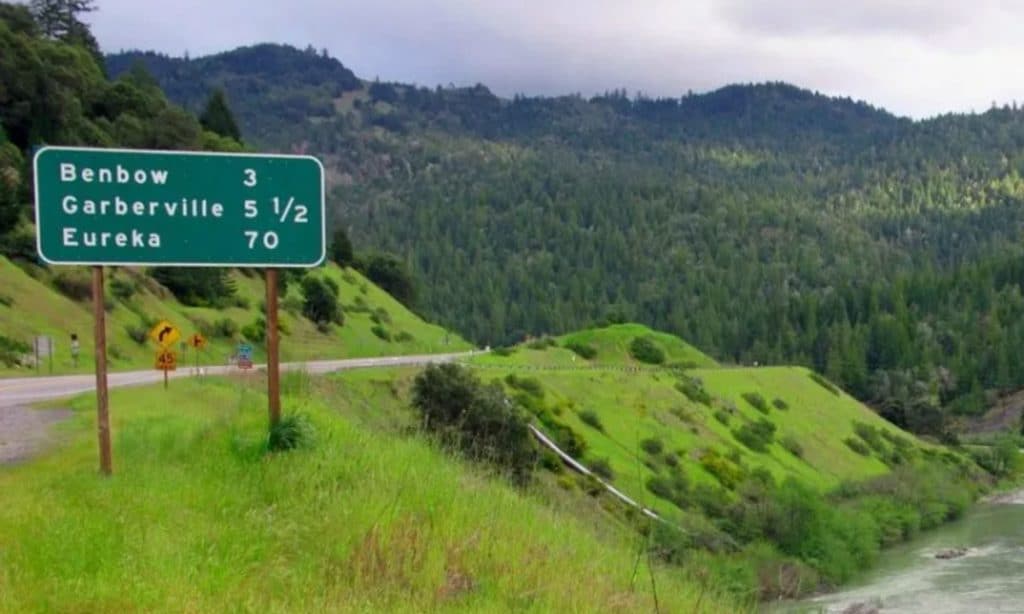
Located in the northern area of California — about 85 miles north of San Francisco to be precise — lies a lush and green mysterious locality that serves as the prime location for growing the best and highest amount of cannabis in the United States.
Yes, that’s the Emerald Triangle!
Photo by Angela Bacca/Project CBD
Emerald Triangle
The name ” Emerald Triangle” was well thought out. Emerald was used to denoting the green color of the vast marijuana plants that can be found throughout the area. “Triangle” was used to denote that the area was the point three separate counties met. These three counties are Mendocino, Trinity, and Humboldt counties. These three locales make up the three sides of the triangle making the Emerald Triangle.
The union of these counties boasts of more cannabis than any other area in the states. Added to the fact that their products are of premium quality and considered one of the best in the world.
The area is surrounded by hills and a free expanse of land. The population in each of these counties is sparse compared to other parts of California. The isolated nature of the area makes it perfect for some of its illegal cannabis cultivation.
Photo by Sharon McCutcheon from Pexels
Becoming Emerald Triangle
The transition of a lush area of land into what is now considered the “cannabis holy land” in the united states is astounding.
In 1967, there was a “summer of love” movement in San Francisco. It was a social movement that revolved around a countercultural back-to-the-land initiative. The event saw at least 100,000 people assemble to spread love, as well as a smoke lot of pot.
These people were referred to as “flower children” back then. They all stayed back in this region and quickly took to growing cannabis for their consumption. With time, their farms grew and they began selling their products to sustain their families.
The progress cannabis culture currently has in California was founded by these progressive individuals back in 1967. It was no surprise when less than 30 years later, in 1996, the medical use of marijuana was legalized with the Proposition 215 bill.
The Economy of the Emerald Triangle
Currently, the wide expanse of land is the primary place of residence of almost 250 million people, if not more. Seventy-percent of the total population of this area is actively or passively involved in the cannabis industry. Cultivating cannabis is their culture, with techniques passed down through generations of growers. It is not unusual to see children of all ages working on their families’ cannabis plots in the Emerald Triangle.
The economy of this area would crash when cannabis is legalized for recreational use in California or on the federal level. The illegality of the drug is what makes it seem expensive. When in truth a plant of cannabis should be around the same price as herbs like parsley. Cannabis does not need that much capital to cultivate.
Emerald Triangle had a steady stream of workers coming into town to get employed on one of the fields. Even tourists visit to check out the infamous area. This influx of visitors also adds to the economy in terms of tax revenue given to the local shops.
Growing Cannabis In Emerald Triangle
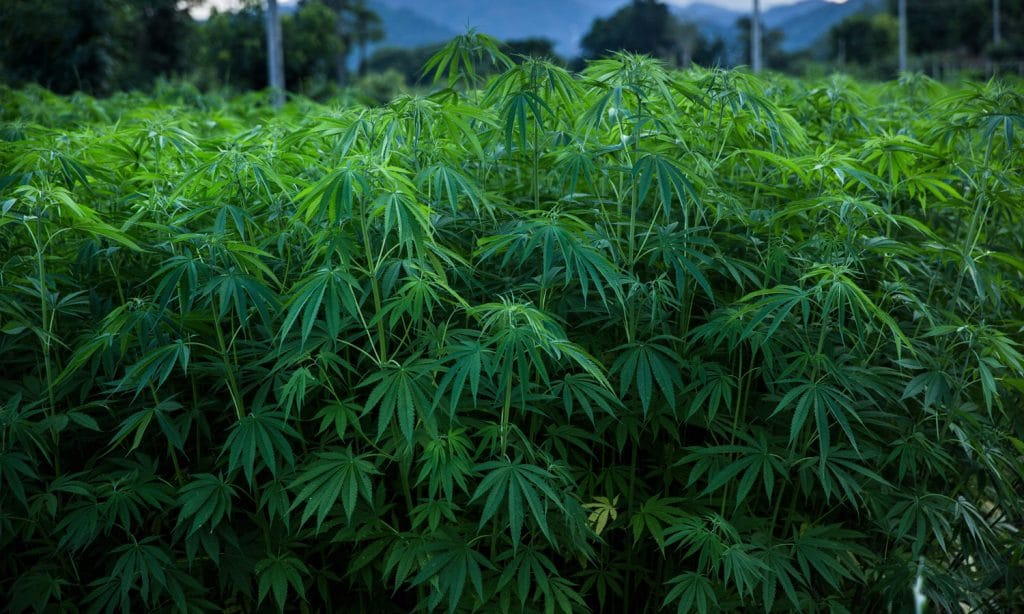
The topography of this wide expanse of land cloaks the activities of marijuana farmers. The agricultural settlements are scattered across the dense woods and mountains present in the area.
The soil in the emerald triangle has one of the best edaphic factors suitable for the growth of marijuana plants.
Scientists say that the climate and microclimate of this tri-county promote the growth of the different strains of weed grown here.
The unique biodiversity nature of the environment can also not be ignored. It’s almost like the stuff of legends… Perfect balance between rain and sun.
Photo by Bloomberg Creative Photos/Getty Images
Cultivation techniques have been developed around the unique biodiversity present in this area. The farmers tend to use sustainable and environment-friendly methods to cultivate marijuana.
However, there are some bad eggs among them that add chemicals and other non-sustainable practices to increase the size of harvest from their plots — greed, I guess.
Almost 2 million pounds of cannabis were produced last year in Emerald Triangle. With each plant being as tall as 1.5 meters (nearly 5-feet), as well as broad.
Some of the popular weed strains grown in this region include;
The vastness of the emerald triangle makes it very convenient for a person to get lost or in extreme cases murdered. Not only is the area known for its high production of cannabis, but it is also renowned for its crime rate. Especially the Humboldt county.
Although steps have been taken to curb the crime rates, Humboldt still has a lot of changes to make to lose its alias as “Murder Mountain”.
All indications lead to Emerald Triangle remaining at the forefront of cannabis production in the United States. The way Napa has always been linked to the best wines is the same way Emerald Triangle will remain acclaimed for its premium cannabis.
If you’re looking to visit, schedule your visit for October, fondly referred to as “Croptober” over there. That is the period where the counties will be agog with harvest activities.
The anticipated 2023 FDA approval of MDMA-assisted therapy for PTSD is closer to becoming a reality than ever before.
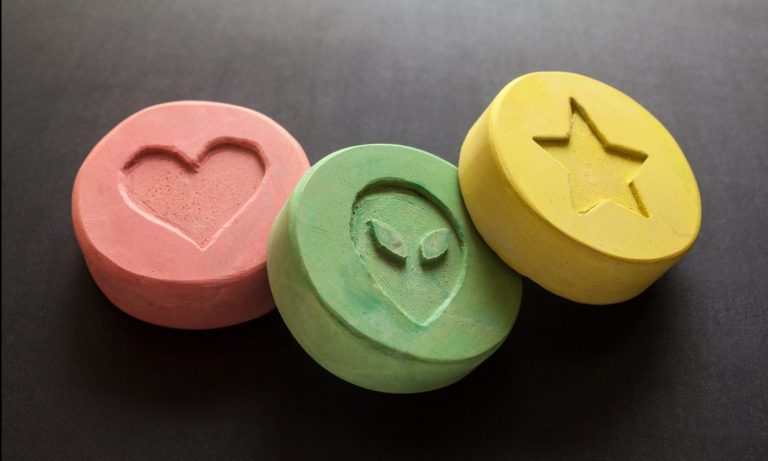
The Multidisciplinary Association of Psychedelic Studies (MAPS) has worked for the last 35 years to shift the perception around psychedelics as a treatment tool for mental health issues. Now, with the release of data from its Phase III trial with the FDA for the use of MDMA (ecstasy) to treat PTSD, MAPS’ work has coalesced into findings that could change the mental health treatment landscape as we know it.
MDMA is on the cusp of FDA approval to treat PTSD — not just for military veterans, but for an array of people who have suffered from abuse and other trauma-inducing events.
In 2017, the FDA granted MDMA “breakthrough therapy status” in anticipation of approving it as a medication for mental health, and the release of MAPS’ latest statistically significant findings constitutes a huge leap towards legalization.
Photo by Pornpak Khunatorn/Getty Images
The conversation around the legalization of psychedelic drugs is not new to the mental health community. Trials testing the efficacy of psychedelics such as LSD for mental illness began as early as the 1950s. By the 1960s more than 1,000 papers had been published about LSD as a treatment for depression, alcoholism, schizophrenia, and as an adjunct to psychotherapy. These trials lacked the scientific rigor necessary for legitimacy in the eyes of the FDA, but due in no small part to the work of MAPS, legitimacy is no longer the stumbling block it once was.
MDMA showed efficacy for treating PTSD in six MAPS Phase II trials, providing a cost-saving and clinically beneficial treatment for those with severe or extreme chronic PTSD resulting from any cause. The Phase III trial is the first of any psychedelic-assisted therapy. It was a randomized, blinded study designed under an FDA-approved Special Protocol Assessment. 90 patients with severe, chronic PTSD were enrolled in the trial and randomized to receive either MDMA or a placebo. The results, according to the lead author of the paper, Jennifer Mitchell, Ph.D., were significant. “People with the most difficult-to-treat diagnosis, often considered intractable, respond just as well to this novel treatment as other participants. In fact, participants diagnosed with the dissociative type of PTSD experienced a greater reduction in symptoms than those without the dissociative subtype.”
Photo by Anthony Tran via Unsplash
The Phase III trial data revealed that 67% of the group who received MDMA no longer qualified for a PTSD diagnosis after three treatment sessions (compared to 32% of the placebo group). 88% of participants in the MDMA sessions experienced a clinically significant reduction in symptoms, as opposed to 60% of the placebo group who received therapy alone. Mitchell attributes MDMA’s effectiveness to its role as a catalyst in therapy, which often involves recalling, and frequently reactivating, previous trauma. “The unique ability of MDMA to raise compassion and understanding while tamping down fear is likely what enables it to be so effective.”
Researchers are currently enrolling participants in a second Phase III trial and MAPS is formulating plans for additional studies to evaluate MDMA’s efficacy for mental health conditions not yet explored, as well as other protocols beyond one-on-one sessions, including group therapy and cognitive behavioral therapy focused on couples. The fact that MDMA is currently classified as a Schedule I drug and defined as having “no medical benefit” means that the only way to receive MDMA-assisted therapy right now is through clinical trials.
However, the FDA has given its blessing to an expanded access program so that 50 patients can access MDMA-assisted therapy before it is approved and MAPS has committed to confronting accessibility and equity issues from its own side of the table. While not a sure thing, with MAPS’ latest data and continued efforts in alignment with FDA requirements, the hoped-for 2023 FDA approval of MDMA-assisted therapy for PTSD is closer to becoming a reality than ever before.
All you need is love, love is all you need…but is it true?
Marijuana is used for many purposes from relaxing, to having fun, to some serious medical benefits. The plants releases the power to help feel good mentally and physically to pain relief. But, does marijuana increase desire?
Well, according to data, Over 70% of men and women reported that cannabis slightly or significantly increases desire. And here are some reasons why.
Dating website tenderfling collected information on the effects of cannabis on sexual arousal. The results might be surprising to you!
Marijuana is a natural aphrodisiac
An aphrodisiac is something that promotes sexual desire or improves the sexual experiences of the users. While marijuana is often examined for its impacts on the mind and body, not too many studies have been conducted about the ways that it impacts desire. However, one of the most important research studies showed that almost 70% of people have said that marijuana actually increases pleasure when having sex.
Photo by vadimguzhva/Getty Images
Strains can be key as some make you feel more active while others are going to leave you in a heap in a chair so you can relax. More importantly, you have to consider the dose of marijuana you consume before taking part in any fun bedroom activities. If you consume too much, then you’ll be less likely to act on your desires. Get to know the impact of marijuana on your body before you start trying to use it as an aphrodisiac.
Studies on the effects of cannabis on sexual desire
How exactly does marijuana affect sexual desire? Studies found marijuana can produce a feeling of euphoria in the people who consume the plant. Tying those euphoric feelings to sexual desire is not difficult. People who have a head high are more likely to report greater feelings of pleasure in many areas of life.
Currently, many studies done on the subject are anecdotal, so more evidence need to be gathered as it becomes increasing legal.
One of the only surveys that were completed on the topic showed that there was a positive association made between people who used marijuana at some point in the day and the frequency with which they had sex. Yet, it’s hard to ascertain whether or not that willingness and desire were tied solely to marijuana, so the association is pretty loose. However, many people have come forward on online forums to say that they have become more prone to desire after smoking. Thus, the studies are somewhat inconclusive, but the user data is telling: using marijuana is likely to spark some feeling in your body when you have a partner in mind.
Cannabinoids increase the activity of brain areas associated with sexual arousal
When talking strictly about the science of what happens when you’re aroused, it’s a little easier to examine the impact of cannabinoids on the brain. At least one such study has been completed to examine the impact of marijuana on the pleasure centers and arousal centers of the brain. Basically, one study suggests that cannabinoids can impact the human body’s endocannabinoid system. There, cannabinoids will make people feel more relaxed, feel decreased pain, and have heightened awareness of pleasure.
Photo by Witthaya Prasongsin/Getty Images
Combined with a study from 2017 that asked very private questions about marijuana users’ sex lives, it’s clear that marijuana use can increase the sexual arousal that some people feel when they’re using. That includes an ability to achieve orgasms and have more intense sexual outcomes. It’s very interesting to note that these studies can become more common in places that have decriminalized the use of marijuana. So, future studies should be able to tell us all much more about the impact that marijuana has on sex.
After all, not every marijuana user feels the same way after smoking. Some people become more introverted and closed off from the rest of the world, while others are more likely to act with a higher level of openness. When the studies can consider people of all kinds, there will be a better chance for it to be more inclusive of all the experiences people have. That way, people that are not used to taking marijuana can learn about the benefits and potential drawbacks that happen to individuals and learn what outcomes can be considered “typical.”
All in all, it would seem that the data that is available right now suggests that marijuana does have an impact on sexual desire. People use it before getting involved with someone, and they feel stronger pleasure and desire than they would without it. However, there are a lot of things that can impact this outcome.
Everything from the strain that is smoked beforehand to the amount that a person smokes can change the level of sexual desire or willingness to have sex that someone feels. With that in mind, it’s a good idea to learn how it impacts you as an individual before you use it to increase your pleasure.
A new study finds that plant-based CBD may be associated with decreased alcohol consumption among regular cannabis users.
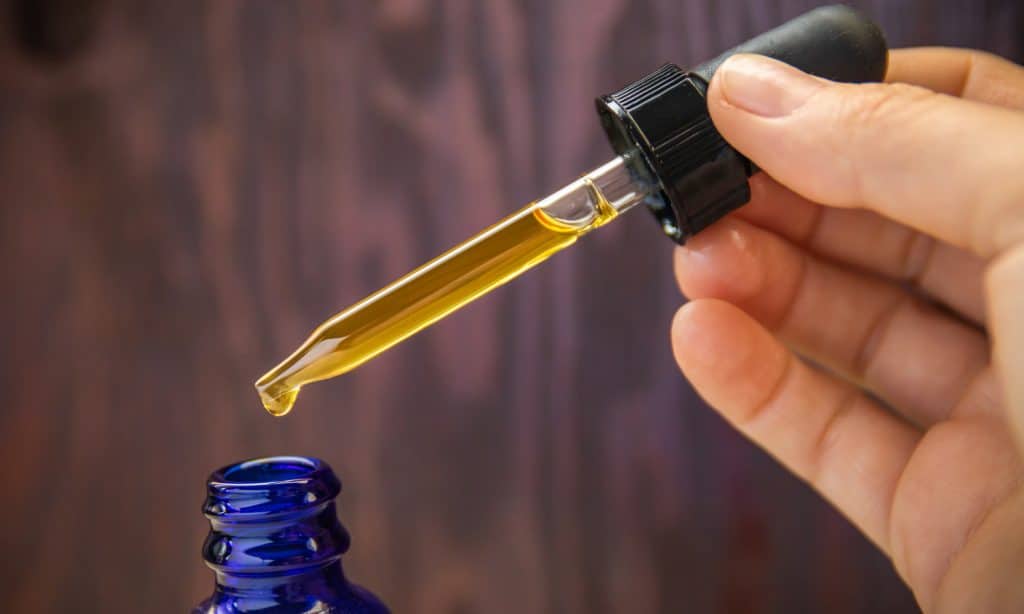
If you’re a consumer of CBD, there may be an extra benefit to reap from the compound. New research shows a connections between the consumption of CBD-dominant cannabis and reduced alcohol intake.
The study, conducted by researchers from the University of Colorado and published in the journal Psychology of Addictive Behaviors, examined cannabis use in 120 subjects, featuring CBD, THC or hybrid cannabis strains.
Researchers found that users who consumed CBD-heavy strains “drank fewer drinks per drinking day, had fewer alcohol use days, and fewer alcohol and cannabis co-use days compared with the other groups.” Users of THC or hybrid strains showed no difference in between their drinking patterns.
Photo by HighGradeRoots/Getty Images
Results of this recent study showing a connection between CBD and less alcohol consumption are consistent with findings in previous studies. Aside from alcohol, the use of CBD has been connected with a decrease in opioid, heroin, tobacco and other substance use.
“The present study lends preliminary support to the notion that plant-based CBD may be associated with decreased alcohol consumption among regular cannabis users and suggests that it may be feasible for regular cannabis users to switch to a higher CBD, lower THC content cannabis strain for the purposes of reducing their alcohol intake,” concludes the study.
CBD has long been related with reduced alcohol intake. Previous studies have found the compound useful for treating heavy and chronic drinkers, finding that those who consumed cannabis had less alcohol on the same day. While this relationship is not understood, the amount of studies available show that there’s room to explore in this field, and that, with enough research, solutions and treatment options can appear for people who are heavy consumers of drugs and alcohol.