There’s a lot of myths that surround phones and their batteries. Here’s what happens if you charge your iPhone battery too often.
While many of us shut down our laptops everyday in order to preserve battery and improve performance, others charge their phones strategically in order to avoid the wear and tear that happens after long periods of charging. What’s the right thing to do if you want to take care of your phone’s battery?
Smartphone batteries tend to functioning really well in the beginning, wasting away as time passes. There’s no way of preventing this, but charging patterns might have an influence.
Photo by Ketut Subiyanto via Pexels
Apple says its iPhones “remain at full charge for prolonged periods of time, battery health can be affected.” Other phone makers, such as Samsung and Huawei, say that phones shouldn’t be charged overnight and that keeping your battery within the 30%-70% range is best for prolonging battery life. In short, according to USA Today, don’t wait until your phone reaches 1% of battery; when it starts to get below 30%, try to plug it in and charge it, that way your battery will have a longer life and you won’t go through your battery’s finite amount of cycles.
Batteries are complicated devices, working differently depending on the way they’re made and the components within them. While the vast majority of smartphones are smart enough to avoid overcharging, most experts agree that once the battery is completely charged, there’s no need to leave your phone plugged in in order to prevent trickle charge.
PC Magazine says trickle charge can generate heat, which, depending on your phone’s circumstances, could create extra heat and damage the battery. A clunky protective case, putting your phone under your pillow or stacking stuff on top can easily increase the heat levels in your device.
Otherwise, there’s not much you can do except face the fact that phones wear with age, including their batteries. In order to protect your battery you can smartly utilize your device’s low battery mode, preventing running your battery to zero percent, and invest in some certified cables and chargers, which can also harm your battery life.
The strict protocols and rudiments employed in the production of organic CBD help to ensure that no filler and adulterants are added into the production process.
CBD is the second most popular cannabinoid derived from the cannabis plant and much of its popularity has been on the back of its numerous medicinal benefits. These medicinal benefits of CBD also account for the legalization of hemp-derived CBD in a lot of states in the US.
Although it is still illegal federally, this beneficial hemp extract has been infused and incorporated into different products, such as oils, creams, lotions, and transdermal patches. CBD products are classified into full-spectrum, broad-spectrum, and isolate depending on the presence of other cannabinoids. However, CBD can also be classified into organic and non-organic CBD depending on the process of cultivation, handling, and harvesting.
It is possible for some users of CBD to not have noticed the fact that there are organic CBD products and non-organic CBD products. However, there are and the products differ in terms of method of production as well as effects. It is a general belief that organic products are probably healthier while non-organic products are cheaper.
Organic CBD
Organic CBD refers to CBD derived at a higher standard compared to the non-organic alternative. As seen with organic fruits and vegetables, deriving an organic product has a lot of rudiments applied to it. It involves the process of growing the crops, the harvesting process, the extraction process, and final handling and storage. For an agricultural product to be labeled organic, it needs to pass through some specific conditions and requirements put forward by the US Department of Agriculture. These conditions and guidelines start from the field and end at the stage of storage and final processing of the product.
How to produce organic CBD
The first stage of producing organic CBD starts from the field where the hemp is to be grown. The soil to be used in growing the crop must not be treated with organic-prohibited substances like pesticides. The soil must have also not been treated with such substances 3 years before the hemp cultivation process commences. This ensures that the soil maintains its integrity and heavy metals and detrimental chemicals have not compromised its uniqueness. It is also important that no synthetic additive is added to the soil to boost the growth of the crop.
Photo by IRA_EVVA/Getty Images
The treatment of the soil to be used goes beyond just keeping synthetic substances away from the soil. For organic products to meet guidelines stipulated by the USDA, the soil must be maintained through cultural practices such as crop rotation, use of natural fertilizers, and tilling of the ground. These practices ensure that the soil maintains its biological and chemical profile and it also limits infestation by insects and other pests. For organic CBD to be derived, there must be a total prohibition of the use of genetically engineered seeds in the cultivation process.
From the protocols and conditions of the field, the next set of conditions apply to the harvesting process. At the harvesting process, stricter protocols than those placed on the field are experienced. It generally involves the harvesting process from the field and the handling and storage process off the field. The USDA has a National List of Allowed and Prohibited substances and all substances that fall under prohibited mustn’t be allowed to come in contact with the crop. All noni agricultural ingredients that do not conform to the list should be excluded from the harvesting and storage of the products.
Role of personnel
Production of organic CBD largely depends on the effectiveness of the personnel on the. Their roles are very important as it applies to quality control and good production process to achieve the desired final product. Care must be taken by the personnel to ensure that during mixed crop harvesting, organic and non-organic CBD products are completely separated. It is also their role to be attentive to ensure that prohibited and non-organic substances are not allowed to come in contact with the crop products. This ensures that cross-contamination does not occur which will nullify the essence of the whole exercise.
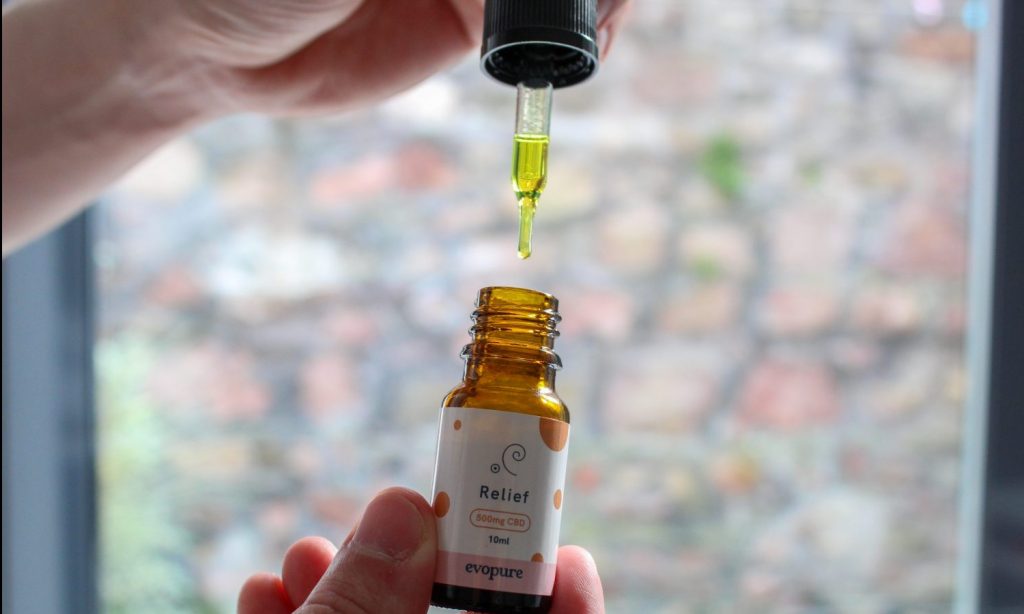
Photo by Evopure CBD via Unsplash
Importance of organic CBD
The benefits of organic CBD will not be fully understood if one doesn’t consider the care and thought applied towards producing the products. The exclusion of synthetic products like pesticides, synthetic fertilizers, and other chemical influences helps to maintain the integrity of the components of the soil. It also ensures that the full spectrum of the cannabinoids and other phytochemicals are available without being contaminated with chemicals. The presence of these cannabinoids ensures that the entourage effect of the cannabinoids is fully effective and gives rise to more medicinal effects.
The strict protocols and rudiments employed in the production of organic CBD help to ensure that no filler and adulterants are added into the production process. It begins from the cultivation process to the extraction process and ensures that the identity of such products can be trusted. The product is devoid of heavy metals and consists of natural substances that give rise to beneficial effects that further enhance the effectiveness of the product. The plant doesn’t get to absorb toxic chemicals and materials that may be detrimental to the health of those that use the product.
Organic CBD is also important for sustaining the environment due to the processes involved in its production. The use of organic practices is as beneficial to the plant as it is to the environment. It helps to reduce soil erosion, infestation by insects and pests, increase soil fertility, and reduce pollution.
Bottom line
Organic CBD offers the medical benefits of CBD which include:
Granting relief from pain
Reducing inflammation
Promoting calm and relaxation
And promoting quality sleep
Finally, note that organic CBD is produced through strict protocols to ensure it provides the needed health benefits of CBD without additional harmful effects.
Market response to cannabs pre-rolls exceeded expectations in 2020.
Undeterred by the coronavirus pandemic, sales increased nearly 50% across California, Colorado, Nevada, Oregon and Washington, according to Marijuana Business Daily citing data from Headset and LeafLink. The sector became the second-fastest growing cannabis item, only behind flower (54%).
Operators say that they expect pre-rolls to continue to perform well in 2021, in line with the rest of the market.
Record Highs
LeafLink noted a market share increase from 6.2% to 7.5% for pre-rolls last year.
Alex Feldman, LeafLink general manager of insights and marketing services, stated that if 2020 is any indication of seasonal performance, then a slight spring dip could give way to a “potentially large increase” during the fall as post-harvest supplies arrive.
But market performance can’t be isolated from the pandemic’s influence, according to Headset analyst Cooper Ashley, citing how pre-rolls were dealt a blow early in the pandemic.
The five states mentioned above saw market shares drop 17% for the items, going from 10.5% in February to an 8.7% share in April.
Since then, strong month-over-month growth propelled the sector to new heights — a 10.8% market share in October.
“As we move into the warmer months of the year and as life moves back towards a post-COVID ‘normal’ it would make sense for pre-roll sales to increase,” Ashley forecasted, also noting a shift in buying to larger package sizes.
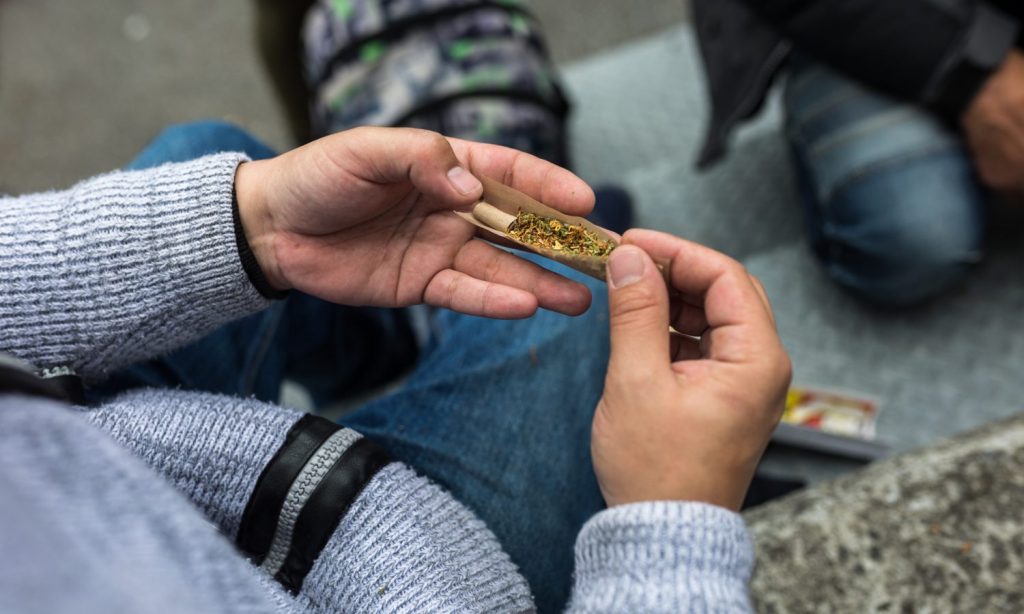
Photo by Jeff W via Unsplash
2021’s Market Surge
David Farris, VP of sales and marketing at Las Vegas’ Planet 13 Holdings Inc. (OTCQX:PLNHF), noted a shift in customer purchasing, with larger pre-roll orders becoming the norm.
Planet 13, which introduced a pre-roll line recently, has seen its buying demographic shift during the pandemic, going from 90% tourist business to almost entirely local. The pandemic also led to consumers buying pre-roll packs, as well as mixing and matching from cultivators, said Farris.
Farris credited Planet 13’s extensive product choices, including its in-house brands, as a motivating factor in consumer purchasing.
The pandemic played its part as well, serving as an accelerant to an already hot market.
“The pandemic accelerated that trend as it led to more opportunities to consume with work from home arrangements and also caused conditions that likely led to increased usage,” stated Louie Reformina, chief business development officer at Turning Point Brands Inc. (NYSE:TPB).
Strong pre-roll sales are just the beginning, according to David Bleicher, brand manager of Green Thumb Industries Inc.‘s (OTCQX:GTBIF) pre-roll line Dogwalkers.
“Consumers will continue to seek unique ways to consume their flower and will demand it in convenient and single-use formats, like pre-rolls,” he predicted.
The PSA that reads, “Just a simple toke of ‘devil’s lettuce’ could make you sacrifice your family to Satan!” is a complete work of fiction.
An anti-marijuana advertisement has been making the rounds on social media lately, and it is making some parents a little nervous. The ad states that smoking weed is the “leading cause of America’s youth joining Satanic Cults, and that’s a fact.” Gasp!
As one might imagine, the thought of Little Jimmy and Jenny getting high with friends one morning under the monkey bars and, unbeknownst to them, subsequently being put in a league with Satan is enough to send chills down the spine of any upstanding mom and dad. Parents have come to expect that marijuana might be a gateway drug for their teen, maybe even one that leads them down a path to penniless squalor, but not Satanism! Rest easy, mom and dad. The viral PSA is fake.
At first glance, the ad that reads “Smoke a doobie? You’re smoking with SATAN ” looks like a legit enough warning against the use of marijuana — something that is now legal in over half the United States. It is a finely crafted piece that appears to have been made by the graphic design professionals at the Ad Council. The ad looks like it means business, so the claims must be true, right? Not so fast.
Fact check: Viral ad on marijuana and ‘youth joining satanic cults’ is a #hoax.
— DC Marijuana Justice??????? (@DCMJ2014) March 12, 2021
We live in a time of misleading news, artificial intelligence and deep fakes. Technology is now so sophisticated that people don’t even need to hit the gym anymore to look fit for their profile pictures. Nope, there’s an app that will sculpt them to look like Greek gods and give their followers the impression that they workout 12-hours a day. Apps also make it easy for creative minds to produce phony social media ads. Anyone with a phone can do it. Still, that doesn’t stop much of the American population from believing their messages and using the share button to spread the lies.
So, yes, just in case you were bamboozled by the bull, the Ad Council PSA that reads, “Just a simple toke of ‘devil’s lettuce’ could make you sacrifice your family to Satan!” is a complete work of fiction. There’s no truth in it whatsoever.
Anyone who thought to examine the ad closer would have seen the ridiculous message printed at the bottom: “If you or someone you know is addicted to marijuana, call Domino’s at 215-712-1000, rent a tape and enjoy!” Since a pizza chain doesn’t run the Ad Council, and nobody is renting video tapes anymore, that’s a pretty solid indication that the ad was designed to be funny and never intended to be taken seriously.
Photo by rawpixel.com
Unfortunately, many folks had a knee-jerk reaction to the ad and shared it without giving it a full review. I even shared it on my Facebook page a few months ago because I thought it was hilarious. I mean, if everyone who smoked pot ended up in a Satanic cult, well, we would all probably be using Ouija boards to sing the National Anthem at sporting events.
I was shocked just how many of my followers got angry over the ad and even posted comments about how it was “reefer madness” and all part of the federal government’s plot to maintain pot prohibition. They never stopped to consider that some silly stoner probably designed it in his parents’ basement in hopes of getting some laughs — just an evening of design hijinks in pursuit of clicks and likes.
A recent USA Today fact-checking mission confirmed that, yep, the ad is as fake as it gets. “The image is not an Ad Council piece,” the news source wrote. “The Ad Council confirmed that the warning is fake, and similar advertisements on marijuana claiming to come from the Ad Council have been previously debunked.”
So, if you were ever worried about your teen using marijuana and then praising the Dark Lord, you can sleep better tonight knowing that’s probably not going to happen. Satanism and marijuana have absolutely no connection in the real world. In fact, Lavey Satanists reject the use of cannabis and any other drug.
Other Satanic groups are okay with marijuana, but they are not actively trying to lure kids into their covens with drug-induced tactics. Nope, regardless of how much marijuana they smoke, Little Jimmy and Jenny are still going to have to pay an annual membership fee.
This year Grammy’s were great despite COVID-19 limitations. Here are the best memes and tweets of the night.
After many COVID-19 related postponements and reworkings, the Grammys aired last night and went off without a hitch. In fact, it was one of the smoothest awards shows to be produced in the COVID era, one that worked especially hard to prevent us from feeling like we were watching a video conference.
Pandemic limitations resulted in a show that was tighter and more intimate, with no live audience to perform for. instead, this year’s awards show had performers share the stage and cheer each other on. Among the night’s highlights, it’s important to note that all major awards were won by women and that the Academy tried to highlight the injustices present in the music industry and the weight of the past year.
Other highlights include: the spotlight of musical venues across the country that have taken a hard blow due to COVID-19; references to Black Lives Matter protests; Megan Thee Stallion being a clear winner in everything; Beyoncé breaking Grammy records; Cardi B and Megan Thee Stallion’s performance of a censored version of WAP; and lots of memes. (If you missed the show, here’s a complete list of winners and nominees.)
If Republicans hope to win majorities in the House and/or Senate, they need to realize that the majority of American voters are overwhelmingly in favor of legalization.
Disclaimer:The views expressed in this article solely belong to the author and do not necessarily represent those of The Fresh Toast.
There are a number of reasons for legalizing marijuana, but in the current American debate, the most prominent argument is based on the fact that African Americans are disproportionately impacted by law enforcement. That is entirely understandable in the era of Black Lives Matter.
However, in his Senate confirmation hearing, Judge Merrick Garland, who was officially sworn in as Attorney General on March 11, also pointed out that interfering with state marijuana laws is “not a useful use of limited resources.”
It is astonishing that even today we are still arresting half a million Americans annually for simple possession of marijuana. That is more than for all violent crimes combined. Is that the best use of finite criminal justice resources? Is that a Conservative value?
It creates major opportunities for graft and corruption and also undermines the respect for the law generally. Historically, the arguments for “states’ rights” have just been used to limit the rights of minorities, especially African Americans, but the medical marijuana movement and the marijuana reform movement generally have been overwhelmingly white, until very recently. “White privilege” only goes so far.
Photo by Chip Somodevilla/Getty Images
Under Trump’s Attorneys Generals, Jeff Sessions and Bill Barr, the Department of Justice seemed intent on harassing the various businesses that were operating legally under state laws. Barr supposedly ordered DoJ attorneys to pursue antitrust enforcement against any mergers by marijuana companies. Antitrust laws are supposed to protect the consumer, which is not exactly what one might expect in this context.
In the meantime, the two main forces driving federal reform are still racial disparities and the States’ drive for badly needed tax revenues. Both have powerful constituencies. Senate Majority Leader Chuck Schumer (D-NY) knows that New York, and especially New York City, badly need new tax revenues and many new jobs. He has promised that the Federal government will get out of the way. And, of course, Speaker of the House Nancy Pelosi is from California.
Ironically, if Conservatives would show more support for legalization based on support for limited government, they might prevent high state sales taxes and overly complex regulations, and help end the black market, which everyone supposedly wants.
The Conservative movement is badly split between pro- and anti-Trump factions. If the Republicans hope to win majorities in the House and/or Senate, they need to stop and look at where the majority of the American people are: overwhelmingly in favor of legalization.
It is time that we stop treating cannabis like a street drug and start treating it like any other medicine or commodity in society.
Colorado has long been a shining beacon on how to legalize cannabis. Since they have officially gone green in 2012, they have been pioneering cannabis legislation and showing the world that if you legalize drugs — the apocalypse won’t come.
With some of the most inclusive and relaxed cannabis laws on the books, it’s no surprise that a new bill in Colorado would require schools to store cannabis-based medicines for students. Currently students may consume cannabis for medical purposes on school grounds as long as a legal Guardian provides them with the doses.
However, for working parents this is definitely a difficult thing to achieve. Especially when we’re talking about kids that require multiple doses during the day in order to manage their symptoms. For example, a child suffering from a seizure disorder requires multiple doses throughout the day in order to pacify any potential episodes.
This would completely inhibit any Guardian the ability to sustain any type of occupation other than that as the caregiver of the patient. In the instance of a parent that is working, it would be simply detrimental to the overall health and Wellness of the child. Especially if it’s inhibits the caretaker to earn a living.
This new bill aims to make life easier for kids who require multiple doses and would require schools and school districts to have a policy allowing their employees, like a teacher or a school nurse who is willing to administer cannabis is medicine to the students, to be able to do so without any legal repercussions.
While this seems like a no brainer for most people, this bill had to be drafted since there were some opposition in certain school boards who opposed the idea of giving children medicine- if it was cannabis derived. Now, lawmakers aim to rectify this by making it law.
This should be standard within all marijuana legalization initiatives
As more States and countries are legalizing cannabis for medical and recreational purposes, giving children access through the medical benefits should be considered standard practice. How can anyone oppose the idea of providing a child whose life depends on a particular medicine?
These same people would not inhibit a child from taking ADHD medication, or benzodiazepine in order to control symptoms of psychological disorders. Yet when it comes to cannabis, we continue to see a double standard.
Photo by Nguyen Khanh Ly via Unsplash
In 2021 there is more support for cannabis than there has been since it was first made illegal back in 1937. The international momentum that is built around did legality of cannabis, and the decriminalization of all drugs in general, shows no signs of slowing down. In fact, one could say that there is a sense of acceleration occurring all over the world.
Yet irrespective of this global shift in paradigm, we’re still finding people in key areas of society that oppose this change. For example, Joe Biden is one of these individuals who could very easily put his support behind federal legalization, yet still plays by the rules of the drug war.
The same rings true for local authorities as well. Nonetheless the majority of society remains constant with their support of cannabis. The Colorado bill that would require schools to store cannabis based medicines for students is a testament to the fact.
Photo by JJ Thompson via Unsplash
When what about the children is used in favor of cannabis
For many decades proponents of prohibition have used the “what about the children” argument in order to sustain the status quo. The argument always followed the same rhetoric in that if we were to legalize cannabis, children would have more access to it which would be detrimental to their health.
However, in the case of prohibiting children access to lifesaving medicine, the policy isn’t theoretically detrimental to their health; it is factually detrimental to their health and life. I bet you that no drug warrior saw that one coming.
Time to remove the stigma
It is time that we stop treating cannabis like a street drug and start treating it like any other medicine or commodity in society. The science is clear about the fact that cannabis has a positive effect on the endocannabinoid system. The endocannabinoid system is responsible for maintaining homeostasis throughout the entire body.
Whether you consume cannabis recreationally or medicinally, you are engaging with this master system at a fundamental level. In essence all consumption is medicinal. When it comes to children there is no law that permits then to smoke cannabis or even have the medicine on hand while on school grounds. The medication given to children typically comes in the form of oils, or sprays, or even gummies, which makes the idea of banning medicinal cannabis on school grounds ludicrous and, frankly, quite evil.
It is time that we remove the stigma of cannabis. You cannot benefit from the earnings of the legal market and continue to treat it like some scourge on society.
The public needs high-quality information about cannabis, which can help counterbalance the proliferation of rumor and false claims about the health effects of cannabis products.
While some studies have linked the chemicals of cannabis to a risk for heart attack, much remains unknown about THC’s effects on the cardiovascular system. Here are the truths of what is known and what research has provided in an updated analysis of cannabis and the risk for cardiovascular effects.
Truth: We still need more research, but hands are tied
A 2017 study published in the Journal of Thoracic Disease stated that due to the rise of the recreational use of THC, researchers might be underestimating cannabis’ risk factors on the human body as well as the benefits.
Since cannabis continues to be listed as a Schedule 1 controlled substance, many organizations like the American Heart Association (AHA) have encouraged the Drug Enforcement Administration to review its designation and how it might hinder research. In August 2020, they explained in the journal Circulation:
“Because of the rapidly changing landscape of cannabis laws and marijuana use, there is a pressing need for refined policy, education of clinicians and the public, and new research. Laws should be harmonized in ways that limit confusion and better reflect the existing science behind cannabis, starting in the United States at the federal level with removal of cannabis from Schedule 1 of the US Controlled Substances Act, followed by a proactive approach to labeling that standardizes concentrations of THC and CBD content.”
The AHA also noted that multiple studies showcased different risk factors for heart complications, depending on the cannabis delivery device. They stressed the importance that individuals and care teams needed high-quality advice and studies about cannabis to understand its effects on the cardiovascular system better, saying, “The public needs high-quality information about cannabis, which can help counterbalance the proliferation of rumor and false claims about the health effects of cannabis products.”
Photo by onsuda/Getty Images
Truth: We are closer to answers on heart health and THC than ever before
“The MORE Act provides a key starting point for companies participating in or watching the growing cannabis market and context for understanding the dynamics and nature of the future federal legal framework. We will continue to monitor legislative developments in this area and encourage readers to contact the authors of this Advisory or their usual Arnold & Porter contact for more information.”
As the United States continues to discuss cannabis research and declassifying THC as a Title 1 drug, studies are bound to show conflicting analyses. A 2017 study showed that “among patients with heart failure, those who used marijuana were less likely to experience a complication called atrial fibrillation, or “A-fib,” a type of irregular heartbeat that can worsen heart failure symptoms.”Talk about confusing!
Truth: The risk appears to depend on the delivery of cannabis
Cannabis is known to raise the heart rate and create a temporary rise in how fast the heart pumps. For individuals with cardiovascular diseases (CVDs,) some studies have found a risk of stroke, while others showcased that CBD actually reduces blood pressure. In a piece for Healthline, Brigham and Women’s Hospital cardiologist Dr. Muthiah Vaduganathan shared that the delivery of cannabis depends on its impact on the heart. An April 2019 study published in the Annals of Internal Medicine (AIM) cited that edibles appeared to have a higher risk than vaping, though more research was needed.
Truth: The studies aren’t all created equal
In 2018, a systematic review of over two dozen studies featured in AIM found the following:
13 and 11 studies looked at marijuana use and cardiovascular risk factors
Six studies suggested a “metabolic benefit from marijuana use.”
Some studies’ evidence was insufficient and limited by recall bias, inadequate exposure assessment, minimal exposure, and more.
With new studies being added, scientists and associations alike are feeling hindered by the drug’s Schedule 1 status. With removal in the works, individuals and care teams can become better informed about the role cannabis plays in the human body and the heart.
Sugar appears in a lot of foods, for better or worse. Here’s how you can easily reduce it from your diet.
Sugar makes a lot of our favorite foods taste better, but it’s one of those components that sneaks up on you, present in just about everything, from cakes and pastries to seemingly healthy juices and yogurts. While there’s nothing wrong with consuming a healthy amount of sugar, it’s important to keep an eye on the amount you consume. What would be helpful is how to realistically reduce sugar from your diet.
While sugar isn’t as evil as the media makes it out to be, it does have an effect on our body and how it feels; consuming too much sugar spikes our blood sugar and can result in feeling sluggish (aka a sugar “crash”).
Learn the difference between natural and added sugar
Photo by Daria-Yakovleva via Pixabay
Not all sugar is bad and not all sugar is made the same. Naturally occurring sugar, like the one that comes from fruit (fructose), is processed differently than the one that is added in (sucrose). Added white sugars tend to hit the bloodstream quickly, leading to crashes while not sating your hunger or giving you the energy you need.
Sugar is added to almost every type of processed food, so it’s important to keep an eye on the amount of sugar you consume. While you may not be eating a doughnut on a daily basis, you may be drinking juice and soda, which contains tons of sugar. The easiest way to cut this off is to try your best to drink more water and little by little, cutting back on your juice or soda intake.
Sugar is very addictive; the more we eat it, the more our bodies crave it. In order to avoid those sugary cravings it’s important to eat regularly, especially if you consume meals that are whole and balanced. Think of fruit options that can replace sugar or herbs that can make meals tastier without increasing the sugar you’re consuming.
Of course, this is going to affect the vape market big time. The bill does so much more than just banning the shipment of vapes; it actually gives shipping businesses involved in sending out vaping and cannabis products no choice but to comply with the PACT, which has strict regulations for online merchants.
“Effective April 5, 2021, UPS will not transport vaping products to, from or within the United States due to the increased complexity to ship those products,” said UPS spokesperson Matthew O’Connor in a statement.
PACT was actually set in motion last 2010, and it was the same year that the Food and Drug Administration (FDA) got control of tobacco products thanks to the Tobacco Control Act (TCA). Unfortunately in 2016, the FDA began regulating vape products such as vape pens, water pipes, pipes, e-cigarettes, and other similar goods. Since then, they all fell under the definition of “tobacco products.”
“Covered tobacco product means any tobacco product deemed to be subject to the Federal Food, Drug, and Cosmetic Act, but excludes any component or part that is not made or derived from tobacco,” says the FDA.
In a nutshell, PACT doesn’t just ban the USPS from shipping smokable goods, but the merchants should also comply with the act requirements no matter how they distribute their goods. We won’t be surprised if this leads to the opposite – people actually reverting back to cigarettes because government policies such as these make it so much harder to purchase safer options, such as vapes.
Implications For Cannabis Vape Manufacturers
Though PACT was designed to curb shipment of nicotine products, the law is structured in such a way that it casts a wide net, and thus includes cannabis vapes. They make use of legal language such as “electronic nicotine delivery system,” which refers to any product that “delivers nicotine, flavor or any other substance to the user inhaling from the device,” and the usage of “any other substance” is vague enough that it can be used against cannabis businesses.
Online merchants will have to register with the US Attorney General, make sure that customers’ age is verified using a database which is commercially available, utilize private shipping and collect adult signatures once the products are delivered, collect all applicable taxes and affix the tax stamps to each product sold, and many more. Any seller that doesn’t register nor comply with these regulations can face stringent penalties, and even 3 years in jail.
The demands for additional record-keeping plus shipping restrictions only put salt on an already open wound, making it so much more expensive to do business. It will also be the consumers who will have to shoulder these costs, again, causing them to revert back to smoking cigarettes. These difficulties are going to be harder on consumers who live in rural locations because the increase in cost will be enough for most people to vape, so they will have to give it up completely unless there are any shops nearby that offer the devices they want, if they even have the ability to travel or are willing to make the trip on regular intervals.
Photo via pxhere
“If the increase in shipping costs wasn’t enough, the bill also imposes huge paperwork burdens on small retailers, and backs it up with threats of imprisonment for even innocent mistakes,” said Gregory Conley, President of the American Vaping Association. “This is not a law designed to regulate the mail-order sale of vaping products to adults; it’s an attempt to eliminate it.”
“It should be possible to modernize the tax infrastructure so that you don’t have small businesses suddenly having to get licenses and deal with 20 to 50 different state tax authorities – not to mention native tribes and local governments,” adds Conley. He also explained that the American Vaping Association tried to lobby Congress in order to seek out alternative ways of shipping vaping products using the USPS, though they were only “met with total resistance to that idea.”
“The best that we can hope for is there’s going to be an opportunity to comment with the USPS — as well as engage with different state tax authorities — to determine what compliance is going to be necessary,” he explains. “You need to be prepared to raise your shipping prices considerably.”
He’s right.
Judging by the name of the law: Preventing Online Sales of E-Cigarettes to Children Act, it implicitly says that it is meant to discourage kids below the age of 21 from buying tobacco. However, these current policies are extreme at best, affecting the cannabis and vape industry for no good reason. If they really wanted to prevent kids from buying tobacco products, why not simply ask for identification at the point of delivery? A majority of mail carriers already practice this anyway, including the USPS.
So we’re left to think that these measures were put in place deliberately to shut down the vape industry. People will go back to cigarettes, boost illegal sales of vapes online, and as a result, likely make it so much simpler for minors to buy cigarettes in brick and mortar shops that are unregulated. Dealers on social media will thrive because they have mastered the art of selling to minors completely undetected by law without even verifying their customers’ age.
So it seems yet again that the government has failed to effectively put a system in place while hurting the cannabis industry. We hope to be proven wrong.