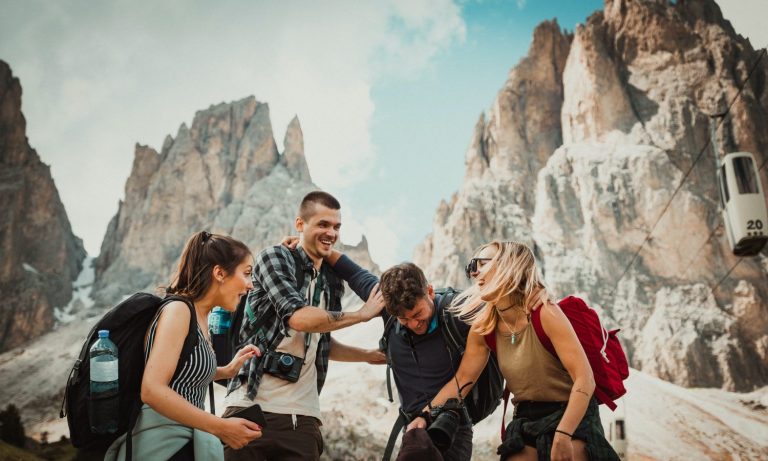
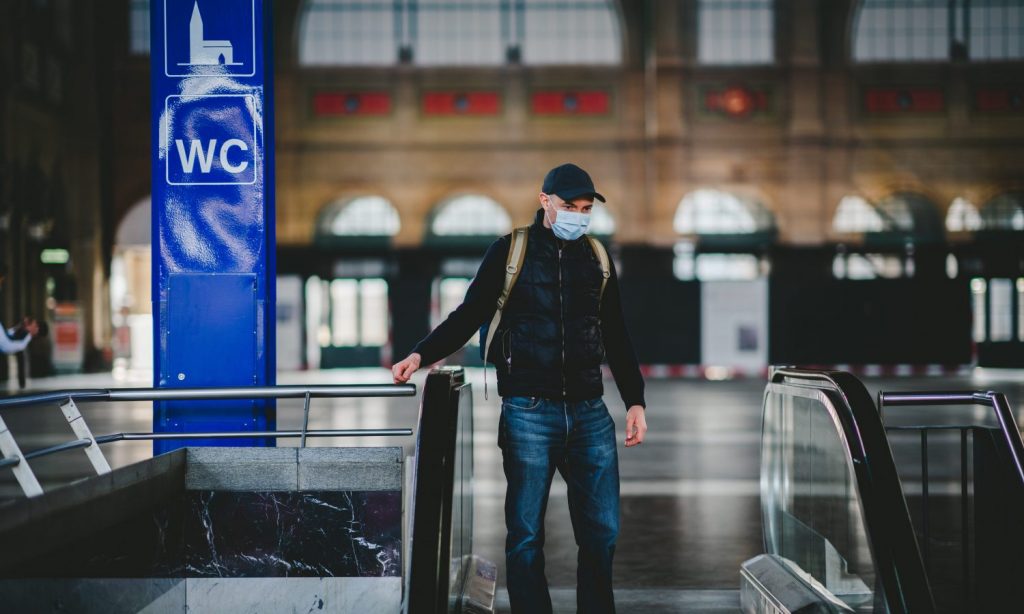
Airplanes are the riskiest form of travel during the pandemic, but it can be safer if people follow some safety and distancing guidelines.
As the pandemic progresses and more and more people get vaccinated, airlines and airports have started reporting a consistent increase in traffic. It’s inevitable; the more the vaccine is within reach, the more excitement is felt throughout the country, with people disregarding their previously held safety measures due to a combination of pandemic fatigue and positivism.
With states loosening up on restrictions and allowing for more gatherings of people, is it safe to travel on an airplane? Answers depend on your individual circumstances.
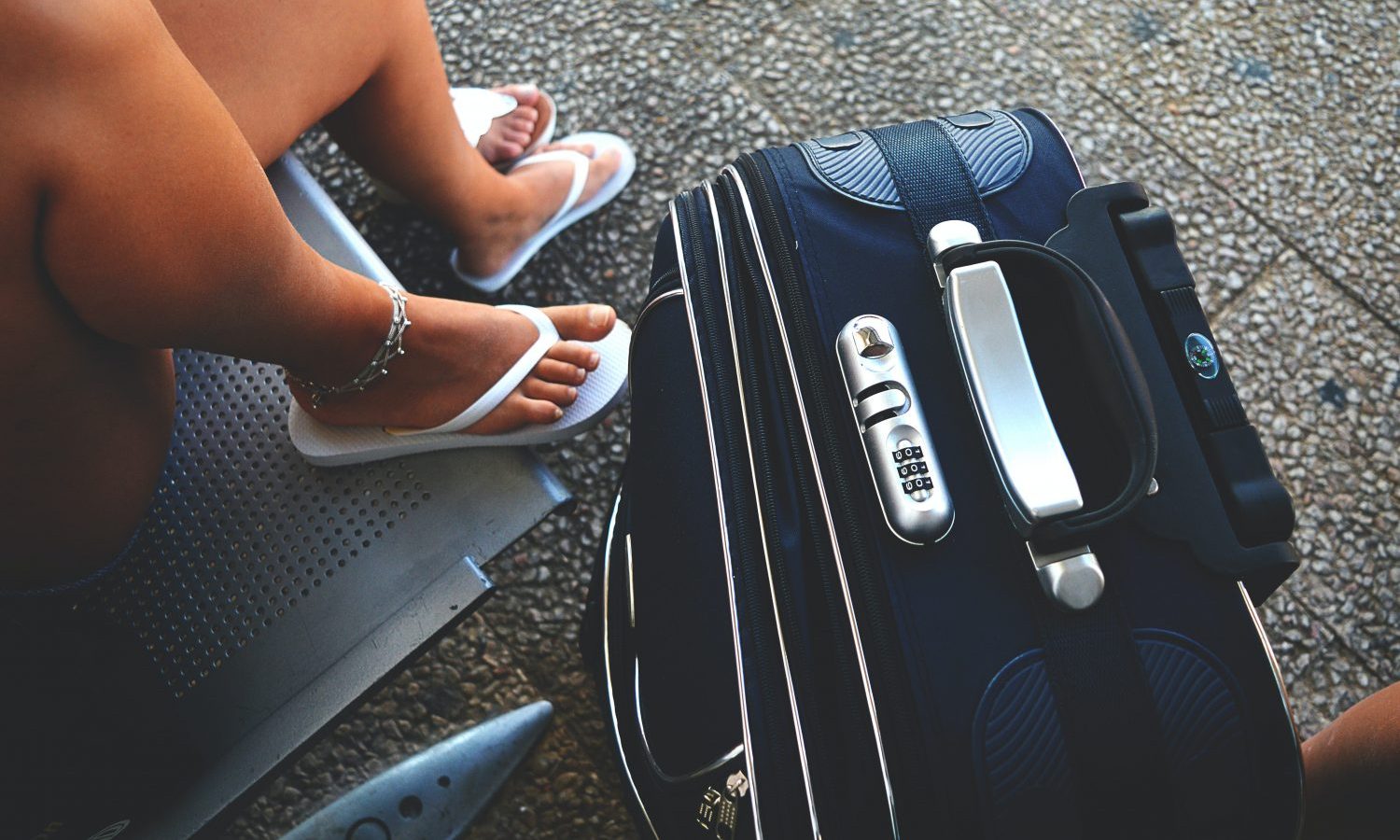
Photo by StockSnap via Pixabay
While a lot has been said about airplanes and airports, what truly matters is what people do once they get to their destination. While it’s safer to travel by car (with members of your household), airlines have adopted different safety measures in order to keep the risk of exposure to the minimum. If you wear the correct face masks and try your best to maintain six feet of distance from others, you’ll be following the CDC’s guidelines. Still, there’s no way of eliminating the risk when exposed to different people.
The ideal scenario for air travel is if people quarantine before traveling, test themselves, and, once they arrive at their destination, stay in one place.
“That’s low risk, and there are ways for unvaccinated people to still do that safely. For example, they can quarantine and get tested prior to the trip,” said CNN medical analyst Dr. Leana Wen.
The big risk for traveling occurs during this time of the year, spring break, where people are traveling for tourism. High risk activities like hanging out in bars and restaurants with friends and strangers are what results in super spreader events, especially if you were to take this indoors; the fact that all of these bars, clubs and restaurants are open doesn’t mean they’re safe.
While hanging out at the beach following safety guidelines is low risk, the problem starts once people get comfortable, take off their masks, have a drink or two and start interacting with others, which is a common occurrence when traveling for tourism.
People who’ve had their vaccines are the safest options for traveling, especially if they’re traveling or gathering with people who’ve also been vaccinated. Regardless, no matter whether you’re vaccinated or not, it’s important to follow the CDC’s guidelines and to try your best to stay informed and to have some common sense. It’s one thing to have a drink in a bar with almost no people, and another to have a drink in a bar mid-spring break.
The FDA said in a statement that the products that are the subject of the warning letters have not gone through the FDA drug approval process and are considered unapproved new drugs.
The U.S. Food and Drug Administration has issued warning letters to two companies for selling products labeled as containing cannabidiol (CBD) in ways that violate the Federal Food, Drug, and Cosmetic Act (FD&C Act). Specifically, the warning letters address the illegal marketing of unapproved drugs labeled as containing CBD. The companies are Honest Globe and BioLyte Laboratories.
The letter sent to Honest Globe referenced the products “ELIXICURE ORIGINAL PAIN RELIEF with CBD” (roll-on and pump versions) and “ELIXICURE LAVENDER PAIN RELIEF with CBD” (roll-on and pump versions) (hereinafter referred to as “ELIXICURE PAIN RELIEF with CBD” products). The “ELIXICURE PAIN RELIEF with CBD” products were labeled as containing cannabidiol (CBD) and require no prescription.
The letter reads, “Your “ELIXICURE PAIN RELIEF with CBD” products are unapproved new drugs introduced or delivered for introduction into interstate commerce in violation of sections 505(a) and 301(d) of the FD&C Act, 21 U.S.C. 355(a) and 331(d). Furthermore, your “ELIXICURE PAIN RELIEF” products are misbranded drugs introduced or delivered for introduction into interstate commerce in violation of sections 502(a), 502(ee), and 301(a) of the FD&C Act, 21 U.S.C. 352(a), 352(ee), and 331(a).” The FDA also said that although CBD was listed as an inactive ingredient in the labels of the “ELIXICURE PAIN RELIEF with CBD” products, the product labeling clearly represented CBD as an active ingredient, which is a component of a drug intended to furnish pharmacological activity or other direct effects in the diagnosis, cure, mitigation, treatment, or prevention of disease, or to affect the structure or function of the body. Ultimately an inactive ingredient should not exert pharmacological effects.
In addition to the marketing, Honest Globe was cited for production issues. The letter stated, “Your Quality Unit (QU) lacked control over your topical over-the-counter drug manufacturing operations and failed to ensure that you had adequate procedures. In your response, you committed to working with your contract laboratory to investigate the cited OOS results and future OOS results. Your response is inadequate because you did not address your responsibilities to investigate potential manufacturing deficiencies that may have led to the OOS results. Your response also failed to evaluate batches with OOS test results that had been distributed and were still within expiry.”
Photo by seksan Mongkhonkhamsao/Getty Images
Honest Globe also got itself in trouble with claiming its products to be registered with the FDA. “To state that any drug product is “FDA registered” is inaccurate; drugs are subject to listing with FDA, not registration. Moreover, registration of an establishment or listing of a drug does not denote approval of the establishment, the drug, or any other drugs of the establishment, nor does it mean that a product may be legally marketed.”
Biolyte Laboratories LLC was the other company that received a letter. The company made medical claims about its products. Examples given were “Silver Gel,” – used as an antimicrobial to help treat minor skin wounds, burns, infections . . .” “Silver Gel” – “USEFUL FOR WOUNDS, BURNS, BANDAGES, AND MORE . . . TOPICALLY USED AGAINST INFECTIONS . . . TOPICALLY USED AGAINST SEVERAL SKIN CONDITIONS (Hives, Rashes, eczema, diaper rash).”
“Based on the above labeling claims, your products “(b)(4) Therapeutic Pain Gel,” “(b)(4) Pain Relief Cream,” and “(b)(4) Magnesium Oil Spray” are drugs intended for use as external analgesics. We are not aware of any adequate and well-controlled clinical studies in the published literature that support a determination that “(b)(4) Therapeutic Pain Gel,” “(b)(4) Pain Relief Cream”, or “(b)(4) Magnesium Oil Spray” are generally recognized as safe and effective (GRASE) for use under the conditions suggested, recommended, or prescribed in their labeling.”
The FDA has not approved any over-the-counter (OTC) drugs containing CBD, and none of these products meet the requirements to be legally marketed without an approved new drug application. The letters explain that, as CBD has known pharmacological effects on humans, with demonstrated risks, it cannot be legally marketed as an inactive ingredient in OTC drug products that are not reviewed and approved by the FDA. Additionally, the letters cite substandard manufacturing practices, including failure to comply with current good manufacturing practices.
The FDA said in a statement that the products that are the subject of the warning letters issued today have not gone through the FDA drug approval process and are considered unapproved new drugs. There have been no FDA evaluation of whether these unapproved drug products are effective for the uses manufacturers to claim, what an appropriate dose might be, how they could interact with FDA-approved drugs or other products, or whether they have dangerous side effects or other safety concerns.
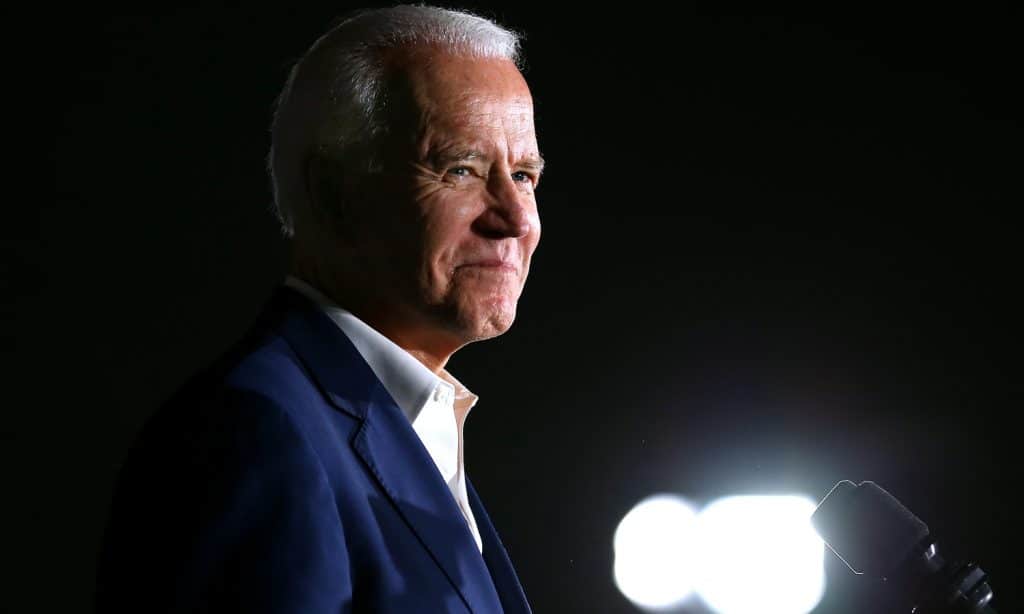
Despite all of his “nobody should be in jail for smoking marijuana” comments, Biden, too, has joined the club where the president avoids the cannabis issue at all costs.
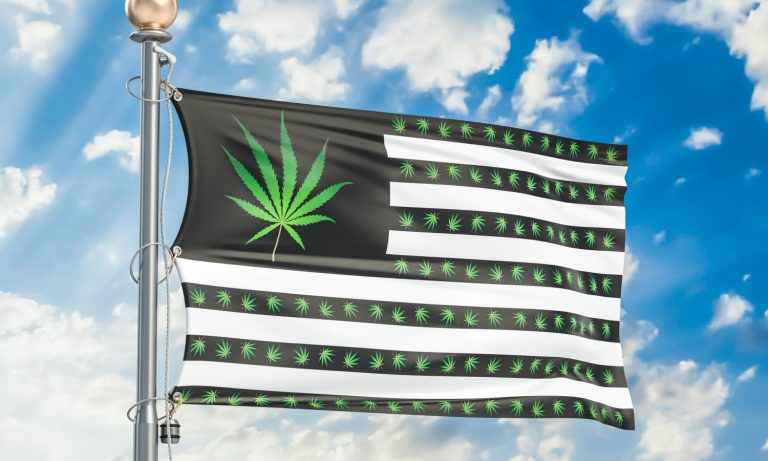
Senate Democrats are expected to introduce legislation in the coming weeks designed to legalize marijuana at the federal level. This has been one of the party’s primary objectives since they won the majority in both chambers last November. However, Democratic President Joe Biden doesn’t appear to be as enthusiastic about making such bold leaps in the realm of pot reform.
Last week, Biden fired five staffers for pot-related discrepancies in drug disclosures, and now insiders say he didn’t want to use marijuana as part of his campaign platform because he thought it would cause him to lose to Trump. Buckle up, America, there’s about to be a fustercluck.
Stacey Walker, a Linn County, Iowa supervisor who was part of a task force to help carve out Biden’s criminal justice platform during his campaign, just published a video calling him out for his anti-pot views. He says that Biden was so worried that supporting marijuana legalization would cause him to lose the election that he just didn’t want to take the risk.
Although members of the task force showed him polling data and assured him that “Americans were in favor” of such a progressive move, Biden thought it was a bunch of malarkey and refused to get onboard. “President Biden wanted to commit more study to this before making a decision,” Walker asserts.
These types of political shenanigans are nothing new. Over the decades, we’ve grown accustomed to presidents disregarding the question of federal marijuana legalization. Obama did it. So did Trump. And now, despite all of his “nobody should be in jail for smoking marijuana” comments, Biden, too, has joined the club where the president avoids the cannabis issue at all costs.
Photo by Jonathan Bachman/Stringer/Getty Images
According to Walker, Biden’s position on cannabis hasn’t changed since winning the 2020 election. Sure, he still supports decriminalization, expunging past pot convictions, and continuing to allow states to legalize the leaf as they see fit. But he’s probably not going to get behind a push to legalize nationwide. Why? Presumably, so he doesn’t lose his bid for reelection.
Meanwhile, Senate Democrats are winding up to take a chance on legalizing weed this year. It is unclear whether they are going to simply ignore Biden’s apparent resistance and make the push to see how far they can take it, or if they have a plan to get the president to go along with their scheme. Perhaps they realize that, at this juncture, getting a cannabis bill to the president is the least of their worries.
Even though Democrats have majority rule in Congress, there are still so many roadblocks, including the controversial filibuster that could prevent a cannabis proposal from getting passed. Like it or not, they need some Republican support to get a marijuana bill through the Senate, and Senate Minority Leader Mitch McConnell isn’t going to let that happen. He’s prepared to disable the upper chamber if Democrats go rogue to further their agenda.
So, while it might be tricky getting Senate Democrats and President Biden on the same page with respect to cannabis reform, pushing a bill to the point where the president even gets to chime in is going to be the real challenge. Nevertheless, we’re still waiting for Biden to make good on his cannabis-related campaign promises. He indicated months ago that he would expand cannabis research opportunities and was all for downgrading marijuana to a less restrictive Schedule on the Controlled Substances Act.
While these moves might be considered modest reforms, seeing them through would show America that Biden, while continuing to spout outdated ideas, isn’t just a bold-faced liar and remains somewhat open to a shift in national pot policy. There’s no reason the new administration can’t make some kind of change this year.
The problem for “Conservatism” is that everything has to be calibrated around Trump, whose previous “libertarian” views on weed evaporated when he thought a prohibitionist Attorney General would be his consigliere.
Disclaimer:The views expressed in this article solely belong to the author and do not necessarily represent those of The Fresh Toast.
I like to think that Donald Trump’s failure to support marijuana legalization cost him the election, but now I have the same questions about the Conservative movement going forward, and America always needs a healthy opposition, so it should be of concern for everyone, whatever their politics.
Unfortunately, it would seem that leading Conservative think tanks have already been captured by the Drug Warriors. The Heritage Foundation, one of the oldest voices on the right, is actually headed by a former Associate Director of the White House Office of National Drug Control Policy, under President George H. W. Bush, Kay C. James.
However, Heritage has been lying about marijuana, and about little old me for a long time.
Not to be outdone, the Hudson Institute, one of Heritage’s leading competitors, is actually headed by James’ former boss, John Walters, who was the Czar himself under Bush. And Walters was certainly one of the worst.
Walters actually said:
“(Marijuana) is by far the single largest factor in illegal drug addiction in the country. … The conventional view out there today is that marijuana is a soft drug, that marijuana is harmless and that it is not addictive, and there is no withdrawal. It’s not just a gateway drug. … If you are not talking about marijuana, you are not talking about the central part of the problem.”
Another major conservative think tank, the American Enterprise Institute,is more moderate, relying primarily on Sally Satel. She is what I would call a “moderate prohibitionist”, but unlike her counterparts, she is intellectually honest. Nonetheless, AEI is really out of touch with the American people on this issue.
In real-world politics these think tanks exist to give cover to politicians, and there are a few politicians who actually care about ideas. For those who do, the Cato Institute, Washington’s leading Libertarian think tank, and Reasonin California are excellent.
Photo by alexsl/Getty Images
Then there is Fox News and Tucker Carlson and… Wow!
Carlson is no fringe crackpot. He is one of the favorites of the new post-Trump Fox News. He is a mainstream crackpot.
The problem for “Conservatism” now is that everything has to be calibrated around Trump, whose previous “libertarian” views on marijuana evaporated when he thought a prohibitionist Attorney General, first Jeff Sessions, then Bill Barr, both prohibitionists, would be his consigliere. Oops!
Over the next few years, American Conservatism will have to redefine itself, and if it ties itself to marijuana prohibition, it will never regain the majority. (Here’s alist of anti-cannabis organizations .)
Since Delta-10 THC is a specific form of THC, you can expect that consuming this variant of THC will give you some psychoactive high. But not as much as other strains.
Sure, you’ve heard of other cannabinoids and compounds that are quickly gaining popularity these days. But what about Delta-10 THC?
The spotlight isn’t on just THC and CBD anymore, folks. There’s so much more to the world of cannabis than these two primary compounds. But today we’re going to talk about Delta-10 THC, and why we think it could be the future of cannabis.
What is Delta-10 THC?
Delta-10 THC is the molecular sibling of Delta-8 and Delta-9 THC. However, it’s not a naturally occurring compound in cannabis. Unlike its other siblings, it appears in such minute amounts that consciously extracting it from hemp or cannabis strains would take you a serious amount of time and effort. In many cases, Delta-10 can be so elusive that it’s not uncommon for scientists and laboratories to still mistake it for other compounds when they check for it using High Performance Liquid Chromatography, which is the standard for compound testing, explains Extraction Magazine.
How was Delta-10 THC discovered?
Delta-10 THC was actually discovered accidentally by a cannabis company in California called Fusion Farms. They bought some outdoor cannabis for the production of concentrates. However, there was an onslaught of wildfires in California, and unbeknownst to them at the time, they purchased cannabis biomass that was already contaminated with fire retardant.
They extracted the biomass, then distilled the extract, after which they found some strange crystals in the distillate. This finding surprised them because the crystals didn’t look like anything they encountered before. They ran an analysis which said the crystals were CBC, though the analysis wasn’t an exact match. So they asked the help of a licensed testing lab to compare data with all known cannabinoids and they still didn’t find a match. They weren’t able to find a conclusion for the next few months.
Photo by kermy via Pixabay
Apparently, Delta-10 THC was formed because of the presence of fire retardant. But no need to worry about consuming these toxins; these days, laboratories can already produce Delta-10 using clean and green techniques. For example, some even use food-grade additives to make Delta-10 THC out of Delta-9 THC.
How does Delta-10 THC affect the body?
Since Delta-10 THC is a specific form of THC, which is responsible for the high you get from cannabis, you can expect that consuming this variant of THC will give you some psychoactive high. But an animal study revealed that the Delta-10 high is not as strong as Delta-9 THC. As of now, there’s very limited data on how it affects the body.
This is what we know so far
David Reckles of Private Label Hemp Lab told ACS Laboratory that Delta-10 can get you high, but not the same high you can expect from Delta-8 or Delta-9. Out of these delta compounds, Delta-9 has the most potent effect on how we perceive pleasure, think, coordinate, and even remember, but Delta-8 is lower in potency, with users reporting mild appetite stimulation as well as relaxation.
Delta-10 is similar to Delta-8 in the sense that it’s very mild though the impact of the two are very different. “I would compare Delta-10 to a sativa in terms of its effects, while Delta 8 is more of an indica,” says David. He says that his clients use Delta-8 to assist with sleep problems, while Delta-10 enhances creativity, energy, and alertness. “Delta-10 is uplifting and perfect for daytime use,” he adds.
“I think Delta-10 is going to be insanely popular because it offers euphoria and increased focus, without the paranoia and anxiety some users report from Delta-9.”
Photo by Cavan Images/Getty Images
Will Delta-10 THC show up in a drug test?
The answer is yes, it will, because it still can’t be differentiated from other delta cannabinoids in drug tests so if you’re trying to stay clean for an upcoming one, it’s best that you stay away from delta 10 products until you’re in the clear.
Additionally, very little is known so far about how delta 10 THC works with the endocannabinoid system. But the theory is that it would interact similarly to delta 8 and delta 9, which would mean that it can bind with the CB1 and CB2 receptors. The presence of delta 10 THC can also promote the entourage effect when you consume it with other compounds such as cannabinoids, flavonoids, and terpenes.
If you are suffering from any kind of health condition, it’s always best to consult with your doctor or physician first before using delta 10 THC cannabis products. Only use it if you’re above 21 years of age and keep in mind that it shouldn’t be used if you suffer from high blood pressure.
Is Delta-10 THC legal?
Just like cannabis, there’s some gray area but for as long as cannabis is legal in an area then delta 10 THC derived from cannabis is legal. However, it’s still illegal on the federal level when extracted from cannabis. But if delta 10 THC is extracted from hemp and contains under 0.3% THC, then it’s legal.
Since delta 10 THC occurs in very small quantities for now, researchers are continuing work on finding out how to extract it in larger amounts.
How can I take Delta-10 THC?
Delta 10 THC is most popularly consumed as a distillate but as its usage becomes more widespread, we can expect there to be many other forms of consuming it later on. We can soon expect more Delta 10 THC in the form of vapes, sublingual oils, and edibles.
Journaling is a practice that helps many decompress and keep track of their moods and thoughts. Here are some apps that can help you get started.
The use of journals has increased over the years, with many people enjoying its therapeutic properties. It’s become especially helpful during the pandemic.
If you’re not familiar with journaling, it’s a practice that allows your to keep track of your thoughts and feelings, noticing patterns, having a place to put down goals, relieve stress and even work on personal writing.
Still, no matter the many benefits of journaling, it’s difficult to commit to a pen and paper habit if you’re just starting out. Fortunately, technology can always make this process a lot easier. Here are 5 apps that can help you get started in your journey.
Reflectly is an AI powered journal, which might provide some extra help if you’re just starting out journaling and need some motivation. The app provides you with some prompts, mood trackers and a peaceful and beautiful looking interface that makes the whole process much more intuitive.
Daylio is another virtual journal that prompts you to create two daily entries while selecting your mood and activities. The more you use the app, the more your data gets analyzed, allowing you to have a personalized experience that can be exported into PDF format so you can keep track of your habits and moods over long of time.
Day One is highly customizable, allowing you to journal with words or to add images if that’s more your style. You journal is kept safe in the app, hidden behind a password or biometric security, which can be shared between smartphone and laptop. You can have the basic experience for free or can enjoy the premium experience for $2.92 a month, which provides added features like bonus journal colors, unlimited video, photos and audio.
Happyfeed provides a more guided approach to journaling, asking you to reflect on three positive things in your day. The app allows you to join groups or to fill out your private journal.
Prompted Journal is for those who want a more guided experience, an app to provide them with meaty prompts that make them think and vent their feelings out on the page. There’s a repository of over 100 prompts to choose from, making the work fun and easy if you have the dedication.
Twice as many women as men suffer depression and are likely to experience anxiety or PTSD — conditions which psychedelics are most commonly used to treat.
Whether through research, writing, entrepreneurship, investment, or artistic endeavor, women are making important inroads in the emerging psychedelics market. A 2020 Global Drug Survey found that women are more likely than men to use LSD and magic mushrooms to treat psychiatric conditions and emotional stress.
“It’s time we stepped into our power and psychedelics can help us do that,” says Zoe Helene, founder of environmental feminist collective Cosmic Sister. Helene coined the term “Psychedelic Feminism”, which is a sub-genre of feminism that embraces the transformational power of psychic plants, and she isn’t the only one who sees the potential of psychedelics to positively impact women’s lives.
Susan Chapelle, Havn Life’s (OTC: HAVLF) executive vice president for research and development, sees massive growth in integrating psychedelics into women’s health. She points to the War on Drugs, which disproportionally impacted women and low-income communities, as evidence of a political bias that continues to deprive these demographics of access to safe and effective plant medicines due to restrictive regulations. By creating a safe, standardized supply chain for researchers, Chapelle hopes to break down this bias and get psychedelics to those who could most benefit, women included.
Photo by Isi Parente via Unsplash
As Ann Barnes, CEO of Edica Naturals and co-director of Red Light Holland (OTC: TRUFF) says, “Now, the massive amount of research being done by the psychedelic community will truly help women; this will be an imperative part of women’s health.” According to the American Psychiatric Association, every year one in five women in the U.S. has a mental health problem such as depression, PTSD, or an eating disorder, which makes Barnes’ prediction sound more like realism than optimism.
The APA also states that twice as many women suffer depression as men, and twice as many women are likely to experience anxiety or PTSD — conditions which psychedelics are most commonly used to treat. In 2020, Data Bridge Market Research projected that the psychedelic drugs market would reach $6.5 billion dollars by 2027, growth at least partially attributed to factors such as the increasing prevalence of depression and mental disorders and the increasing acceptance of psilocybin as an effective treatment.
With women at the forefront of a mental health revolution working to incorporate psychedelics into treatment protocols and a large and growing population of women in need of the benefits these substances offer, the economic future of the psychedelics market could very well be female.
Heart health is directly tied to overall health and aging. Here’s how CBD and marijuana could impact it.
In 2016, 28.2 million American adults were diagnosed with heart disease with a heart attack occurring every 40 seconds, according to the American Heart Association. As the leading cause of death for men, women and people of most racial and ethnic groups, new research is coming out every year that investigates other methods to eradicate the 1 in every 4 deaths that are heart disease related.
Heart health truly matters, not just because of the importance of the body’s ability to pump blood and gain oxygen, but heart health is directly tied to overall health and aging.
The National Institute on Aging explains, “Adults age 65 and older are more likely than younger people to suffer from cardiovascular disease, which is problems with the heart, blood vessels, or both. Aging can cause changes in the heart and blood vessels that may increase a person’s risk of developing cardiovascular disease.” Ailments like high cholesterol, angina and heart disease often occur because of a heart not functioning at its proper capacity.
Understanding Cholesterol
Cholesterol often has a bad reputation. Needed inside the body to make vitamin D, it’s a waxy substance that’s found in all cells. With a healthy diet and exercise, many people can stave off high cholesterol levels. However, for those with a genetic history of high cholesterol, other recommendations come into play.
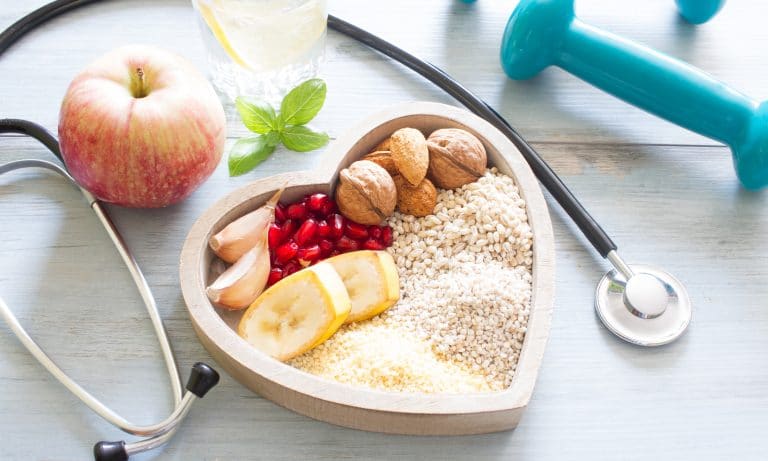
Mayo Clinic says to eat these top foods to help cholesterol numbers while keeping a heart healthy:
In a pinch, experts recommend looking for colorful, leafy fruits and veggies, which are often low-fat and cholesterol-free.
Photo by rud0070 via Pixabay
Marijuana and CBD’s effects on the heart
CBD and marijuana seem to affect the heart in different ways, signaling more research is needed to best understand the body’s reaction to cannabidiol (CBD) and other cannabis compounds.
Board Certified Cardiologist Adam Splaver MD shared with us that CBD could have an impact on heart health.“We are at the infancy of understanding the effects of CBD in cardiac health. There have been several studies, one of which looked at a single dose of CBD on healthy volunteers and they found it lowered blood pressure,” he explained. “Since we know high blood pressure is tied to cardiovascular events, lowering blood pressure by using CBD ( and not THC) can be beneficial to heart health.”
In a 2012 study, published in the British Journal of Clinical Pharmacology, researchers found that direct application of CBD caused a reduction in vascular tension. While the application of CBD didn’t have an effect on blood pressure or heart rate, it did reduce the cardiovascular response to stress in non-humans.
Dr. Steven Reisman, a nationally-recognized cardiologist at the New York Cardiac Diagnostic Center, believes individuals should be cautious with cannabis and CBD. In speaking to The Fresh Toast, he explained that while there are no current peer-reviewed studies proving marijuana or CBD are efficacious in treating heart disease and are unproven, “a small study published in 2017 suggested CBD ‘may’ have some effect on reducing stress related systolic blood pressure.”
Photo by Khwanchai Phanthong/EyeEm/Getty Images
Dr. Reisman also spoke on the importance of lowering stress as it relates in playing a key role in increasing the risk of a heart attack. He explained, “Some studies have shown an increase in heart attack and death following natural disasters such as earthquakes and also in relation to the stress involved with the loss of a loved one.”
With medical marijuana approved in some states (New Jersey and Delaware) for anxiety, some individuals are finding THC and CBD bring peace and calm to stressful situations. Dr. Splaver mentioned the importance of understanding marijuana and CBD have a long way to go, sharing, “It is also still too early to know the effects of CBD on cholesterol. There are several small studies that showed a positive effect. Do not stop taking your cholesterol medication and keep in mind the overall negative effects smoking has on your health when considering CBD use.”
While research continues to catch up with a growing number of individuals affected by heart disease, older advice still rings true: Eat well, sleep often, and don’t sweat the small stuff.
Without the help of the government, demand will continue to skyrocket and so will prices, forcing many to the black market.
One year into the pandemic, and we’re only just about to start seeing a glimmer of hope with the vaccine rollout.
So how has the last year been? For some industries, COVID-19 shattered their businesses, but the pandemic was kind to the cannabis industry. All over the United States, sales of legal cannabis jumped 46%, reaching record-breaking sales of $17.5 billion.
A majority of the sales were in adult-use markets, particularly Colorado which is among the more mature markets. They saw a 26% increase in growth, resulting in $2.2 billion in sales, while Oregon saw a 29% increase resulting in $1.1 billion in sales, says a cannabis data firm, BDSA Analytics.
“We expected more potential impact from an economic downturn, but the industry has proven to be resilient,” explains Kelly Nielsen, head of insights and analytics at BDA. “It’s potentially recession-proof.” She goes on to say that there were three factors that contributed to the growth of the cannabis industry in 2020: for one, during the pandemic, cannabis services were deemed essential; then there was also the fact that more customers started buying from mature markets including Colorado, Oregon, and California. Lastly, new recreational markets popped up in Arizona and Illinois.
Photo by Ivan-balvan/Getty Images
One thing that also needs to be said is that simply, people are just consuming more cannabis than ever before. In states with legal adult-use markets, the number of people who consumed cannabis jumped to 43% from 38%. “Close to 50% market penetration is really compelling, as alcohol penetration is around 60%,” Nielsen says.
Meanwhile, another report this time from Grand View Research, points out that more medical practitioners are recommending cannabis to treat a wide range of ailments, which is now contributing to a higher demand. They also note that more people are suffering from chronic pain these days, while cancer patients around the country need cannabis for pain management. These two are expected to continue driving a high demand for cannabis. “The rise in the number of patients suffering from mental conditions is expected to drive the demand for legal marijuana over the forecast period… Rise in awareness regarding the health benefits of these products, increasing the legalization of medical cannabis, growing consumption, and expansion of the product portfolio is estimated to boost the market growth in the region during the forecast period,” reads the report.
Higher Demand, Higher Prices
It’s basic economics, so naturally the price of cannabis went up. Data from Headset, a Seattle-based analytics company specializing in cannabis, says that the average retail price for recreational cannabis flower in four states continued to get high throughout the pandemic. In Colorado, California, Washington and Nevada, they observed a 17% price increase while the cost of pre-rolled cannabis jumped 15%.
Headset analyzed data over a past 90-day period and compared it with the same period in 2020. Retailers are loving the price hike and strong consumer demand, helping the cannabis economy boom even more. They also note that the price of wholesale flower in Colorado peaked for the first time since 2016, as the average price for a pound of cannabis flower jumped 31% from the start of October 2020 throughout the end of January 2021.
Impact of High Prices
While this is great news for retailers and the industry as a whole, higher prices are turning off many customers. Instead, a great deal of people prefer to keep their black market dealers on speed dial for more competitive prices and better availability of their preferred flowers.
Photo by Scott Eisen/Stringer/Getty Images
That’s not even to mention the hefty taxes involved. Cannabis sales taxes are extremely high, with some products imposing a whopping 25% sales tax which is determined by the state, while some have it even more. Once the taxes have been configured into the price, oftentimes for customers it simply doesn’t make sense anymore to buy legal cannabis from a dispensary.
If governments really want to curb the black market, legal cannabis should be priced relatively low, such as around or slightly less than how much illegal cannabis sells for. Doing so will be beneficial in attracting more people to use it legally, but unfortunately that just isn’t how economics works.
There’s also the fact that the cannabis these days is more potent than ever, with high THC strains and products dominating the shelves at dispensaries. Naturally, higher THC products will cost more, but there’s still a market for it especially for THC products that are over 25% THC.
But do we have a choice? Well, if you buy online, you have a chance of finding a good deal, but dispensaries in legal states can be notorious for the high prices of cannabis. That’s because regulations and startup costs alone are already a large expense for dispensary owners, just like any other new business. In California, for example, it’s $1,000 to apply for permits and licenses to put up a dispensary and if you’re successful, you’ll need another $120,000 more to cough up.
Then there are the real estate costs. Of course, it would vary depending on the location but in California, you’ll be hard pressed to find anything under $50,000 whereas its normal to spend even three times that amount for a good dispensary location. You also have to shell out for point of sale systems, security, inventory, advertising, and other ancillary costs.
In short, it would be up to the government to work out ways of making cannabis lucrative for business owners while ensuring that they are kept affordable for consumers. Millions of people rely on cannabis for life-saving medicine, while some need it to function, or just get out of bed. Without the help of the government, demand will continue to skyrocket and so will prices, forcing many to the black market.
The good news: the U.S. is on its way to herd immunity. The bad news: these things are standing in the way of achieving it.
America is well on its way to vaccinating everyone — at least everyone who’s interested in getting inoculated. More than 22% of the U.S. population has received at least one dose of the vaccine, and according to government and health experts, only two things are standing in the way of achieving herd immunity (when a large percentage of the population of a certain area is immune to a specific disease).
Vaccine hesitancy and COVID-19 variants are slowing down the process of returning to normal; a process that’s made worse by restrictions being lifted in different parts of the country, making the world feel like it’s back to normal when it’s not.
Photo by ?? Claudio Schwarz via Unsplash
“We have a pretty narrow window of opportunity to make clear what the benefits of vaccinations are. We know that these vaccines are really effective at preventing severe disease. They also do substantially reduce your risk in each of these different types of settings, whether it’s going to the restaurant or gym, or seeing family and friends,” emergency physician Leana Wen told CNN.
While there has been great progress in vaccination rates, according to John Hopkins University data 10 states have reported an increase of 10% or more in their daily average coronavirus cases. People’s increased levels of activity and the new COVID-19 variants in circulation might be the reason behind this spike.
“What the CDC really needs to do at this point is to say for unvaccinated people, here are the activities that are low risk, medium risk and high risk. Probably a lot of things are going to be high risk for unvaccinated people,” Wen said. “Then they need to say for vaccinated individuals, you’re able to do so much more. Nothing is going to be zero risk, but many of these activities that were formally high risk are now low risk. I think that type of benefit of vaccination really needs to be illustrated to people.”
In order to manage this issue and brave the rest of the pandemic as best as possible, responsible parties need to make it a priority to warn people to be as safe as they can, wearing the appropriate face masks and practicing social distancing when possible. While domestic travel is on the rise, it’s important to remember that we’re not in the clear yet.
While those who’ve been vaccinated may operate under different guidelines, the vast majority of people will have to wait a little bit longer before they can resume their lives normally.