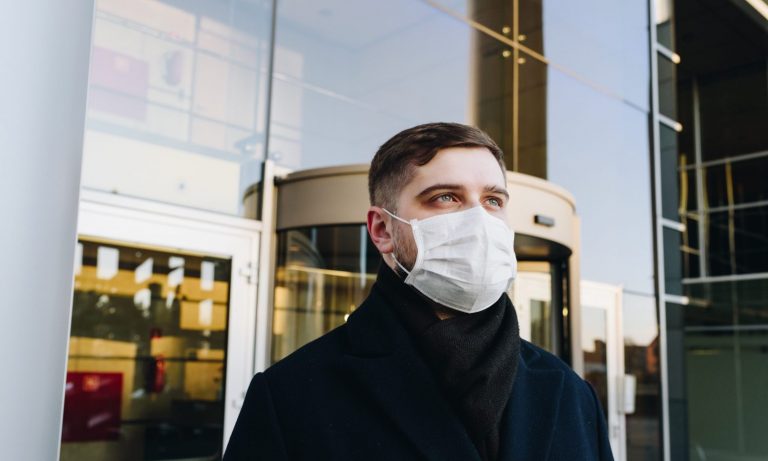
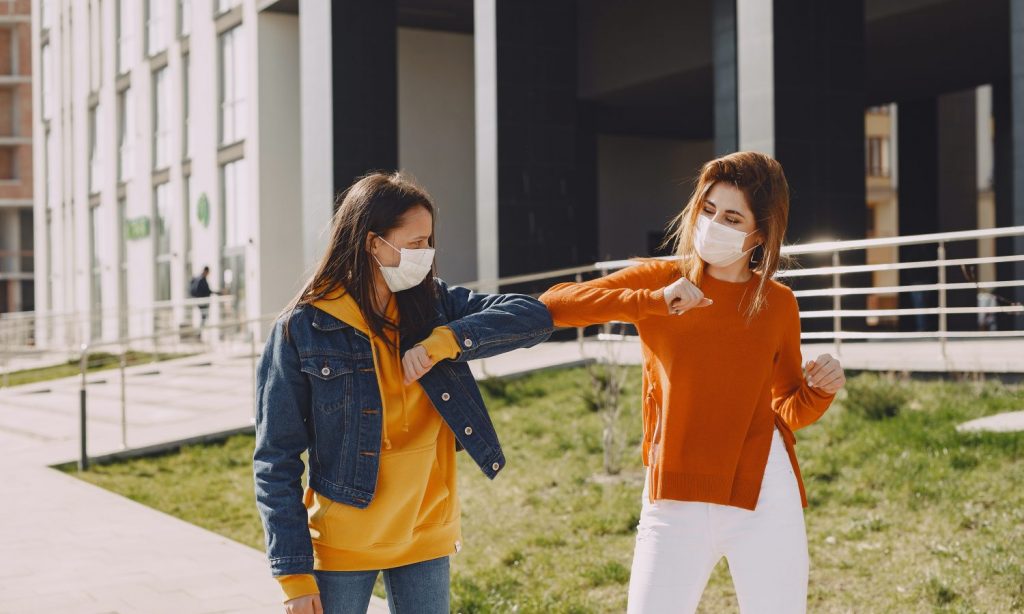
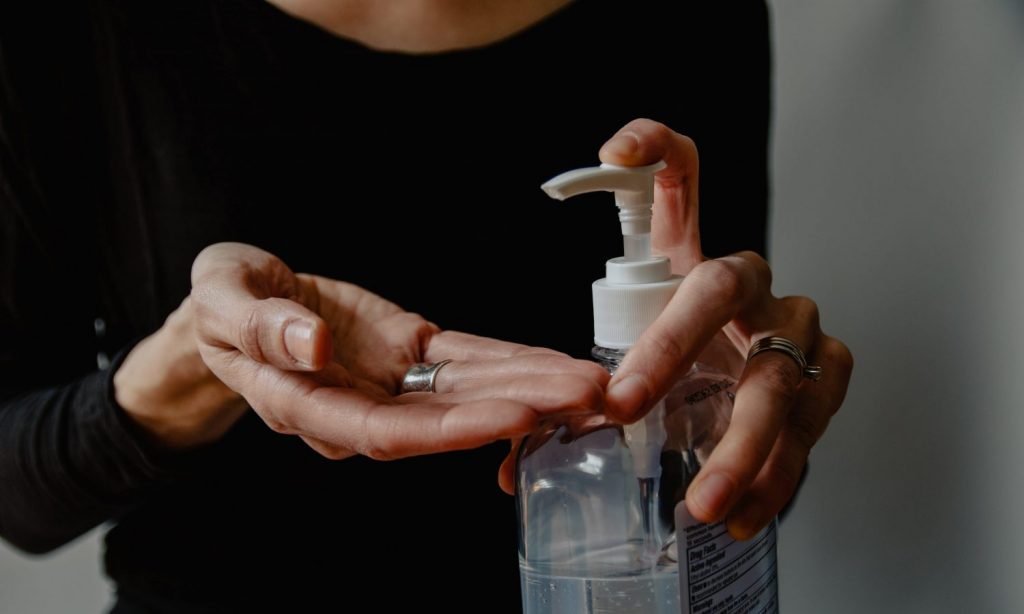
Pump yourself up to be more diligent with your hand washing and face mask wearing if you’ve grown lax over the past couple of weeks because of pandemic fatigue.
New variants of the COVID-19 virus are emerging, causing concern due to how easily transmissible they are. The B.1.1.7 variant, first identified in Britain, is estimated to infect 50% more people than the standard version of COVID-19.
While it’s believed that the vaccine will work with all forms of the virus, these new strains have caused some stress for medical experts, who are asking for people to double up on security measures in order to avoid contamination.
Here are a few things you should know in order to protect yourself from these new variants:
It’s still the same virus
Photo by Gustavo Fring via Pexels
Firstly, while the variants are concerning, there’s no reason to enter panic mode. The virus remains the same, with experts being relatively sure that the vaccine will be able to treat it. Since it’s the same virus, the measures you’ve been taking to protect yourself against it should still work.
Pump yourself up to be more diligent with your hand washing and face mask wearing if you’ve grown lax over the past couple of weeks because of pandemic fatigue. It’s understandable, but these problems are here to stay for the long run, so it’s important to care for yours and other people’s well being.
A lot has been said over double masks, with the CDC advising the use of a surgical mask and a cloth one on top. While the perks of double masking are up for debate, months of data have concluded that what’s most important is the use of a good mask, one that’s in good shape, that fits snugly and is made of flexible material. This way, your mask will adapt to the divots and shape of your face, while also covering your chin and nose.
Aside from diligent face mask wearing, keeping your distance from others and frequent hand washing, you need to think about your biggest sources of risks. Do you go out frequently, on trips to the grocery store or pharmacy? Limit your outings as best as you can, only going to the grocery store once a week if possible, while wearing your best mask. Try shopping for necessities during times when the store isn’t crowded and limit the amount of time you spend there, reducing your exposure and levels of risk.
Old myths are being challenged by research from the University of Queensland
President Biden isn’t sure if marijuana legalization is right for the United States. He’s said before that he thinks pot is a “gateway drug” and he’s worried that providing people with legal access will somehow send the country into a tailspin of debauchery from which it may never recover. After all, America is already at the height of one of the worst drug epidemics in history, so why contribute to it further?
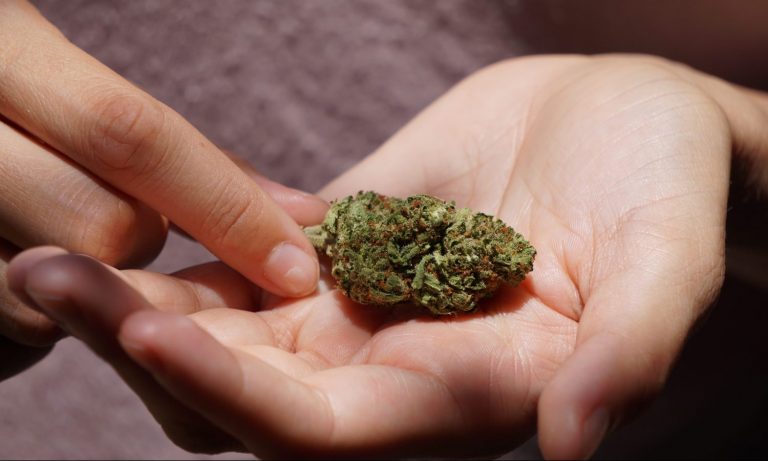
Cannabis advocates say prohibition is part of the problem. They argue that weed is safer than alcohol and that providing adults 21 and over with legal access is the right thing to do. However, a new study finds that, legal or not, regular marijuana users are more likely to go down the wrong path.
Researchers at the University of Queensland in Australia found that while cannabis might be mostly safe, people who use it regularly could still end up ruining their lives. The study, published in the journal Drug and Alcohol Review, shows that people who start using marijuana in their early years are likely to experience more challenges in life than those who never picked it up.
Overall, researchers found more adverse consequences in people who started smoking weed in their teens and early twenties. Two-thirds of the respondents (out of 1,792 subjects from Victoria, Australia) reported getting into hard drugs, engaging in problematic drinking, experiencing financial hardships, suffering depression, and having less fulfilling relationships — all by their mid-thirties.
“Cannabis users who began regular use in their teens had poorer later life outcomes than non‐using peers,” the researchers wrote in their conclusion. “The larger group who began regular cannabis use after leaving high school accounted for most cannabis‐related harms in adulthood. Given the legalization of cannabis use in an increasing number of jurisdictions, we should increasingly expect harms from cannabis use to lie in those commencing use in young adulthood.”
Photo by Thought Catalog via Unsplash
Previous research has also shown that marijuana use in a person’s younger years can lead to no good. The same goes for alcohol. Federal studies show that roughly 9 percent of those who start drinking at 21 are at a higher risk for developing alcoholism. The possibility of trouble increased for each year before the legal drinking age. Those numbers significantly increased for those who started drinking in their early teens. Nearly half of these people exhibit problematic drinking later in life.
Nevertheless, alcohol is America’s favorite legal drug. The U.S. booze market is worth $1.47 trillion — employing 2.3 million people while contributing $10 billion in federal tax revenue. It also kills roughly 95,000 people every year nationwide. And that’s not just the old raging alcoholics finally drinking themselves to death.
A recent study shows that more young people (under 40) are experiencing alcohol-related liver disease. There’s also a wealth of socioeconomic problems stemming from alcohol use. It, too, can be a gateway drug and contribute to an otherwise miserable existence. Everyone understands the risks, and nobody wants it banned.
Any presumed harms associated with marijuana use is no argument for continued prohibition. It would be wise for the federal government to finally get serious about cannabis research to get past the anecdotal data and establish a collection of hard facts on the positive and negative outcomes of marijuana. But waiting until we understand the pros and cons to change the law shouldn’t be necessary.
Photo by Cavan Images/Getty Images
Most people will conduct their relationship with marijuana responsibly — the same way they do with alcohol — while others will not. Marijuana use doesn’t guarantee that a person will experience adverse consequences in their lives. Even the U.S. government admits that marijuana isn’t necessarily a gateway drug. If it is, it is no more problematic than alcohol.
What makes marijuana dangerous is continued prohibition. Although many states have legalized in some fashion, law enforcement continues to arrest hundreds of thousands of people every year for minor pot possession. These offenses prevent people from getting jobs, housing and progressing in their lives. A marijuana conviction can forever brand someone as one of the American downtrodden.
Only by establishing sensible policy can the nation begin to enter into a new chapter with cannabis. The Democratic-controlled Congress will attempt to do that in the coming months when it hears legislation designed to reform the national marijuana laws.
With each state’s laws varying to some degree, medical cardholders and applicants are advised to review state and local regulations.
State medical marijuana programs tend to suffer as adult use laws are passed. While much of the purchasing shifts to what is commonly called the recreational market, the medical sector still serves its purpose. In fact, medical cardholders can continue to find benefits in being part of the program, depending on a state’s laws.
Considering the following benefits, patients may find use in the medical cards well after adult use laws pass in a state.
Priority Over Adult Use
Photos: JDawnInk/Getty Images, Matthew Brodeur via Unsplash
Having a medical marijuana license may also provide a patient with increased priority.
Unlike an adult use consumer, medical cannabis patients should not have to wait to obtain their medicine. That is the stance of states like Illinois and Nevada, which allow patients to avoid lines that can sometimes wrap around dispensaries, taking hours to get through. When in such states, patients are recommended to inform a staff member for medical patient access.
Additionally, Illinois prioritizes its cannabis supply for the medical market. When the state’s adult use market opened its market on January 1, 2020, Illinois soon saw a shortage of cannabis. However, due to its laws, medical patients were spared the drought.
Individual states provide tax breaks for medical cardholders. In some cases, patients may receive relief on pricey charges applied to retail sales and additional excise taxes. In other states, medical ID holders don’t pay taxes at all.
Underage Recreational Shop Access
Photo by nattrass/Getty Images
Qualified patients are allowed to enter and purchase products from retail stores. Without a medical card, consumers typically must wait until they are 21, or at least 18.
Keep in mind that access comes with additional parameters. An underage patient can’t enter a dispensary on their own or make a purchase without the accompaniment of their guardian or designated caregiver.
Stronger Potency Products
In some cases, medical patients require more cannabis than the allowed dosage for recreational products. Doing so cuts down on the amount a patient has to buy and consume to reach the relief they seek from their medicine. With a card, certain states waive caps on purchasing as well as giving medical patients access to products the recreational market can’t buy.
With each state’s laws varying to some degree, medical cardholders and applicants are advised to review state and local regulations.
Legalizing and taxing commercial cannabis sales in Virginia could generate between $154 and $308 million by the fifth year of sales. Here’s what else you might find interesting.
On February 5th, state lawmakers voted to legalize cannabis in Virginia and establish a recreational market. Both chambers’ initiative would legalize possession of an ounce of marijuana or less, and begin the process of expunging certain cannabis-related misdemeanors on July 1st. Retail sales are predicted to start in 2024, per the plans of both the House and Senate.
Virginia already has a medical marijuana program, but it’s limited compared to most states. Even so, the medical program is expected to be valued at $50 million in sales by 2024, and the adult-use market is poised to grow even bigger.
Here’s what you need to know about the newly introduced adult-use legislation in Virginia:
The vote passed through the Virginia General Assembly on February 5th
Both chambers passed the bill to legalize cannabis for adult use at the beginning of February. The bill was introduced by Senator Adam Ebbin, who said “I think that Virginia is on a path to an equitable legalization plan for marijuana. There have been a few bumps, but I’m hopeful that we’ll have a polished bill we can agree upon in the next few weeks,” said Sen. Ebbin.
The House passed the bill 55-42
House Democrats were in favor of the bill, while Republicans were opposing it. The House’s version of the bill would maintain all cannabis criminal penalties until January 1st, 2024, when the first adult-use retail sale is set to take place.
The Senate advanced its modified version 23-15
One of the Senate’s changes include allowing Virginia jurisdictions to opt out of retail stores, and will require a second vote by state lawmakers next year. The House and Senate need to agree on these changes before Gov. Ralph Northam signs the proposal. The governor has already voiced his support for the bill, and is expected to sign it.
The biggest portion of tax revenue from cannabis sales will be invested in at-risk children
One of the most exciting things about both versions of the bill is where the tax revenue is going. The biggest portion of the revenue is set to fund Pre-K for at-risk children in the state of Virginia. “Reforming our marijuana laws is one way to ensure that Virginia is a more just state that works better for everyone.
It also will eventually bring in tax revenue that can be used to further make sure we are providing equitable access to opportunity. For example, just half of the potential annual revenue could pay for two years of quality Pre-K to every one of Virginia’s most vulnerable three- and four-year-olds—children who deserve the best start in life,” said Gov. Northam.
Photo by STEPHEN POORE via Unsplash
One of the bill’s chief patrons is a Black woman
Louise Lucas has been representing Virginia’s 18th district since 1992. She is one of the chief patrons of this historical bill, along with fellow Virginia Senator Ebbin. She is the floor leader of her Democrat colleagues in the state Senate, and because Democrats won a majority of seats in the 2019 Virginia senate election, Lucas succeeded Republican Stephen Newman as the Virgina Senate’s President pro tempore. This makes her the first woman and the first African-American to hold this position.
The future of Virginia’s adult-use market
According to a recent study conducted by the Joint Legislative Audit and Review Commission, legalizing and taxing commercial cannabis sales in Virginia could generate between $154 and $308 million by the fifth year of sales.
The legalization will hopefully bring much-needed social change, too. The study also found that Black Virginians make up a disproportionately high number of cannabis-related offenses, which can be resolved with this bill.
National drugstore chains will have access to COVID-19 vaccines, making it easier to get inoculated.
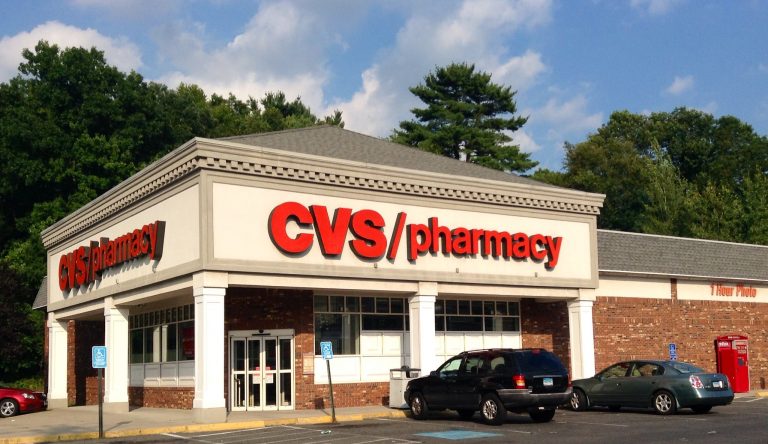
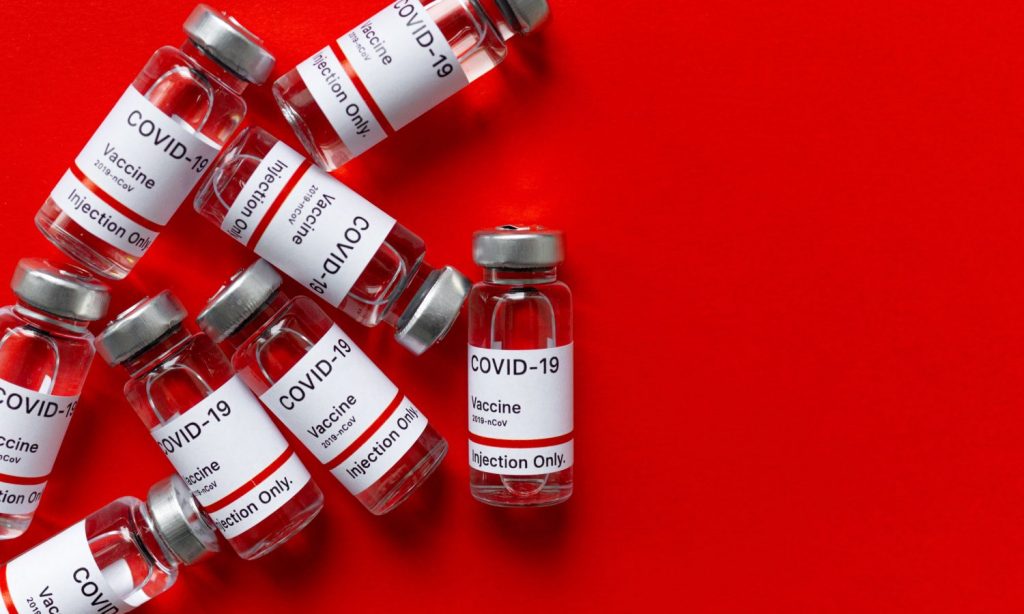
Getting your COVID-19 shot is about to get a lot easier. The government will be distributing vaccines to national drugstore chains, such as CVS and Walgreens, in hopes of reaching more people and speeding up the vaccination process. However, it’ll still be a while before the majority of the population has access to the vaccine.
This federal initiative will be developed in stages, shipping dosages of the vaccine starting this Thursday, all depending on the location and amount of supplies. CVS and Walgreens are among 21 national drugstore chains that are a part of this plan, who are encouraging patients to sign up on their websites in order to get a spot and line and get their shots. Publix, Rite-Aid and Costco will also be participating in different states.
Photo by Maksim Goncharenok from Pexels
A spokesperson for the Centers for Disease Control and Prevention (CDC) told CBS News that the drugstore has 1 million vaccines up for distribution for this initial stage. “We are not able to confirm how many doses will be provided weekly to pharmacy partners during future weeks, but weekly allocations are anticipated to eventually increase as the vaccine supply increases.”
Availability and participating stores will vary depending on the state, with CVS saying that they plan to start off with a select few and expand on to more locations depending on the public’s response and the efficacy of the inoculation plan. Participating chains are listed on the CDC’s website.
In order to get an appointment, people will still have to account for their eligibility (at least 65-years of age, having a preexisting condition) and generally complying with their state’s guidelines and regulations. CVS, Walgreens and Rite-Aid’s websites will have instructions on how to sign up for appointments, giving people the option of creating their appointment online or through a phone call. All discourage in person visits in order to avoid conglomerations of people and further spread of the virus.
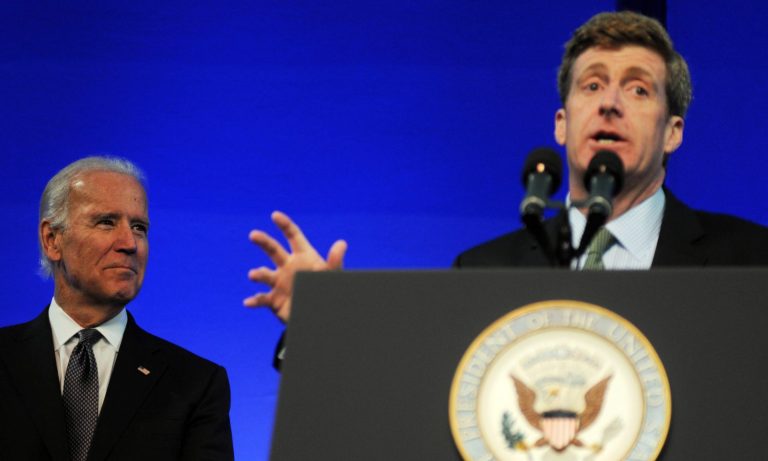
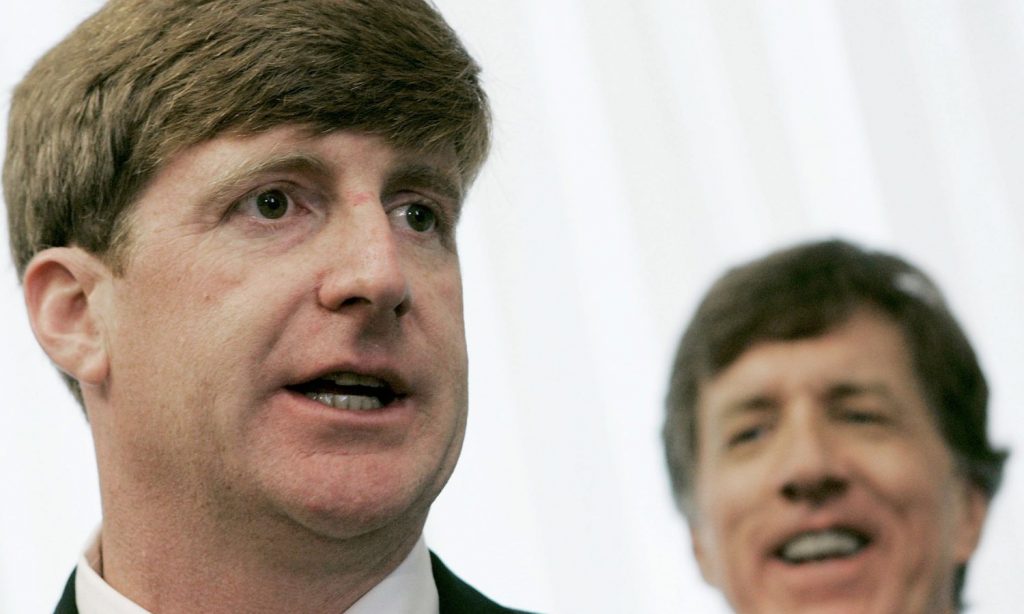
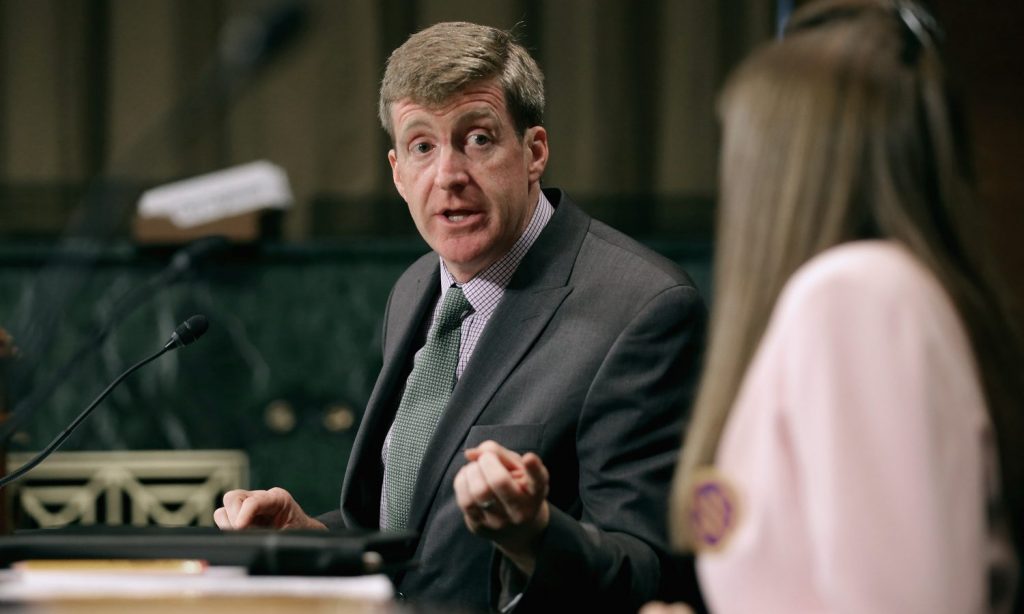
Patrick Kennedy is the cofounder of Smart Approaches to Marijuana (SAM), a well-known adversary of cannabis reform.
A quick read of his bio reveals that Ted’s youngest boy, Patrick Kennedy, might be a good choice for a leading role in developing drug policy that a new administration needs. But there’s a piece of that policy that looks to be especially problematic for Kennedy — the piece dealing with cannabis.
It’s this part of drug policy that has all sorts of trap doors that the new administration doesn’t want to fall into. It regards the workings of an entirely new cash crop industry making billions of dollars growing and selling what is still an illegal drug.
They must choose their leading drug policy guy wisely.
Patrick Kennedy—this Democrat and former Congressman who served 16 years as the U.S. representative for Rhode Island; this guy who overcame his own demons battling alcohol and drug addiction which included cocaine and Oxycontin; this redeemed, remade man—should have a unique understanding of how bad some prescription drugs can be.
On paper, Kennedy looks like he’d be sympathetic to supporting cannabis because it’s a way out of drug addiction. It’s a way to achieve better mental health. His work both in and out of Congress demonstrates that he supports both of those things.
So it’s believable that the new president, Joe Biden, may be open to talk to Kennedy about a position as the head of the Office of National Drug Control Policy (ONDCP), and direct him to deliver policy about what the Biden administration will do with cannabis.
It’s a historic time to be that guy—the director of a top national office with a direct line to the president—working on an issue that a new administration has signaled it’s ready to resolve. There’s a lot riding on what this administration does with the cannabis question: Take it off the U.S. Drug Enforcement Administration (DEA) schedule and legalize all federally? Let states decide their own legalization terms? Or keep it on the DEA schedule, just lower, from its current placement in Schedule 1 (as bad as heroin), to Schedule 2, which would allow more science and research, and let the market work out the details?
Photo by Mark Wilson/Getty Images
There’s a more practical side, more urgent side, to the discussion as well. Cannabis could provide a welcome state revenue boost for any state struggling with economic recovery. Ask Colorado state budget officials (nearly $10 billion in cannabis sales since January, 2014) and Illinois state budget officials (over $1 billion in its first year of recreational cannabis sales).
Many stakeholders with deep pockets are weighing in about what they want to see this administration do with the cannabis industry, and Kennedy is lobbying hard for a look-see leadership role from Biden.
After all, he’s got the chops. He’s a Kennedy. A liberal Democrat. That’s almost enough right there.
But there’s more.
In his letter promoting his candidacy for the ONDCP director position sent two weeks after Biden was elected, Kennedy says he has excellent rapport with National Institutes of Health Directors. He calls Dr. Nora Volkow, the Director of the National Institute on Drug Abuse, “a dear friend and mentor for many years.”
In 2017, Kennedy served on the President’s Commission on Combating Drug Addiction and the Opioid Crisis, but complained that it “did nothing to advance drug policy.” Maybe he wants another shot.
But within a few short paragraphs of his bio — past all the accolades of his achievements, and the impressive list of bills he wrote or co-sponsored about treatment of neurological and psychiatric disorders, and the committees he was on as a Congressman — there is one fact about Patrick Kennedy that may take him out of contention for any drug policy position. And that fact is missing from the bio on his home page.
He is the co-founder of Smart Approaches to Marijuana (SAM), along with Kevin Sabet. SAM is a well-known adversary of cannabis reform.
SAM believes it can prove that there have been more traffic fatalities in Colorado after cannabis was legalized there in 2014. SAM has charts on its website that show a serious spike in calls to poison centers in Oregon, Washington and Colorado after cannabis was legalized there.
Photo by Chip Somodevilla/Getty Images
SAM says that the normalization of cannabis is making drug addicts out of people, which is really what the dispensaries are trying to do. SAM embraces the gateway drug theory.
SAM even makes a connection between the greater availability of cannabis and the rise of the opioid crisis, and alludes to policy changes: “We now have eight years of data to show how these marijuana policy changes—and the industry they created—affect families and communities…As we are only now beginning to address the far-reaching and devastating consequences of the addiction epidemic—driven largely, but not exclusively, by opioids—the rise of additional corporate promotion of drug use comes at an inopportune time.”
The National Organization for the Reform of Marijuana Laws (NORML) says that SAM “has consistently lobbied against virtually every state and federal reform bill to legalize marijuana for either adult-use or for medical use.”
So will SAM be the organization that a guy who wants to advise on drug policy, on cannabis policy, use as his playbook?
Could be.
Just after the launch of SAM in 2013, Kennedy told The Washington Post that marijuana “destroys the brain and expedites psychosis. It’s just an overall bad drug.”
The current thinking on the choice for drug czar is that Biden is leaning toward Kennedy. After all, it was Biden who was one of 87 Senators to vote on the creation of the ONDCP at the height of the war on drugs in 1988. And Biden is probably pondering the work of President Obama’s drug czar, Michael Botticelli, a director who fought his own battle on addiction for 28 years and has a background in public health.
In any case, the ONDCP is not a friend of cannabis. For example, the director of the ONDCP is required by statute to oppose “any study or contract relating to the legalization” of a Schedule 1 substance such as cannabis, and “take such actions as necessary to oppose any attempt to legalize the use of a substance (in any form).”
Maybe Kennedy has evolved his thinking since 2013. In his letter laying out why he should be considered for drug czar, Kennedy wanted Biden to know that he supports marijuana decriminalization, expanded research and expungement as priorities for this overall bad drug. That sounds…better.
But then he goes on to say in the letter something that resembles late 1990s thinking—that he recognizes the dangers of today’s higher potency consumption options, and equates that with addiction requiring treatment. “I have spent the last decade navigating policy solutions and special programming to tackle the crisis of addiction. I would welcome the opportunity to serve this Administration, the American people, and my fellows in recovery, as Director of the Office of National Drug Control Policy.”
NORML is having none of it. The organization has called for the elimination of the ONDCP, and rejecting Kennedy as he lobbies for the position as the director—or the new drug czar, a phrase that Biden actually coined.
In a petition posted on its website, NORML stated that, at a minimum, “the head of (ONDCP) must be someone whose views align with those of most Americans. Former Rep. Patrick Kennedy does not meet this criteria. In 2014, Kennedy said ‘Incarceration is a powerful motivator,’ in regard to his efforts to prevent the adult consumption of cannabis. There is no place in the Biden administration for policy leaders who cling to these outdated viewpoints.”
Then there is the actual legislative work that would involve Kennedy if selected as director.
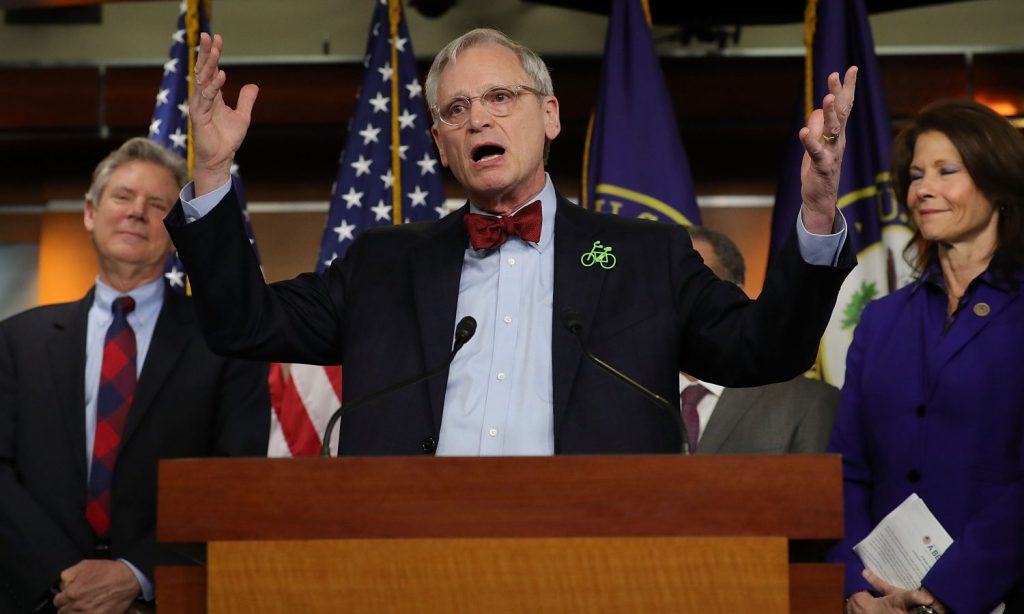
Rep. Earl Blumenauer (D-OR)/Photo by Chip Somodevilla/Getty Images
Earl Blumenauer is the U.S. representative for Oregon who has been advocating for cannabis longer than any presently serving member. Any drug policy czar will likely be doing a lot of work with Blumenauer and the members of the Congressional Cannabis Caucus that Blumenauer created in 2017 to work on a “more rational approach to federal cannabis policy.”
Blumenauer watched the Marijuana Opportunity Reinvestment and Expungement Act (MORE Act)—Vice President Kamala Harris’ comprehensive legalization bill she introduced in 2019 that deschedules cannabis and provides social equities, among other things—pass the House in December, 2020. The Senate has signaled that they will now take it up.
It’s the most historic legislative achievement to date on the issue of descheduling and legalizing cannabis. And NORML is keeping the pressure up with reports of a survey showing 61% of Americans think legalizing cannabis is “a good idea.”
So one way or another, there’s going to be a new drug czar. A new reckoning about the fate of legalized cannabis will be his first order of business. A showdown in the offing. The burning question remains: Will Kennedy play ball? Or.. punt?
A conservative market includes product bans, typically restricting access to flower and vapes, as well as THC potency caps.
Cannabis reform is undoubtedly spreading across the United States, as more states adopt medical and adult use laws. However, many states that have done so over the years have been labeled as conservative for a variety of reasons. And it isn’t just traditionally red states doing the restricting.
Until it embraced reform in recent years, New York was considered one of the most restrictive for, among other things, its caps on qualifying conditions, licenses and high pricing. The trend continues today, where states like South Carolina tout the possibility of having the most conservative market in America if it were to pass legislation.
While the rules can frustrate operators, consumers and advocates alike, some in the space say that a conservative approach is the only way some states will warm to cannabis reform.
Key Characteristics Of A Conservative State Cannabis Market
“Conservative” is a nuanced term when applied to cannabis markets.
Dr. Chanda Macias, owner and CEO of National Holistic in Washington DC, said a conservative market includes product bans, typically restricting access to flower and vapes, as well as THC potency caps.
“While often done with good intentions, I believe that the medical value of THC is often misunderstood, and THC limits drastically limit the benefits of the medicine and limit doctor options,” she said.
Product and potency caps join licensing limitations and other rules in creating conservative markets.
Abby Stoddard, a pharmacist and founder of The Client Centered Network, offered a similar response as Dr. Macias. Stoddard also elaborated on vertical integration, a requirement in many states that requires a business owns all aspects of production, from cultivation to sale.
While there are concerns, Stoddard believes vertical integration could benefit states with a more streamlined model. “The use of state seed-to-sale tracking software can provide this [to a] system, but at the outset, vertical integration provides the most easily traceable products from a regulatory perspective,” she said.
Stoddard also agreed that product limitations are a hallmark of a conservative market, as is prohibiting home cultivation.
Jeff Zucker, vice-chair of the Marijuana Policy Project, expanded on patient access restrictions. While it is concerning to see states allow just a few types of conditions to quality, Zucker, a South Carolina native, said that is sometimes the only way a bill can pass.
“The more narrow the bill can be, without making it useless, the more likely we can get a vote,” said Zucker of cannabis reform prospects in the most conservative states.
Photo by Matthew Lloyd/Getty Images
Which State Is Most Conservative?
With all the criteria to assess, it is difficult, if not impossible, to designate one state as the most conservative.
With all the factors in play, Dr. Macias said it comes down to how a person defines conservative. Macias, who is also chairwoman of the board of managers and CEO for the organization Women Grow, considers several states as leading candidates for the distinction.
She included Louisiana because of regulations requiring cannabis be treated as a pharmaceutical. “Recommendations have significantly more physician involvement than any other state, and products are only sold at retail by a licensed pharmacist,” said Dr. Macias. She said that Georgia, when online, could become even more restrictive. Currently, the state’s “low THC oil” program allows patients to have up to 20 ounces of cannabis oil containing less than 5% THC.
Macias looked at other low THC states, stating that Texas’ current program “literally does not work” by capping medicine at .5% THC. However, lawmakers began 2021 with efforts to expand the program’s qualifying conditions and its registered patient pool.
Stoddard, a member of the Minnesota Department of Health’s Medical Cannabis Review Panel, offered up her state as a contender, or as she put it, “the leader of this unfortunate club.”
She cited the state’s ban of flower for businesses and patients as a significant setback. Additional pain points find the state licensing just two vertically integrated producers. The two producers operate roughly 15 dispensaries for the state’s 5 million citizens.
Patient fees are a concern as well. “Minnesota’s program also requires a steep fee for patients to enroll: $200 per year for those who don’t qualify for discounts,” she said.
Both Stoddard and Zucker see South Carolina as potentially following through on its most conservative claim as well. Still, Stoddard sees South Carolina’s proposal giving more leeway in the form of allowing one dispensary for every 20 pharmacies in the state.
“That would easily be hundreds of retailers,” she said. While patients still couldn’t buy or grow smokable flower, Stoddard sees the proposed allowance of edibles as a reason for giving her home state the distinction.
In Some States, Conservative Is The Only Way To Go
Dr. Macias and Stoddard highlighted how a conservative program could benefit certain aspects of the market. For his part, Zucker, who along with MPP has worked with South Carolina advocates for over four years on the bill, said conservative bills can help open the door for otherwise opponents of reform. He added that, in some cases, a restrictive bill is the only measure that could pass.
While not ideal to advocates, Zucker said the passage of such bills can create progress for some in the present and others down the line.
“From an advocacy perspective, the restrictive approach still allows us to get some relief for patients in extreme need while hopefully changing hearts and minds around the state to allow the laws to open up further,” he said.
South Dakota was one of five states to vote for cannabis-focusedballot initiatives during November elections, with around 54% of voters supporting it.
Now, instead of implementing the new law and setting up regulations for the burgeoning industry, a state judge says the measure is unconstitutional.
Why?
The initiative violates the Mount Rushmore State’s requirement that constitutional amendments deal with just one subject, circuit judge Christina Klinger ruled (h/t the Associated Press).
South Dakota Governor Kristi Noem first challenged the amendment, and ordered a lawsuit to overturn the adult-use portion of the ballot results in January.
“Amendment A is a revision as it has far-reaching effects on the basic nature of South Dakota’s governmental system,” Klinger, wrote in her ruling.
Klinger was appointed as a circuit court judge by Noem in 2019.
“Today’s decision protects and safeguards our constitution,” Noem said in a statement. “I’m confident that South Dakota Supreme Court, if asked to weigh in as well, will come to the same conclusion.”
Nevertheless, cannabis advocates in South Dakota are rallying.
Brendan Johnson, who sponsored the amendment noted they will make an appeal to the state’s Supreme Court. If a higher court overturns Klinger’s decision, South Dakota residents would be able to legally possess small amounts of cannabis, which, prior to the ruling, was supposed to begin July 1.
Photo by matt_benoit/Getty Images
Montana, Mississippi, and N.J. Also Have Challenges
Montana, Mississippi, and New Jersey are each facing different challenges on the heels of Election Day.
While Montana lawmakers weren’t looking to overturn the results of its election, they denied requests from the Department of Revenue to finance the program. On the other hand, The Treasure State welcomed home cultivation and possession on New Year’s Day.
In Mississippi, Mayor of the city Madison, Mary Hawkins claims that the initiative process was out of date because rules weren’t renewed upon Mississippi lowering the number of its congressional districts.
New Jersey must postpone implementation of a ballot measure, as Democratic Gov. Phil Murphy is declining to sign the bill. Murphy proposed a “cleanup bill” with harsher penalties for those underage and caught with cannabis. The Governor first had until Feb .8 to pass the bill, but that deadline was pushed to Feb. 18.
Arizona was the only state to implement the new program smoothly, welcoming adult-use sales already on Jan. 22.
By building a positive presence on social media, stock traders may unwittingly become attracted to a company.
Can a social media profile improve a company’s stock performance? The market saw what happened on Reddit boards with GameStop stock as traders chatted with each other about shorting the stock. Could a company that is active on social media, without any specific call to action regarding the stock, influence the interest in the company’s stock?
“If investors are looking to determine the popularity of a company or demand for its product, they can analyze the brand’s social media. If they see great engagement on posts, high account following, or virality, high re-share of a brand’s content, they may make an assumption that this company will be even a greater hit with consumers in the future,” said mega influencer Amra Beganovich.
“Investors can use software to track social media performance and reveal organic growth giving them greater confidence to invest in an expanding brand visibility and product popularity.” Beganovich has built from scratch over two million followers on social and is one of the founders of A&E, a digital agency ranking #1 on Google for competitive keywords like “top 100 tech influencers.”
Awesomepova recently issued a social media traction report that specifically looked at cannabis companies. Four companies were listed as top performers in December and they were Trulieve (OTC:TCNNF), Canopy Growth (NASDAQ: CGC), Charlotte’s Web (OTC: CWBHF) and cbdMD (NYSE: YCBD). Two companies were listed as having an honorable mention and they were Aurora Cannabis (NYSE: ACB) and Harvest Health & Recreation (OTC: HRVSF).
Awesomepova came to this conclusion by reviewing which companies were in the top five social media platforms like Instagram, Facebook, YouTube, LinkedIn and Twitter. Website visits were also taken into consideration. The report then dived into each platform to see who performed the best. However, Instagram was determined to be the most popular platform for cannabis companies with 300-400 total posts each month.
Thirty-four percent of company followers were on Instagram followed by 28% on LinkedIn, 21% on Facebook and 16% on Twitter. Americans easily outnumber Canadians on social media with a whopping 85% of American operators on platforms versus only 15% of Canadian operators. First, let’s look at Instagram because it has the most followers, but then also Twitter because that’s where the stock traders tend to dwell.
Photo by Minty via rawpixel.com
Instagram
The top five companies starting with the most followers to the least are:
Harvest Health & Recreation 188k
cbdMD 159k
Charlotte’s Web Holdings 74k
Trulieve Cannabis 53k
Cresco Labs 36k
The companies with a trailing presence, meaning less than 10k followers and less than five posts a month are:
Curaleaf
Aurora Cannabis
Supreme Cannabis
WeedMD
Of course, there can be many reasons why a company’s stock can move, but let’s see if there is any correlation. This report only covered December and so we’ll only look at December stock moves.
Top social media cannabis company stock performance in December:
Harvest Health increased 6.9%
cbdMD increased 6.5%
Charlotte’s Web down 32%
Trulieve up 4.8%
Cresco Labs down 4.5%
The cannabis underperformers in social media December stock performance:
Curaleaf up 8%
Aurora Cannabis down 14%
Supreme down 9%
WeedMD down 20%
Twitter
The report noted that Canopy Growth had a marginal increase of 300 followers, but that Trulieve was pushing its twitter presence with 800 tweets in December and adding 500 followers. The report also pointed out that Organigram had not really added followers since August 2020 and
The top five companies with the most Twitter followers in December were:
Canopy Growth 35k
Aphria 32K
Tilray 24k
Organigram 19k
Trulieve 14k
The stock performance in December of the cannabis Twitter leaders:
Canopy Growth down 7%
Aphria down 9%
Tilray up 2%
Organigram up 3.9%
Trulieve up 4.8%
The report was less clear on Twitter underperformance but it did note that Namaste technologies account had been suspended, but it seems to still exists but only has a few thousand followers. FSD Pharma was called out for losing Twitter followers and the company is an infrequent tweeter. Organigram was mentioned for not adding followers and the company is also an infrequent tweeter.
Looking at these three companies and stock performance we see the following in December:
Namaste Technologies down 11%
FSD Pharma down 13%
Organigram up 3.9%
Not conclusive at all, but the odds seem to favor companies that are more active on social media with better stock prices. According to Beganovich, “Third party platforms have made it all too easy to program robots to respond to posts or comments on a particular subject matter and in effect make particular viewpoints appear as if ‘mainstream.’ What started out as a programmer’s tool has turned into a technique used by brands to create hype around a product or political organizations to garner support for ideas and mobilize groups.” In other words, by building a positive presence on social media, stock traders may unwittingly become attracted to a company.
Valentine’s Day is upon us. Here are some gift ideas, from chocolate boxes to fun and relaxing cannabis products.
Valentine’s Day is right around the corner and while you won’t be able to comfortably dine out in a restaurant along with other mushy couples, you may still be able to get something good out of Cupid’s day.
February 14 is not really a holiday; it’s more of a glorified occasion where you can have a high stakes date, eat good food, go HAM on a lot of chocolate and spend some time with your partner. Recently, Valentine’s Day has expanded itself; it’s now nice to give gifts to friends and family members, who may be feeling especially more lonely this year. While presents aren’t expected, they’re a thoughtful gesture that can range in price and functionality since V-Day is pretty loose in terms of expectations.
You could go the traditional route with chocolates and flowers, or you could try something new. Here are just a few ideas.
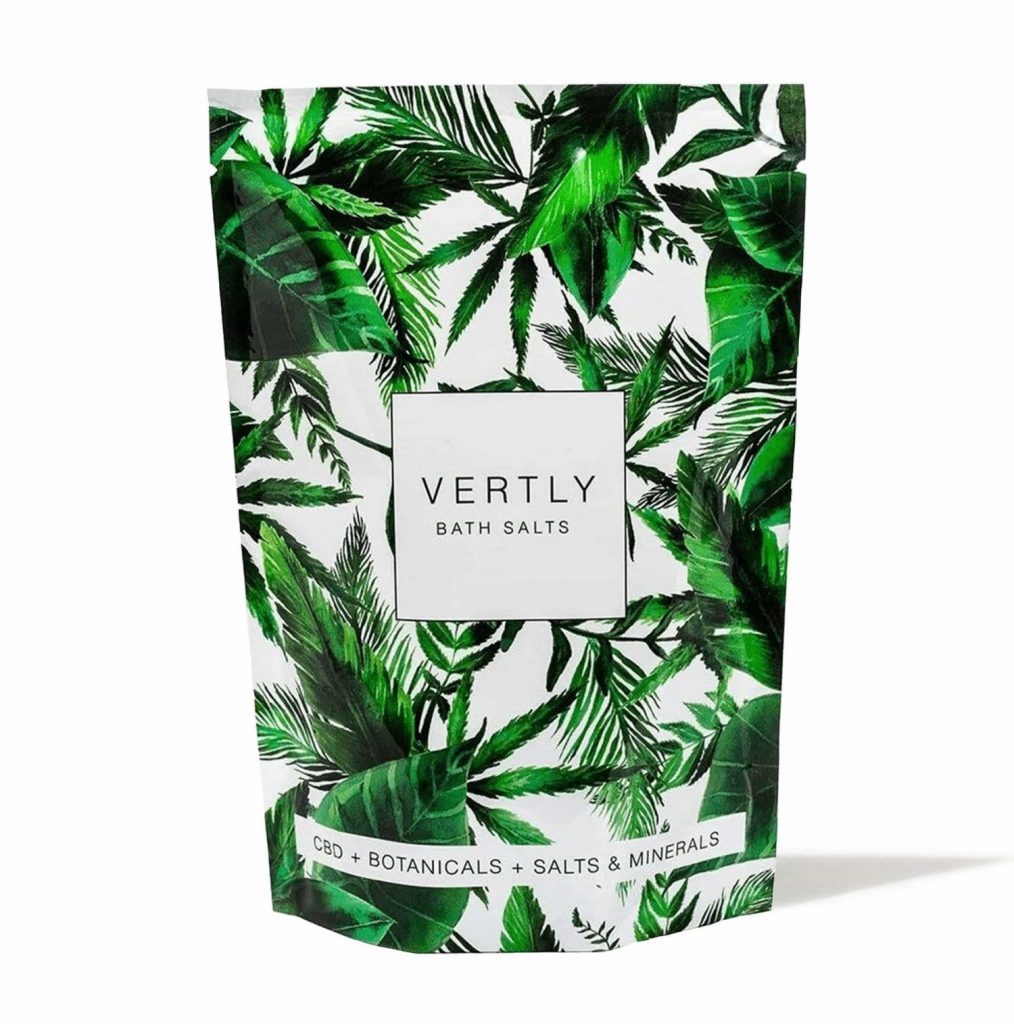
Everyone wants to relax right now, but sadly it’s becoming increasingly difficult, so we need all the help we can get. There’s tons of stuff that can help you feel relaxed, at least, momentarily. You can gift some regular bath bombs or some with CBD if you want your gift to be extra relaxing, like Vertly’s bath salts. Nourish Mantra makes some great mud masks that contain different products and that feel thick and pleasant on your skin, resulting in a face that feels and looks smooth and clear. Products like Saint Jane look and feel fancy, and can help treat eye bags and while reviving your skin. Before you use, remember to test the product in a small patch of skin.
Valentine’s Day is a great day to indulge in your oral senses, whether someone’s cooking for you, take-out is ordered in, or chocolates is consumed. Cookbooks make for great gifts, provided that you don’t imply that your significant other should cook more or cook better, because then you’re just asking for a fight. If you’re interested in wine pairings and food recipes, you can try Washington Wine + Food. If you want something sweeter, you can try Dessert Person. You can also try meal prep kits, such as Hello Fresh and Blue Apron.
If you want something more traditional, boxed chocolates are a great option. Kiva Confections makes delicious chocolates infused with cannabinoids, like CBN, THC and CBD. Boxed chocolates, such as Recchiuti Confections, don’t contain cannabis, but are still delicious.
Valentine’s Day is supposed to be sexy and fun, even if we’re living through unsexy and unfun times. It’s the thought that matters, right? Cannabis lubricants and arousal oils cost more than the standard bottle of lube you can find at CVS, but they also feel different, and contain lovely scents and cannabinoids that affect your body in interesting and novel ways. CBD by Playboy‘s products have a strong vanilla scent that’s really nice, while Standard Dose’s Common Bond lubricant is light and washes quickly off the skin.
If you want your gift to be a little more fun and have a longer life, you can try underwear sets, like MeUndies. This brand makes underwear for men and women that’s comfortable and malleable, with adorable designs. They also make Valentine’s Day underwear for women that isn’t exclusively thongs, which is a plus.
If you’re all about the fun and entertainment this year, you can try out a wine subscription box like Winc Monthly Wine Club, which costs $39 a month, or SommSelect Monthly Wine Club, which starts at $99 a month and provides you with a themed subscription box curated by Ian Cauble, that sommelier with the Netflix show.
If you’re interested in weed, Playboy makes some beautiful ashtrays and pipes, featuring that infamous bunny. If you’re interested in getting your smoke on, there’s ZBooks, beautiful looking rolling paper that result in joints that are bright and stable. Made by Z’s Life, these products were made in partnership with One Tree Planted, ensuring that with every product you purchase, a tree gets planted.
You can also try a book subscription, like Book of the Month or Tailored Book Recommendations, which provide readers with books and are simple ways of helping people get back into reading.